Blackburn Blackburd
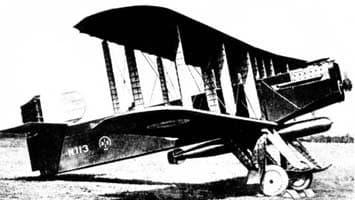
In late 1917, the Admiralty issued a requirement for a deck-based torpedo bomber to replace the outdated Sopwith Cuckoo. In response, H. Booth, a designer at the Blackburn company, developed a machine named Blackburd.
Innovative Design Features
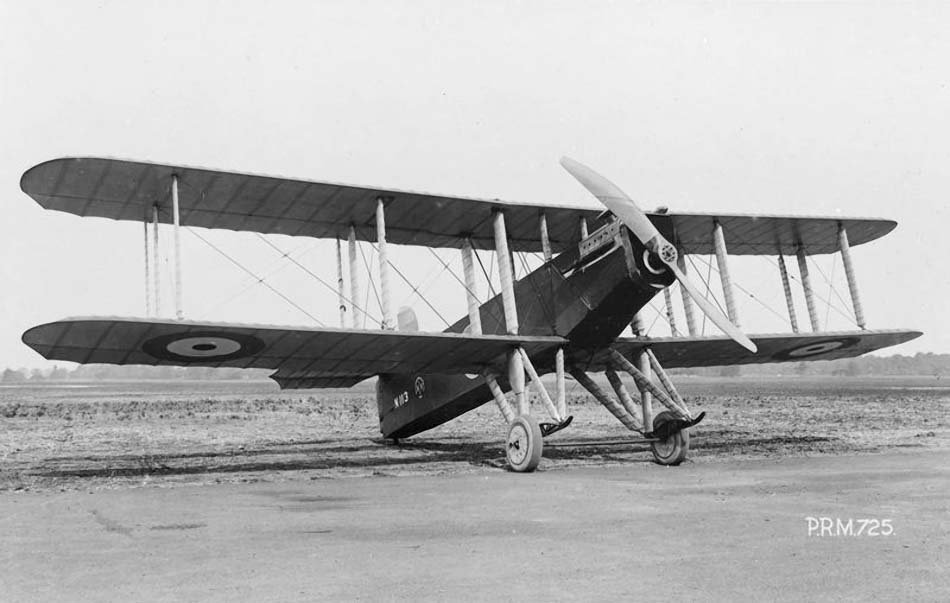
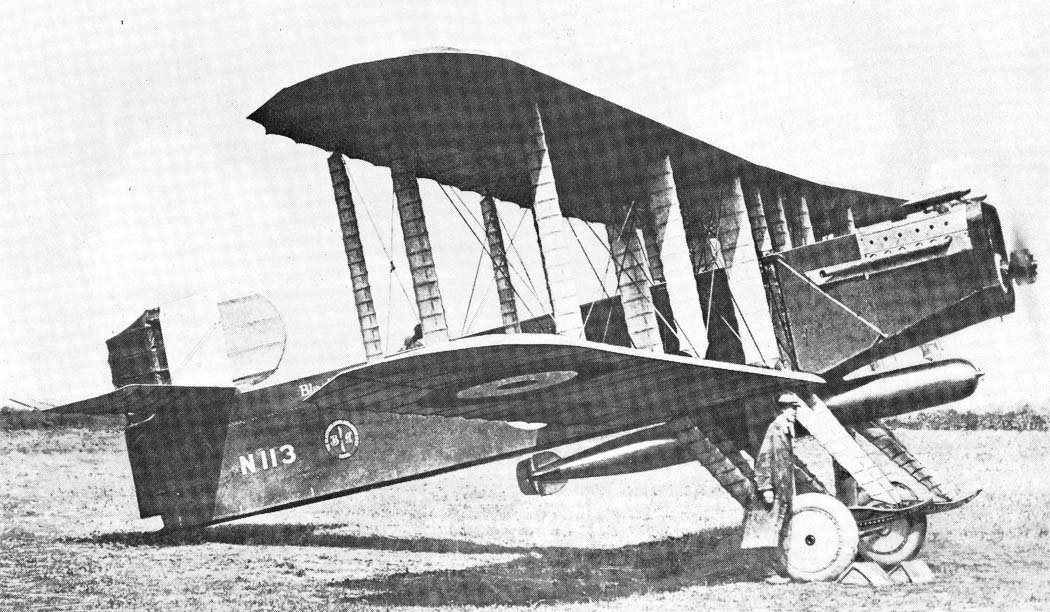
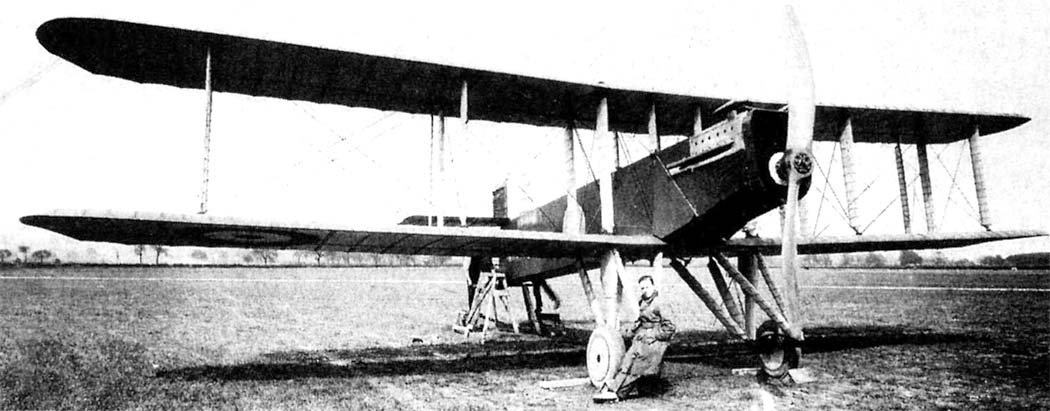
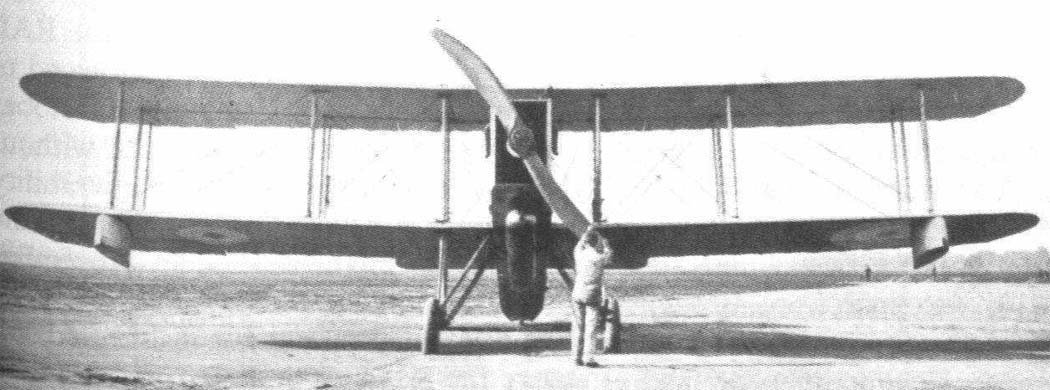
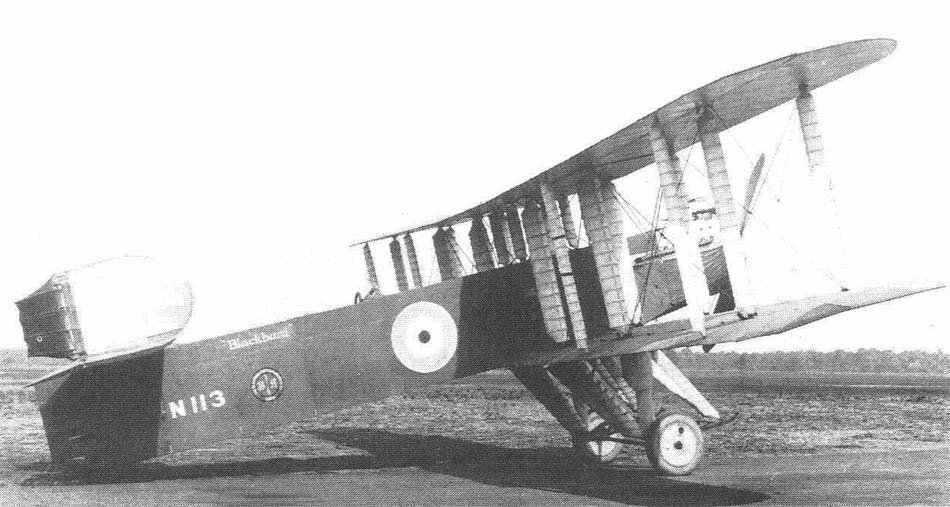
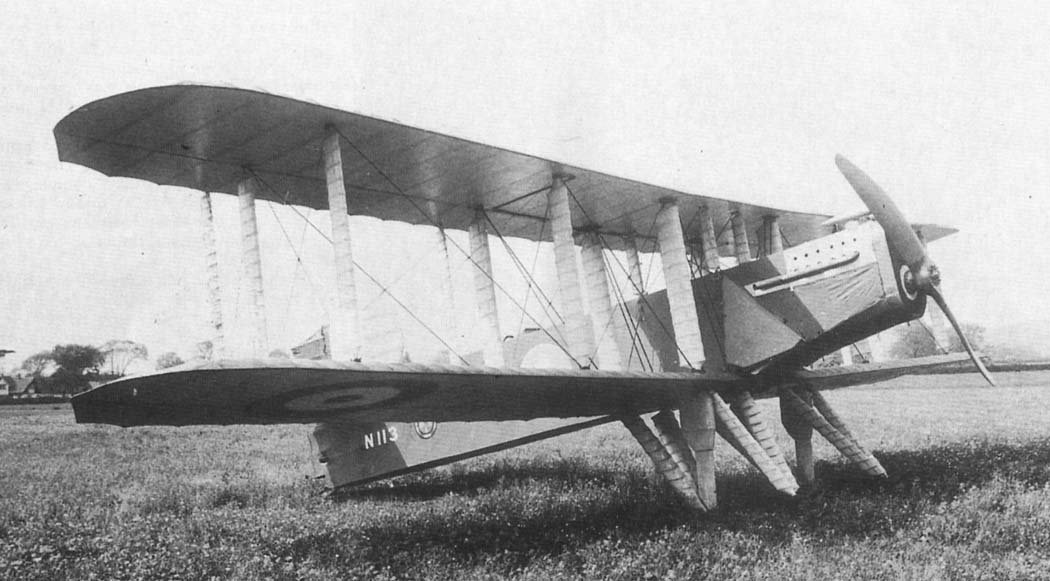
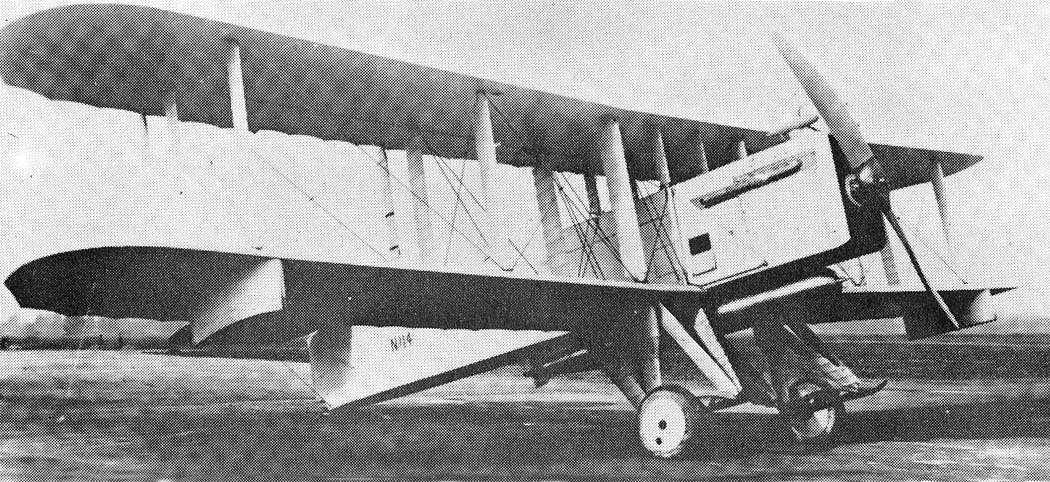
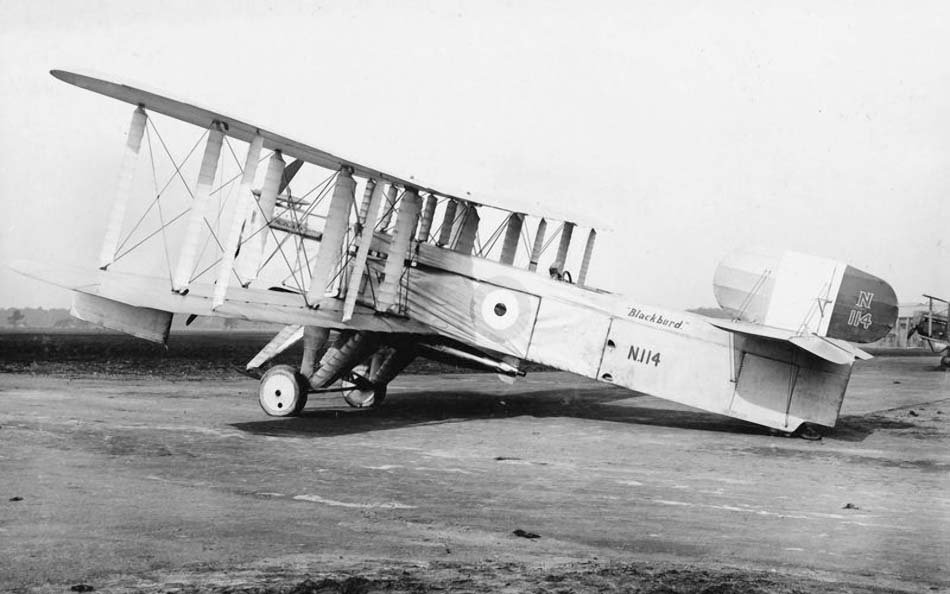
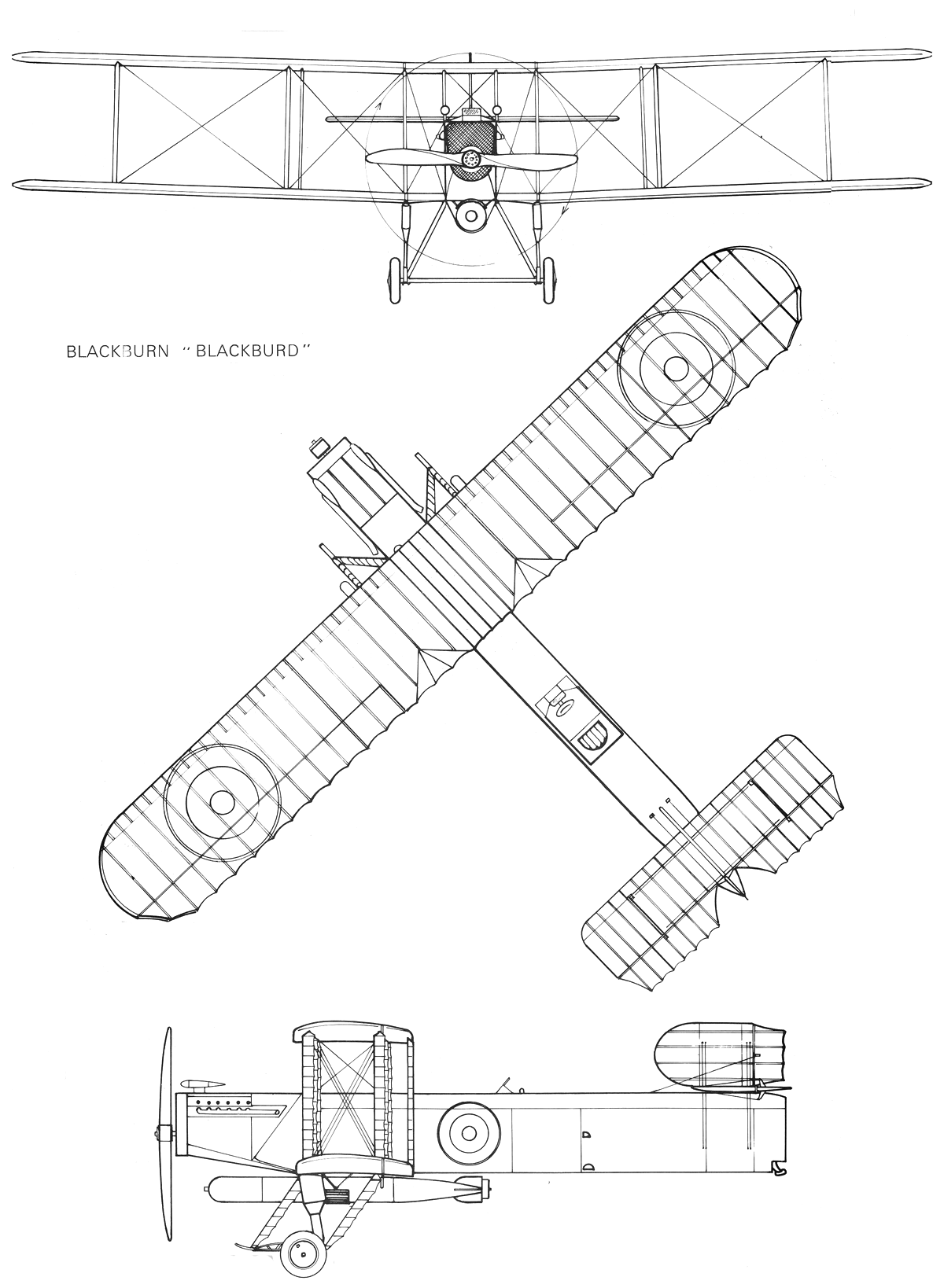
Although the wings of this single-seater, all-wooden biplane were traditional—folding backward for storage in a ship’s hangar and featuring powerful mechanization for its time—the rest was somewhat unusual. The designer gave the fuselage a perfect box shape, only slightly tapered at the tail. This design wasn’t particularly beautiful but was strong and simple to manufacture.
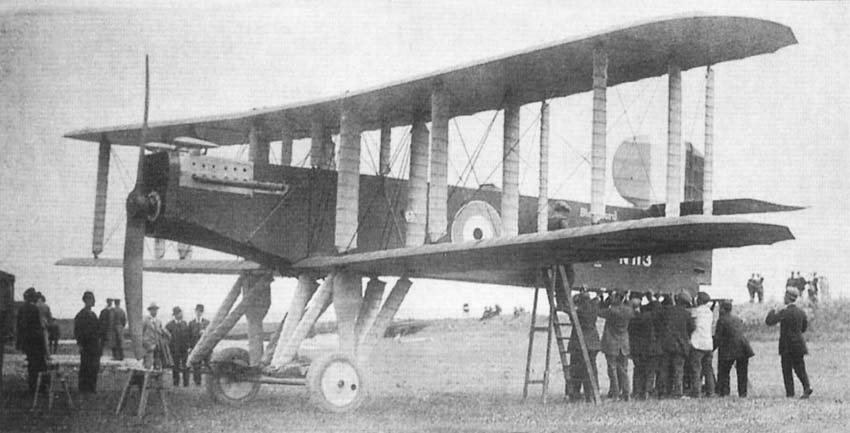
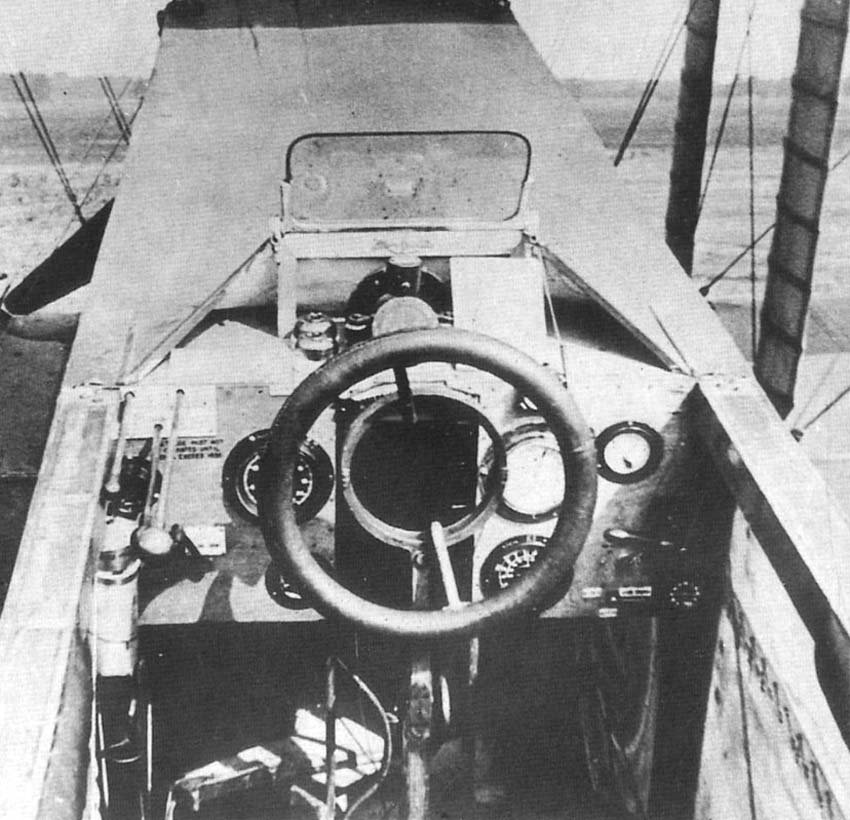
The “boxiness” was accentuated by the 350 hp Rolls-Royce Eagle VIII inline engine, especially its flat frontal radiator. Due to the engine’s considerable weight, the horizontal stabilizer had an inverted camber to prevent nose-down pitching during both flight and landing. The pilot’s cockpit was located far behind the biplane wing structure, offering no forward visibility.
The Detachable Landing Gear
However, the most astonishing detail of the aircraft was its landing gear. It was wheeled, as the machine was intended for true aircraft carriers like the HMS Argus. Yet, wheeled landing gear typically implied a common axle in those years, which, however, prevented a torpedo from being suspended beneath the aircraft, as it obstructed its release.
Blackburn solved this problem simply: the axle with wheels detached immediately after takeoff. The aircraft (naturally, already without the torpedo) was then supposed to land on two independent ski-like landing skids with shock absorbers. These shock absorbers produced an unexpected effect: during landing, due to uneven loads, the aircraft wobbled from side to side and “shuffled” comically on its landing skids. As for the tail skid, it was virtually non-existent, and the machine landed on its own rear.
Prototypes and Testing
In late May 1918, trials of the first Blackburd began. The results were far from brilliant; its handling left much to be desired, which was a serious defect for a deck-based aircraft. Ultimately, the aeroplane crashed.
The second Blackburd was used for practicing torpedo attacks and featured a modified tail unit, a larger engine radiator, and underwing floats for emergency water landings. The third Blackburd was almost an exact copy of the second, with the difference being special sealed compartments in the nose of the fuselage to keep the aircraft afloat during water landings. This machine underwent deck trials on the HMS Argus, and there is information that a second cockpit for a passenger was installed on it late in its career.
Neither the Blackburd nor its competitor, the Shirl, went into series production. Instead, additional Sopwith Cuckoos were ordered, and by the early 1920s, the “ugly” torpedo bomber became history.
Technical Specifications
| Modification | Blackburd |
| Wingspan, m | 16.00 |
| Length, m | 10.60 |
| Height, m | 3.77 |
| Wing area, m2 | 63.55 |
| Empty weight | 1465 |
| Normal takeoff weight | 2585 |
| Engine type | 1 Piston engine Rolls-Royce Eagle VIII |
| Power, hp | 1 x 350 |
| Maximum speed, km/h | 175 |
| Cruising speed, km/h | 153 |
| Practical range, km | 800 |
| Service ceiling, m | 3600 |
| Crew, crew members | 1 |
| Armament | 1 torpedo |
Image and diagram gallery of the Blackburn Blackburd
 Blackburd |
 Blackburd |
 Blackburd |
 Blackburd |
 Blackburd |
 Blackburd |
 Blackburd |
 Blackburd |
 Blackburd |
 Blackburd |
 Blackburd |
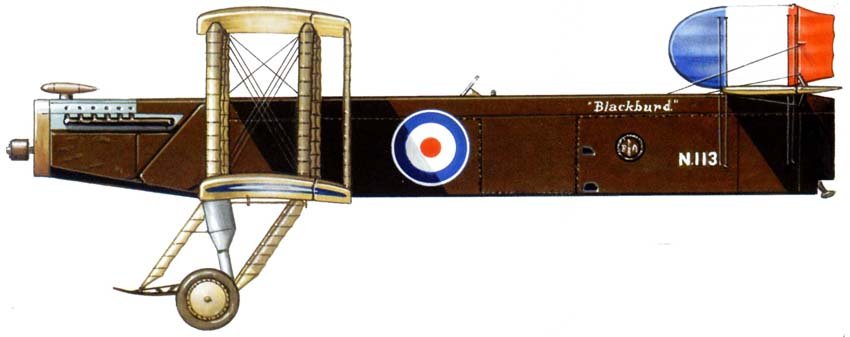 Blackburd |
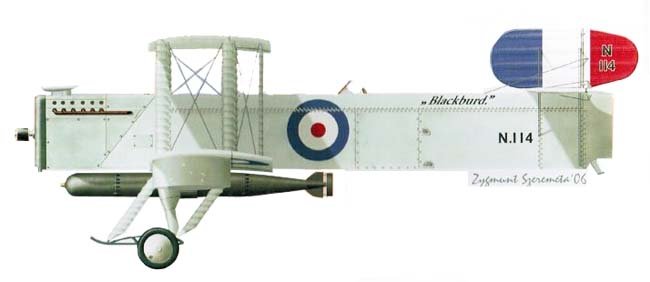 Blackburd |
Equipo Editorial de ArchivoAéreo
Grupo de investigadores y entusiastas de la aviación dedicados a documentar y preservar la historia aeronáutica mundial. Todos los artículos son revisados para garantizar precisión histórica.
Fuentes y Rigurosidad
La información presentada en esta ficha técnica ha sido compilada a partir de manuales de vuelo desclasificados, archivos históricos y bibliografía especializada. Aunque nos esforzamos por mantener la máxima precisión, algunos datos de rendimiento pueden variar según la variante específica o las condiciones operativas.