Bristol Type 32 Bullet
Design and Debut
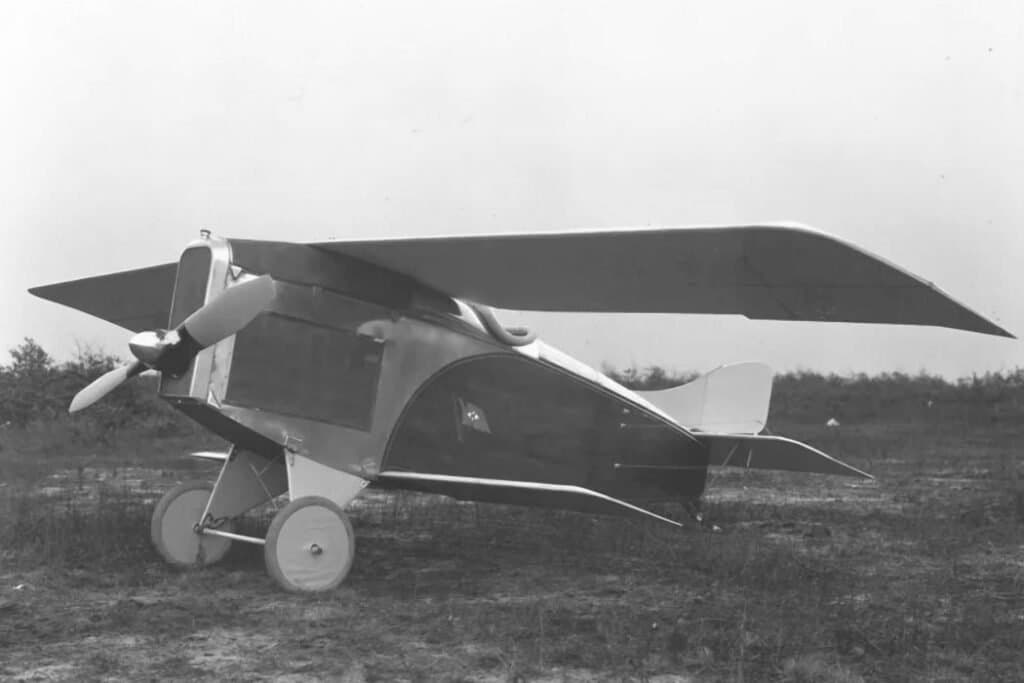
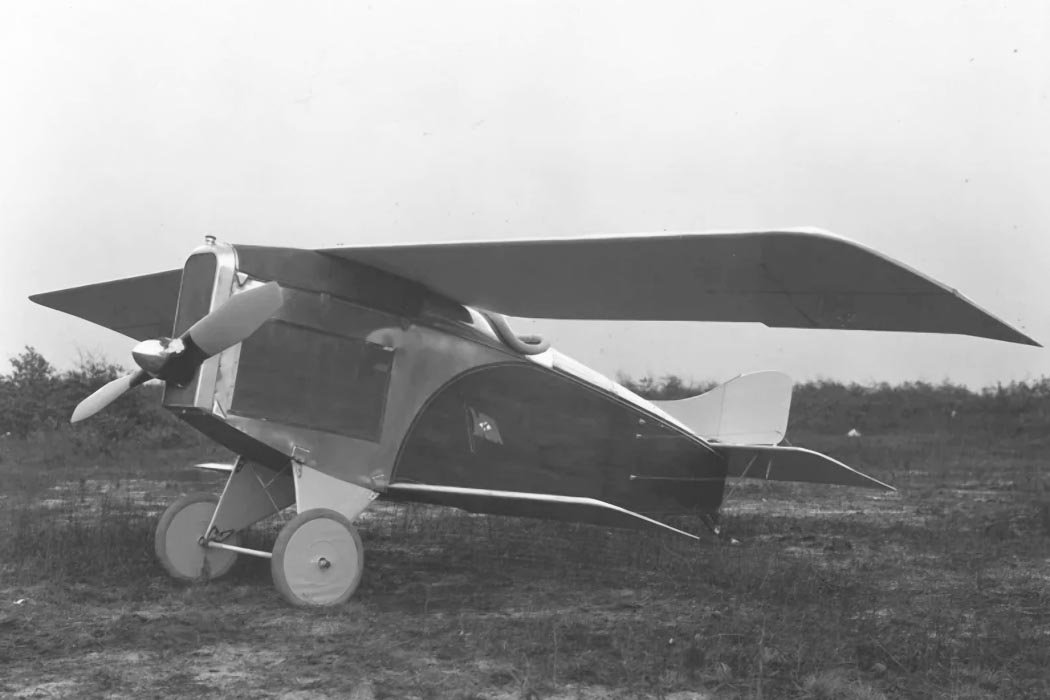
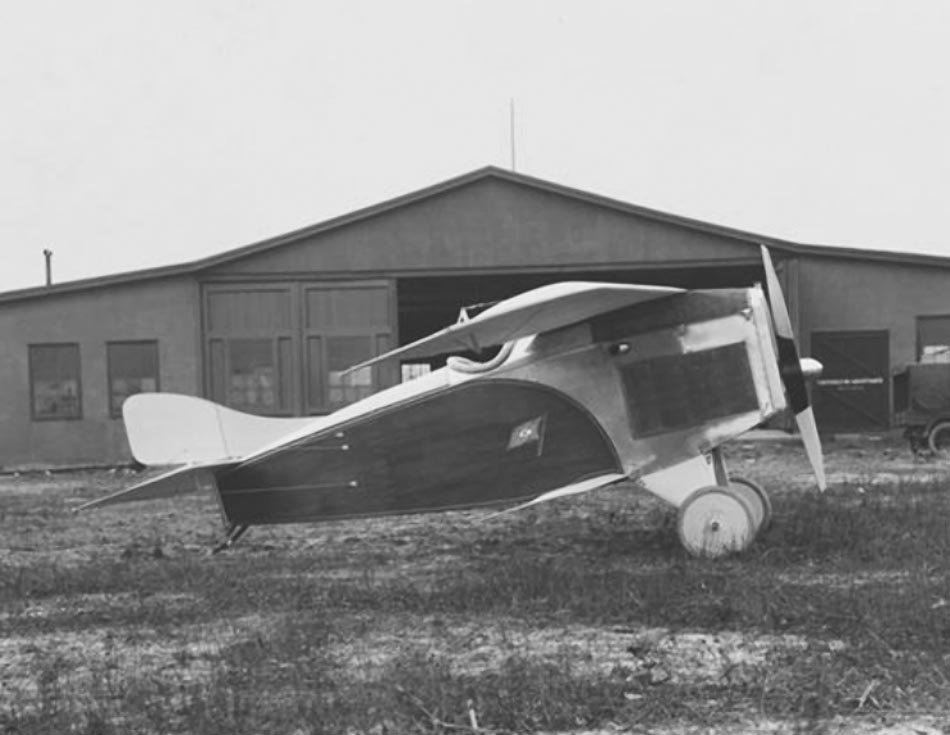
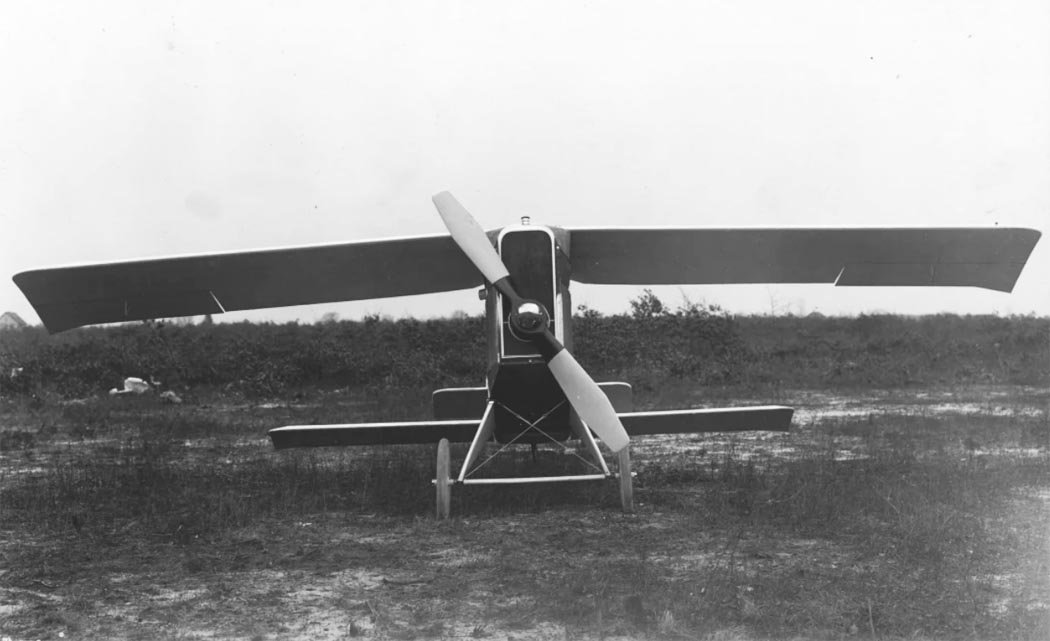
The Bristol Type 32 Bullet racing aircraft was developed by Captain Frank Barnwell in 1919. This distinctive aircraft, bearing registration number G-EATS (and serial 5869), was powered by a Cosmos Jupiter engine. It made its public debut at the prestigious Paris Air Show in December 1919, showcasing its innovative design to the aviation world.
Operational History and Performance
The Bullet’s maiden flight took place in June 1920, marking the beginning of its brief but notable operational life. Following several structural modifications in February 1921, the aircraft proved its capabilities in competitive racing. In the same year, Captain Uwins piloted the Bullet to a remarkable second place in the Arial Derby air races, achieving an impressive average speed of 227 km/h.
Despite its promising performance, the Bristol Type 32 Bullet had a relatively short career. The aircraft was ultimately disassembled towards the end of 1924, concluding its presence in the aviation scene.
Technical Specifications
| Modification | Bullet |
| Wingspan, m | 6. 81 |
| Aircraft length, m | 7. 34 |
| Aircraft height, m | 2. 69 |
| Wing area, m2 | 16.72 |
| Empty weight | 816 |
| Maximum takeoff weight | 1043 |
| Engine type | 1 Piston engine Bristol Jupiter II |
| Power, hp | 1 x 450 |
| Maximum speed, km/h | 274 |
| Cruising speed, km/h | 238 |
| Crew, crew members | 1 |
Image and diagram gallery of the Bristol Type 32 Bullet
 Bullet |
 Bullet |
 Bullet |
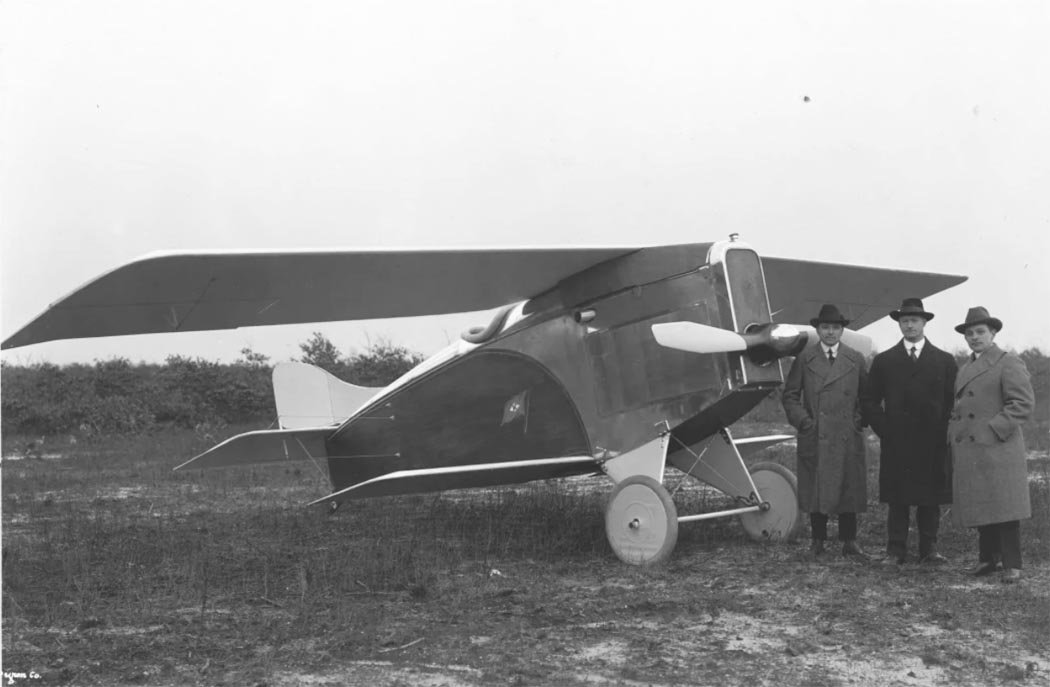 Bullet |
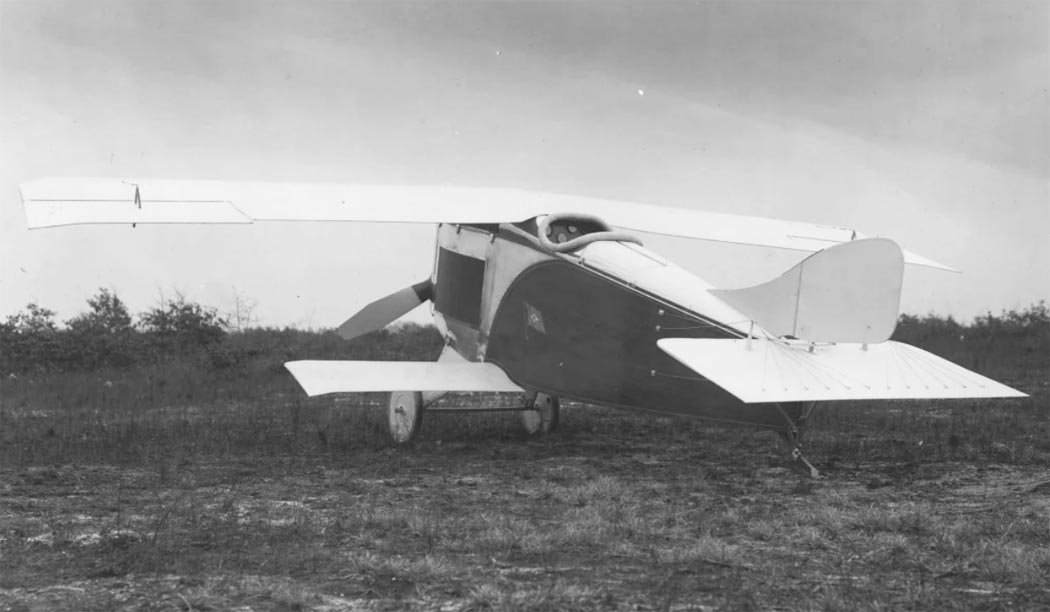 Bullet |
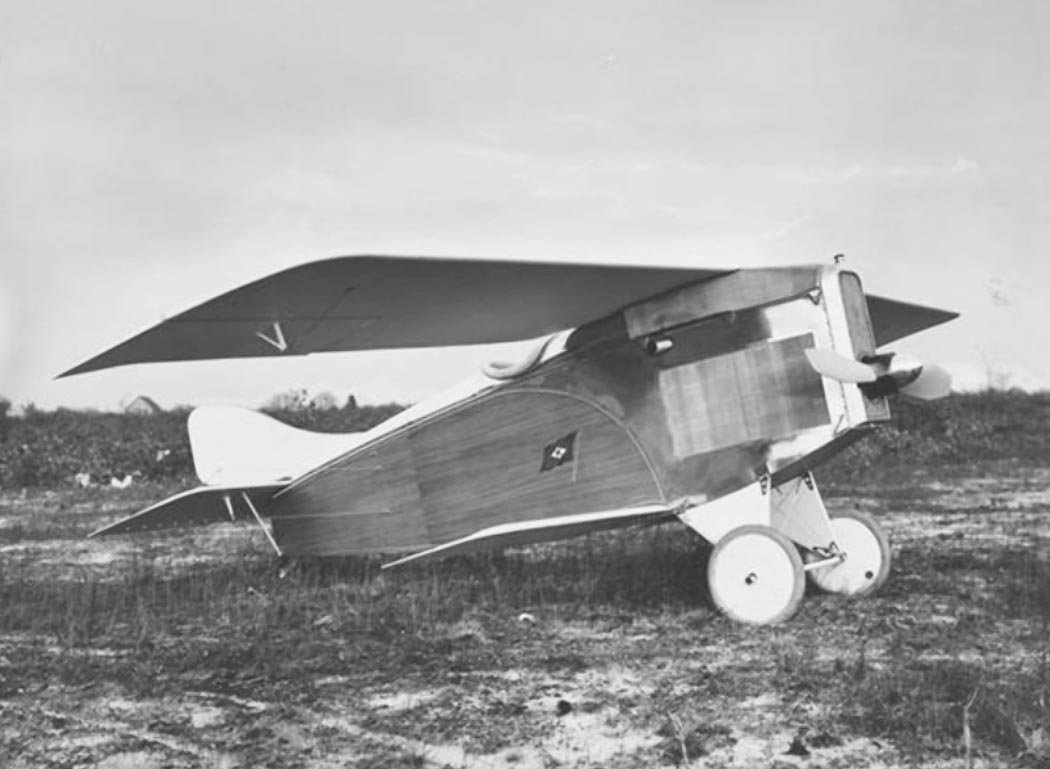 Bullet |
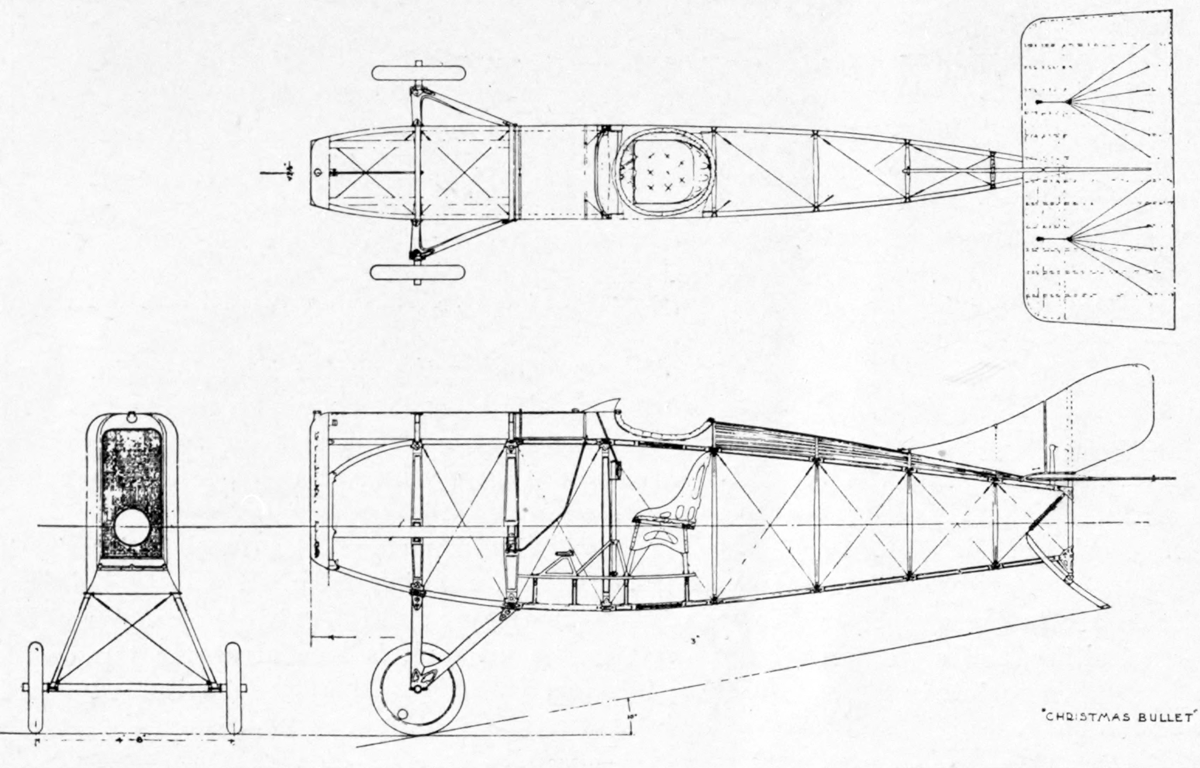 Bullet |
Equipo Editorial de ArchivoAéreo
Grupo de investigadores y entusiastas de la aviación dedicados a documentar y preservar la historia aeronáutica mundial. Todos los artículos son revisados para garantizar precisión histórica.
Fuentes y Rigurosidad
La información presentada en esta ficha técnica ha sido compilada a partir de manuales de vuelo desclasificados, archivos históricos y bibliografía especializada. Aunque nos esforzamos por mantener la máxima precisión, algunos datos de rendimiento pueden variar según la variante específica o las condiciones operativas.