 Bombardero
Breguet Br.16
Descubre el Breguet Br.16, un avión francés de bombardeo y reconocimiento de la Primera Guerra Mundial. Conoce su diseño, servicio y legado.
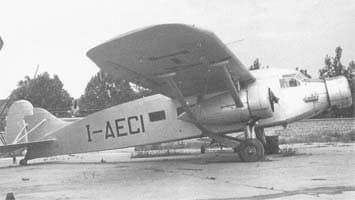
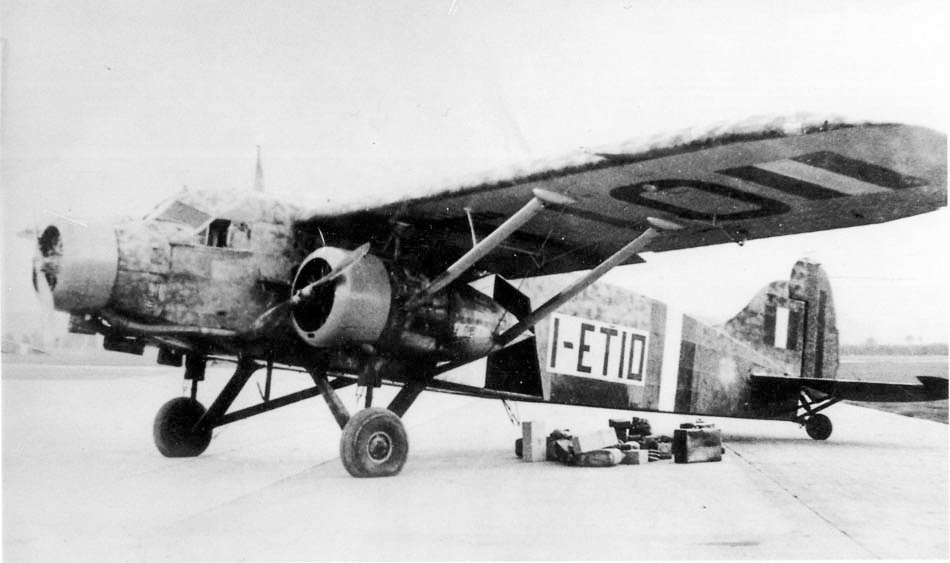
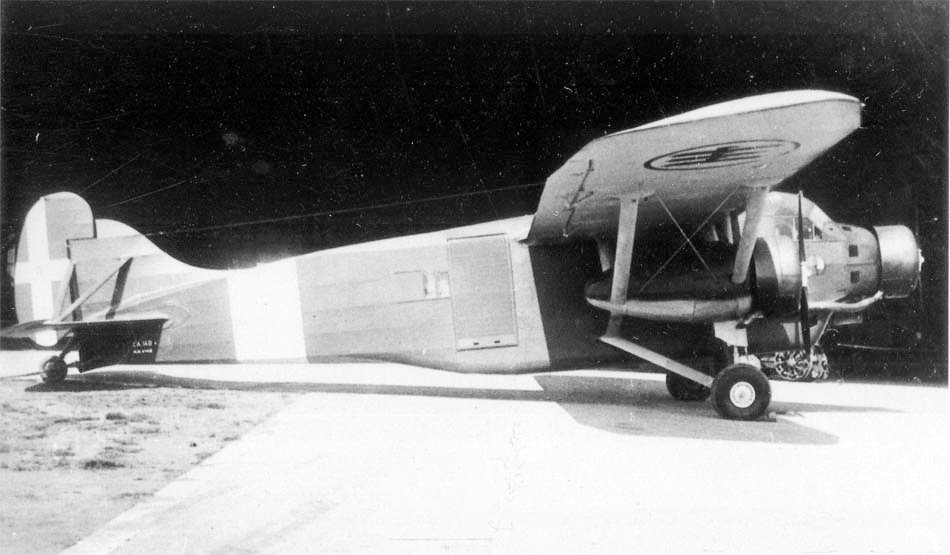
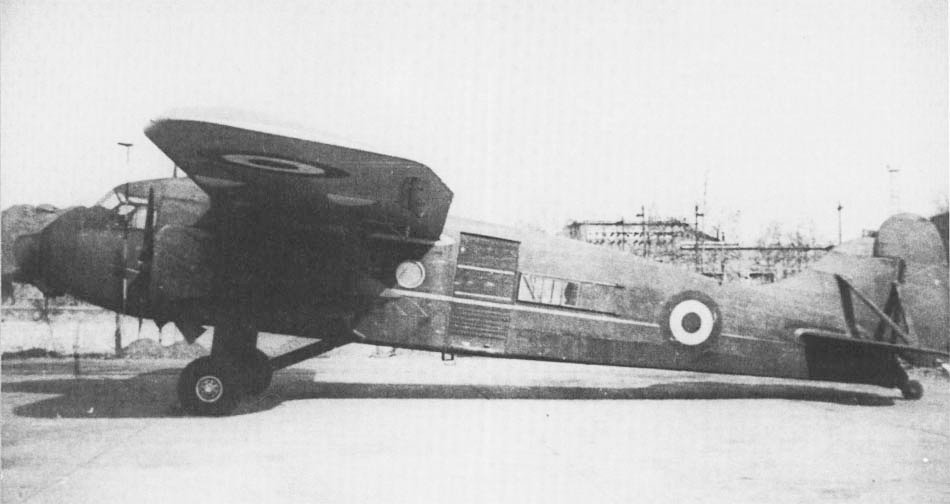
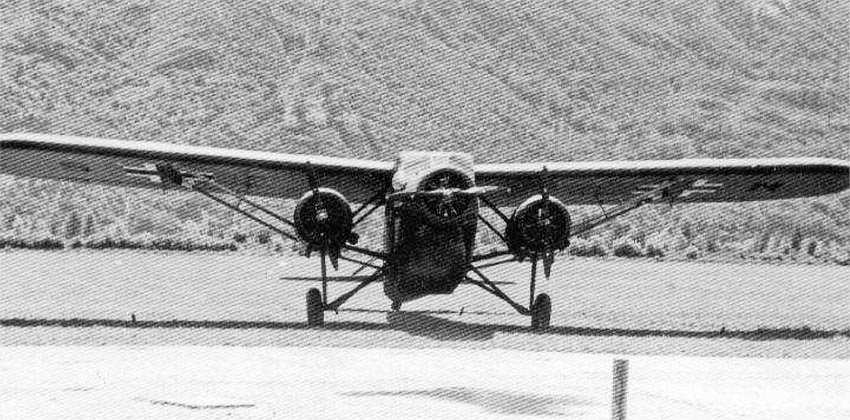
In 1938, the Caproni firm attempted to improve the Ca.133 aircraft by refining its aerodynamics and overall construction. This new modification was designated Ca.148 and became the final stage in the development of the Ca.101 design. Externally, the differences from the original variant included the pilot’s cabin being moved forward by 0.91 meters, the main cabin door being relocated, and the introduction of reinforced landing gear.
The engines remained the same as those of the Ca.133. Despite these changes, the modernization did not significantly improve flight characteristics. Essentially, the Ca.148 remained at the same performance level as its predecessor, albeit with more refined outlines.
Nevertheless, 106 Ca.148 aircraft were produced for the needs of colonial air forces. These planes were used exclusively as military transports, as the installation of armament was not envisaged for them.
After the end of combat operations in Africa, a few Ca.148s flew to Europe and served with both Italian and German air forces until the end of the war. Individual examples survived the war and were operated by civil airlines, under the designation Ca.148P, until the late 1940s.
| Modification | Ca.14 8P |
| Wingspan, m | 21.44 |
| Length, m | 15.83 |
| Height, m | 4.00 |
| Wing area, m2 | 65.00 |
| Empty weight | 4787 |
| Normal takeoff weight | 8000 |
| Engine type | 3 Piston engines Piaggio Stella P.VII C168 |
| Power, hp | 3 x 510 |
| Maximum speed, km/h | 241 |
| Cruising speed, km/h | 200 |
| Practical range, km | 900 |
| Practical ceiling, m | 3900 |
| Crew | 2 crew |
| Payload | up to 18 passengers |
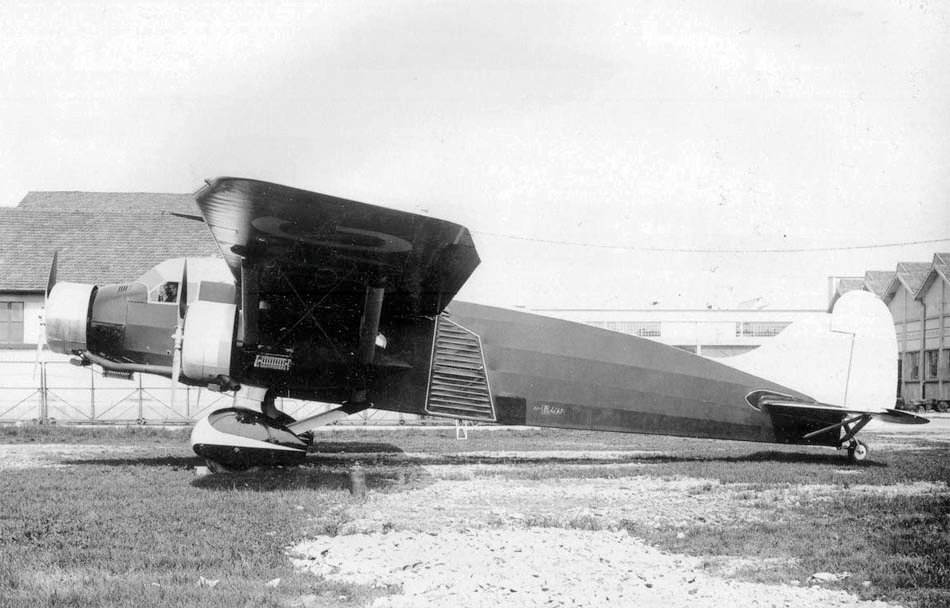 Ca.148 |
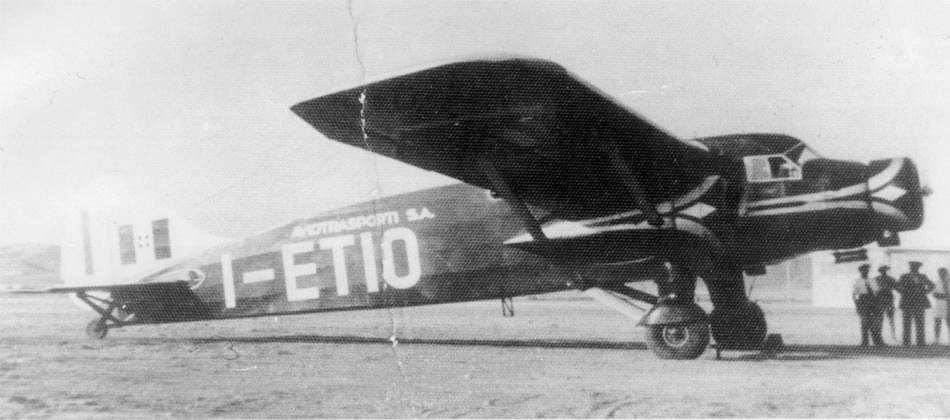 Ca.148 |
 Ca.148 |
 Ca.148 |
 Ca.148 |
 Ca.148 |
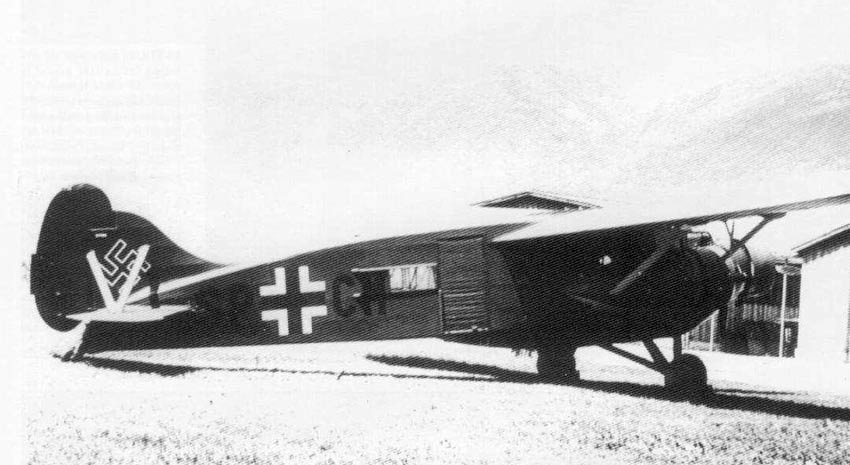 Ca.148 |
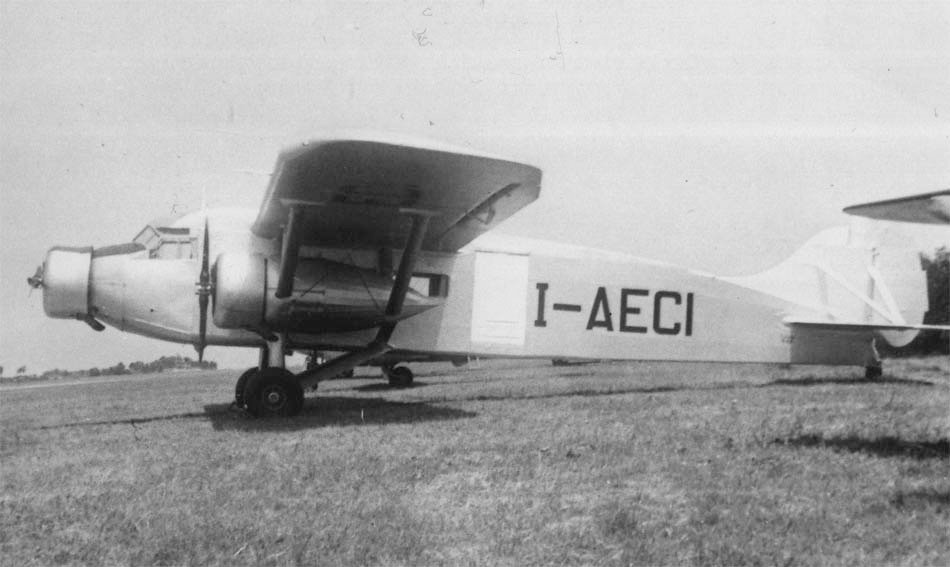 Ca.148 |
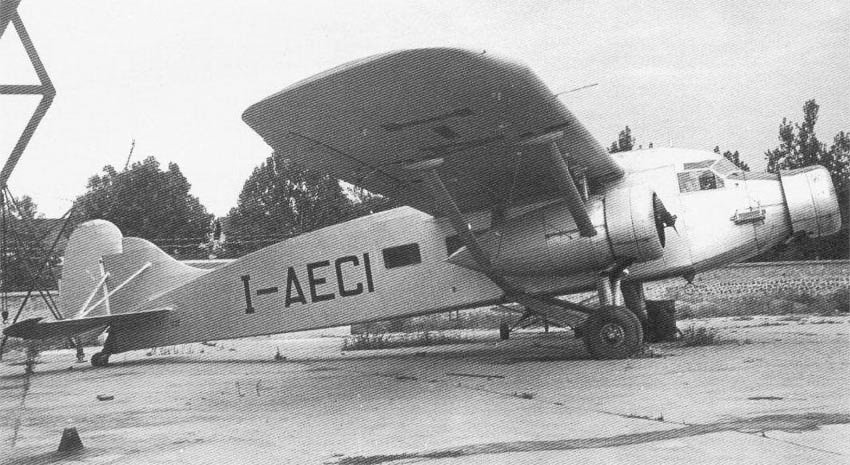 Ca.148 |
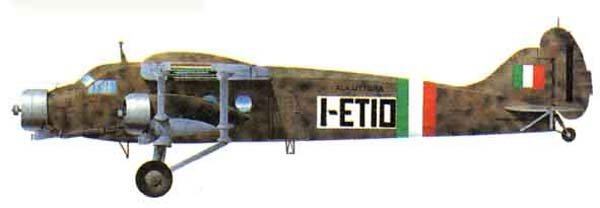 Ca.148 |
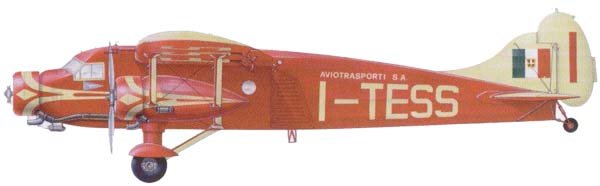 Ca.148 |
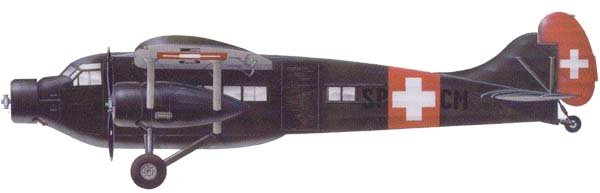 Ca.148 |
Grupo de investigadores y entusiastas de la aviación dedicados a documentar y preservar la historia aeronáutica mundial. Todos los artículos son revisados para garantizar precisión histórica.
La información presentada en esta ficha técnica ha sido compilada a partir de manuales de vuelo desclasificados, archivos históricos y bibliografía especializada. Aunque nos esforzamos por mantener la máxima precisión, algunos datos de rendimiento pueden variar según la variante específica o las condiciones operativas.
BombarderoDescubre el Breguet Br.16, un avión francés de bombardeo y reconocimiento de la Primera Guerra Mundial. Conoce su diseño, servicio y legado.
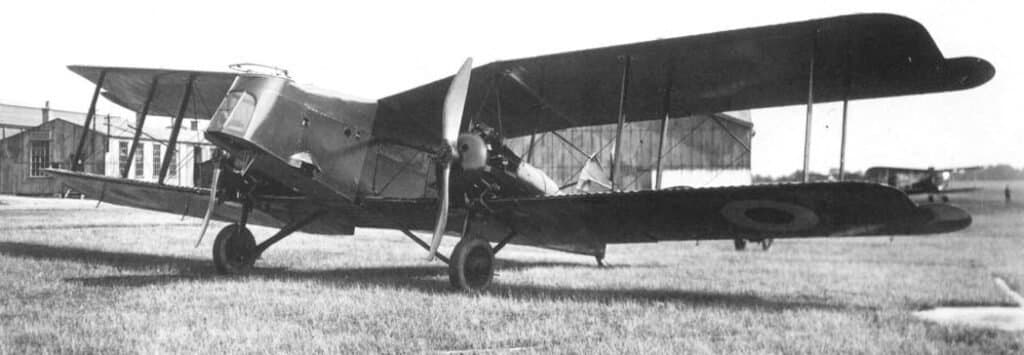 Bombardero
Descubre el Boulton & Paul P.7 Bourges, un cazabombardero bimotor británico de la I Guerra Mundial, famoso por su excepcional agilidad y velocidad.
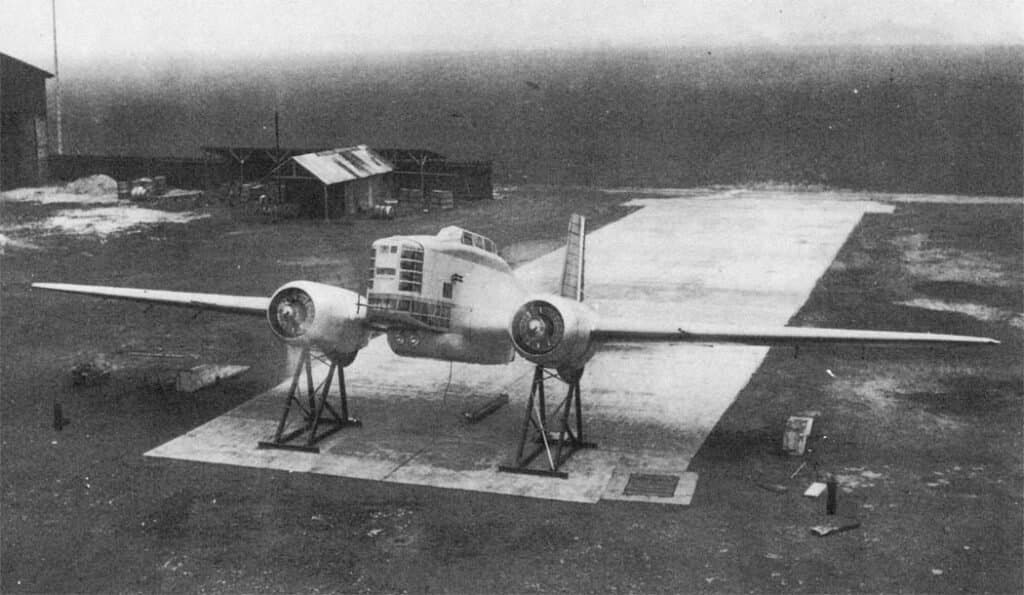 Bombardero
Descubre el Breguet Br.460 Vultur, un ambicioso avión francés multifuncional de los años 30, sus desafíos de desarrollo y su breve papel en la Guerra Civil Española.
 Bombardero
Descubre el Breguet Br.691/693, un innovador avión de ataque bimotor francés de la Segunda Guerra Mundial. Conoce su diseño, variantes y campañas.