 Bombardero
Blohm & Voss BV-250
El programa alemán "América Bomber" de la SGM buscaba aeronaves de ultralargo alcance. El Blohm & Voss BV-250, una variante terrestre, pretendía atacar EE. UU.
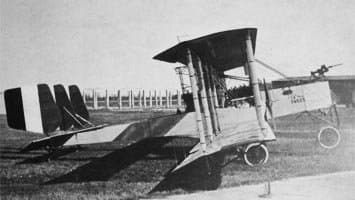
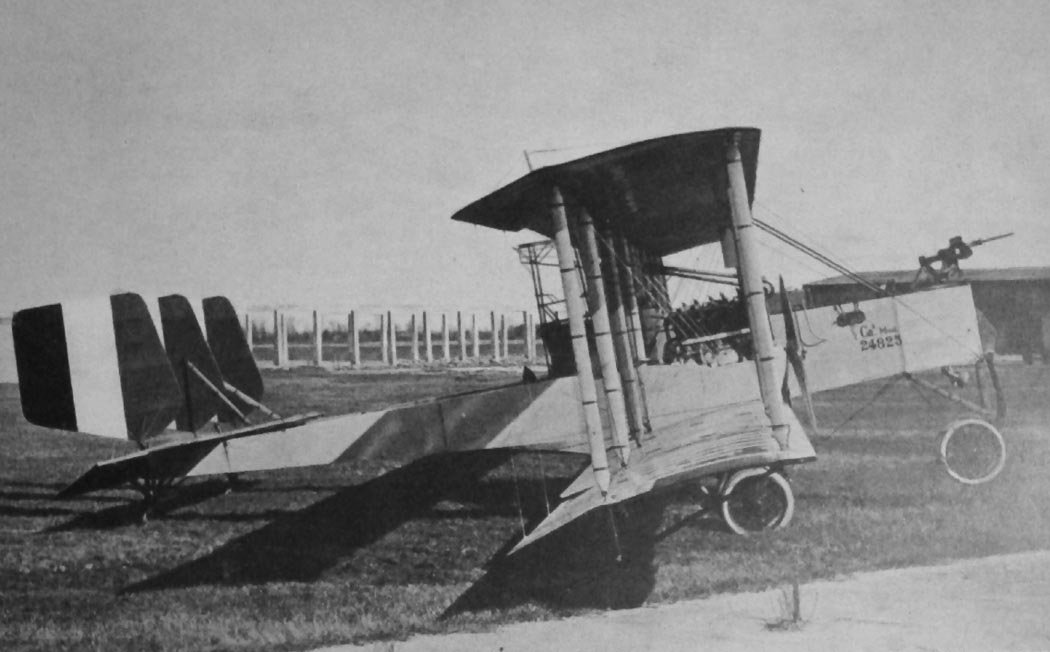
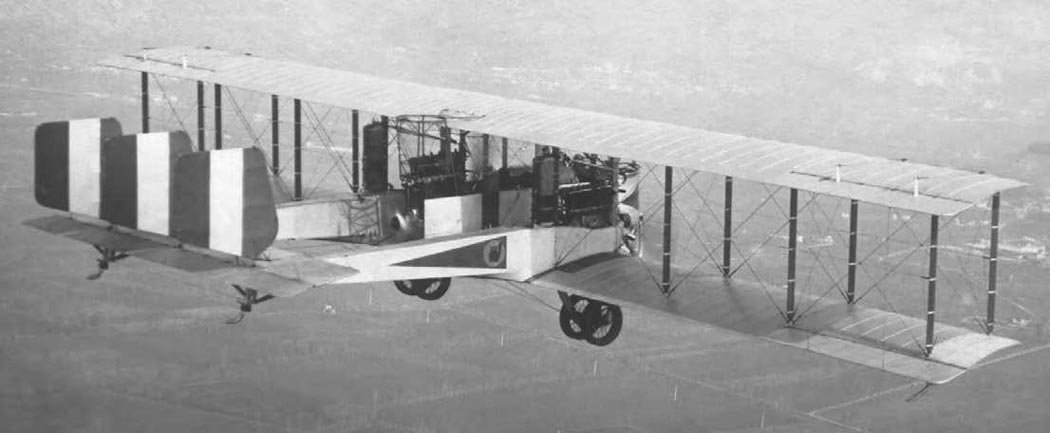
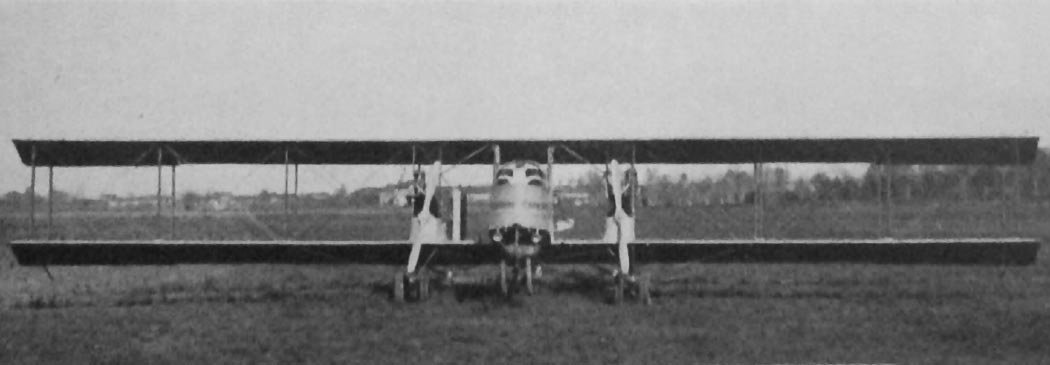
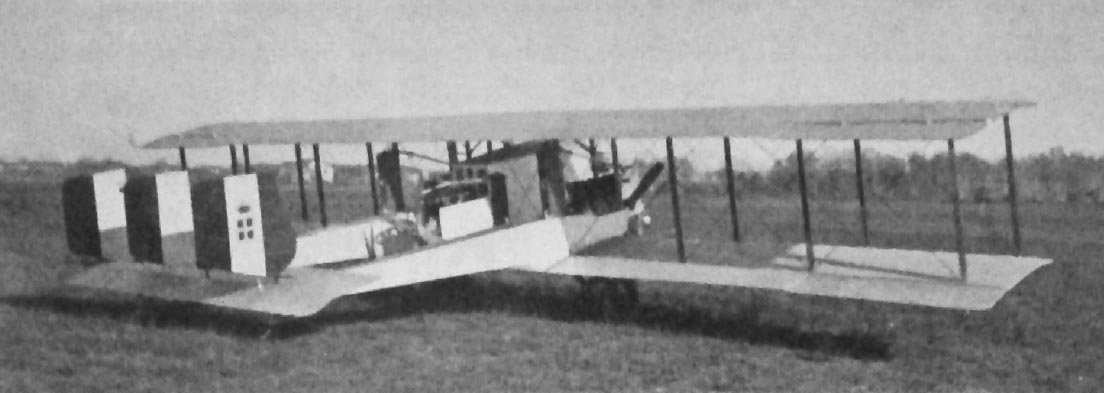
The Ca.36 was a heavy bomber developed by the Italian firm Caproni. This aircraft represented a further evolution of the Ca.3 family of planes and was also known under the designation Ca.3mod. Its design incorporated several modifications aimed at optimizing its performance and operational capabilities.
Among the most significant modifications was the implementation of 5-section wings. This feature greatly facilitated the aircraft’s assembly and transportation, crucial aspects for military logistics of the era. These structural improvements contributed to the model’s overall efficiency and versatility.
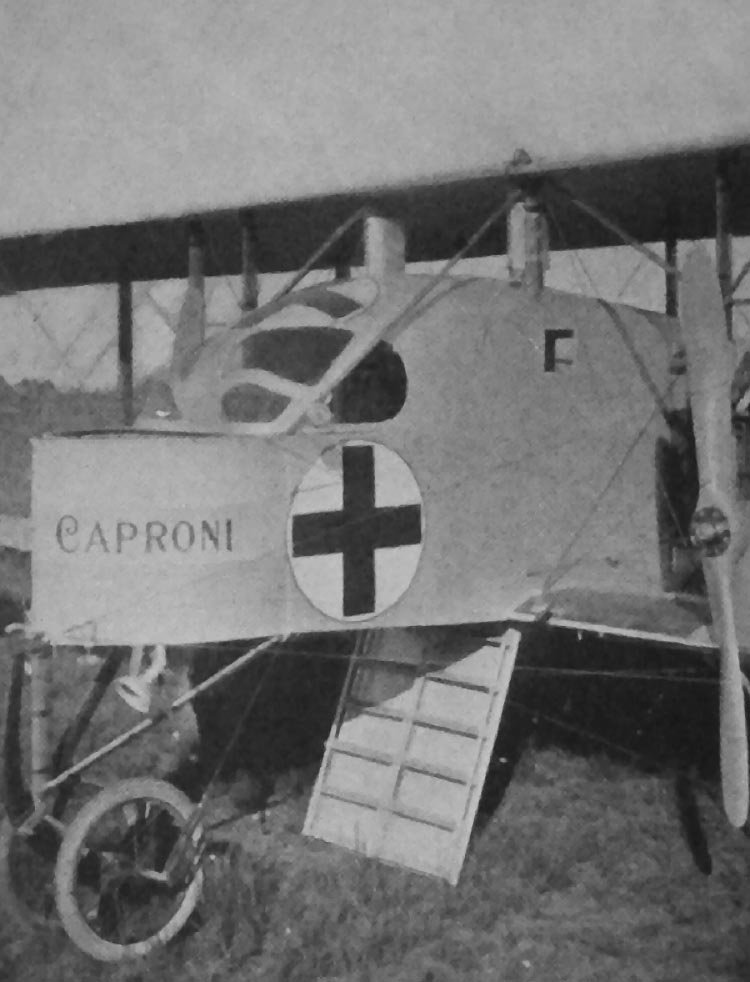
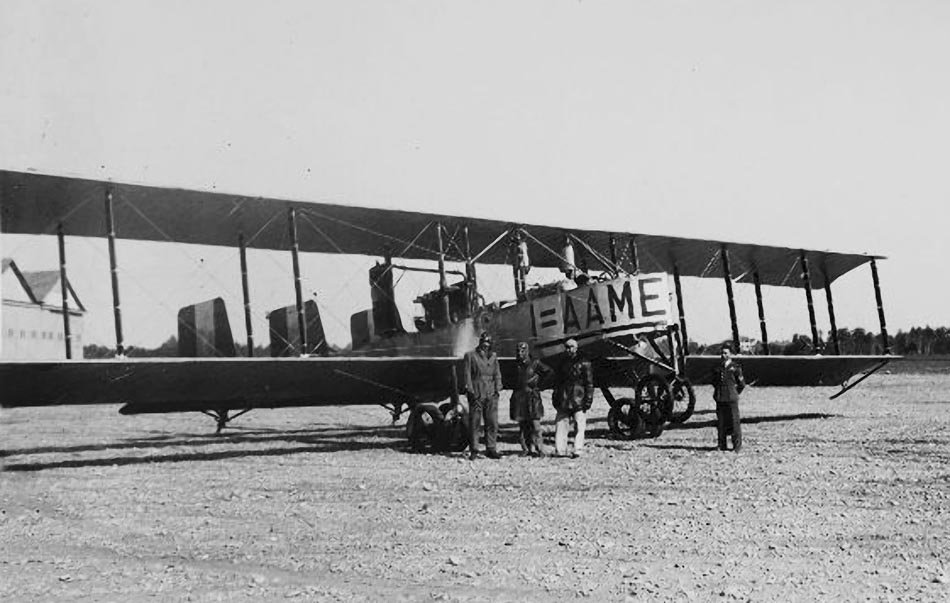
A total of 153 Ca.36 aircraft were ordered, with the first units entering service in 1916. The last aircraft was withdrawn from Air Force service in 1929, marking an extensive operational period. Additionally, a sanitary version, the Ca.36S, was produced, and after World War I, one Ca.36 was converted into the civil Ca.56a (I-AAME).
| Modification | Ca.36 |
| Wingspan, m | 22.74 |
| Length, m | 11.05 |
| Height, m | 3.83 |
| Wing area, m2 | 95.64 |
| Empty weight | 2600 |
| Normal takeoff weight | 4000 |
| Engine type | 3 Piston engines Isotta-Fraschini V.4B |
| Power, hp | 3 x 150 |
| Maximum speed, km/h | 135 |
| Cruising speed, km/h | 120 |
| Practical range, km | 600 |
| Maximum rate of climb, m/min | 125 |
| Service ceiling, m | 4500 |
| Crew | 4 |
| Armament | two 6.5-mm Fiat Revelli machine guns; bomb load up to 800 kg |
 Ca.36 |
 Ca.36 |
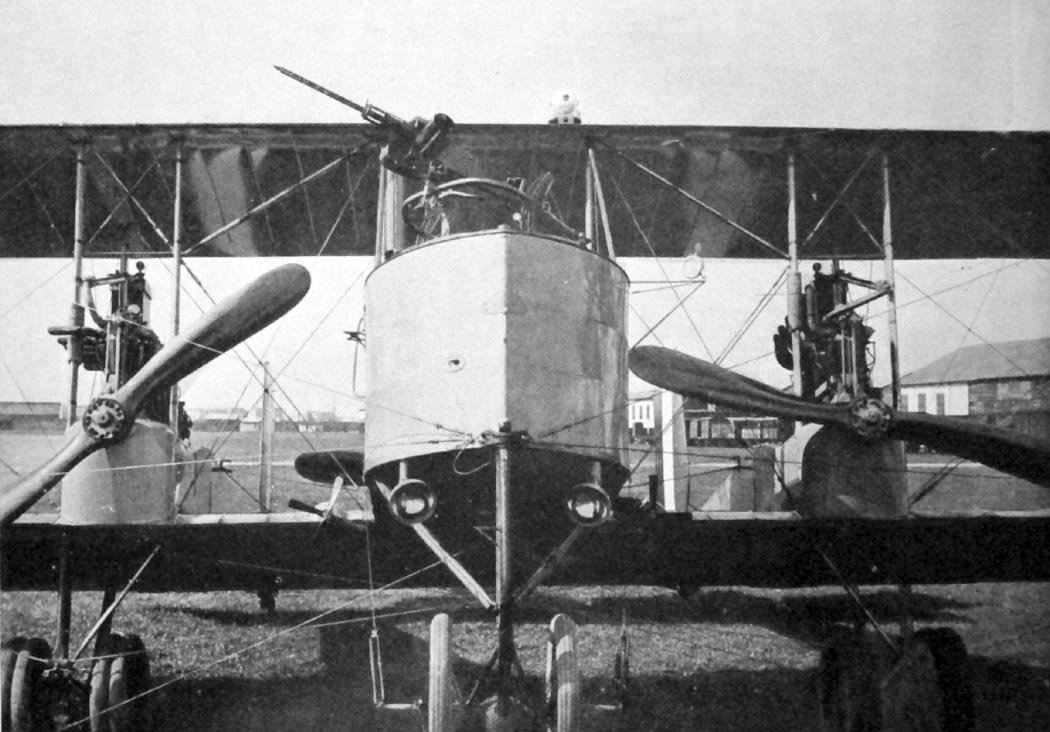 Ca.36 |
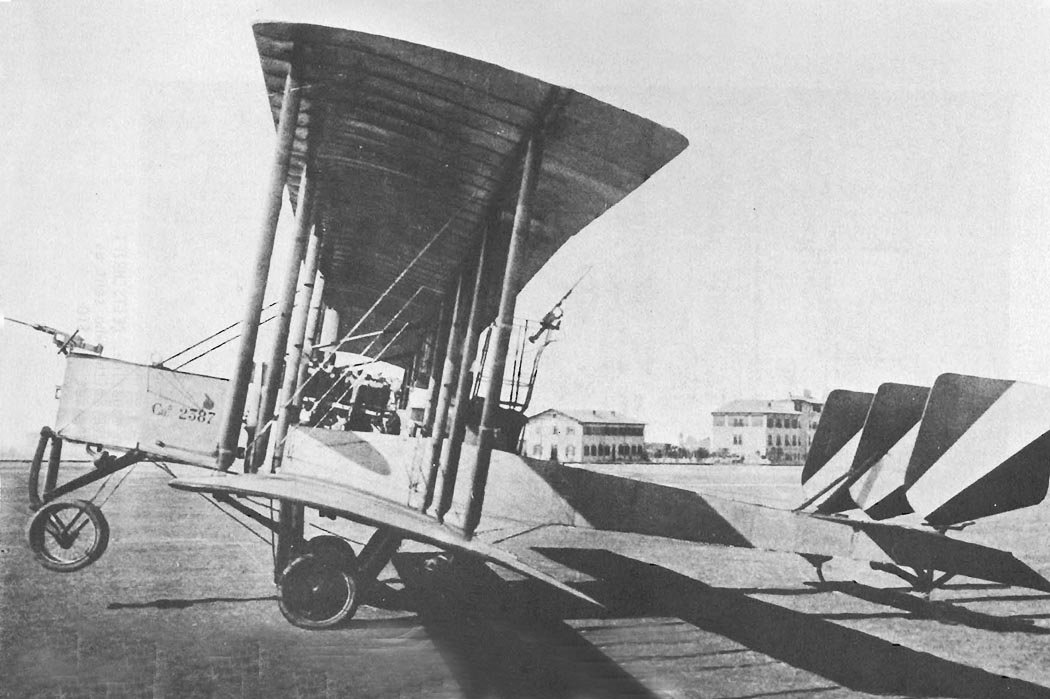 Ca.36 |
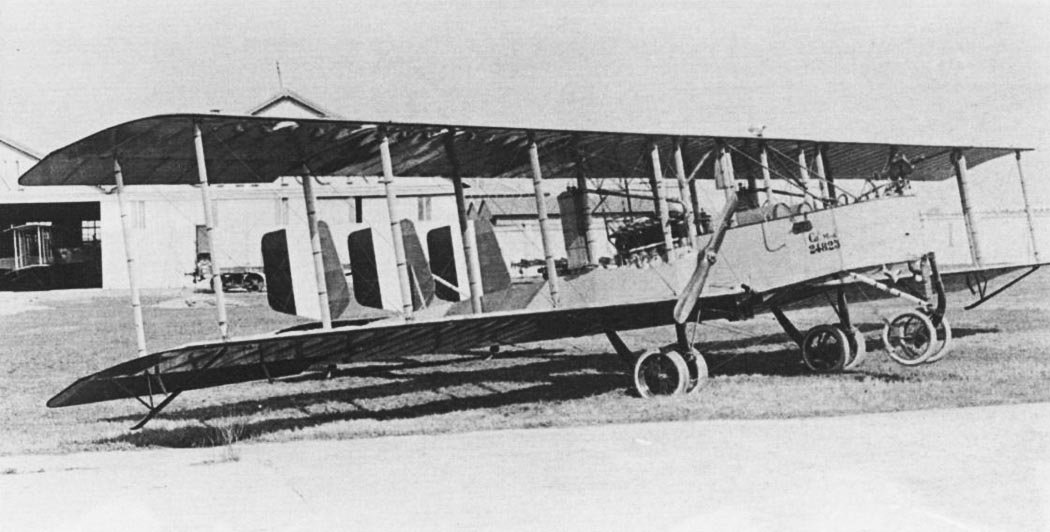 Ca.36 |
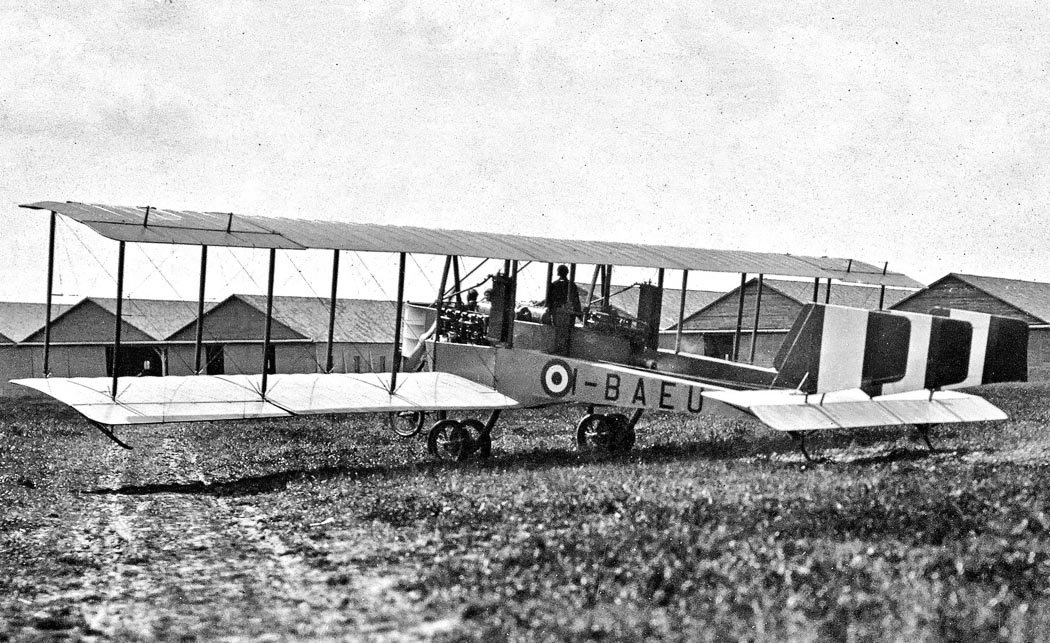 Ca.36 |
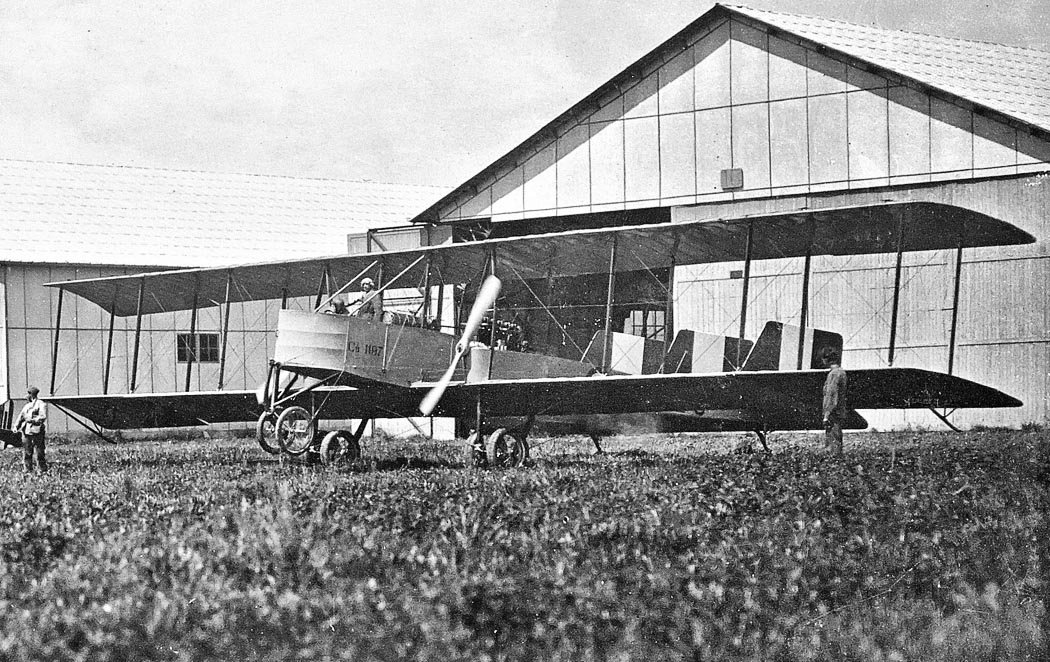 Ca.36 |
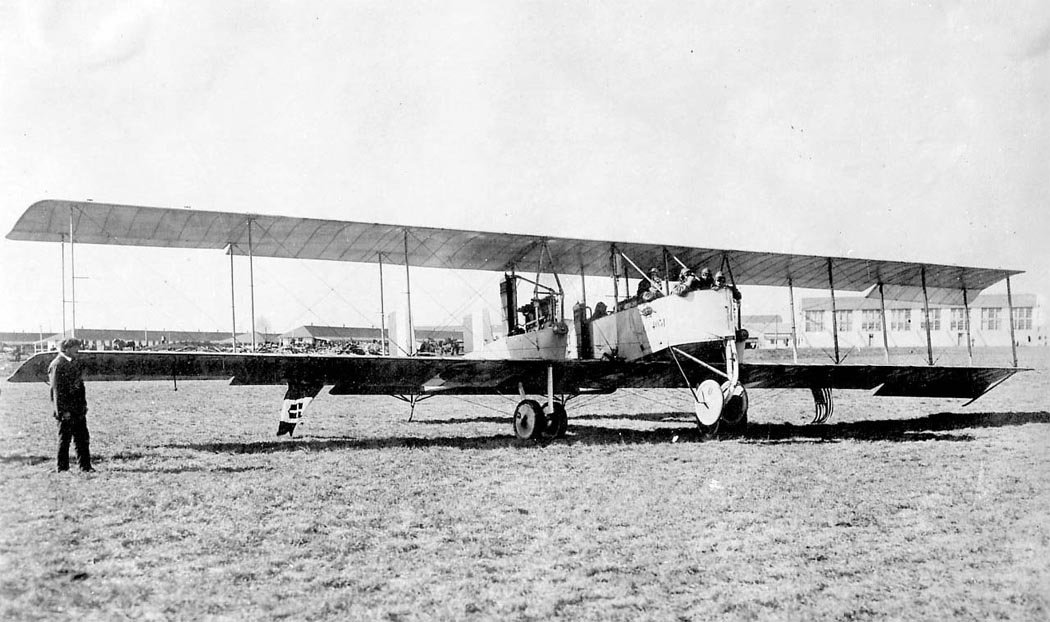 Ca.36 |
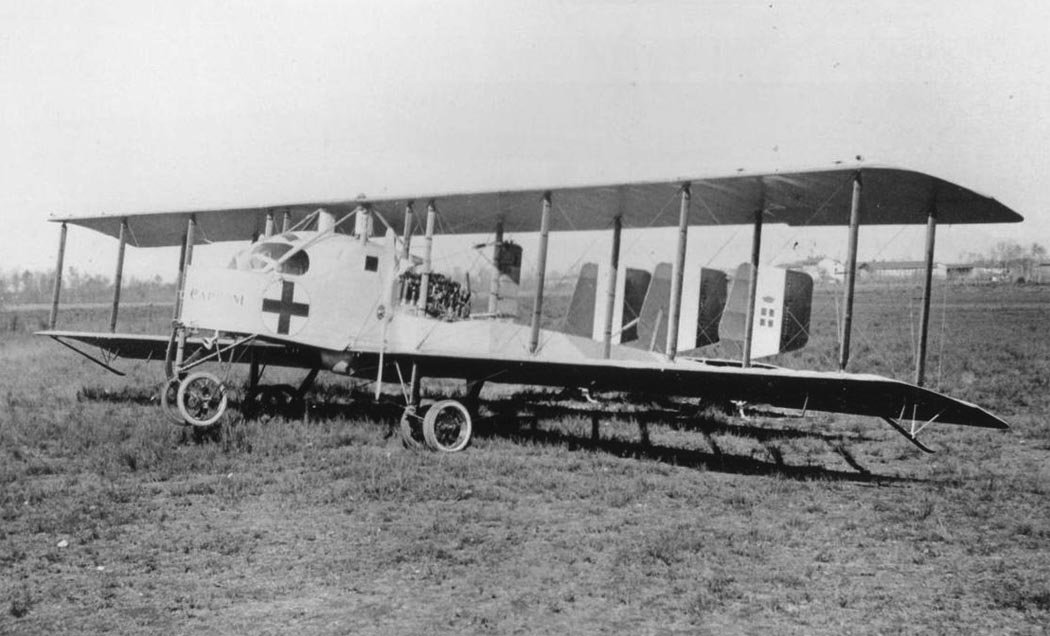 Ca.36 |
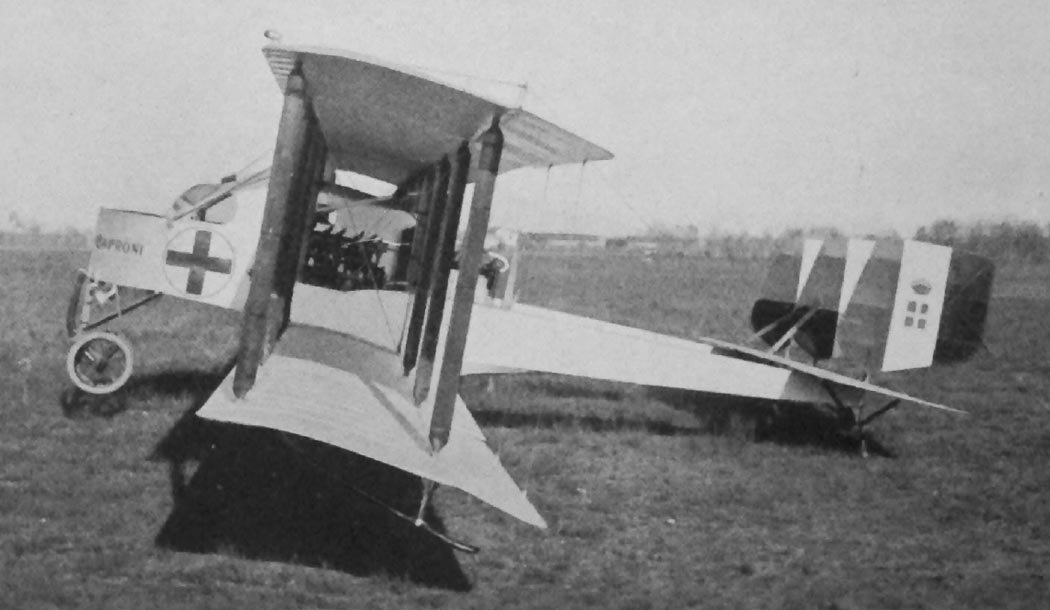 Ca.36 |
 Ca.36 |
 Ca.36 |
 Ca.36 |
 Ca.36 |
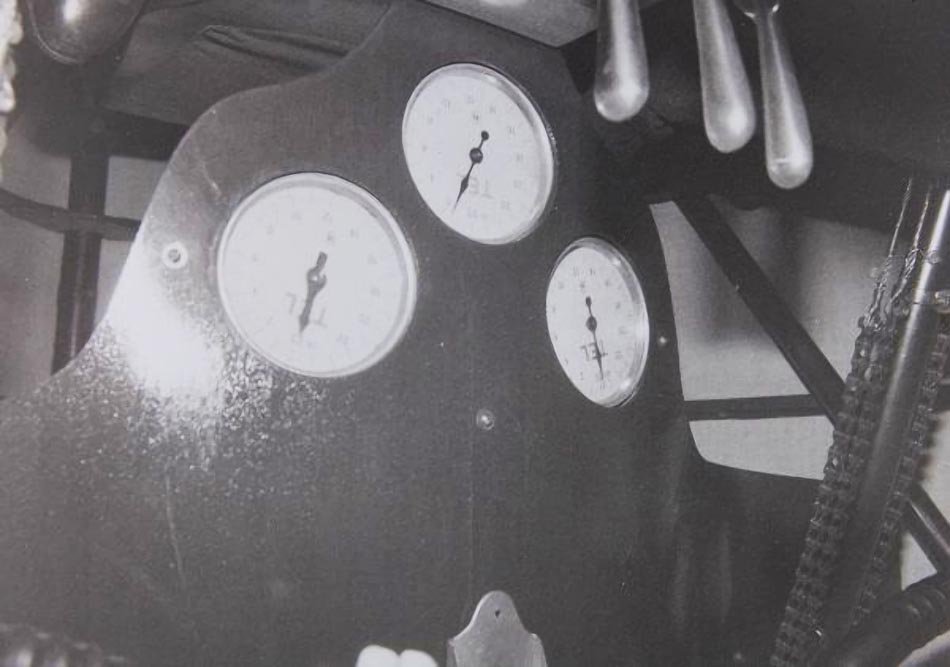 Ca.36 |
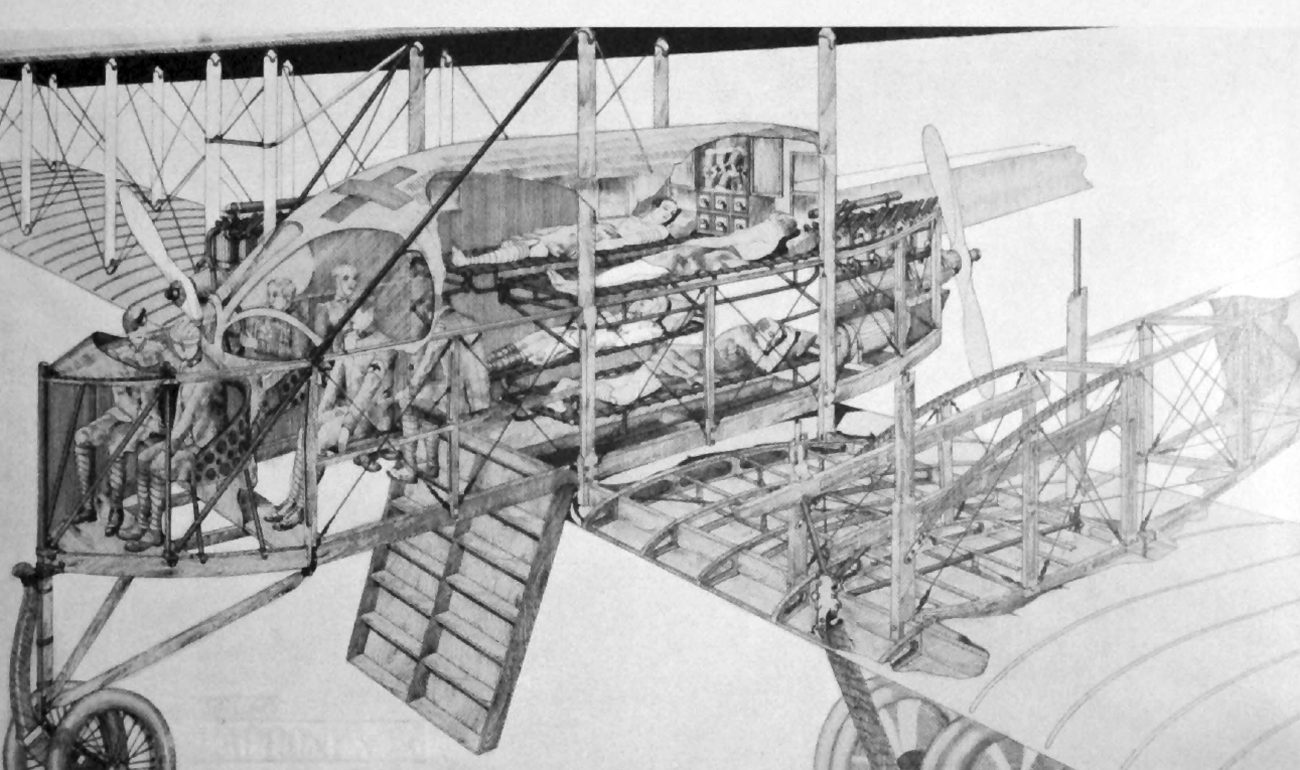 Ca.36 |
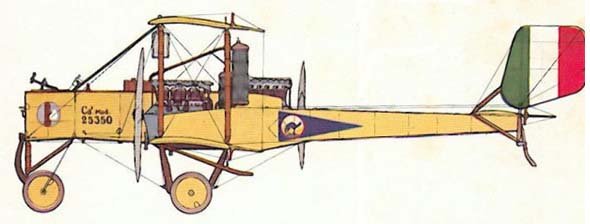 Ca.36 |
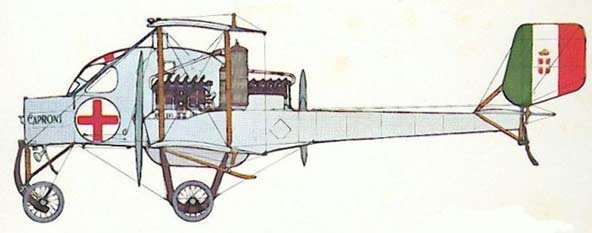 Ca.36 |
Grupo de investigadores y entusiastas de la aviación dedicados a documentar y preservar la historia aeronáutica mundial. Todos los artículos son revisados para garantizar precisión histórica.
La información presentada en esta ficha técnica ha sido compilada a partir de manuales de vuelo desclasificados, archivos históricos y bibliografía especializada. Aunque nos esforzamos por mantener la máxima precisión, algunos datos de rendimiento pueden variar según la variante específica o las condiciones operativas.
BombarderoEl programa alemán "América Bomber" de la SGM buscaba aeronaves de ultralargo alcance. El Blohm & Voss BV-250, una variante terrestre, pretendía atacar EE. UU.
 Bombardero
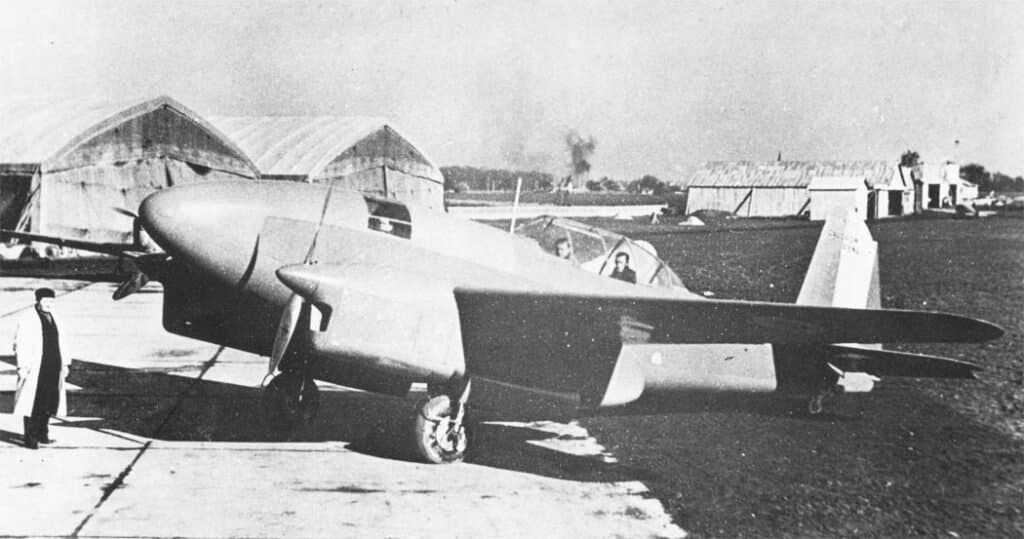
Caudron-Renault C.670: el "avión de represalias" francés, un bimotor ligero de los años 30 diseñado para combate. Destacó por su estructura de madera y armamento versátil.
 Bombardero
Descubre el Caudron C.570 Kangourou, un prototipo de transporte militar francés de 1935 con motores Renault. Conoce su diseño y servicio limitado.
 Bombardero
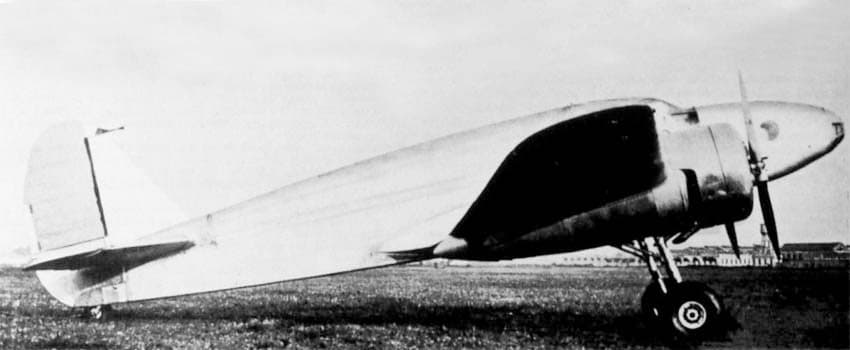
Descubre el Caproni Ca.310 Libeccio, un bombardero de reconocimiento italiano. Conoce su diseño, debut en combate, desafíos de exportación y evolución.