 Hidroavion
BV.238
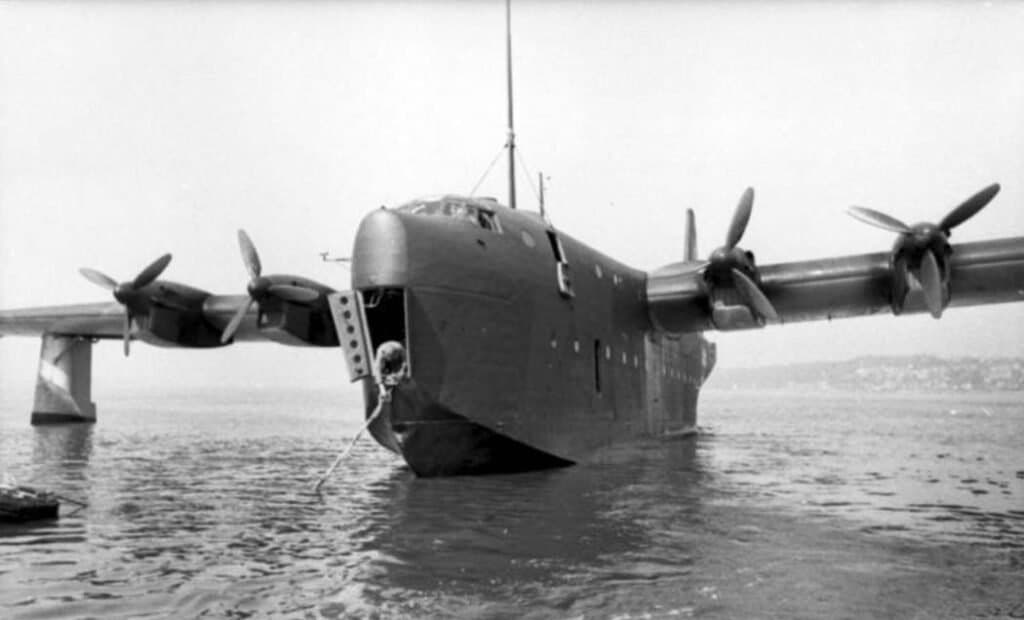
Descubre el Blohm & Voss BV 238, el hidroavión alemán más pesado de la Segunda Guerra Mundial. Un gigante de la aviación diseñado para transporte, reconocimiento y bombardeo.
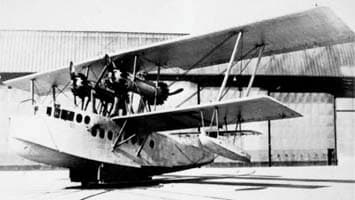
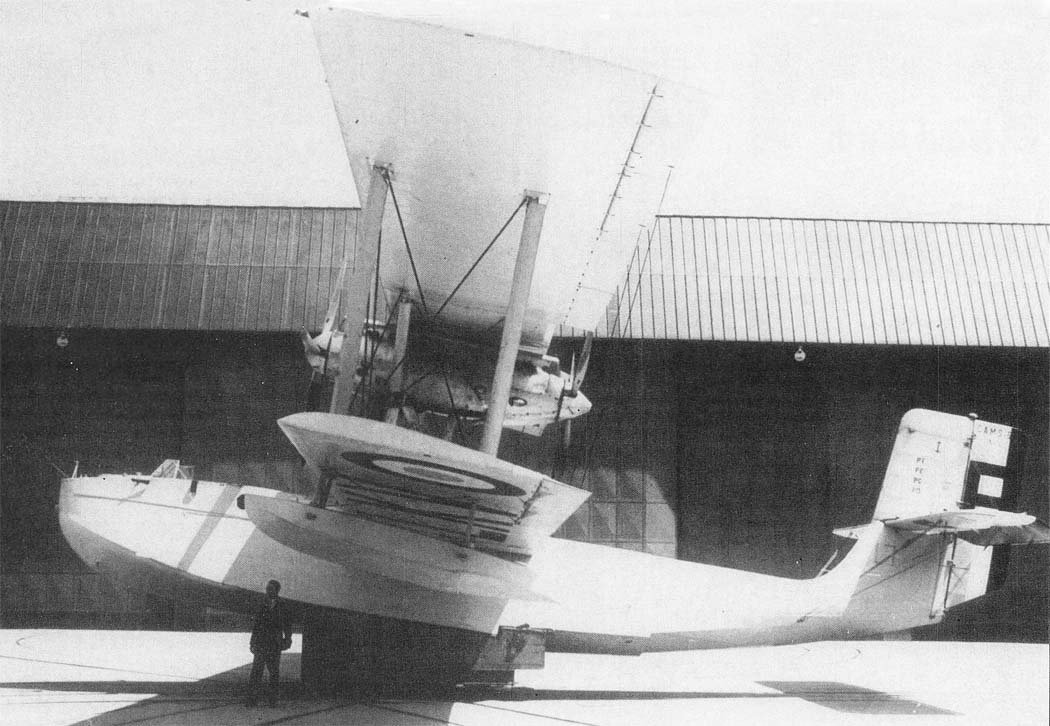
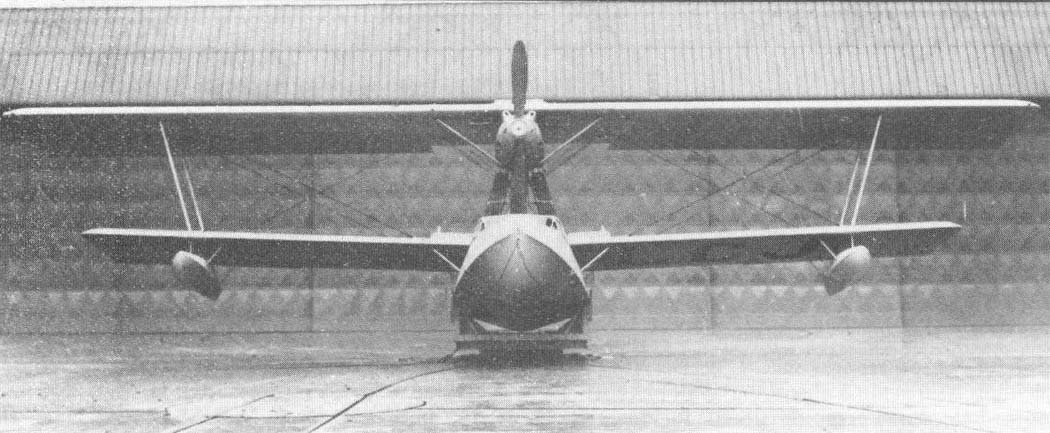
The CAMS 58 was the last biplane flying boat from the firm Chantiers Aeromaritimes de la Seine (CAMS). This six-seater aircraft represented a further development of the successful CAMS 53 design. The first prototype, the CAMS 58-0, equipped with two 650 hp Hispano-Suiza 12 Nbr engines, was first shown at the Paris Air Show at the end of 1930.
The following year, it participated in a transatlantic postal seaplane competition. It was subsequently acquired by the same firm Air-Union, but saw virtually no use due to its short flight range, which was only 950 kilometers.
In 1931, the company released an enlarged version of the aircraft for ten passengers, designated CAMS 58-2. This model was fitted with four 300 hp Lorraine 9Na Algol engines, arranged in two tandem pairs. This allowed for an increase in flight range to 1300 kilometers.
After several weeks of testing, it was decided to further refine the flying boat, but this could not be accomplished due to financial difficulties.
The following year, the CAMS firm was acquired by Potez. A year later, an order came from Air France for two transatlantic flying boats, each capable of carrying ten passengers. The new seaplane variant, designated CAMS 58-3, was a completely redesigned version of the CAMS 58-2, powered by two 650 hp Hispano-Suiza 12Nbr engines.
Two units were produced and delivered to the client in 1935. These aircraft accumulated 86 and 19 flight hours respectively, after which they were replaced by more advanced machines.
| Modification | CAMS 58-3 |
| Wingspan, m | 24. 30 |
| Length, m | 14.91 |
| Height, m | 6.14 |
| Wing area, m2 | 129. 70 |
| Empty weight | 5428 |
| Maximum takeoff weight | 8450 |
| Engine type | 2 Piston engine Hispano-Suiza 12Nbr |
| Power, hp | 2 x 650 |
| Maximum speed, km/h | 225 |
| Cruising speed, km/h | 190 |
| Practical range, km | 1025 |
| Service ceiling, m | 3900 |
| Crew | 2 |
| Payload | 10 passengers |
 CAMS 58 |
 CAMS 58 |
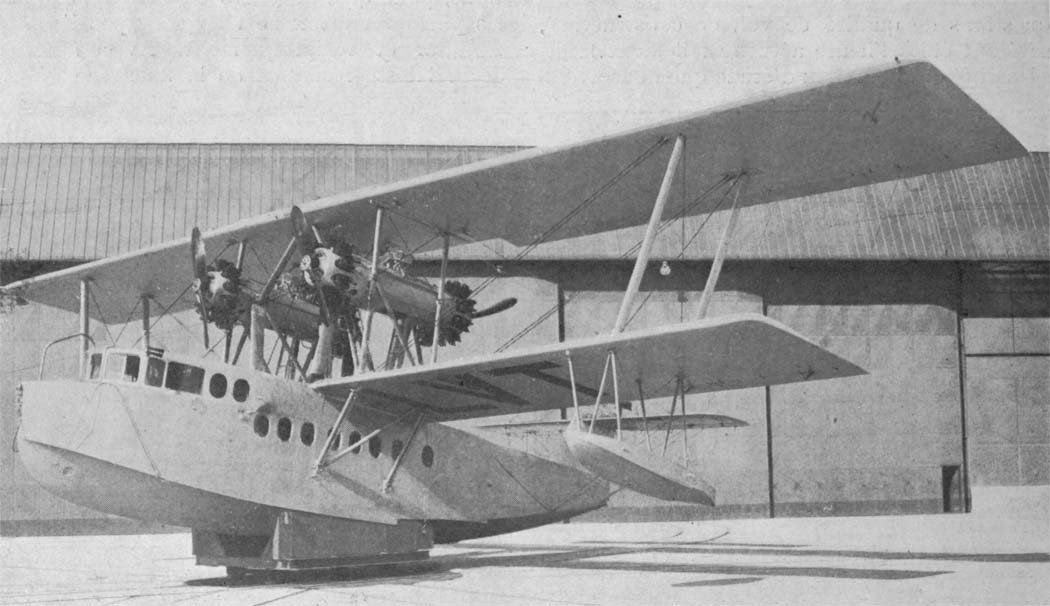 CAMS 58 |
 CAMS 58 |
Grupo de investigadores y entusiastas de la aviación dedicados a documentar y preservar la historia aeronáutica mundial. Todos los artículos son revisados para garantizar precisión histórica.
La información presentada en esta ficha técnica ha sido compilada a partir de manuales de vuelo desclasificados, archivos históricos y bibliografía especializada. Aunque nos esforzamos por mantener la máxima precisión, algunos datos de rendimiento pueden variar según la variante específica o las condiciones operativas.
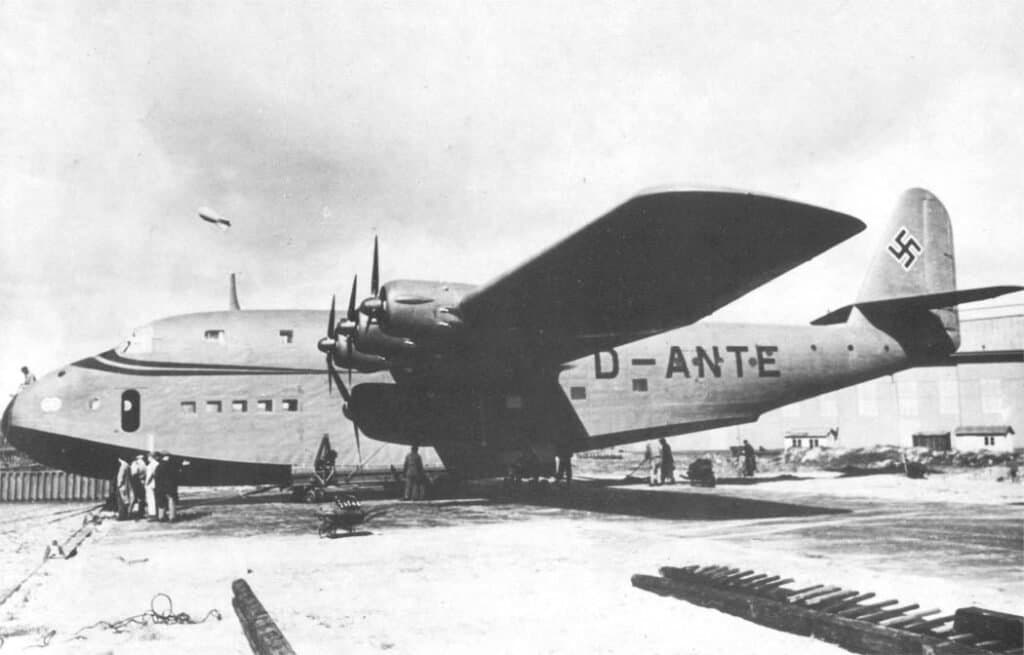
HidroavionDescubre el Blohm & Voss BV 238, el hidroavión alemán más pesado de la Segunda Guerra Mundial. Un gigante de la aviación diseñado para transporte, reconocimiento y bombardeo.
 Hidroavion
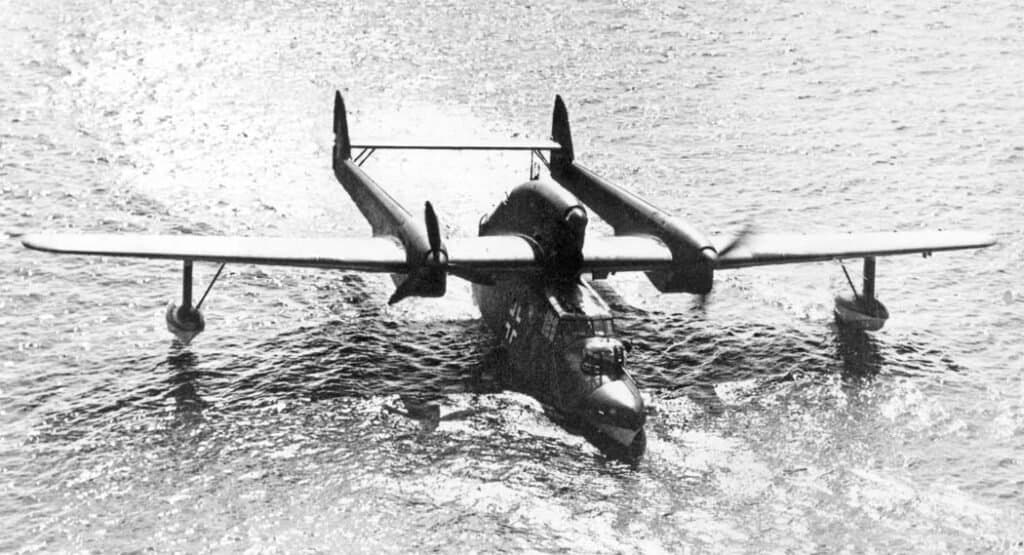
Descubre el BV.222A Wiking, el gigantesco hidroavión alemán de la SGM. De la visión transatlántica de Lufthansa a misiones de transporte y reconocimiento.
 Hidroavion
Descubre el hidroavión alemán Blohm & Voss BV 138B/C: su desarrollo, variantes, servicio vital en la Segunda Guerra Mundial y rescates finales.
 Hidroavion
Descubre el Blohm & Voss BV 138 MS, un hidroavión especializado de la Luftwaffe adaptado para la contramina magnética aérea en la SGM.