 Caza
CazaPrototipo de Caza Ligero Caudron C.710
Descubre el Caudron C.710, prototipo de caza ligero francés de los años 30. Conoce su diseño, desarrollo y por qué no llegó a producción masiva.
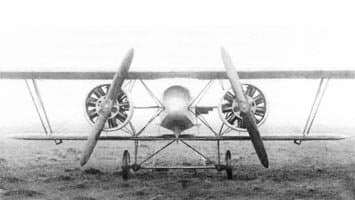
Towards the very end of World War I, the company Hanseatische Flugzeugwerke (Caspar-Werke AG) constructed a fighter aircraft designated as the Caspar D.I. The development of this project is attributed by some sources to the company’s head, Karl Caspar, and by others to Ernst Heinkel.
The Caspar D.I was a single-seat, single-strut biplane, powered by two Oberursel U.I engines, each delivering 100 hp. Unfortunately, the fighter could not be tested before the war concluded, preventing its combat deployment.
In 1919, an attempt was made to convert the aircraft into a civilian plane. However, during ground tests, an accident occurred due to engine failure. This unfortunate incident led to the project’s definitive cancellation.
| Modification | D.I |
| Engine type | 2 Piston engine Oberursel U.I |
| Power, hp | 2 x 100 |
| Crew, crew members | 1 |
| Armament | only planned |
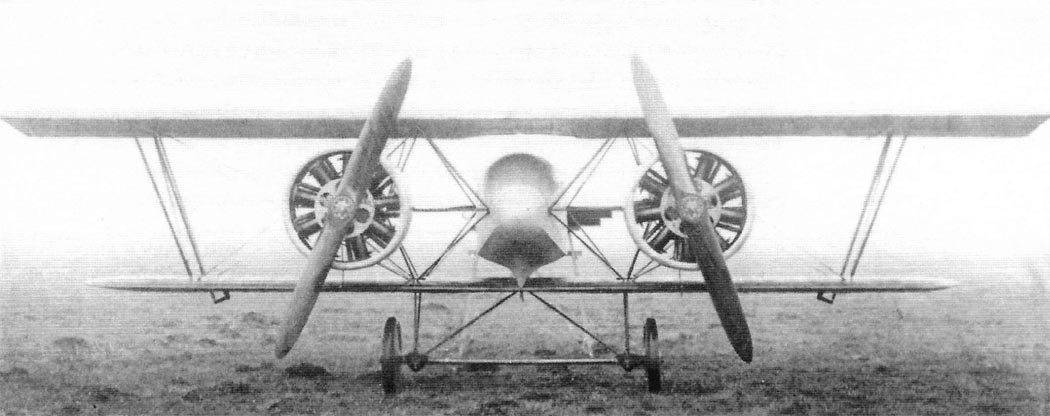 Caspar D.I |
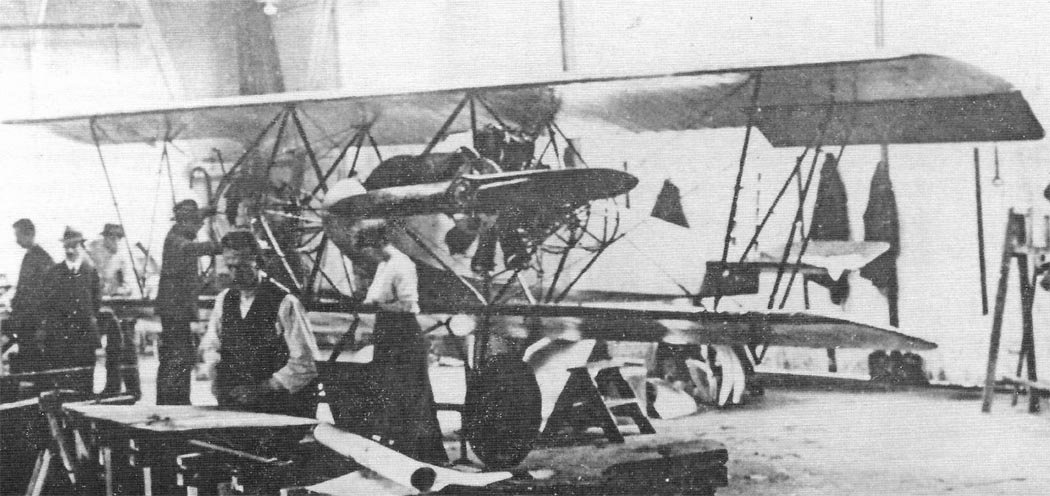 Caspar D.I |
CazaDescubre el Caudron C.710, prototipo de caza ligero francés de los años 30. Conoce su diseño, desarrollo y por qué no llegó a producción masiva.
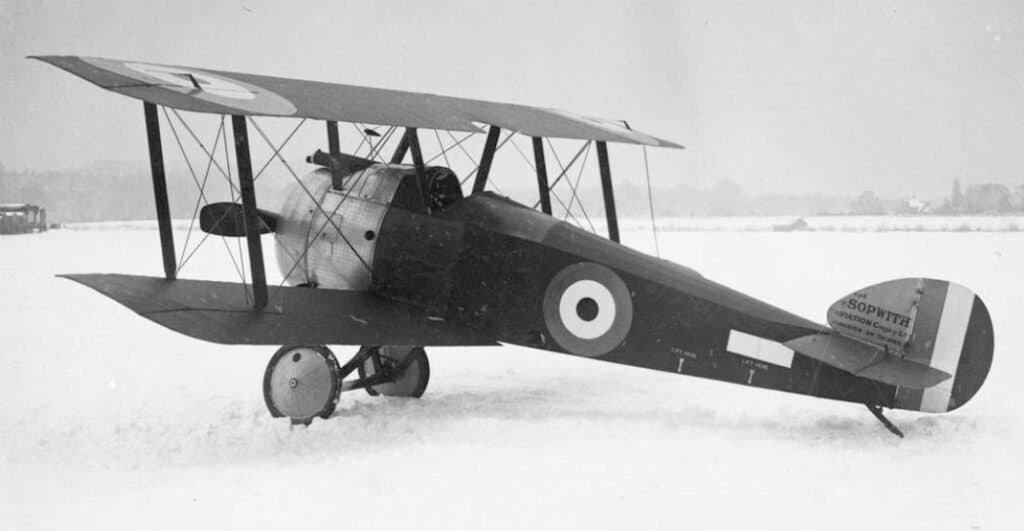 Caza
CazaDescubre el Sopwith F.1 Camel, el caza británico más efectivo de la PGM. Conoce su diseño innovador, manejo desafiante y su papel crucial en la supremacía aérea aliada.
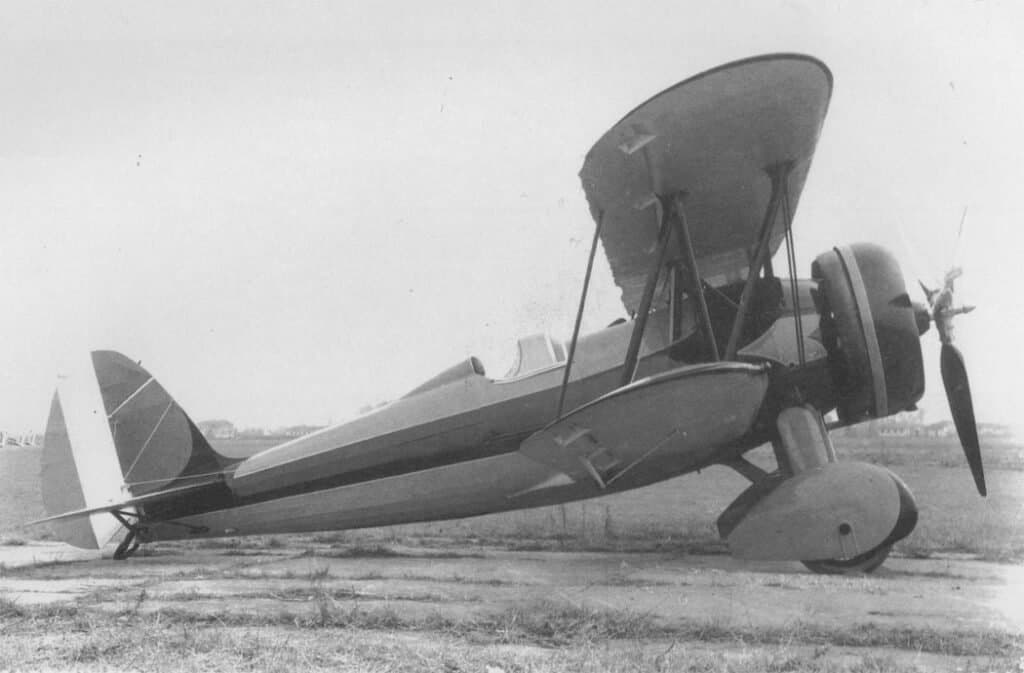 Caza
CazaDescubre el Caproni Ca.114, un caza biplano italiano de 1933. Rechazado por Italia, encontró su hogar en Perú, sirviendo en su Fuerza Aérea hasta 1945.
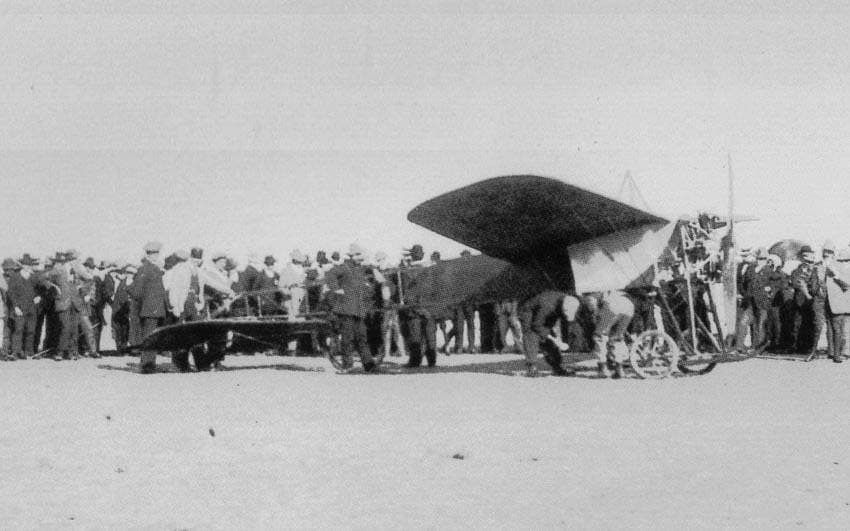 Caza
CazaDescubre el CA-12 Boomerang, el caza australiano de la SGM. Desarrollado localmente para defender el continente. Un diseño único forjado para el Pacífico.