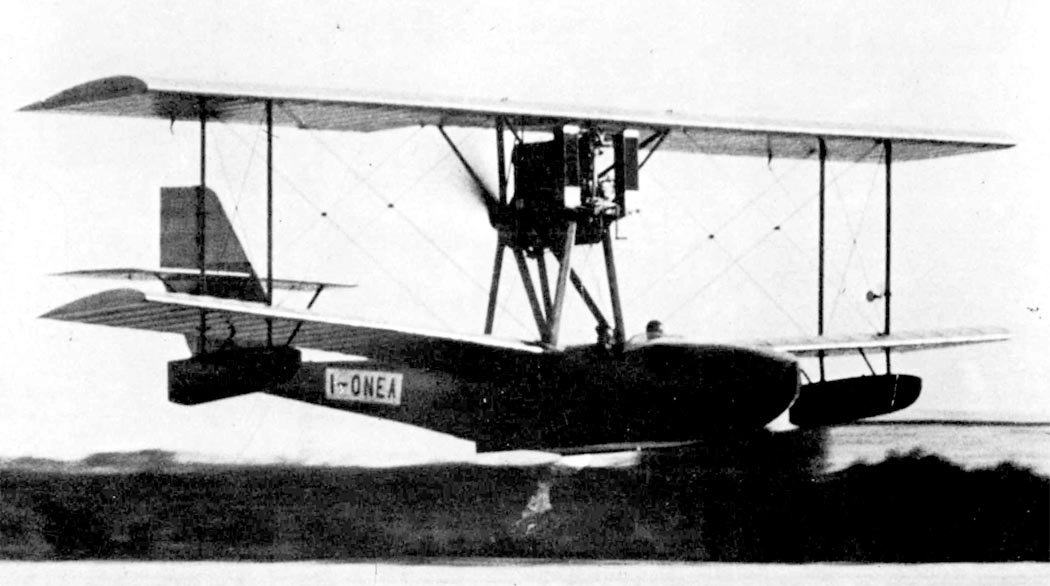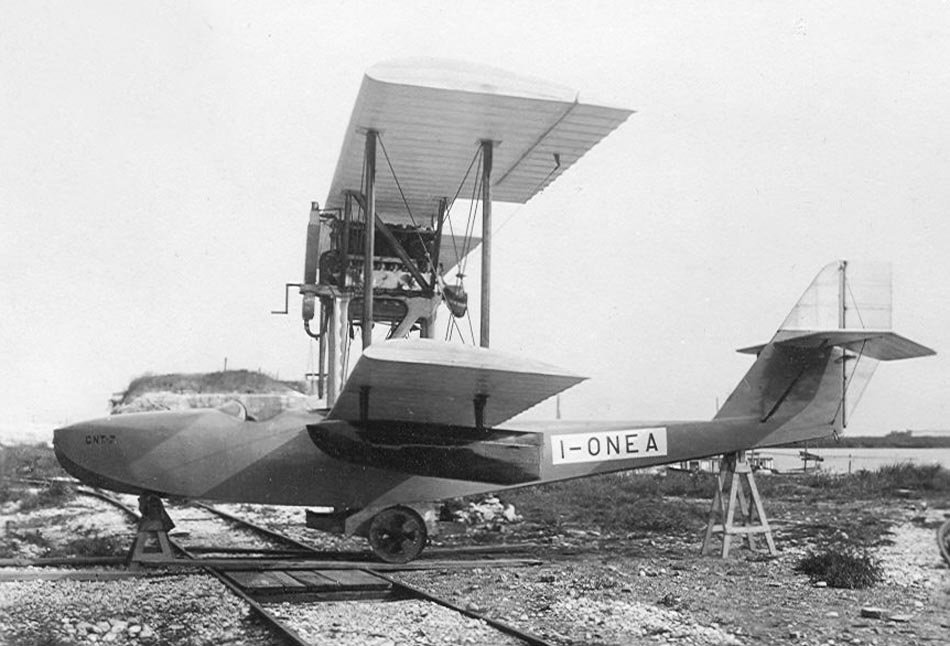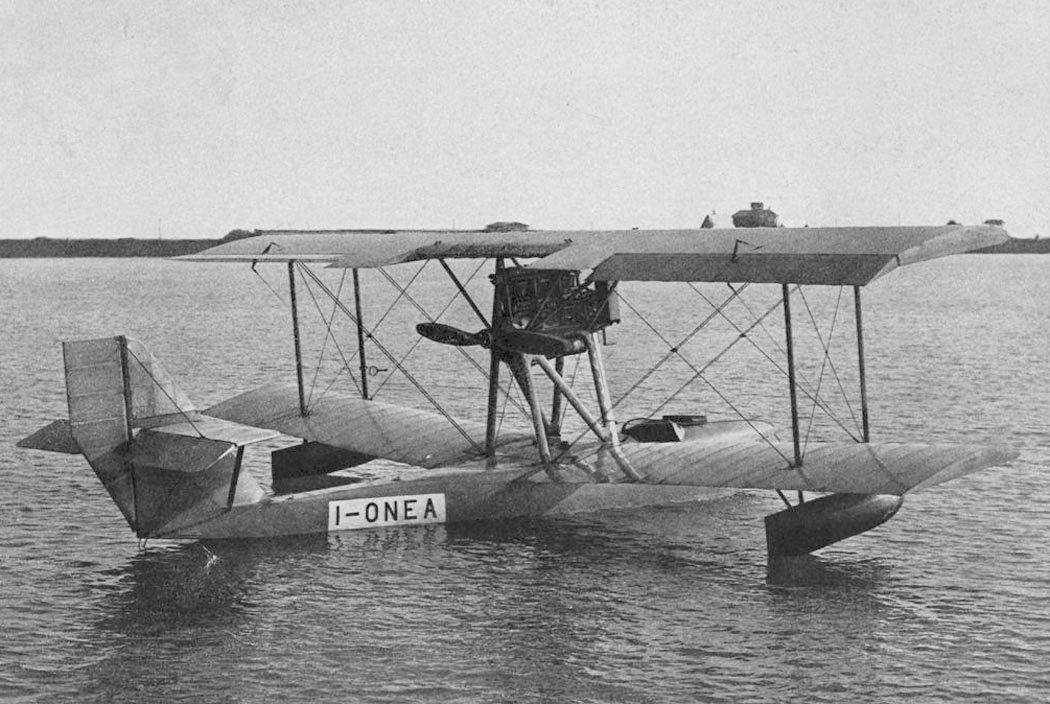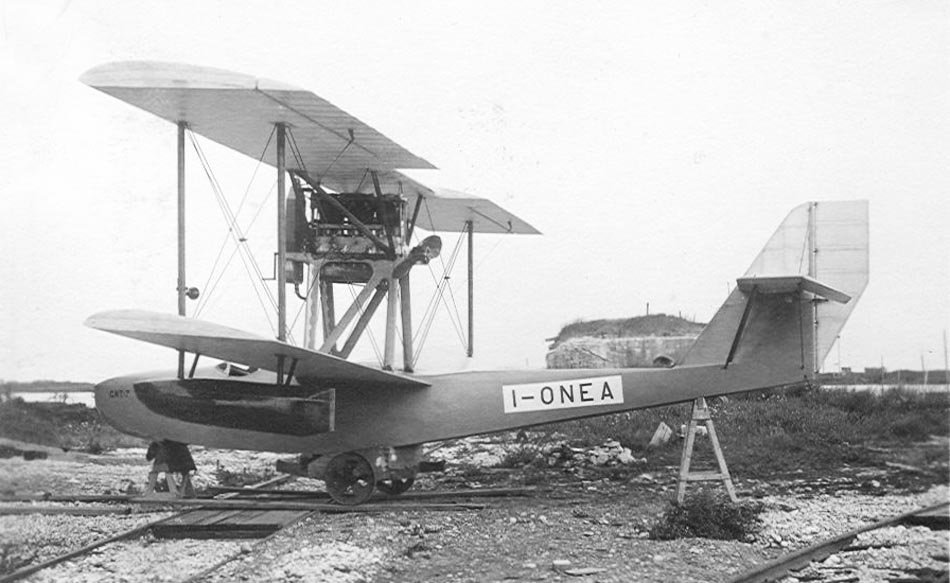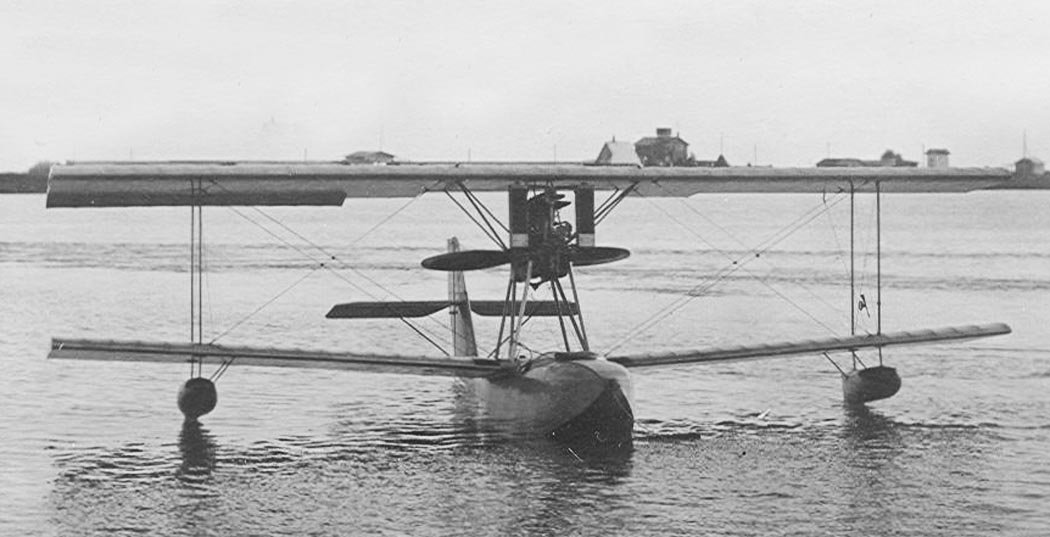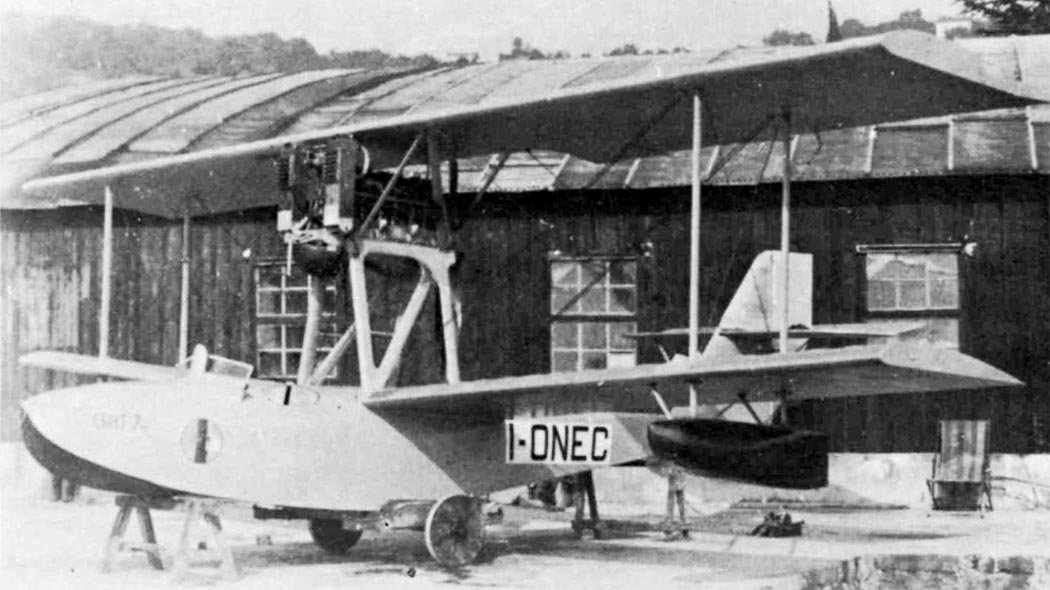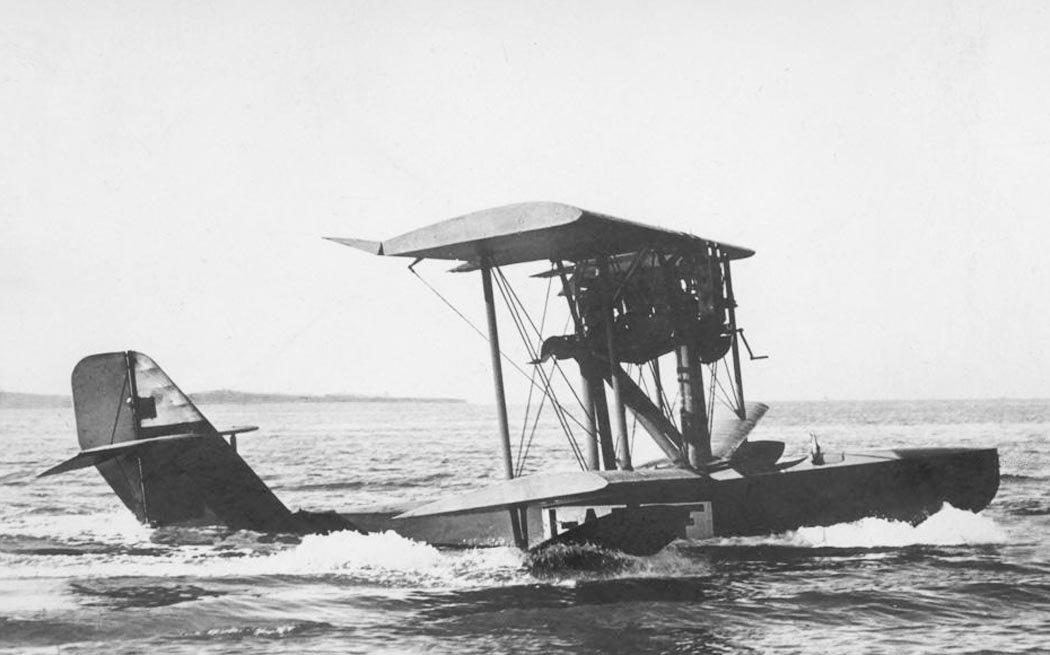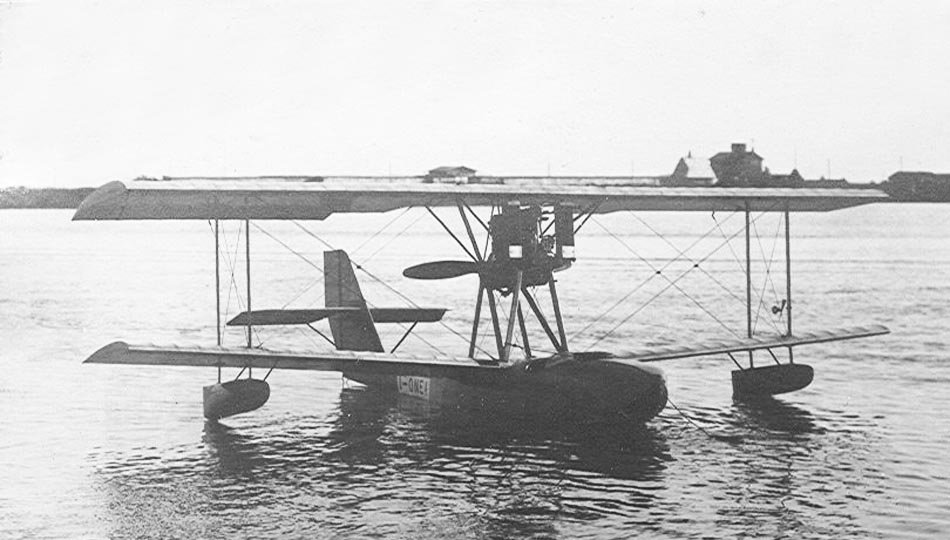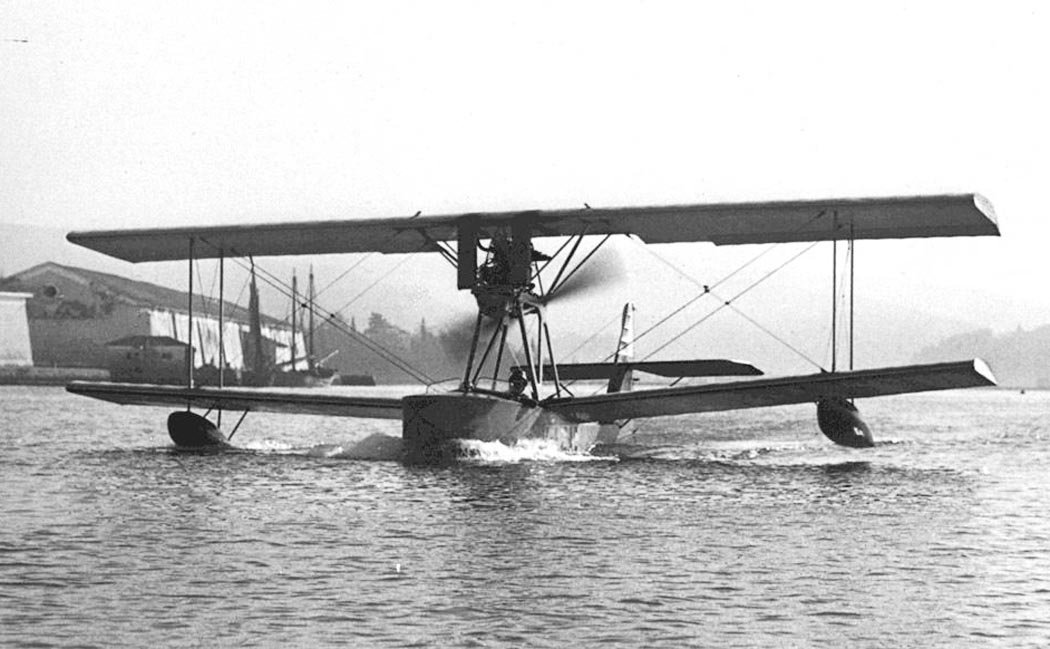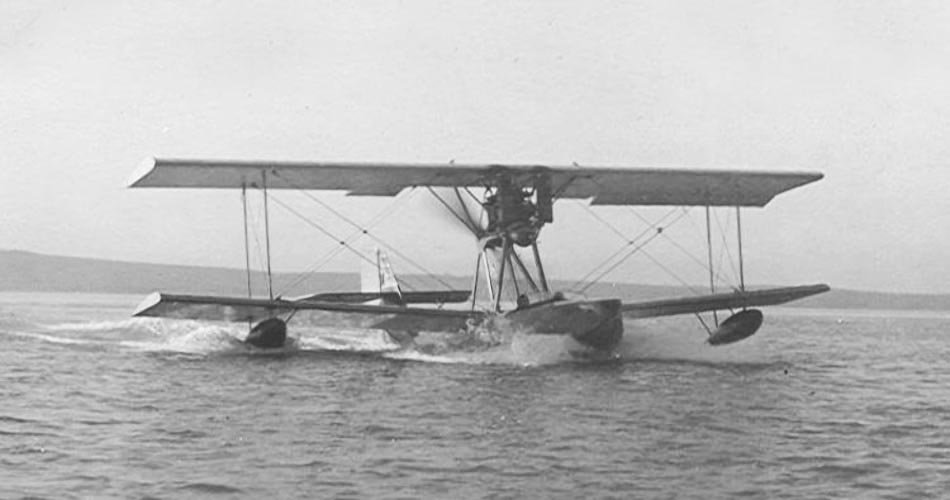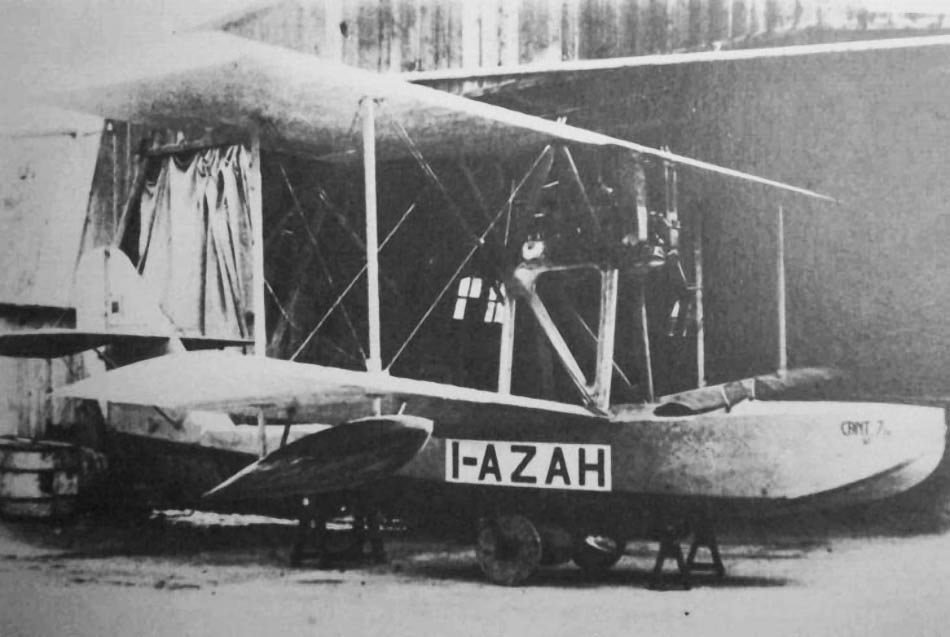
The lightweight flying boat CNT 7 was developed by Cantieri Navali Triestini (CNT) under contract from the airline Società Italiana Servizi Aerei (SISA). The aircraft was intended for pilot training. Engineer Raffaele Conflenti was responsible for designing this flying boat.
First Flight and Initial Production
The first prototype of the CNT 7 took flight on July 25, 1924. It was a two-seat, single-strut biplane, powered by a single 160 hp six-cylinder air-cooled Isotta-Fraschini V.4e engine. Following successful trials, a small series of 13 units was produced.
Variants and Engines
In 1925, five more CNT 7bis aircraft were released, featuring a more powerful 250 hp Isotta-Fraschini V.6 engine. This was followed almost immediately by 15 units of the CNT 7ter, equipped with a 250 hp six-cylinder water-cooled Isotta Fraschini Asso 200 engine. Some 7ter models were fitted with a 205 hp (151 kW) six-cylinder SPA 6A engine.
All produced CNT 7 aircraft were delivered to the SISA flight school, where they were used until 1933. After the school’s closure, some flying boats were returned to the company, which converted them into the new CANT 12 model. Nine units were transferred to the Regia Aeronautica, where they served as maritime reconnaissance aircraft.
In 1930, following the company’s renaming to Cantieri Aeronautici e Navali Triestini (CANT), the designation CNT 7 was changed to CANT 7.
Image and diagram gallery of the CANT 7