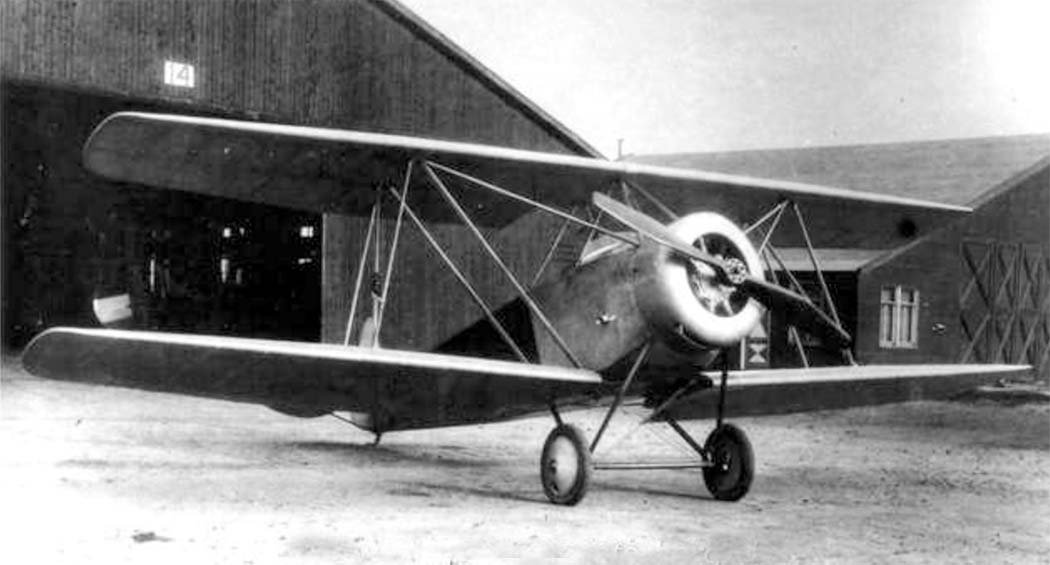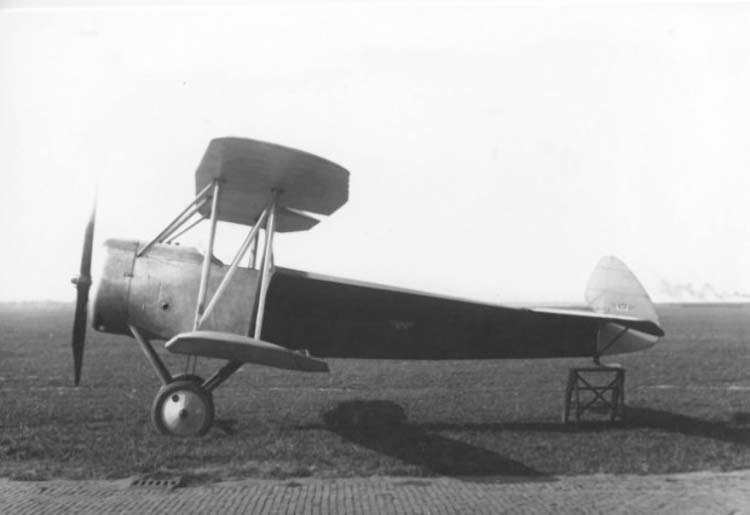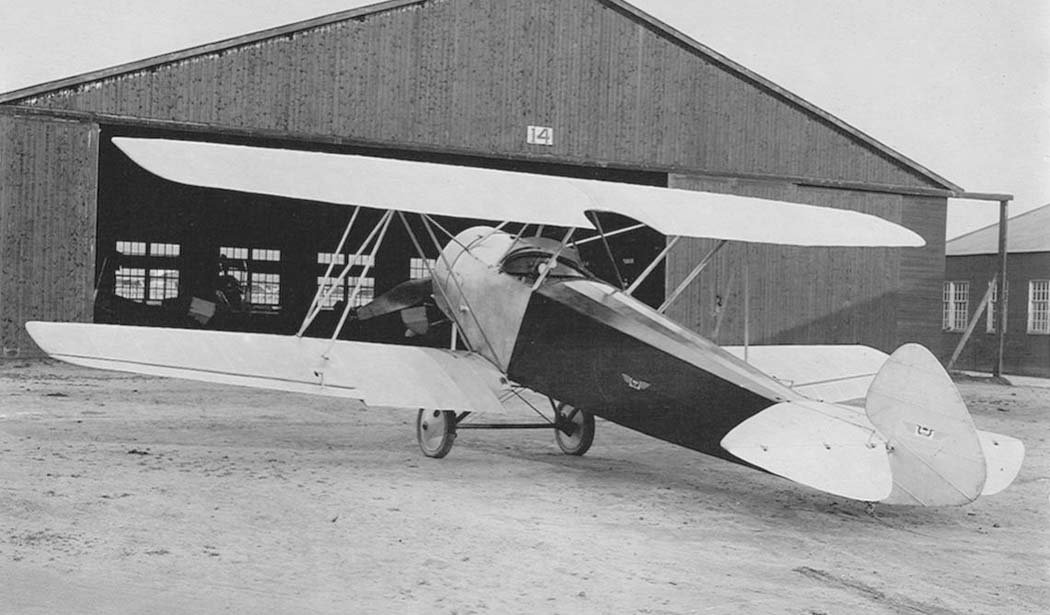
In 1922, engineer Joop D. Carley, a designer at “Nationale Vliegtuig Industrie (NVI),” developed the new Carley C.III biplane. This aircraft was specially built for a competition seeking a new army aviation trainer, intended to replace the outdated Spyker V.2.
Design and Specifications
The C.III was a two-seater, single-strut biplane of mixed construction. It was equipped with a 110 hp French Le Rhone engine, designed to provide adequate performance for its military training role.
The Competition and Its Outcome
In late 1922, the aircraft prototype participated in the competition alongside the Fokker S.II trainer. The S.II was chosen as the winner, receiving an order for 15 units for the army aviation of the Netherlands. Despite efforts, the C.III was also unsuccessful in being adapted for civilian life.
The failure of the C.III deeply upset Carley. He accused the Fokker company of “dirty play,” and after a falling out with NVI management, the designer left the company to work independently.
Technical Specifications
| Modification | Carley C.III |
| Wingspan, m | 11.40 |
| Length, m | 7.40 |
| Empty weight | 810 |
| Normal takeoff weight | 1190 |
| Engine type | 1 Piston engine Le Rhone |
| Power, hp | 1 x 110 |
| Maximum speed, km/h | 160 |
| Cruising speed, km/h | 140 |
| Service ceiling, m | 4800 |
| Crew | 2 crew members |
Image gallery of the Carley C.III