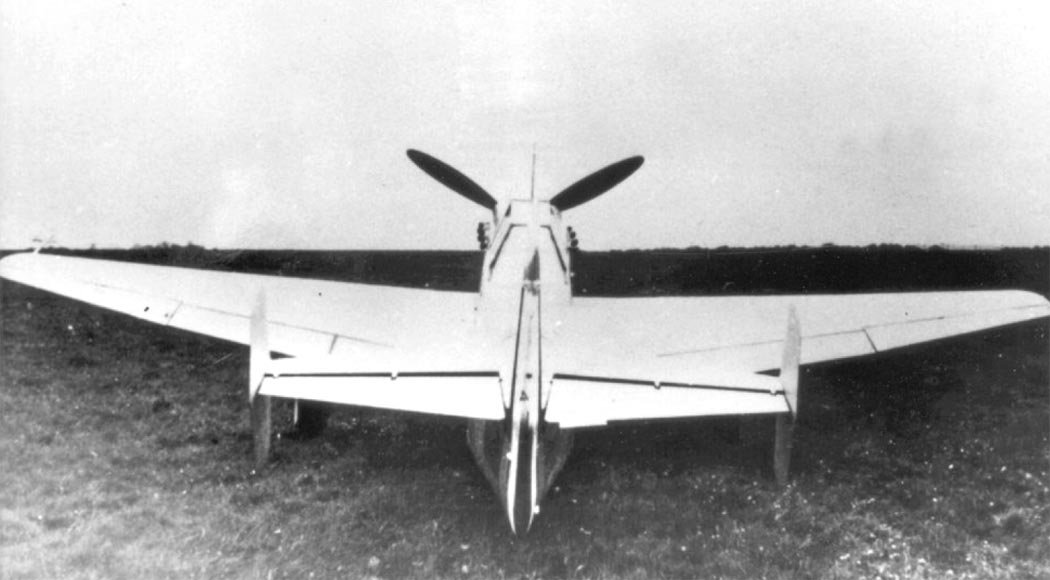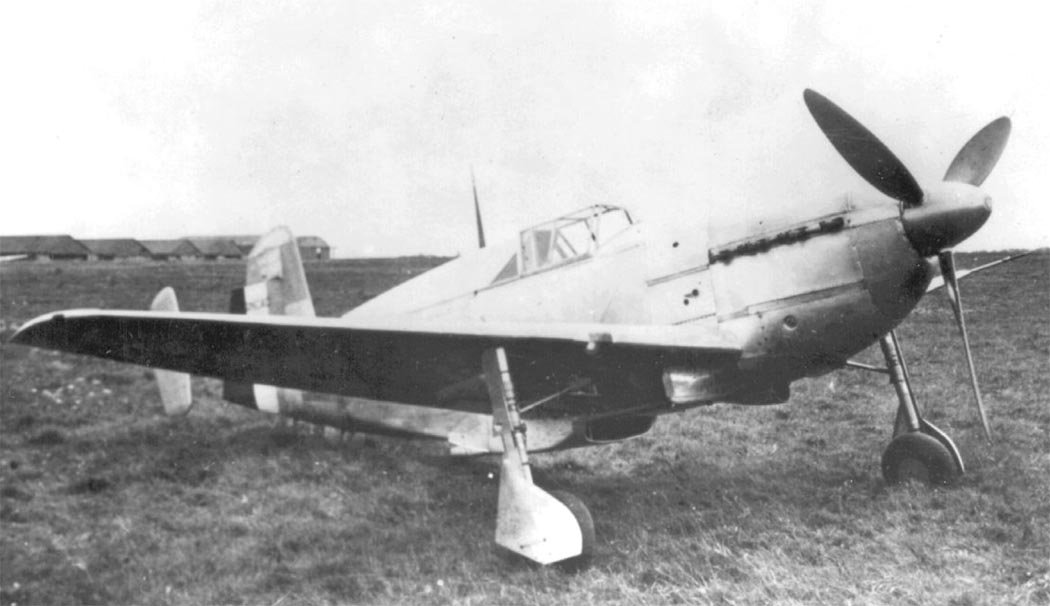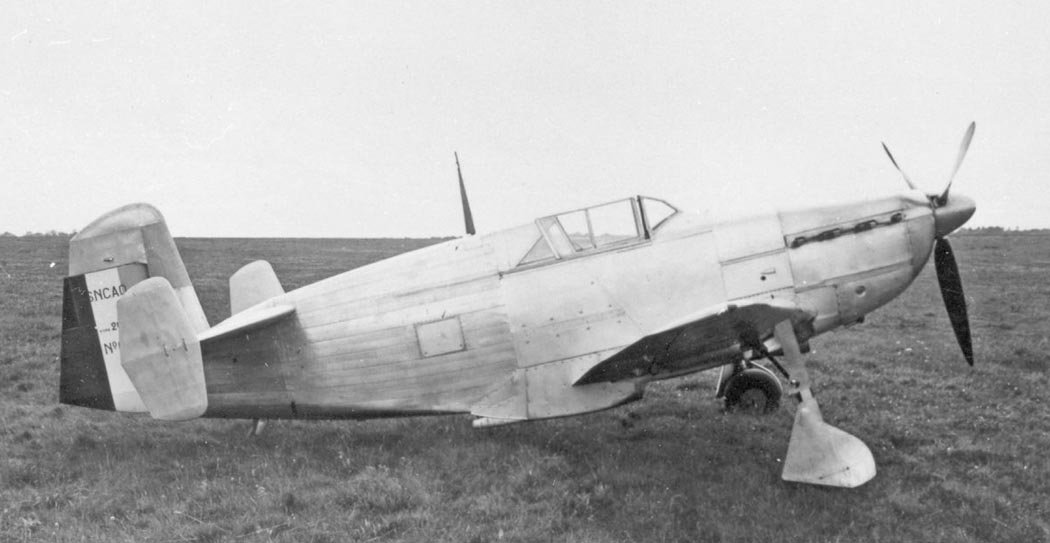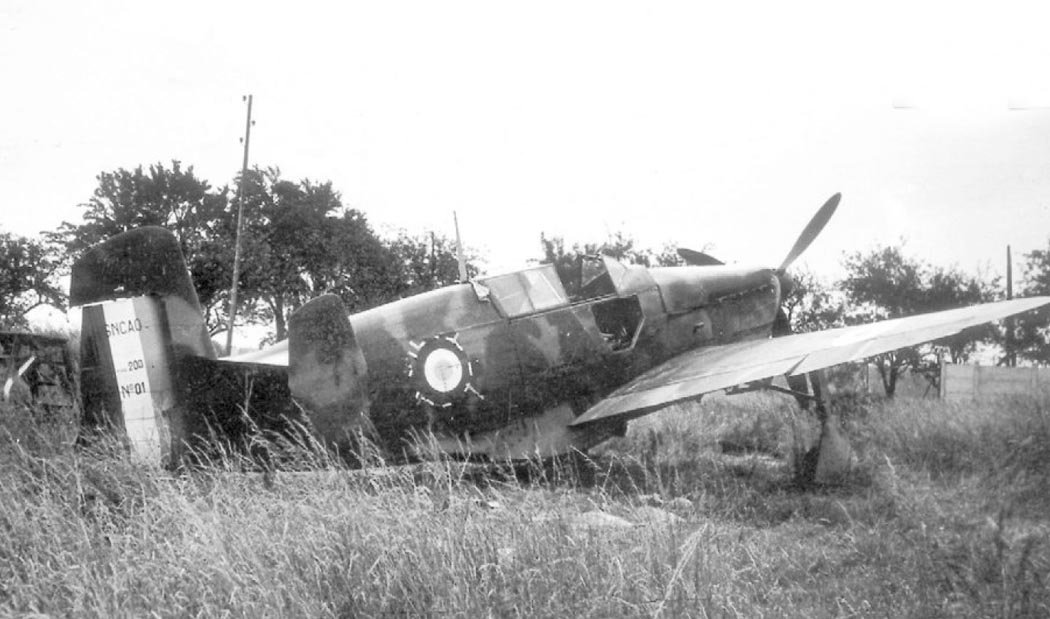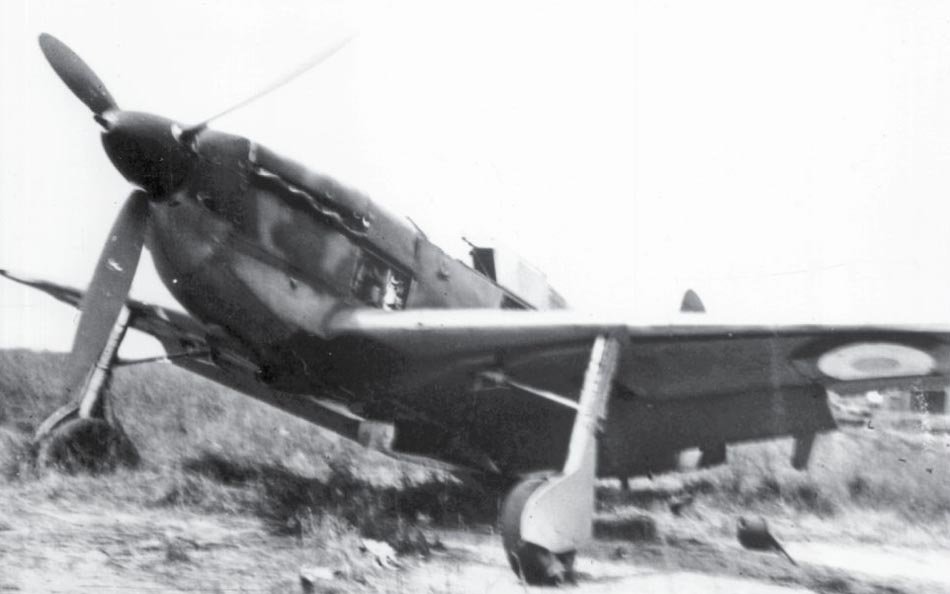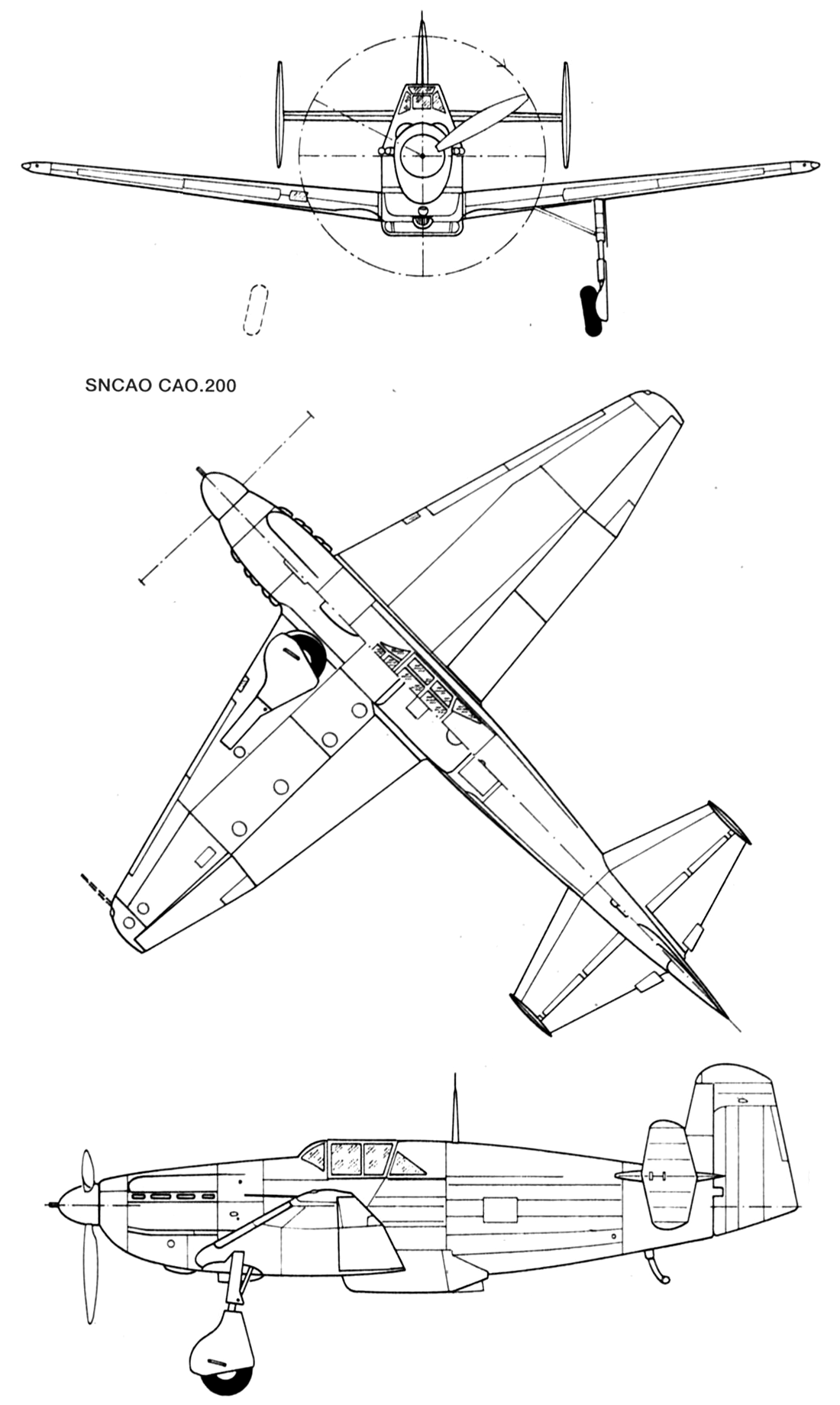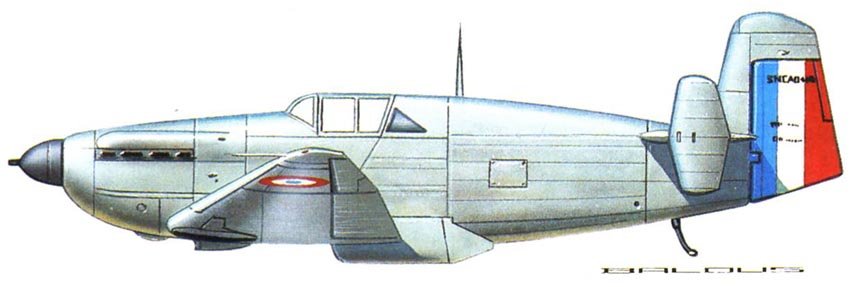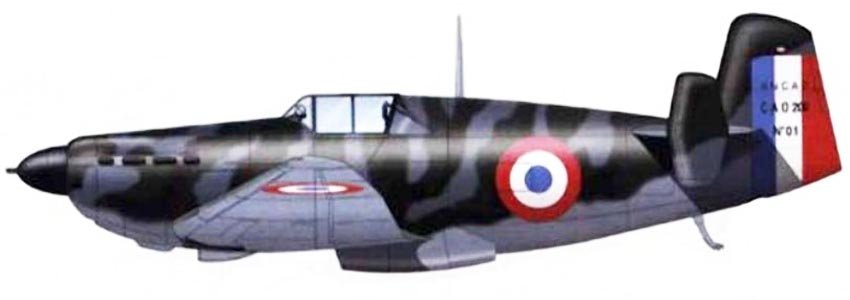
After the failure with the Ni.161 fighter, which was designed according to the C.1 specification of 1934 and lost in the MS.405 competition, the Nieuport company soon undertook the design of a completely new aircraft with high flight characteristics. In 1936, a new specification, A23, was issued, providing for the creation of a single-seat monoplane fighter with a speed of no less than 500 km/h at an altitude of 4000 meters. Fully breaking with the old-fashioned trends that had doomed the Ni.161, the Nieuport firm proposed a completely new low-wing aircraft design with retractable landing gear and a closed cockpit.
Early Development and SNCAO Integration
Initially, the fighter was designated as LN.60, but since that designation had already been assigned to a flying boat, it was renamed CAO.200. Such a large difference in names is explained by the fact that in 1936, the Nieuport company became part of the Société Nationale de Constructions Aéronautiques de l’Ouest (SNCAO) consortium.
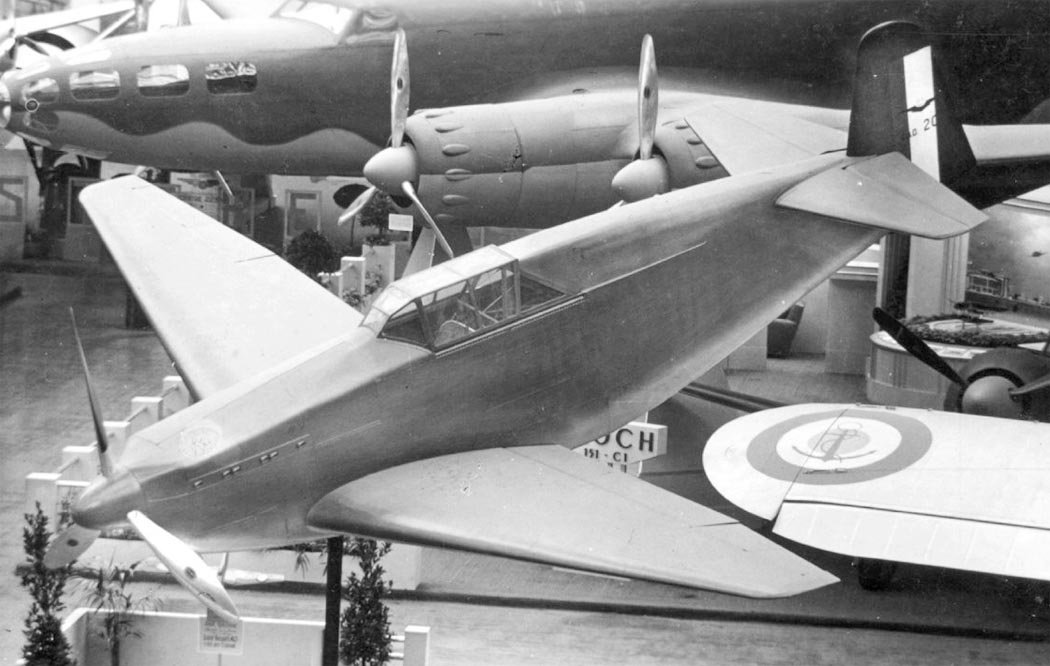
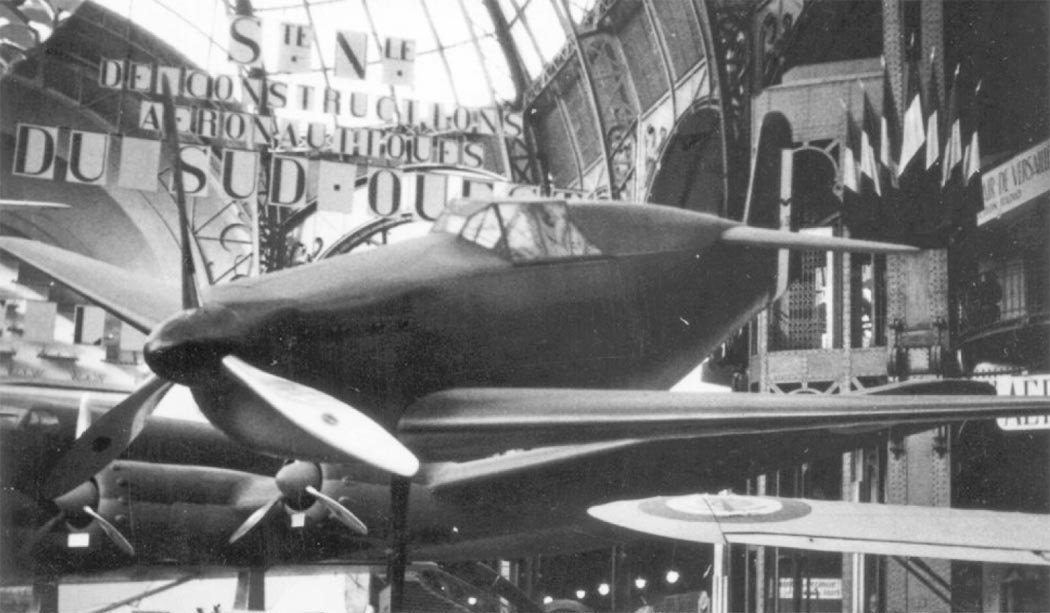
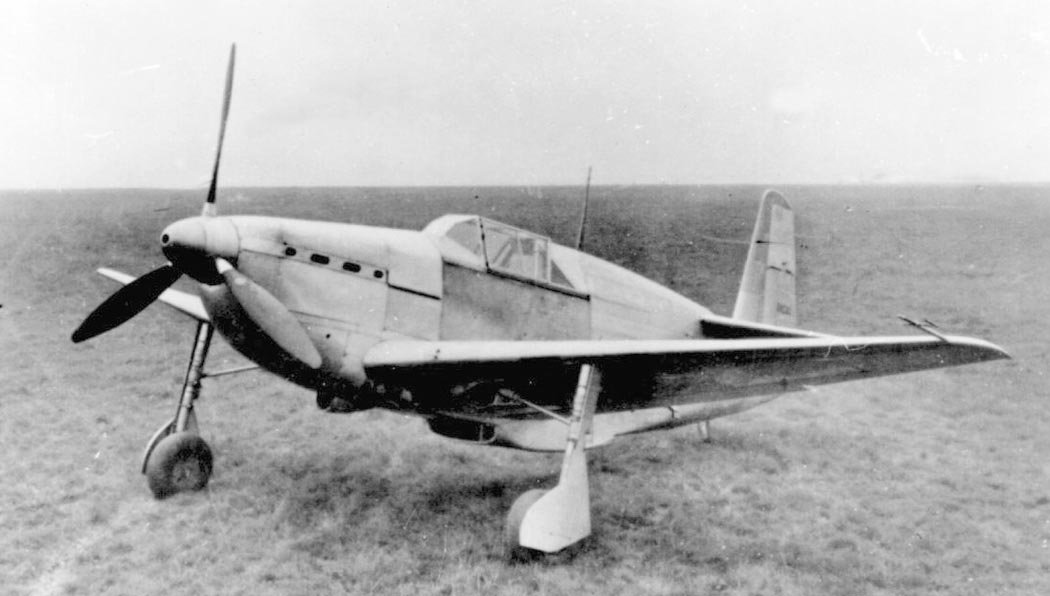
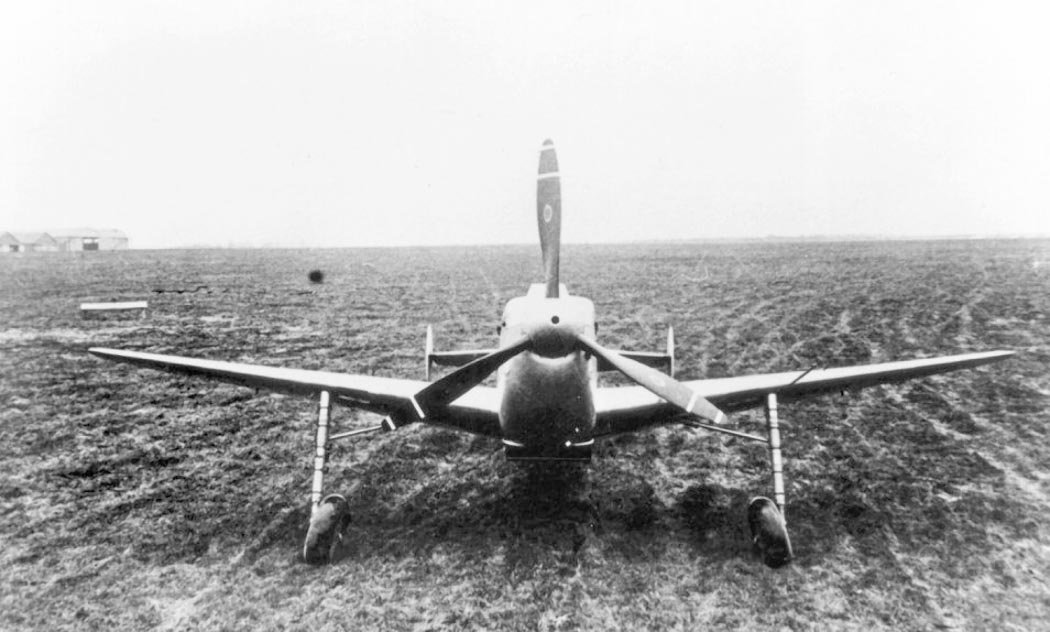
The CAO.200 fighter model was first demonstrated at the Paris Air Show in 1938 and did not cause much excitement. Although high performance characteristics were incorporated into the aircraft, by that time the Messerschmitt Bf.109D – the main opponent of the French for the coming year – had already entered serial production, and furthermore, from the following year, the Bf.109E began to arrive in mass quantities with a maximum speed of 570 km/h and cannon armament. French engineers had to rework the project; in its final form, the CAO.200 received an 860-hp Hispano-Suiza 12Y-31 engine, enlarged empennage, and small washers on the stabilizers.
Performance Challenges and Competition
The fighter prototype first took to the air on January 31, 1939 – three months later than its main competitor, the Dewoitine D.520. Tests of both prototypes proceeded relatively smoothly, and in terms of main parameters, they were roughly equal, but the D.520 was chosen for serial production. This was because, while the prototypes were undergoing final tests, Dewoitine designers had proposed several improved variants of the fighter, among which the D.550, which developed a maximum speed of over 700 km/h (albeit in a special record modification), and its development, the D.551, stood out.
In September 1939, the French Air Force settled on Dewoitine aircraft, which were intended to replace the recently accepted into serial production D.520 and Bloch MB.152. Other competitors simply did not fare well and remained at the prototype stage. Nevertheless, Nieuport received an order for 12 pre-production aircraft. Apparently, the Air Force had no hope for the rapid introduction of promising fighters and considered it necessary to adopt the CAO.200 as a temporary measure.
The production aircraft primarily differed in having a Hispano-Suiza 12Y-51 engine and some structural modifications, but in practice, none of them were actually produced. The reason for this was the capitulation of France, after which the Vichy government refused to fund many secondary projects.
The CAO.200’s Unique Combat Debut and Demise
The fate of the sole CAO.200 prototype was quite unique. In May 1940, the fighter was transferred to the GC I/145 “Warsawa” squadron, where Polish pilots fought. This unit had received light CR.714C.1 fighters earlier in the year and had conducted a series of battles with the Germans, shooting down 8 (or 12) enemy aircraft while losing 12 of their own fighters. As for the CAO.200, this aircraft was decided to be used in combat conditions not out of good fortune.
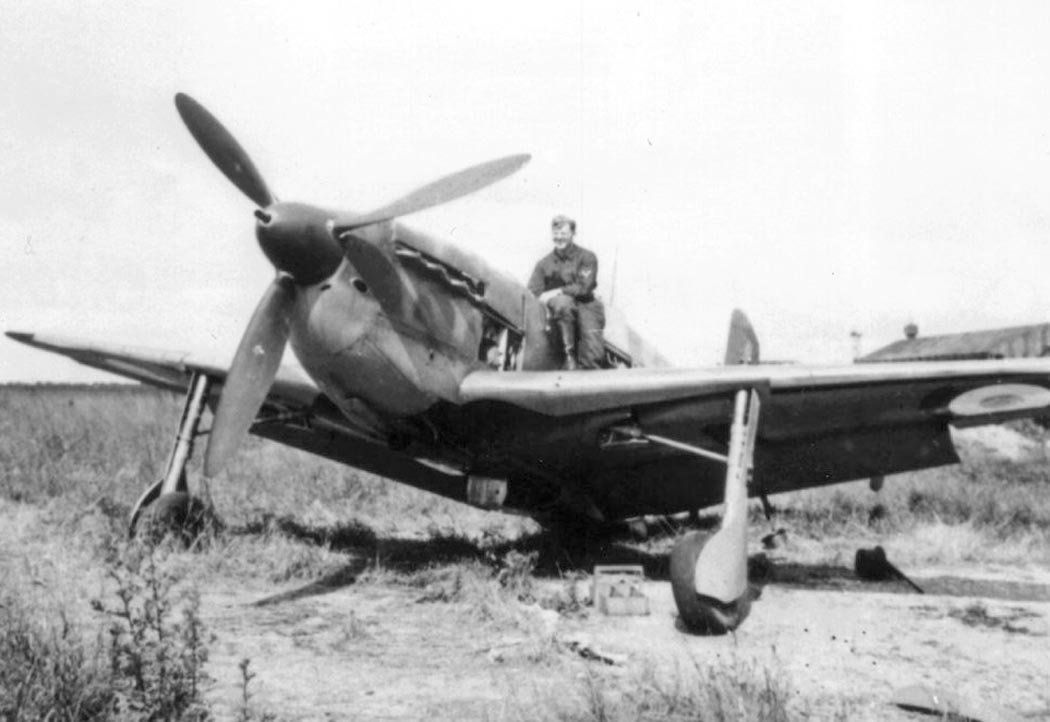
According to some data, the commander of squadron GC I/145 (and also SNCAO chief pilot) M. Demazieres shot down a He-111 with it on May 5, 1940. Apparently, this was the CAO.200’s first and last combat sortie. In the autumn of the same year, the Germans requisitioned the prototype and took it to Germany for testing, after which the fighter was dismantled for scrap.
Technical Specifications
| Modification | CAO.200 |
| Wingspan, m | 9.50 |
| Length, m | 8.90 |
| Height, m | 3.49 |
| Wing area, m2 | 13.30 |
| Normal takeoff weight, kg | 2500 |
| Engine type | 1 Piston engine Hispano-Suiza 12Y-31 |
| Power, hp | 1 x 860 |
| Maximum speed, km/h | 550 |
| Cruising speed, km/h | 464 |
| Practical range, km | 1000 |
| Service ceiling, m | 11000 |
| Crew, crew members | 1 |
| Armament | one 20-mm Hispano-Suiza HS-404 cannon, two 7.5-mm MAC 1934 machine guns |
Image gallery of the CAO.200