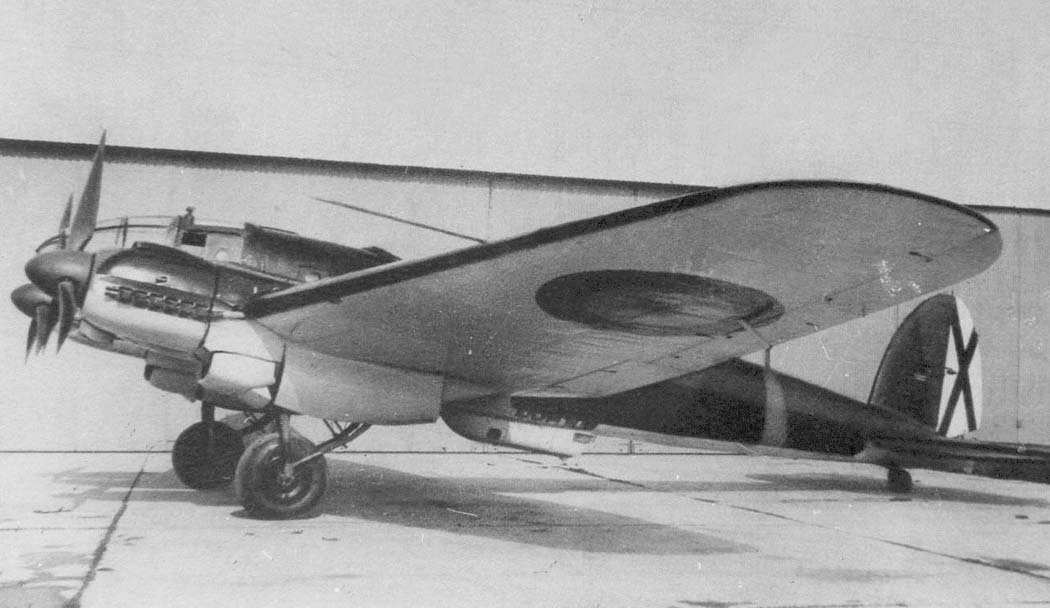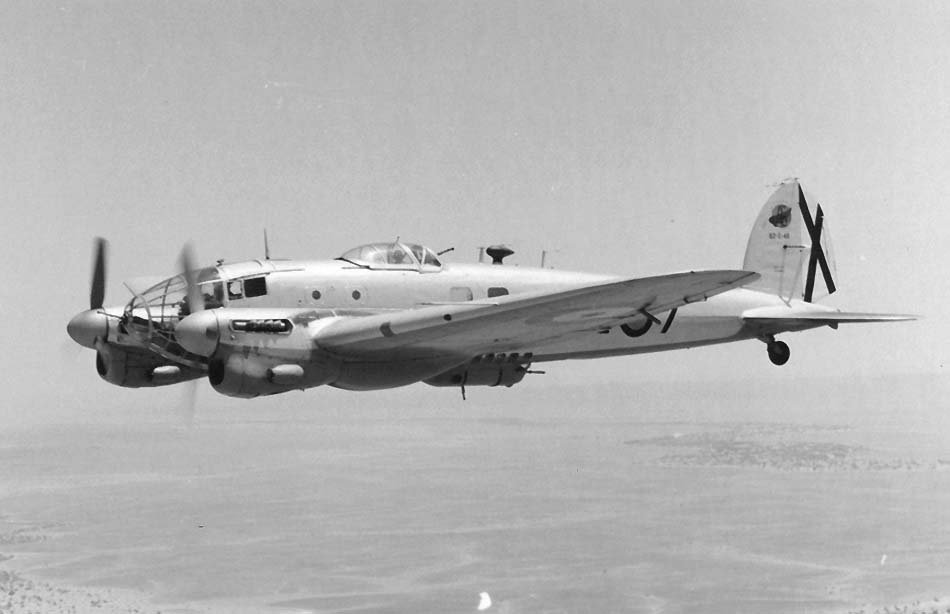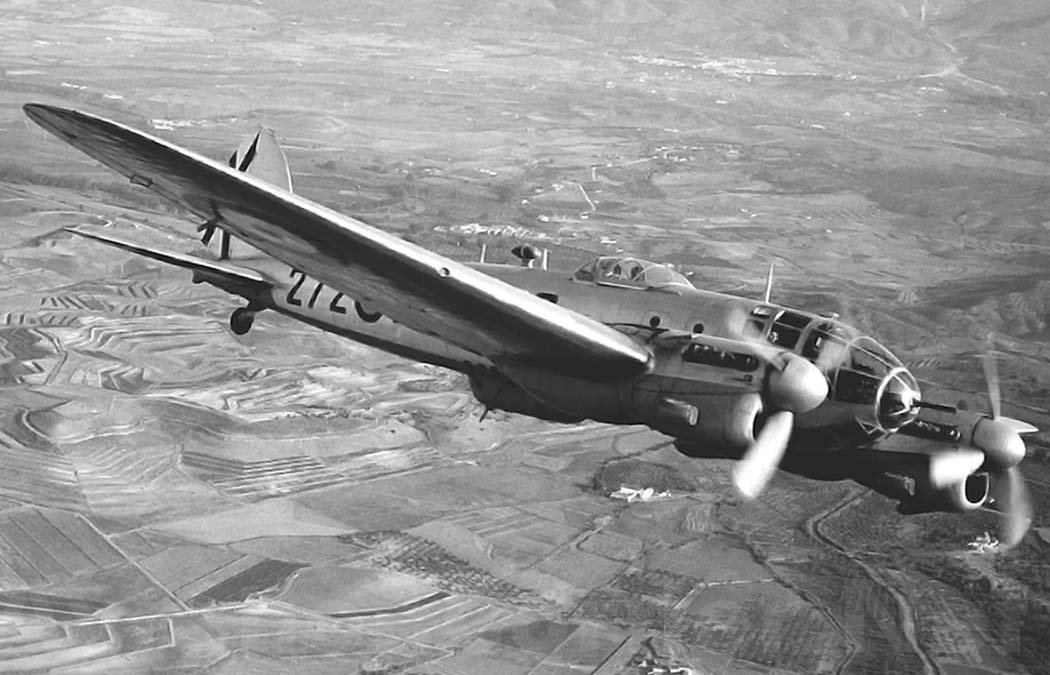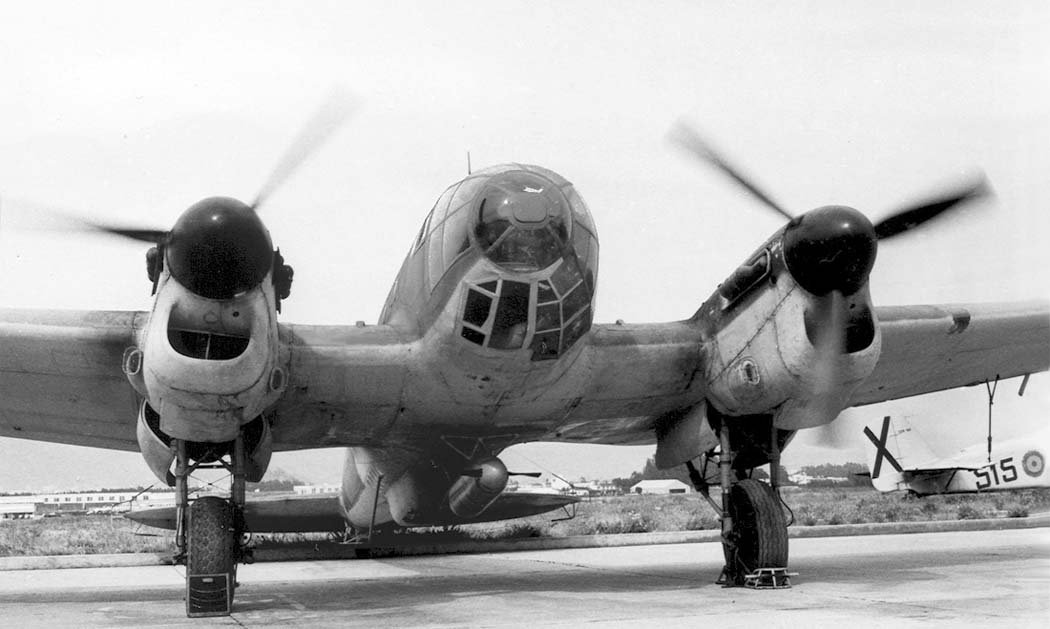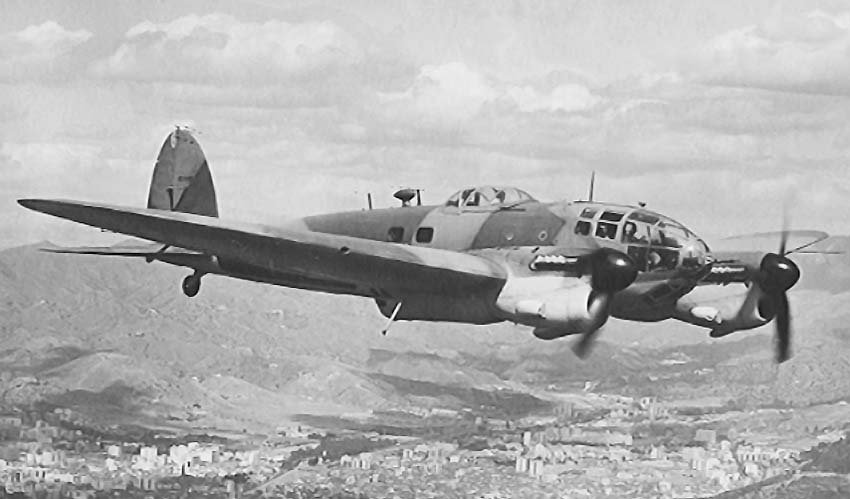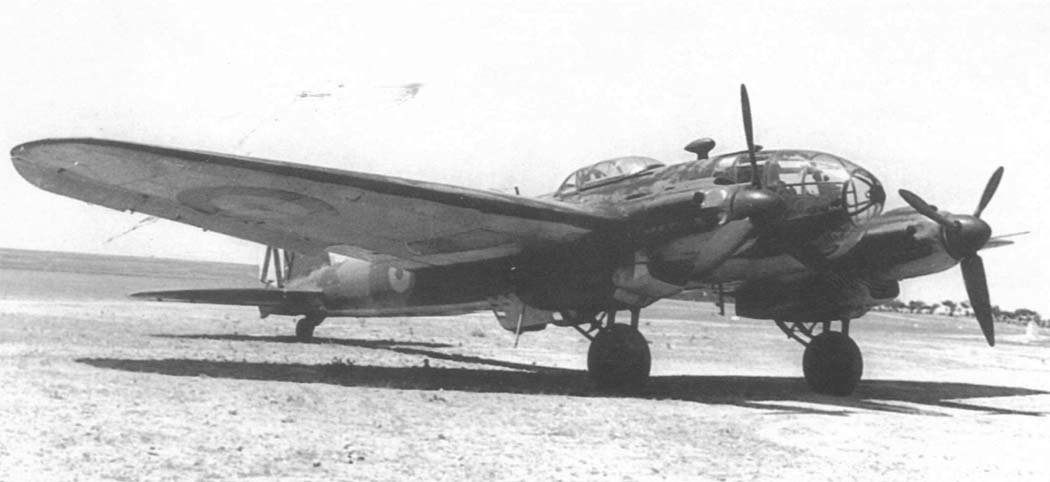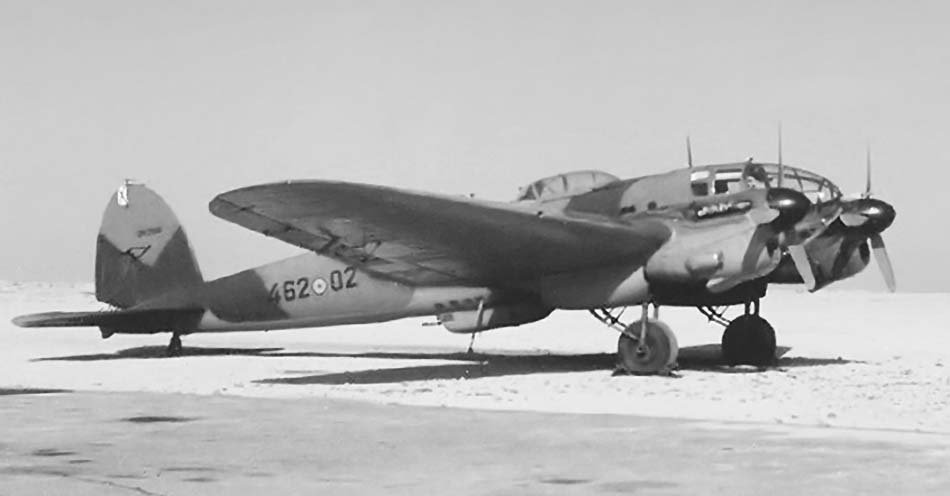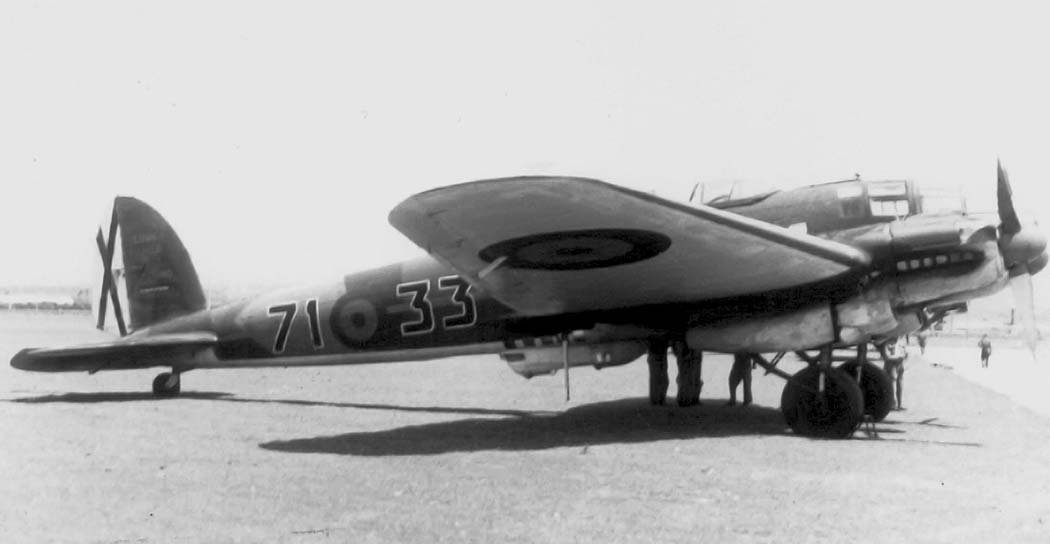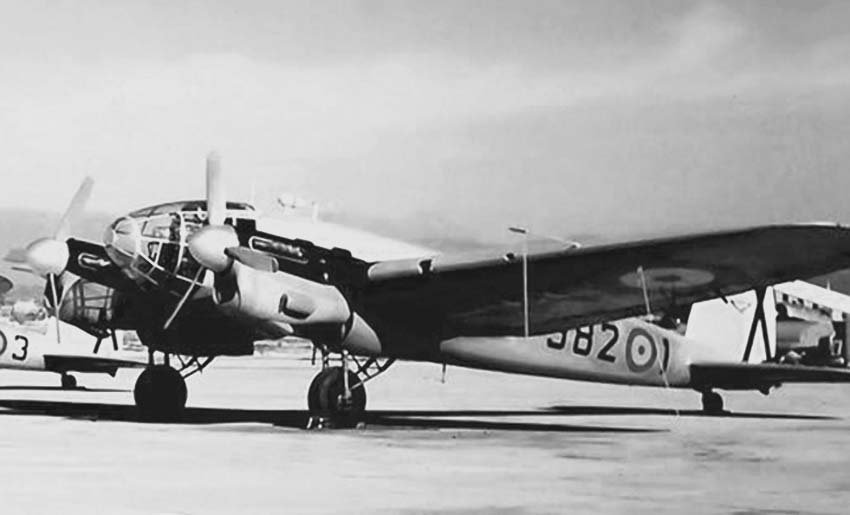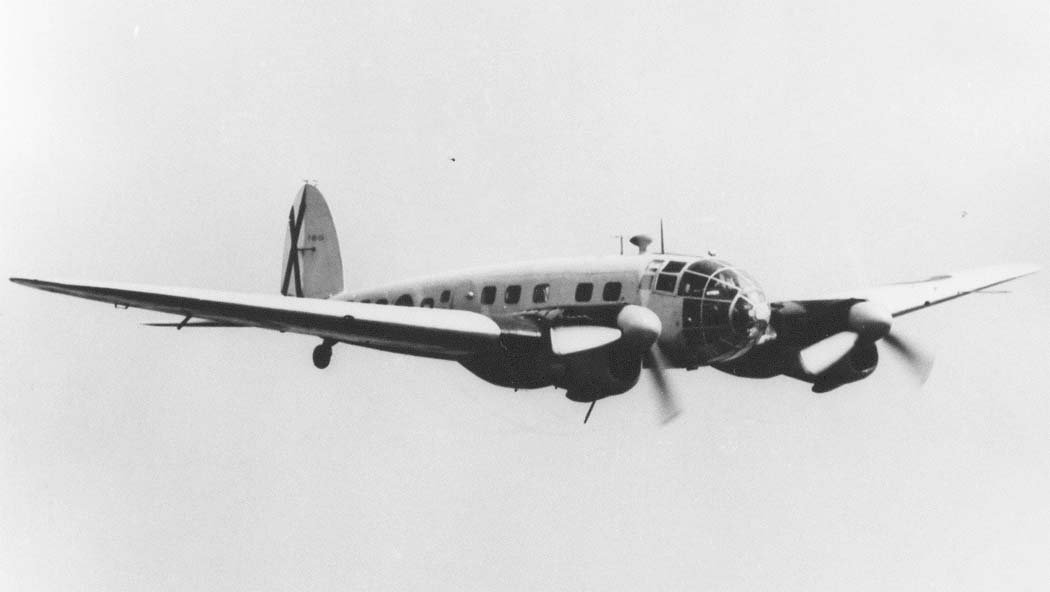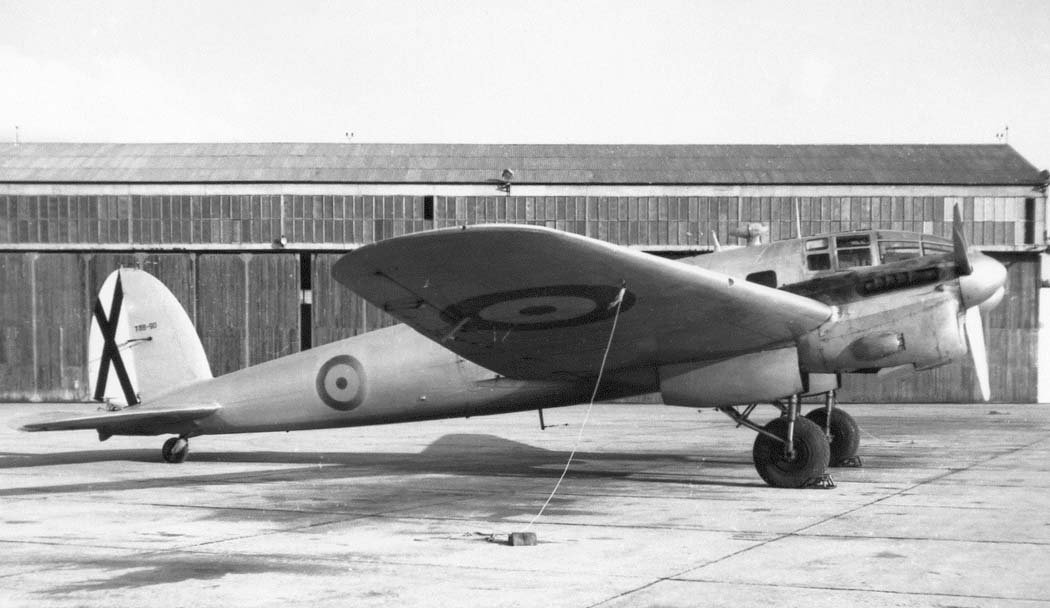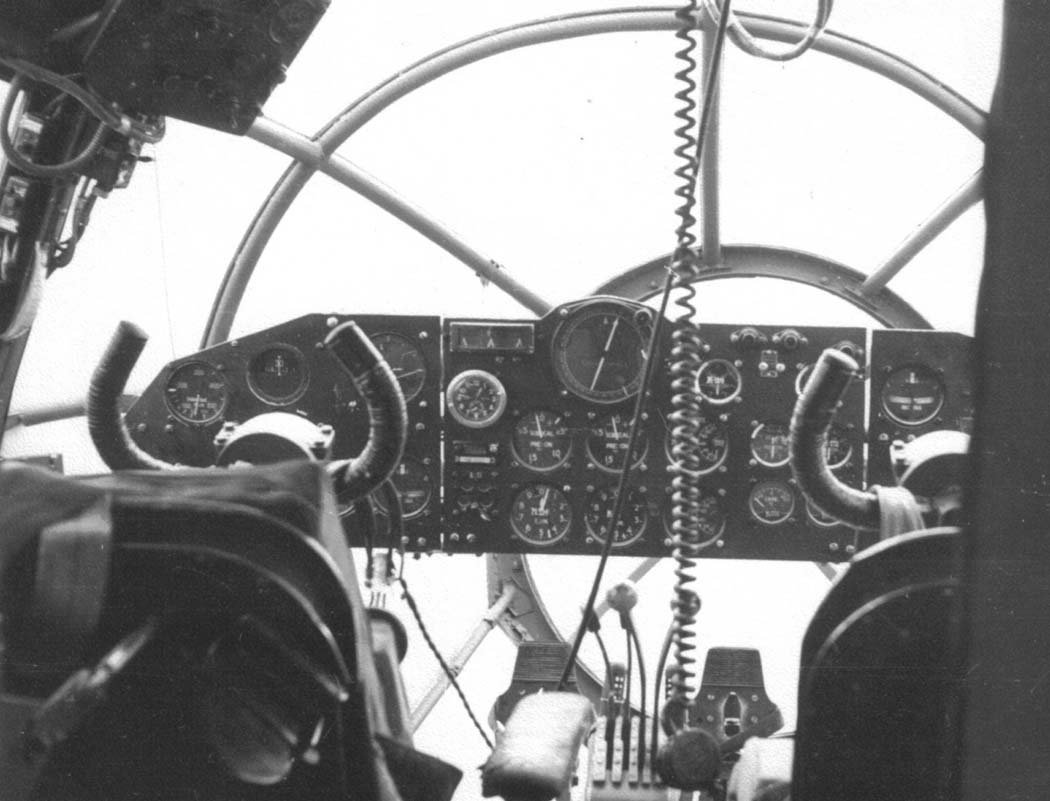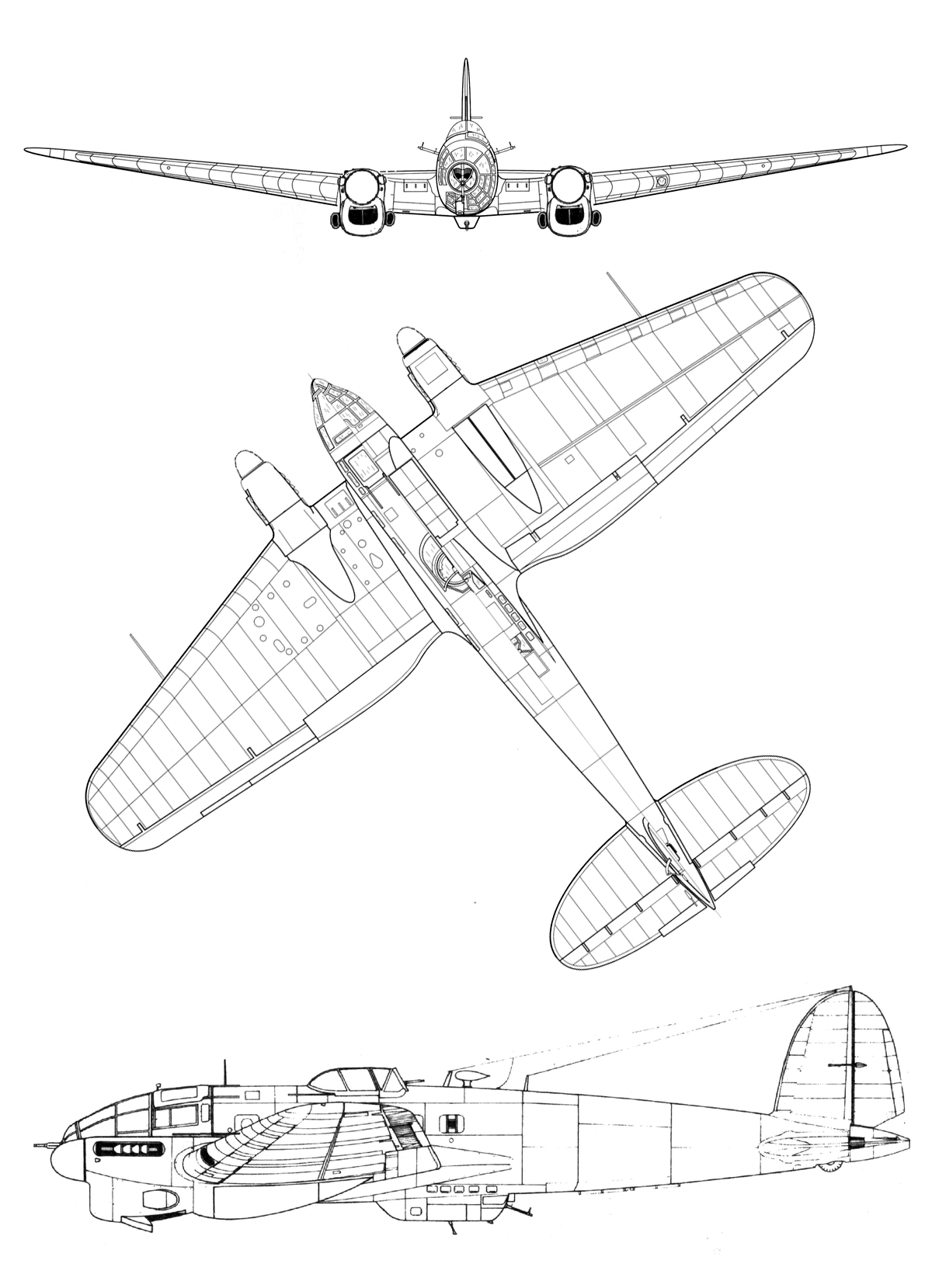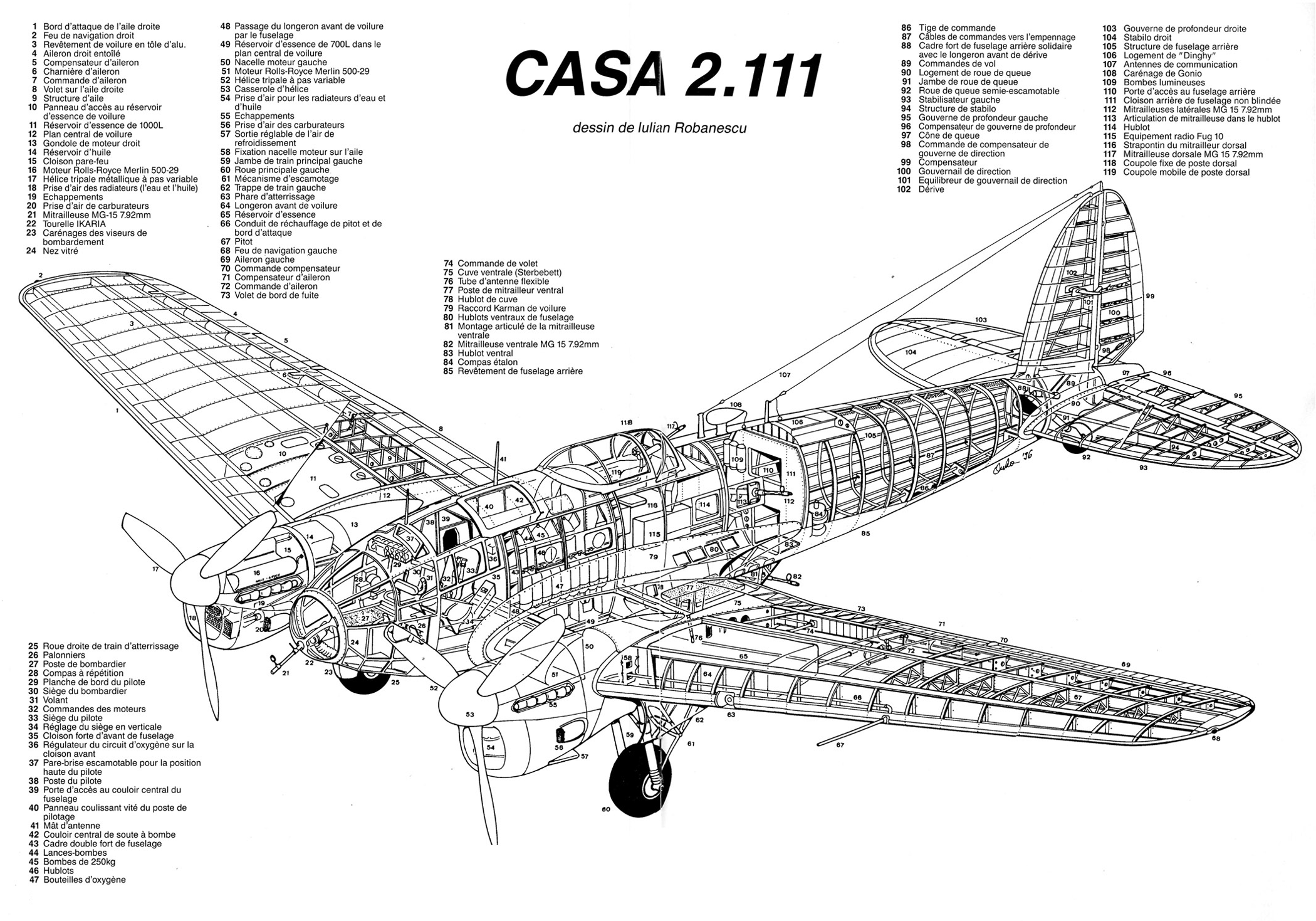
The Heinkel He 111 “lived on” in Spain for a couple more decades after the end of World War II. In 1941, the Francoist government began negotiations with Germany to acquire a production license. Initially, the P modification was discussed, but later they settled on the H-3. Production at the CASA factory was intended to begin in 1942 and conclude in 1946. The first series was to include half German-made components, with their share gradually decreasing thereafter.
In reality, the Spanish received a full set of documentation for the H-16 type bomber and one sample aircraft from the Germans in 1943. In July 1944, Spanish engineers and workers, who had been trained in Rostock, returned home. A German consultant, engineer Seeliger, arrived with them. The Spanish variant of the “Heinkel” was initially named H-16L, and subsequently C-2.111.
National Production and Early Challenges
By the time the Spanish began to master production, Germany was already cut off by Allied armies. They managed to receive a limited number of Jumo 211F-2 engines and VS-11 propellers, enough for about a dozen bombers. With no hope of German assistance, everything had to be done by themselves, which resulted in very slow production rates. Some components were manufactured in Cadiz, and assembly took place in Tablada.
The first Spanish-produced aircraft, the C-2.111A, took to the skies on May 23, 1945. Six more machines were built in 1946, and three in 1947. In April 1948, the first ten aircraft were delivered to the Air Force. By early 1950, approximately 50 bombers had been assembled, most of which remained on the factory airfield without engines.
Spanish aircraft differed from their German counterparts with strengthened engine mounts, metal (instead of fiber) fuel tanks, and armament consisting of two MG 15 machine guns (in the upper and lower firing positions) and one Italian 12.7mm Breda-SAFAT machine gun in the nose, which were salvaged from scrapped Italian bombers. Compared to the original, the empty weight of the aircraft increased (partly due to the poorer quality of Spanish aluminum alloys), and the bomb load decreased by about a third.
Engine Sourcing and Variant Evolution
The search for engines and propellers was a constant challenge. In 1948, captured engines were acquired from depots in Poland, with a Swedish firm acting as an intermediary. A year later, some were purchased in France. By 1955, Spain had received a total of 334 Jumo 211F-2 engines. By this time, 130 aircraft had been produced, with German engines installed on 117 of them.
In early 1950, the supply of imported propellers ran out, and domestic HL.302.644 propellers were installed instead. These were also three-bladed but featured wooden blades. The hub of this propeller was manufactured under license from Hamilton but did not fit into the old spinner. Initially, aircraft were sent out without any propeller spinners, but new conical spinners later appeared. Radio equipment also gradually changed. While early machines had only one radio station and a single radio mast, later models added a second radio and a radio compass, consequently requiring more antennas. Bombers were categorized into A-1, A-2, and A-3 variants based on their equipment.
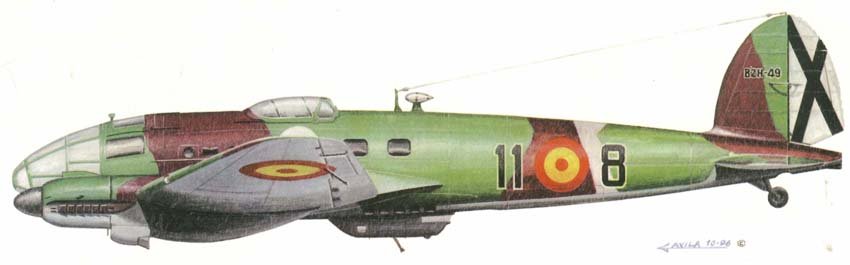
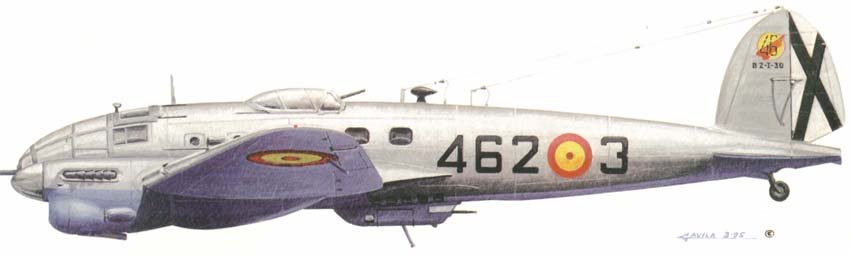
Post-war Spanish-produced bombers retained the old German camouflage with angular brown, green, or grayish-green patches. Later, they transitioned to a monochromatic silver, light gray, or light yellowish-green paint scheme for the upper surfaces. The undersides consistently remained light blue. The rudder was always white, featuring a diagonal black cross. National markings, red-yellow-red roundels, were placed on the wings (top and bottom) and on the tail section of the fuselage. On the fuselage, to the left of the roundel, the unit number was applied, and to the right, the aircraft number.
In addition to the C-2.111A bombers (Air Force designations: B.7, from February 1951: B.2H), transport variants C-2.111T (T.8) were produced from December 1950. These were unarmed, lacked a ventral gondola, but had an entry door on the left side and seating for six passengers in two rows along the sides. In September 1951, the sole reconnaissance aircraft C-2.111C (B.2HR) was produced. Cameras were located in the bomb bay, and no bomb armament was present. Later, three variants of reconnaissance-bombers (C-1, C-2, and C-3) were assembled, differing in propeller type and equipment, with the ability to carry a reduced bomb load. A total of 18 units were manufactured. From March 1952, C-2.111E training aircraft (also T.8 in the Air Force) with dual controls were also built.
Merlin Engines and Active Service
However, the German engine supply was bound to run out. In October 1948, one bomber was tested with French Hispano-Suiza 12Z89 engines, but the results were deemed unsatisfactory. In July 1951, English Merlin 500-29 engines, rated at 1400 hp, along with British four-bladed Rotol constant-speed propellers, were installed on a C-2.111E. This necessitated a complete redesign of the engine nacelle and the use of larger radiators. Later, the aircraft was upgraded to bomber standard as the C-2.111B (B.21) by installing armament. After testing, this machine was transferred to an operational unit and was operated until an accident in 1960.
Between 1956 and 1959, nine training aircraft and an equal number of transports, designated T.8B, were similarly modernized. The purchase of engines from the United Kingdom also allowed for the completion of unfinished bombers and the upgrading of machines already in service. A total of 135 aircraft received the new powerplants. Concurrently, more modern American radio equipment was introduced. This was externally reflected in the appearance of a teardrop fairing with a radio compass antenna above the fuselage and the relocation of radio masts. From 1958, three-bladed metal HL.304.644 propellers (De Havilland licensed) replaced the Rotol propellers.
During this period, several new modifications emerged. The C-2.111D, produced from 1955, was an unarmed aircraft for cartographic surveying. The C-2.111D-1 was a reconnaissance-bomber that carried photographic equipment in place of the left bomb cassette. A 20mm MG FF cannon was mounted in its nose installation; for the 14 serial reconnaissance-bombers, this weapon was taken from scrapped fighters. In May 1956, this modification was even offered for export to Iraq, but Iraqi King Faisal II, who visited Spain, politely declined to purchase what was essentially a 1930s machine. In 1960, one bomber was converted into a C-2.111F (T.8D) search-and-rescue aircraft.
The 58 He 111B and He 111E aircraft that survived the Civil War formed the backbone of the new Spanish Air Force’s bomber aviation. Worn-out German-produced bombers were forcibly operated in the 15th Regiment until October 1954. After the arrival of domestically produced machines, by May 1951, the 11th Regiment was completely re-equipped, and several bombers were also transferred to the 11th and 14th Regiments. In June 1952, reconnaissance aircraft reinforced the 96th Aerial Photography Squadron, and later the 31st and 33rd Groups. In March 1956, B.2Hs were stationed in the Canary Islands, from where they conducted reconnaissance flights over Morocco and Spanish West Sahara, gathering information on rebel troop movements. The Sidi Ifni airfield in the desert was often used as a forward base.
As German engines wore out, the accident rate in units armed with “Heinkels” constantly increased. For example, in October 1956, a B.2HR crashed, killing the entire crew. Aircraft with Merlin engines began to replace them from January 1957. Bombers and reconnaissance aircraft of older modifications were either sent for conversion or transferred to training units and flight schools, where they lasted another year or two. However, the aircraft with English engines were destined to enter combat.
The guerrilla war in the Sahara was escalating, with rebels supported by newly independent Morocco. The Americans prohibited Spain from using weapons received from them as part of military aid in Africa. This forced Spain to gather old stock from its own reserves. In May 1957, six BR.21 reconnaissance-bombers were transferred to Gando base, and a month later, six more; they joined the 29th Group, which soon grew to 24 aircraft. Initially, they only conducted reconnaissance, but from October 27, they also carried out bombing raids against the rebels. Small bombs, stored since the late 1930s, were used; when falling on sand, they often failed to explode.
Hand grenades, mortar rounds, and gasoline and oil canisters with homemade incendiary devices were also employed. In the partisan operational zone, detected tents, camel caravans, and groups of people were bombed. Aircraft also fired cannons and machine guns. In several cases, sorties were flown at the request of small garrisons under attack from the desert, bombing from low altitudes with careful aiming. Partisans returned fire with rifles and machine guns, and “Heinkels” often landed back at base with bullet holes. One aircraft did not return from a combat mission, and its entire crew perished.
Despite air support, many settlements were captured by partisans, and others were under siege. Bombers had to air-drop food, ammunition, and medical supplies. On November 29, 1957, three B.2Is struck rebels in the town of Tillulin, which was subsequently captured by paratroopers who landed from ten T.2 transport aircraft. Spanish troops in the Sahara were significantly reinforced by units transferred from the mainland by military and civil aviation. From early December, they launched a counter-offensive and regained almost all lost positions.
At the same time, pilots evacuated the garrison of Smara, which could no longer fight while surrounded. In January 1958, with the help of French troops, the rebels were again expelled from there. A month later, a truce was reached; Sahara ceased to be a colony, gaining provincial status. However, the contingent of Spanish troops remained there. The “Heinkels” served in Africa until July 1970. In the Canary Islands, the last C-2.111 flew until January 1975.
All He 111s currently flying are Spanish-made, specifically from the later production runs, equipped with English engines. Even if a museum aircraft is painted “German-style” and features the appropriate number of crosses, look at the engine nacelles – they might house Merlins. In the well-known film “Battle of Britain,” all He 111s on screen are Spanish, merely repainted.
Technical Specifications
| Modification | CASA 2-IIIE |
| Wingspan, m | 22.60 |
| Length, m | 16.60 |
| Height, m | 4.00 |
| Wing area, m2 | 87.70 |
| Empty weight | 8720 |
| Normal takeoff weight | 14200 |
| Engine type | 2 Piston engine Rolls Royce Merlin 72 |
| Power, hp | 2 x 1475 |
| Maximum speed at sea level | 325 |
| Maximum speed at altitude | 380 |
| Combat range, km | 2100 |
| Service ceiling, m | 8500 |
| Crew, crew members | 5 |
| Armament | one 20-mm MGFF cannon with 180 rounds in the nose; one 13-mm MG-131 machine gun in the upper mount; two 7.9-mm MG-81 machine guns with 1000 rounds; one MG-15 or MG-81 machine gun with 1000 rounds or a twin MG-81 with 500 rounds per barrel in the side windows; bomb load – 3000 kg: 32x50kg, or 8x250kg, or 16x50kg + 1x1000kg bombs on an external pylon, or 1x2000kg + 1x1000kg on external pylons |
Image gallery of the CASA 2.111