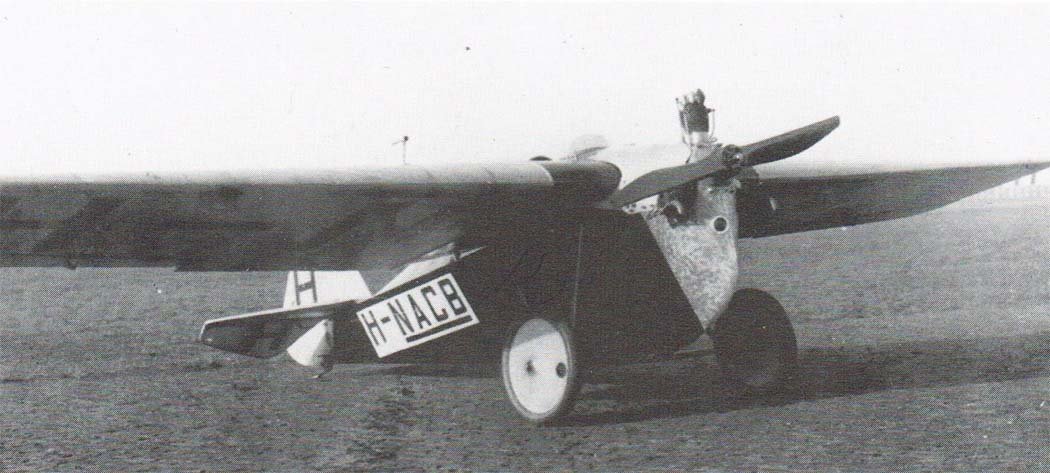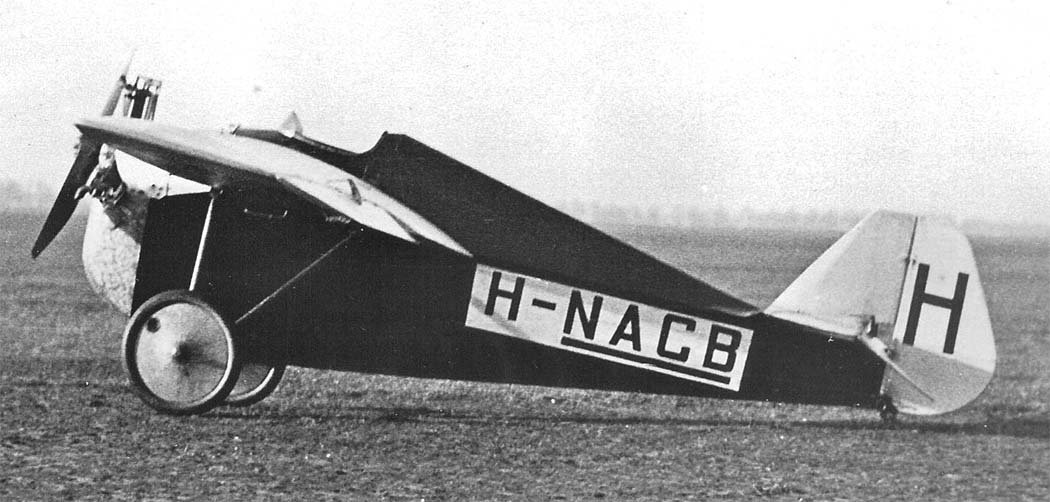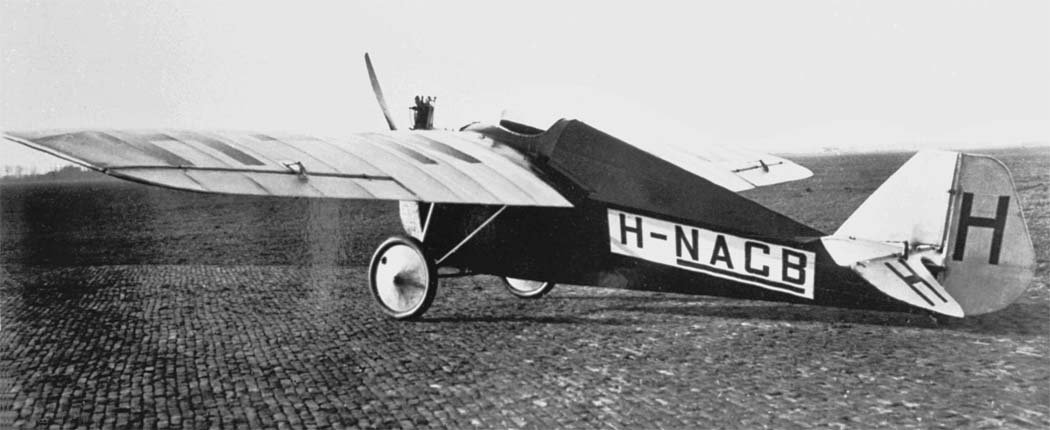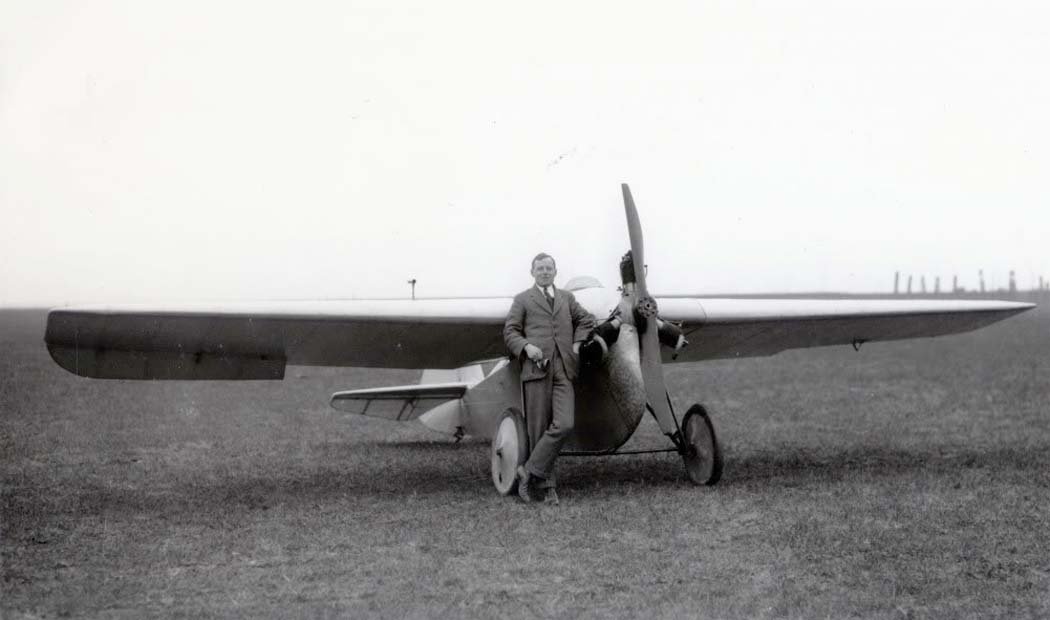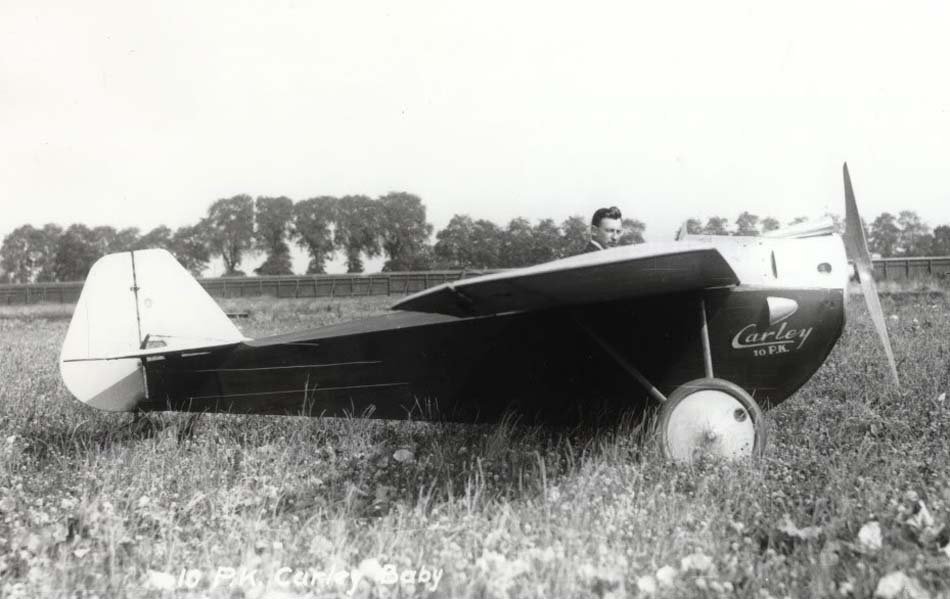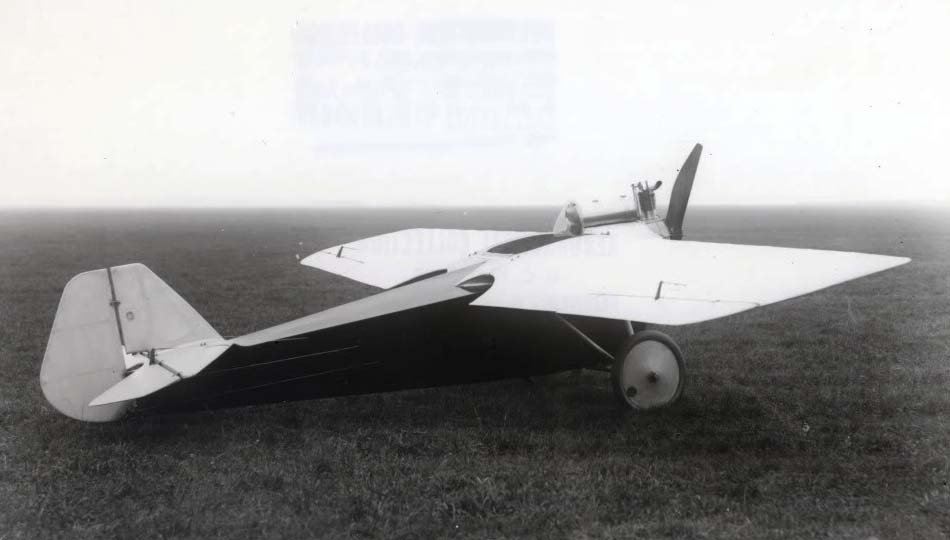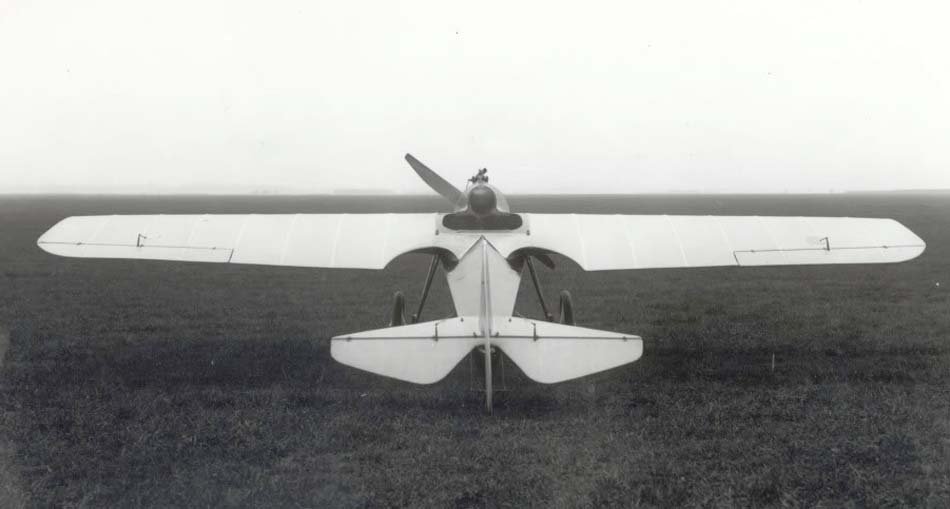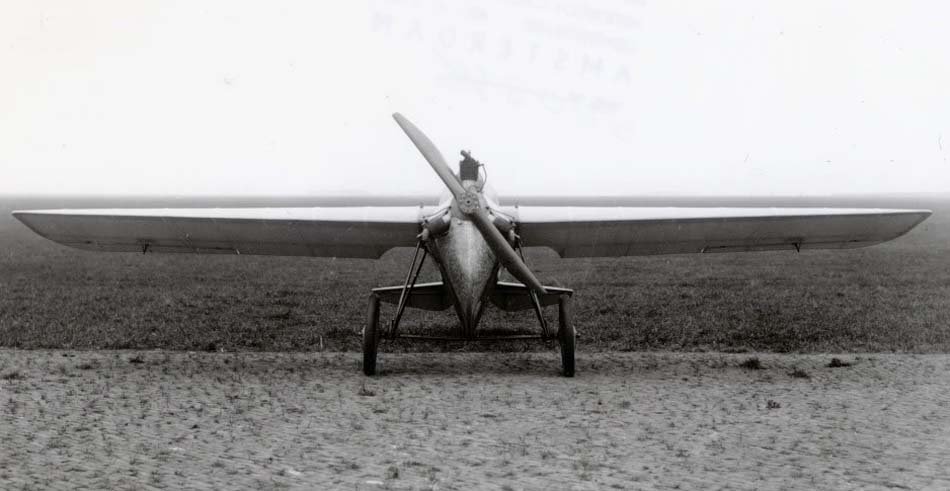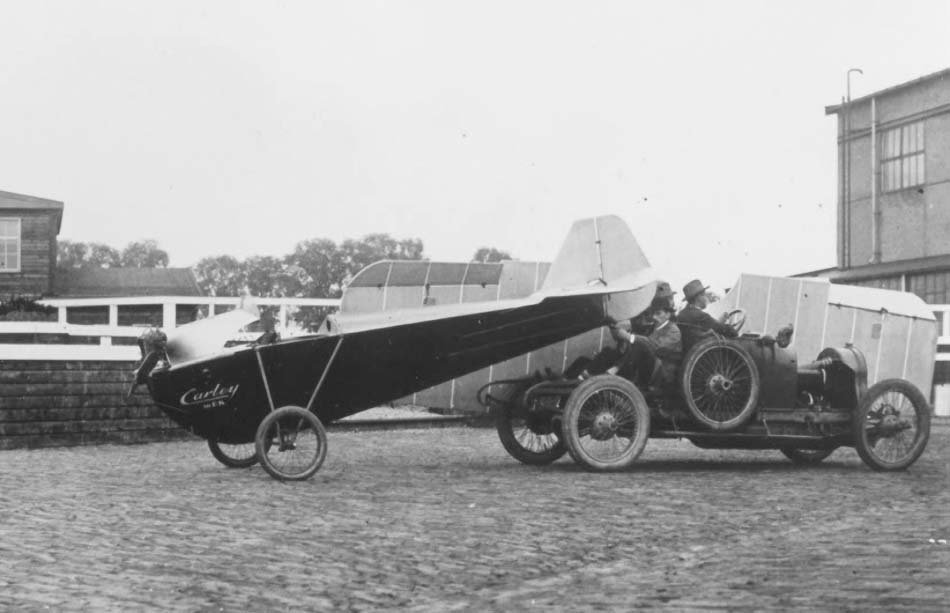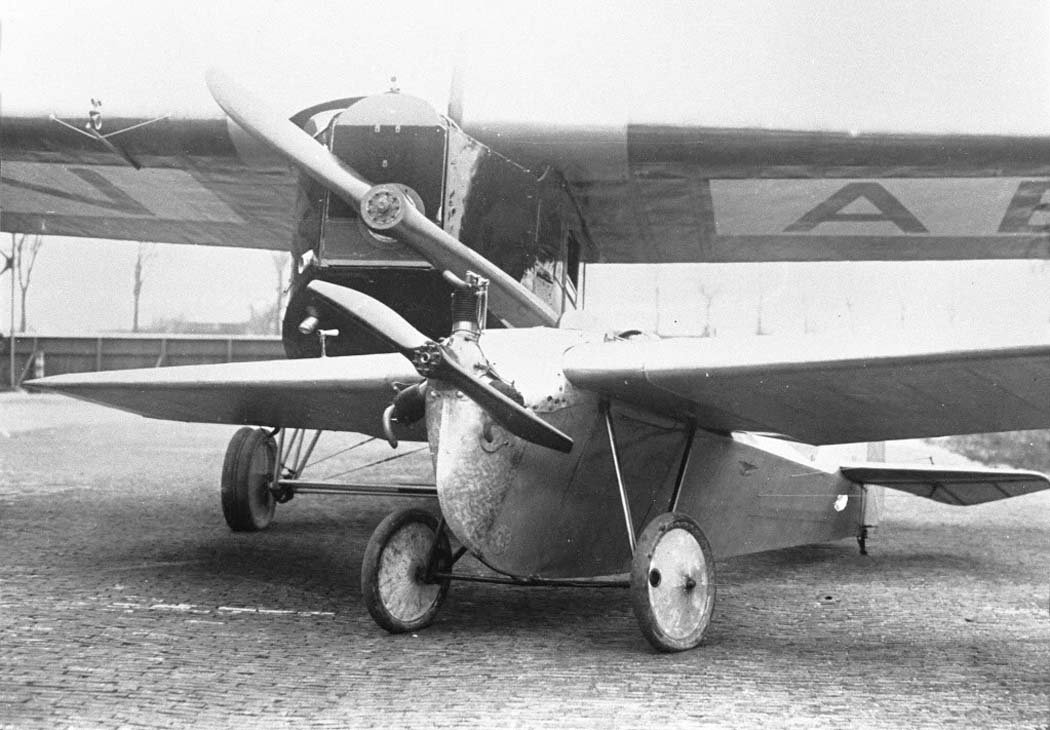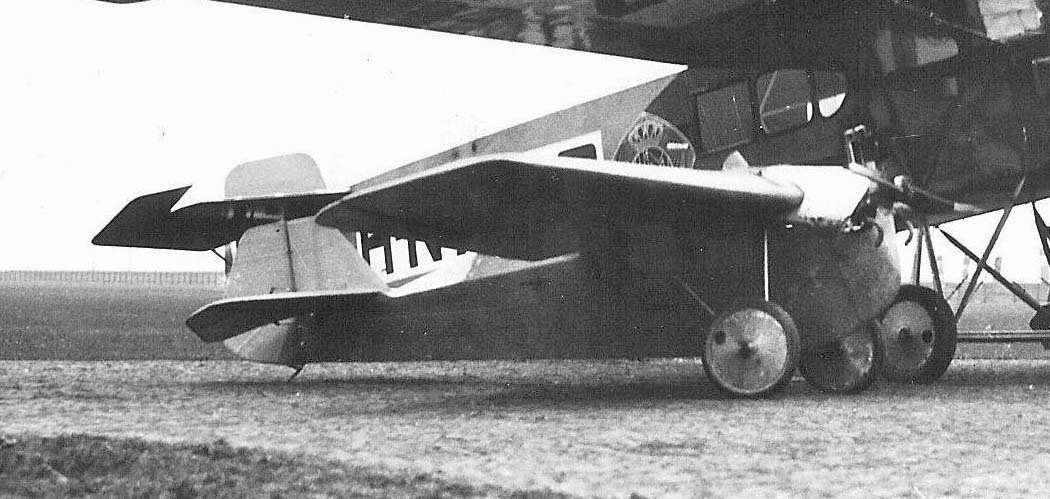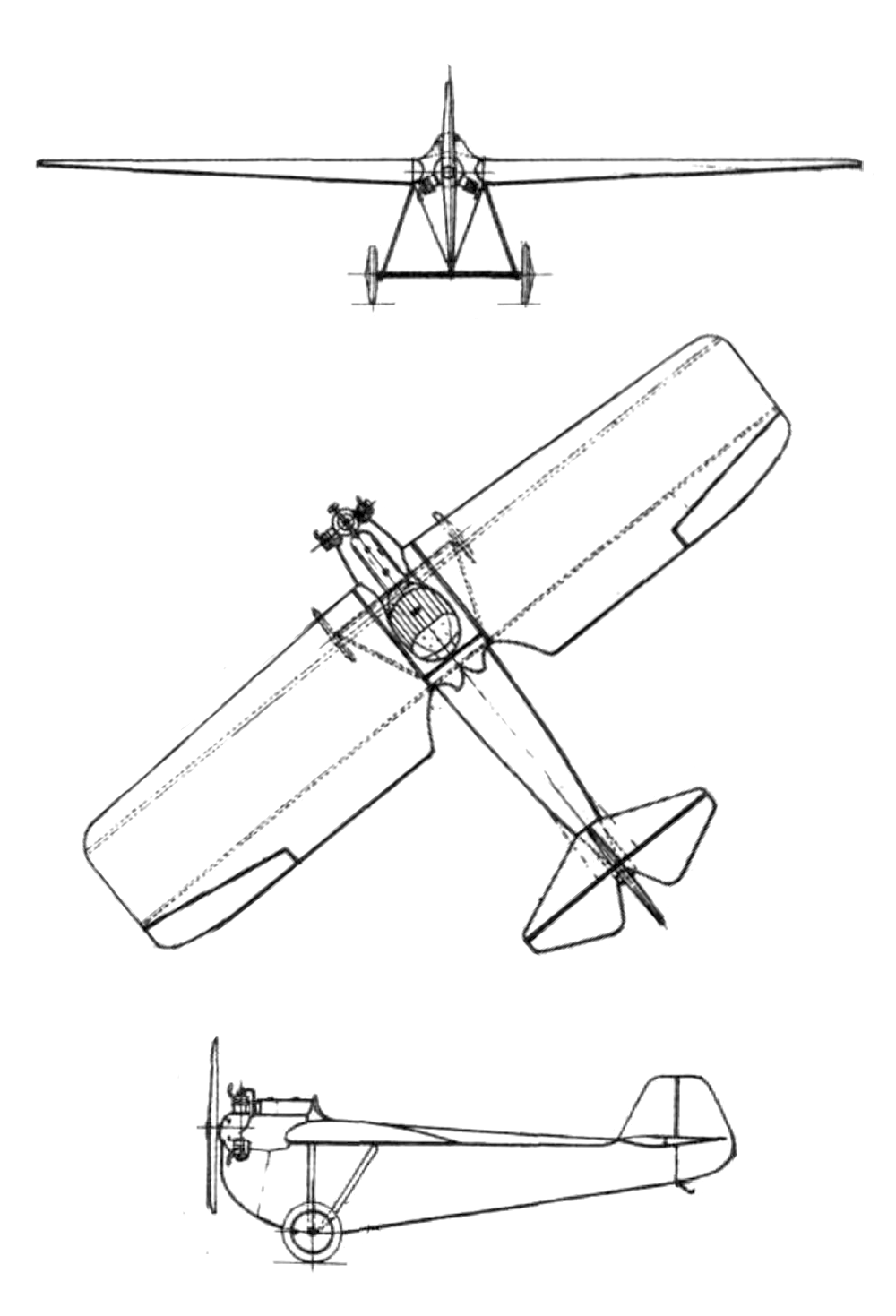
Dutch engineer Joop D. Carley, after leaving “Nationale Vliegtuig Industrie (NVI)” in 1922, began independent development of the new light sport aircraft Carley C.12. He was assisted in the design by his old acquaintance Theo Slot.
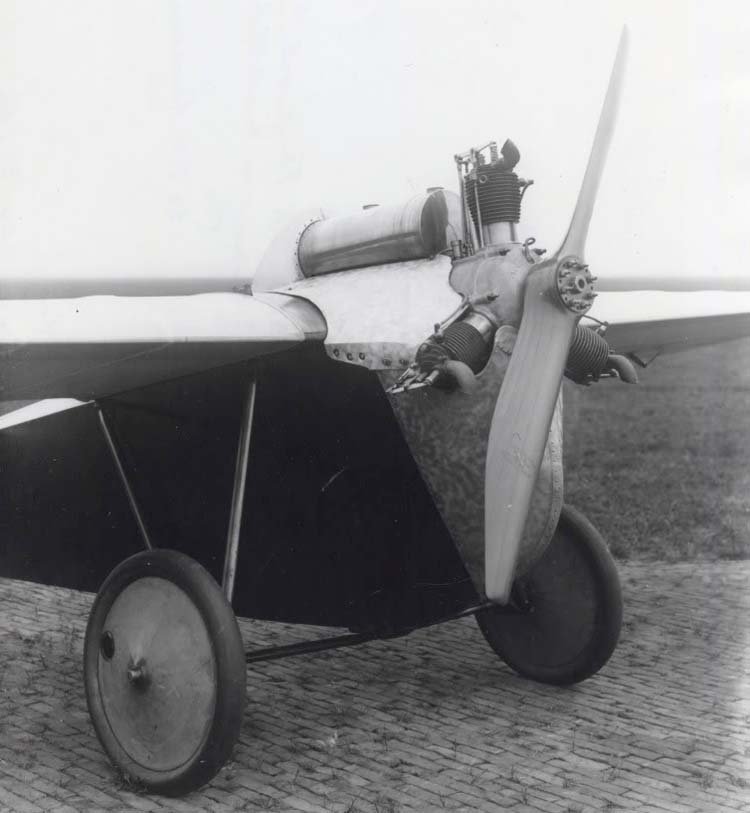
On June 18, 1923, the prototype aircraft took to the air for the first time. It was a small single-seat high-wing monoplane, initially equipped with a 10 hp two-cylinder engine from an Indian Chief motorcycle. From the initial flights, it became clear that this engine was underpowered, and it was replaced by a 16 hp (12 kW) air-cooled four-cylinder Sergant A engine.
Early Development and Powerplants
The Vliegtuig Industrie Holland (VIH) concern became interested in this “air bicycle,” proposing that Carley refine the aircraft for a more reliable and proven 20 hp (15 kW) three-cylinder Anzani engine. This production modification received the designation C.12a.
To attract buyers, on December 18, 1924, Belgian pilot Raparlier flew it from Waalhaven airfield in Rotterdam to Le Bourget airfield in Paris (with a stop in Brussels) in a 6-hour flight.
Success and Evolution
The C.12 became Joop Carley’s only successful aircraft, with a total of 12 examples produced. The aircraft was demonstrated at exhibitions in Paris, Brussels, and London, and its development continued even after Carley organized a new firm, “Holland,” near The Hague. The aircraft was given the new designation Holland H-2 and was equipped with a 25 hp Anzani engine, but only one example of this version was built.
Technical Specifications
| Modification | Carley C.12 |
| Wingspan, m | 7.50 |
| Length, m | 4.80 |
| Wing area, m2 | 10.13 |
| Empty weight | 185 |
| Normal takeoff weight | 225 |
| Engine type | 1 Piston engine Anzani |
| Power, hp | 1 x 20 |
| Maximum speed, km/h | 140 |
| Cruising speed, km/h | 120 |
| Flight endurance, h.min | 3.30 |
| Crew | 1 |
Image gallery of the Carley C.12