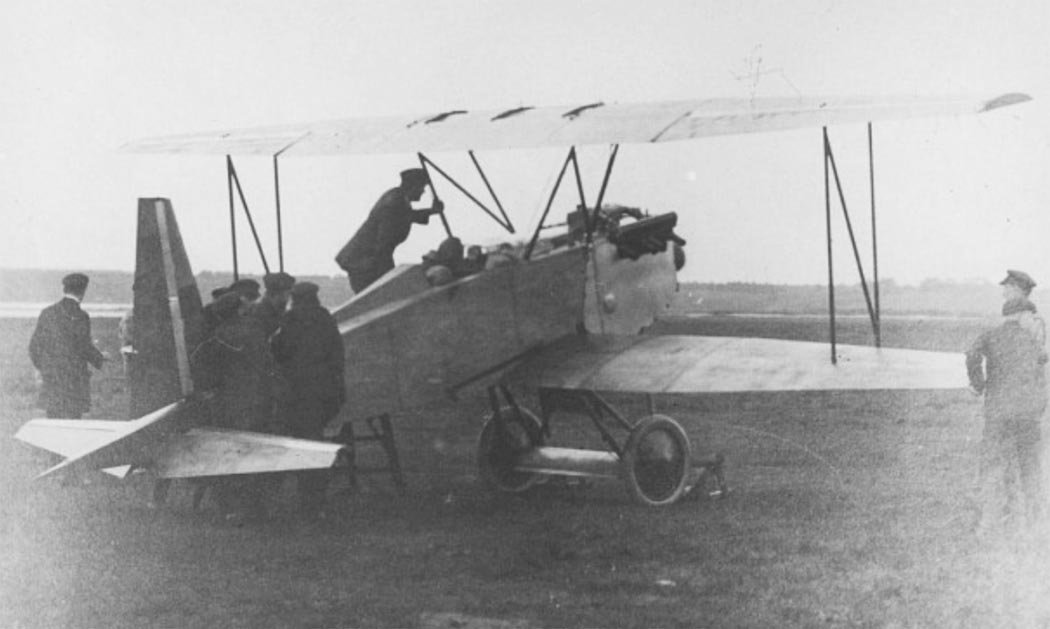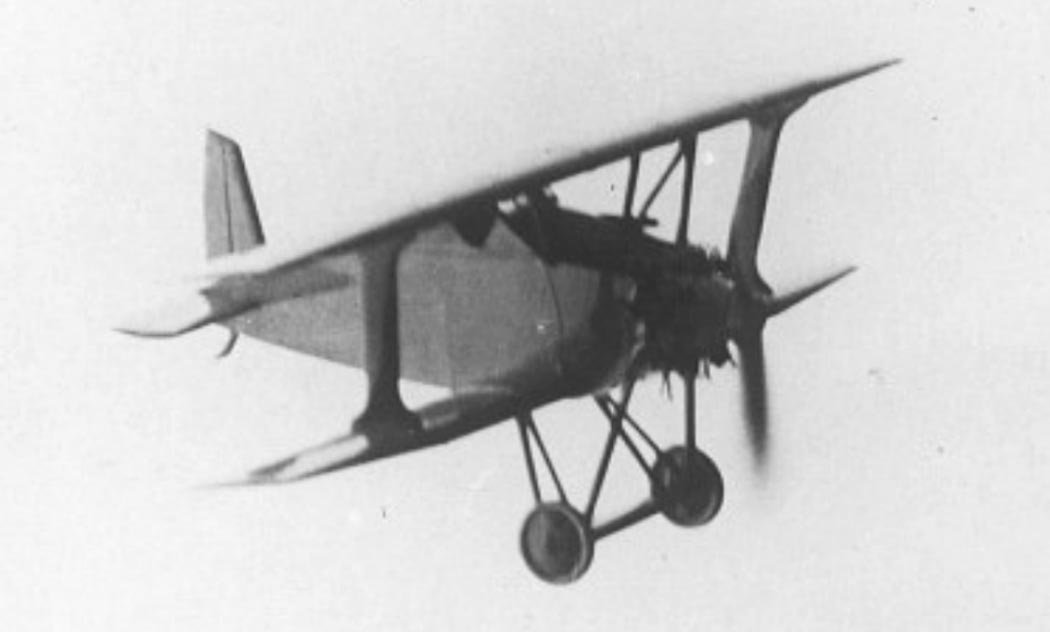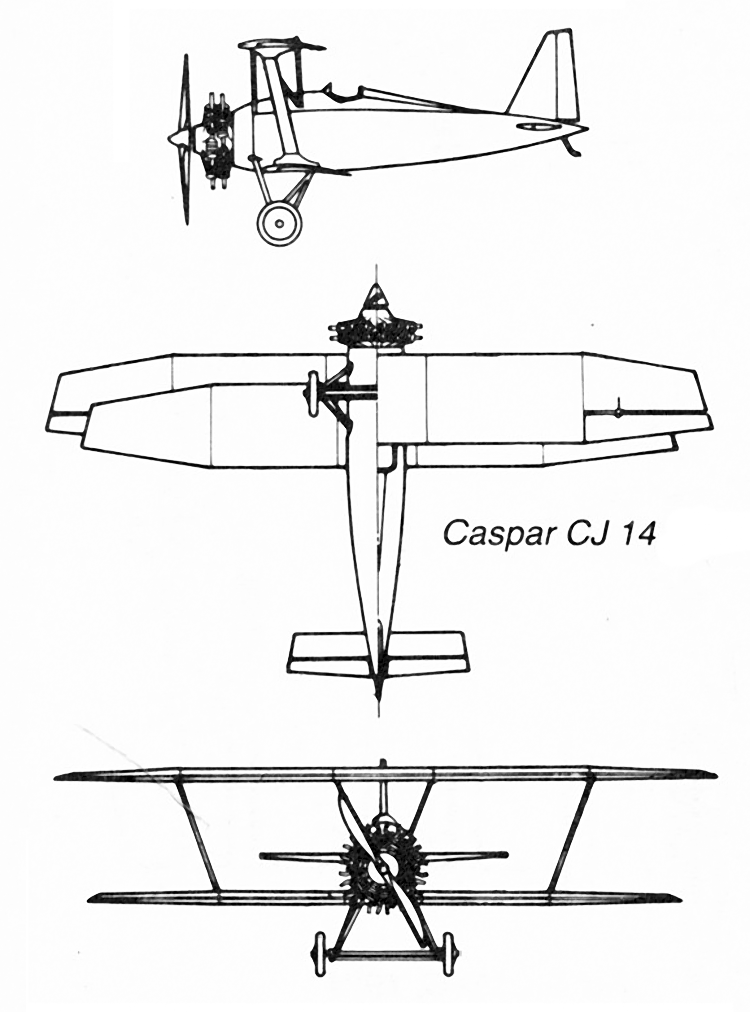
In 1924, Caspar-Werke AG developed a fighter project designated CJ.14. It was a single-seat wooden biplane, powered by a 300 hp Hispano-Suiza engine. The aircraft’s armament consisted of two front-mounted 7.92mm machine guns with 500 rounds of ammunition.
Versailles Treaty Restrictions
Since the Treaty of Versailles prohibited Germany from building military aircraft, the fighter’s production was entrusted to the Danish firm Dansk-Aero Industrie Aktielkabet, located in Copenhagen. A single prototype of the aircraft was produced in 1924. During testing, the engine was replaced with a more powerful 380 hp Armstrong Siddeley Jaguar III.
CS.14 Development and Testing
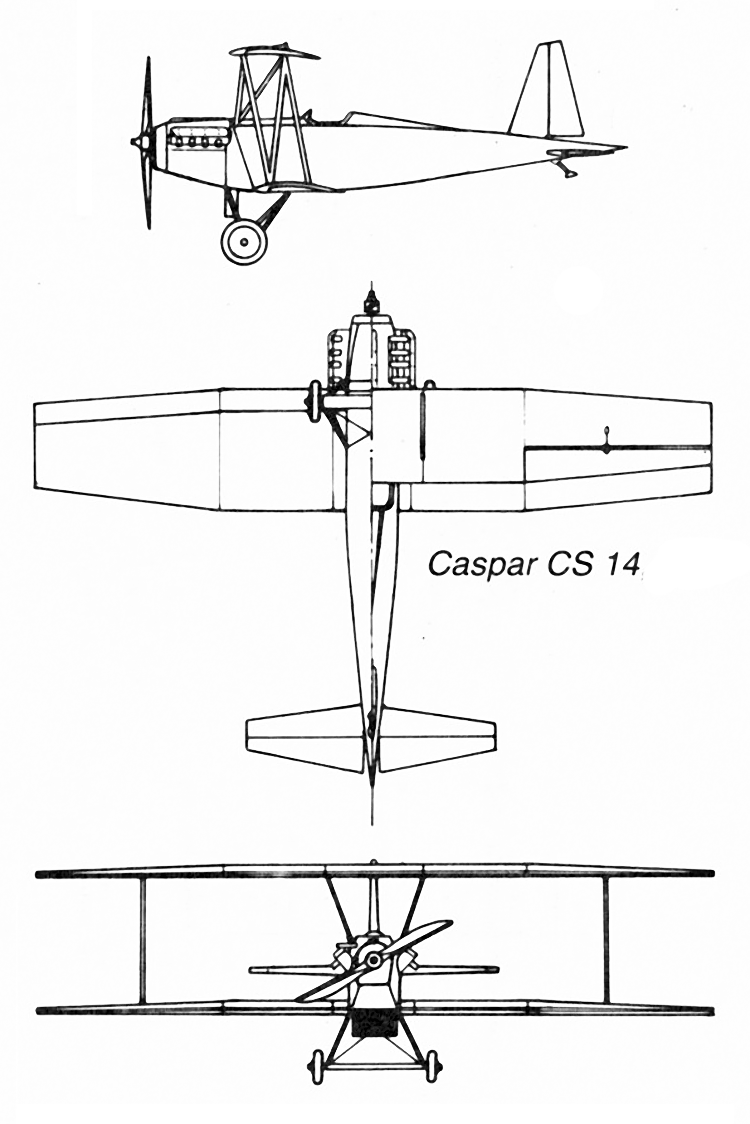
In the same year, another fighter, designed by Caspar-Werke AG, was produced at the Dansk-Aero factory. This machine, designated CS.14, was a conversion of the CJ.14 into a two-seat variant, though some sources suggest it was a parallel project. It was fitted with an English Napier Lion IV engine producing 450 hp.
Secrecy and Reconnaissance Role
The single CS.14 prototype was tested until 1926. To keep the project secret, Caspar-Werke AG introduced two additional designations for the aircraft: C.30 and LE.30. By 1926, this same aircraft was already being considered for a reconnaissance role.
Technical Specifications
| Armament: | two 7.92 mm machine guns with 500 rounds of ammunition |
Image gallery of the CJ.14