In February 1911, Kansas farmer Clyde W. Cessna purchased his first aircraft, a Bleriot-type monoplane. Before mastering the basics of aviation, Cessna experienced several accidents. By June 1911, he had learned to fly well enough to participate actively in four exhibition flights (fairs), by which time his airplane had been almost completely rebuilt.
Cessna performed at exhibitions in the summer and repaired his aircraft in the winter. This routine continued until 1916, when he moved to Wichita, Kansas, securing hangar space at the “Jones Motor Car Company”. In this new location, Cessna built a total of 14 airplanes. The first two were improved modifications of his Bleriot, and he also constructed the “Comet” monoplane, featuring a semi-enclosed cockpit, which set a US speed record of 200.5 km/h in July 1917.
Early Ventures in Wichita
After the end of World War I, interest in aviation in the US somewhat declined, and Cessna decided to return to his original occupation: farming. However, in 1925, the Travel Air Manufacturing Company was founded in Wichita, with Cessna as its president, Walter Beech as vice-president, and Lloyd Stearman as chief designer. They started modestly in a 10×10 meter space.
In March of that year, the company’s first aircraft, a two-seat biplane “Model A”, took to the skies. Despite its relatively high price of $3000 USD and a market flooded with decommissioned military equipment, the plane sold reasonably well, with 19 units in the first year. This was followed by the “Model B” with a 200 hp Wright J-4 engine. Cessna insisted that the next aircraft should be a monoplane with an enclosed cabin, suitable for small airlines.
Throughout 1926, in a rented downtown store, Cessna personally built the prototype for the future “Model 5000”. This slightly enlarged aircraft then entered serial production. The first eight units were acquired by National Air Transport, which carried mail and passengers. Luck favored the Kansans; the monoplane set several all-American distance and speed records, attracting buyers. Sales in the second year rose to 46 aircraft. The “Travel Air Model 5000” even caught the attention of Charles Lindbergh, who was preparing for his famous New York-Paris flight, but he couldn’t agree on a price with Walter Beech.
Founding Cessna-Roos Aircraft Corp.
Soon, “creative differences” emerged between the partners. Beech and Stearman remained proponents of general-purpose biplanes, while Cessna envisioned the future in passenger aircraft with cantilever wings. The “divorce” was amicable; in January 1927, Clyde sold his shares to Beech and left “Travel Air” to establish his own venture in a former store on West Douglas Street. He was assisted by engineer Victor Roos, his son Eldon Cessna, and several technicians.
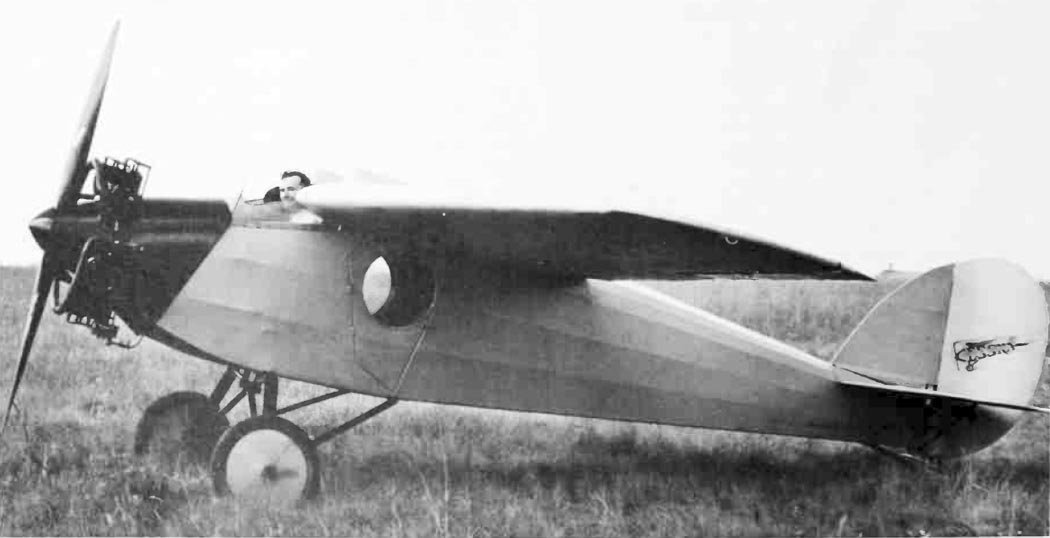
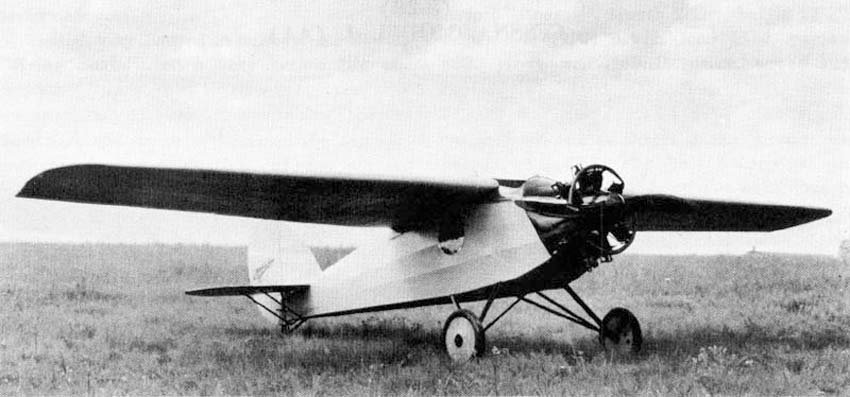
By spring, a 3-seater “Phantom” aircraft was ready, powered by a 90 hp Anzani engine, featuring an open cockpit for the pilot and an enclosed cabin for passengers. In August, a 4-seater “Comet” appeared (the second aircraft with this name). Cessna’s factory then moved to a spacious new facility on W.1st Street, and on September 7th, Cessna-Roos Aircraft Corp. was officially registered.
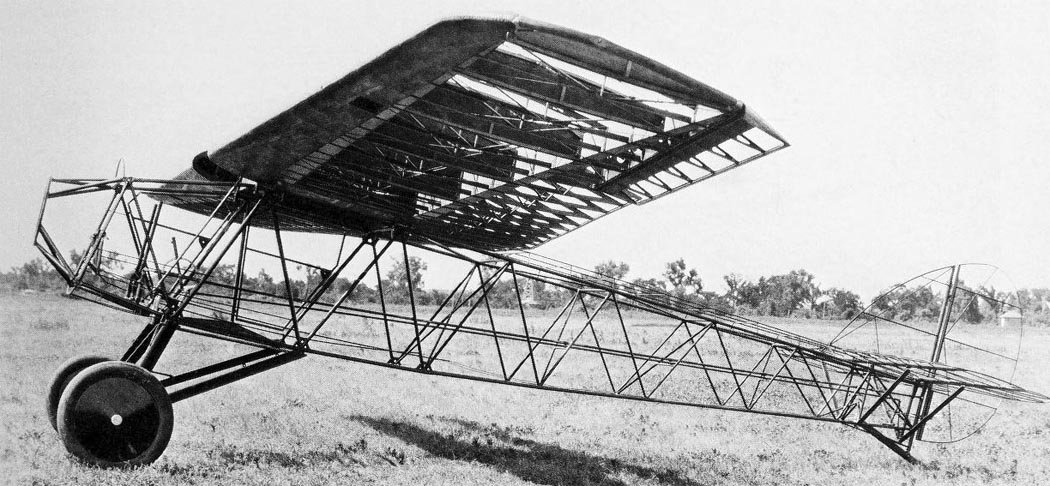
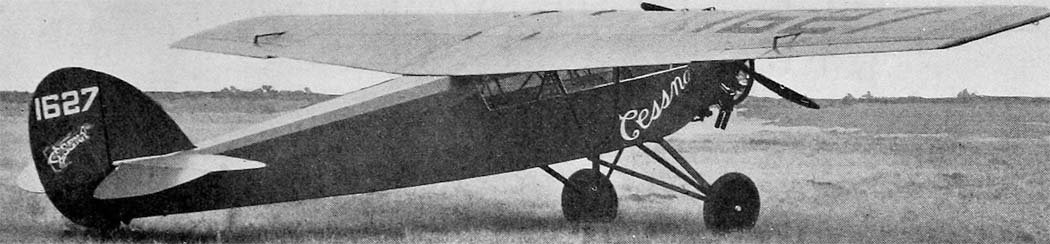
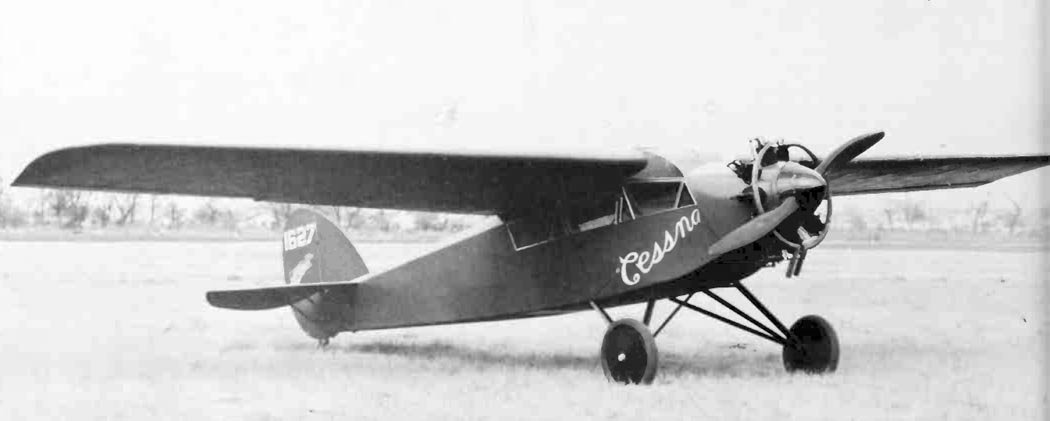
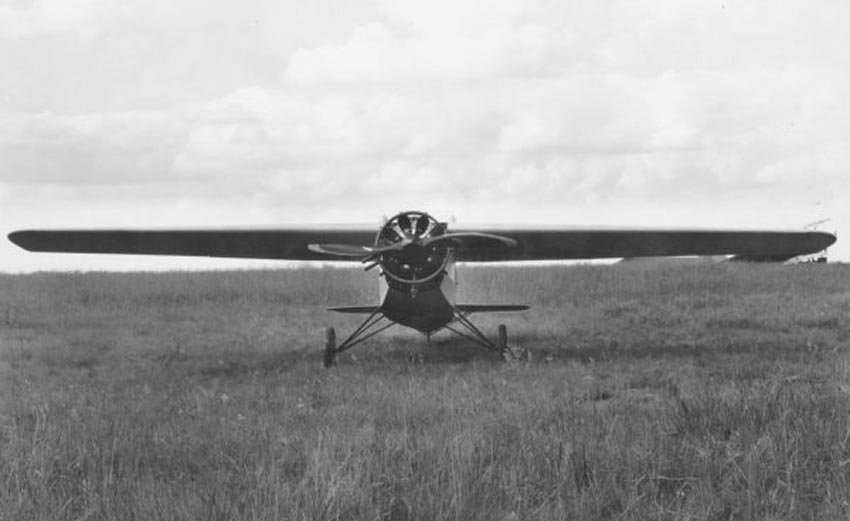
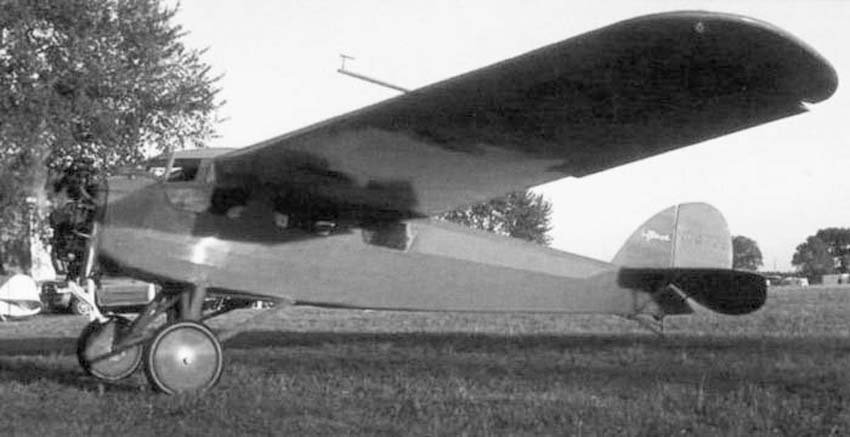
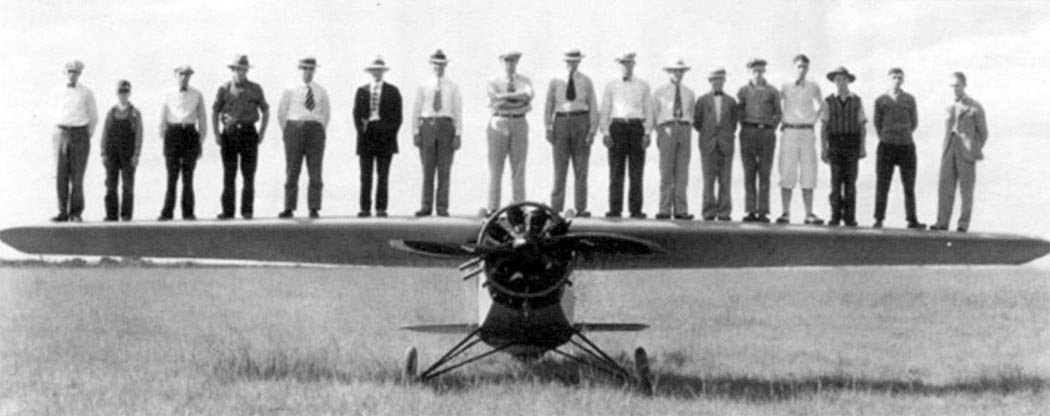
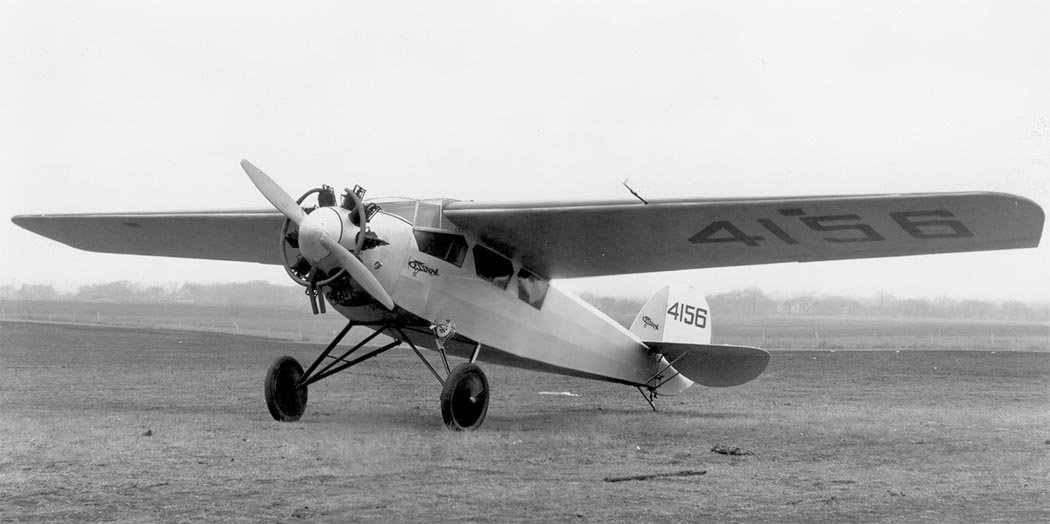
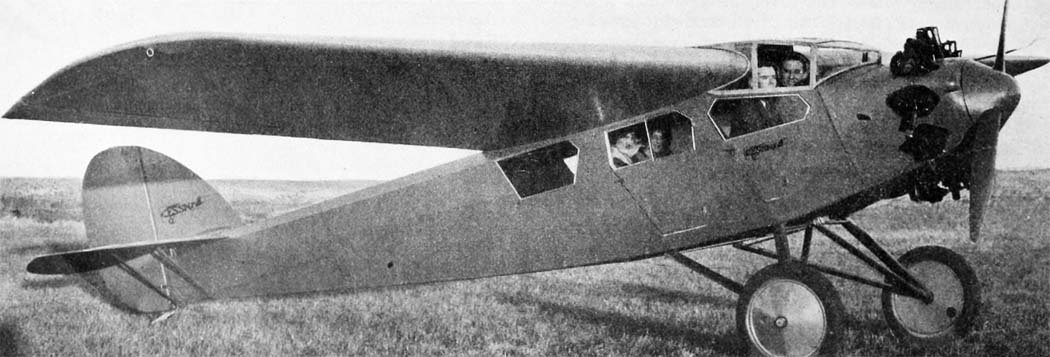
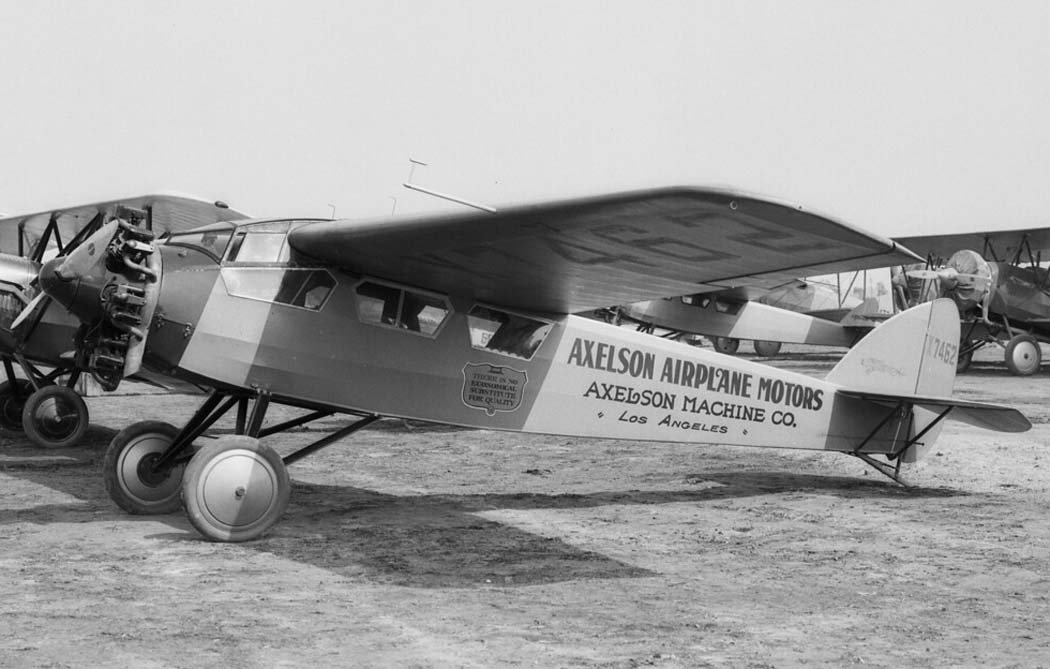
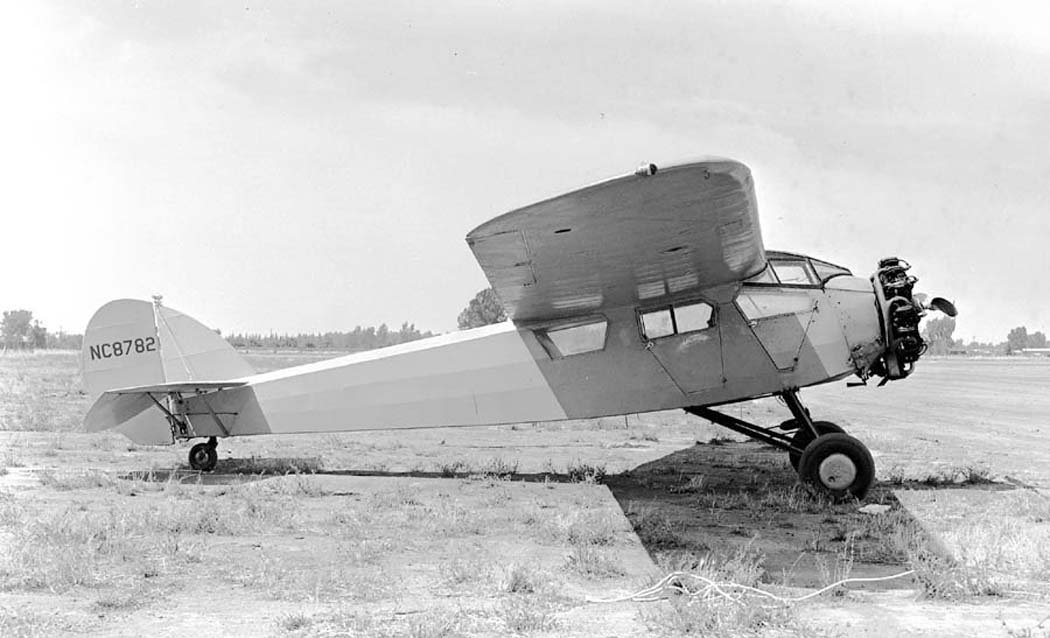
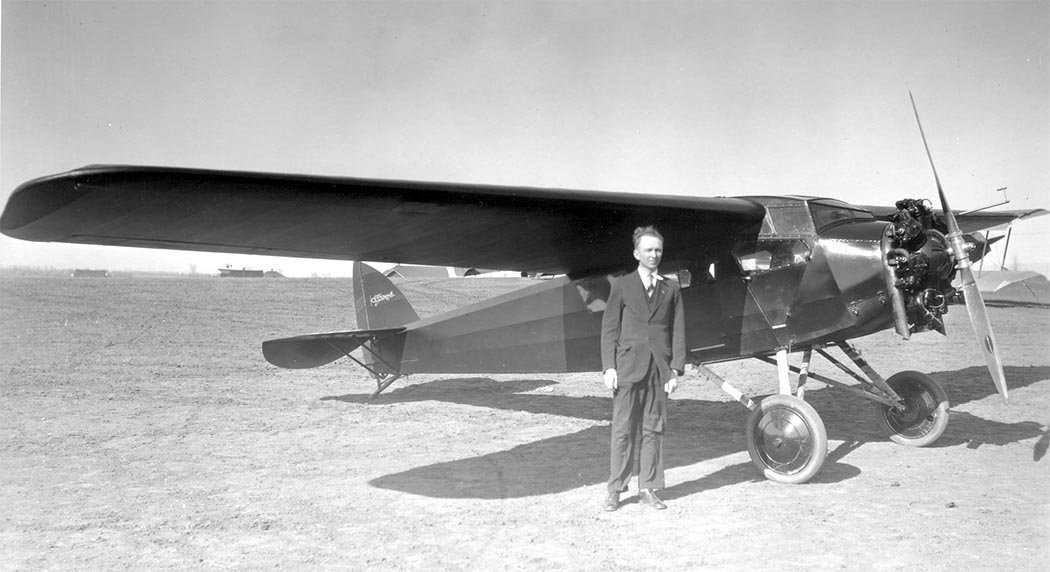
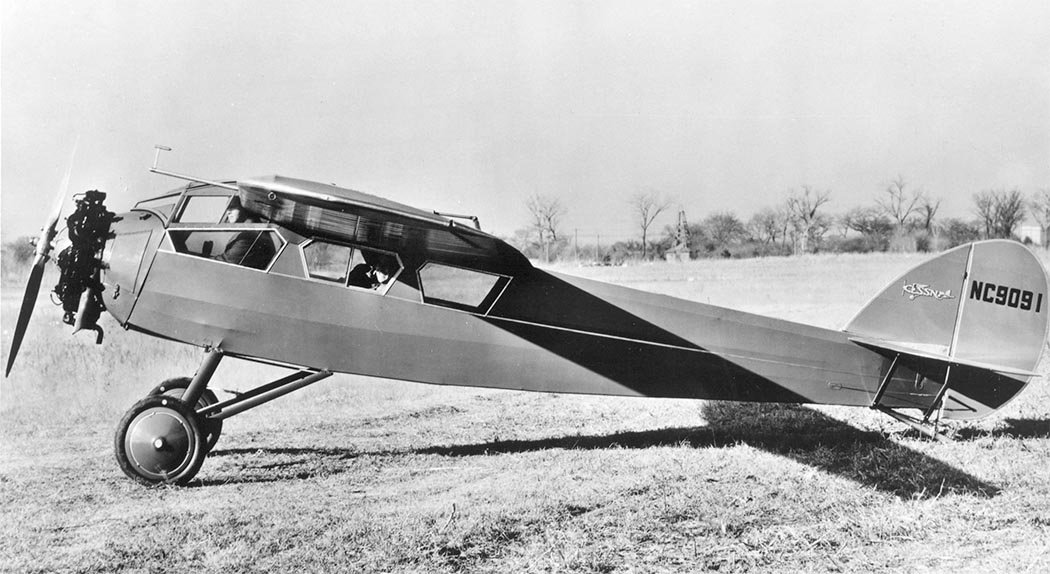
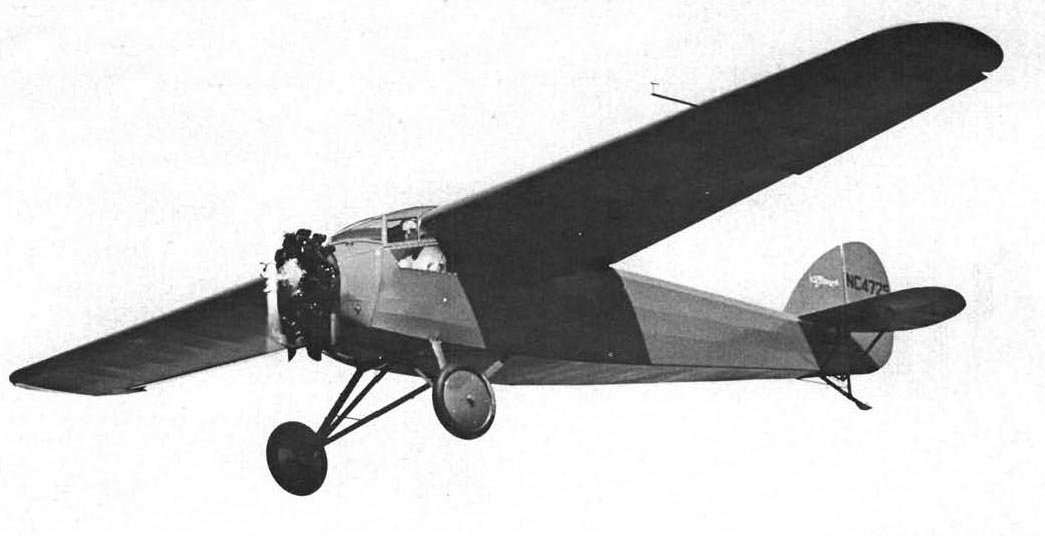
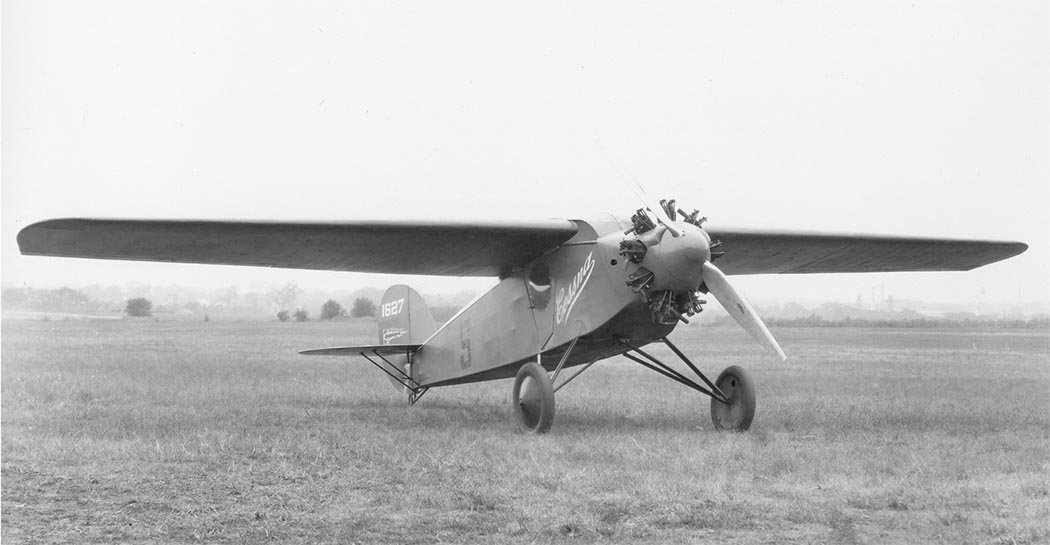
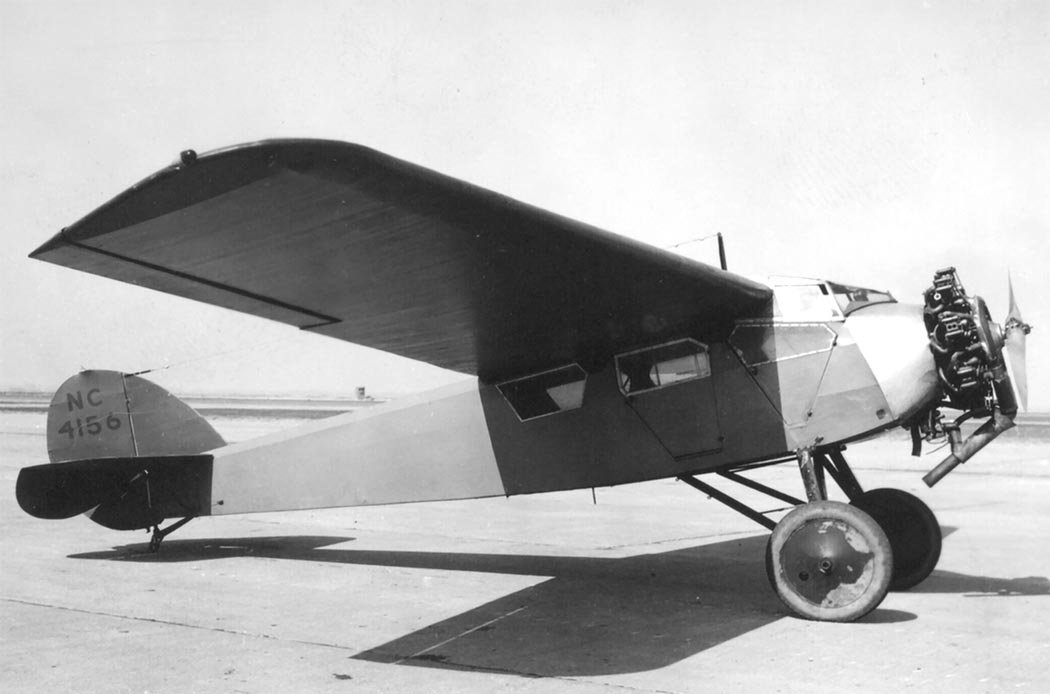
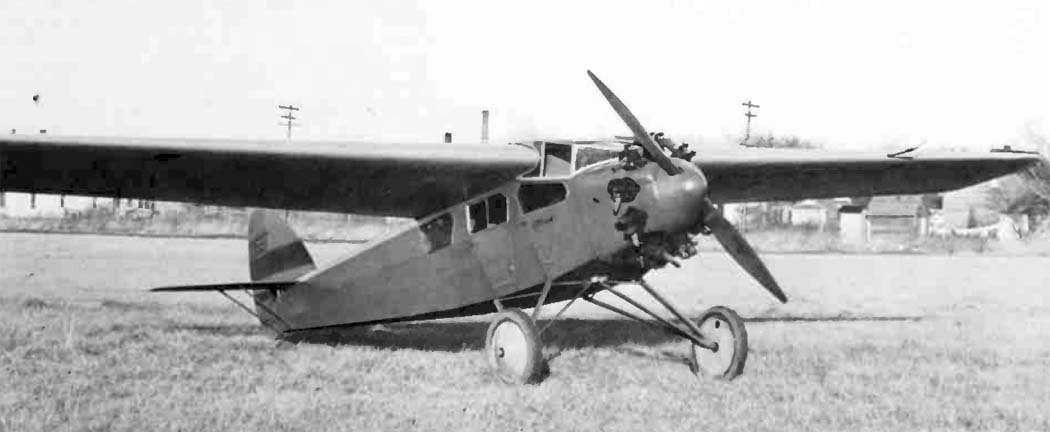
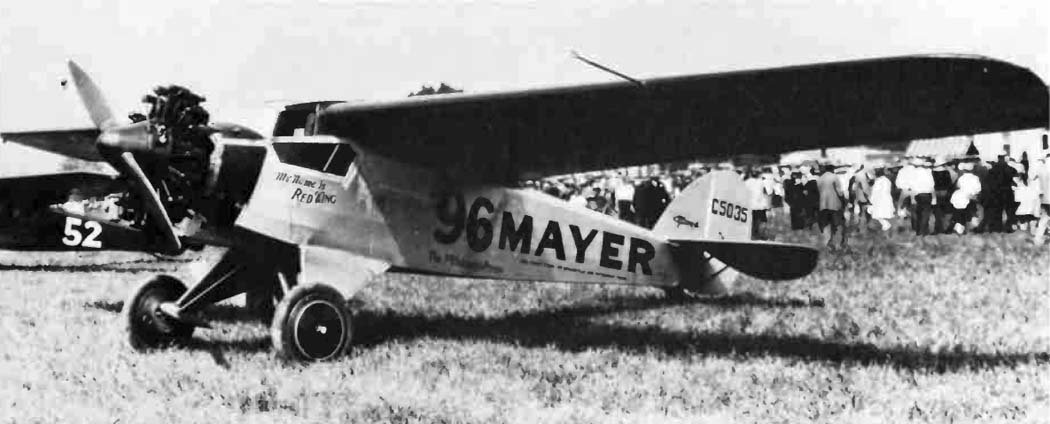
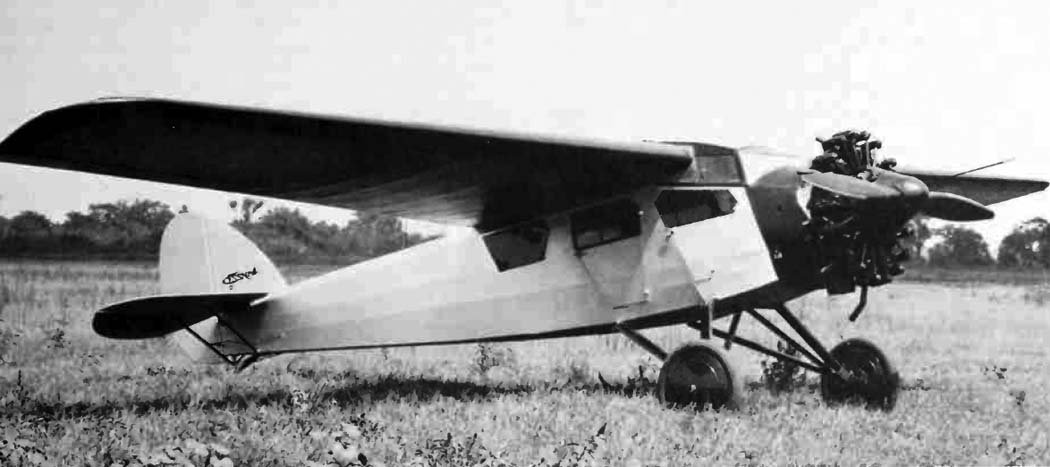
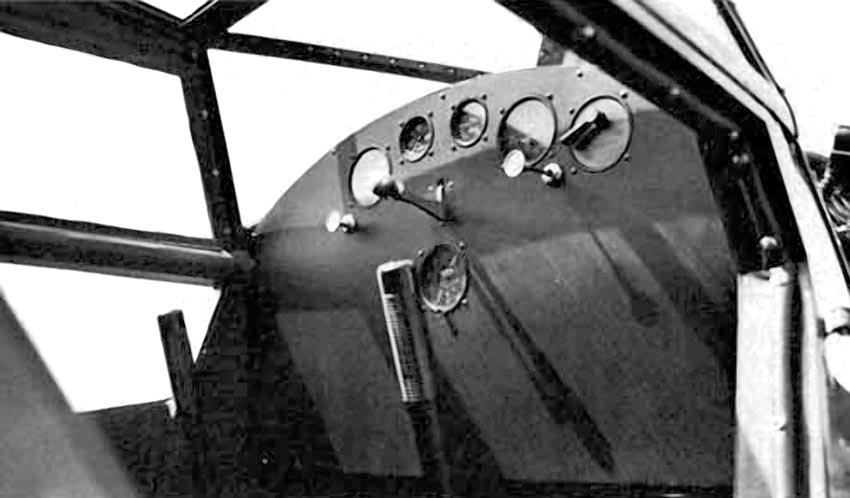
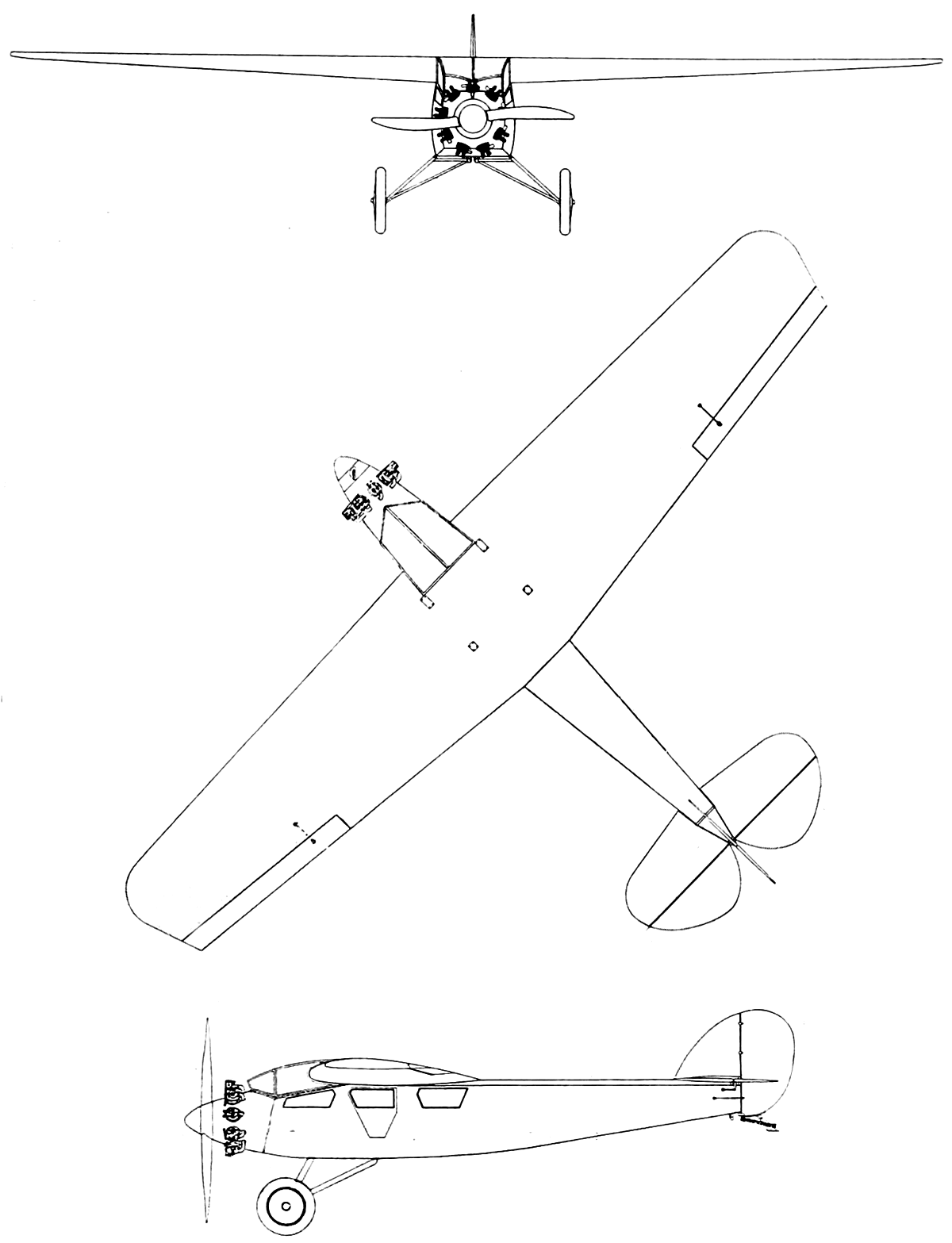
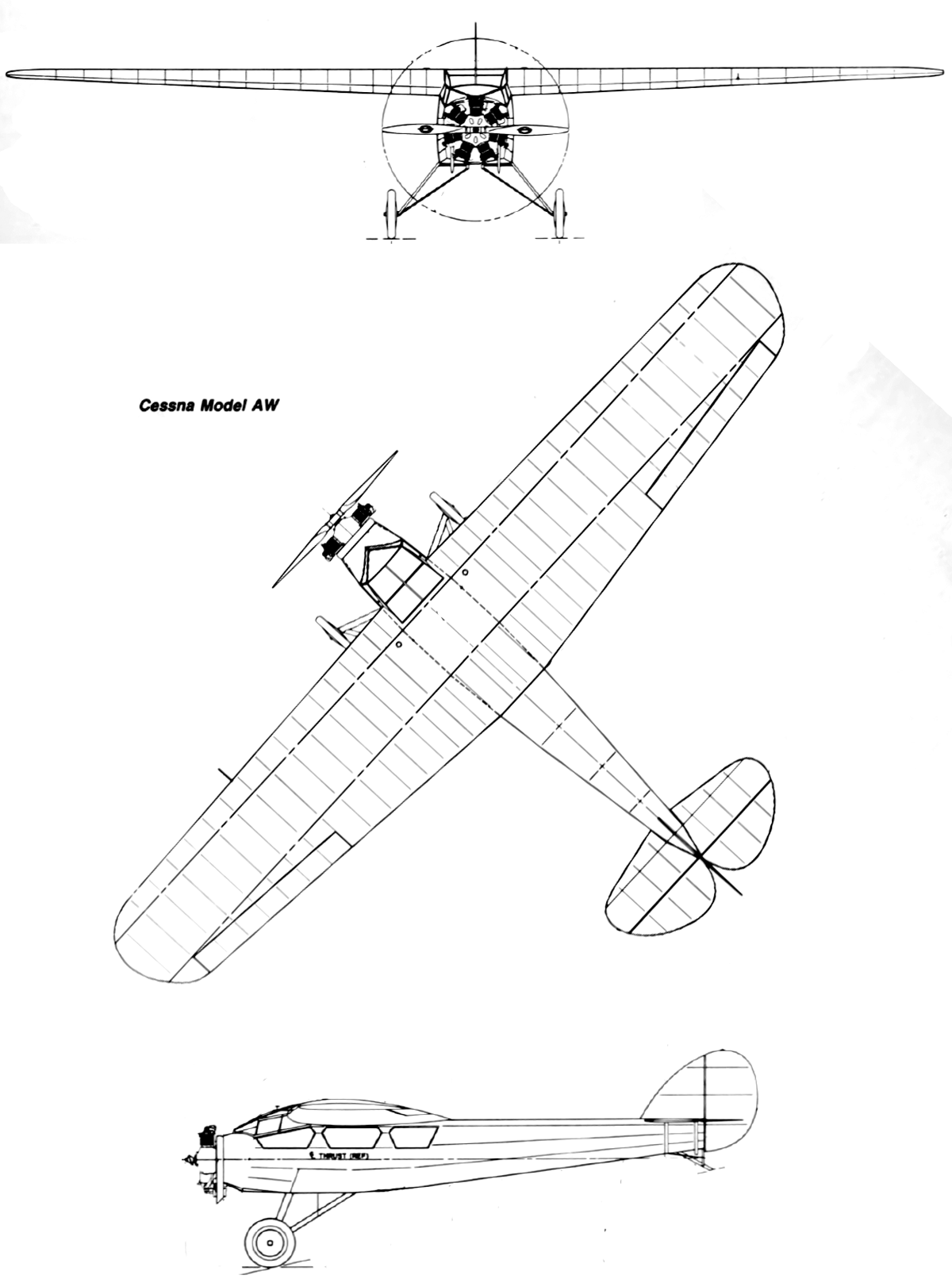
The first model to enter serial production was the Cessna Model A, a four-seat cantilever monoplane of mixed construction (wood and steel tubes) with fabric covering and fixed landing gear with a tail skid. A total of 22 aircraft of this family were built in variants such as Model AA, Model AC, Model AF, and Model AS, differing in their powerplants. Another 48 aircraft were built as the Model AW variant, produced in 1929 and equipped with a 125 hp Warner Scarab radial engine. Thirteen aircraft were built as the Model BW variant, a three-seat version of the Model A, fitted with a more powerful 220 hp Wright Whirlwind J-5 engine.
Triumph and Growth of the Model A
The Cessna Model A received excellent publicity, first with a victory in the Transcontinental Air Derby, followed by a triumphant performance at the National Air Races in 1928. Earl Rowland won the Transcontinental Air Derby on a “Model AW” with a 110 hp Warner “Scarab” engine, flying from New York to Los Angeles in 27 hours with 16 intermediate landings (3 at night).
Other pilots flying Cessnas secured 4th and 8th places, while Clyde himself took a respectable 14th place. The growing firm benefited greatly from $10,910 USD in prize money. In total, 70 “Model A” aircraft were produced in various versions.
In those years, the press often called Wichita the “aviation capital of the United States,” with 29 aviation-related businesses operating there, building 25% of all aircraft for American commercial aviation. Cessna’s business became increasingly successful. By the end of 1928, the board of directors approved the purchase of 80 acres of land on the outskirts of Wichita for a new factory. To finance this, an additional share issue was conducted, with 50,000 shares offered for sale.
Technical Specifications
| Modification | Model AW |
| Wingspan, m | 12. 19 |
| Aircraft length, m | 7.54 |
| Aircraft height, m | 2.11 |
| Wing area, m2 | 20. 81 |
| Empty weight | 556 |
| Maximum takeoff weight | 1025 |
| Engine type | 1 Piston engine Warner Scarab |
| Power, hp | 1 x 125 |
| Maximum speed, km/h | 201 |
| Cruising speed, km/h | 169 |
| Practical range, km | 1014 |
| Practical ceiling, m | 3660 |
| Crew | 4 |
Image gallery of the Cessna Model A