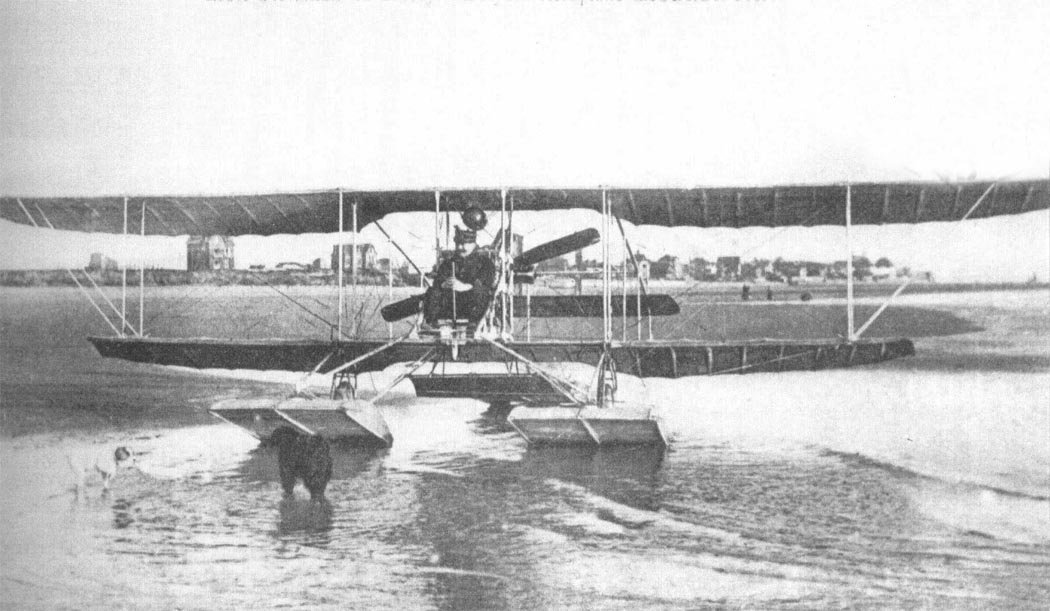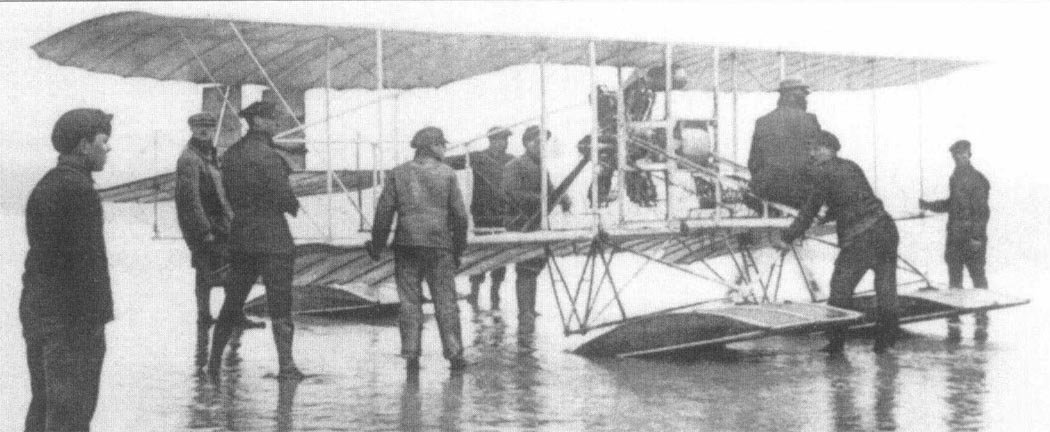
On March 28, 1910, the Frenchman Henri Fabre achieved the first successful take-off and landing on water. Following successful trials, Fabre patented his float design, attracting the interest of many French aircraft designers. In the same year, Glenn Curtiss purchased a license from Fabre for the production of these floats.
Caudron’s Innovation
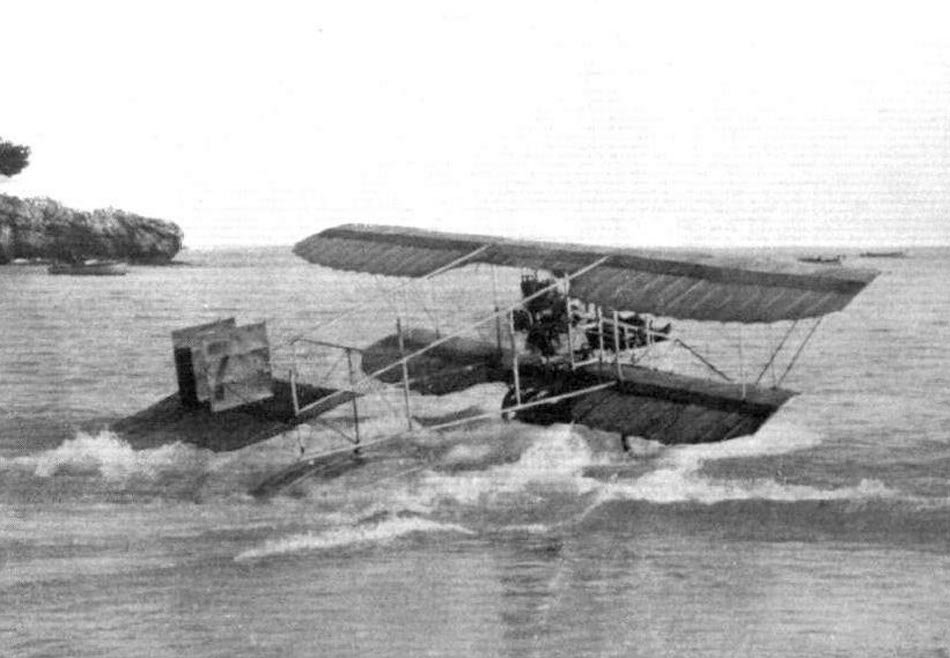
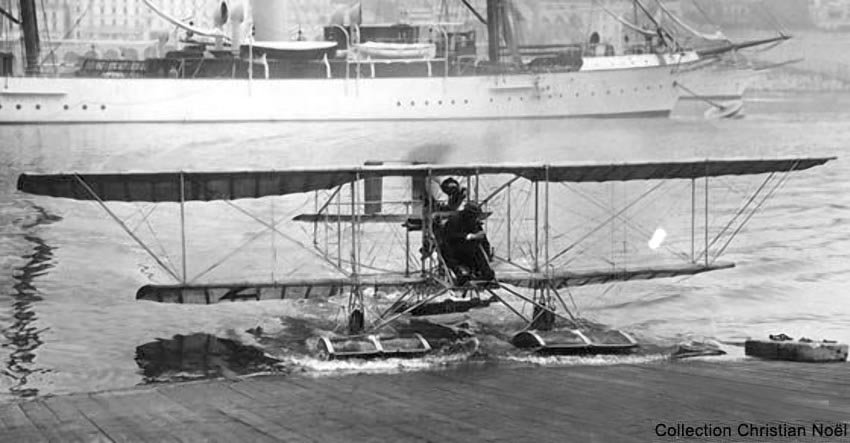
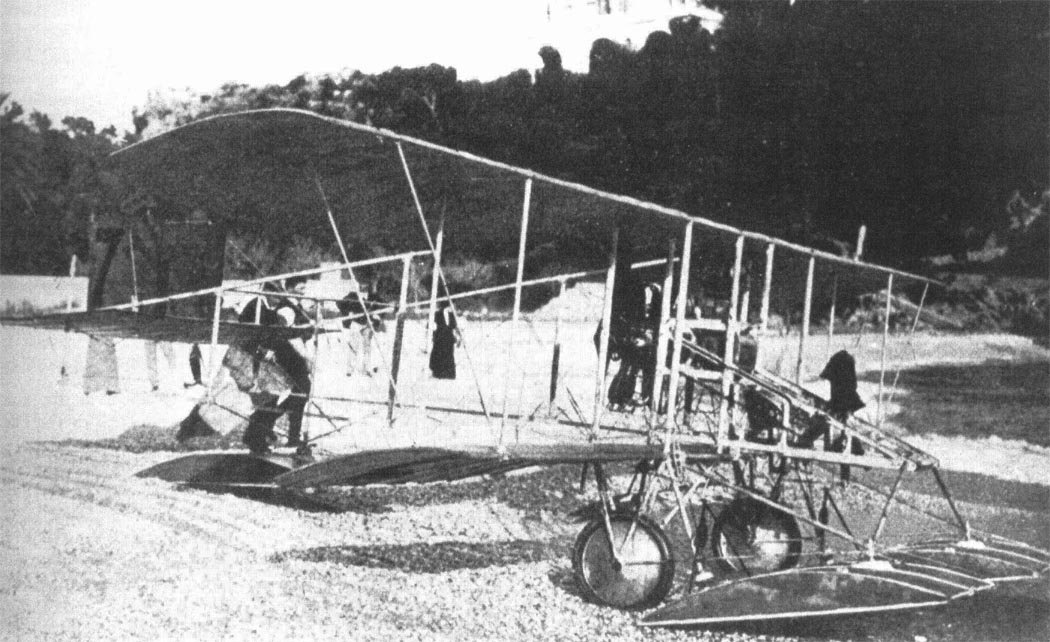
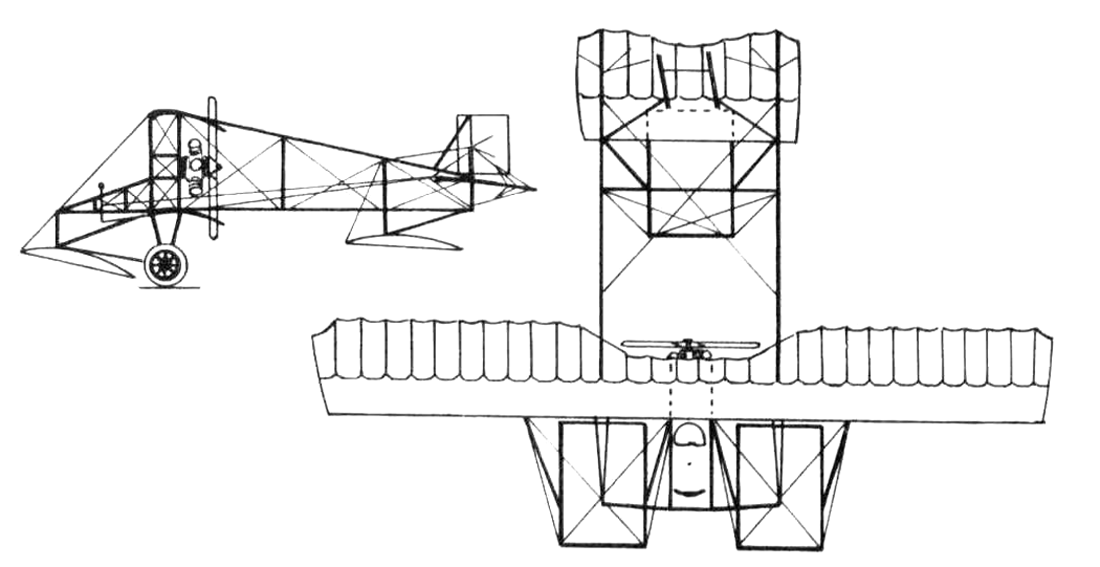
René Caudron, one of the Caudron brothers, did not overlook this development. He integrated Fabre’s floats with the design of the light Caudron B.2, C, and D aircraft. The new seaplane, named Caudron-Fabre, like early Caudron planes, featured an open cockpit, which presented some difficulties for the pilot.
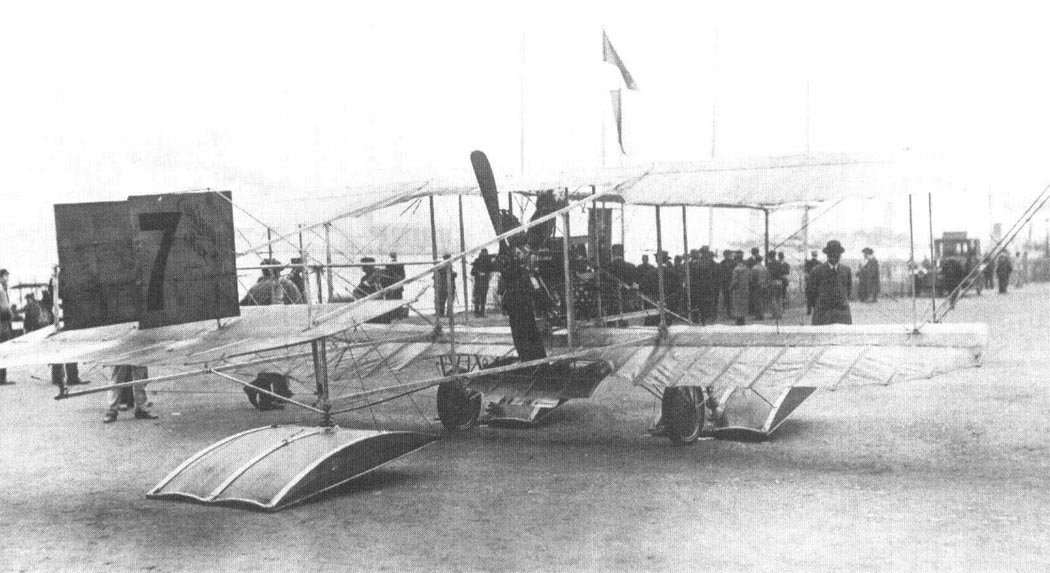
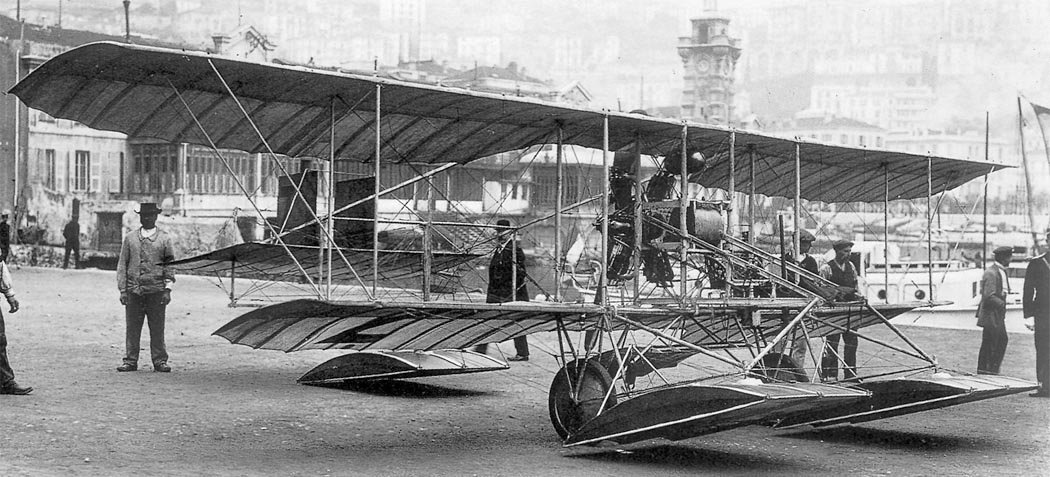
The machine was equipped with both wheeled landing gear and floats, allowing the aircraft to take off from land and water without modifications. This made it a remarkably versatile machine for its time.
Development and Competition
The sole Caudron-Fabre seaplane was completed in June 1911. By the end of that year, the aircraft was further modified to meet the requirements of the Monaco air races.
Despite the modernization, Caudron’s seaplane only finished fifth out of nine participants in the competition held in March 1912. Nevertheless, it became the first amphibious aircraft built in France, marking a significant milestone in aviation history.
Technical Specifications
| Modification | Caudron -Fabre |
| Wingspan, m | 10.60 |
| Length, m | 7.25 |
| Wing area, m2 | 30.00 |
| Maximum takeoff weight, kg | 400 |
| Engine type | 1 Piston engine Anzani |
| Power, hp | 1 x 60 |
| Maximum speed, km/h | 85 |
| Crew | 1 |
Image gallery of the Caudron-Fabre