Design and Development
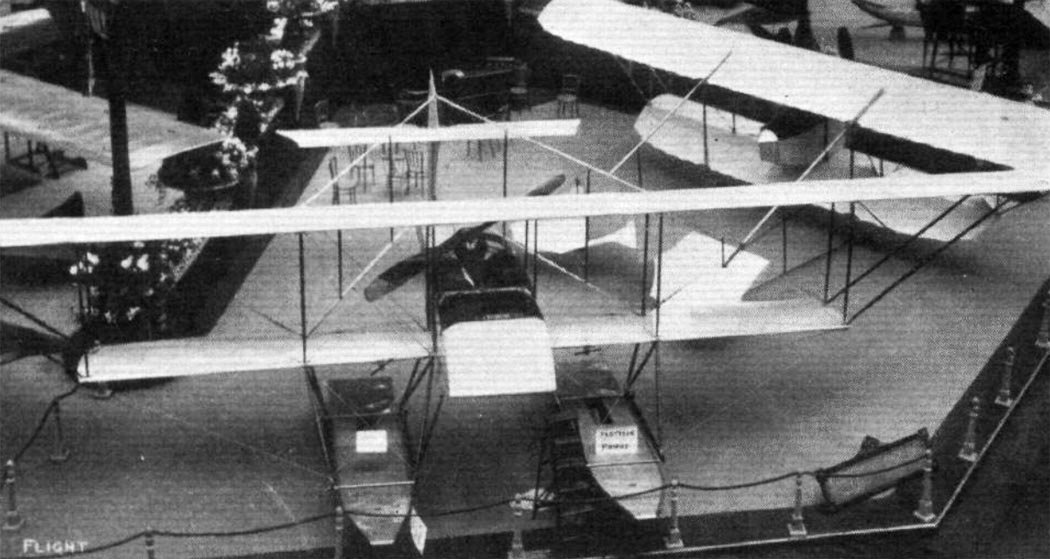
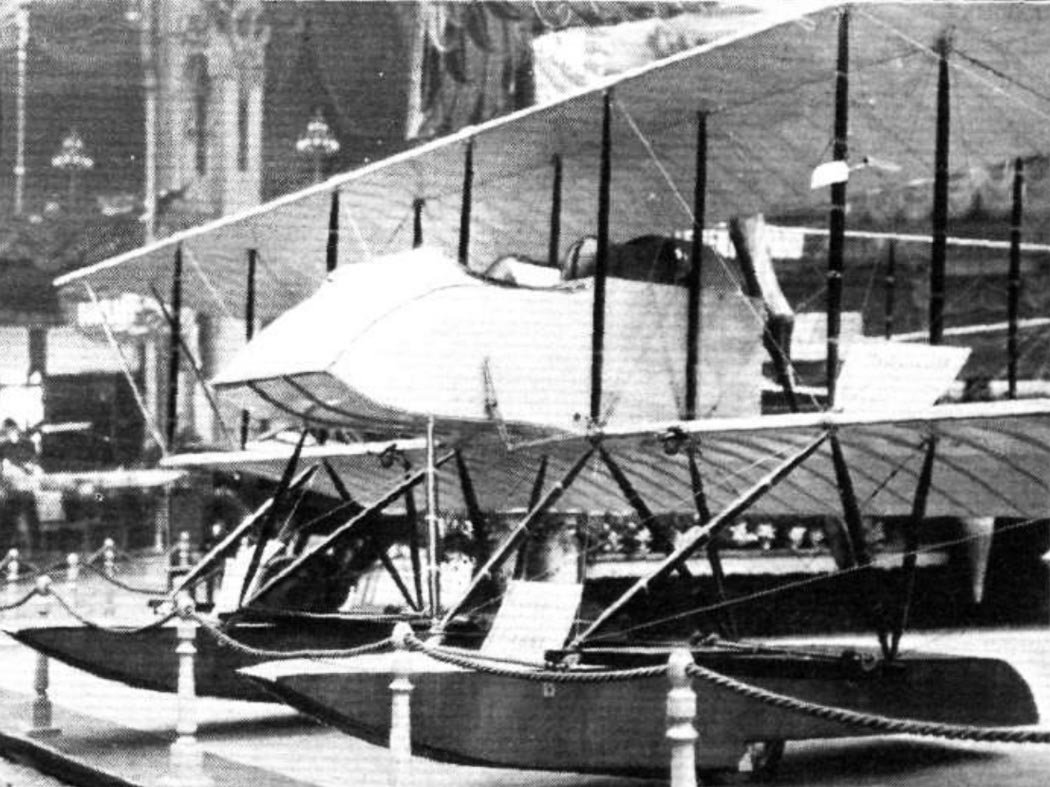
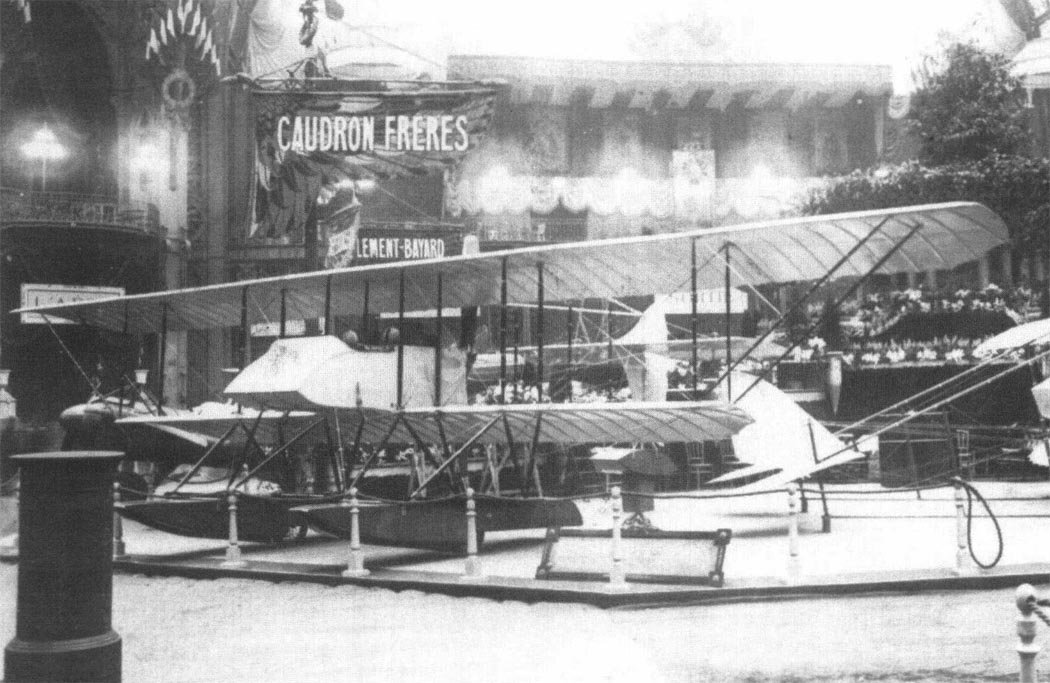
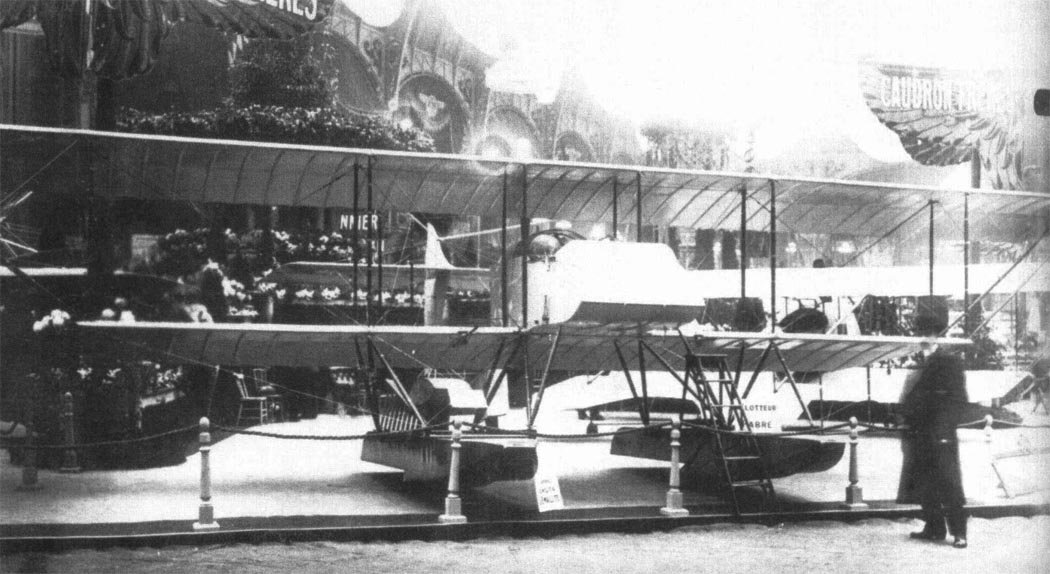
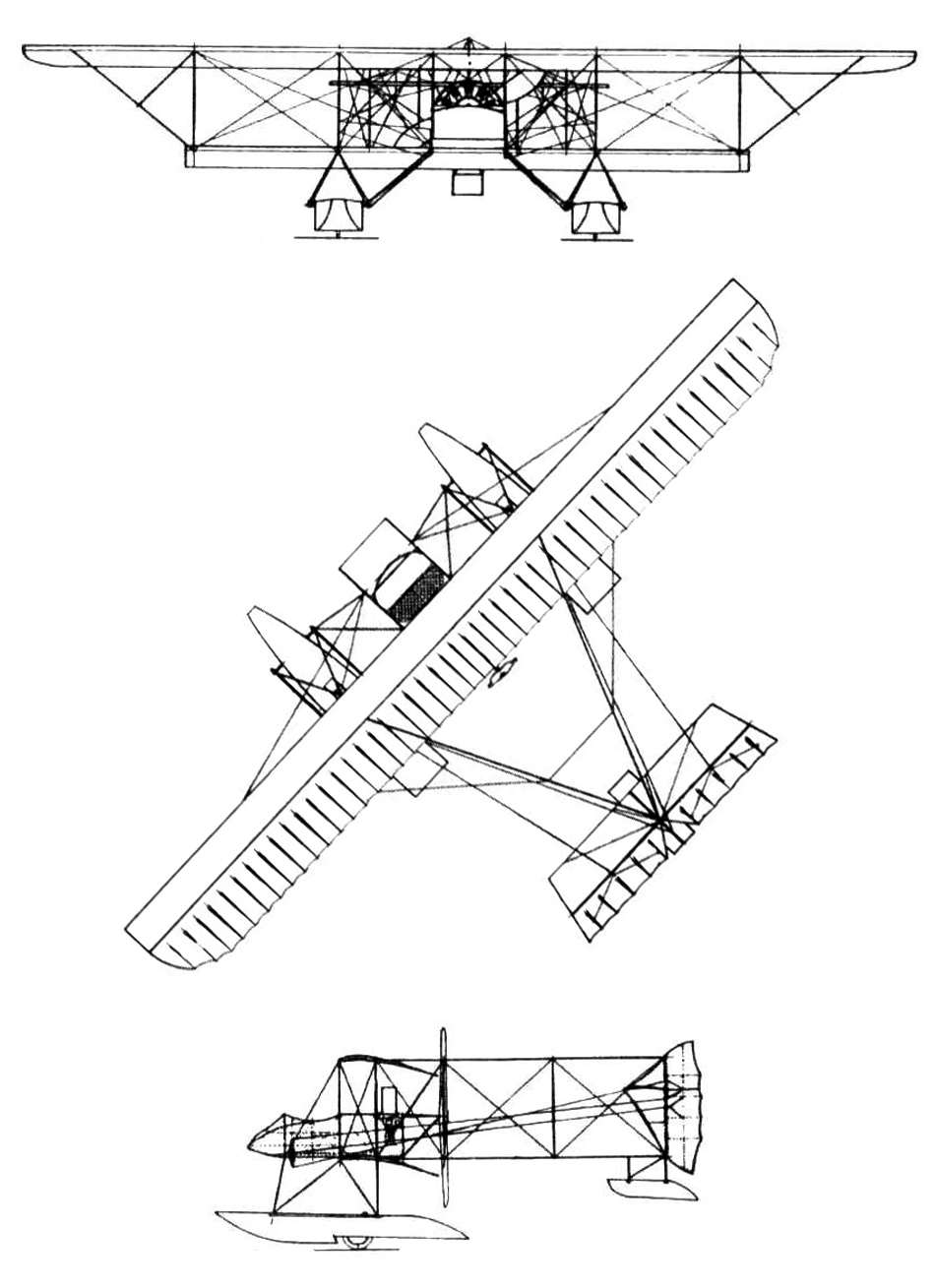
In 1913, René Caudron developed the Caudron L floatplane, commissioned by the British Royal Navy. This model was a two-seater, two-bay biplane featuring wings of unequal span, designed for maritime reconnaissance tasks.
The aircraft was powered by a 100 hp (75 kW) Gnome Delta nine-cylinder radial engine. Its wide cockpit allowed two pilots to sit side-by-side, which facilitated communication and operational efficiency.
Exhibition and Initial Trials
Before delivery to the British, the Caudron L was showcased at the Paris Air Show in December 1913, attracting considerable attention. However, during tests conducted after the exhibition, the first of the ordered machines (Nos. 95, 96, 102, and 115) caught fire due to engine problems, a significant setback for the project.
Unsatisfactory Performance and Cancellation
The second seaplane underwent testing at a French naval base, but its flight characteristics were deemed unsatisfactory. Consequently, the two remaining Caudron L units from the original order were never completed, marking the end of this design’s potential service for the British Navy.
Technical Specifications
| Modification | Caudron L |
| Upper wingspan, m | 14.70 |
| Lower wingspan, m | 9.30 |
| Length, m | 8.05 |
| Height, m | 3.10 |
| Wing area, m2 | 40.00 |
| Empty weight | 5 11 |
| Normal takeoff weight | 721 |
| Engine type | 1 Piston engine Gnome Delta |
| Power, hp | 1 x 100 |
| Maximum speed, km/h | 90 |
| Cruising speed, km/h | 80 |
| Crew, crew members | 2 |
Image gallery of the Caudron L