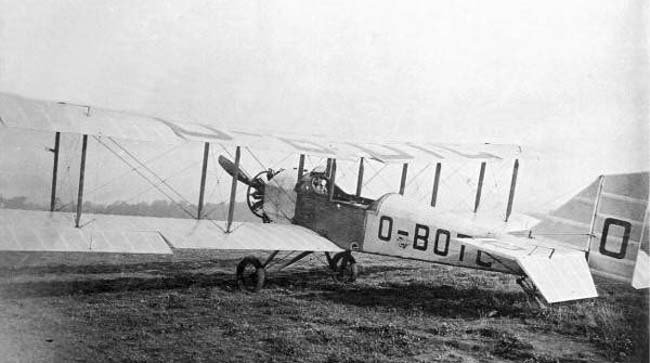
Origins of the Central Aircraft Company
The Central Aircraft Company was established in 1916 and located at Palmerston Works, in North-West London. Initially, it specialized in the production of spare parts for aircraft. However, following the appointment of A. Fletcher (AA ‘Tony’ Fletcher) as chief designer, the company developed two of its own projects: the single-engine Centaur IV trainer and the twin-engine C/F 2A Centaur 2A transport.
Development and Variants
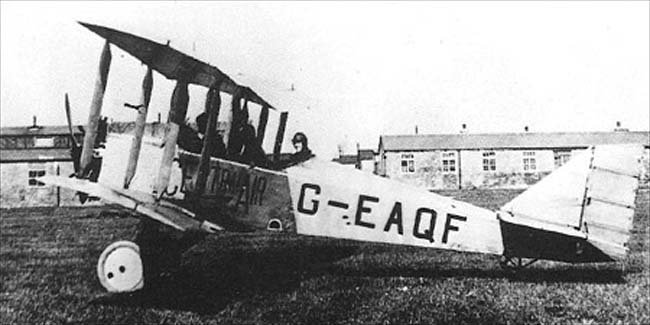
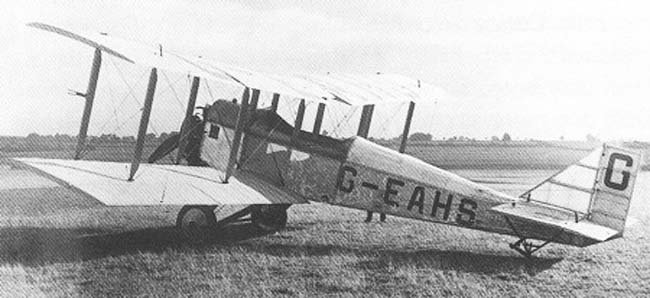
The prototype Centaur IV first took to the air in 1919. This aircraft was a two-seater, two-bay biplane, powered by a 70 hp eight-cylinder Renault engine. After successful trials, an additional eight three-seater Centaur IVA aircraft were built, equipped with a more powerful 100 hp Anzani engine. All these aircraft were utilized by Central Aircraft itself for training and pleasure flights at Northolt airfield.
The fifth aircraft (G-EAOR) was later converted into a Centaur IVB seaplane, featuring three floats, and was used for recreational flights in Southend-on-Sea. In early 1920, it was refitted with a wheeled landing gear, but unfortunately crashed in October of the same year.
Operational History and Legacy
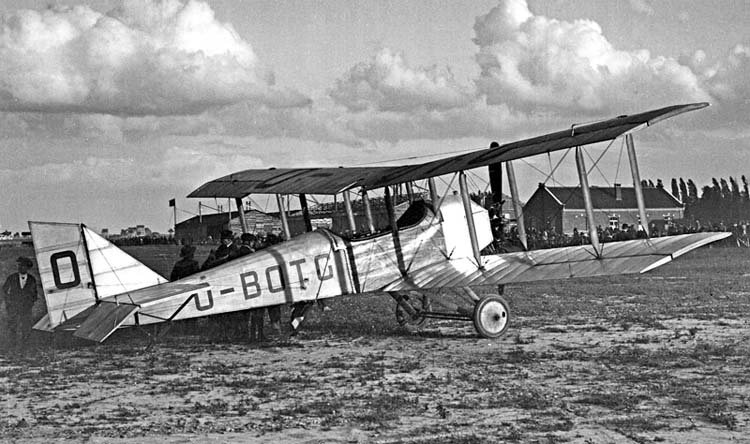
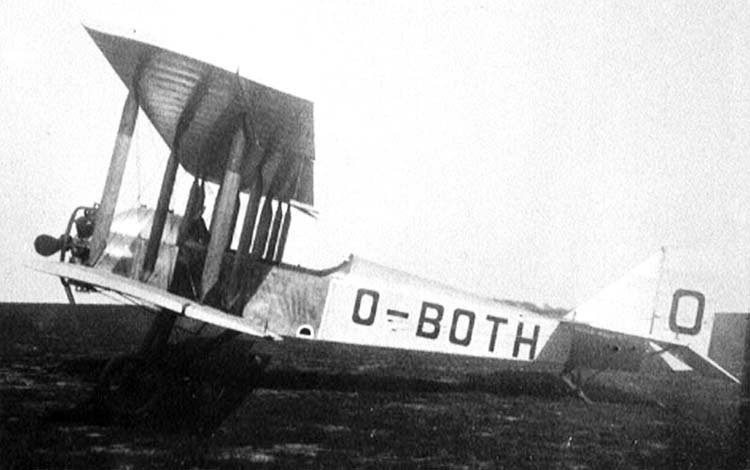
Several of the remaining aircraft (reportedly six) were sold to Belgium, where they remained in service until 1938. The last Belgian Centaur IV was destroyed during the German occupation of Belgium in May 1940. A two-seater Centaur V variant also existed, powered by a 110 hp Anzani engine.
Technical Specifications
| Modification | C entaur IVA |
| Wingspan, m | 10.4 3 |
| Length, m | 7.54 |
| Empty weight | 408 |
| Maximum takeoff weight | 635 |
| Engine type | 1 Piston engine Anzani |
| Power, hp | 1 x 100 |
| Maximum speed, km/h | 121 |
| Cruising speed, km/h | 105 |
| Crew, crew members | 3 |
Image gallery of the Centaur IV