Origins Amidst the Great Depression
After the onset of the ‘Great Depression’ in the USA, the Cessna company began to experience serious difficulties in selling aircraft. A small, inexpensive aircraft, cheap to operate, could be the solution to these problems. Eldon Cessna, son of company head Clyde Cessna, took on the development of this project. The CG-2 training glider was taken as the basis for the project.
The EC-1 Single-Seater
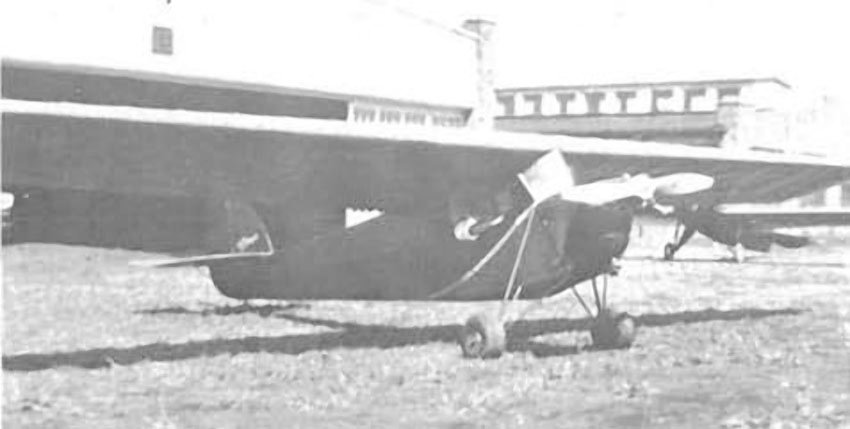
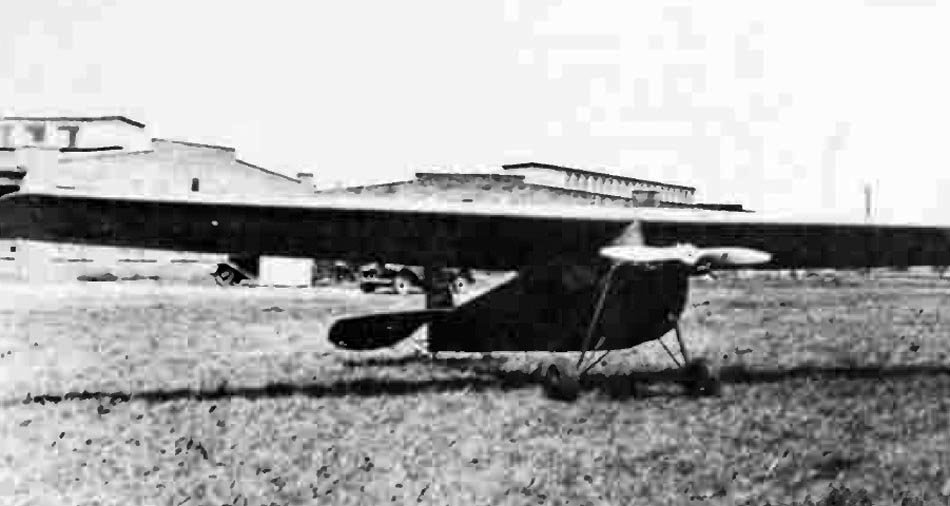
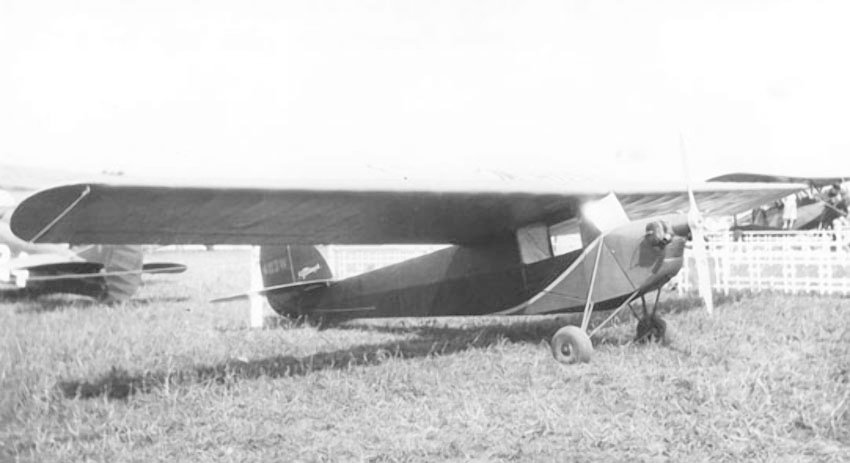
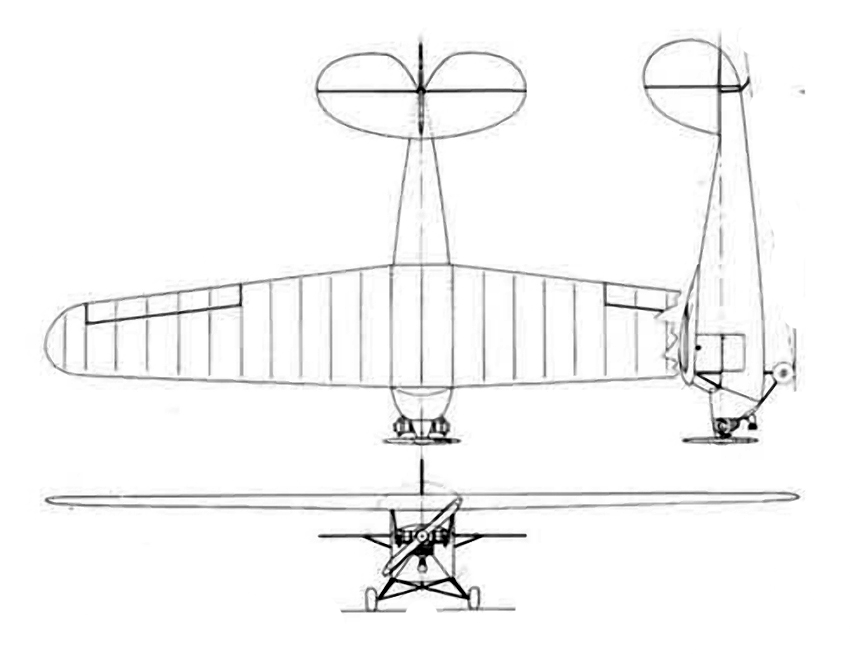
In 1930, the first aircraft (N133V), designated EC-1, was built. It was a single-seat cantilever high-wing aircraft, equipped with a 26 hp Cleone engine. Soon, another identical aircraft (N199V) was completed.
Introduction of the EC-2 ‘Baby Cessna’
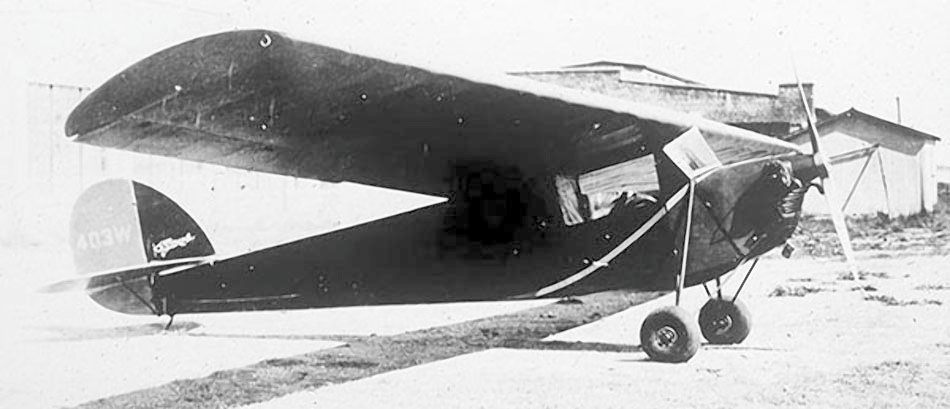
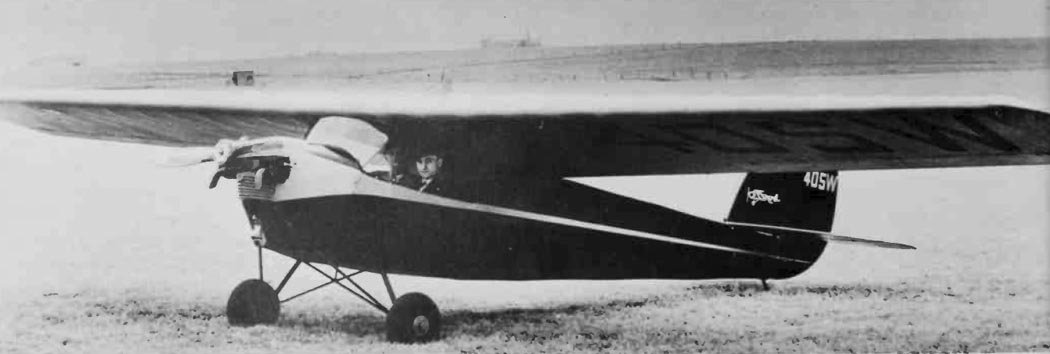
The single-seat version was followed by a two-seater – the EC-2. This aircraft was equipped with a 30 hp (22 kW) Aeronca E-107A engine. A total of two examples, N403W and N405W, were built. They were painted red and received the name ‘Baby Cessna’.
Serial production of the aircraft did not take place, as Cessna suspended its activities until 1934. The only surviving EC-1 is displayed at the Reynolds-Alberta Museum.
Technical Specifications
| Modification | EC-2 |
| Wingspan, m | 10.64 |
| Length, m | 6.20 |
| Height, m | 1.58 |
| Wing area, m2 | 15.14 |
| Empty weight | 213 |
| Maximum takeoff weight | 420 |
| Engine type | 1 Piston engine Aeronca E-107A |
| Power, hp | 1 x 30 |
| Maximum speed, km/h | 138 |
| Cruising speed, km/h | 112 |
| Practical range, km | 322 |
| Service ceiling, m | 4572 |
| Crew | 2 |
Image gallery of the Cessna EC-1/EC-2 ‘Baby Cessna’