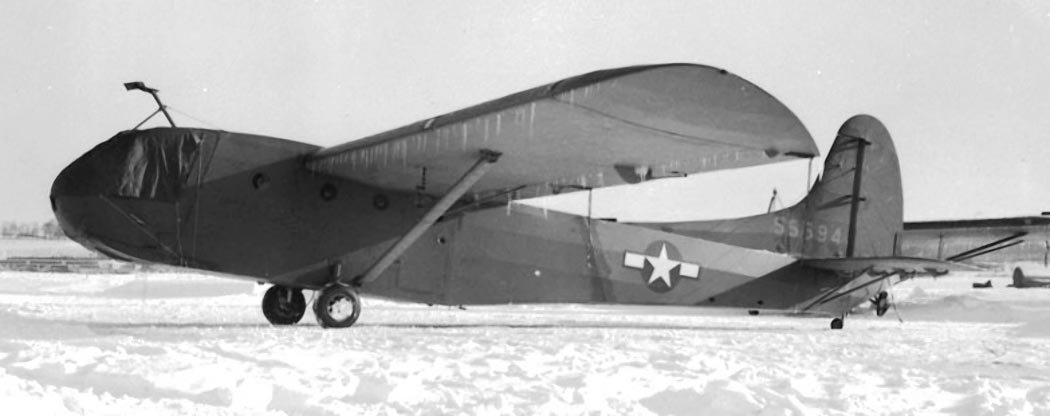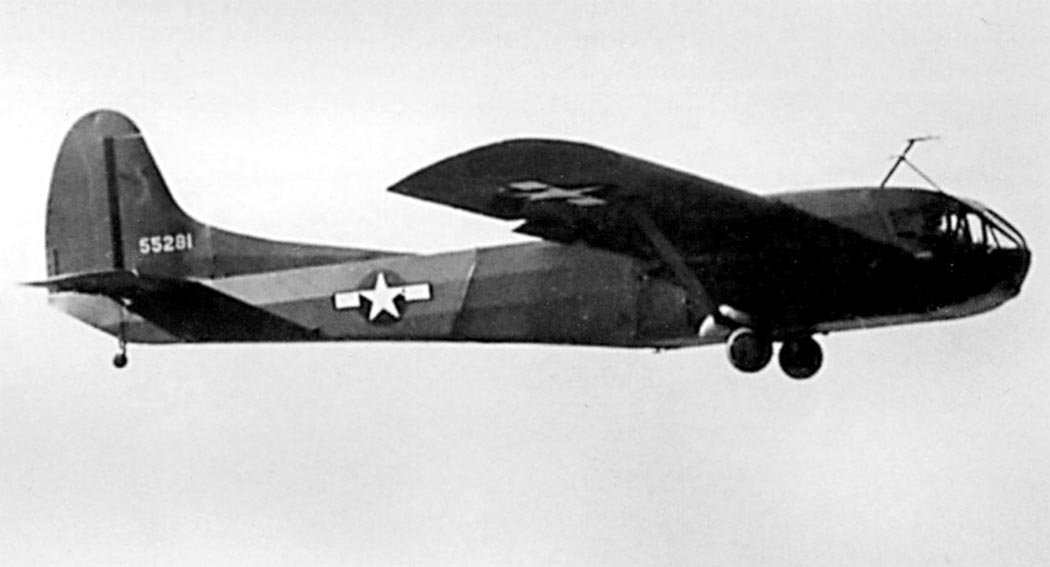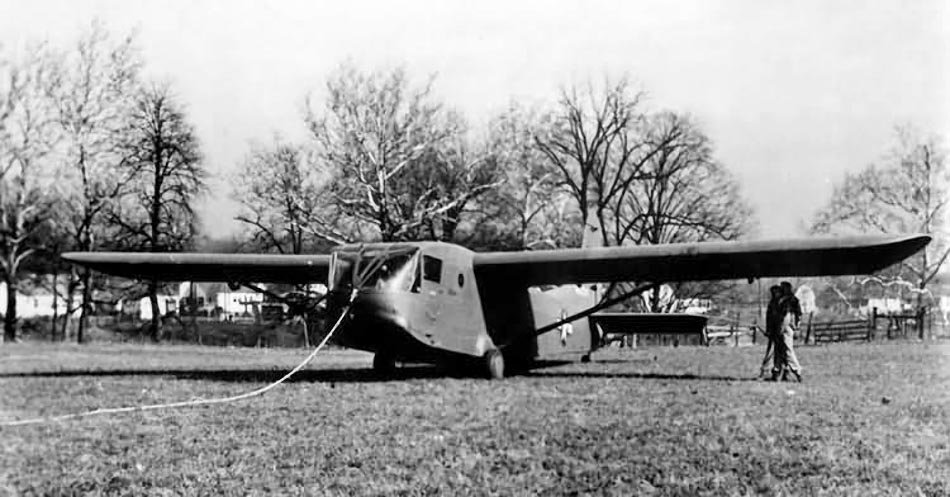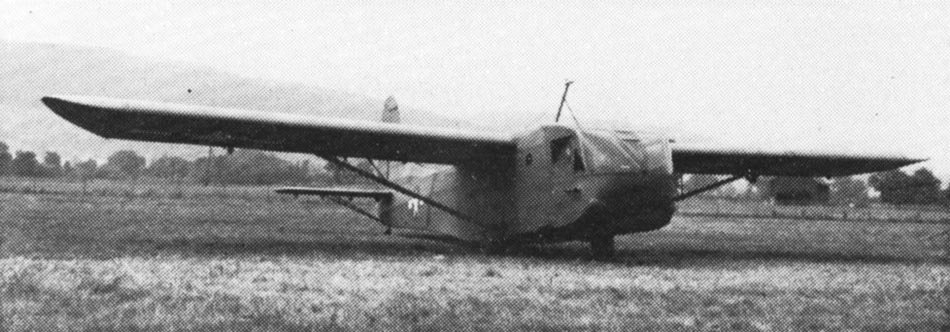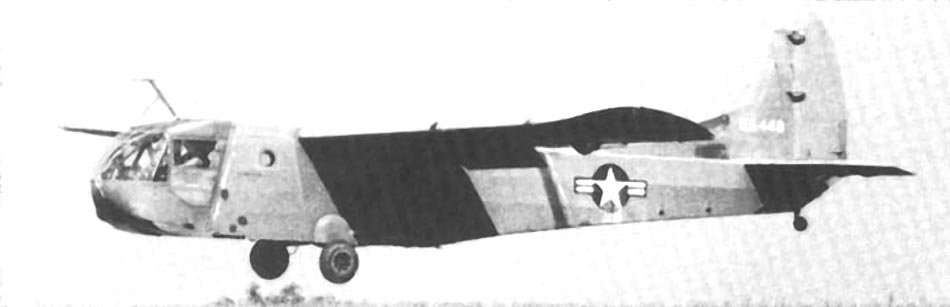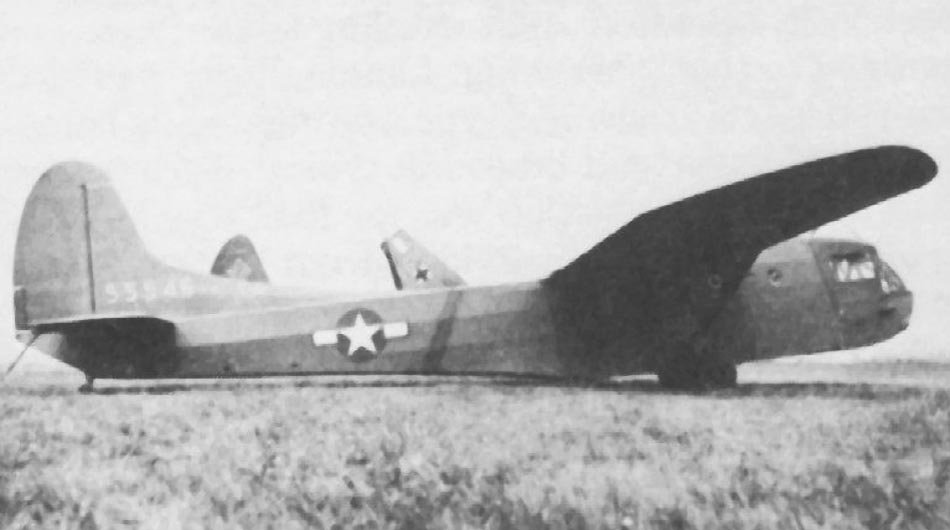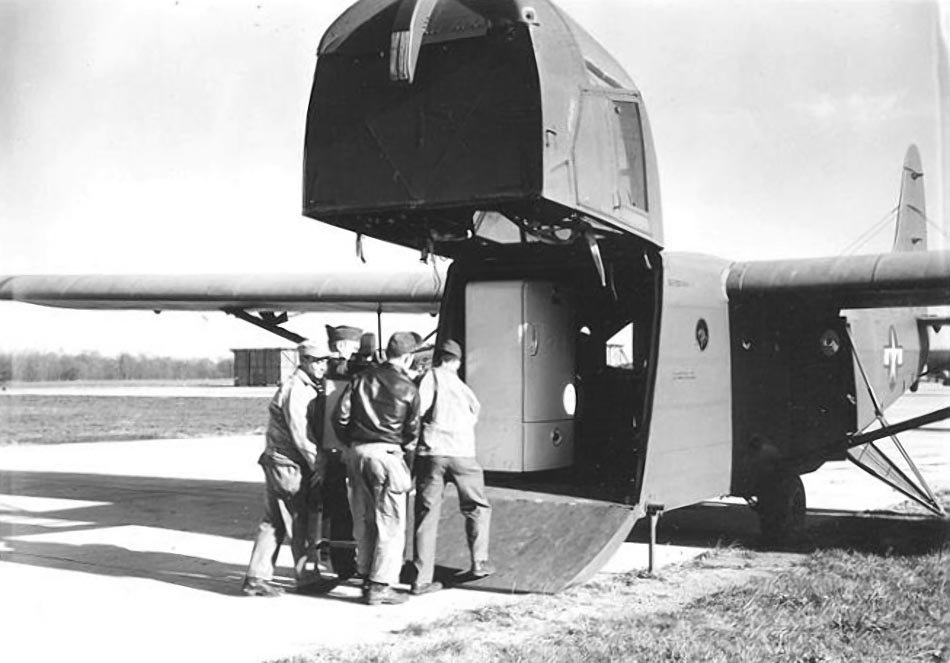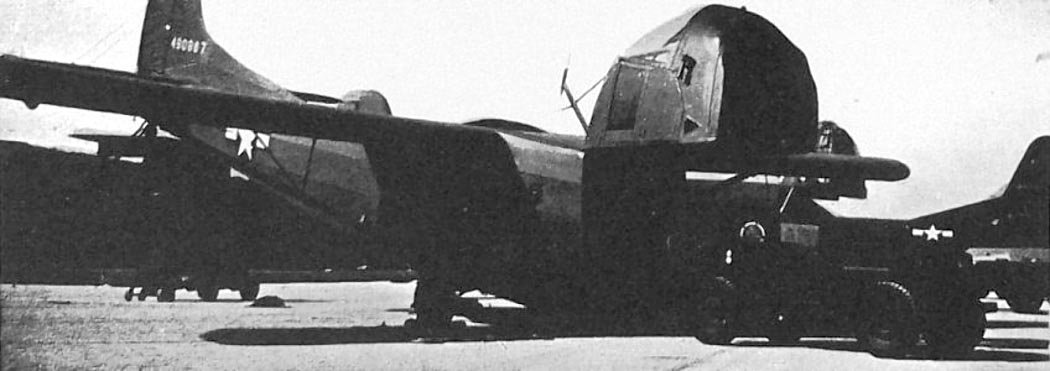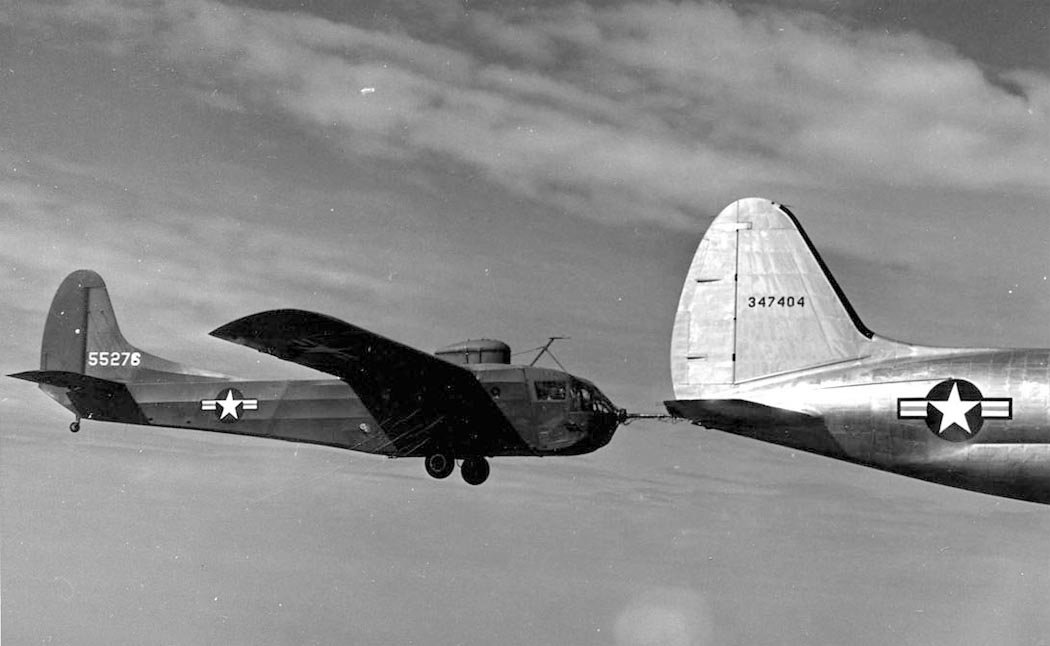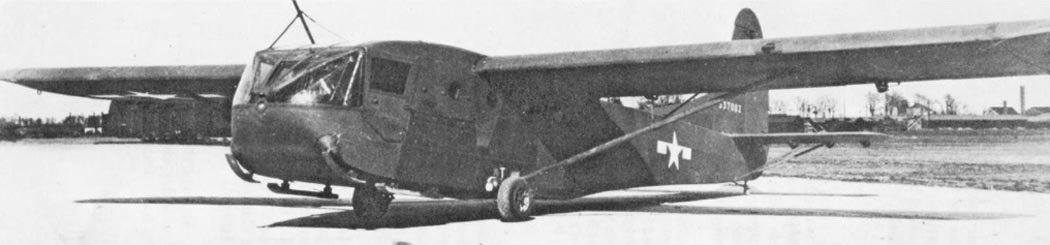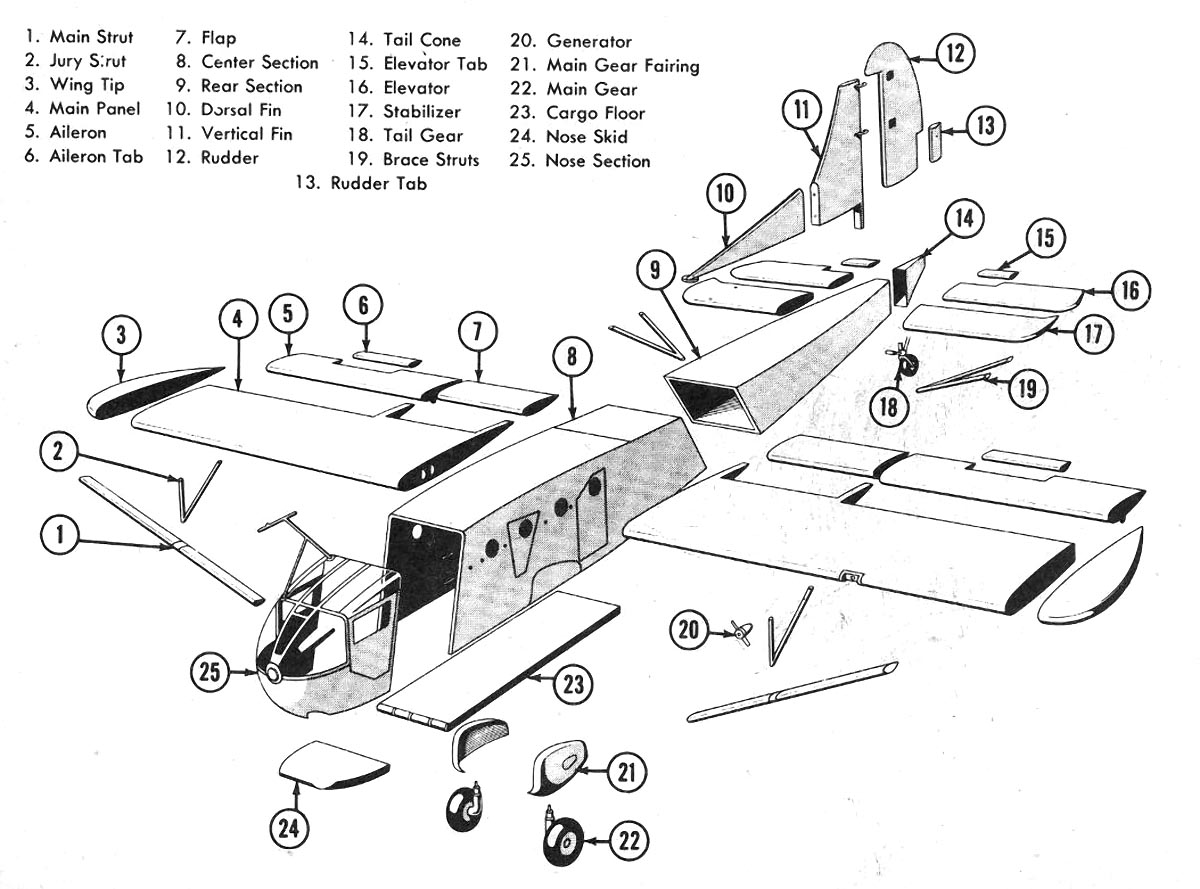
The Waco CG-15A was a significant evolution of the earlier CG-4 glider, designed with a more spacious cargo compartment capable of accommodating 15 paratroopers. Thanks to several structural improvements, its towing speed increased substantially, reaching up to 290 km/h, making it a more efficient transport option during World War II.
Production and Service History
A contract for the production of 1,000 CG-15A units was signed in 1943, reflecting the urgency of wartime needs. However, by the end of the war, a total of 473 gliders were ultimately produced and deployed. This crucial asset played a role in military transport operations, albeit in smaller numbers than initially planned.
Variants and Conversions
Beyond its standard role, the CG-15A saw some specialized modifications. Two gliders were transferred to the U.S. Navy, where they received the designation XLR2W-1. Furthermore, in 1945, one particular unit underwent a notable conversion into a powered glider, the XPG-3, equipped with two Jacobs R-755-9 engines, exploring potential new applications for glider technology.
Technical Specifications
| Modification | CG-15A |
| Wingspan, m | 18.95 |
| Length, m | 14.90 |
| Wing area, m2 | 57.88 |
| Empty weight | 1800 |
| Maximum weight | 3640 |
| Maximum speed, km/h | 290 |
| Crew | 2 crew |
| Payload | 15 paratroopers |
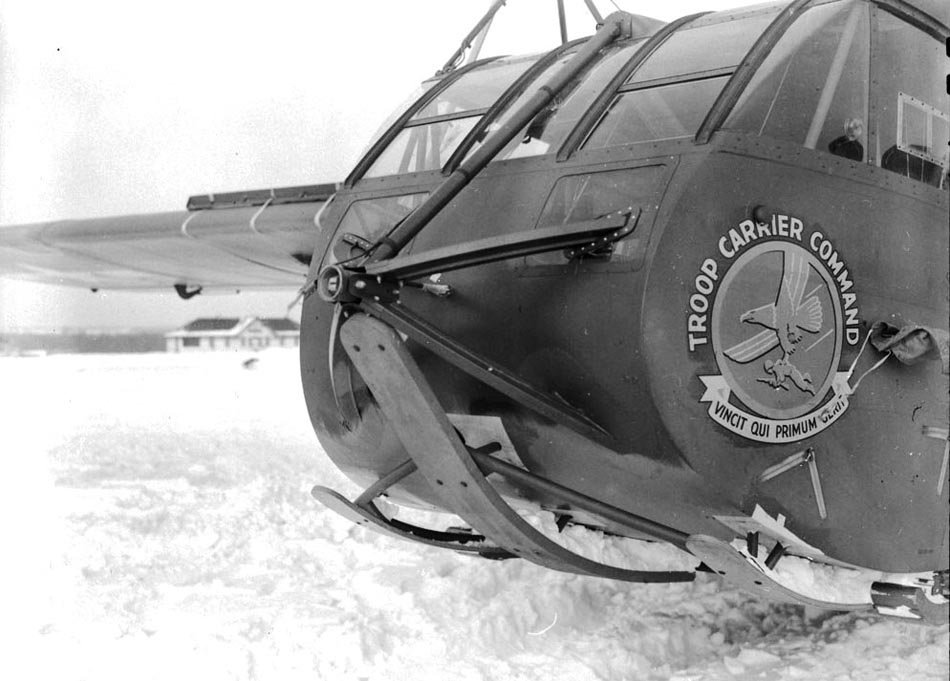
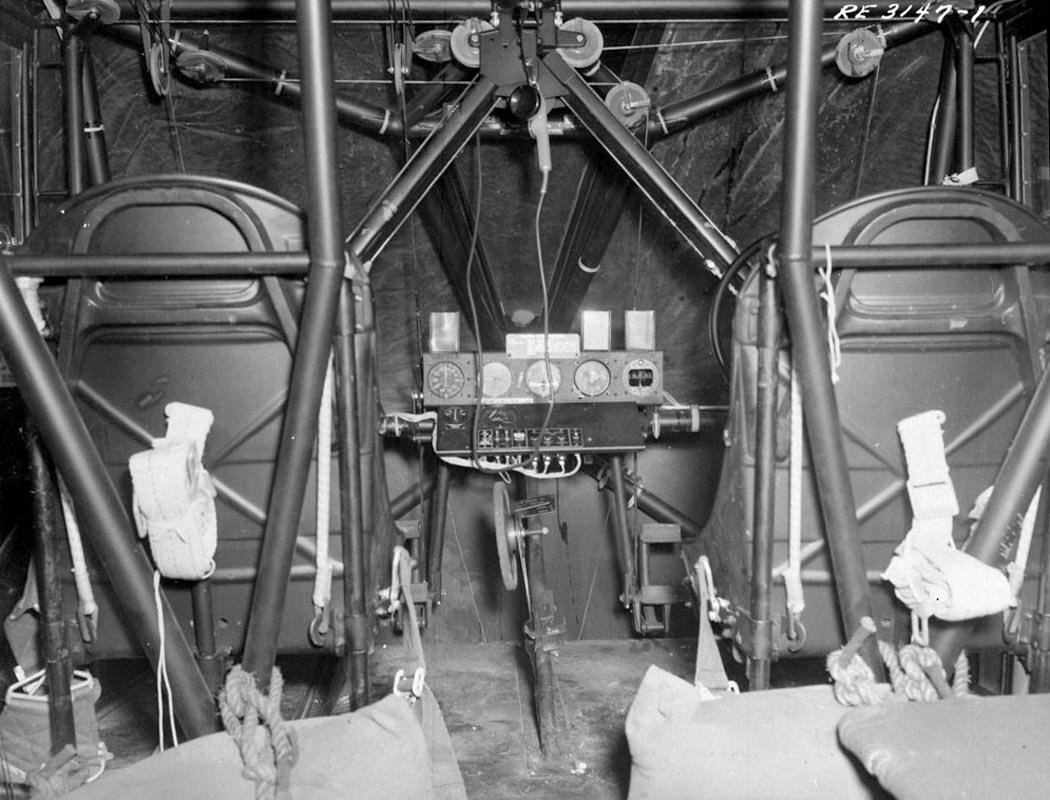
Image gallery of the Waco CG-15A