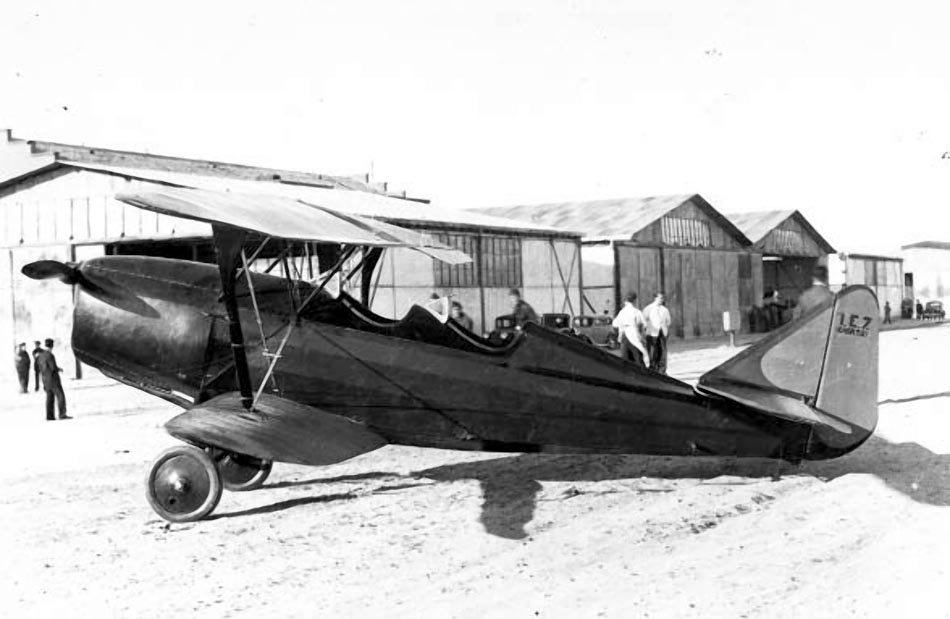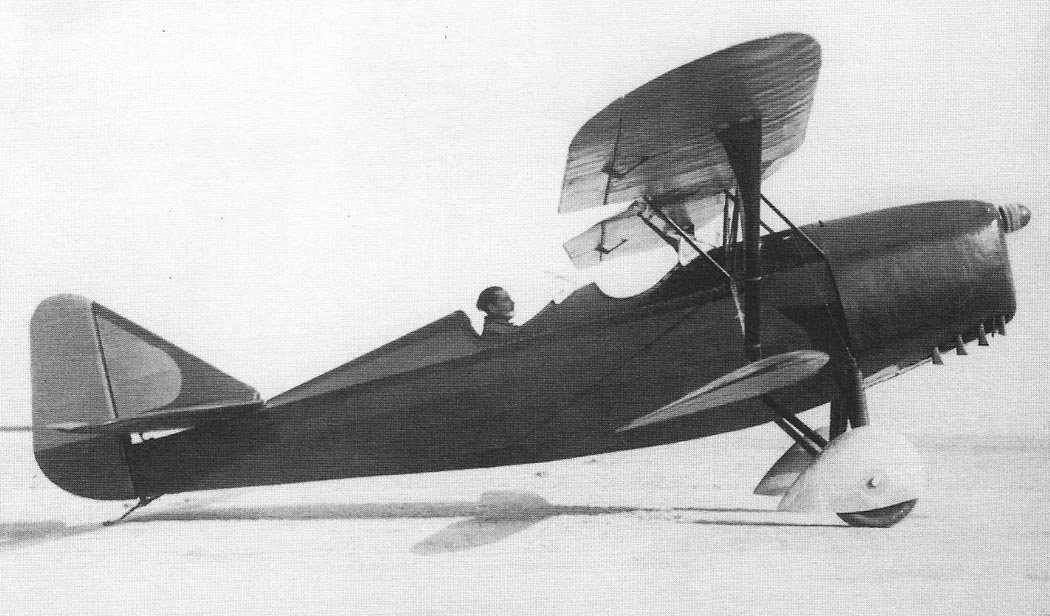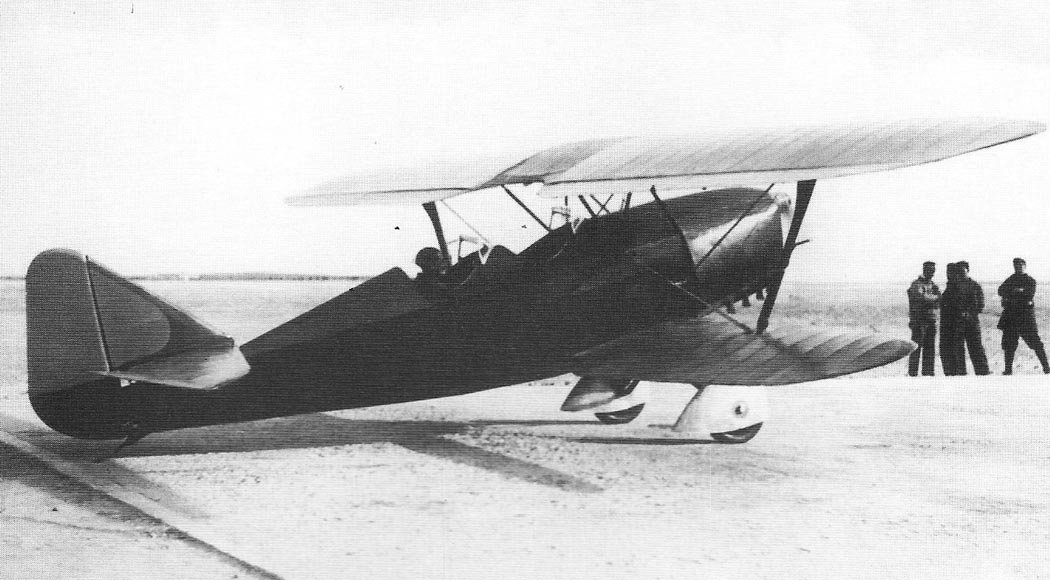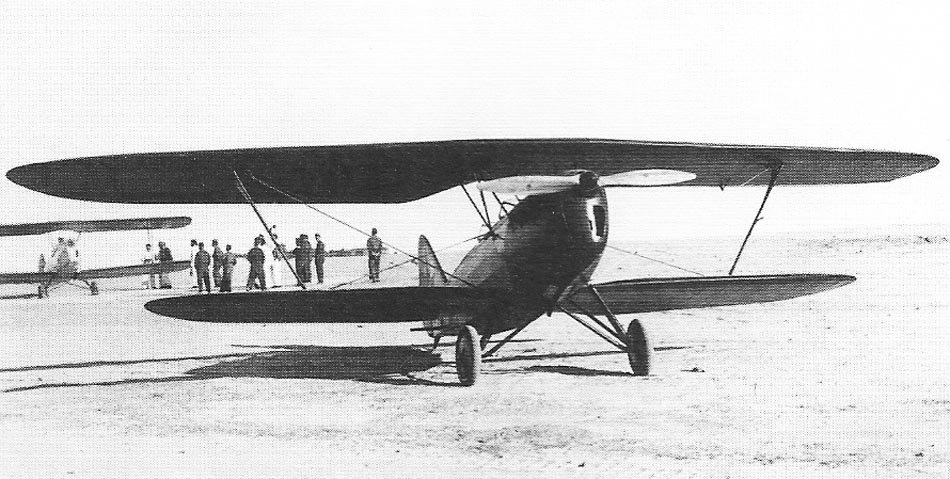
In the early 1930s, Spanish pilot and engineer Julio Adaro began developing a trainer aircraft for a competition held by the Spanish Air Force.
Adaro Chirta Design and Prototype
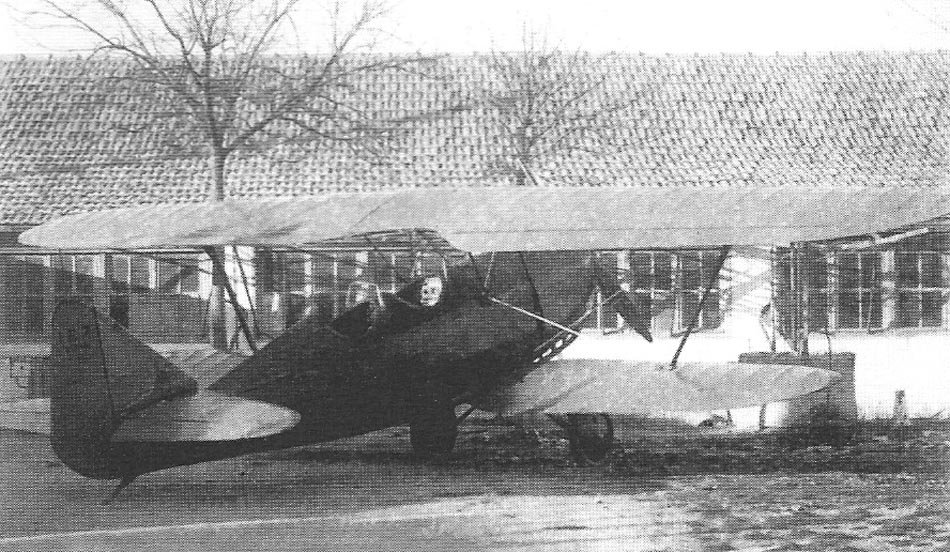
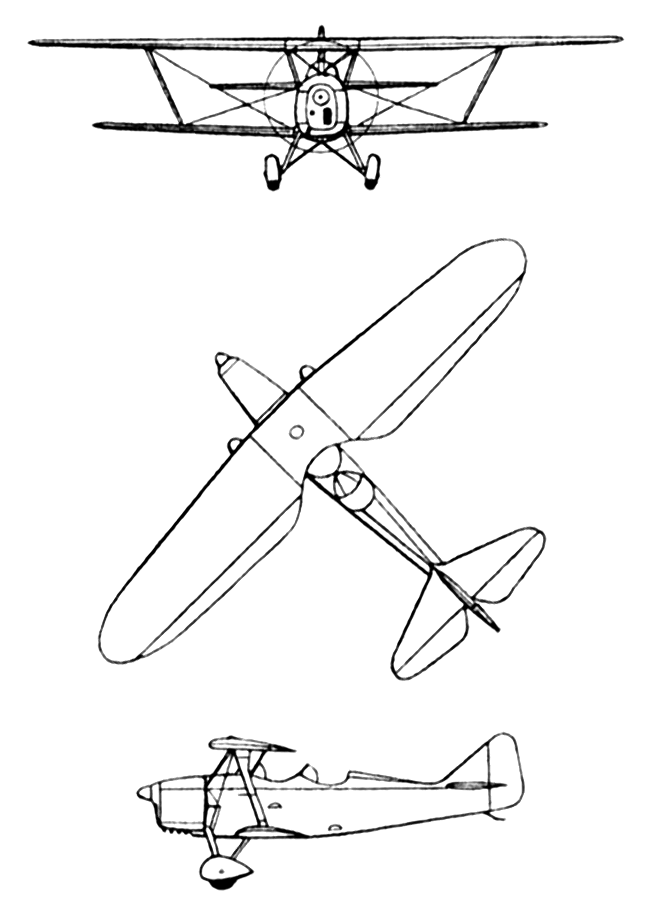
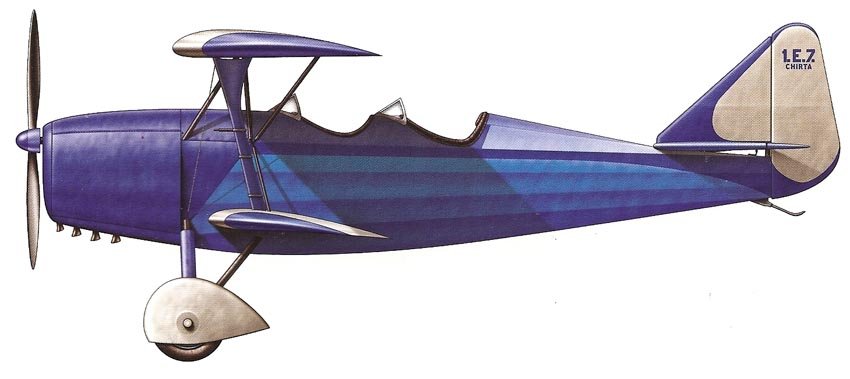
The prototype aircraft, designated Adaro Chirta, was completed in 1934. This model was a two-seater sesquiplane of mixed construction with dual controls, powered by a 105 hp Walter Junior engine with a two-bladed tractor propeller.
Competition Entry and Outcome
That same year, the sole example of the aircraft, which received the military designation 1.E-7, participated in the competition alongside the Gil-Pazó GP-1 and the Hispano E-34. Although it demonstrated its capabilities, it only secured third place and, consequently, did not enter serial production.
Technical Specifications
| Modification | Chirta |
| Wingspan, m | 10.00 |
| Length, m | 6.50 |
| Height, m | 2.50 |
| Wing area, m2 | 19.70 |
| Empty weight | 480 |
| Normal takeoff weight | 730 |
| Engine type | 1 Piston engine Walter Junior |
| Power, hp | 1 x 10⁵ |
| Maximum speed, km/h | 180 |
| Cruising speed, km/h | 140 |
| Practical range, km | 845 |
| Practical ceiling, m | 5050 |
| Crew, crew members | 2 |
Image gallery of the Adaro Chirta