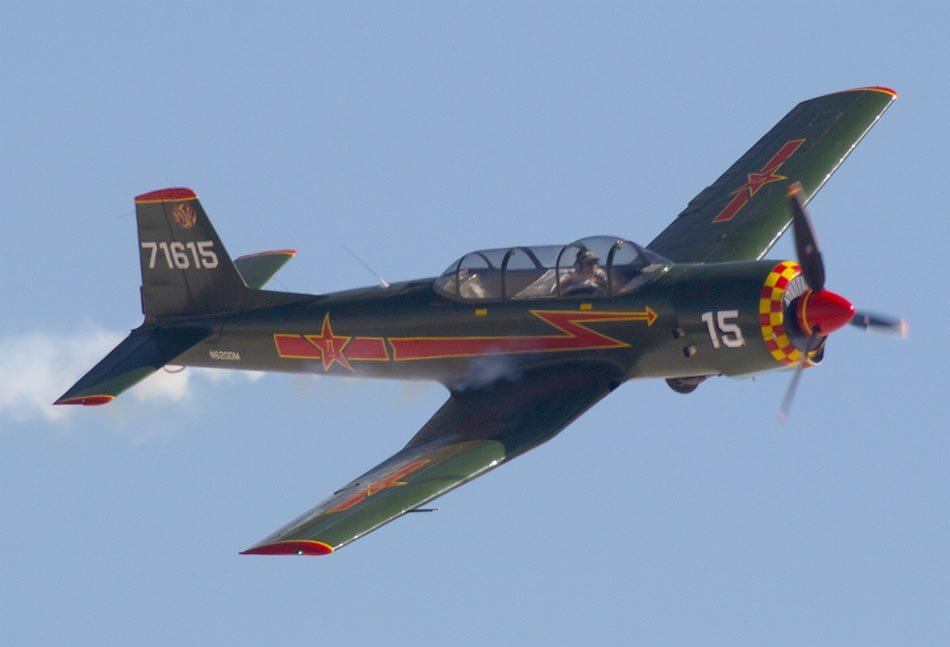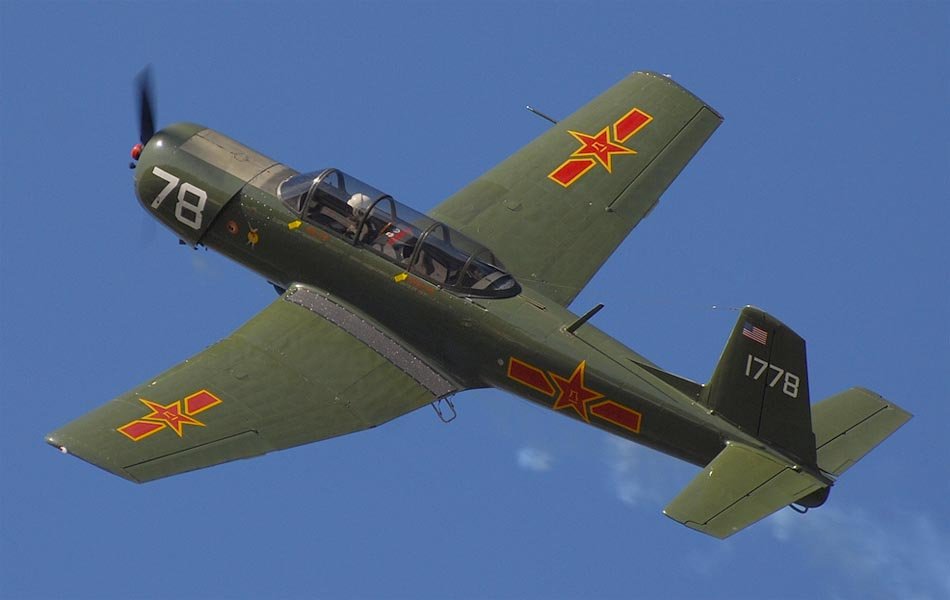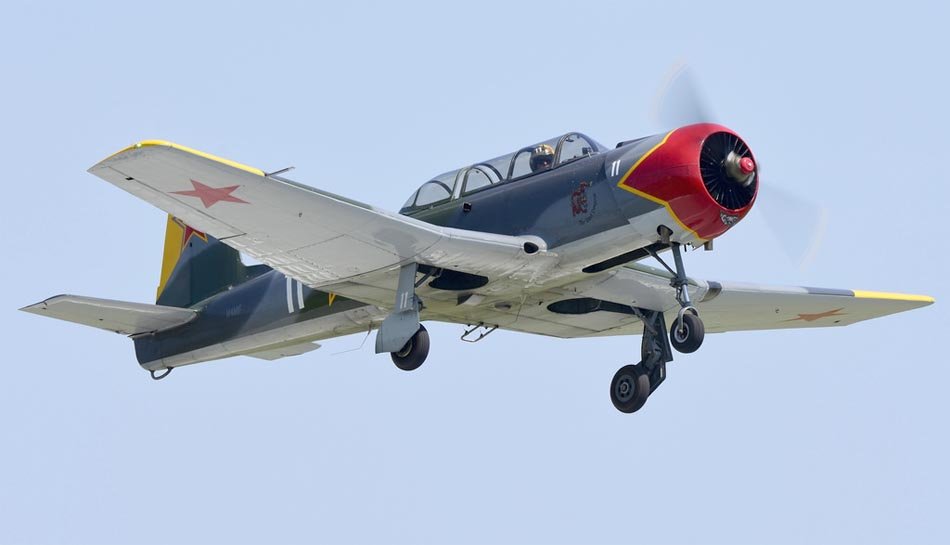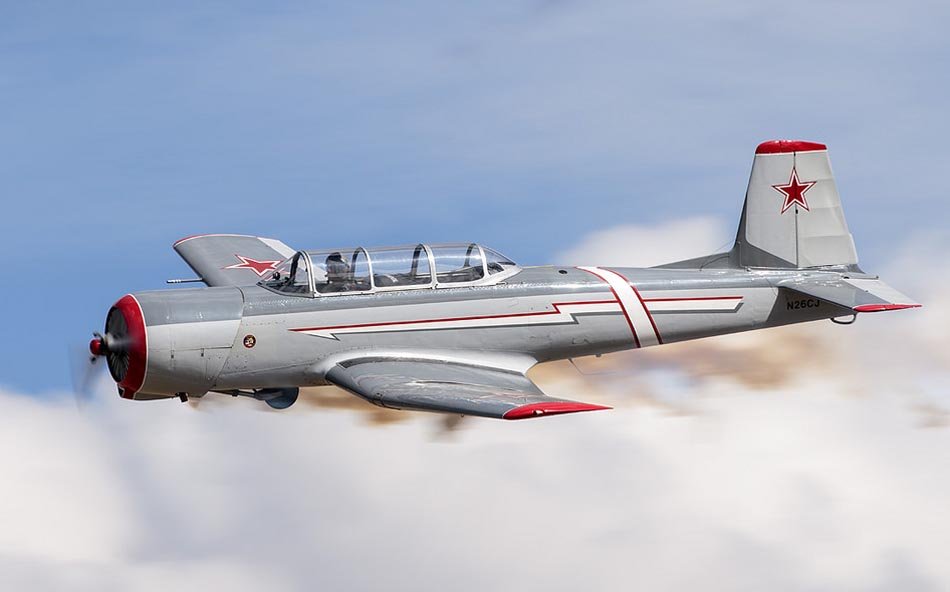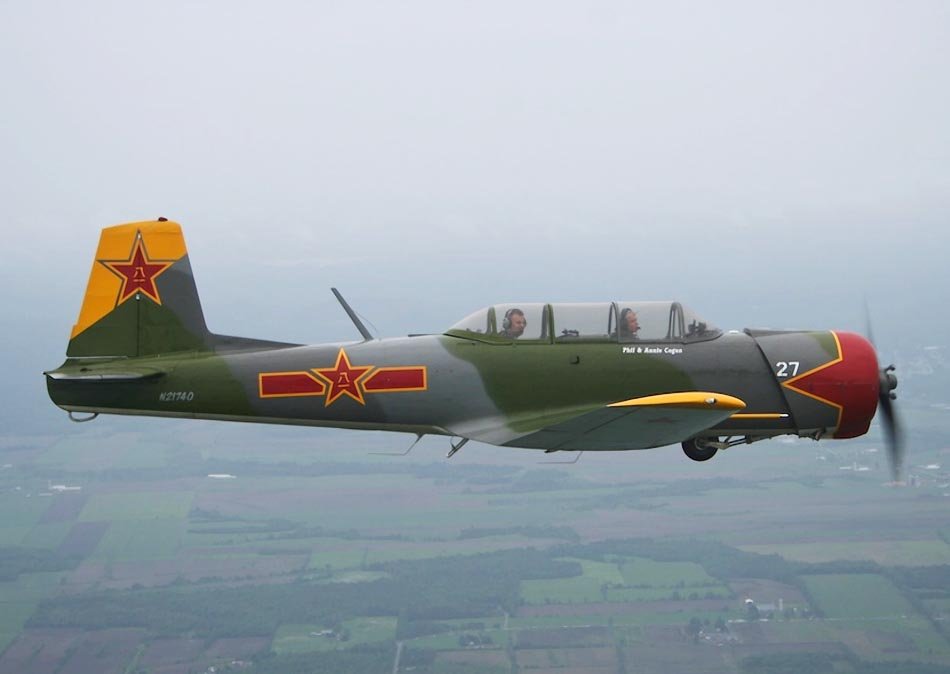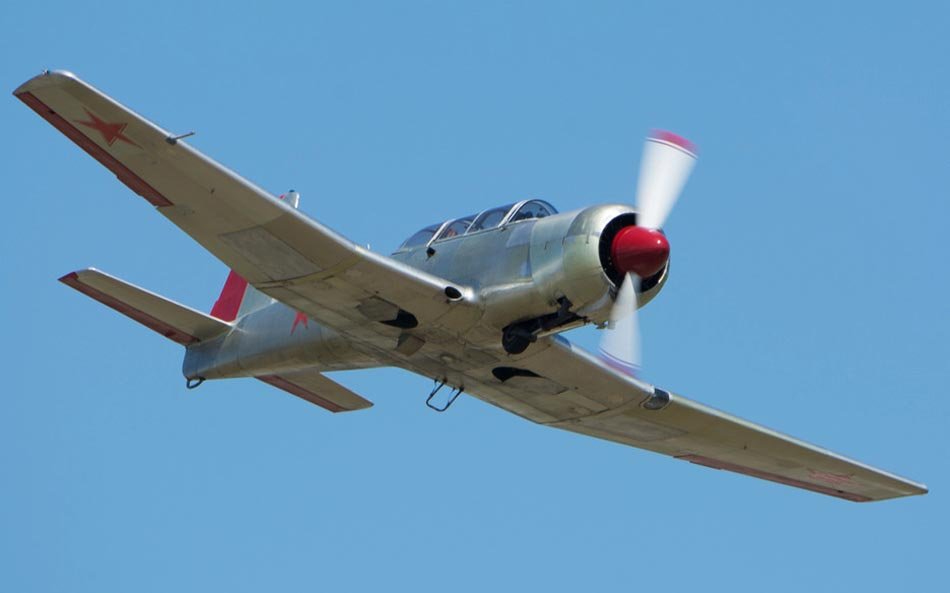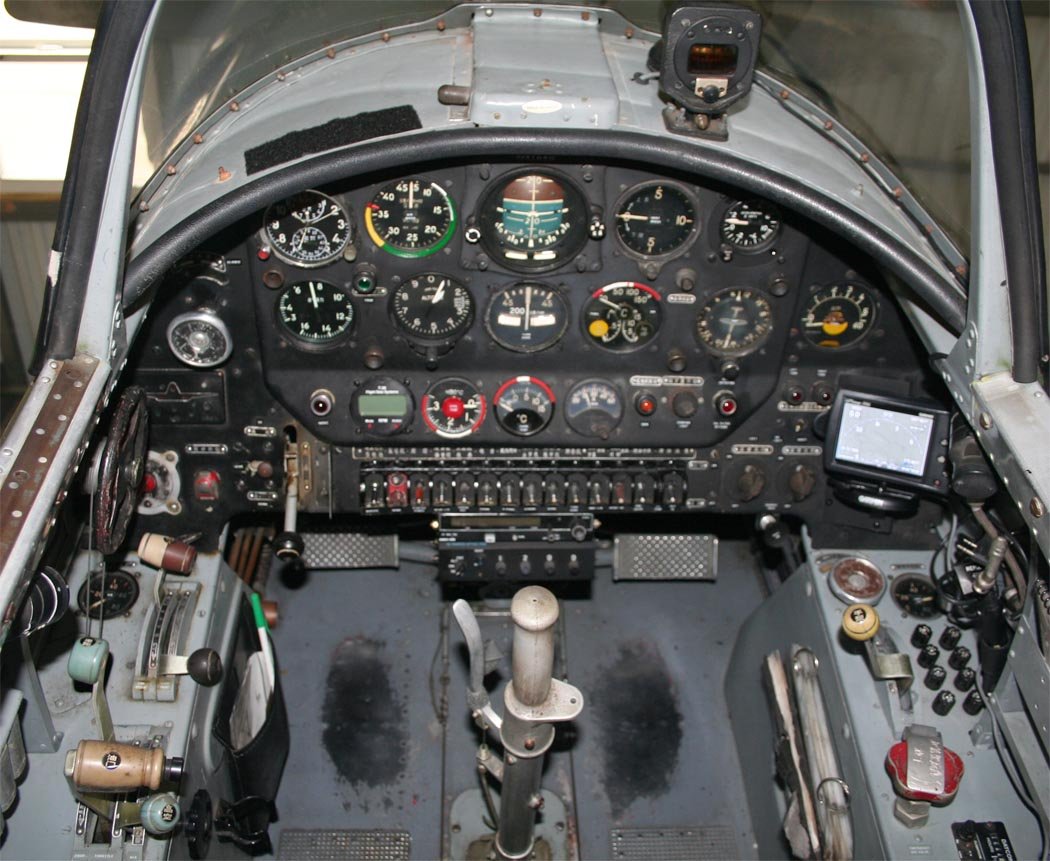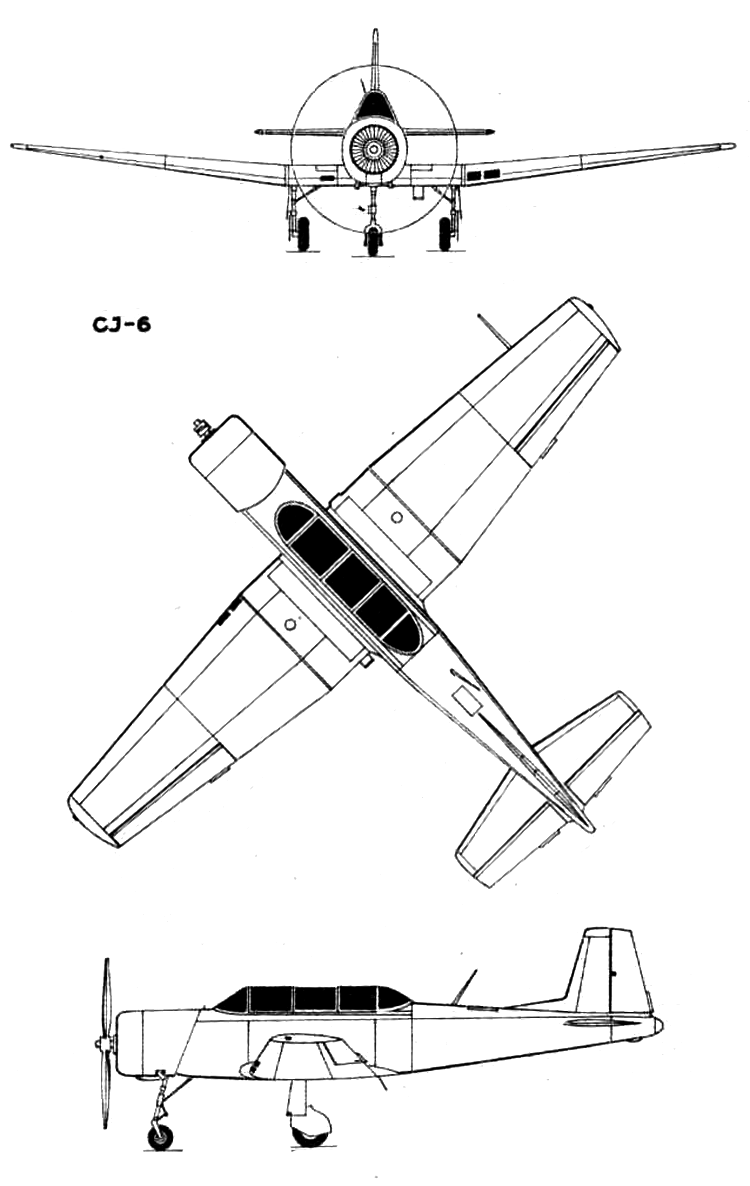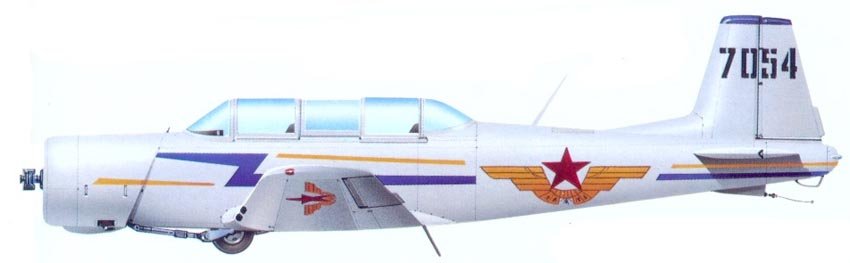
The CJ-6 is a trainer aircraft produced by the Chinese firm Hongdu (Nanchang) Aviation Industry Corporation. Although based on the Soviet Yak-18A trainer, Chinese engineers extensively redesigned many technological components and details. This allowed the CJ-6 to be considered an independent development.
A key fundamental difference in the CJ-6’s construction is its fuselage, which is made entirely of aluminum alloys.
Design Evolution and Powerplants
Initially, the aircraft retained the M-11ER engine. The first prototype, equipped with this engine, made its maiden flight in 1958. Subsequently, the engine was replaced by the more powerful AI-14R, but even this solution did not bring significant improvements in flight characteristics.
It was then decided to use the Quzhou Huosai-6A (HS-6A) engine, rated at 285 hp. Aircraft equipped with this engine received the designation CJ-6A, and production of this type began in 1961.
Production and Key Variants
In total, over 1800 units of the aircraft were produced, including export versions for Albania, Bangladesh, Cambodia, North Korea, Tanzania, and Zambia, where it was known under the designation P T-6.
In 1964, the CJ-6B version appeared, featuring two weapon hardpoints. In 1966, it was fitted with the Quzhou HS-6D engine, delivering 300 hp. Additionally, a ‘Sea Swallow’ modification was released for aerobatic display teams.
Technical Specifications
| Modification | CJ-6 |
| Wingspan, m | 10.18 |
| Length, m | 8.46 |
| Height, m | 2.94 |
| Wing area, m2 | 22.60 |
| Empty weight | 1095 |
| Maximum takeoff weight | 1400 |
| Engine type | 1 Piston engine Quzhou Huosai-6A (HS-6A) |
| Power, hp | 1 х 285 |
| Maximum speed, km/h | 287 |
| Cruising speed, km/h | 248 |
| Ferry range, km | 640 |
| Practical range, km | 420 |
| Service ceiling, m | 6250 |
| Crew, crew members | 2 |
Image gallery of the CJ-6