Origins and Design
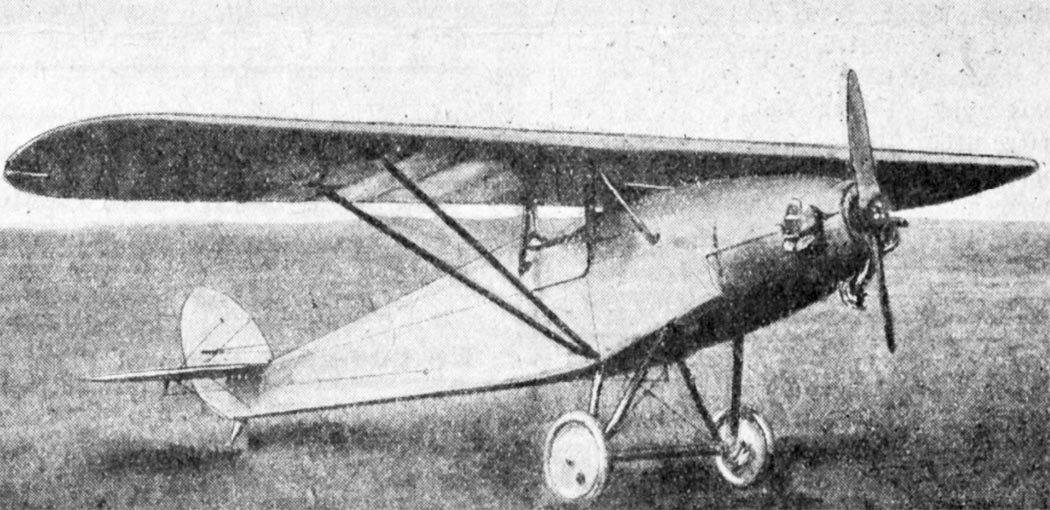
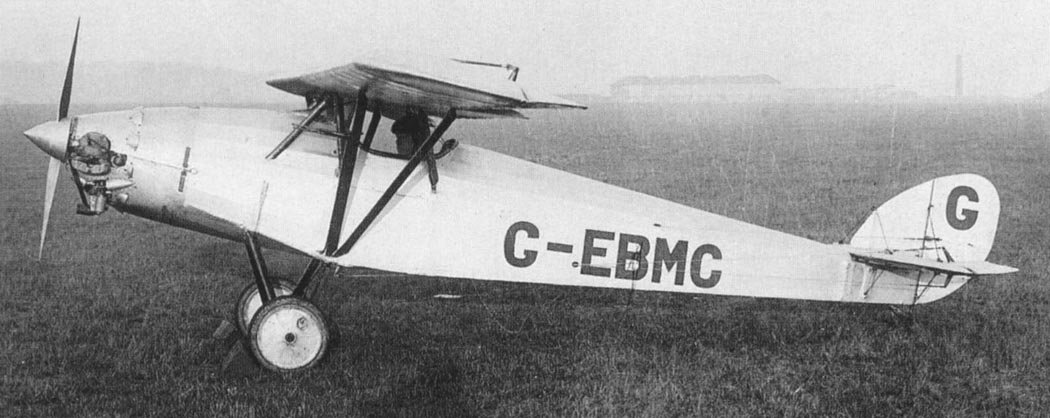
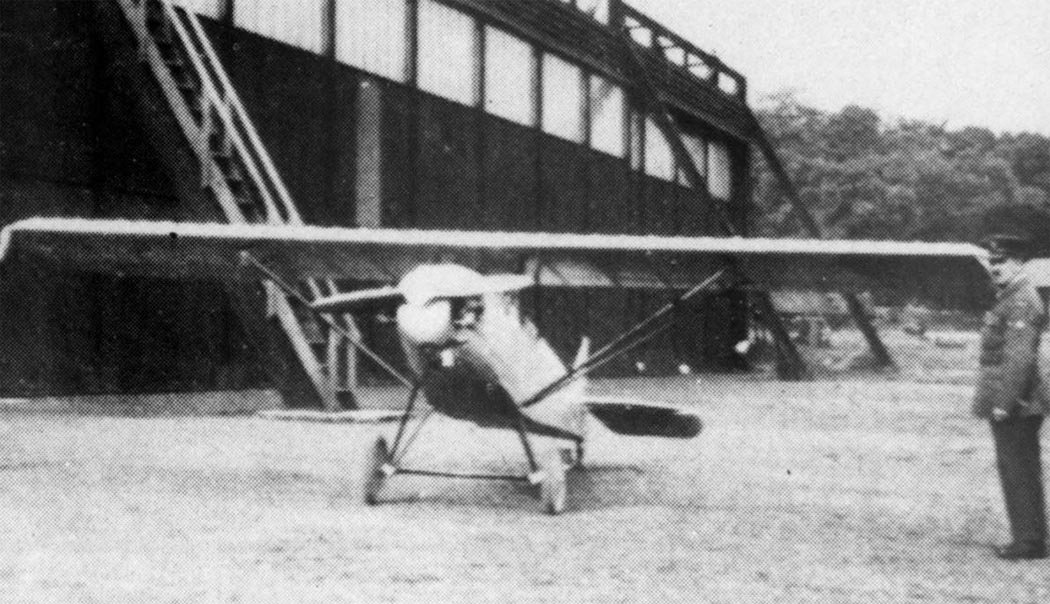
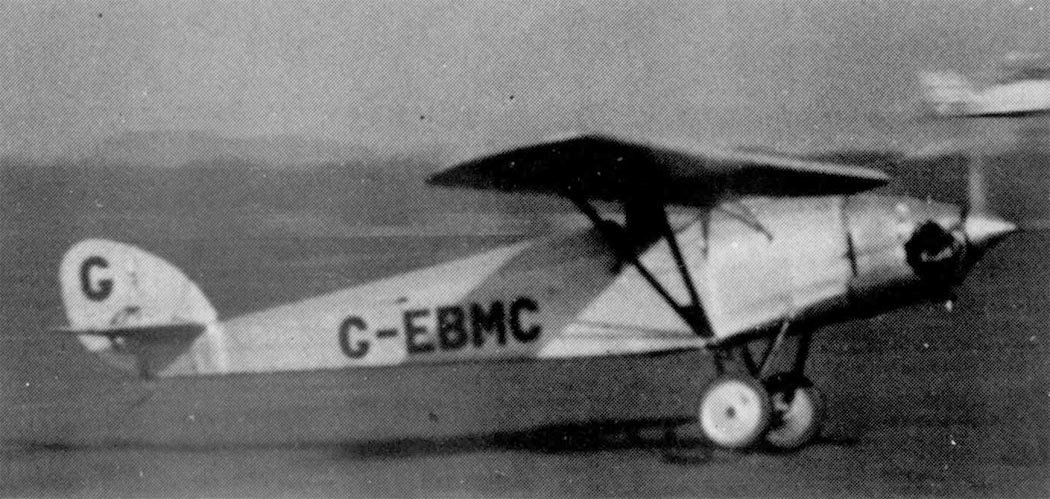
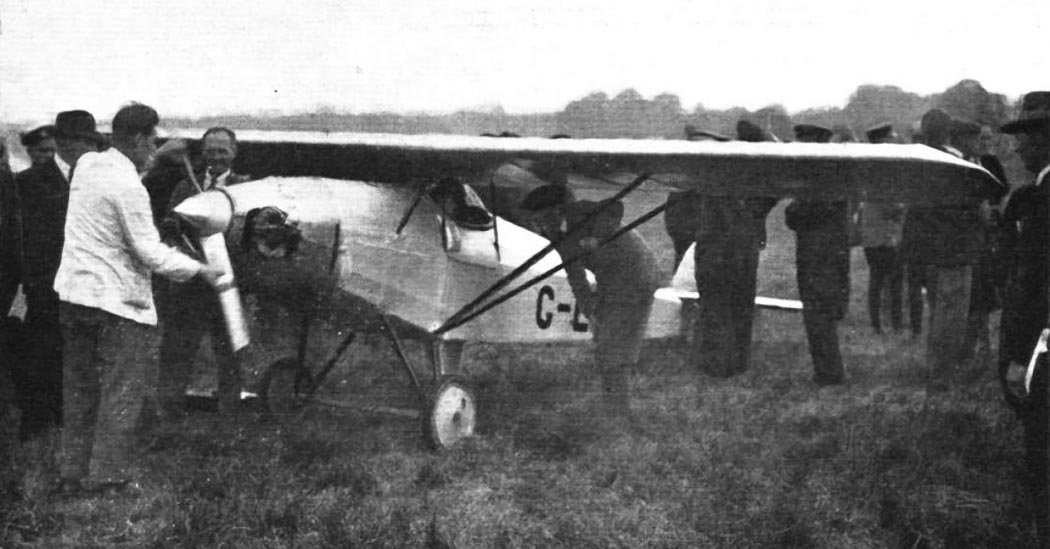
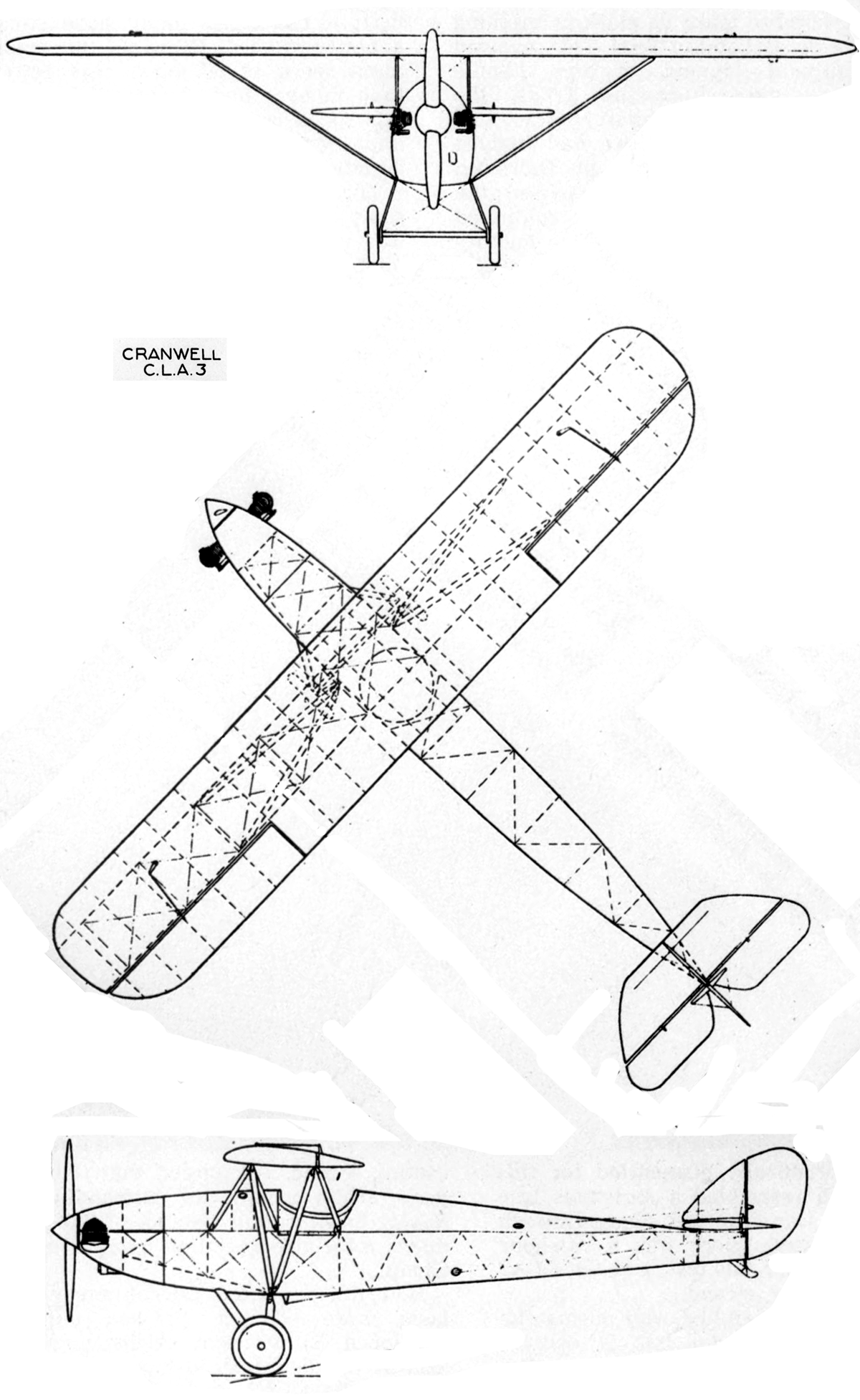
In 1925, Nicholas Comper developed a project for the Cranwell Light Airplane (CLA) club, an improved version of the Cranwell CLA.2. The new aircraft, named CLA.3, was a single-seat, strut-braced high-wing monoplane. It was powered by a 32 hp (24 kW) Bristol Cherub II piston engine, driving a two-bladed propeller.
Competitive Debut
The CLA.3 made its inaugural flight in June 1925. It quickly proved its competitive prowess, securing second place in the Lympne competitions and earning a bronze medal at the prestigious Grosvenor Challenge Cup. These early successes highlighted its potential in the light aircraft category.
Engine Upgrade and Retirement
The following year, the original engine was replaced with a Bristol Cherub III, but no further sporting achievements were recorded. The sole example of this aircraft, bearing the registration C-EBMC, was withdrawn from service in 1929, bringing an end to its brief but notable operational history.
Technical Specifications
| Modification | CLA.3 |
| Wingspan, m | 6.40 |
| Length, m | 5.65 |
| Height, m | 2.08 |
| Wing area, m2 | 6.50 |
| Empty weight | 147 |
| Maximum takeoff weight | 240 |
| Engine type | 1 Piston engine Bristol Cherub II |
| Power, hp | 1 x 32 |
| Maximum speed, km/h | 160 |
| Cruising speed, km/h | 140 |
| Practical range, km | 282 |
| Crew, crew members | 1 |
Image gallery of the Cranwell CLA.3