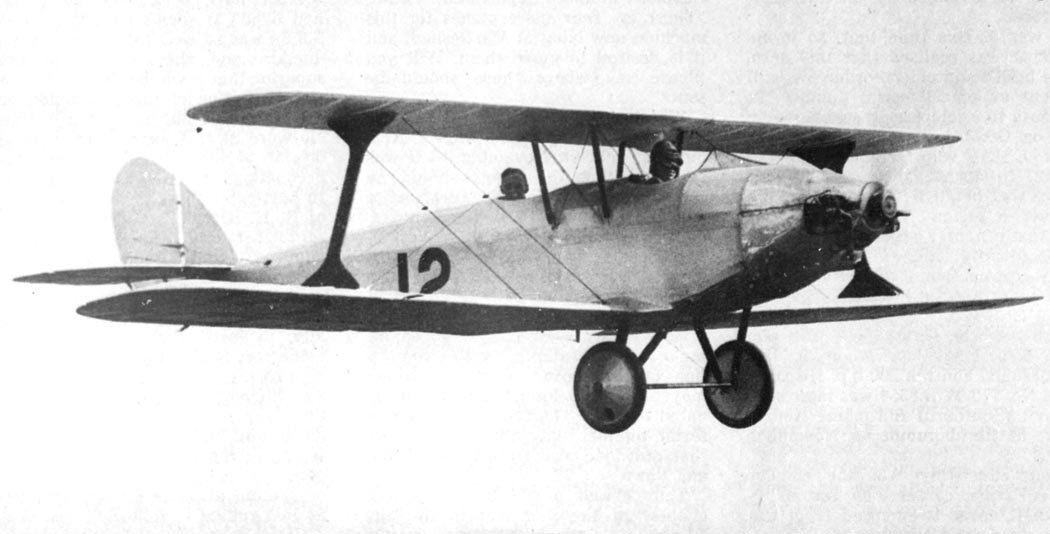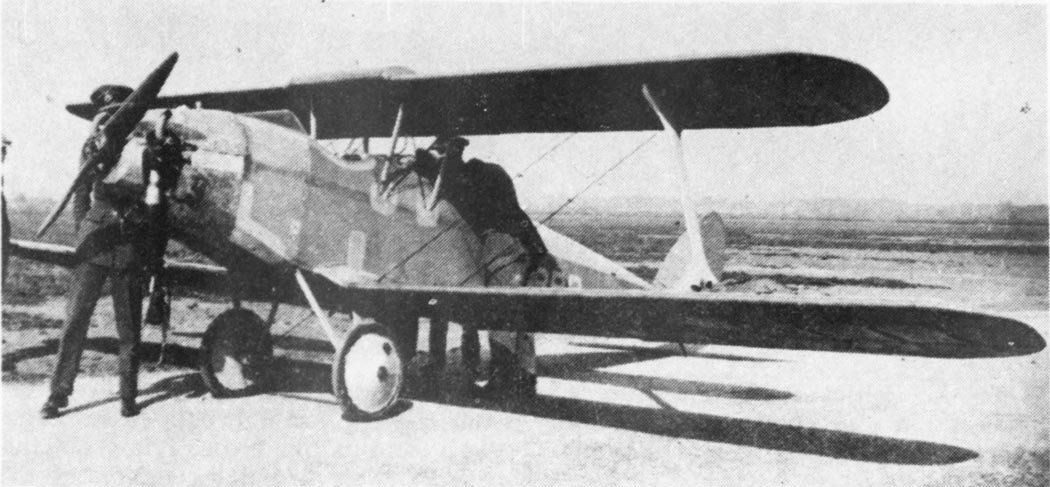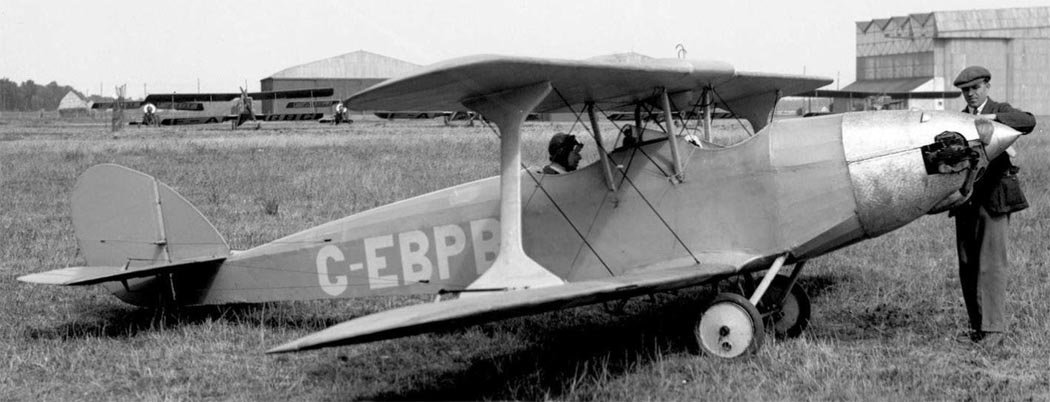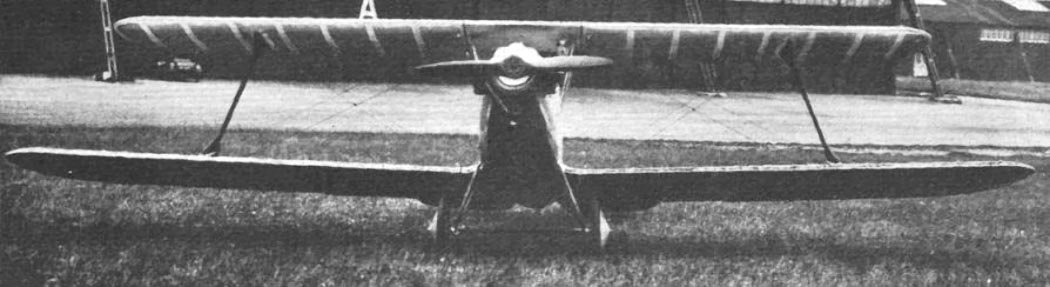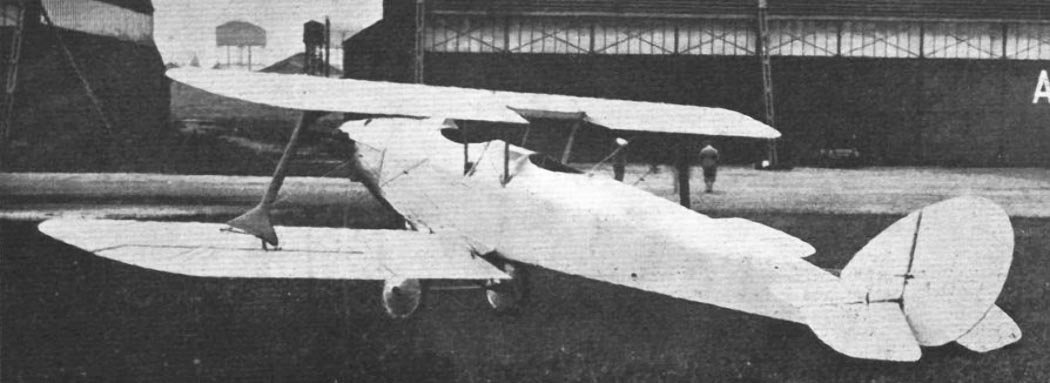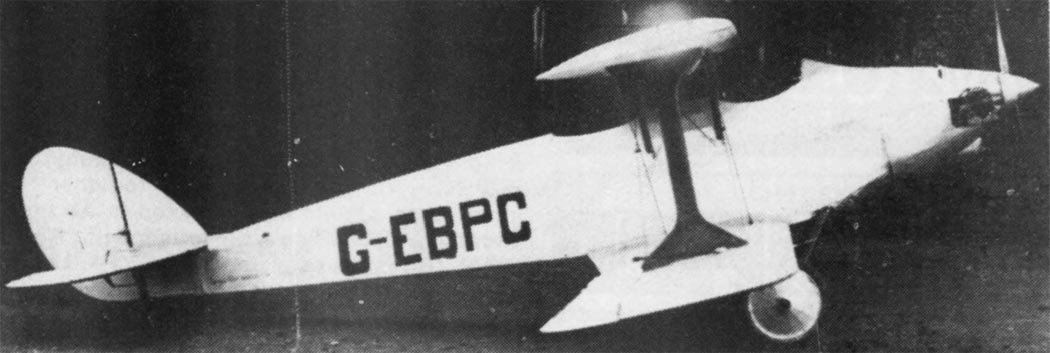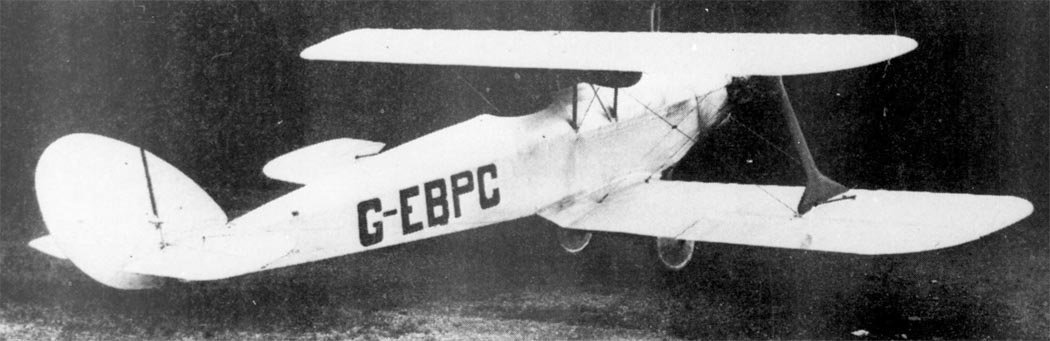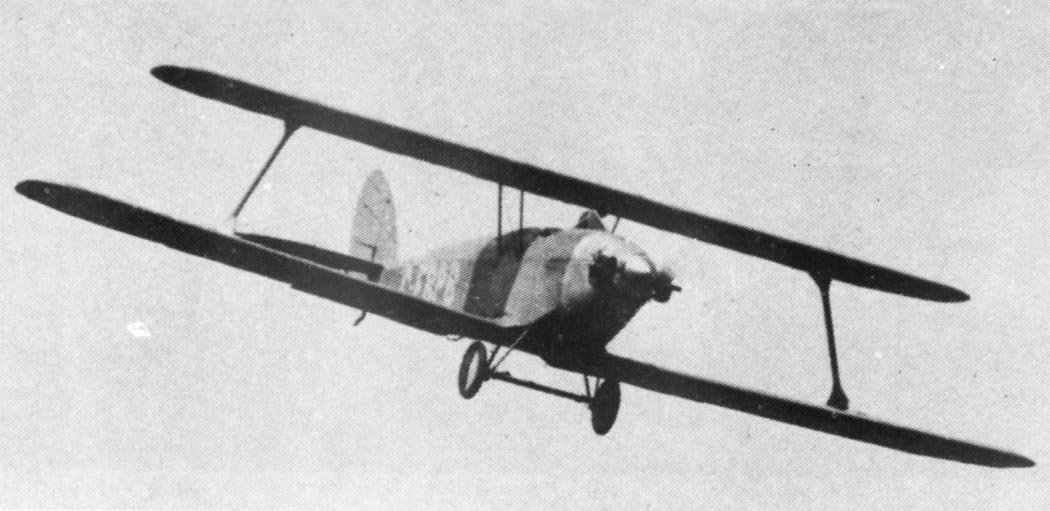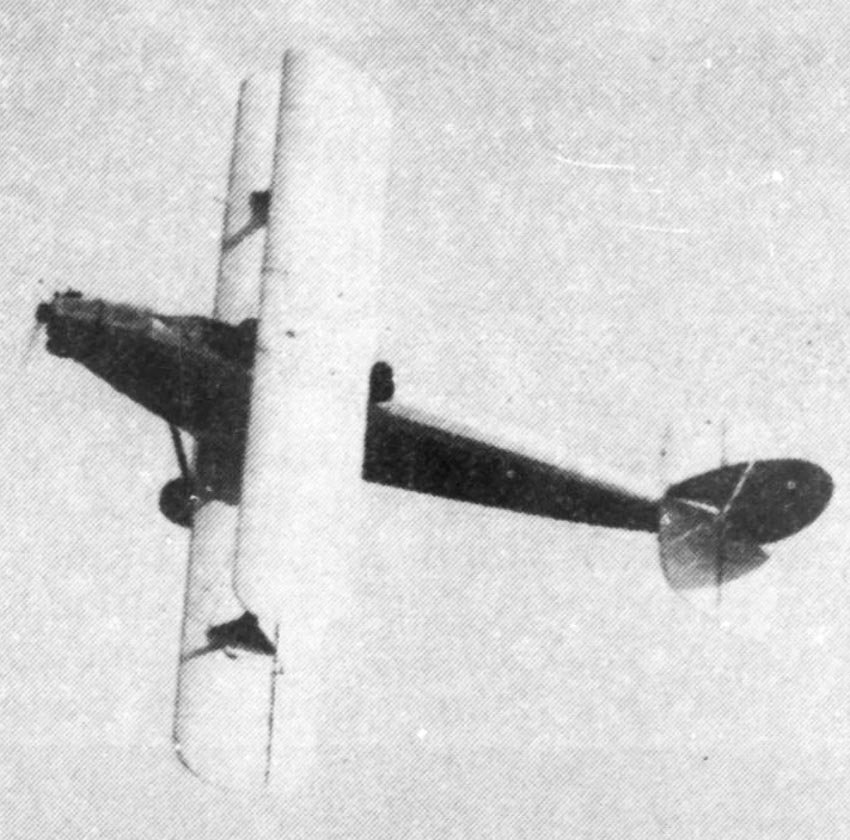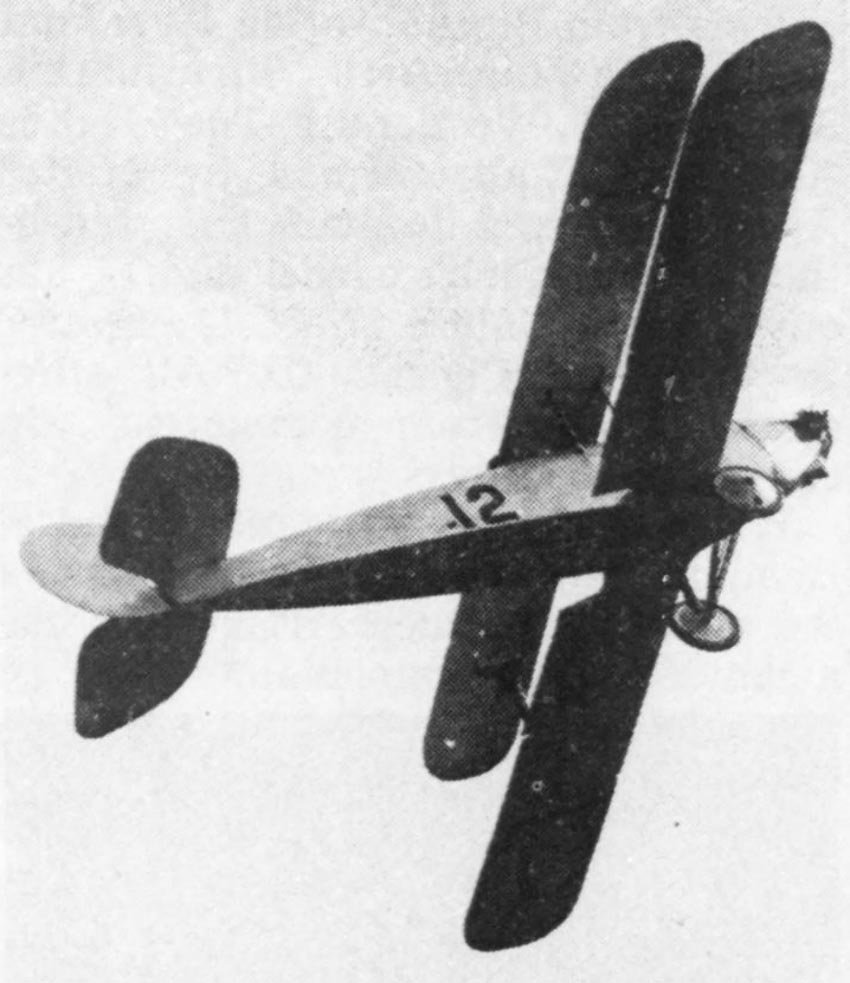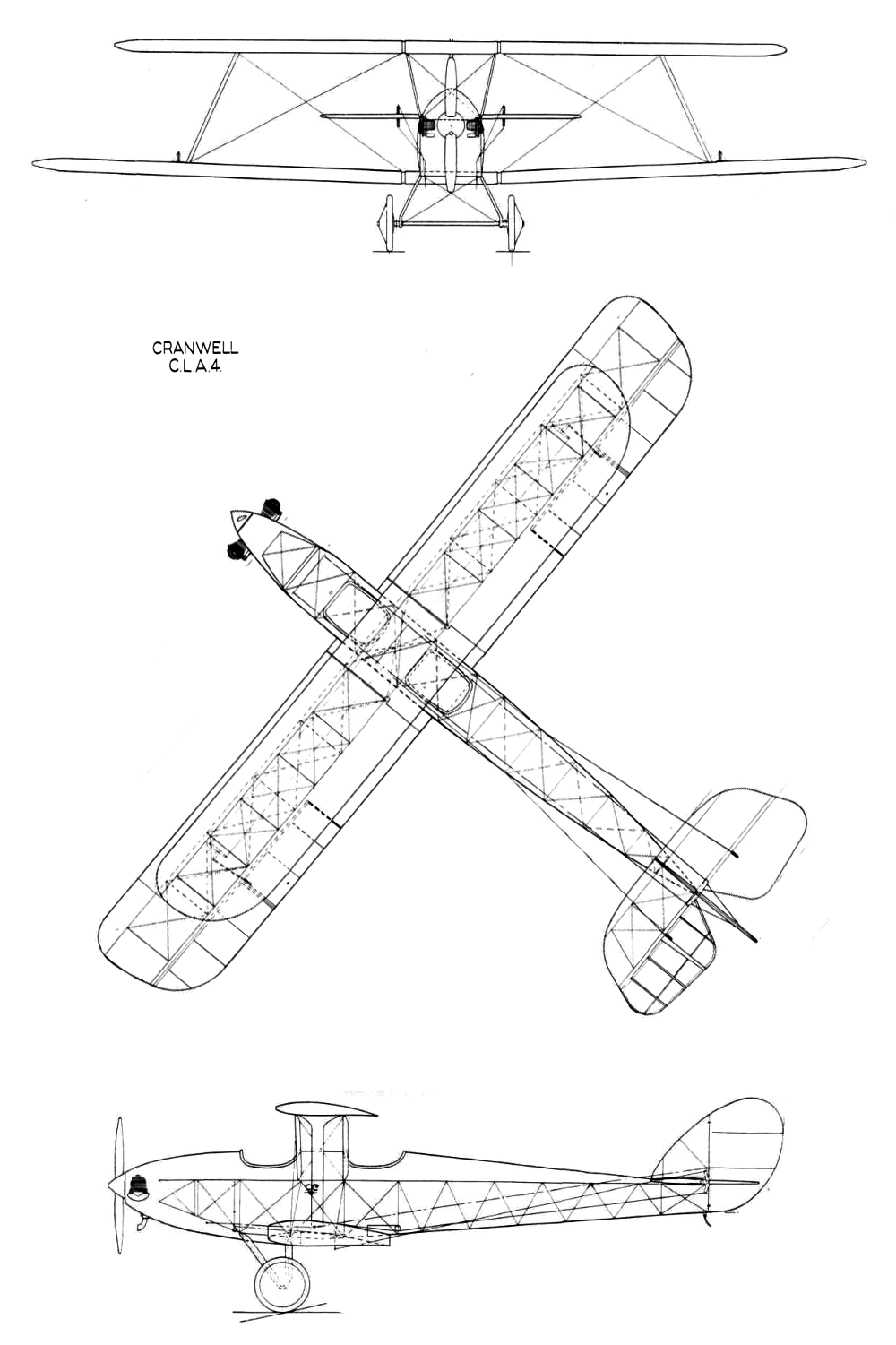
In 1925, Nicholas Comper created his fourth design for the Cranwell Light Airplane (CLA) club. The new aircraft, named CLA.4, was a two-seat, single-strut biplane featuring wings of different spans.
Design and Development
It was initially equipped with a 36 hp (27 kW) Bristol Cherub III piston engine, driving a two-bladed propeller. A second example later received a more powerful 65 hp (48 kW) Pobjoy P engine, significantly enhancing its performance potential.
Operational History and Fate
The aircraft’s maiden flight occurred in August 1926. Two examples were built, designated G-EBPB and G-EBPC. Only the first CLA.4 competed at the Lympne competitions, where its insufficient engine power prevented it from achieving high rankings.
The first CLA.4 was ultimately scrapped in 1933. Tragically, the second aircraft was destroyed in an accident in March 1927, bringing an early end to both prototypes of this interesting design.
Technical Specifications
| Modification | CLA.4 |
| Wingspan (upper wing), m | 6.71 |
| Wingspan (lower wing), m | 8.33 |
| Length, m | 6.80 |
| Wing area, m2 | 15.20 |
| Empty weight, kg | 218 |
| Maximum takeoff weight, kg | 396 |
| Engine type | 1 Piston engine Bristol Cherub III |
| Power, hp | 1 x 36 |
| Maximum speed, km/h | 105 |
| Crew, crew members | 2 |
Image gallery of the CLA.4