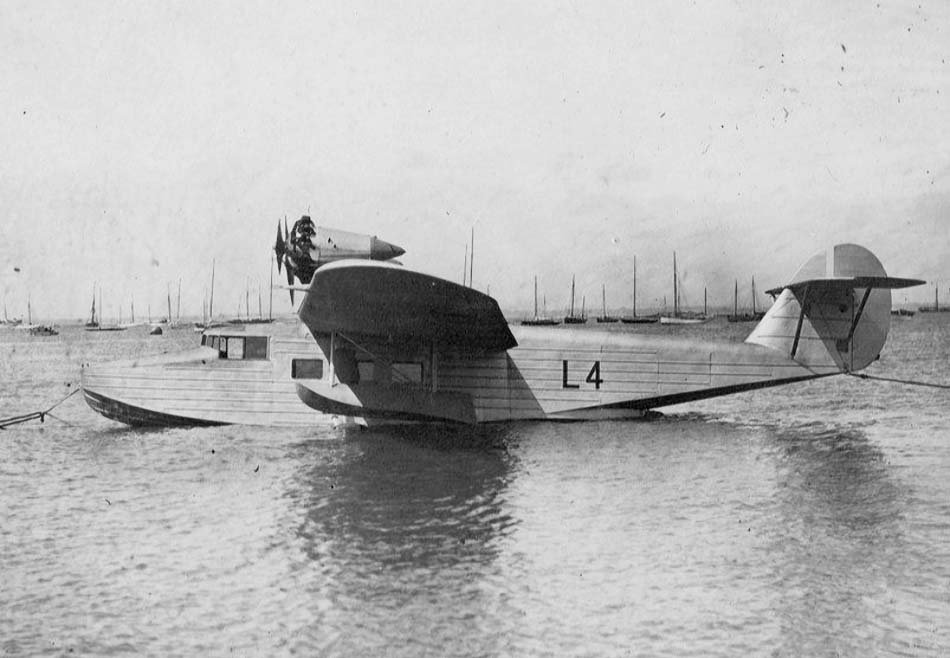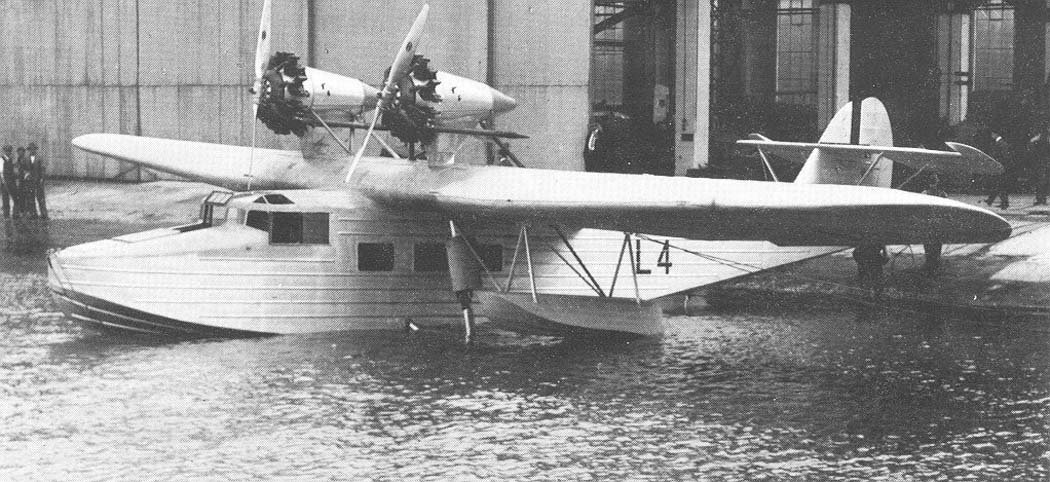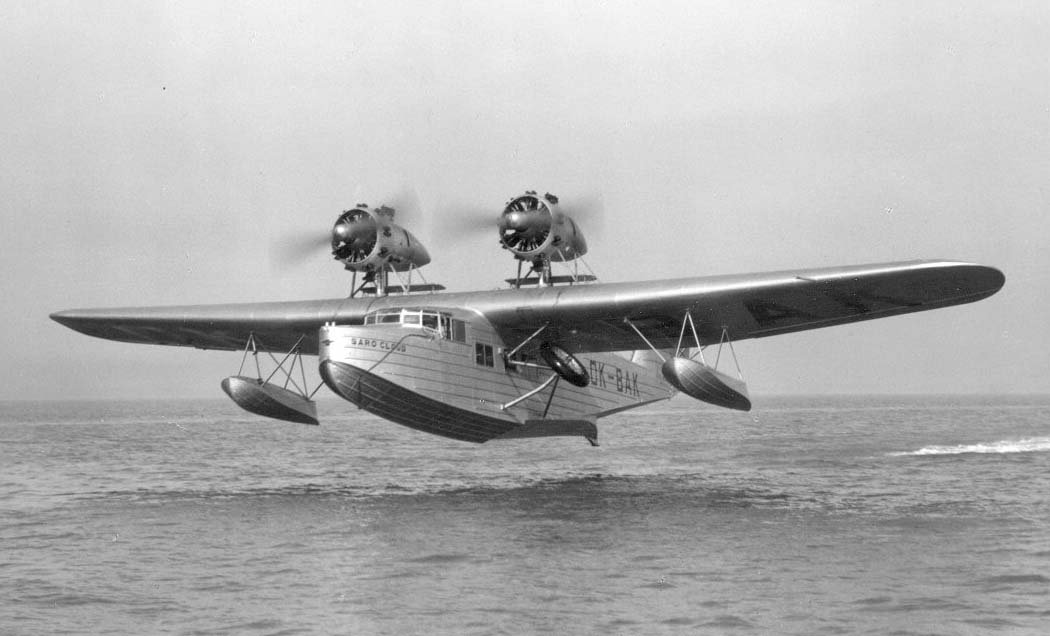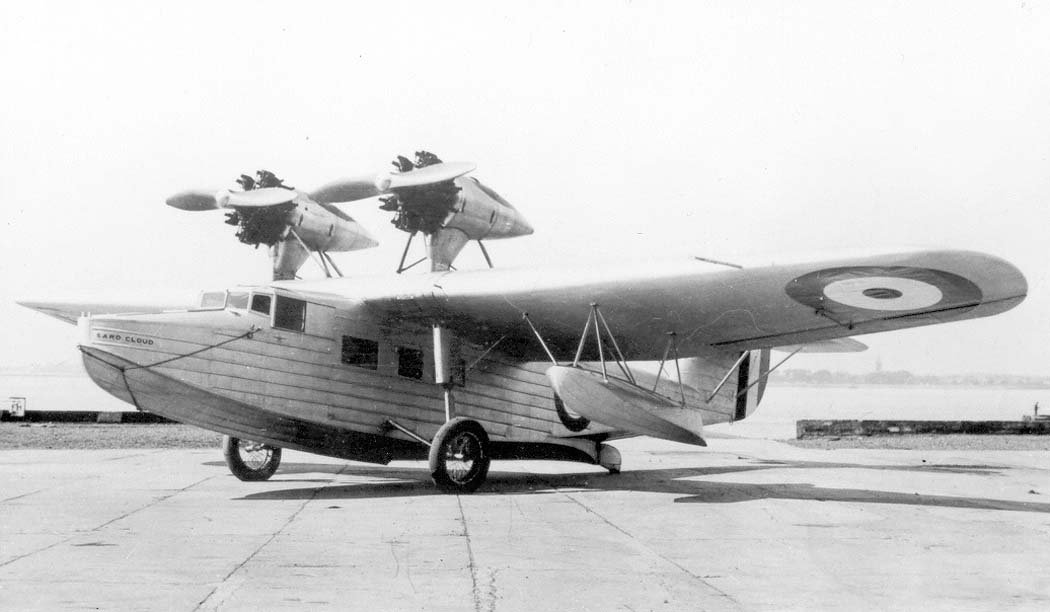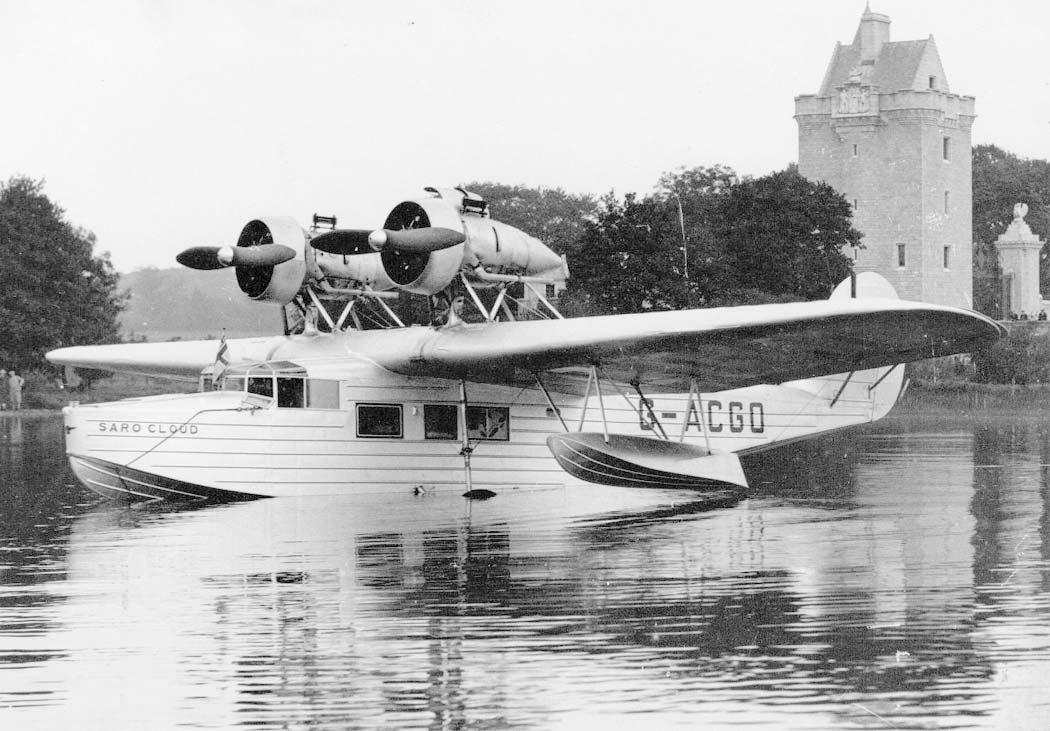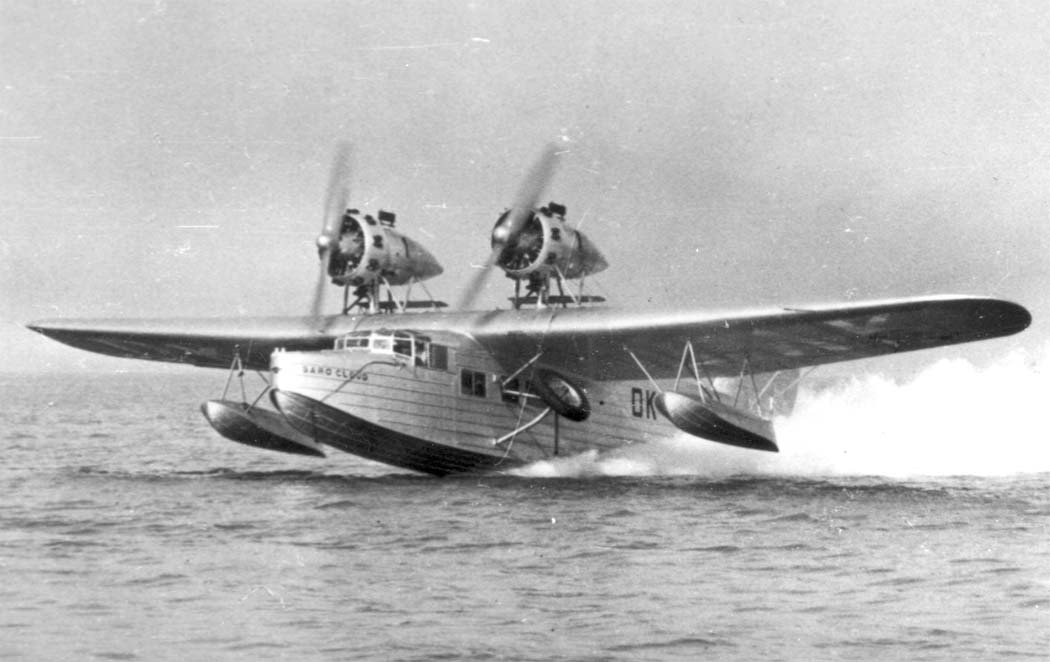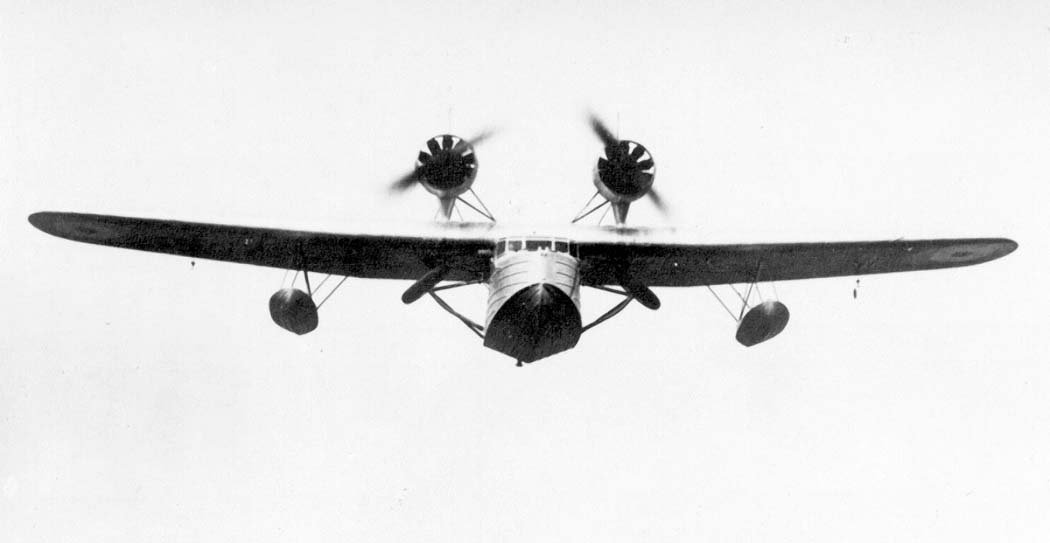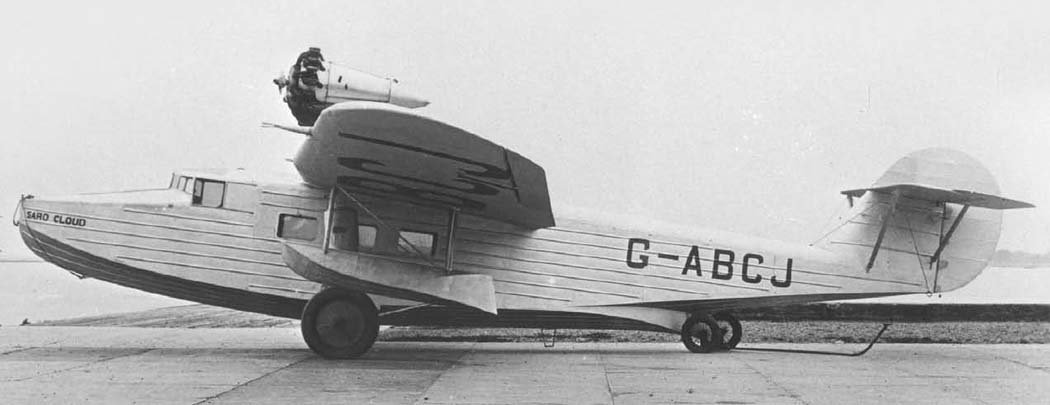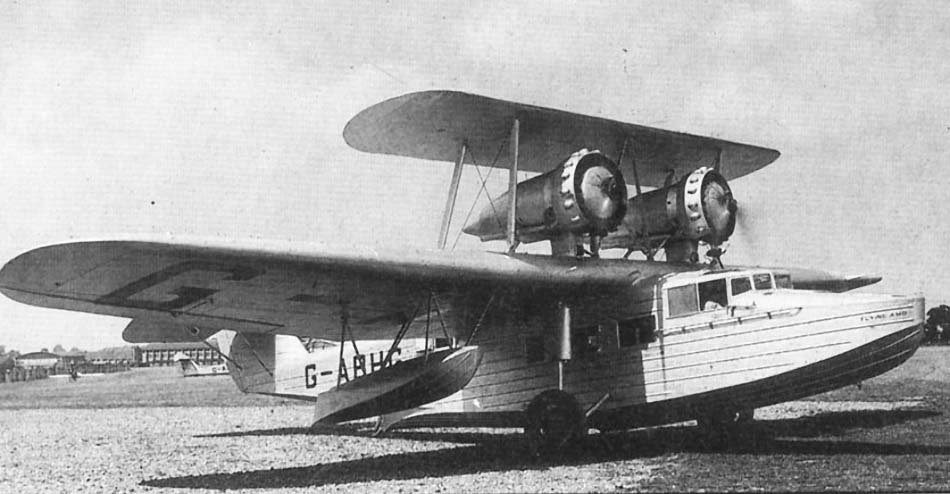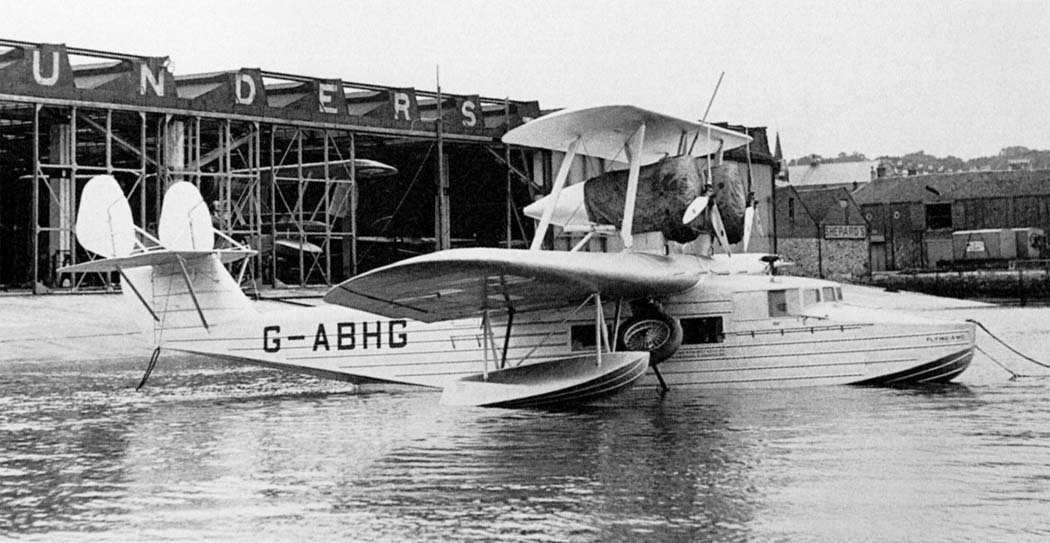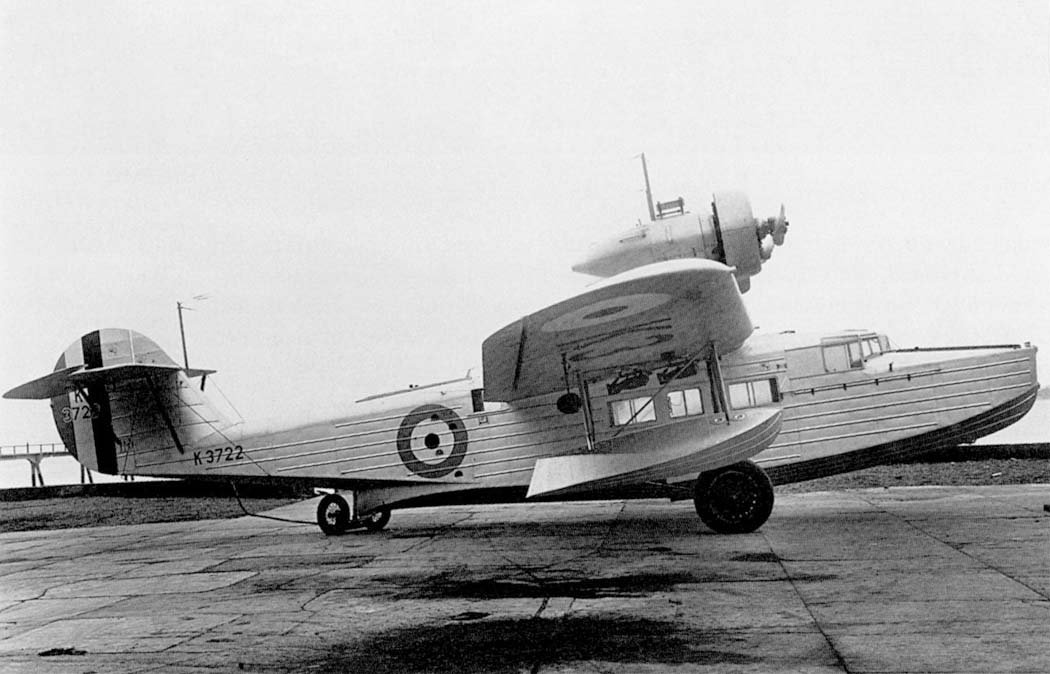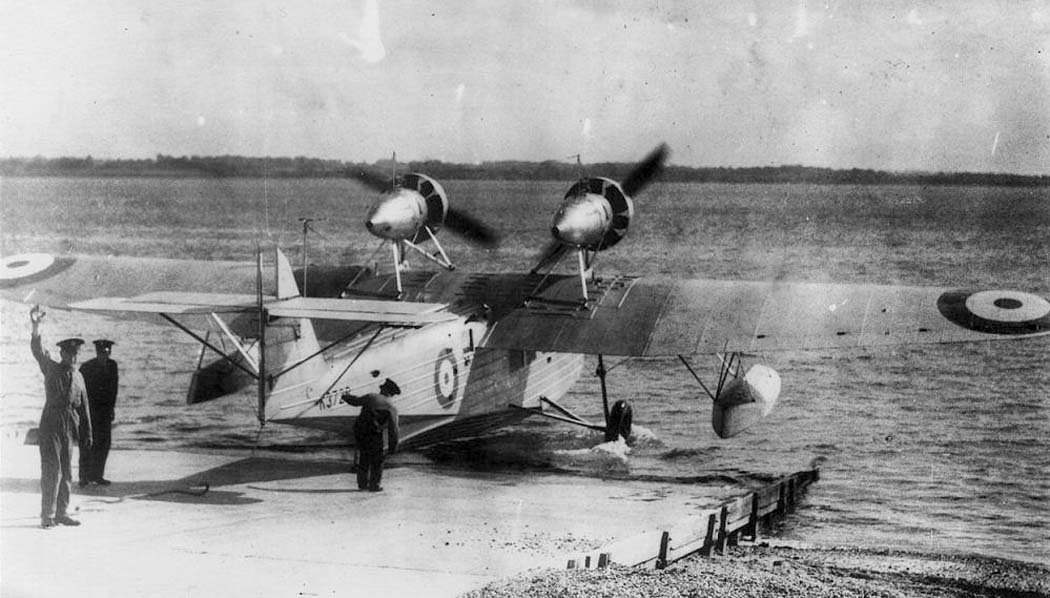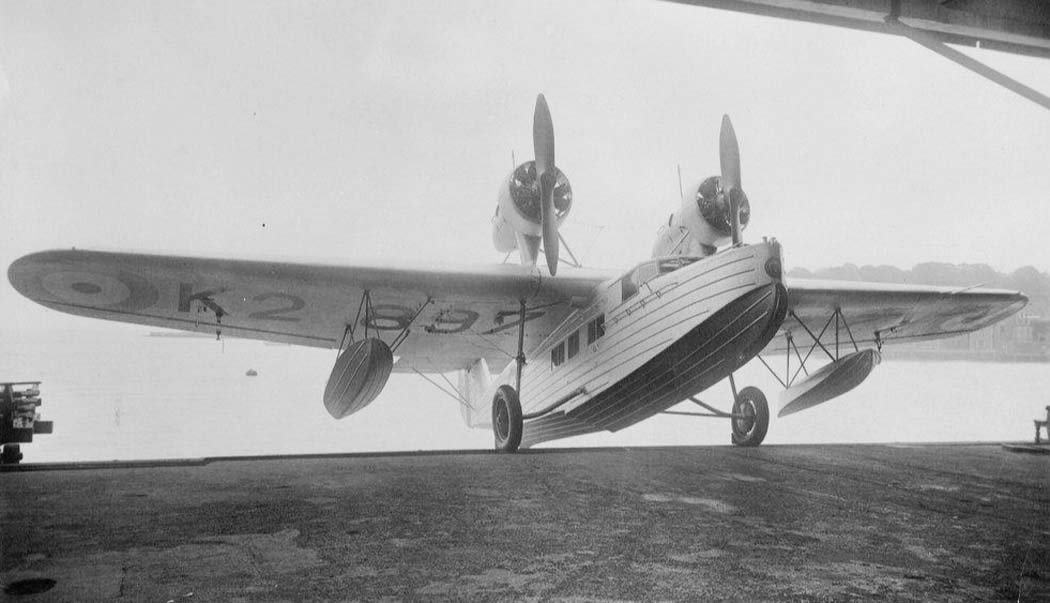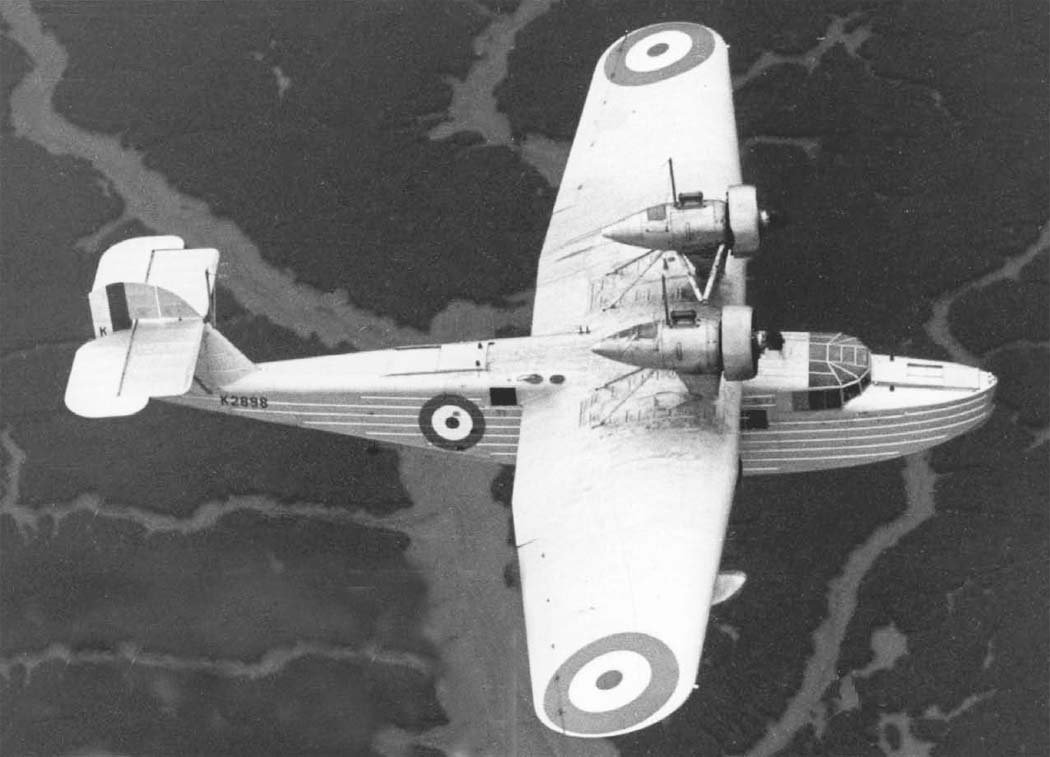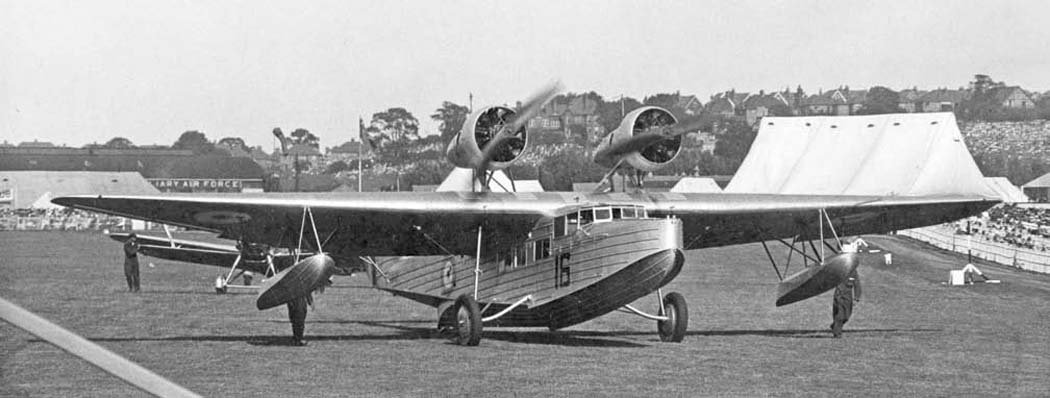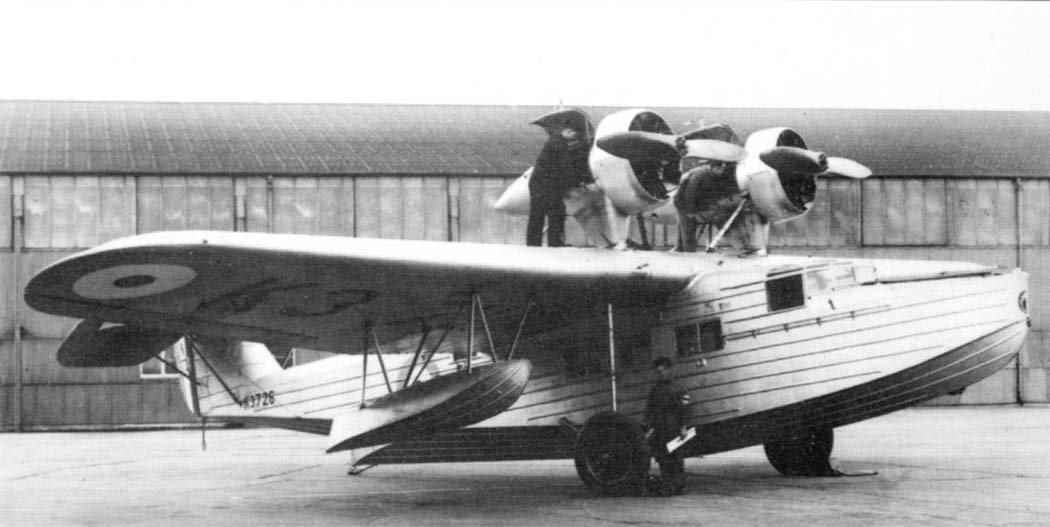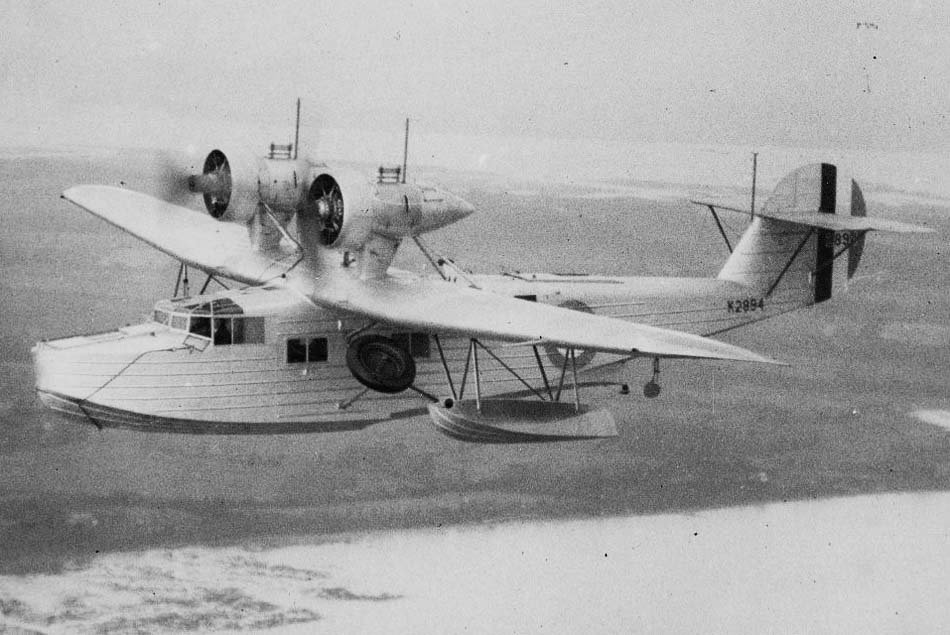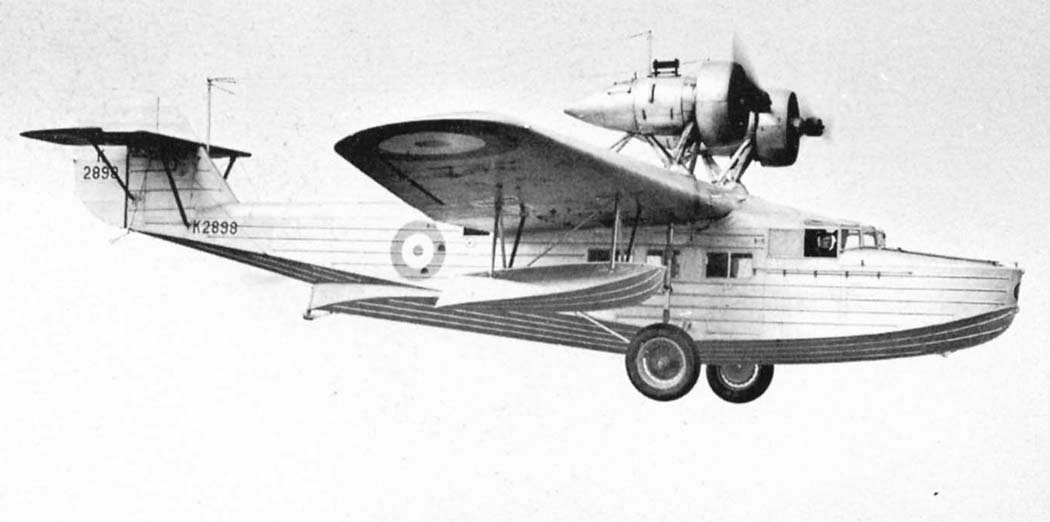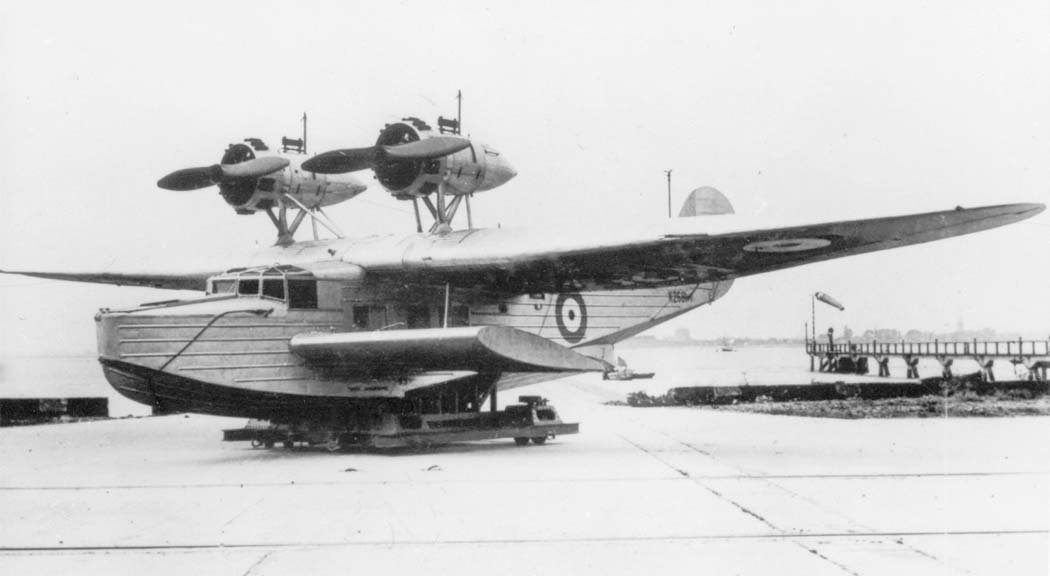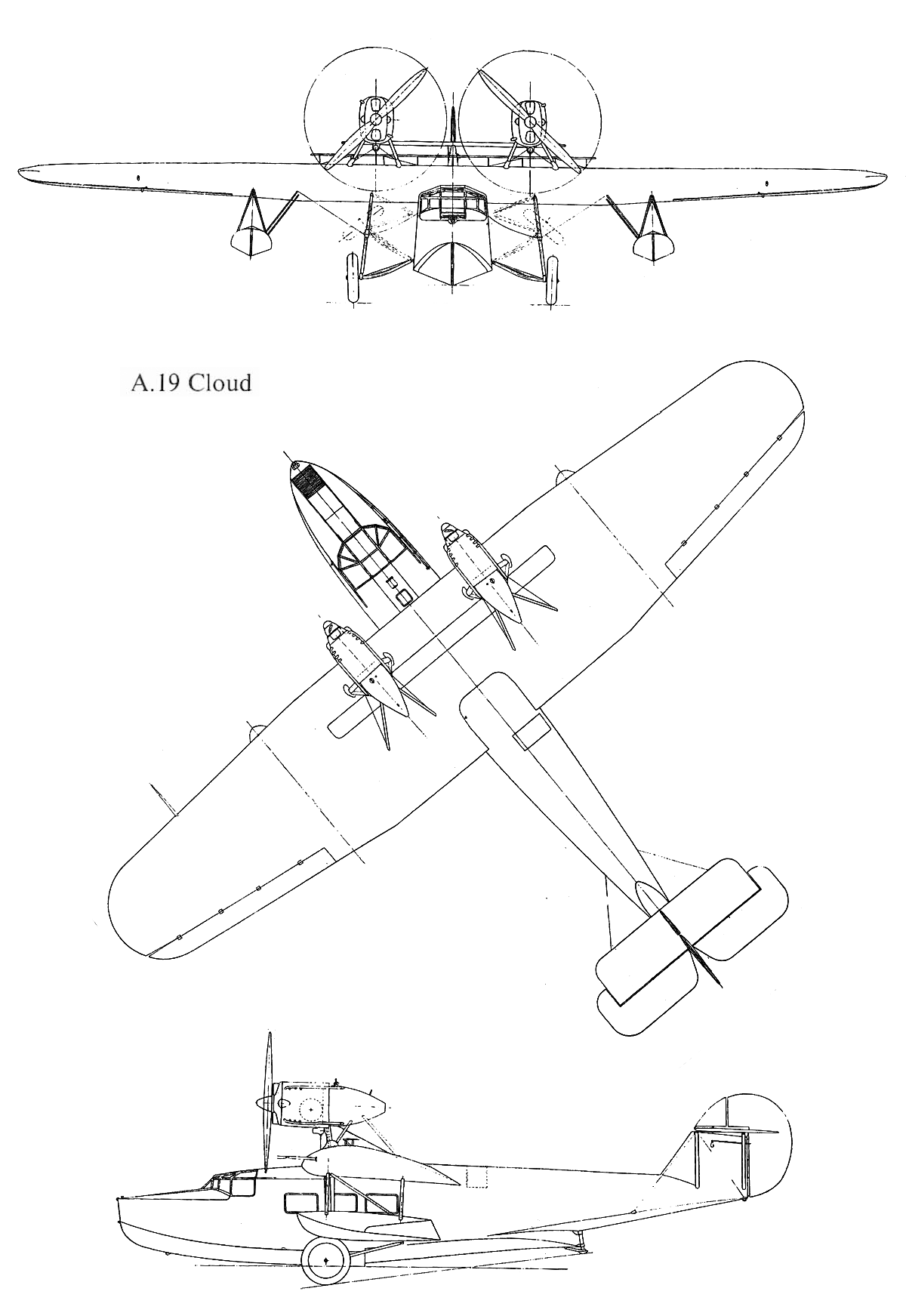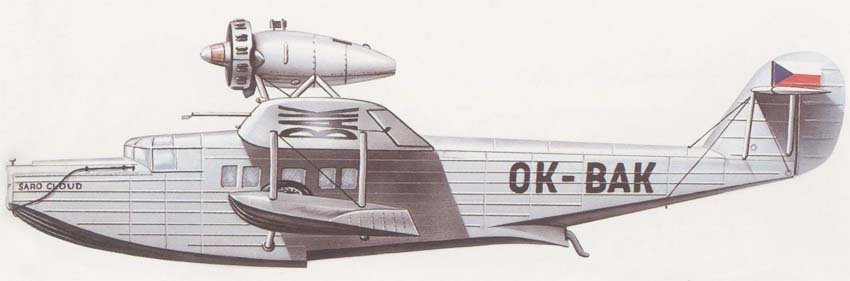
An amphibian, twin-engine monoplane of mixed construction, with engines mounted on pylons above the wing. The A.29 project was the military variant of the civilian amphibian A.19. The latter was created in the design bureau of Saunders-Roe (better known under the brand name “Capo”) under the leadership of H. Knowler. In turn, the A.19 was a development of the successful A.17 “Cutty Sark” type (1929).
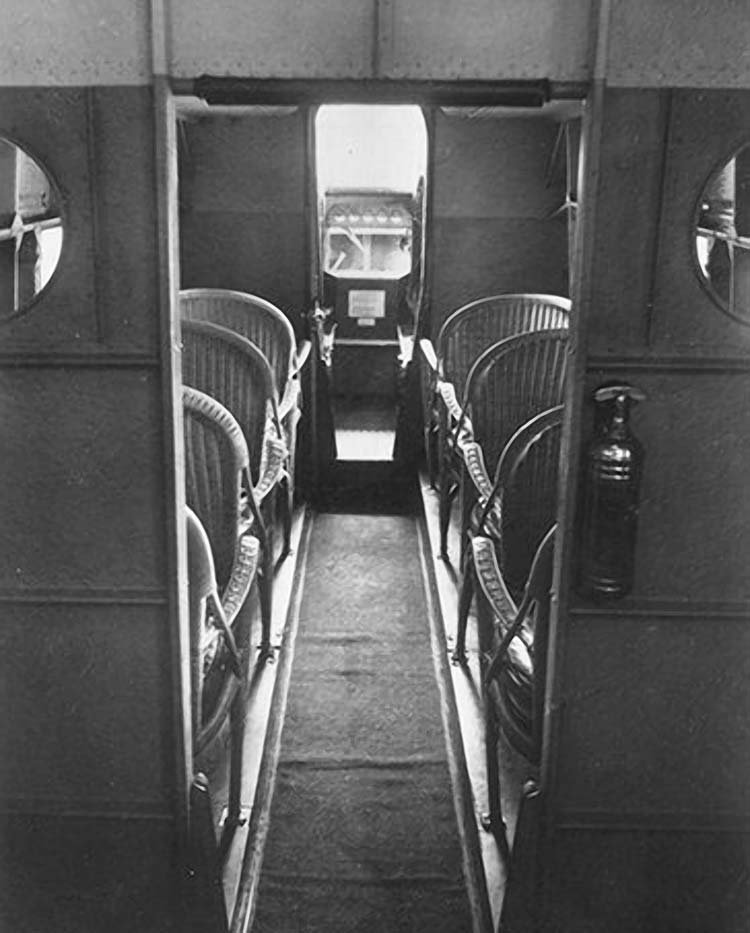
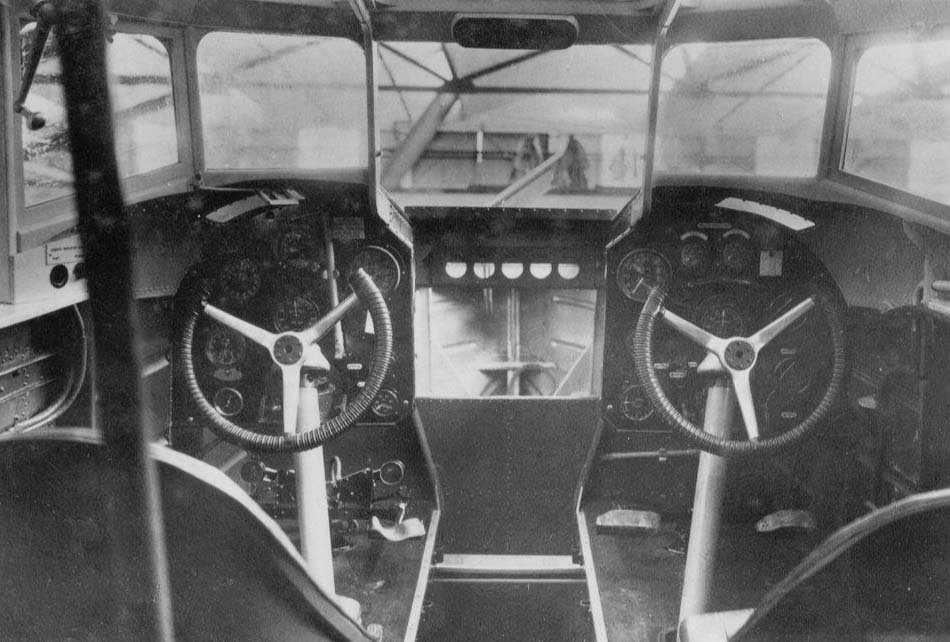
The A.19 passenger amphibian began trials in July 1930. In 1931, the British Royal Air Force (RAF) acquired one modified production aircraft for training purposes. Its internal fuselage layout was changed, dual controls were introduced, and fuel capacity was increased. Provisions were also made for the installation of two turrets and the suspension of bombs under the wing. Various improvements intended for the A.29 were later tested on this aircraft.
Development and Variants
The military A.29 differed with enlarged elevators, a strengthened empennage, and a revised engine installation. A prototype was not built. The first production “Cloud” for the RAF was manufactured in May 1933, primarily intended as a training seaplane. Series production took place at the Saunders-Roe factory in East Cowes.
A total of 21 units were built, of which 16 were military. For the 2nd series (starting from the 6th aircraft) in 1934, the boat’s bottom was significantly reinforced, the fuselage length was slightly increased, and “Serval” III engines were installed. In late 1935, the fairings for the struts under the engine nacelles were eliminated, removed from all previously produced amphibians.
Specifications and Operational History
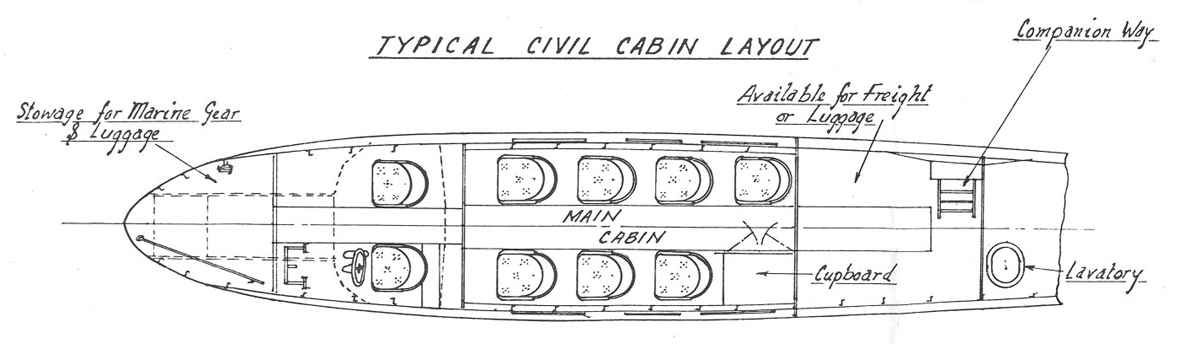
Crew consisted of 2 personnel, plus 4-8 cadets or passengers. Power was provided by “Serval” I engines (1st series) or “Serval” III engines (2nd series). Armament included 2 x 7.69 mm machine guns (rarely installed) and bombs up to 180 kg.
The “Cloud” was adopted by the British RAF in August 1933. From this time, it was operated as a training and transport aircraft. In February 1935, these machines equipped one combat squadron for the use of amphibians as short-range reconnaissance aircraft. In July 1939, these aircraft began to be phased out, but the outbreak of World War II forced the use of the “Cloud” for coastal patrolling and as anti-submarine warfare (ASW) aircraft.
Production of military A.29s ceased in January 1935, and civilian A.19s in July 1933. All military aircraft were decommissioned by autumn 1939, while the last civilian A.19 amphibian was operated until May 1941.
Technical Specifications
| Modification | A.29 |
| Wingspan, m | 19.50 |
| Length, m | 15.20 |
| Height, m | 3.50 |
| Wing area, m2 | 32.40 |
| Empty weight | 3084 |
| Normal takeoff weight | 4540 |
| Engine type | 2 Piston engine Armstrong Siddeley Serval III |
| Power, hp | 2 x 340 |
| Maximum speed, km/h | 194 |
| Cruising speed, km/h | 153 |
| Practical range, km | 900 |
| Maximum rate of climb, m/min | 139 |
| Practical ceiling, m | 4270 |
| Crew, crew members | 2 |
| Payload | up to 8 passengers |
| Armament | two 7.69-mm machine guns (rarely installed), bombs up to 180 kg |
Image gallery of the Saunders-Roe A.19/A.29 Cloud