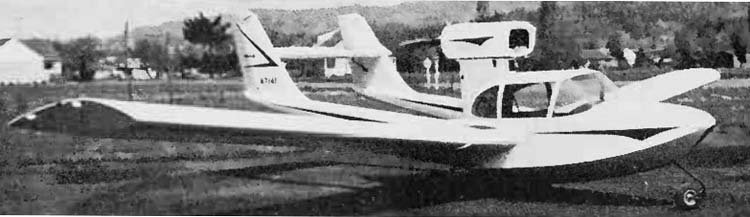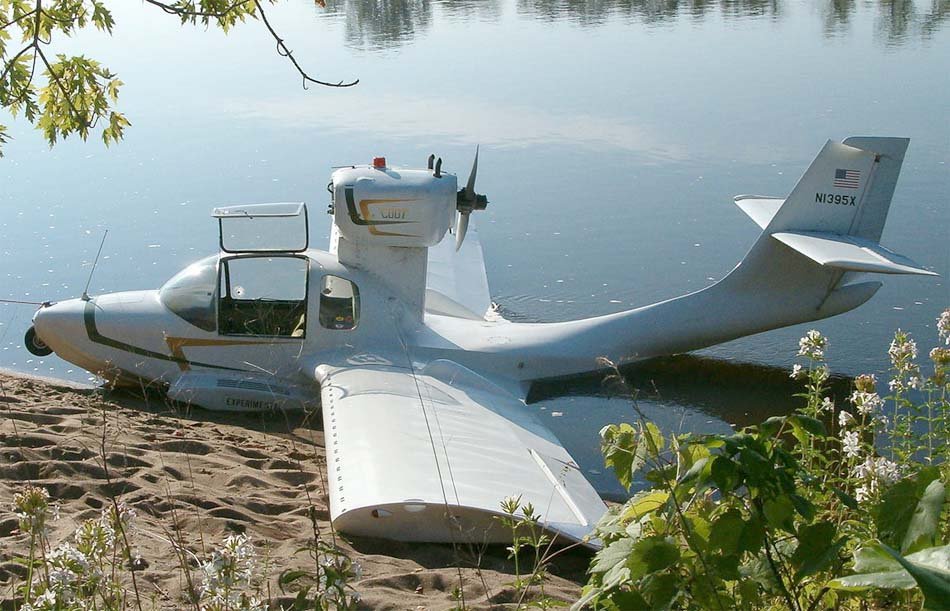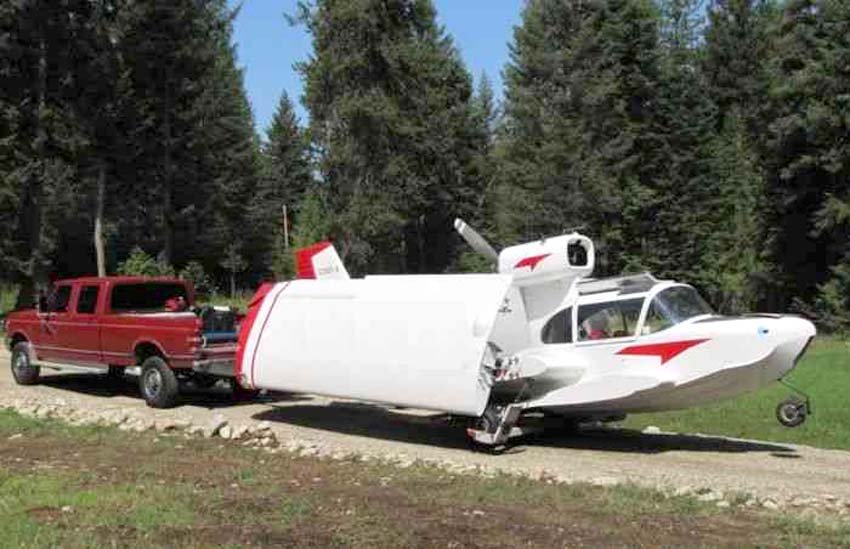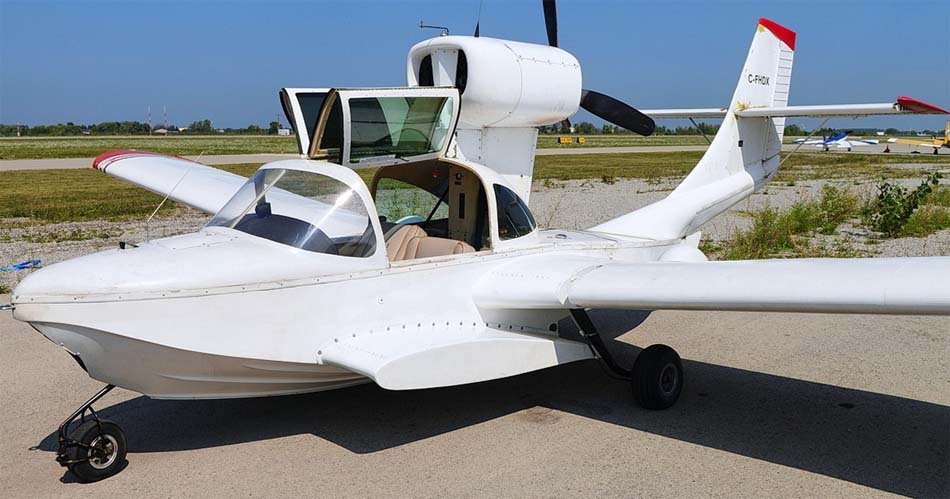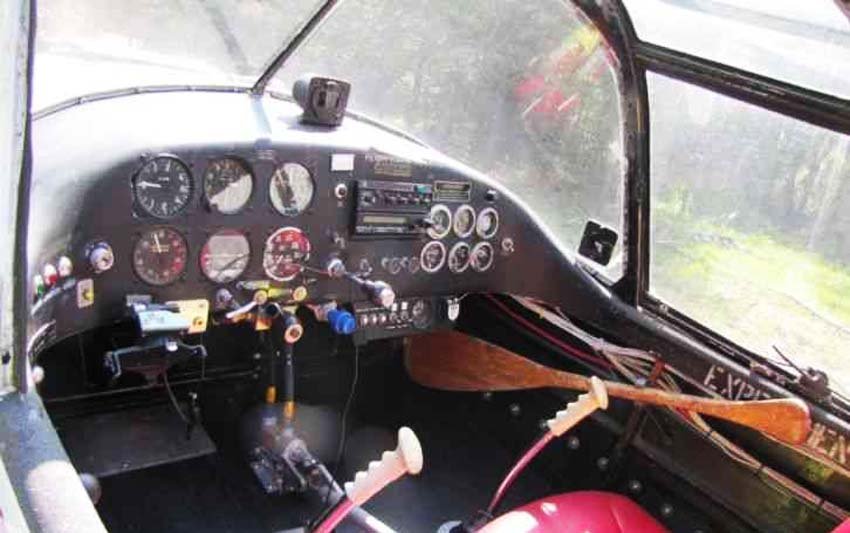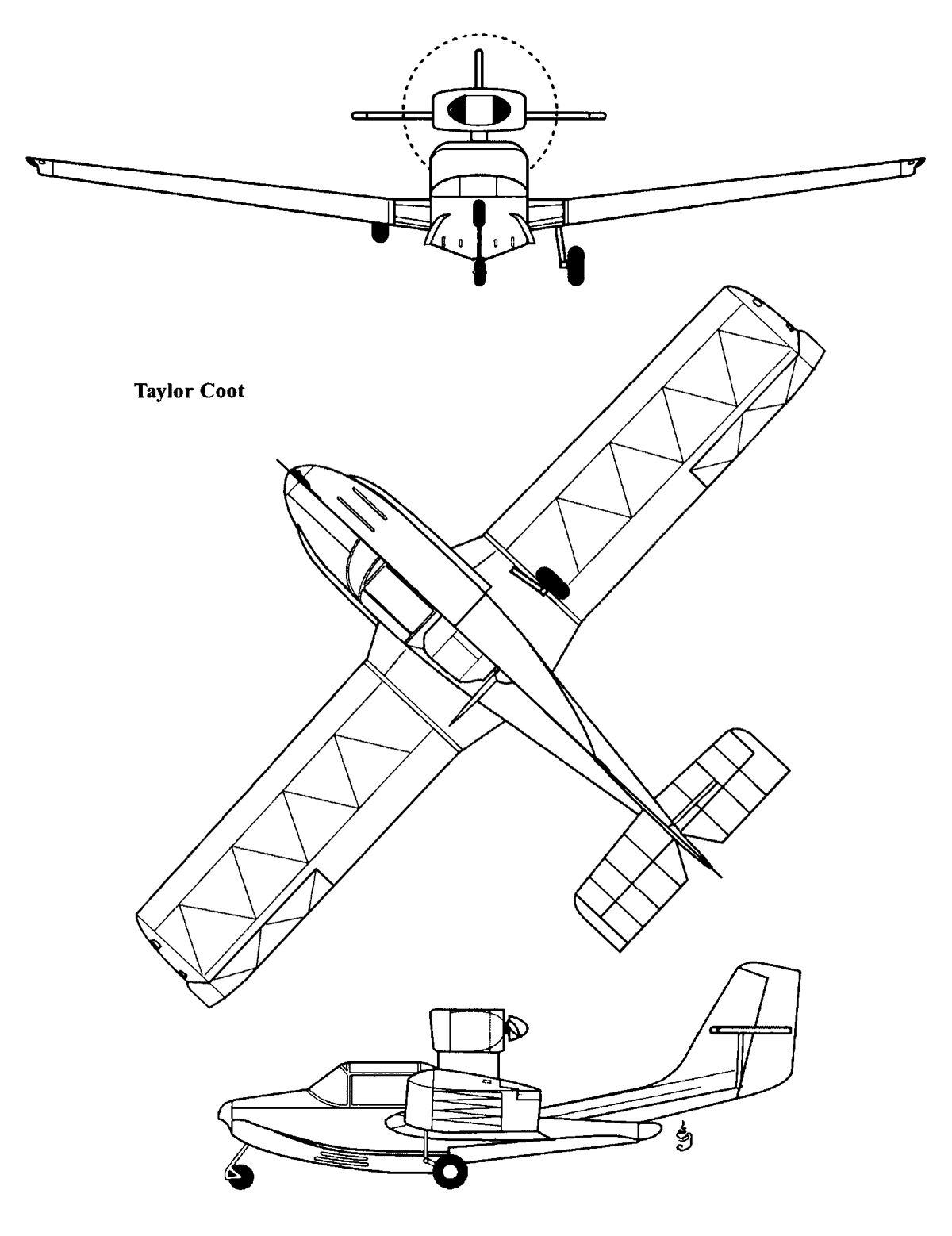
In the late 1960s, American engineer Moulton “Molt” Taylor developed the Coot, a light, multi-purpose amphibian aircraft project. This two-seater, mid-wing monoplane was initially powered by a Franklin 6A4-B six-cylinder air-cooled engine, delivering 180 hp (134 kW).
Design and Initial Variants
Taylor originally planned to produce two variants of the Coot aircraft: the Coot A, featuring a single vertical stabilizer, and the Coot B, with a twin-tail configuration. In practice, however, only the Coot A variant proceeded to serial production.
Production and Engine Versatility
The prototype’s maiden flight took place in 1969. Over its serial production run, approximately 70 examples of the aircraft were built. These units were equipped with various engines from manufacturers like Franklin, Continental, and Lycoming, offering power outputs ranging from 100 hp to 220 hp. Some Coot aircraft even received engines from automotive firms such as Mazda and Subaru, showcasing remarkable adaptability.
By 1970, the cost of a single Coot aircraft was approximately 3500 US dollars, making it an affordable option for private aviation enthusiasts.
Technical Specifications
| Modification | Coot |
| Wingspan, m | 10.97 |
| Aircraft length, m | 6.71 |
| Aircraft height, m | 2.44 |
| Wing area, m2 | 16.70 |
| Empty weight | 499 |
| Maximum takeoff weight | 884 |
| Engine type | 1 Piston engine Franklin 6A4-B |
| Power, hp | 1 x 180 |
| Maximum speed, km/h | 223 |
| Cruising speed, km/h | 177 |
| Crew | 2 |
Image gallery of the Coot