The French entrepreneur Adolphe Clément-Bayard began producing dirigibles at his firm in 1908. That same year, he built his first glider. The following year, he designed the Demoiselle No. 19 monoplane for Alberto Santos-Dumont, which was produced in 50 units and became the world’s first mass-produced aircraft.
The Clément-Bayard Monoplane No. 1
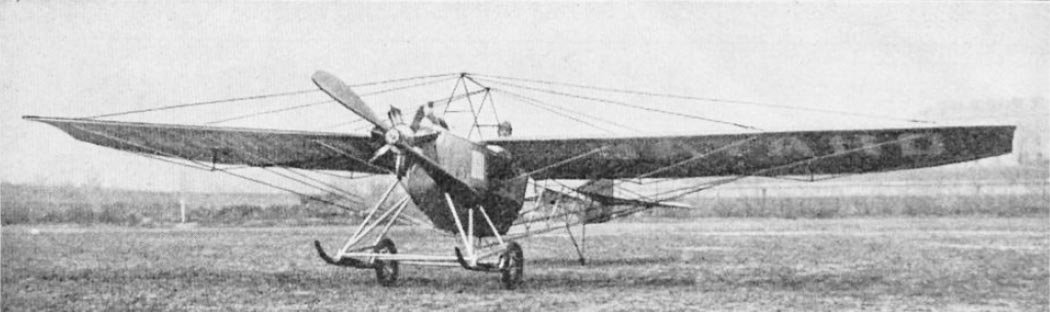
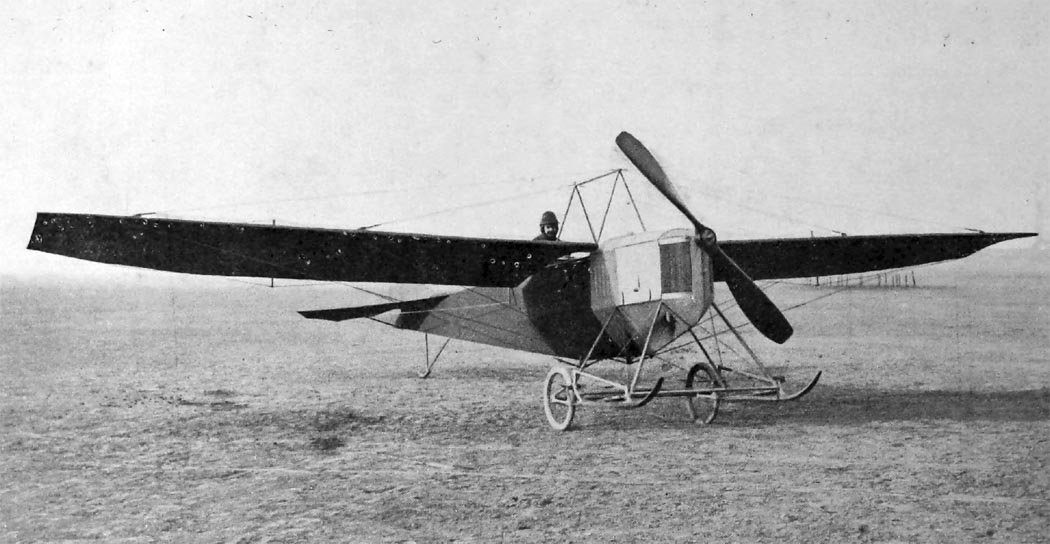
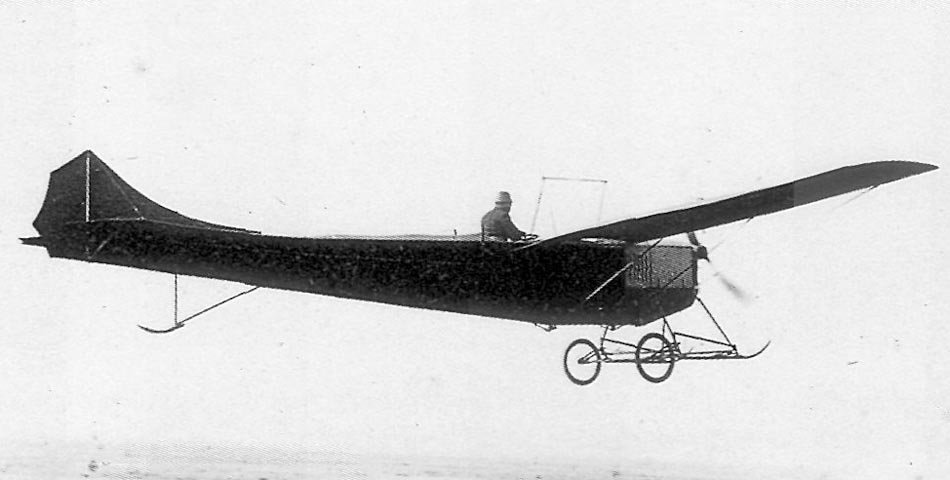
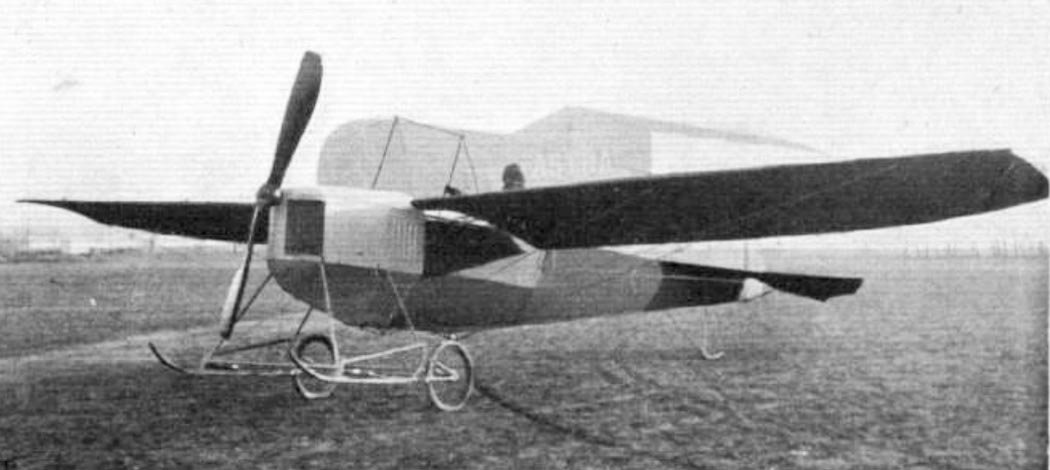
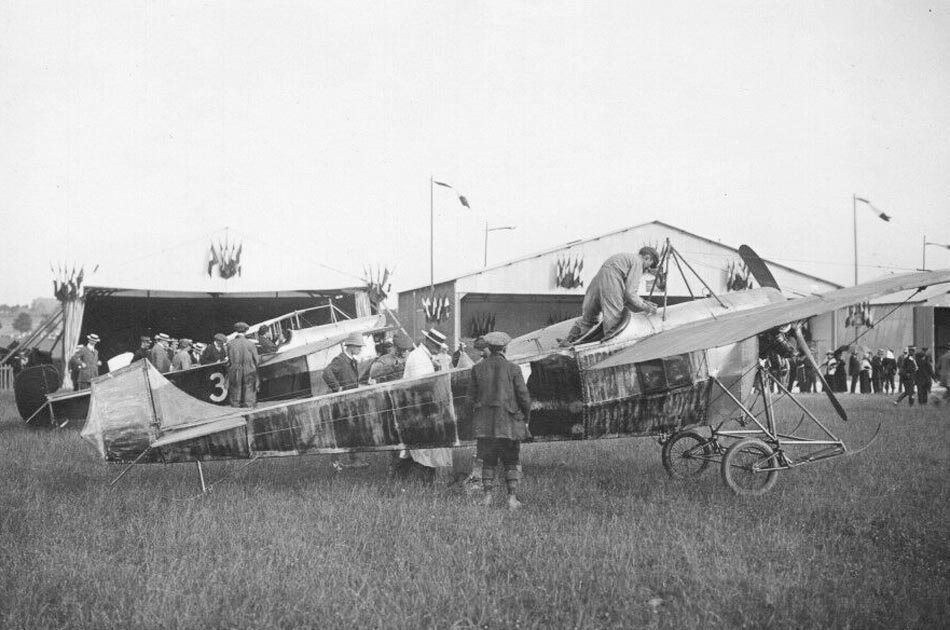
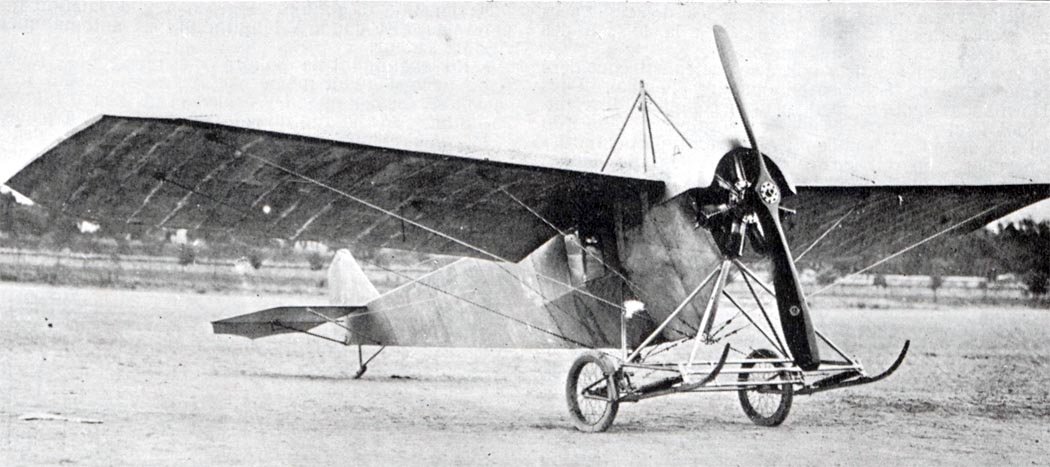
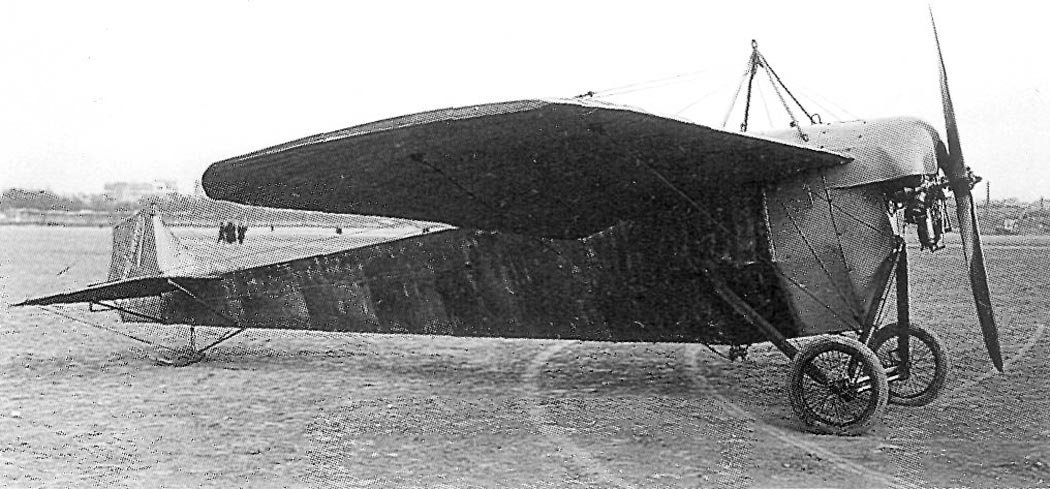
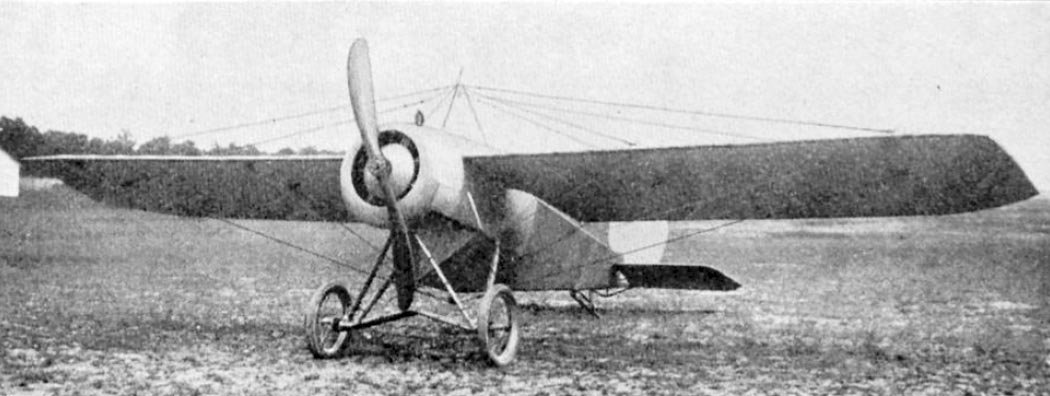
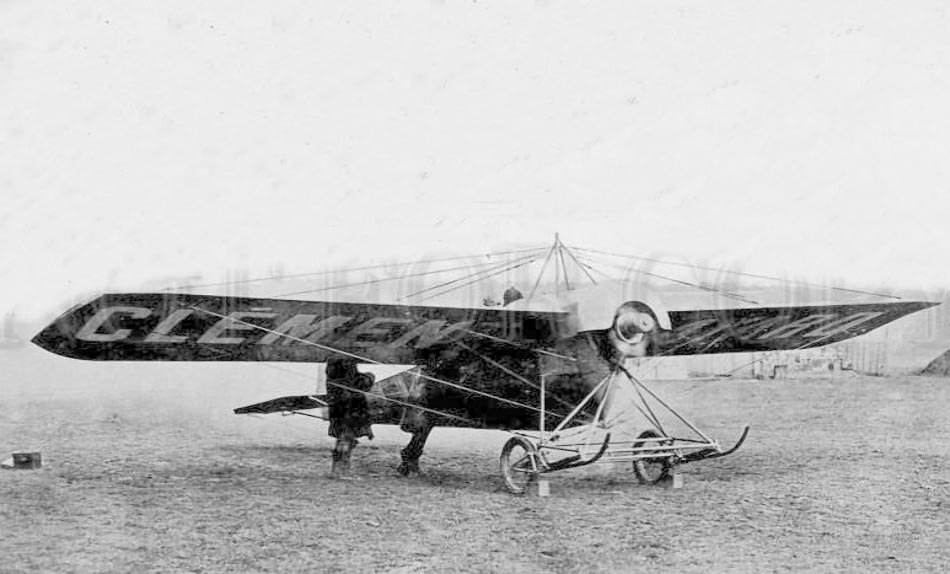
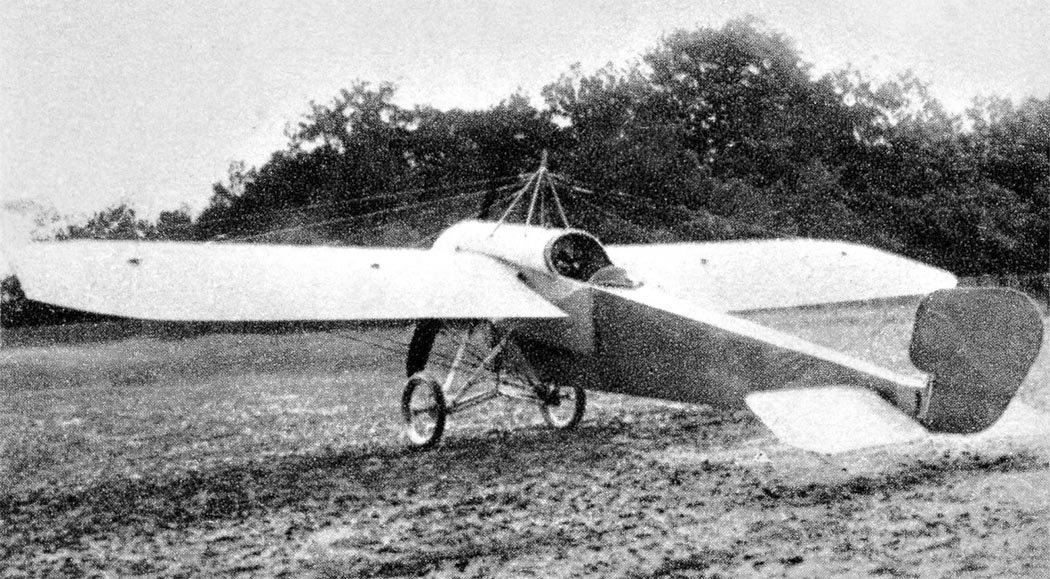
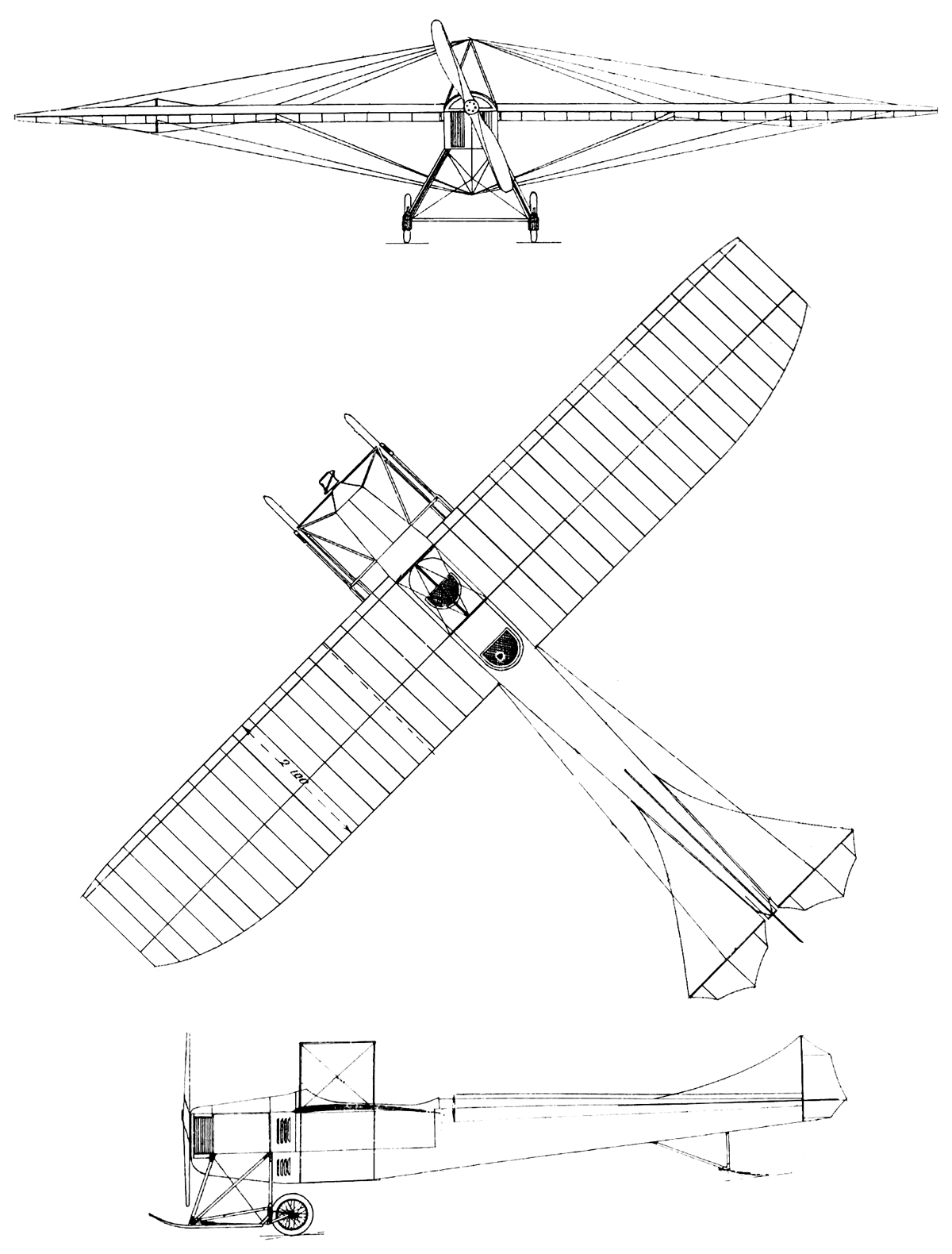
Clément-Bayard presented his first fully proprietary monoplane, the Clement-Bayard Monoplan No. 1, in 1910 at the Paris Aviation Exhibition. Flying the following year, it was a two-seater, strut-braced mid-wing aircraft, equipped with a self-developed 55 hp engine. Thanks to special fittings, the monoplane could easily transform into a biplane.
Further Developments and Military Use
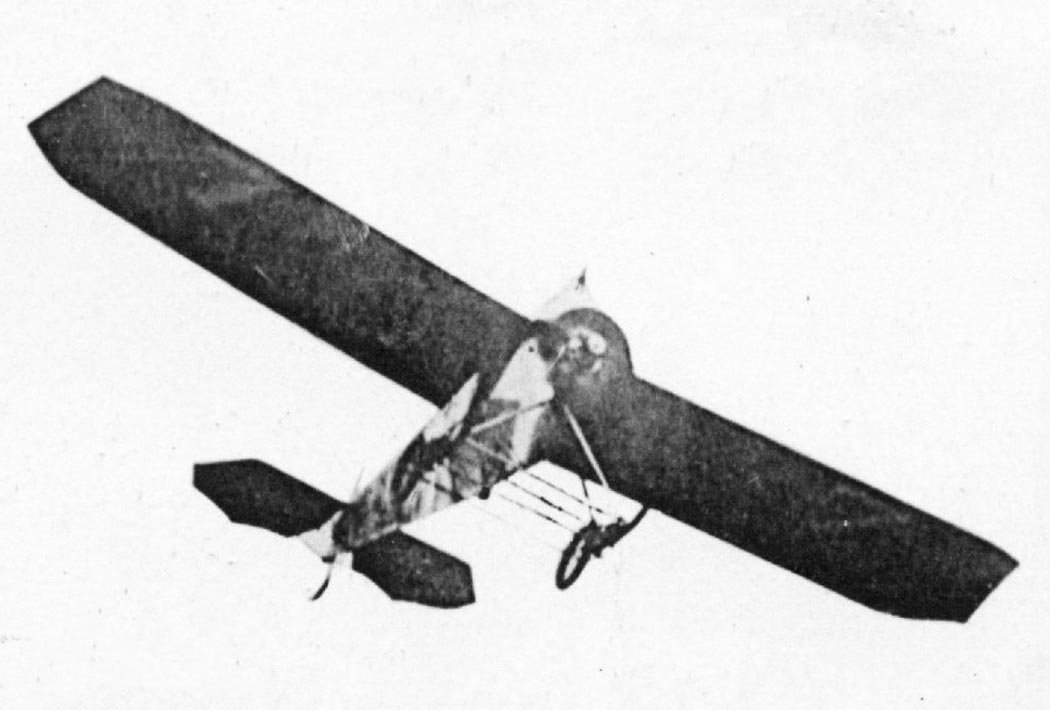
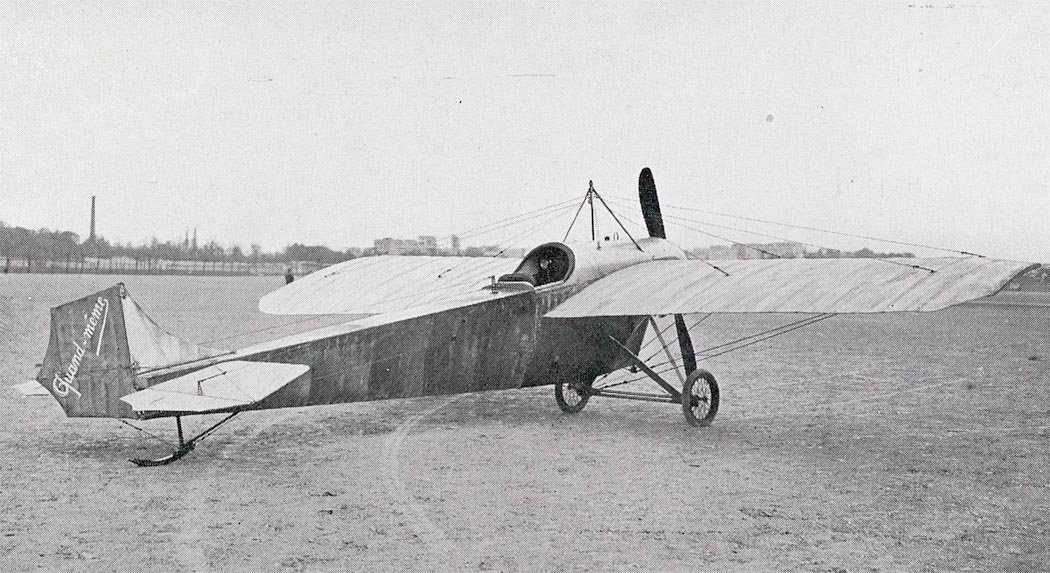
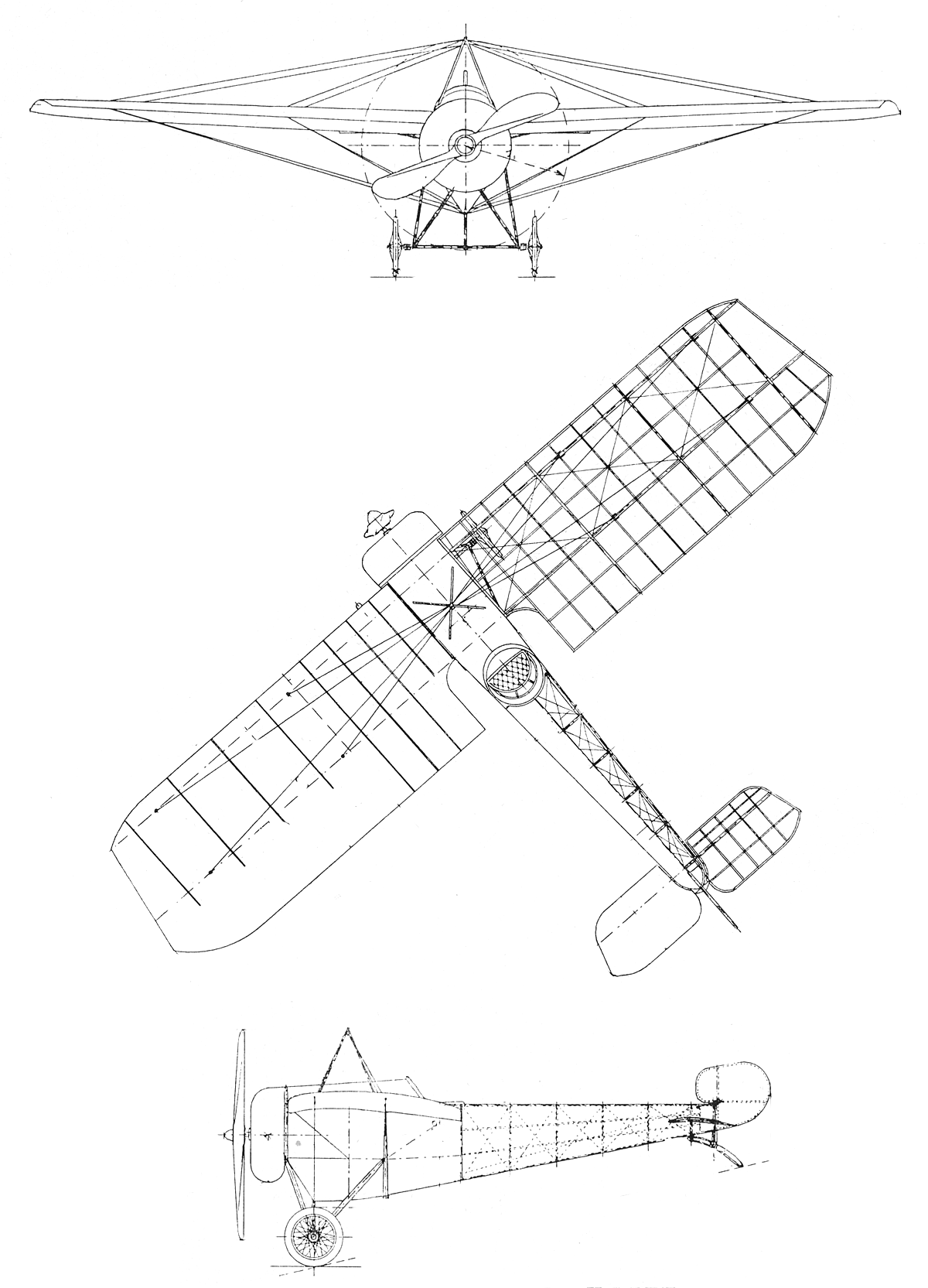
The following year, another monoplane was built, somewhat resembling REP aircraft. This was a single-seater mid-wing monoplane with a 50 hp Clément-Bayard or Gnome engine of the same power. It had a wingspan of 11.41 meters and a length of 6.32 meters. With an 80 hp engine, it could reach speeds of up to 115 km/h. Several strut-braced monoplanes with 80-100 hp engines were built specifically for military use in 1913.
Technical Specifications
| Modification | Clement-Bayard Monoplan |
| Wingspan, m | 12.70 |
| Length, m | 9.80 |
| Wing area, m2 | 24.00 |
| Empty weight | 380 |
| Engine type | 1 Piston engine Clement-Bayard |
| Power, hp | 1 x 55 |
| Maximum speed, km/h | 70 |
| Crew | 2 |
Image gallery of the Clement-Bayard Monoplan