 ReconnaissanceES
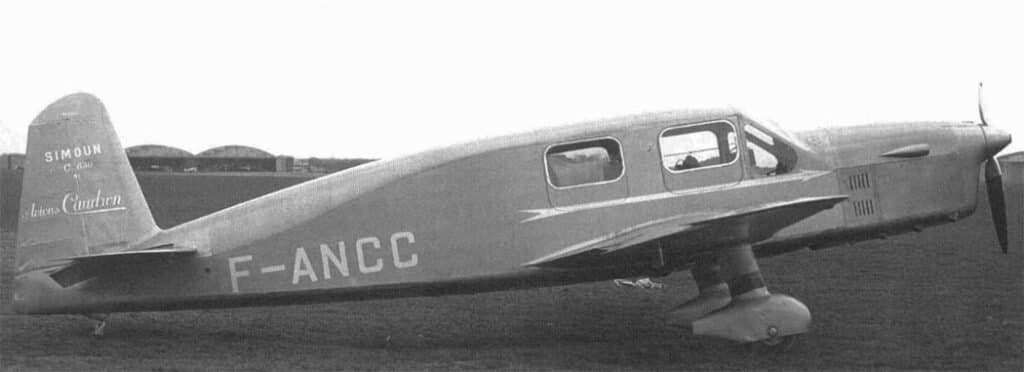
Caudron C.630 Simoun
Descubre el Caudron C.630 Simoun, el monoplano francés de los años 30 que revolucionó el confort y la fiabilidad. Pilotos famosos lo usaron para récords y servicios vitales.
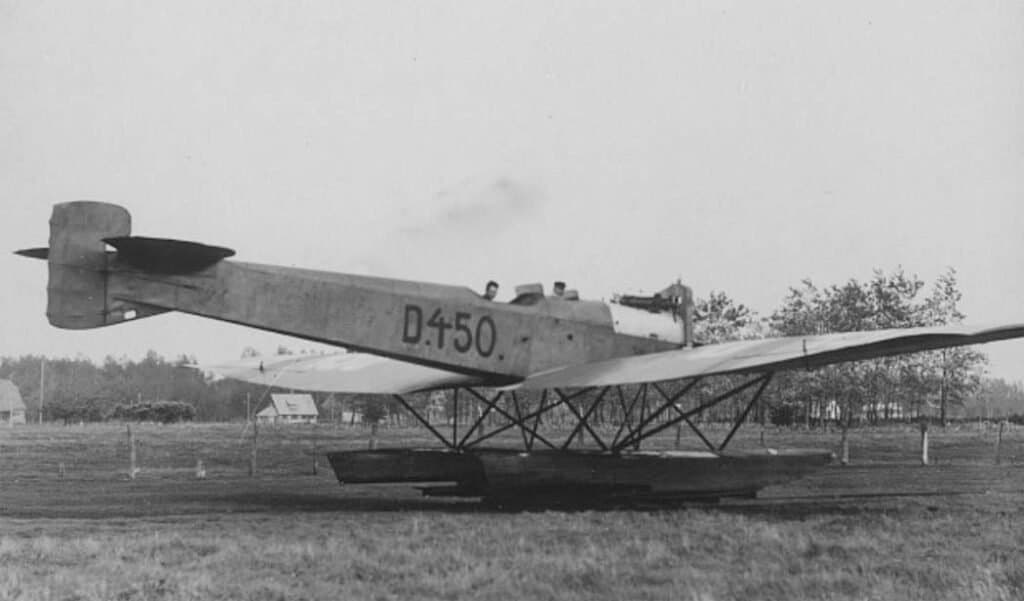
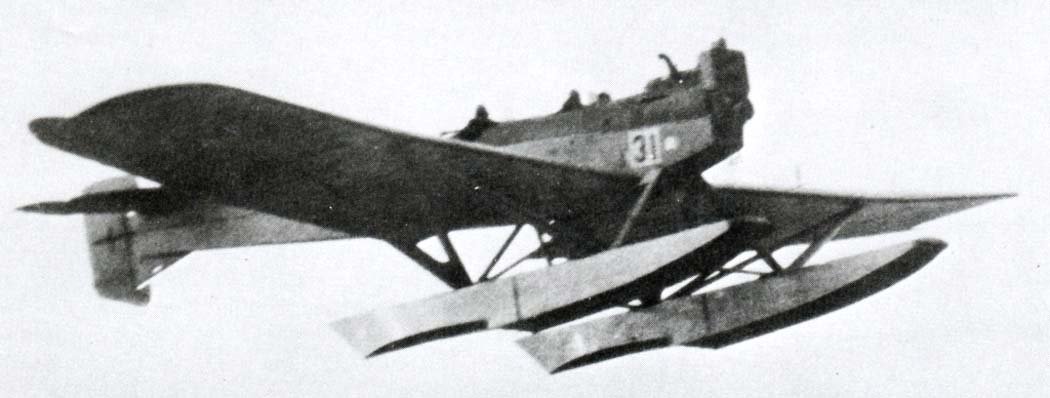
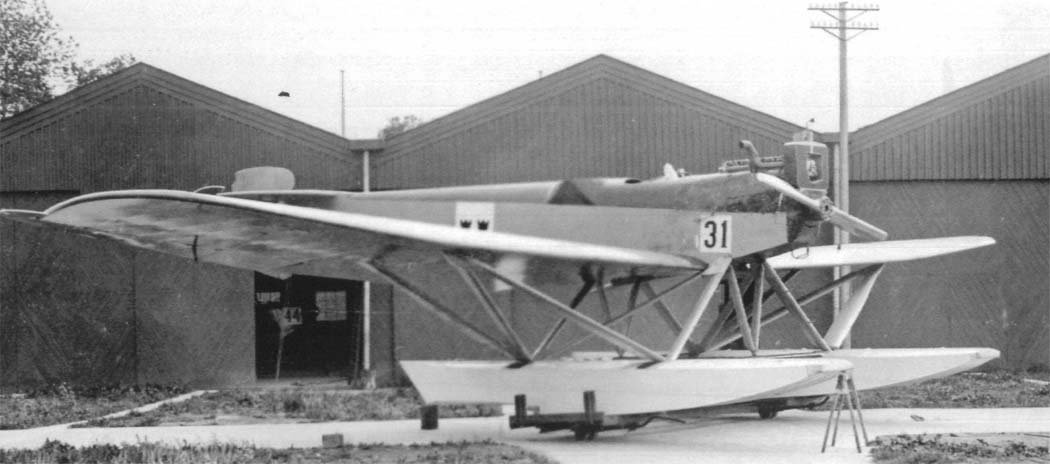
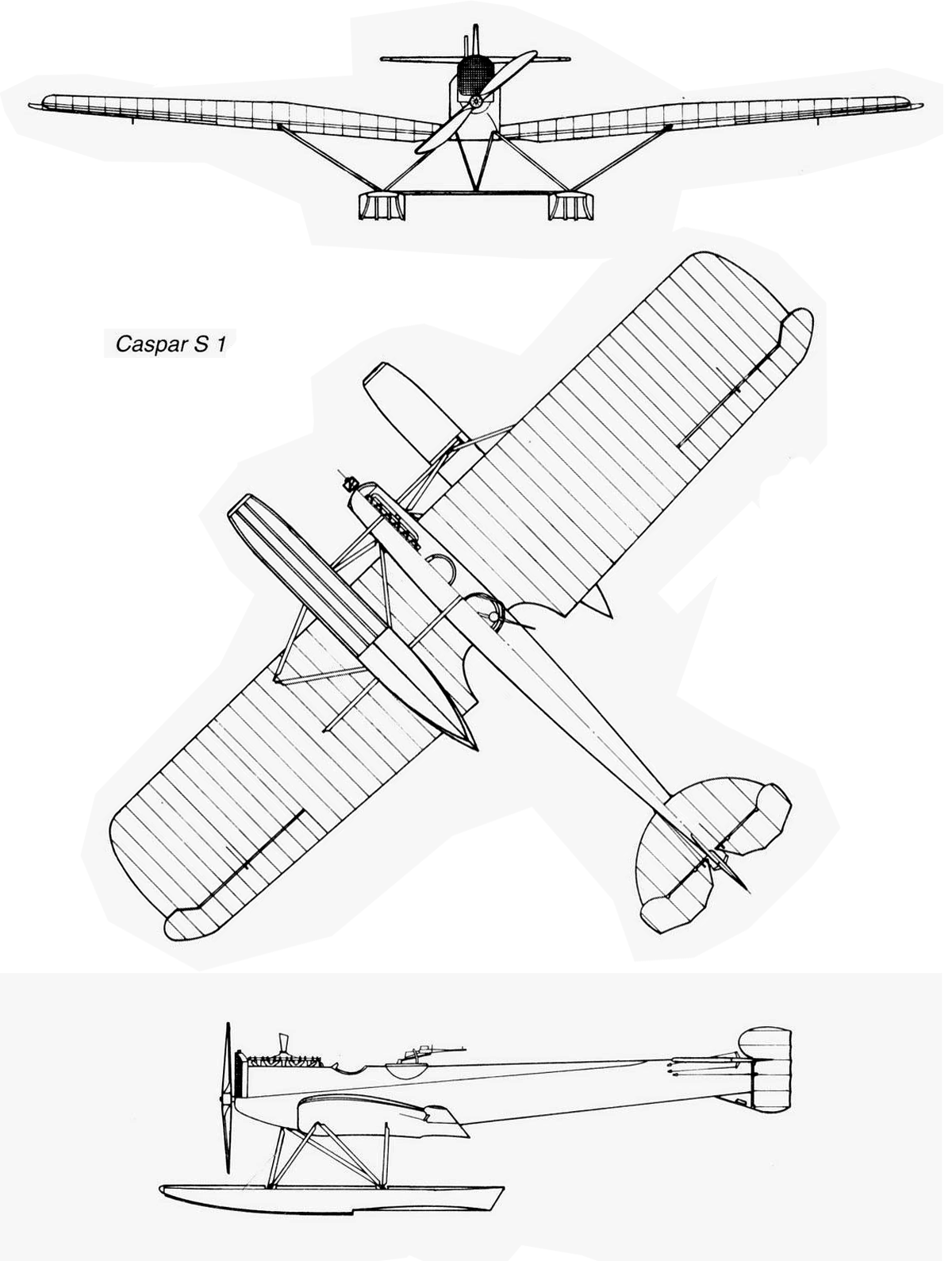
In 1921, the German aircraft designer Ernst Heinkel left the “Hansa und Brandenburg” firm and moved to Caspar-Werke AG. There, he focused on developing a new seaplane, the Caspar S.1. Heinkel based his design on the well-proven Hansa-Brandenburg W.29.
Since the Treaty of Versailles prohibited Germany from building military aircraft and planes with powerful engines, Caspar-Werke AG produced only the aircraft parts. Final assembly was carried out in Sweden at the Svenska Aero AB factory starting in 1922.
The first units, with serial numbers 31 and 32, were purchased by the Swedish Navy as reconnaissance aircraft and received the designation S.2. Several Caspar S.1 examples were also sold to civilian firms in Norway and Finland.
By May 1922, Heinkel had already left Caspar-Werke AG and founded his own company, Ernst Heinkel Flugzeugwerke AG, in Warnemünde. Production of the S.1 continued with minor modifications at the new firm, but under the new designation HE.1.
| Modification | Caspar S.1 |
| Wingspan, m | 18.00 |
| Length, m | 13.20 |
| Wing area, m2 | 52.30 |
| Normal takeoff weight, kg | 2380 |
| Engine type | 1 Piston engine Maybach Mb IVa |
| Power, hp | 1 x 240 |
| Maximum speed, km/h | 170 |
| Cruising speed, km/h | 150 |
| Crew | 2 crew |
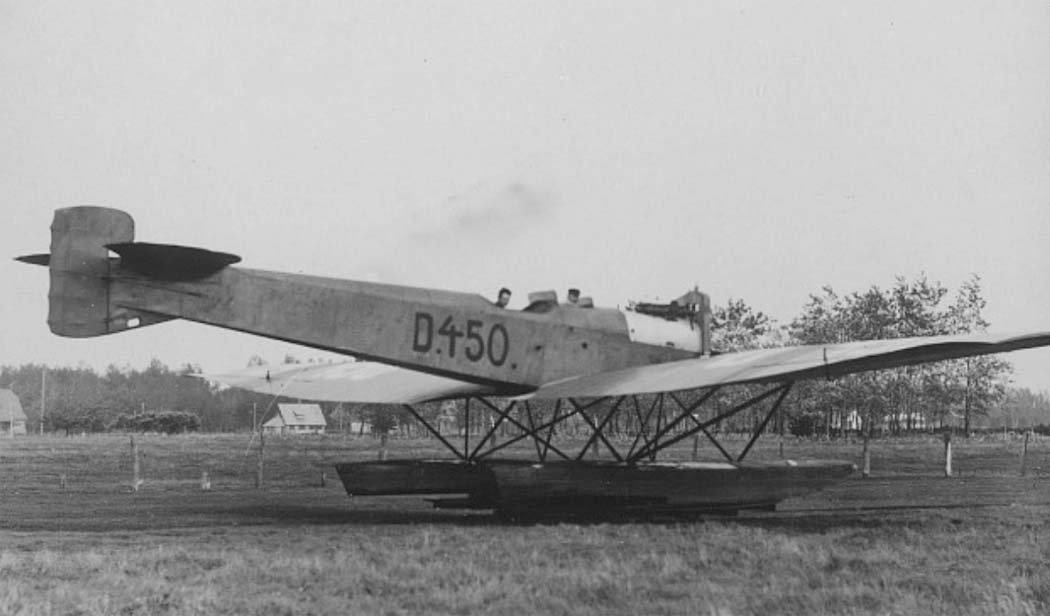 Caspar S.1 |
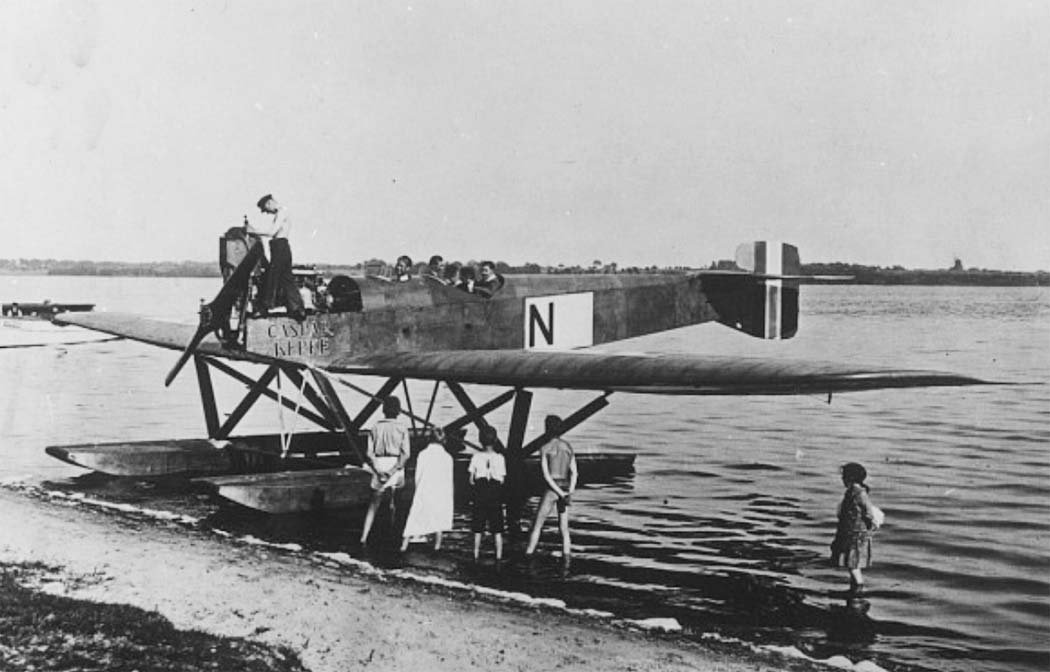 Caspar S.1 |
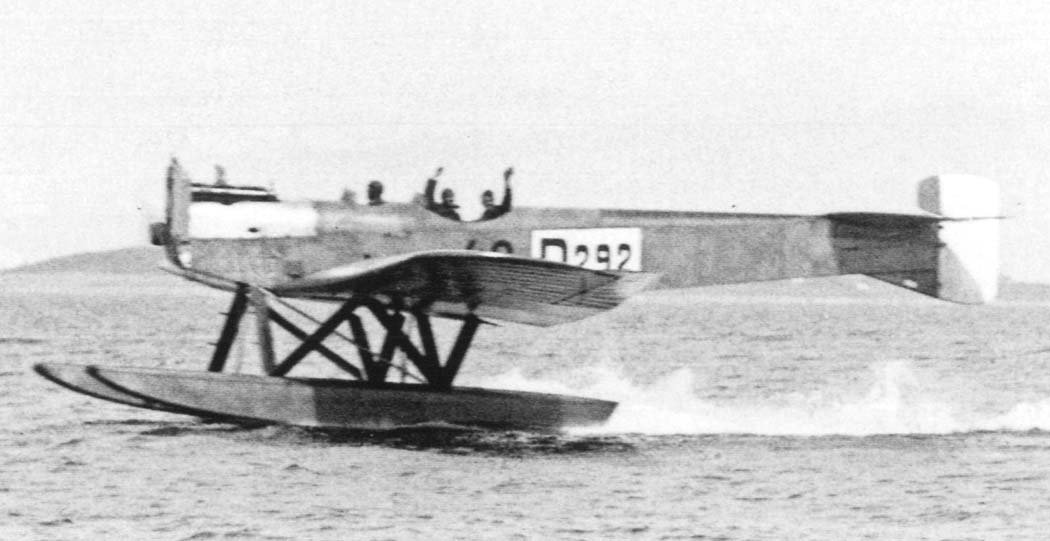 Caspar S.1 |
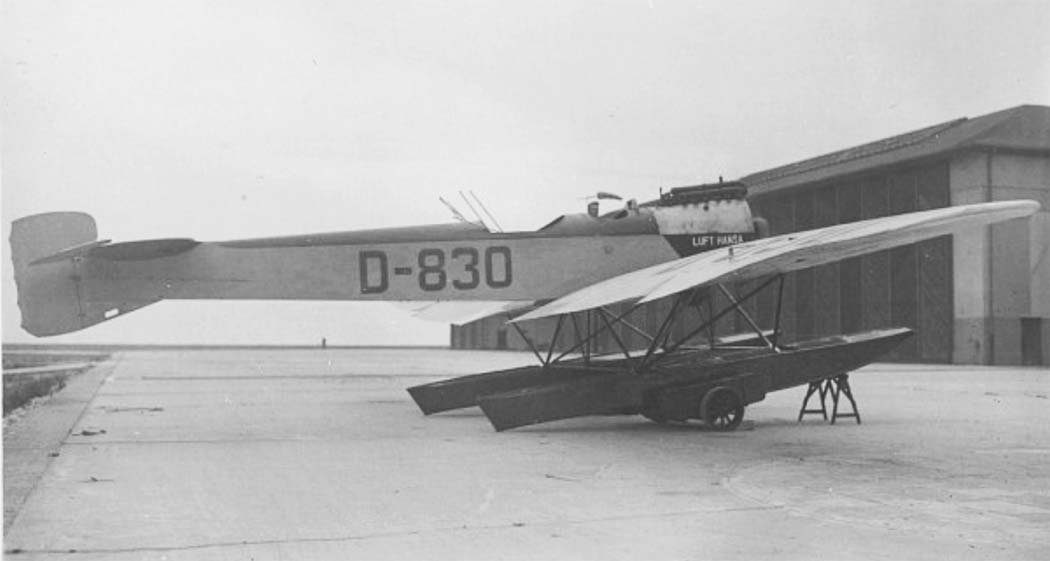 Caspar S.1 |
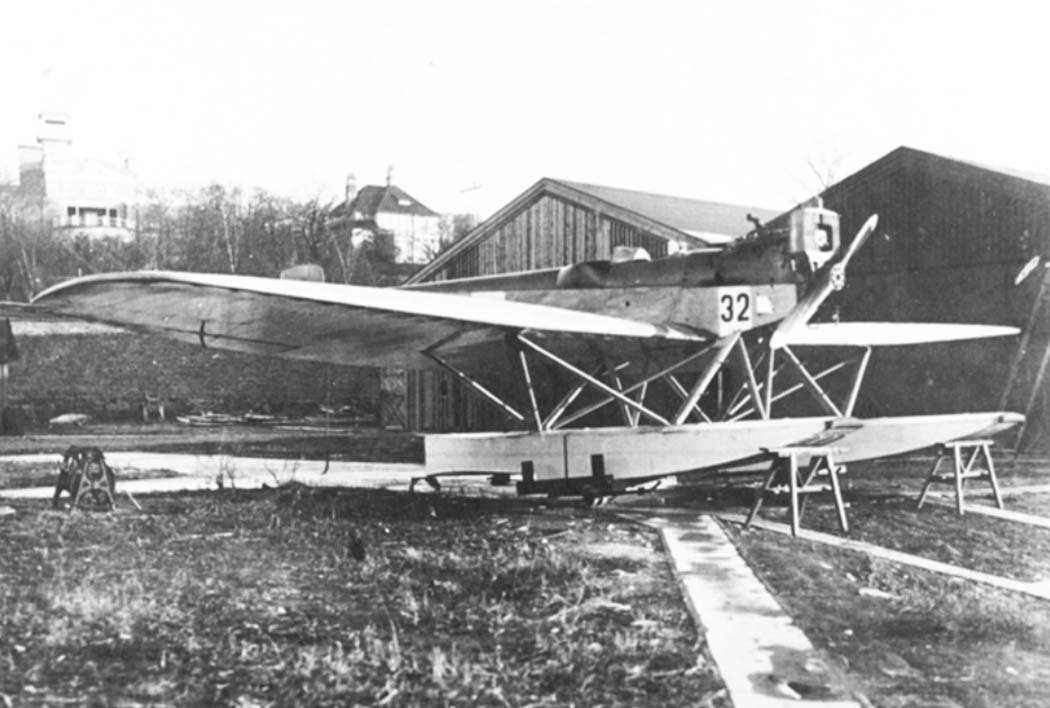 Caspar S.1 |
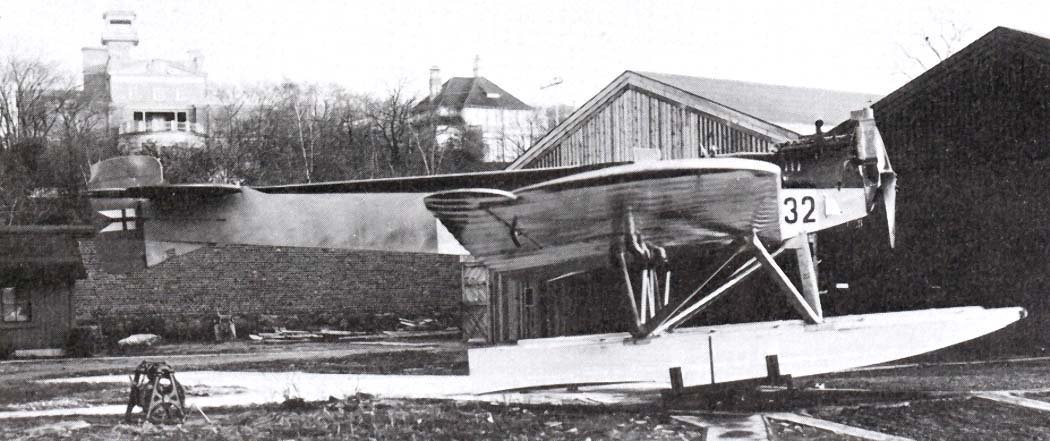 Caspar S.1 |
 Caspar S.1 |
 Caspar S.1 |
 Caspar S.1 |
ReconnaissanceESDescubre el Caudron C.630 Simoun, el monoplano francés de los años 30 que revolucionó el confort y la fiabilidad. Pilotos famosos lo usaron para récords y servicios vitales.
 ReconnaissanceES
Descubre el Caudron C.490, un biplano de entrenamiento francés de 1935. Conoce su diseño, primer vuelo y la evolución a la variante C.491.
 ReconnaissanceES
Descubre el Caudron C.580, un avión de entrenamiento francés diseñado para pilotos de caza. Conoce su construcción de madera, motor Renault y alta velocidad. Solo dos fueron construidos antes del C.720.
 ReconnaissanceES
El Caproni Ca.603, un prototipo acrobático italiano de 1940, mostró gran potencial como entrenador militar, pero nunca entró en producción debido a prioridades de guerra.