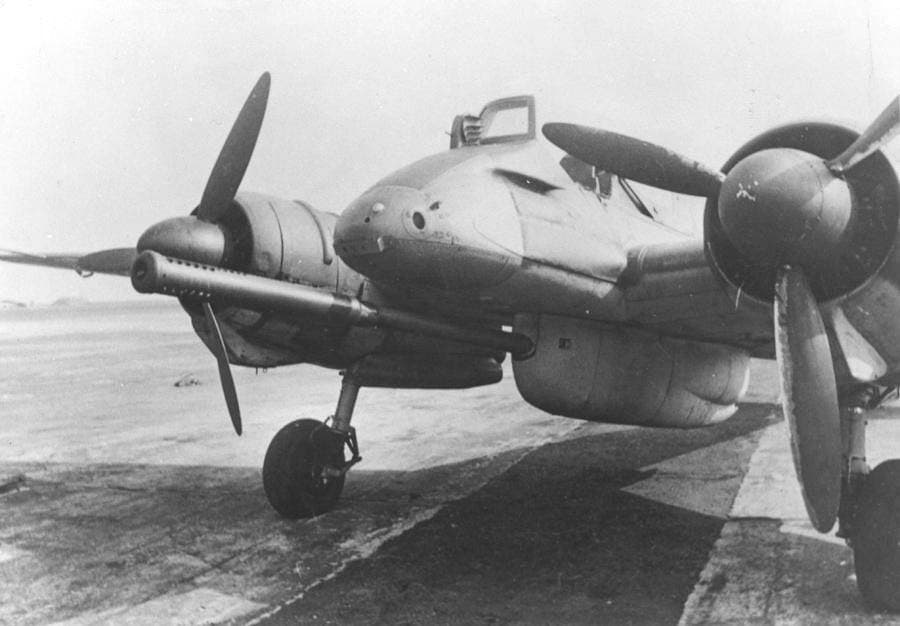
BK-90 Mjoelnir
Descubre la BK-90 Mjoelnir, una cassette de bombas planeadora alemana de DASA, diseñada para el JAS-39 Gripen. Dispensa submuniciones para objetivos blindados y personal.
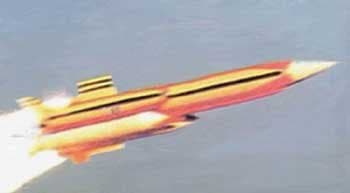
El desarrollo del misil antibuque supersónico de corto alcance chino C-101 (Yingji-1 o YJ-1) comenzó a finales de los años 70. La producción se inició a mediados de los 90. Este misil estaba destinado a reemplazar al obsoleto misil antibuque HY-2.
La Armada china realizó pruebas del misil antibuque en lanchas misileras de las clases “Hoku” y “Huang”. Una variante aérea se utiliza en los bombarderos H-5 y H-6, así como en el avión anfibio SH-5.
Se presume que el misil está equipado con una ojiva semiblindada de 300 kg. Su altitud de crucero es de 50 metros sobre el nivel del mar. A unos tres kilómetros del objetivo, el misil realiza una maniobra de ascenso y luego desciende a 5 metros.
A group of aviation researchers and enthusiasts dedicated to documenting and preserving global aeronautical history. All articles are reviewed to ensure historical accuracy.
The information presented in this technical sheet has been compiled from declassified flight manuals, historical archives, and specialized literature. While we strive for maximum accuracy, some performance data may vary depending on the specific variant or operational conditions.
Descubre la BK-90 Mjoelnir, una cassette de bombas planeadora alemana de DASA, diseñada para el JAS-39 Gripen. Dispensa submuniciones para objetivos blindados y personal.
 History & BattleES
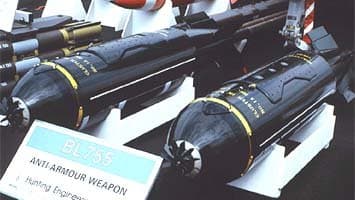
Descubre la bomba de racimo BL.755, desarrollada por Hunting Engineering Ltd. en el Reino Unido. Conoce sus especificaciones y su despliegue internacional.
 History & BattleES
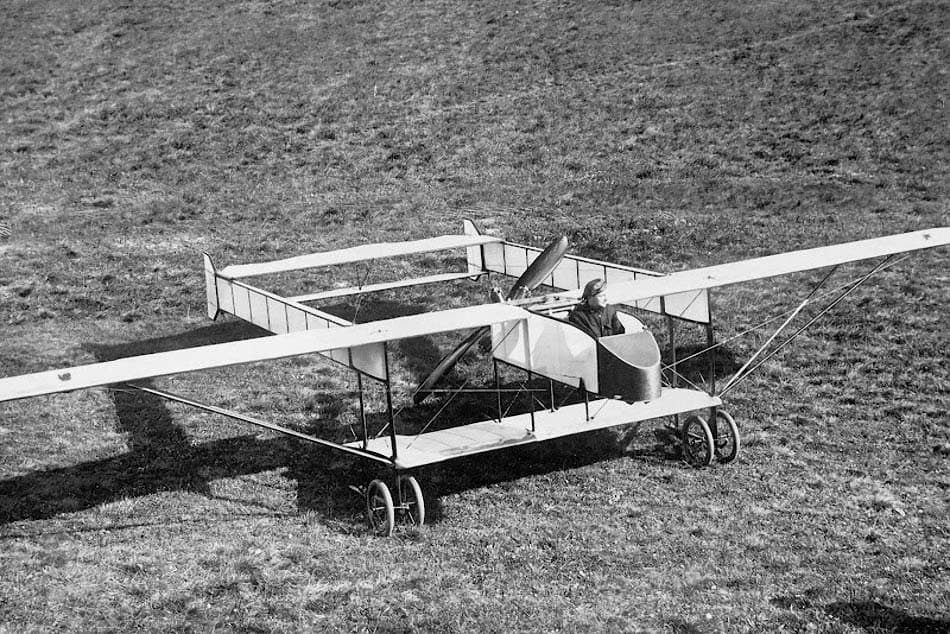
Descubre el Bi-Cock (Porokhovshchikov No. 2), un pionero avión ruso de doble viga de la Primera Guerra Mundial. Innovador, portátil y de notable rendimiento.