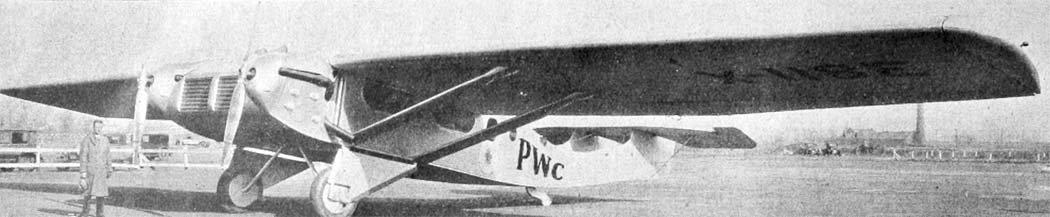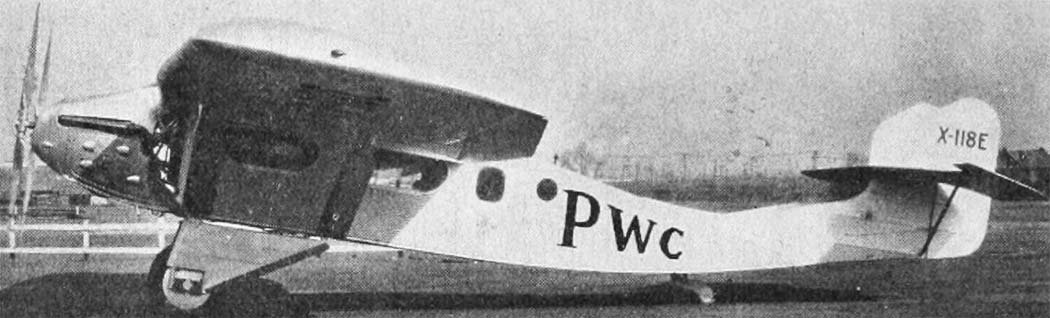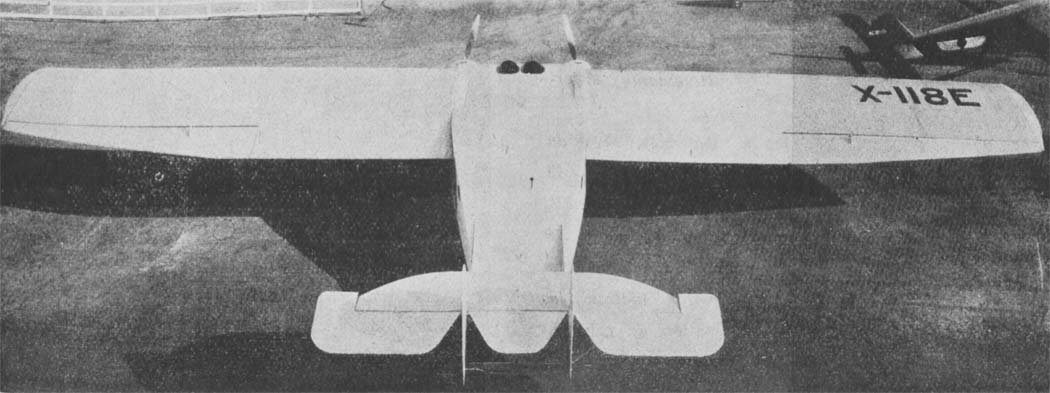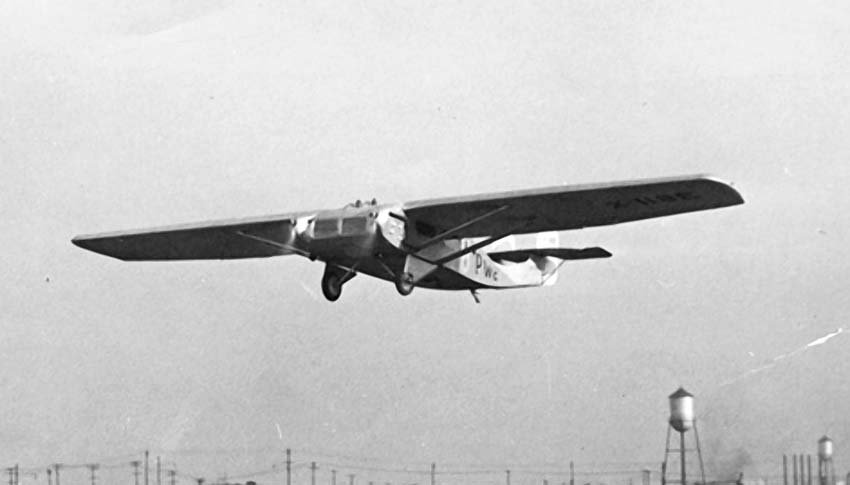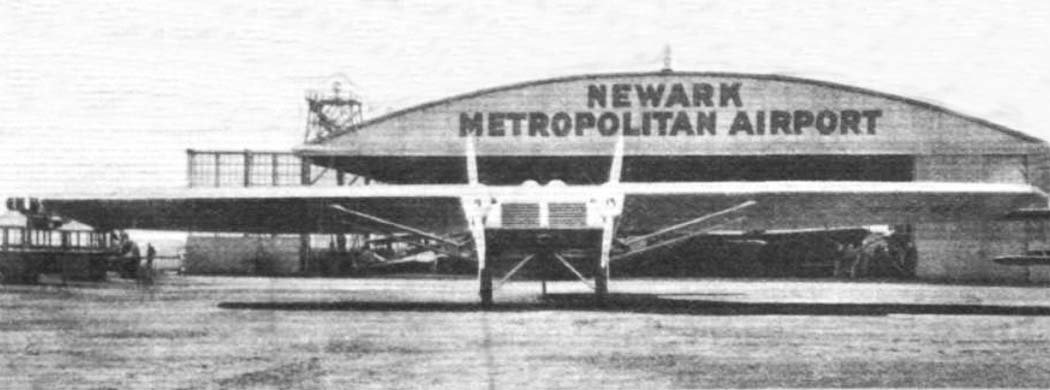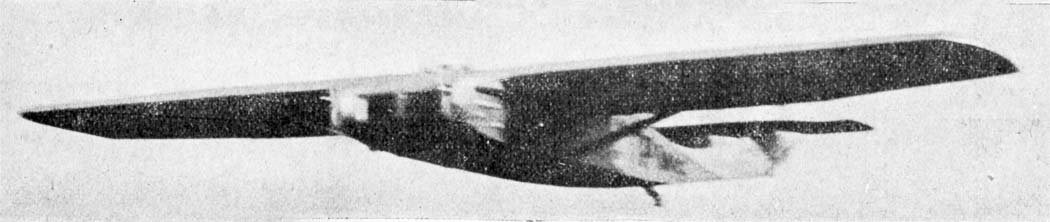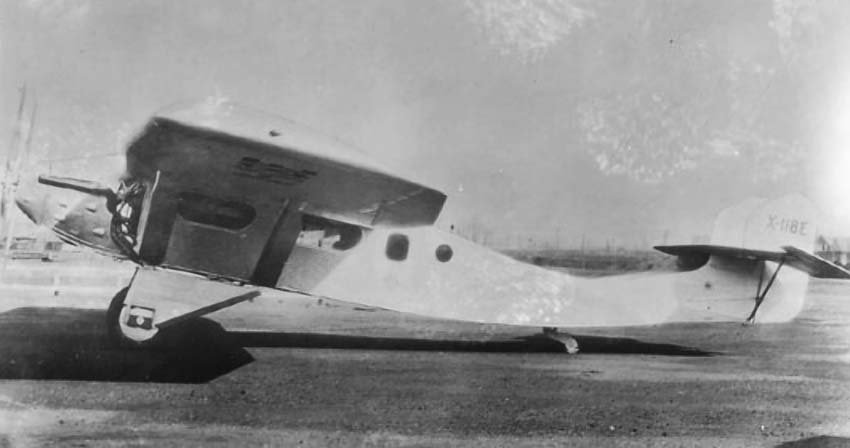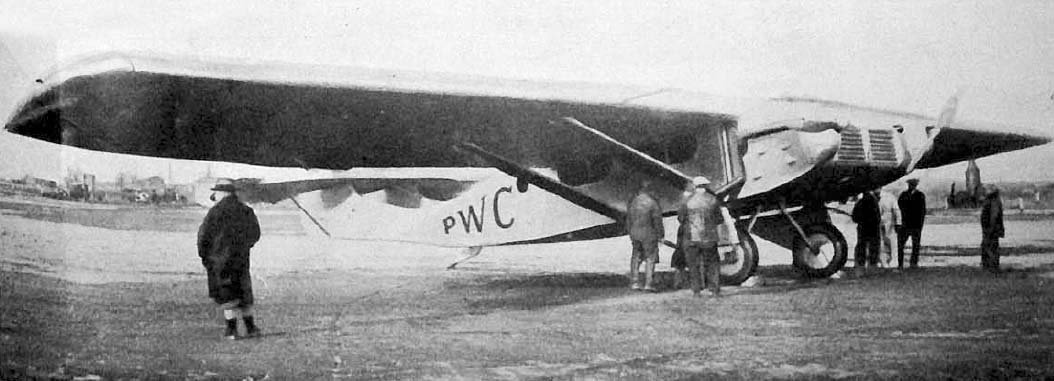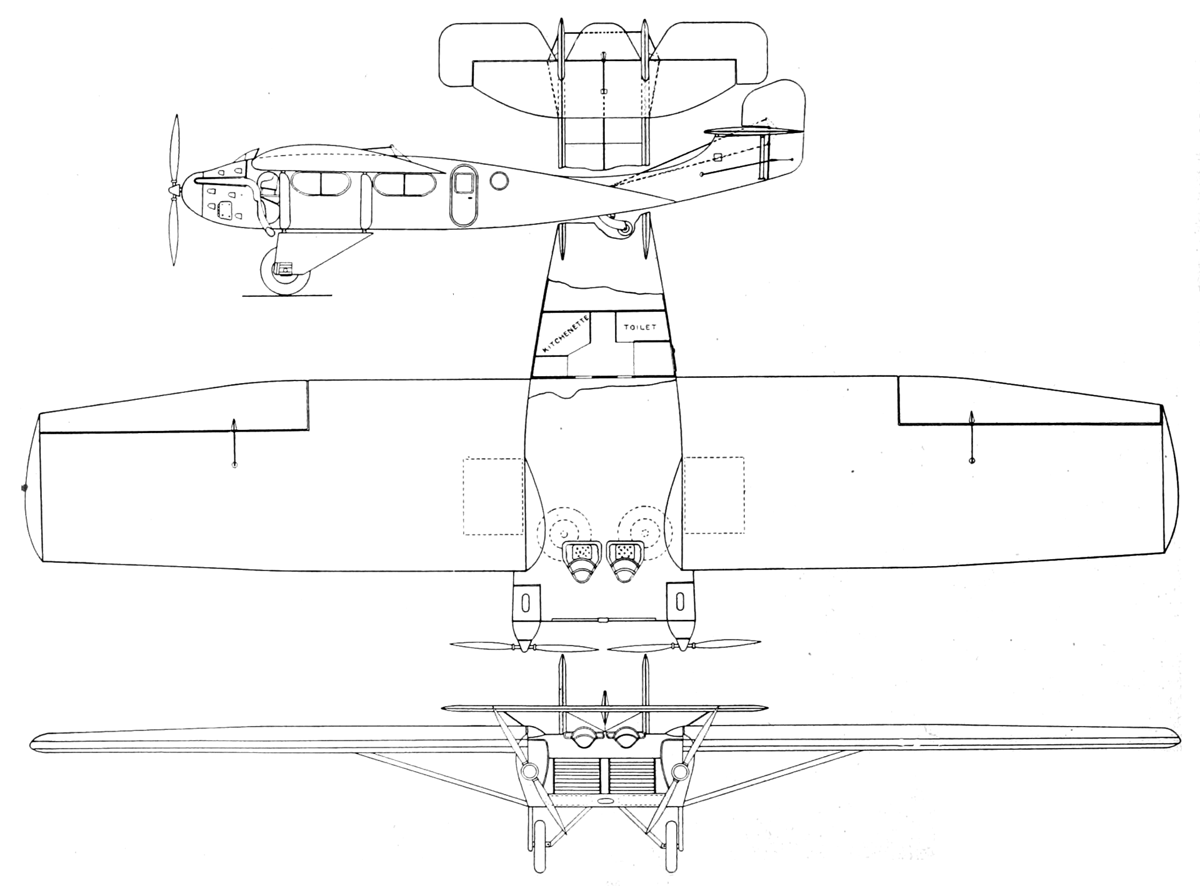
The Burnelli CB-16 passenger aircraft, built in 1927, was a development in the RB-1 – RB-2 line. It was also known as the Uppercu-Burnelli CB-300. Like its predecessors, the CB-16 was a spacious passenger high-wing monoplane with twin tails and retractable landing gear.
The fuselage measured 11 meters in length and 3.66 meters in width. Two 625-horsepower Curtiss Conqueror engines were still placed side-by-side in the front part of the wide fuselage. This unusual aircraft was the first twin-engine plane with retractable landing gear.
Innovative Design Features
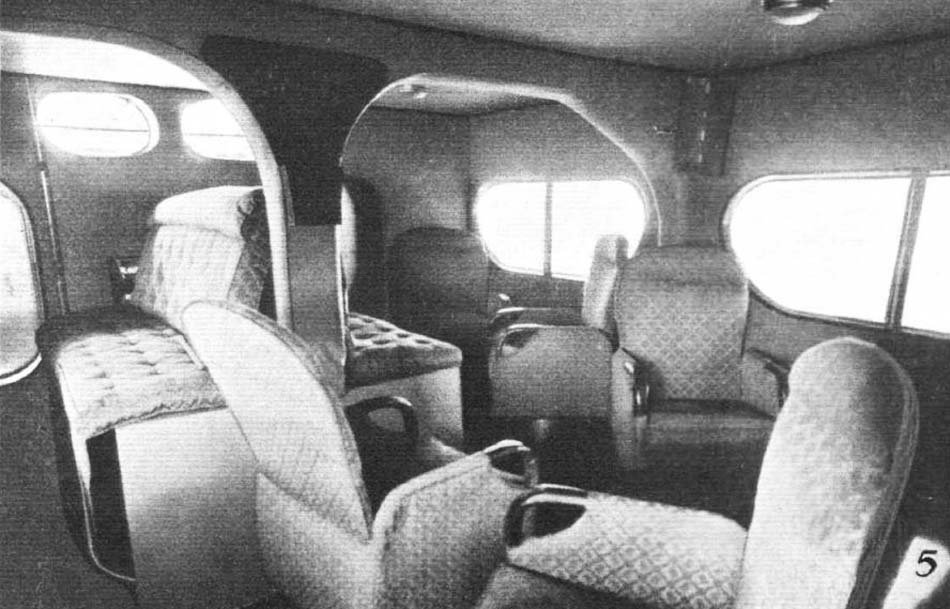
However, the pilots were still ‘in the open air’ in exposed cockpits located in front of the wing. In contrast, the passenger cabin was enclosed, well-lit, heated, and upholstered in plush. The passenger compartment, measuring 5.5 x 3.65 meters, included a washbasin and a toilet for passenger comfort.
Production and Legacy
Only one prototype was built, assembled at the Aeromarine company’s factory, where Burnelli rented space for construction. It cost the company $230,000, which included the design expenses. The CB-16 received registration number X118E and was subsequently sold to Sky Lines Inc.
Unfortunately, in the following year, 1929, the aircraft stalled and crashed. Remarkably, no one was even injured, which served as further proof of the reliability inherent in Burnelli’s designs.
Technical Specifications
| Modification | CB-16 |
| Wingspan, m | 27.42 |
| Aircraft length, m | 14.02 |
| Engine type | 2 Rolls-Royce Condor Piston engines |
| Power, hp | 2 x 600 |
| Maximum speed, km/h | 241 |
| Cruising speed, km/h | 206 |
| Practical range, km | 1300 |
| Crew | 2 |
| Payload | 22 passengers or 3030 kg of cargo |
Image gallery of the Burnelli CB-16 Passenger Aircraft