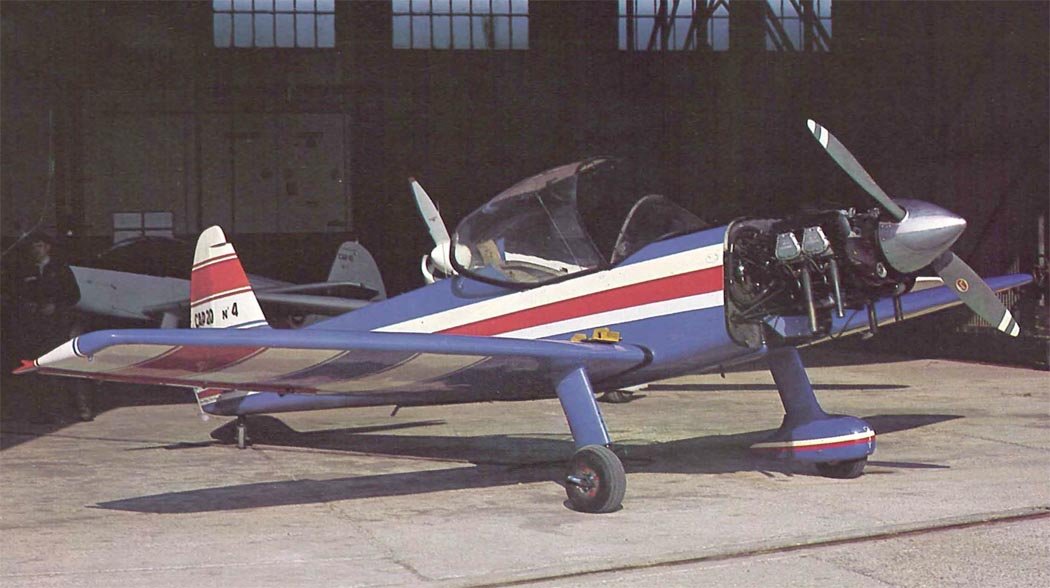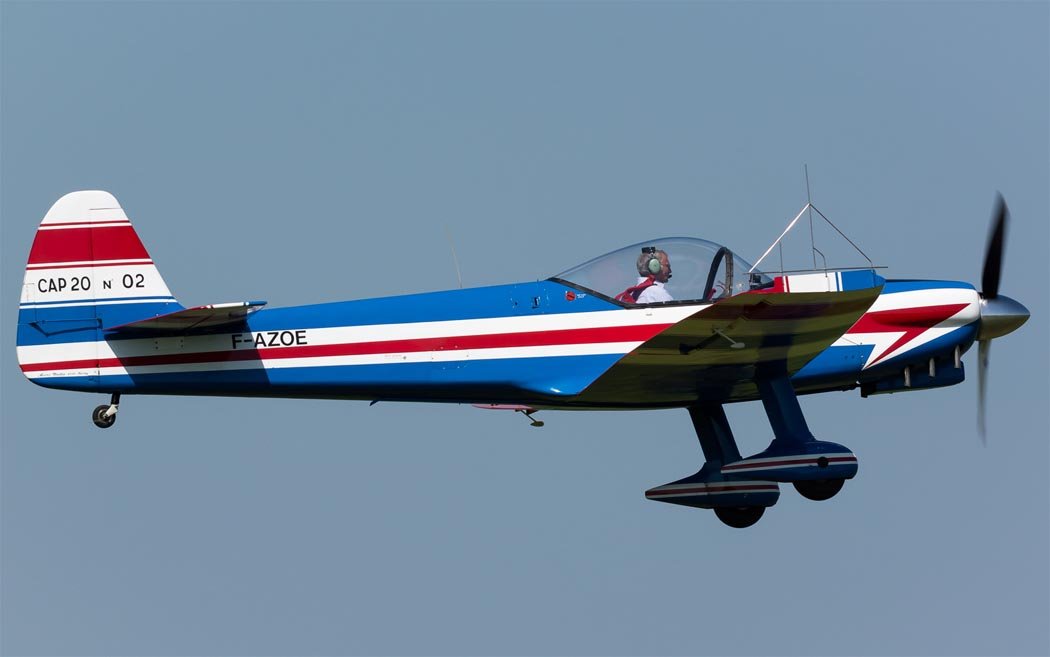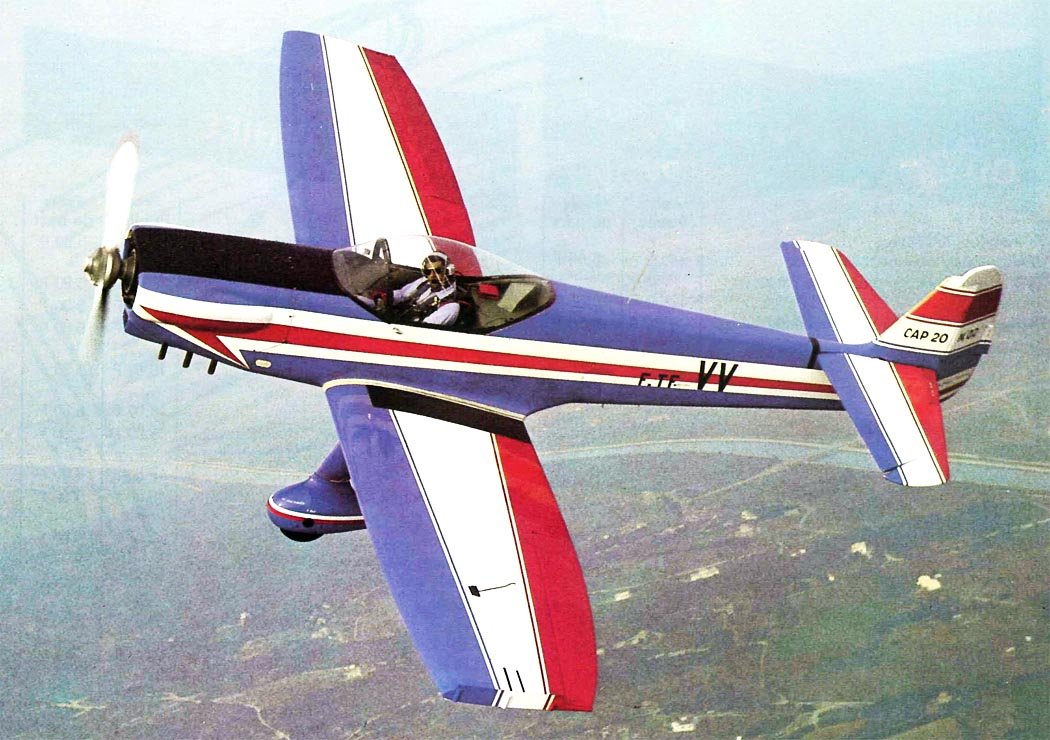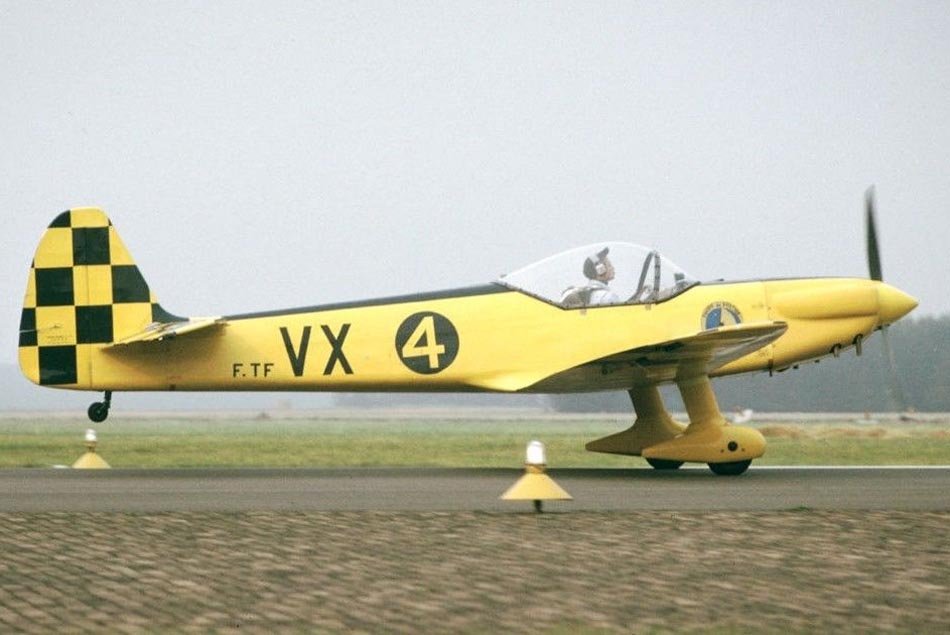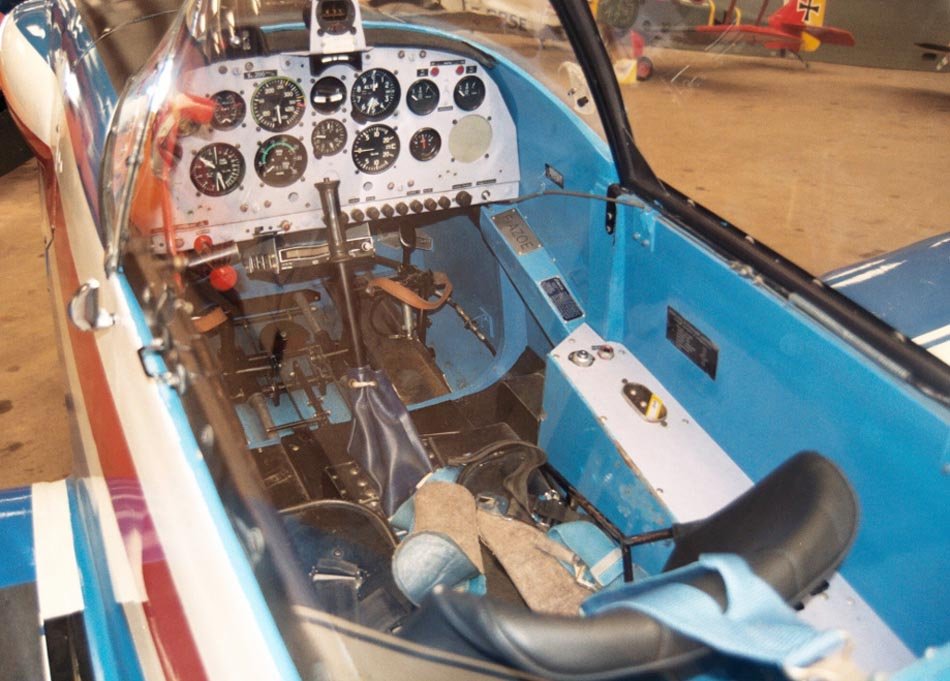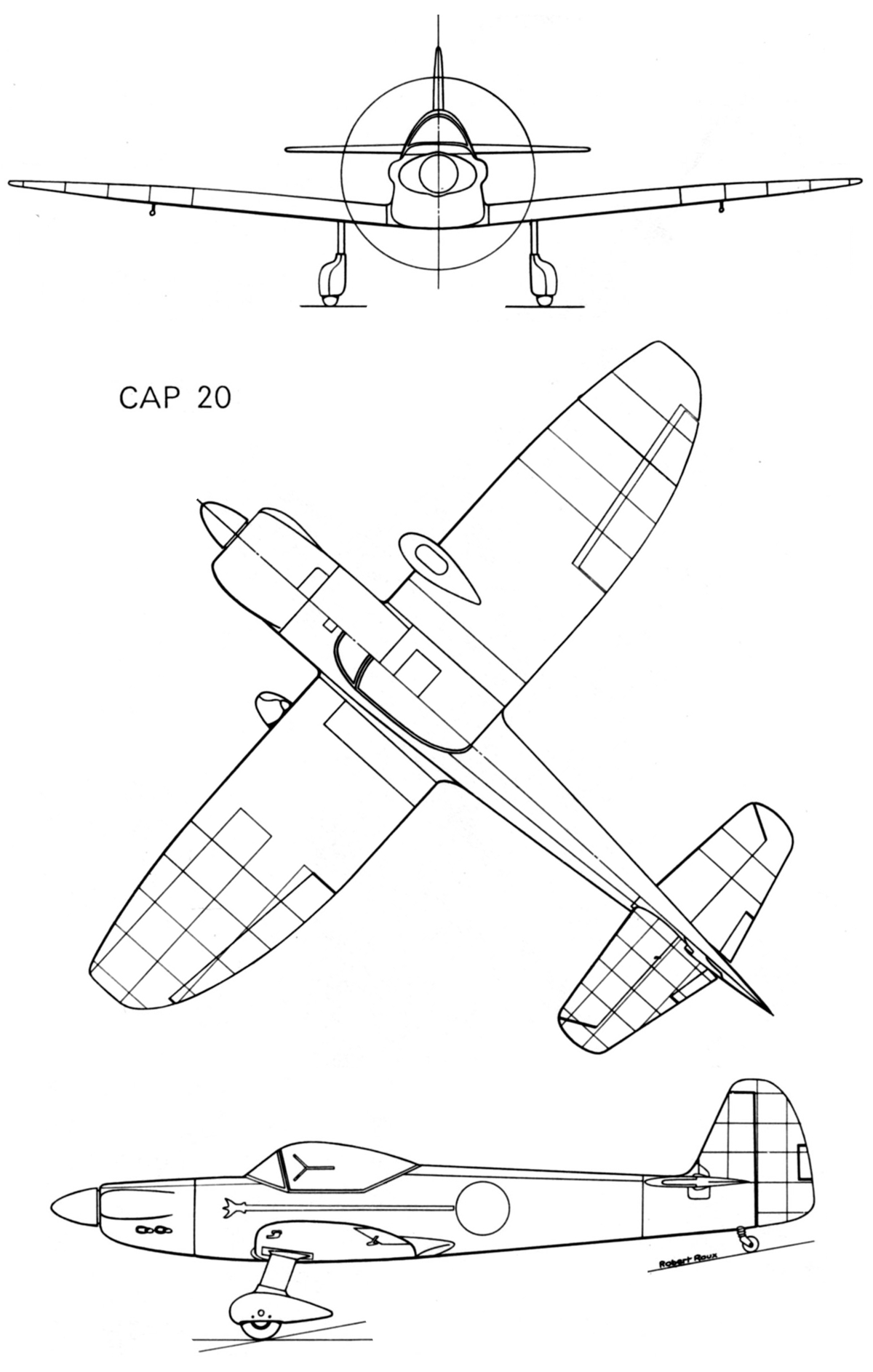
The CAP.20 was an aerobatic aircraft developed by the French firm Avions Mudry et Cie. The prototype’s first flight took place on January 15, 1976. This single-seat sports aerobatic variant of the CAP 20 was developed in parallel with the two-seat CAP.10 training aircraft.
The CAP 20 was followed by the lighter CAP 20L variant, produced in two modifications: the CAP 20L-180 with a 180 hp Avco Lycoming engine, and the CAP 20LS-200 with a 200 hp engine from the same manufacturer. Production of the CAP 20L aircraft concluded in mid-1980, after 12 units were built.
Early Development and Evolution
In series production, the CAP 20L was replaced by the CAP 21 variant. This model retained the layout and 200 hp engine of the previous project but featured a wing with an improved aerodynamic profile. The experimental CAP 21 aircraft first took to the air on June 23, 1980.
Deliveries of the first batch of 10 production aircraft began in May 1982. Subsequently, a new two-seat basic training aircraft was developed, featuring tricycle landing gear with a nose wheel and some structural elements made from composite materials.
Innovations and Advanced Variants
In 1985, Mudry introduced the CAP-230 aircraft, a variant of the CAP-21 model. It featured a new 300 hp Lycoming engine and a more angular tail assembly. The experimental CAP-21 was converted into this variant, making its first flight on October 8, 1985.
The CAP-231 became the standard production aerobatic variant, first flying in April 1990. An improved version, the CAP-231 EX, took to the air on December 18, 1991. Initially, it was equipped with a 260 hp Barrett engine, but later received a 300 hp Lycoming AEIO-540 engine.
Technical Specifications
| Modification | CAP 20LS-200 |
| Wingspan, m | 7.57 |
| Aircraft length, m | 6.46 |
| Aircraft height, m | 1.52 |
| Wing area, m2 | 10.47 |
| Empty weight | 480 |
| Normal takeoff weight | 650 |
| Maximum takeoff weight | 720 |
| Fuel, l | 80 |
| Engine type | 1 Piston engine Textron Lycoming AIO-360-B1B |
| Power, hp | 1 x 200 |
| Maximum speed at altitude, km/h | 370 |
| Maximum speed at sea level, km/h | 283 |
| Cruising speed, km/h | 265 |
| Flight endurance, h | 2 |
| Maximum rate of climb, m/min | 840 |
| Service ceiling, m | 5000 |
| Max. operational G-load | 8 |
| Crew, crew members | 1 |
Image gallery of the CAP.20