Origins and Collaboration
In the early 1930s, engineer John Carden founded Carden Aero Engines, a company specializing in converting American Ford engines for aviation use. In the summer of 1935, Carden met designer Leslie Baynes, and they decided to jointly develop an aircraft.
Despite Carden’s death in December 1935, Baynes established Carden-Baynes Aircraft Ltd. in April of the following year, continuing their shared vision.
The Bee Light Aircraft
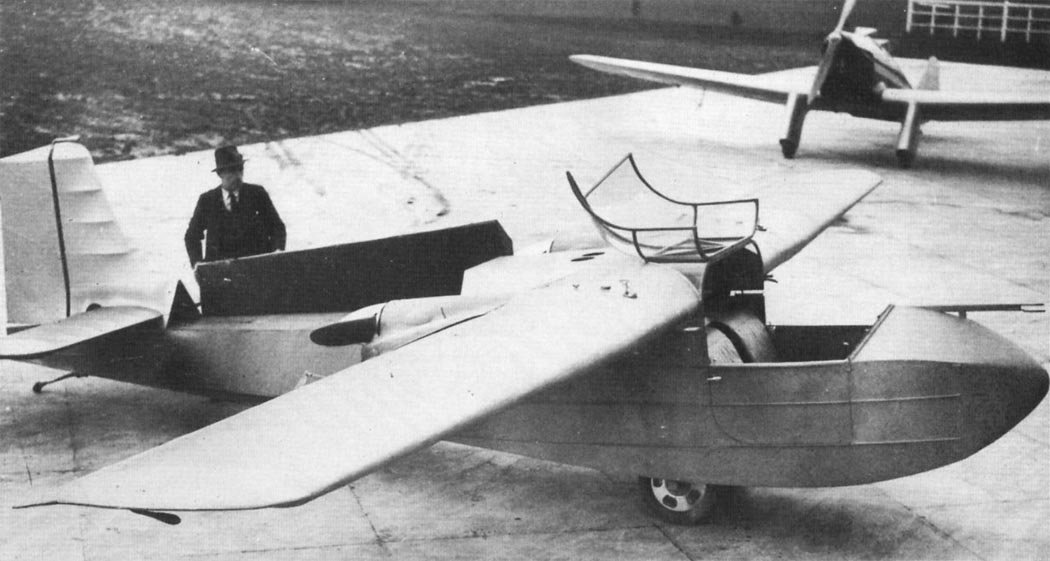
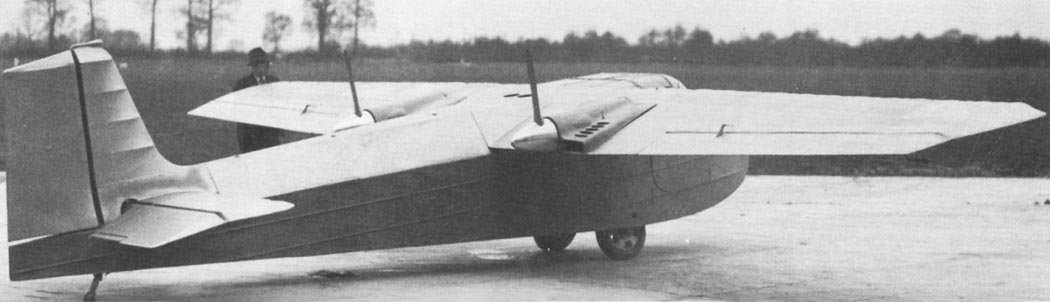
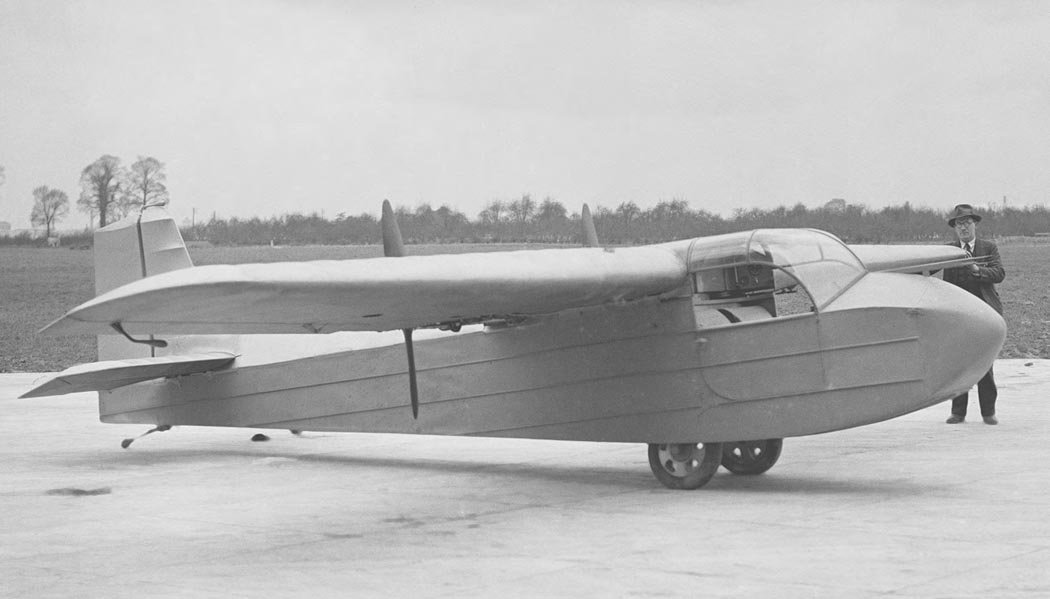
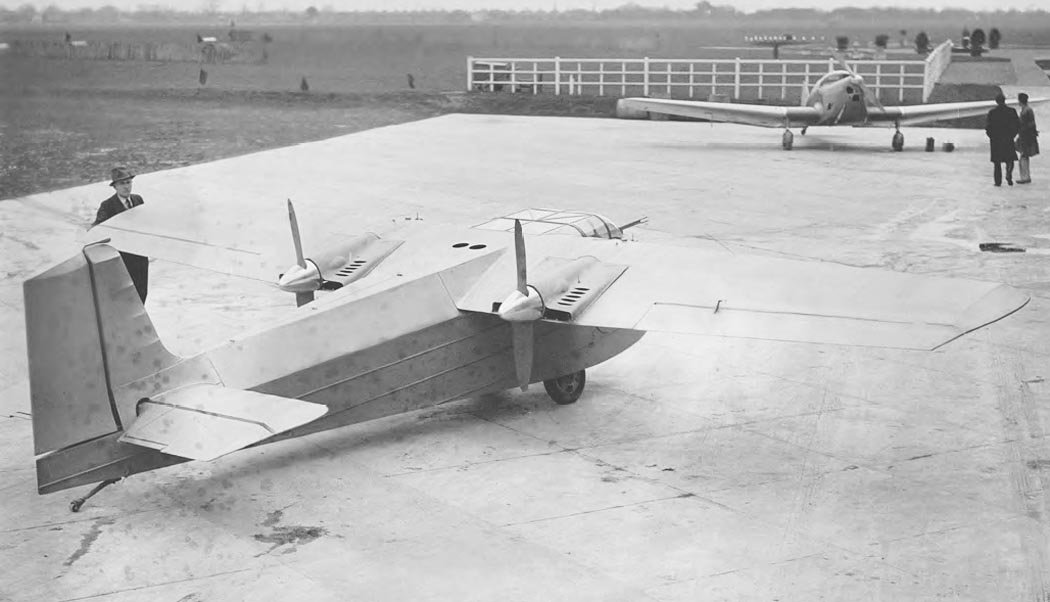
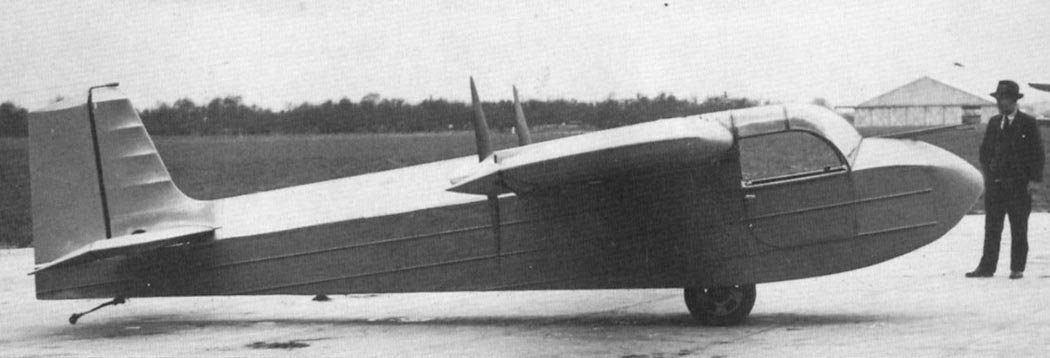
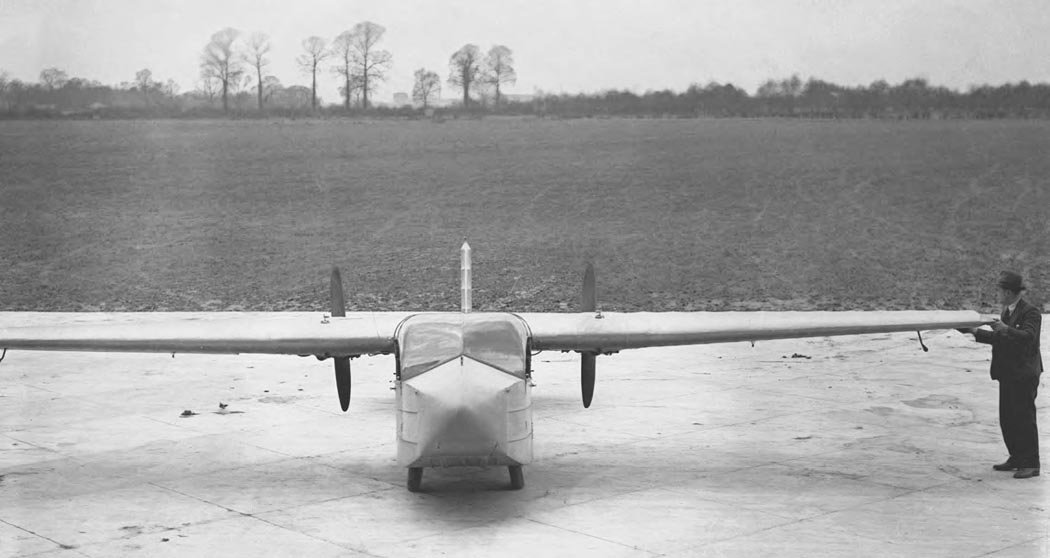
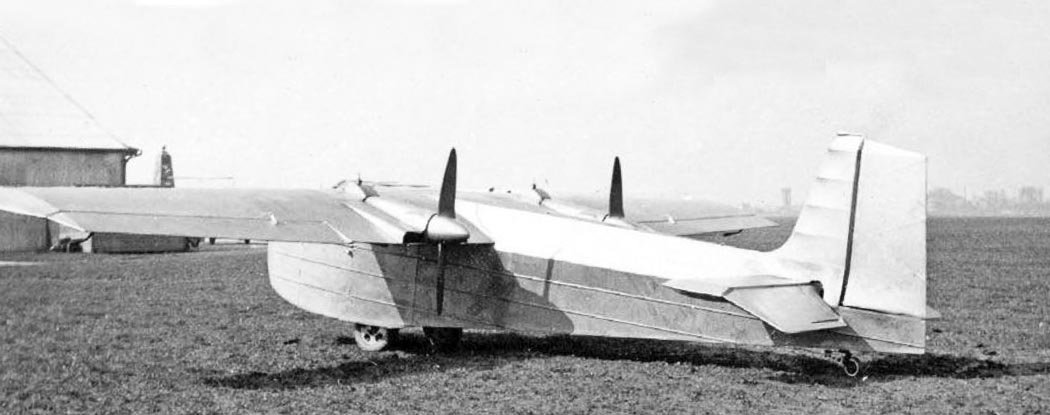
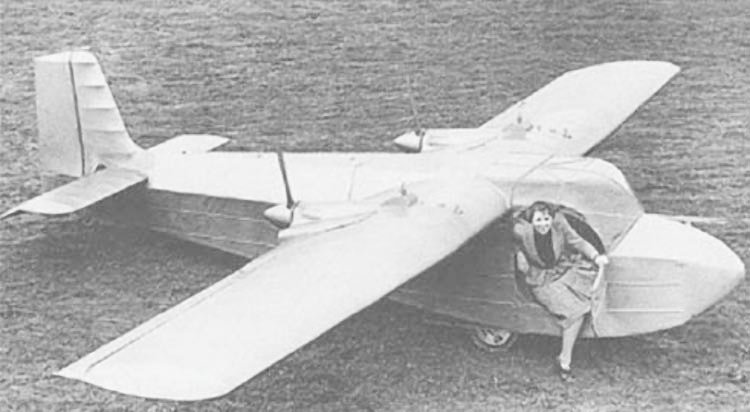
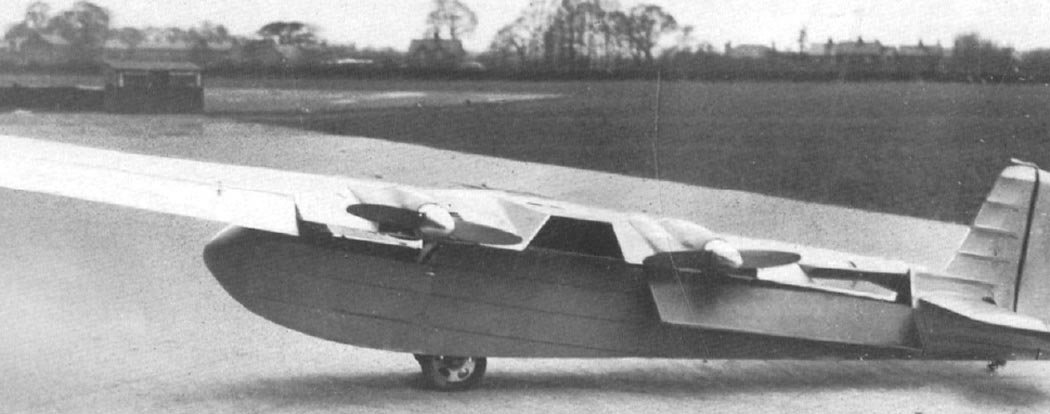
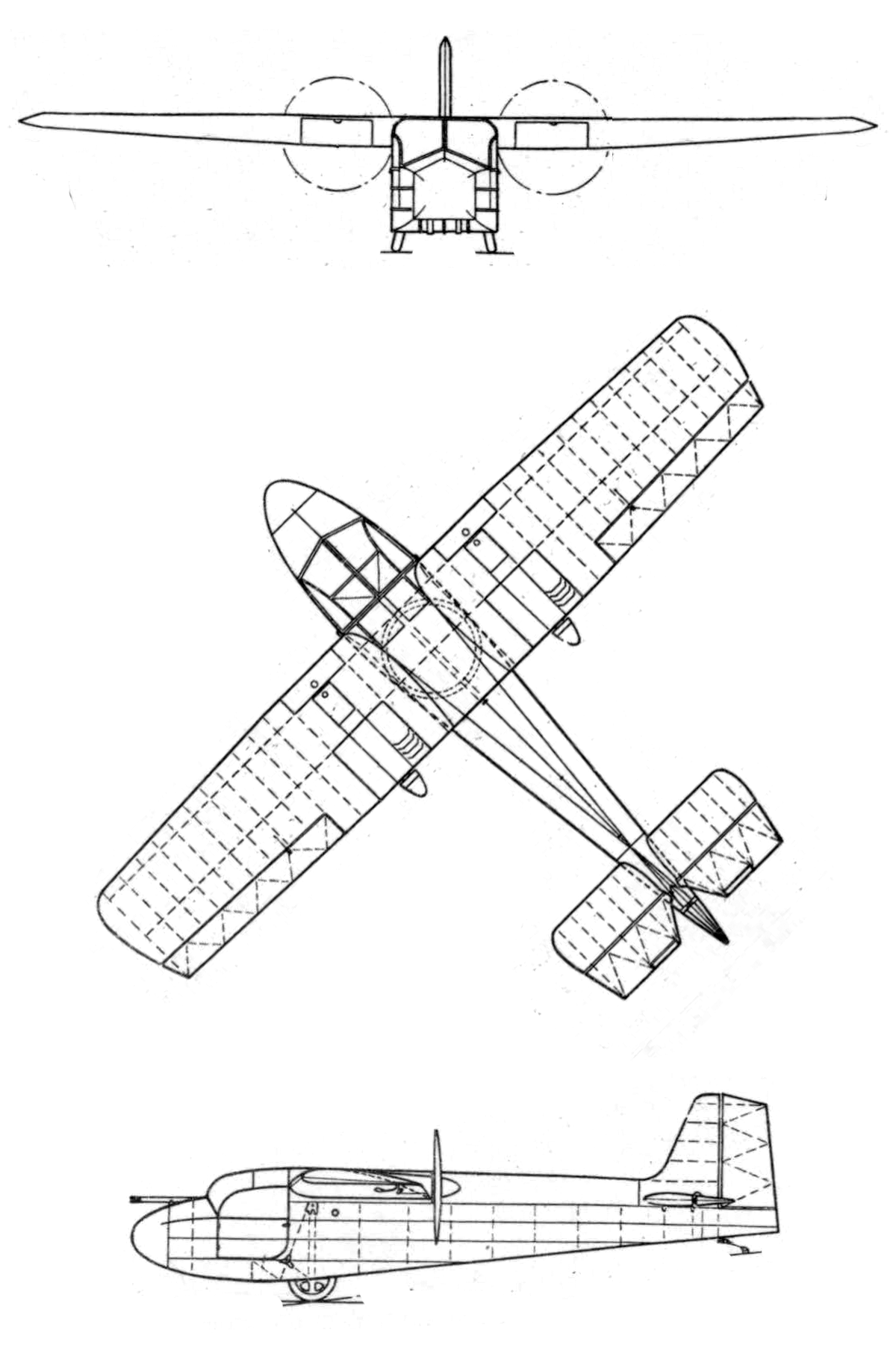
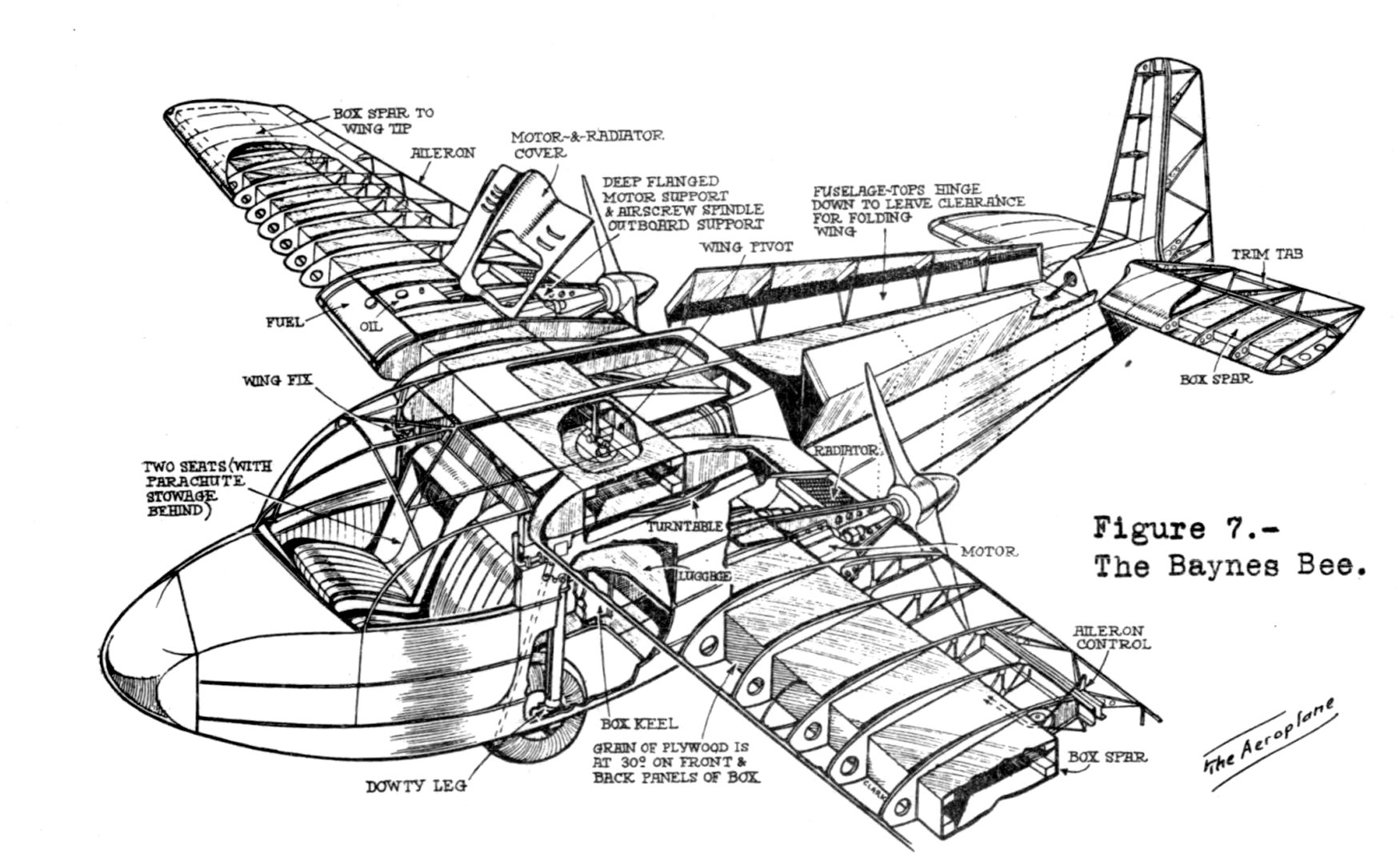
The company’s first project was the Bee light aircraft. This two-seater, high-wing monoplane was equipped with two four-cylinder Carden-Ford SP1 engines, each producing 40 hp (30 kW).
The prototype, later registered as G-AEWC, took its maiden flight on April 3, 1937. However, issues with engine cooling became apparent during this very first flight.
Challenges and Project Demise
Efforts to perfect the engines were unsuccessful, and financial difficulties prevented their replacement with conventional aviation engines.
Ultimately, the sole Bee aircraft and all its blueprints were acquired by the Scottish Aircraft Construction Company, which intended to develop something new based on the design. However, these plans never materialized, and the aircraft was scrapped in 1939.
Technical Specifications
| Modification | Bee |
| Wingspan, m | 9.09 |
| Aircraft length, m | 7.01 |
| Wing area, m2 | 13.10 |
| Empty weight | 399 |
| Maximum takeoff weight | 612 |
| Engine type | 2 Piston engines Carden-Ford SP1 |
| Power, hp | 2 x 40 |
| Maximum speed, km/h | 177 |
| Cruising speed, km/h | 161 |
| Flight endurance, h | 3 |
| Rate of climb, m/min | 213 |
| Crew, crew | 2 |
Image gallery of the Carden-Baynes Bee