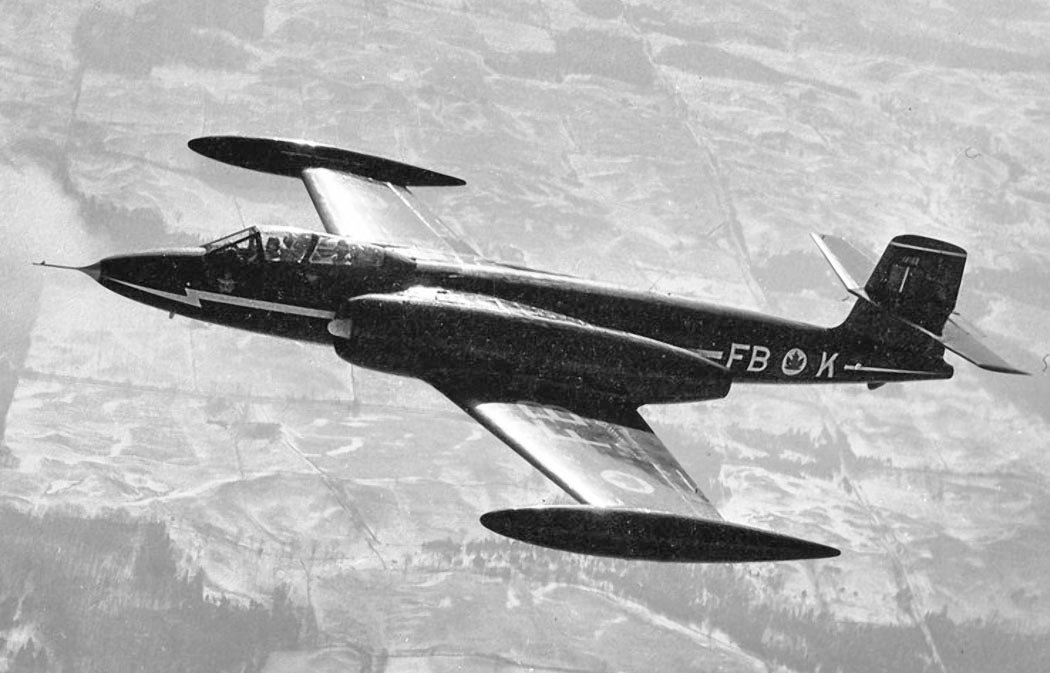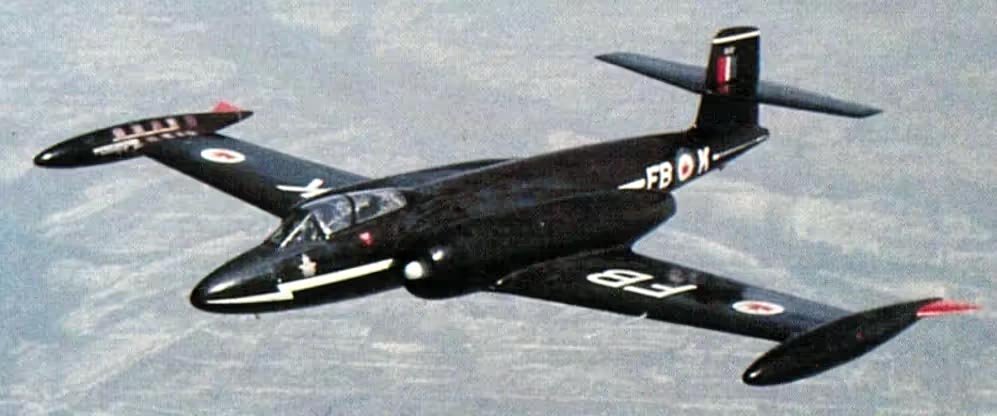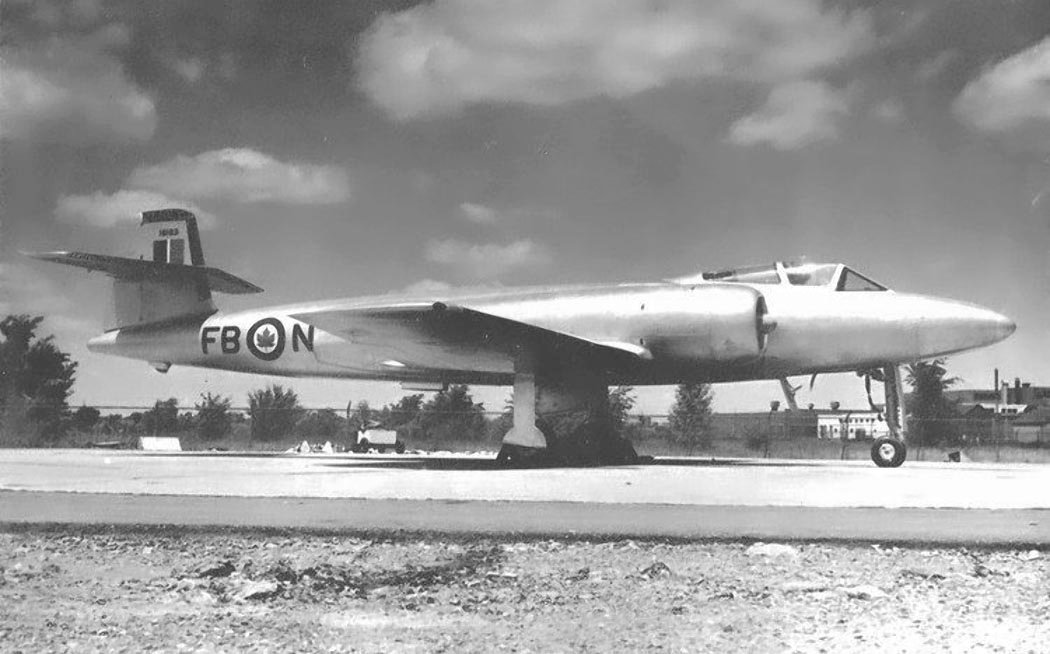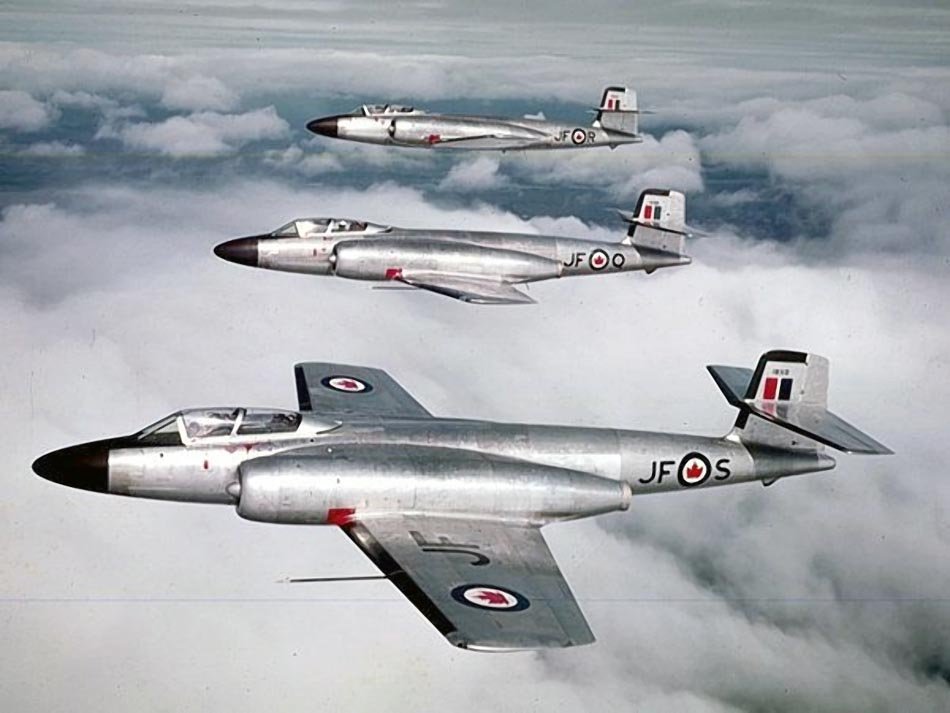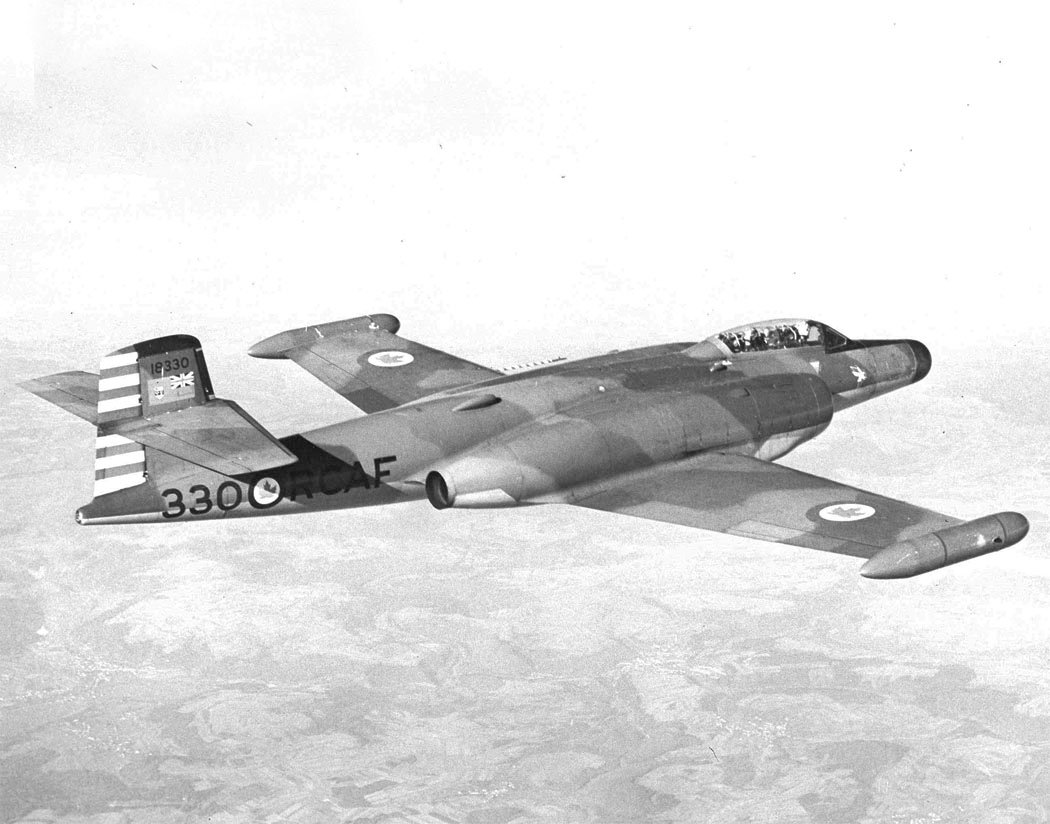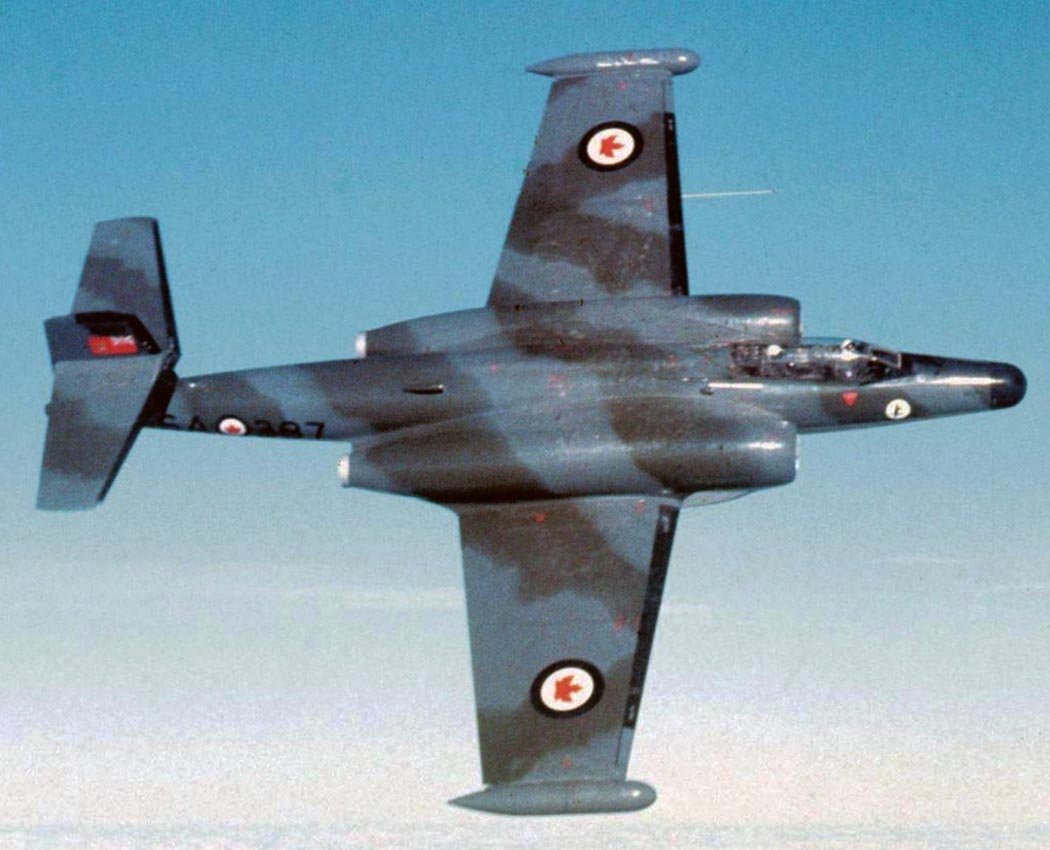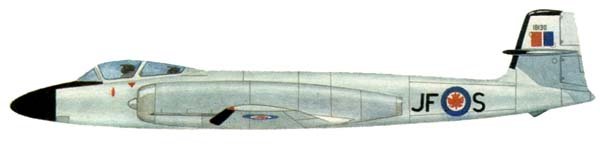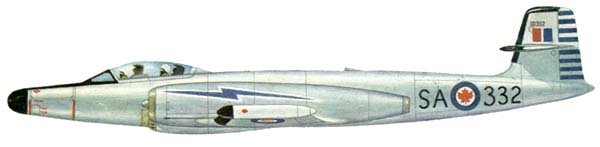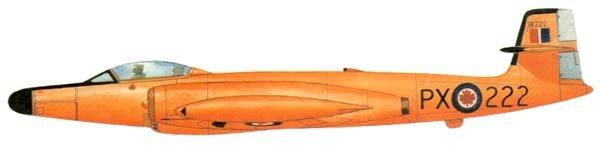
It is well known that the backbone of Canada’s fighter aviation consists of American aircraft, a trend that has continued for many years. Canadian aircraft designations like CF-86, CF-104, and CF-18 are associated by aviation enthusiasts either with licensed variants of corresponding American machines produced in Canada, or with aircraft manufactured directly in the USA for Canada.
However, not everyone knows that the designation CF-100 hides not a Canadian copy of an American aircraft, but a “native Canadian.” It emerged long before its more famous American namesake. Canada, especially its vast and sparsely populated North, had a relatively undeveloped airfield network.
Origins and Innovative Design
It is therefore not surprising that immediately after the war, the Royal Canadian Air Force (RCAF) developed requirements for a long-range jet interceptor, capable of engaging targets far from its home airfield in poor weather conditions, both day and night. In late 1946, Avro Canada, the largest aircraft manufacturing firm in Canada at the time, began designing such an aircraft.
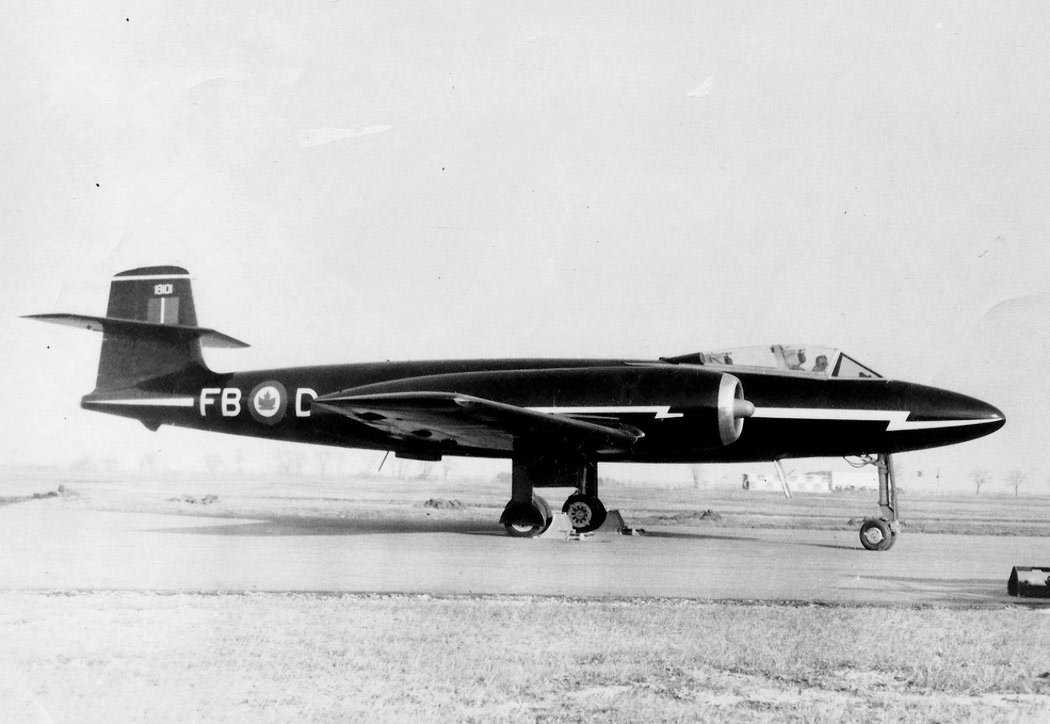
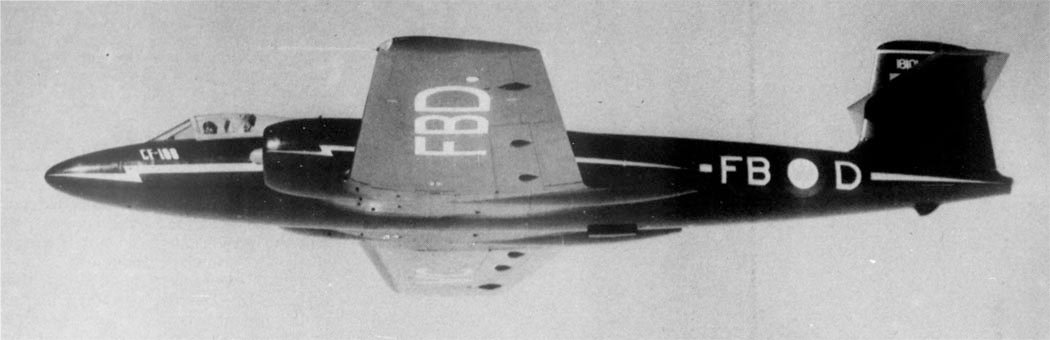
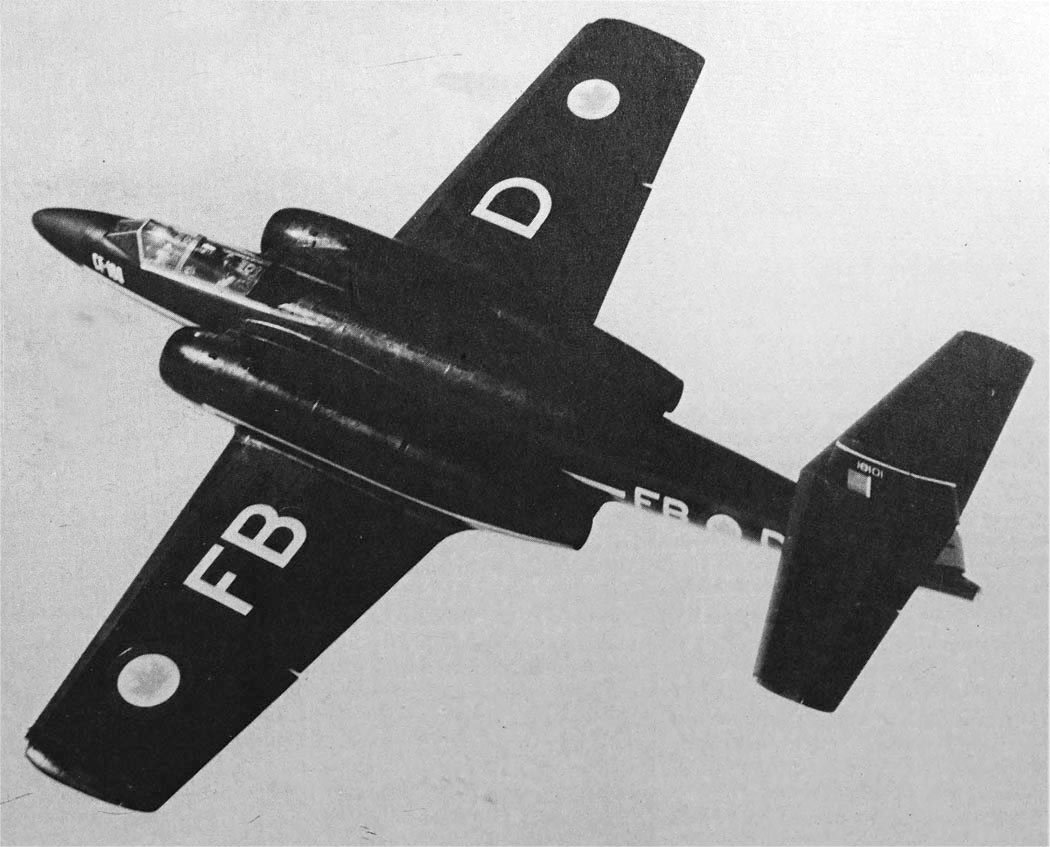
The task set before the company was not easy, and there was also a lack of experience in such work. Despite all difficulties, three years later, on January 19, 1950, flight tests of the first prototype of the CF-100 Mk.I “Canuck” began at the factory airfield in Malton, near Toronto. More than 450,000 man-hours of labor were spent on its development from the moment the task was received until the first flight.
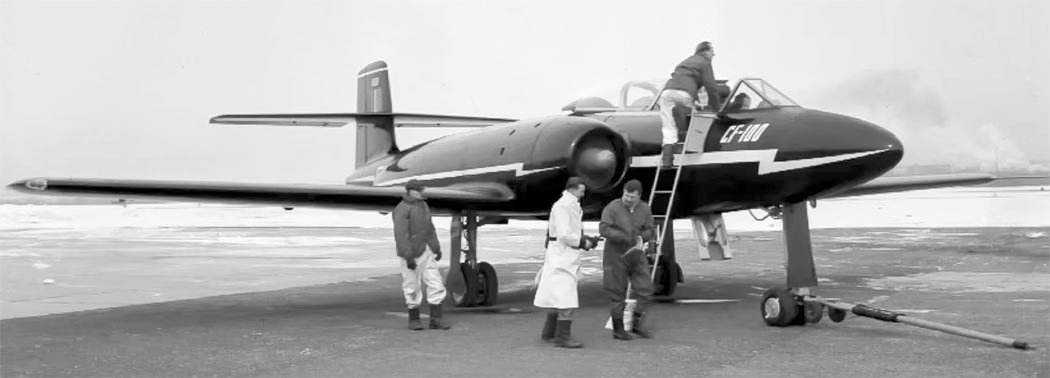
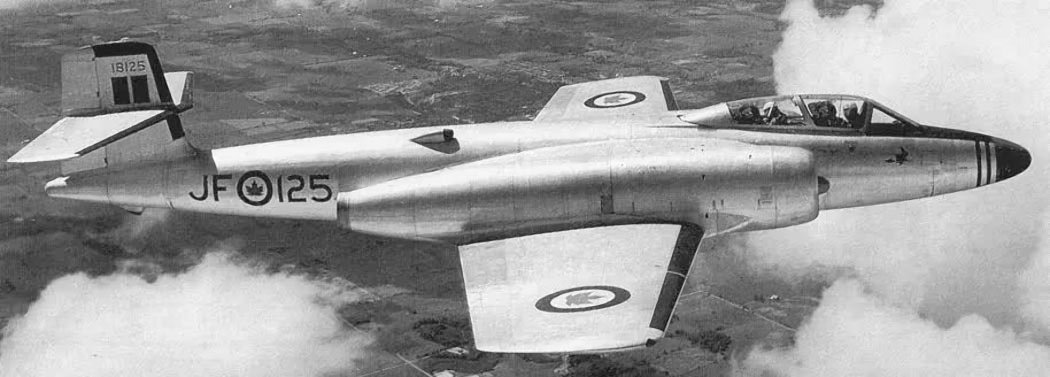
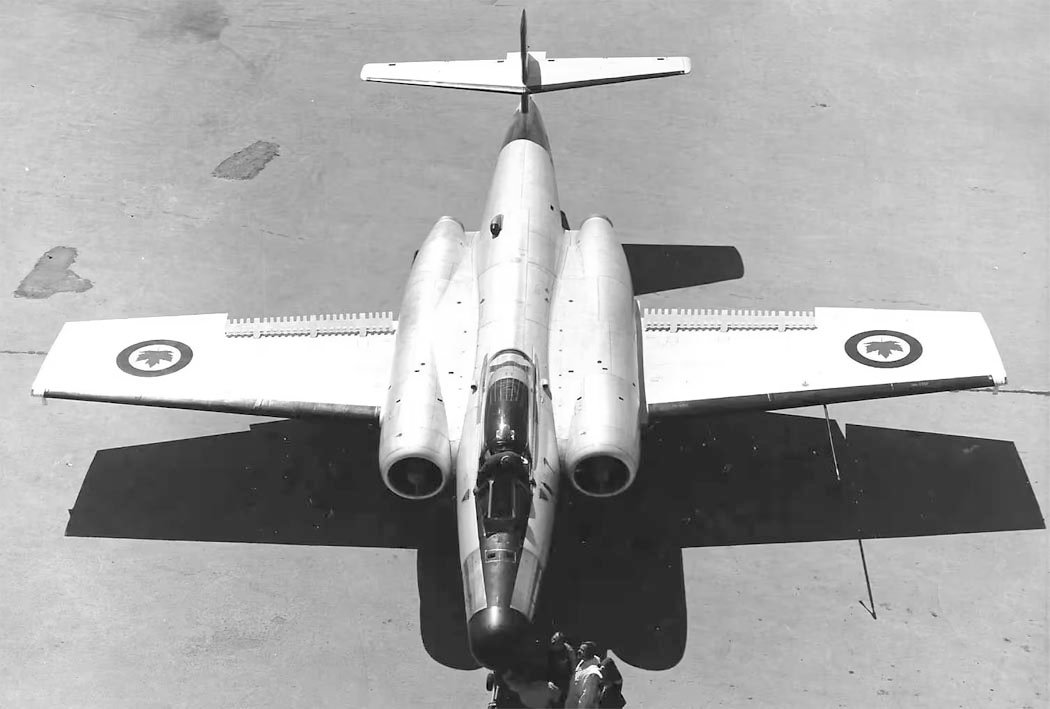
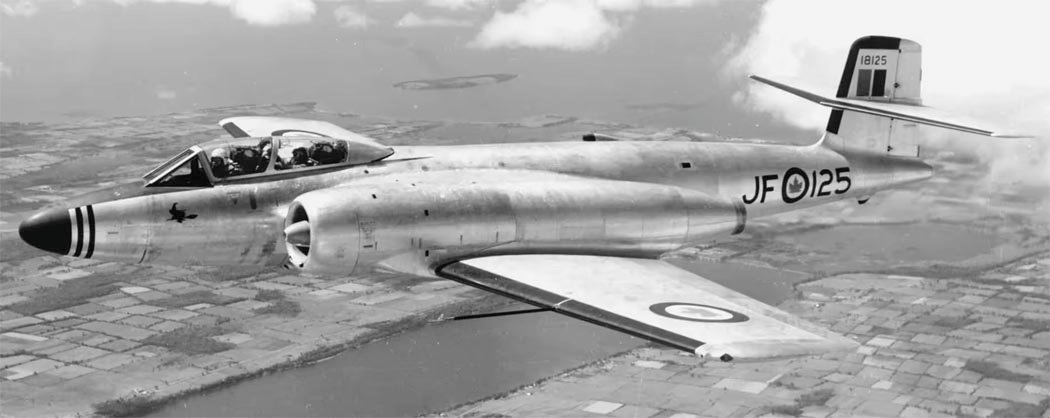
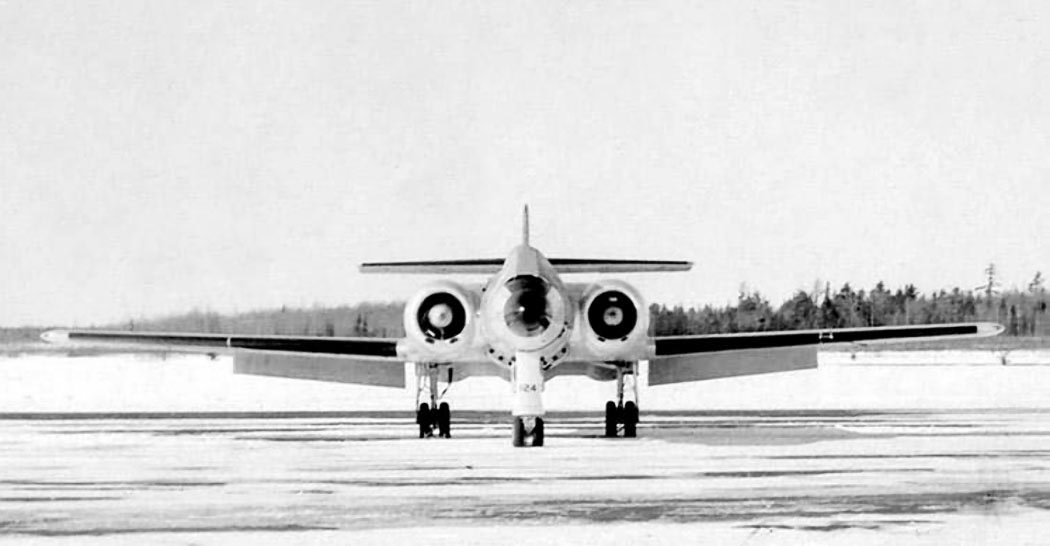
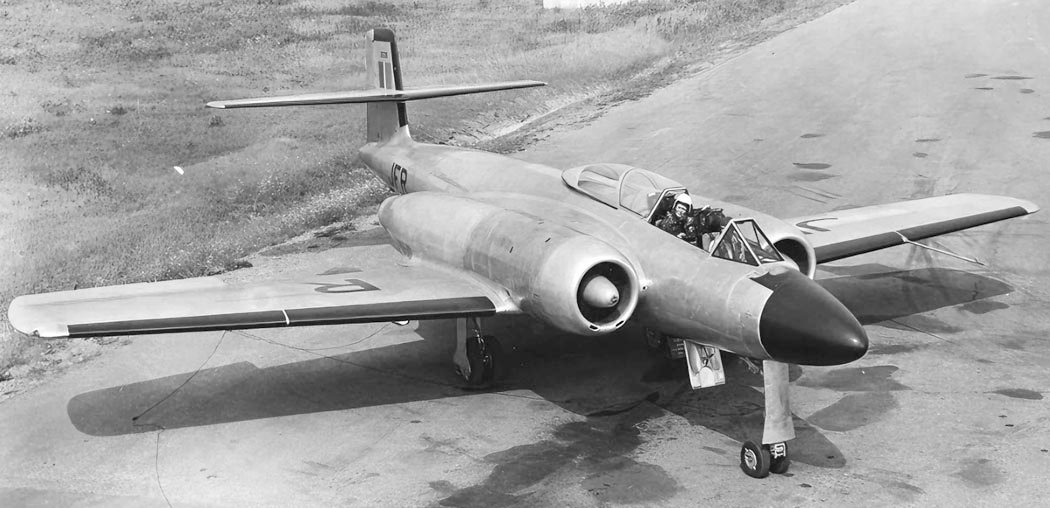
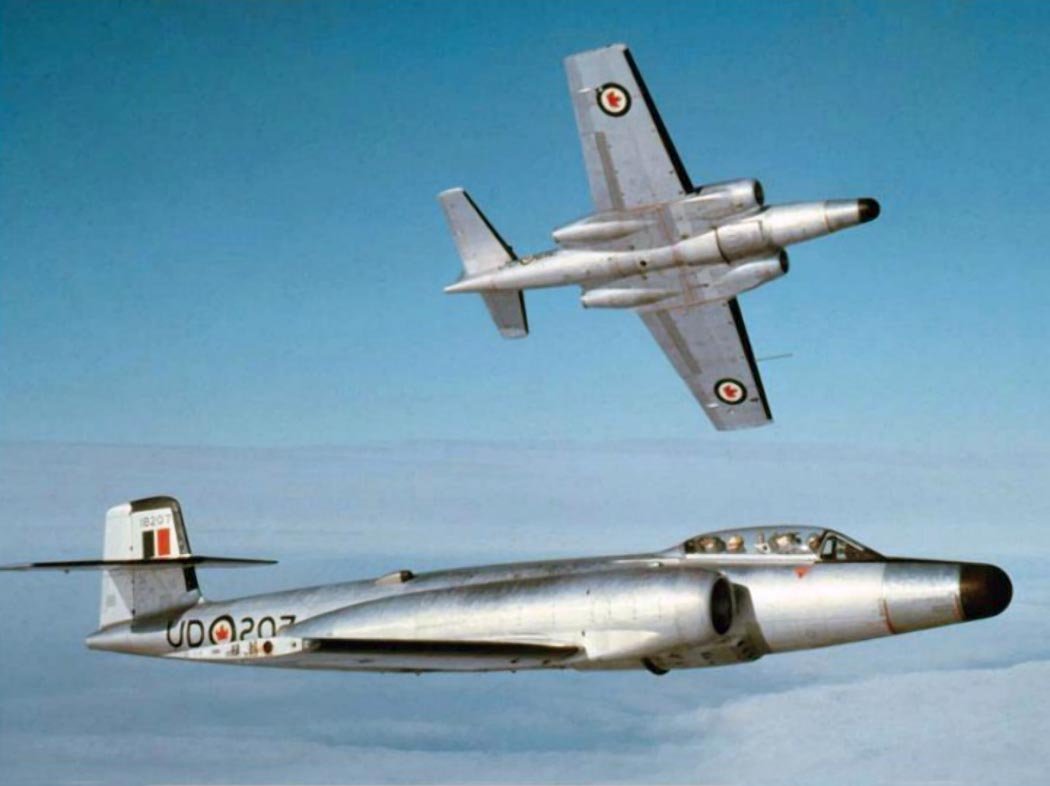
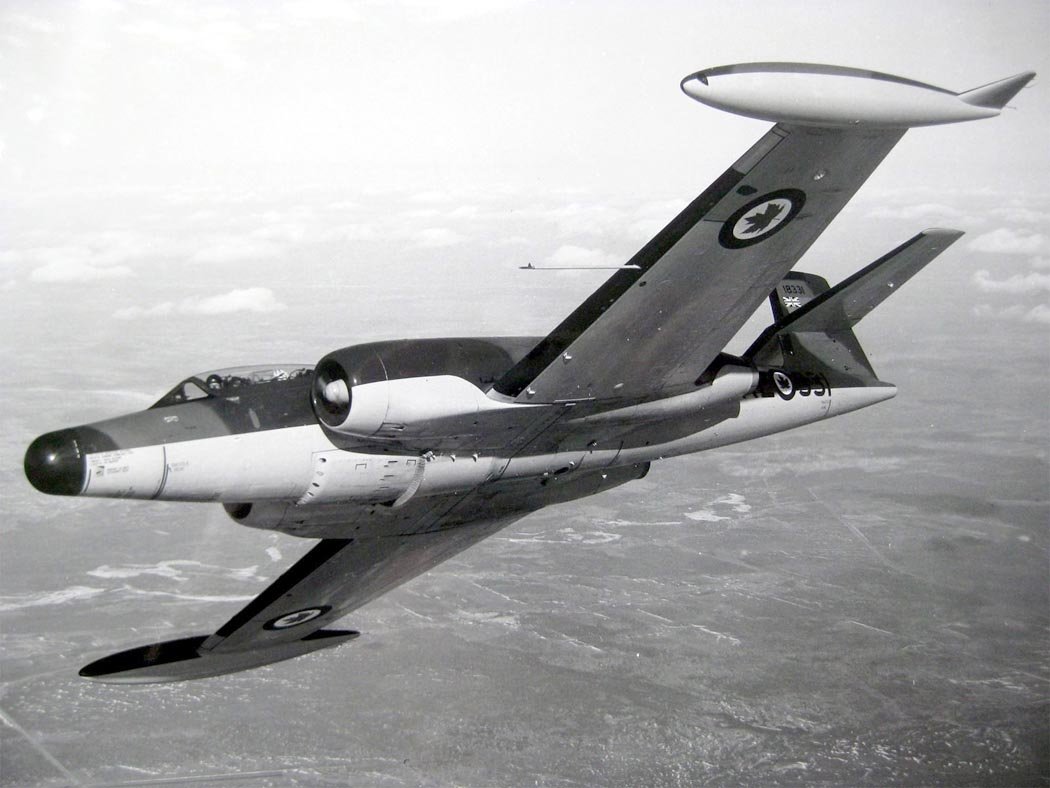
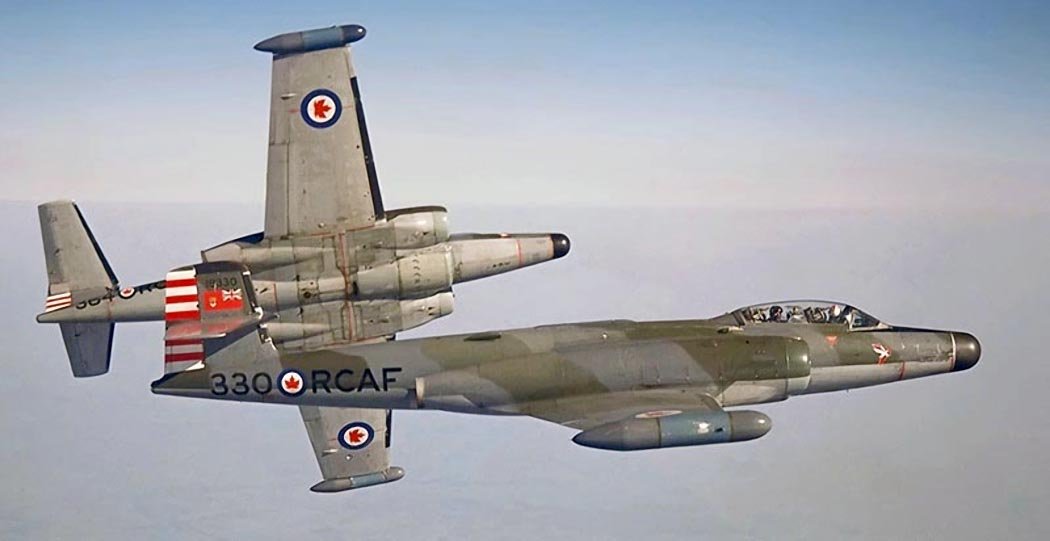
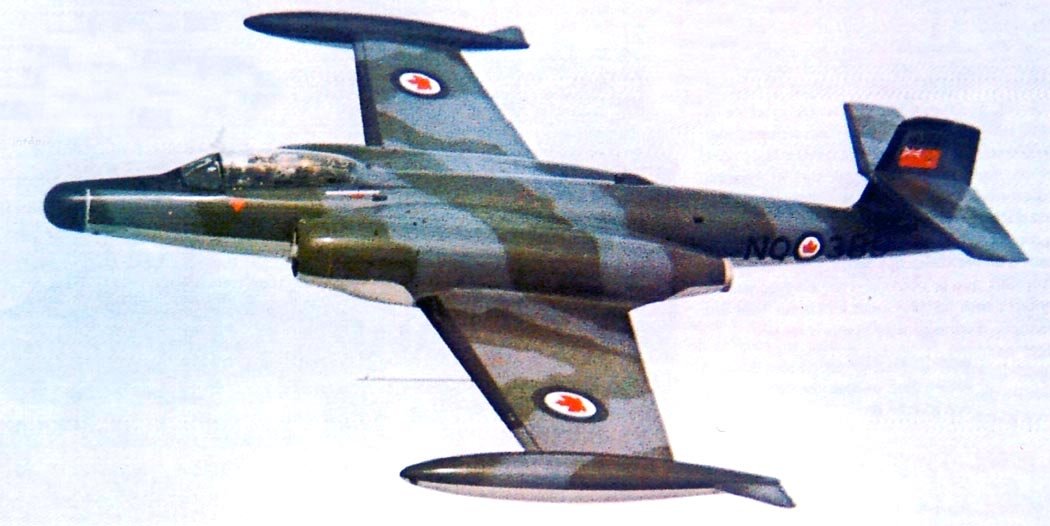
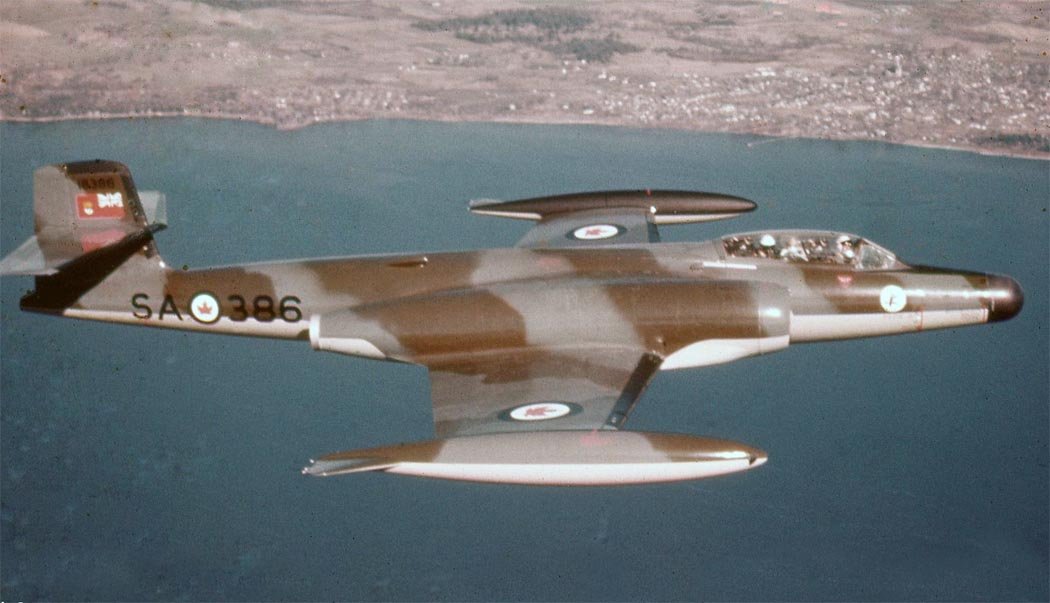
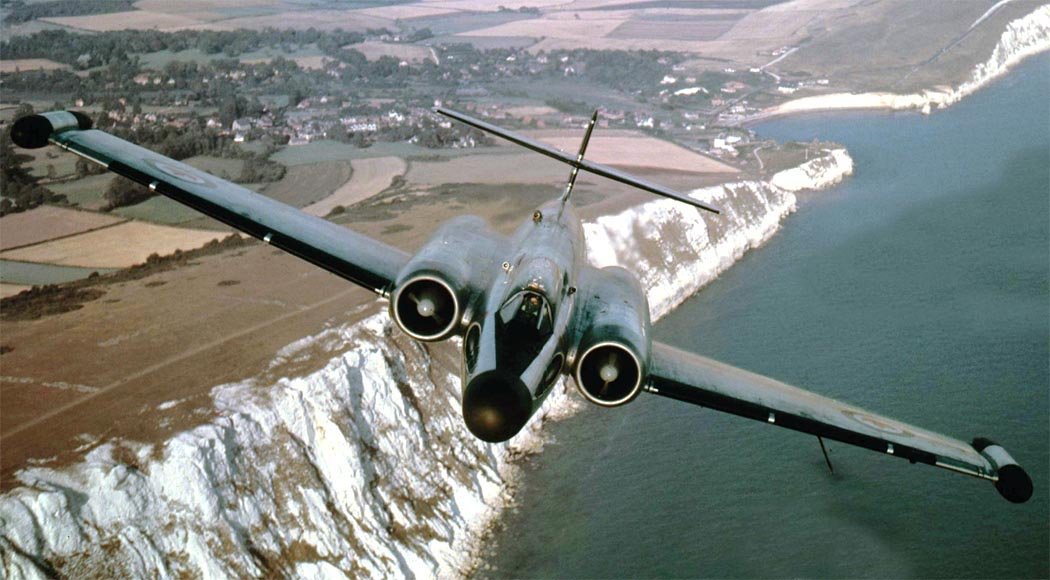
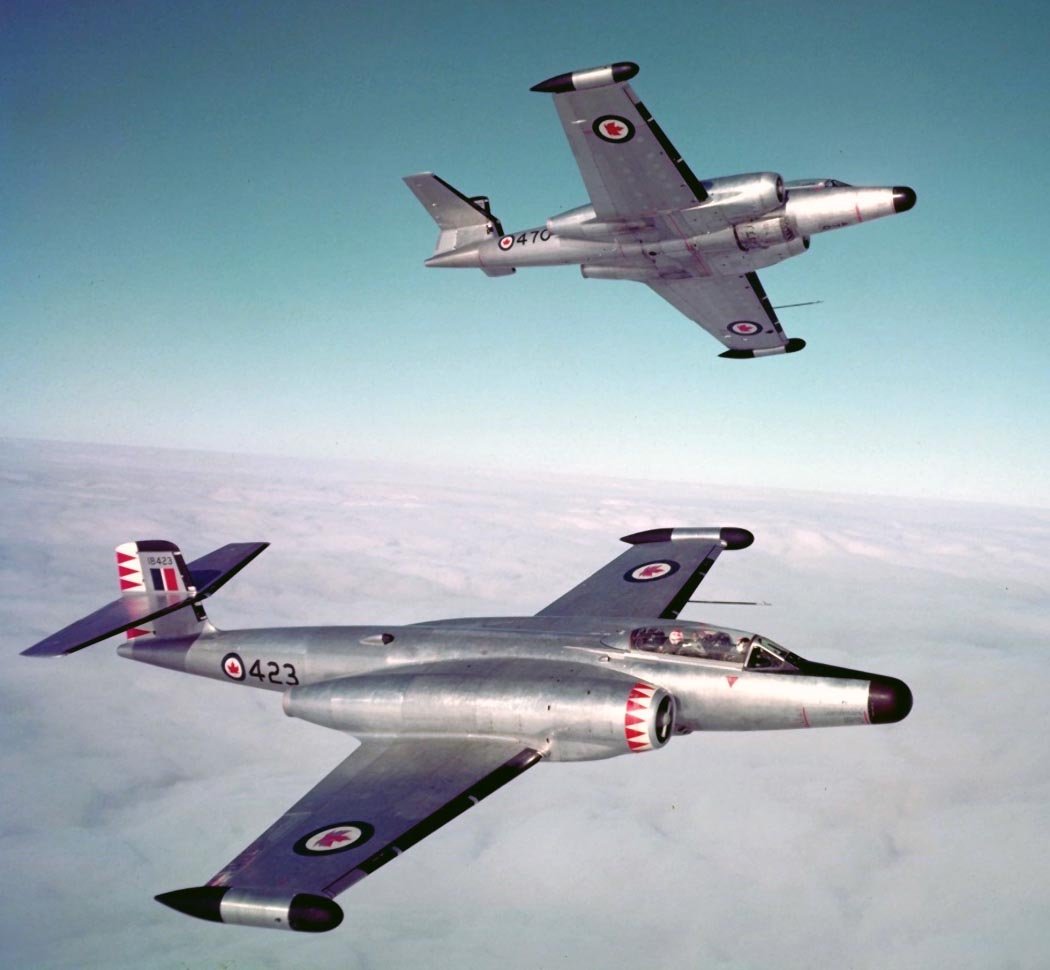
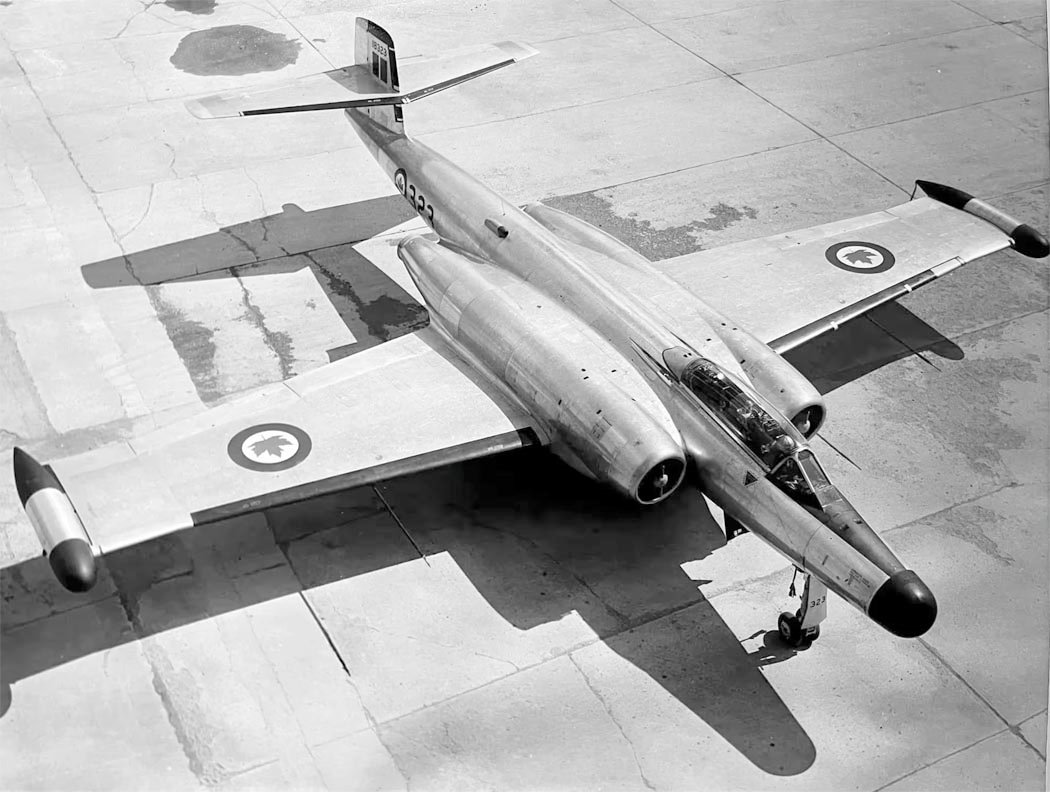
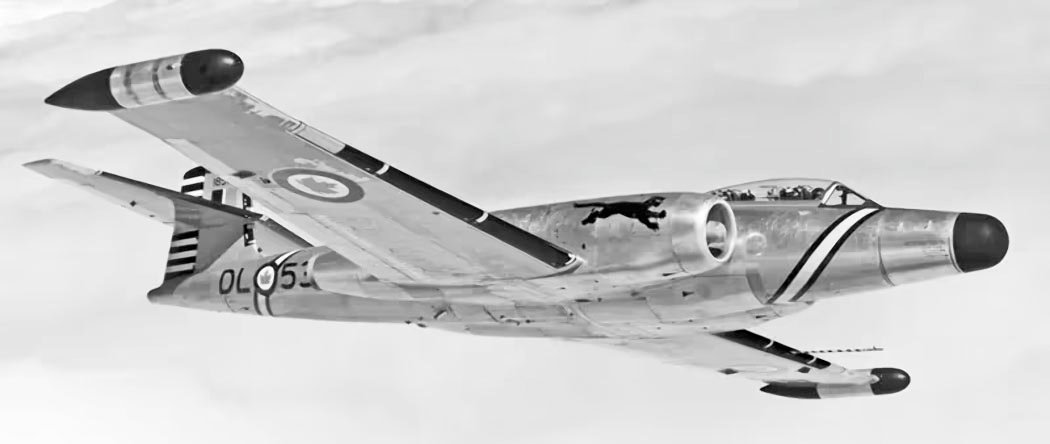
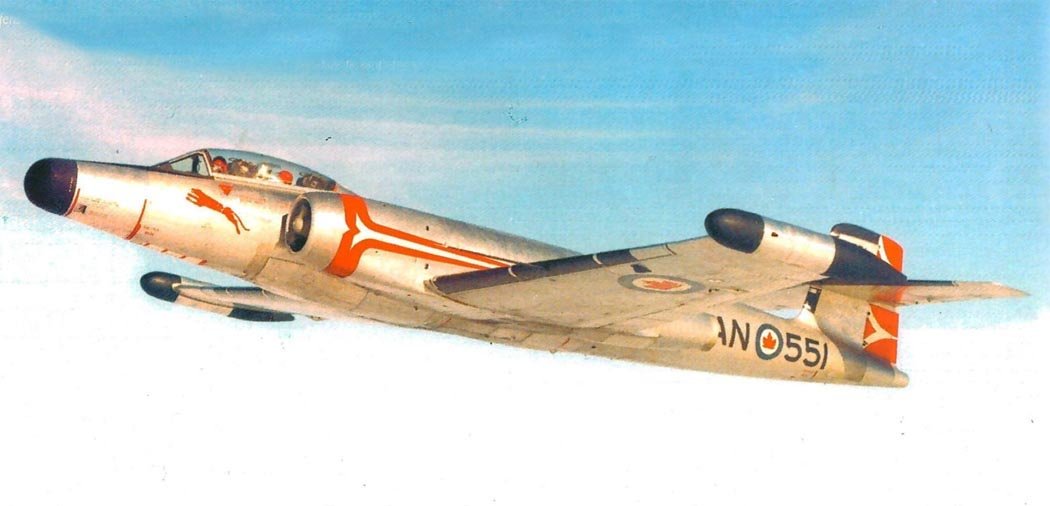
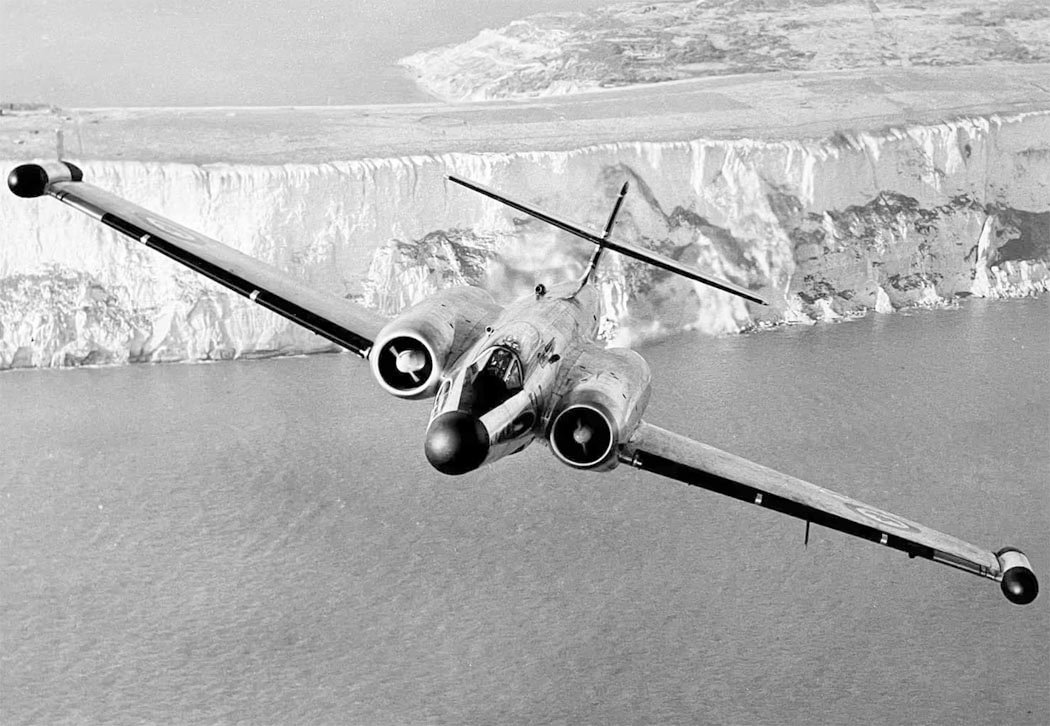
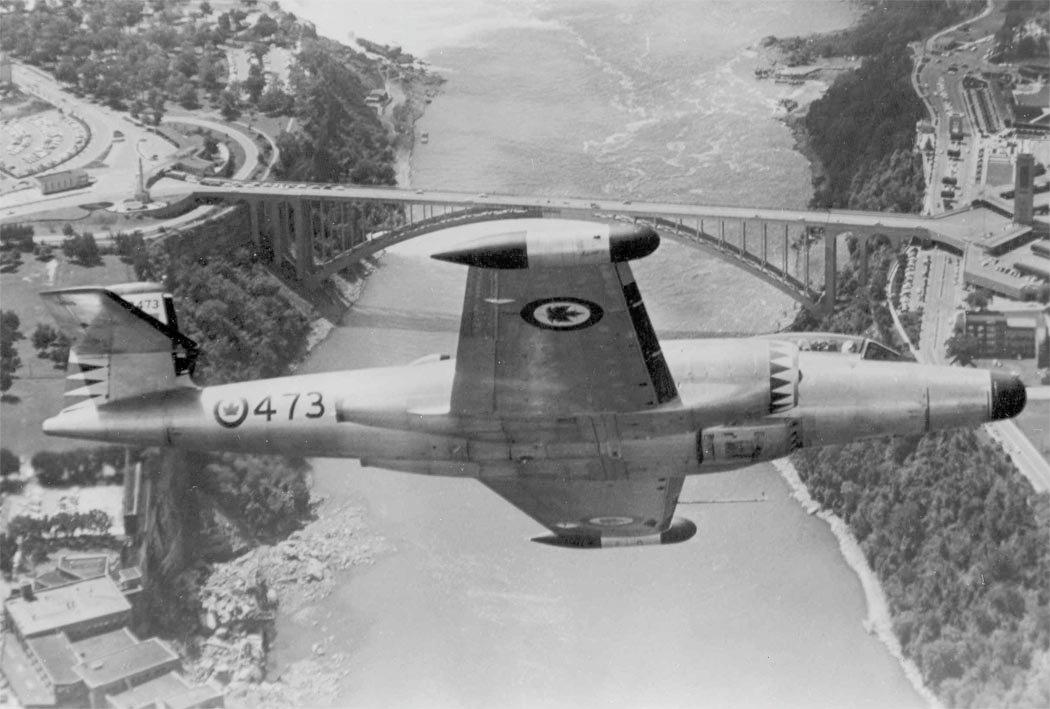
The aircraft was an all-metal, cantilever low-wing monoplane with a straight wing and a profile of moderate thickness. Two crew members (pilot and navigator-operator) were seated in tandem in a pressurized cabin equipped with ejection seats. Two British Rolls-Royce “Avon” turbojet engines were located in nacelles directly adjacent to the fuselage.
The wingspan was 15.85 m, length 16 m, tail height 4.60 m, and takeoff weight about 15 t. It should be noted that the CF-100 was not the company’s first jet aircraft. On August 10, 1949, just one month after the famous British “Comet,” the Avro Canada “Jetliner” jet passenger aircraft made its first flight.
However, the lack of firm orders and the priority of military programs (influenced, in particular, by the Korean War) led to the closure of work on this machine. Nevertheless, the results of the “Jetliner” development were undoubtedly not wasted and were widely used in the work on the CF-100.
Evolution and Technical Enhancements
Later, in the same year 1950, the first public display of the CF-100 on the ground and in flight took place at the Malton airfield. After running about 600 m down the runway, the aircraft easily took to the air. It then performed several passes over the runway at low altitude and high speed.
Finally, a joint maneuver with a lighter “Vampire” fighter and a low-speed flight were conducted, demonstrating high maneuverability for an aircraft of its class. The “Canuck” tests were quite successful, and the order for 2 more prototypes and 10 pre-production aircraft, placed since early 1950, increased to 124 machines by mid-year.
In February 1951, due to the general growth of defense programs, there was a further increase in both CF-100 orders and the planned production rate. From the very beginning of design work, it was decided to equip the CF-100 with Canadian engines. Therefore, the third prototype, which made its first flight on June 10, 1951, was already fitted with “Orenda-2” engines, designed in the company’s gas turbine engine division.
Concurrently, a factory for engine production was being built in Malton. The “Orenda-2” was a non-afterburning turbojet with a ten-stage axial compressor, six tubular combustion chambers, and a single-stage turbine. Weighing 1100 kg, it provided a thrust of 2800 kg. In addition to the “Canucks,” various modifications of “Orenda” engines also equipped the “Sabres” produced in Canada.
In September 1951, production of the ordered pre-production CF-100 Mk.2 aircraft, similar to the third prototype, began at the Avro aircraft factory in Malton. One of them (CF-100 Mk.2T) featured dual controls. Simultaneously, preparations were underway for large-scale series production of the “Canucks.”
During the development, insufficient wing strength and rigidity were discovered. This necessitated on-the-fly changes: several additional extruded profiles were added to the wing structure. The designers were not idle; to meet rapidly changing requirements, work on new modifications, primarily focused on improving armament and electronic equipment, continued even before serial production began.
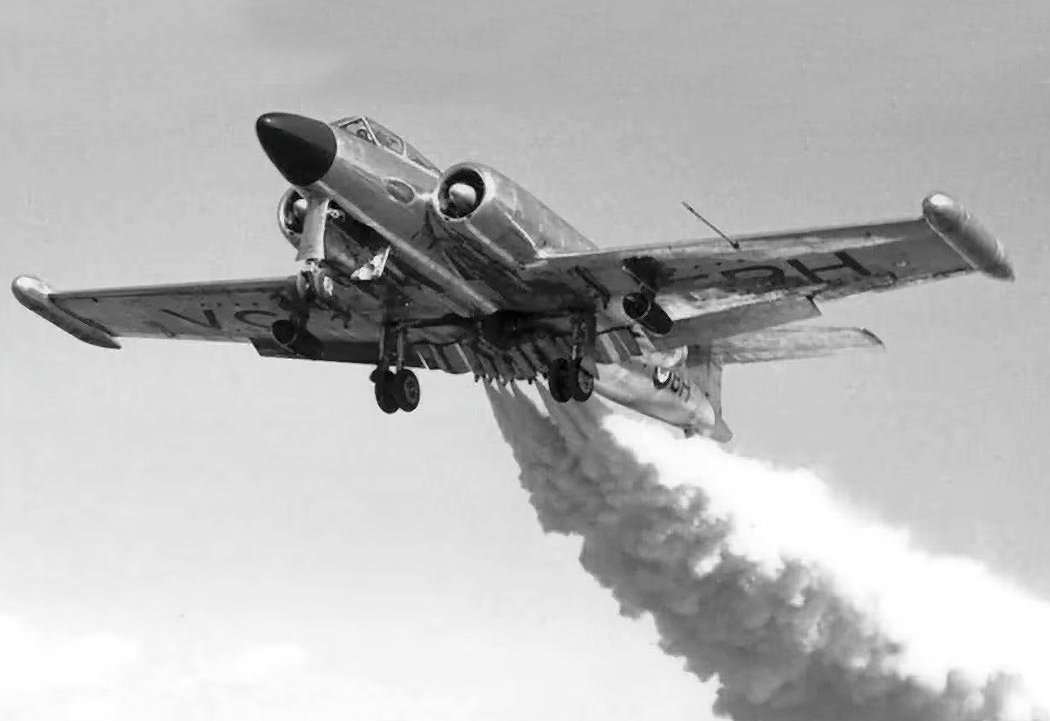
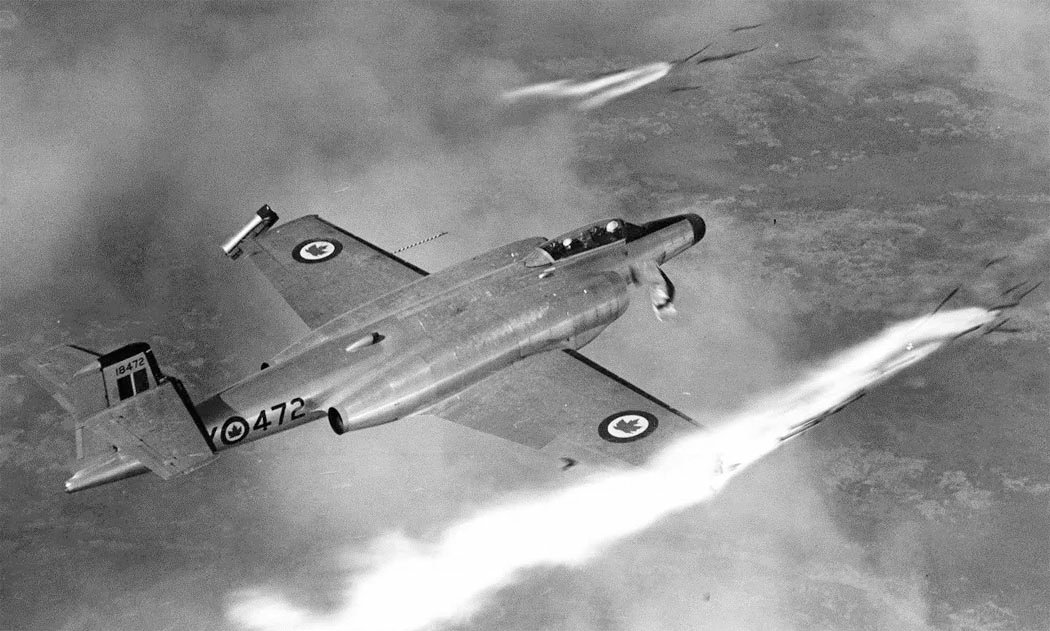
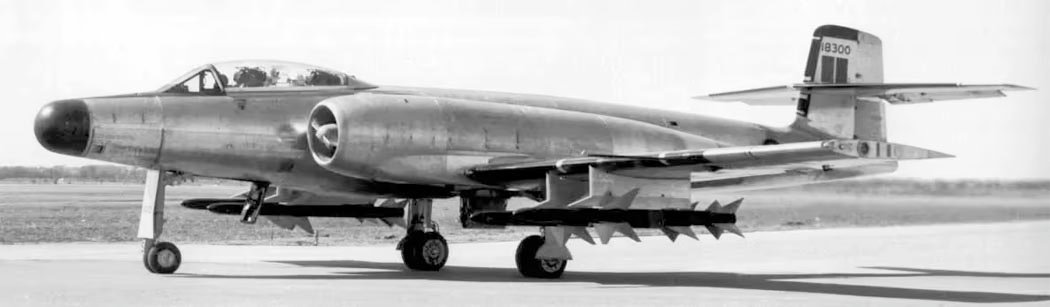
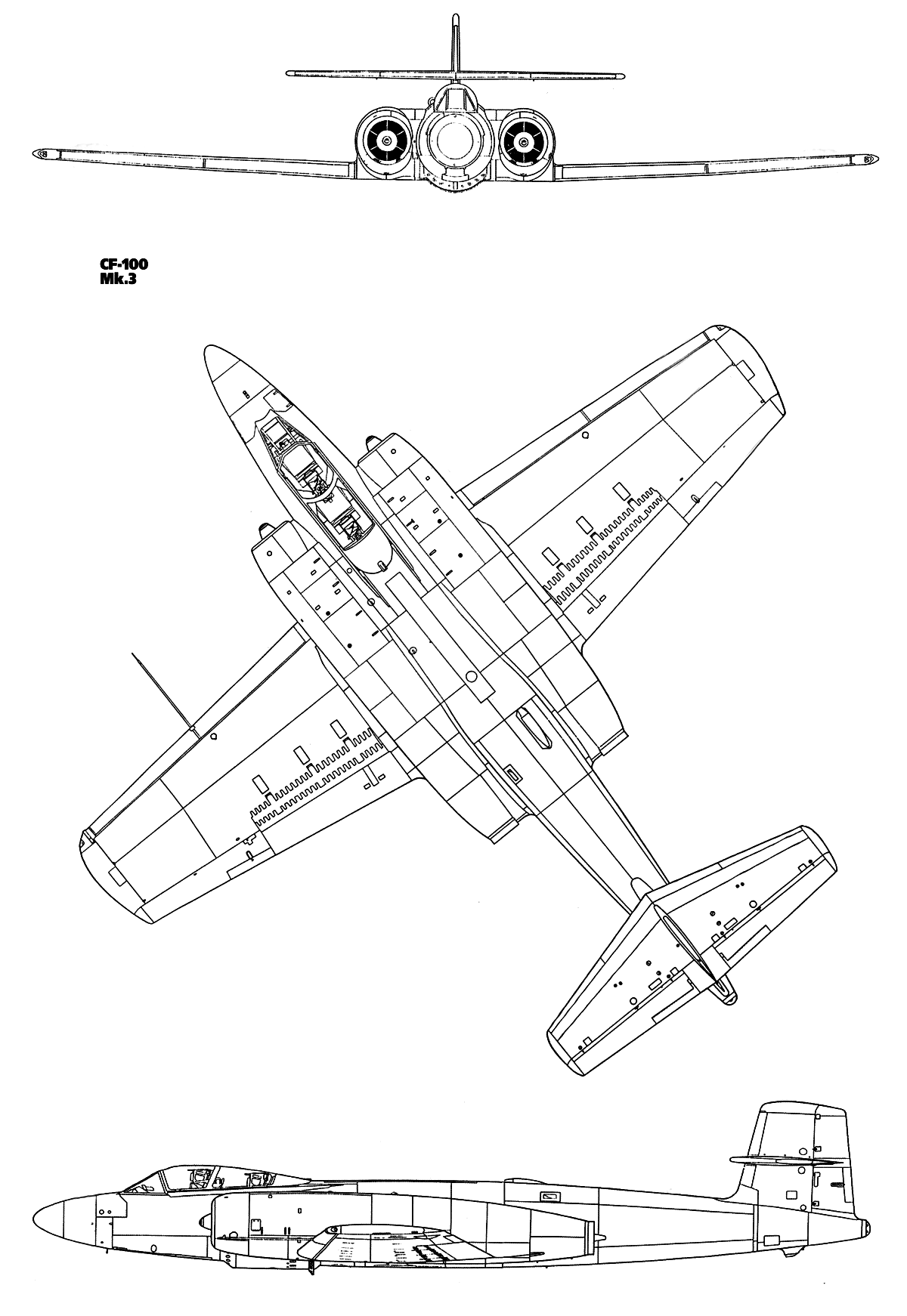
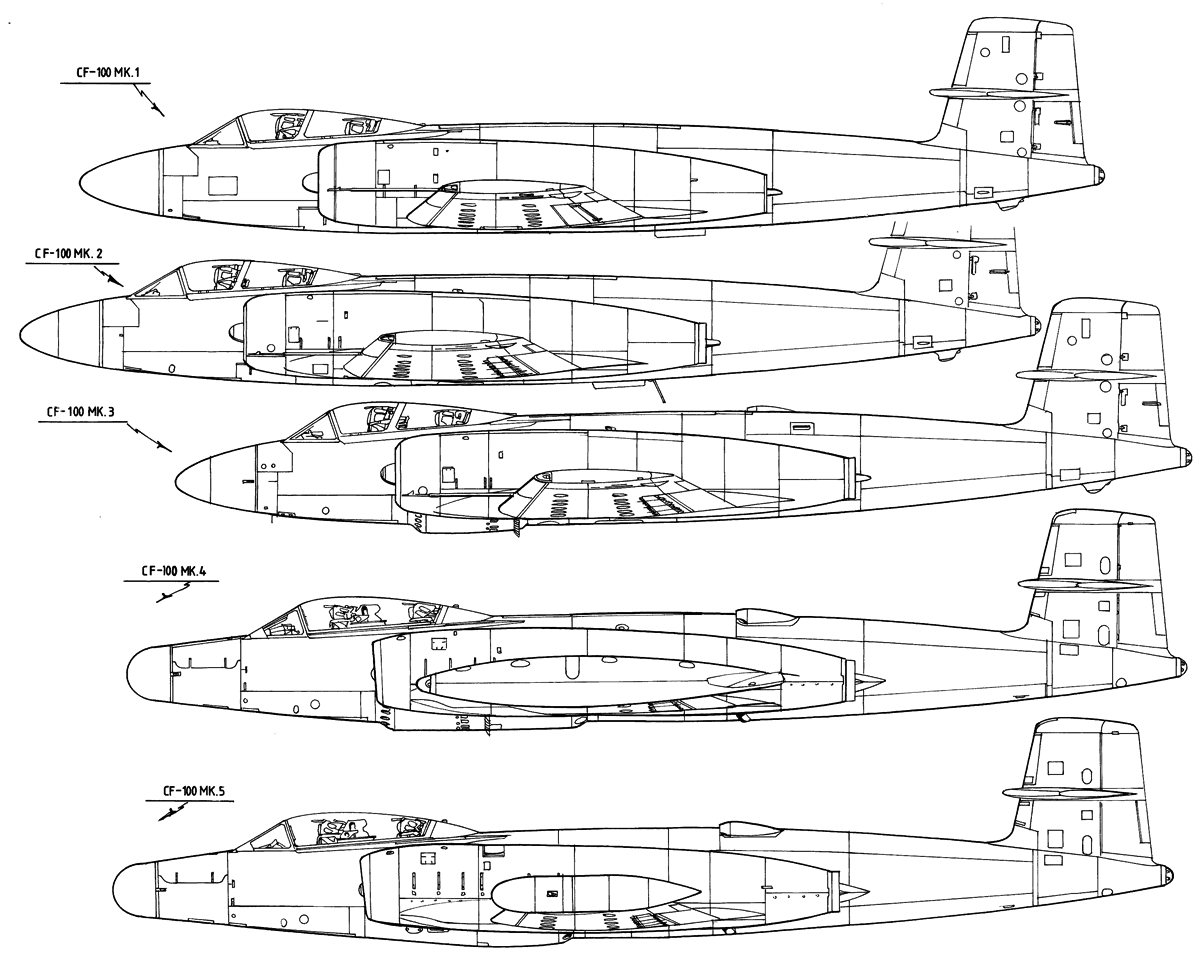
The CF-100 Mk.3, being prepared for serial production, was armed with ten 12.7 mm machine guns in an easily removable integrated container at the bottom of the fuselage. However, for an interceptor, such armament was clearly insufficient. Therefore, the improved CF-100 Mk.4 variant, in addition to machine guns, provided for the installation of an integrated under-fuselage block with seven unguided rockets.
This modification was later planned to be equipped with a more powerful radar with a different radome shape (which extended the nose section of the fuselage by half a meter) and new engines. However, the first prototype CF-100 Mk.4, which made its first flight on October 11, 1952, was still equipped with the “Orenda-2” engine.
Service and Legacy
Symbolically, on the same day, the first production aircraft of the Mk.3 modification also took to the air for the first time. Most serial Mk.3s had “Orenda-8” engines, which were a minor modification of the original variant. On December 18, 1952, a “thunderclap” was heard over Malton, not signaling a storm: an experimental Mk.4 exceeded the speed of sound in a shallow dive from an altitude of 9 km. However, this was not to be the main advantage of the Mk.4 (after all, the CF-100 was a purely subsonic aircraft), but rather its high armament and equipment characteristics, which significantly increased its combat effectiveness.
By mid-summer 1953, the new modification had completely replaced the Mk.3 on the assembly lines in Malton, and on October 29 of the same year, the production Mk.4 made its first flight. By this time, 70 aircraft of the Mk.3 variant had left the factory. Later, in 1955, 50 of them were converted into training versions, the CF-100 Mk.3CT and CF-100 Mk.3D. The main “Canuck” variant became the Mk.4. Over five hundred CF-100s of this modification were produced, and they formed the backbone of Canadian air defense aviation for many years. The last variant, the CF-100 Mk.5, which first flew on October 12, 1955, was only a minor modification of the Mk.4, primarily concerning radar equipment.
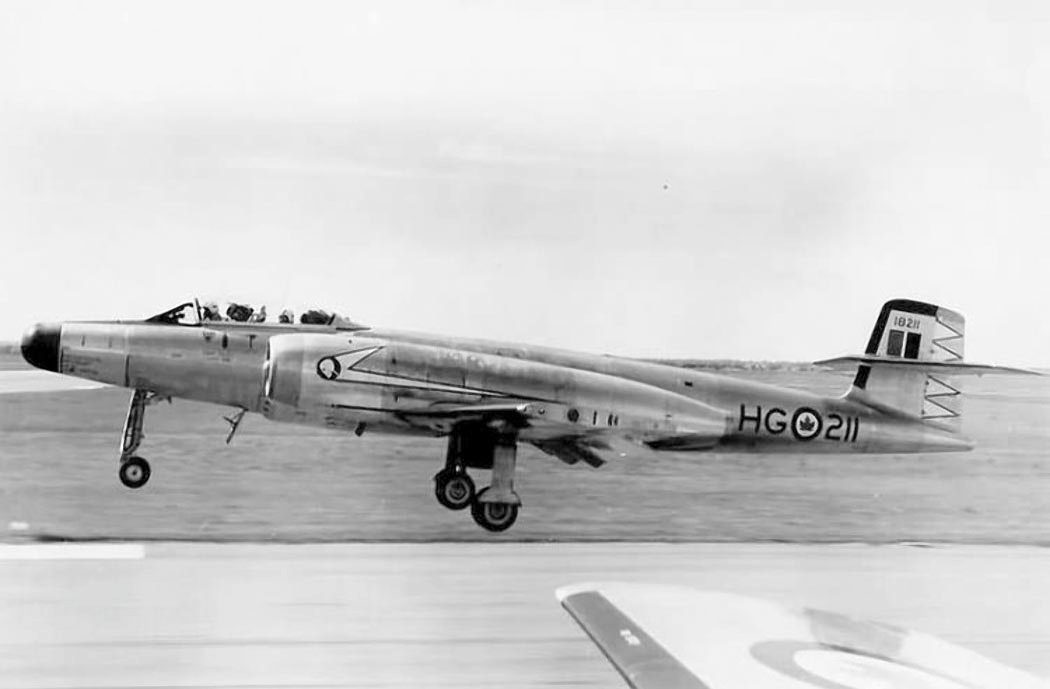
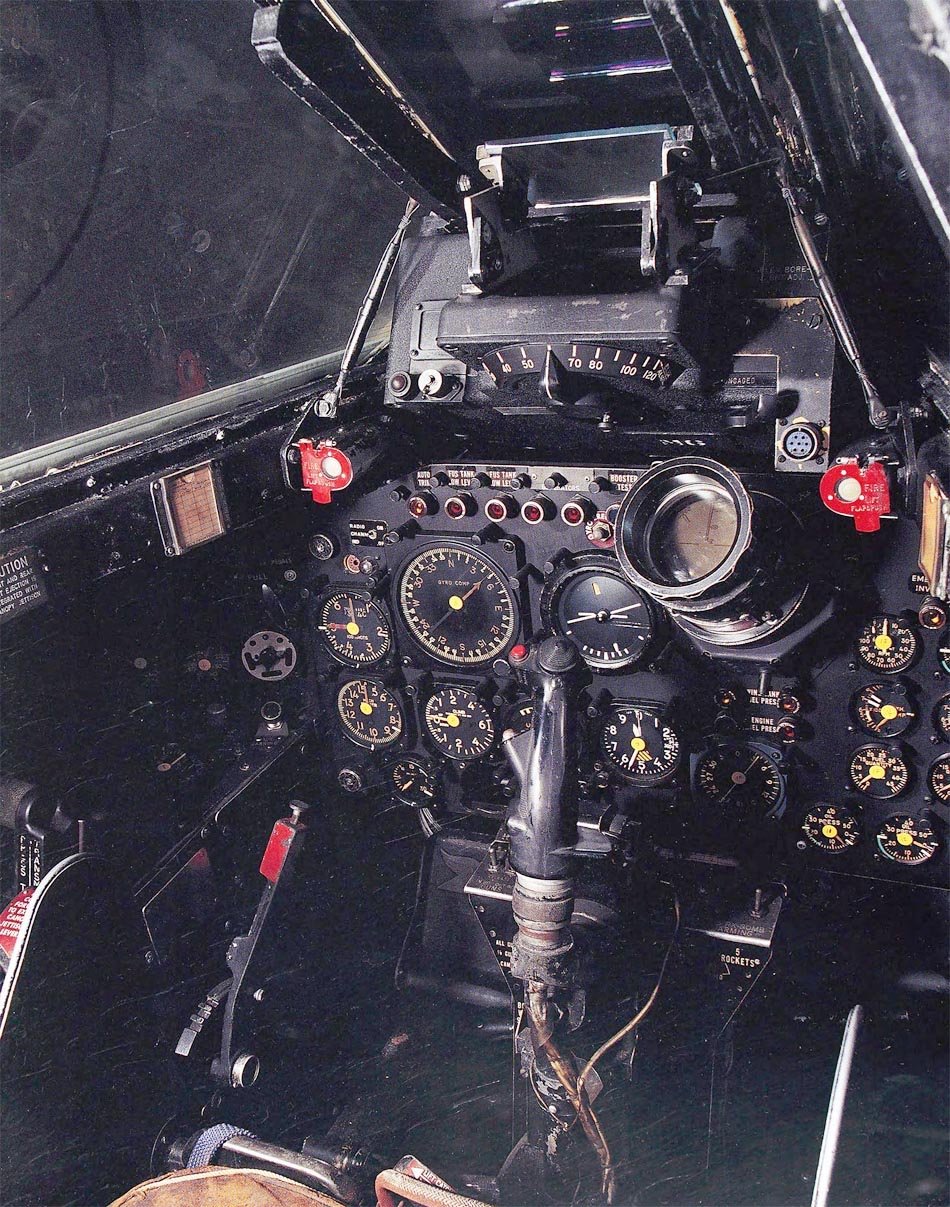
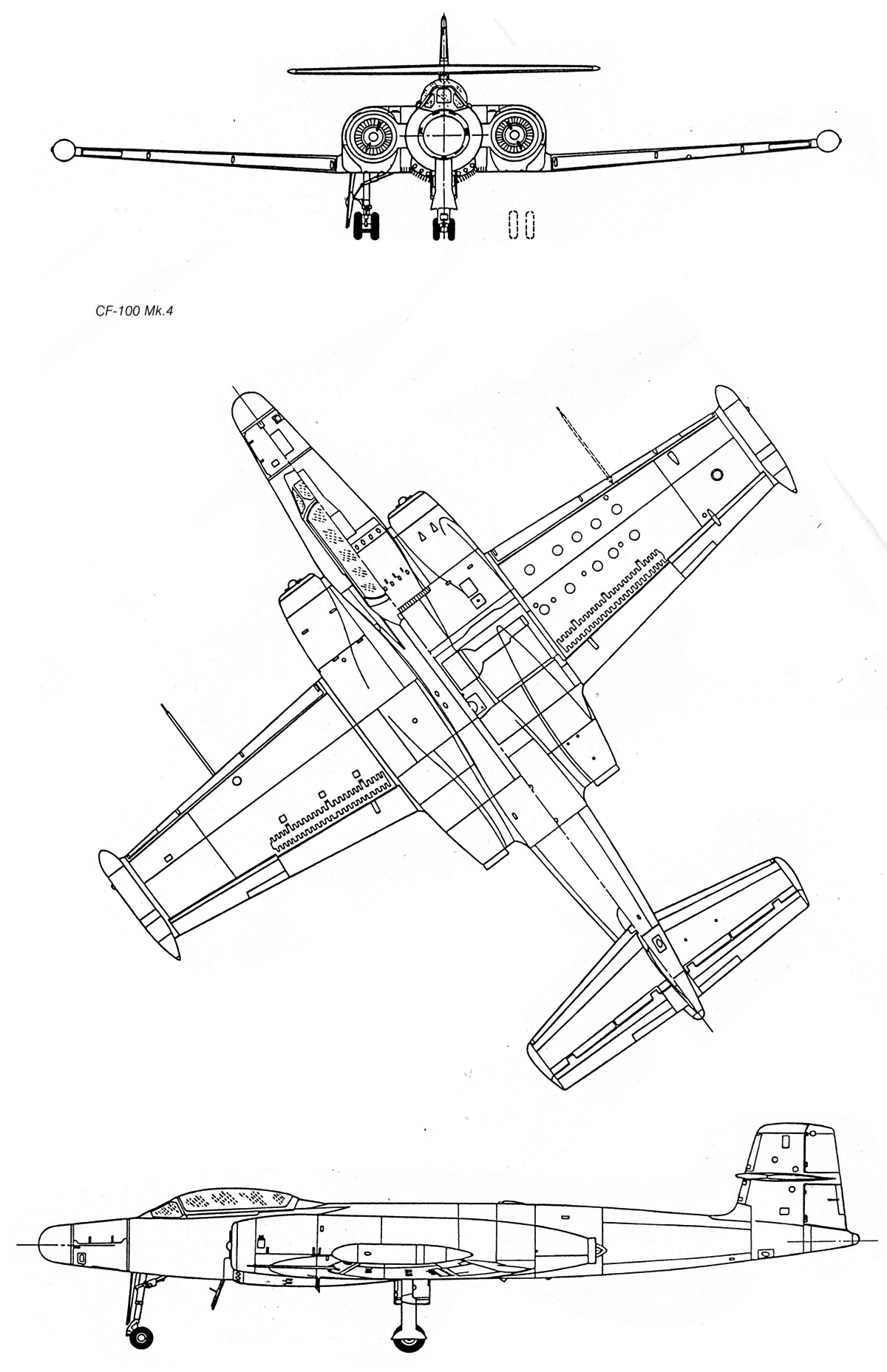
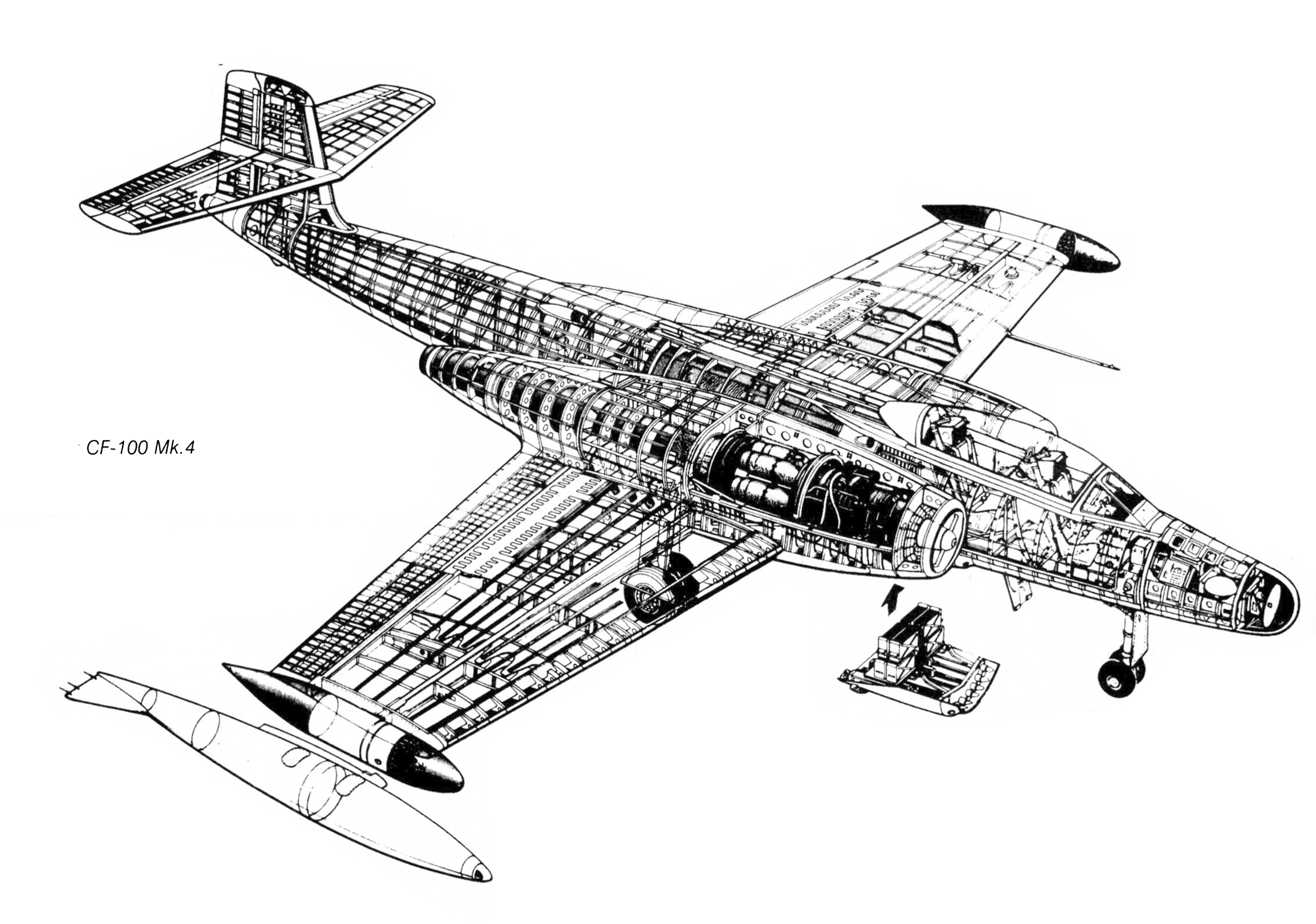
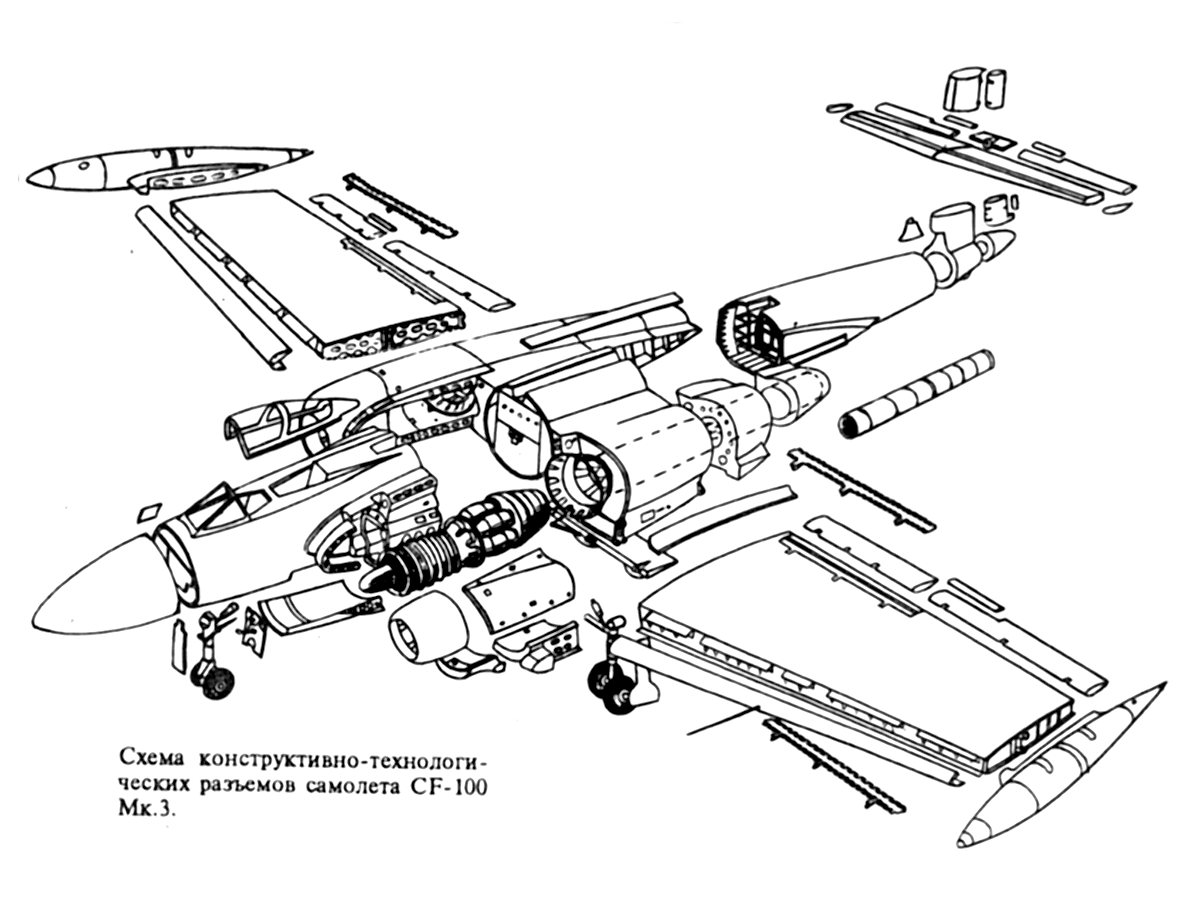
The design of the CF-100 Mk.4 generally followed previous modifications. The fuselage consisted of three main parts: nose, center, and tail. The nose and tail sections had a semi-monocoque riveted structure made of aluminum alloys. The cockpit, covered by a common rearward-sliding canopy, was located in the nose. Martin-Baker Mk.2 ejection seats, manufactured in Canada under British license, ensured crew survival at speeds up to 850 km/h and altitudes from 150 m to maximum ceiling. Ahead of the cockpit was the electronic equipment bay. The long tail section carried a small cruciform empennage.
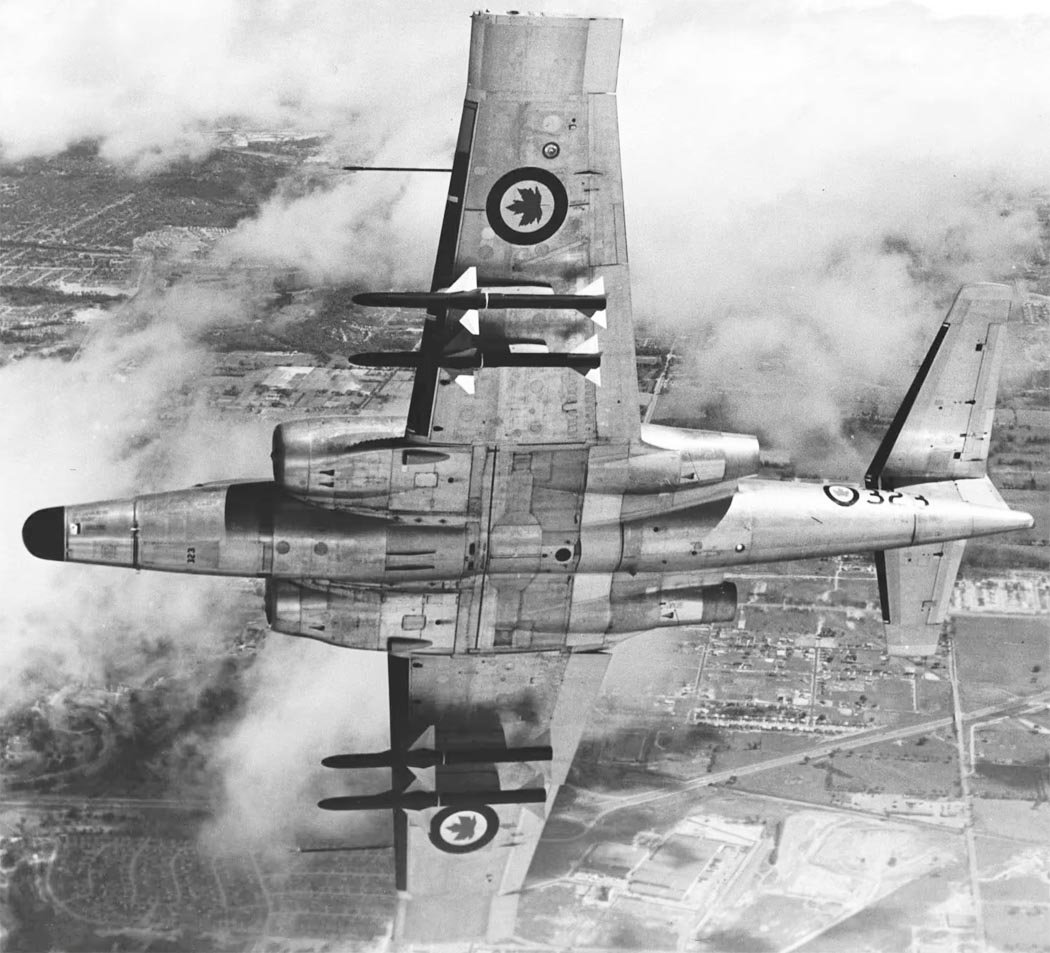
The stabilizer with the elevator divided the fin and rudder into two approximately equal parts, with the lower part of the fin integrated with the fuselage. All control surfaces were equipped with trim tabs. The central fuselage section was a large structural box-tank, bearing all main loads. The tank also enclosed the engine exhaust ducts, forming the central parts of the engine nacelles, to which the wing was also attached.
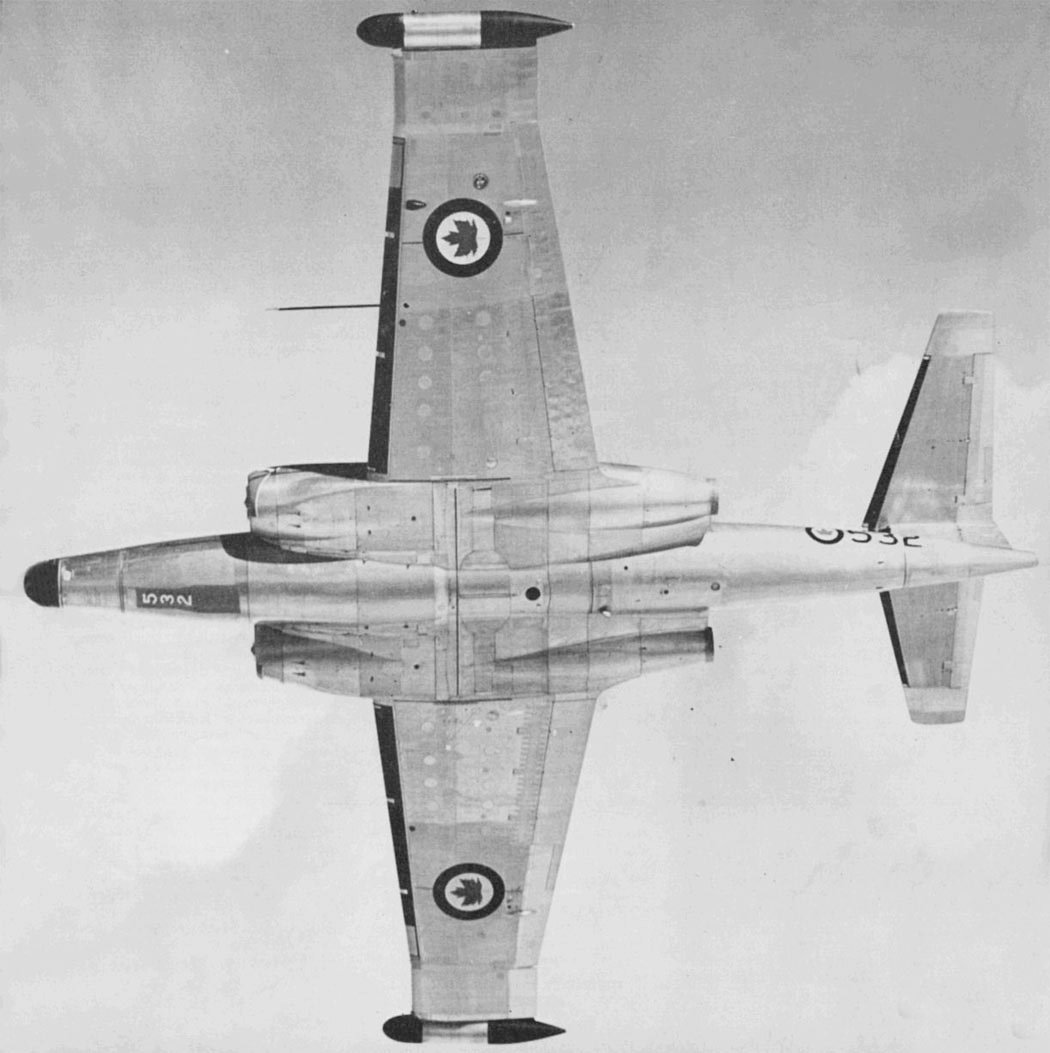
The straight (sweep angle at the quarter-chord line of 1°50′) two-spar wing, with an aspect ratio of five, had a NACA 0010 profile with a relative thickness of 10%, uniform across the entire span, and a transverse “V” angle of -3°. Structurally, the wing was divided into front (up to the first spar) and rear sections, each of which, in turn, was assembled from upper and lower skins with riveted stringers and rib chords. Strict requirements for takeoff and landing characteristics led to powerful mechanization on the wing.
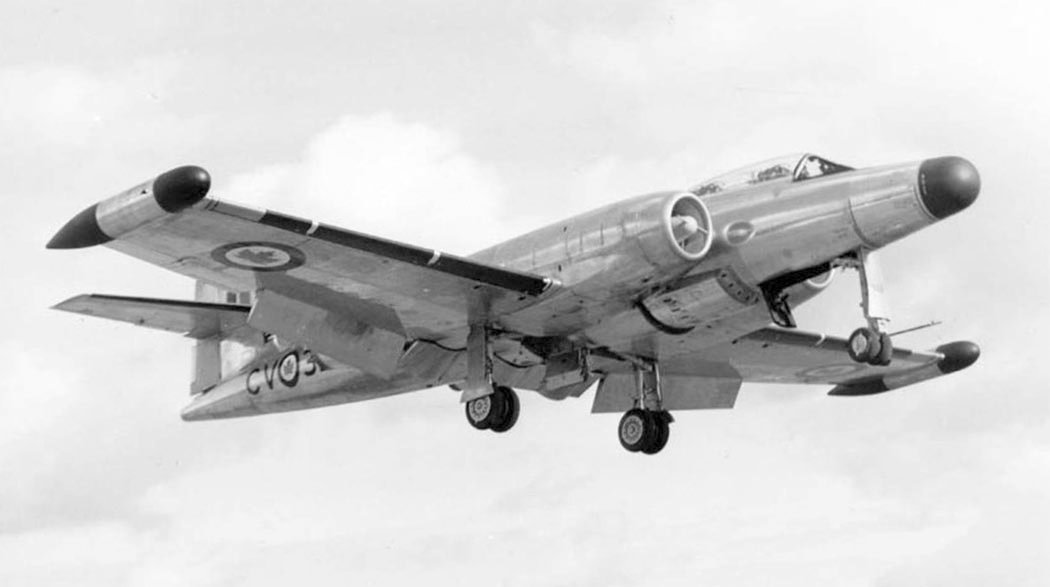
The entire leading edge of the wing was occupied by a droop snoot. The trailing edge mechanization consisted of a simple flap, the halves of which, located on each half-wing, were connected by an under-fuselage fairing, which deflected with the flap but to smaller angles. Immediately in front of the flap were the airbrakes, which deflected simultaneously on the upper and lower surfaces of the wing.
The engines were located in nacelles adjacent to the fuselage. The first eighty production Mk.4s (CF-100 Mk.4A variant) were equipped with “Orenda-9” engines, while the rest (CF-100 Mk.4B) had “Orenda-11s.” The former generally corresponded to the “Orenda-8” engine and differed in some equipment elements. It had a takeoff thrust of 2883 kg at 7800 rpm. The “Orenda-11,” unlike its predecessors, was equipped with a two-stage turbine, with a takeoff thrust of 3175 kg.
The aircraft’s landing gear was tricycle, with twin wheels on all struts. The main struts were attached to the engine nacelles and retracted into the fuselage. Aircraft control was rigid, only from the pilot’s cockpit (except for training variants), with hydraulic assistance in the pitch channel. Rubber de-icing system boots were installed on the leading edges of the wing and empennage of all production CF-100s. The Mk.4 also had a “spinner” on the central fairing in front of the air intake, which sprayed de-icing fluid (alcohol) onto the leading edges of the air intake.
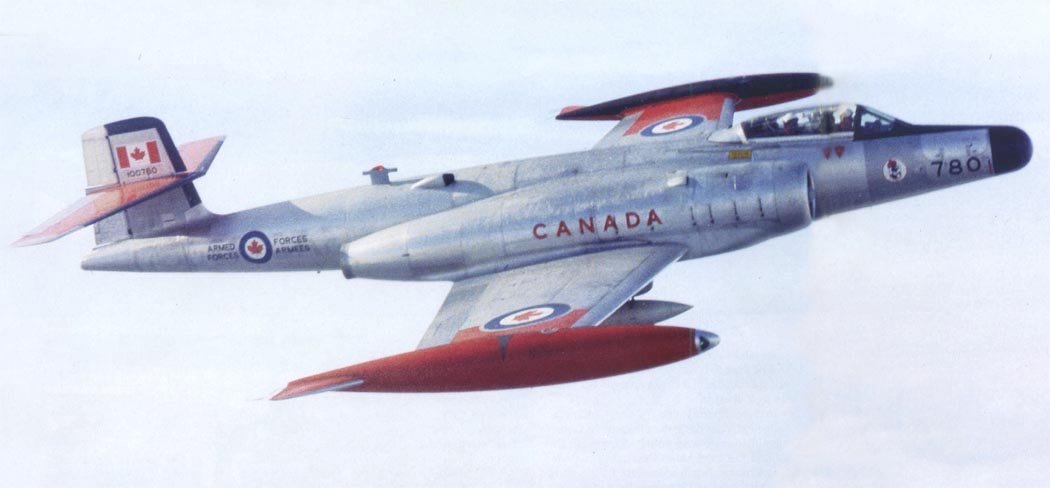
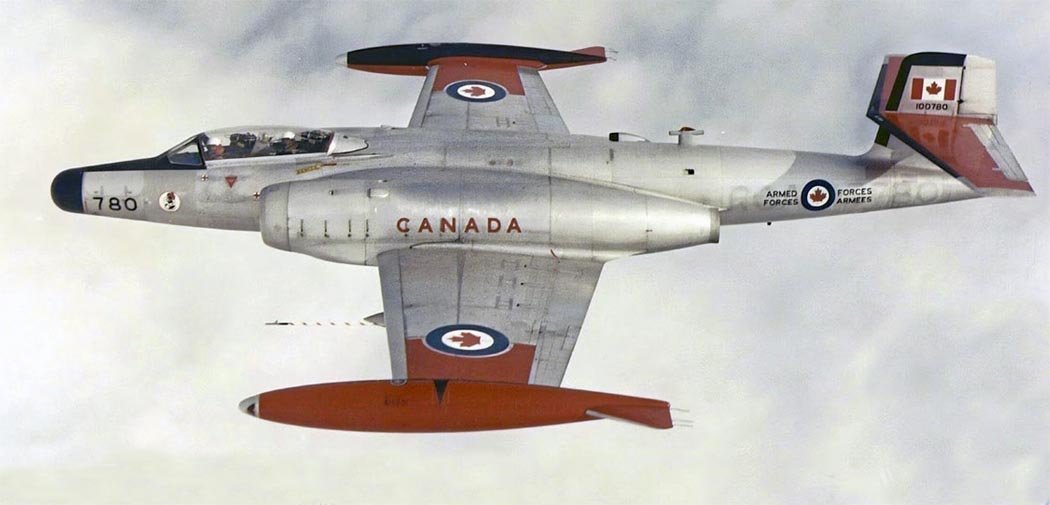
The bulk of the fuel was housed in the fuselage box-tank. The internal fuel supply provided the aircraft with a ferry range of 3200 km. Additional tanks could also be hung at the wingtips, extending the interception radius to 1840 km. The integrated armament of the CF-100 Mk.4 consisted of seven unguided aerial rockets in an easily removable container and ten 12.7 mm machine guns. In addition, blocks of unguided rockets could be suspended from the wingtips.
Targeting and more effective weapon deployment were ensured by a Hughes fire control system with radar, operated by the operator from the rear cockpit. The successful technological division of the airframe allowed for widespread aggregate assembly, maximizing the work front and utilizing the production line method. Many airframe components and almost all aircraft equipment were produced by partner firms across Canada and even beyond its borders.
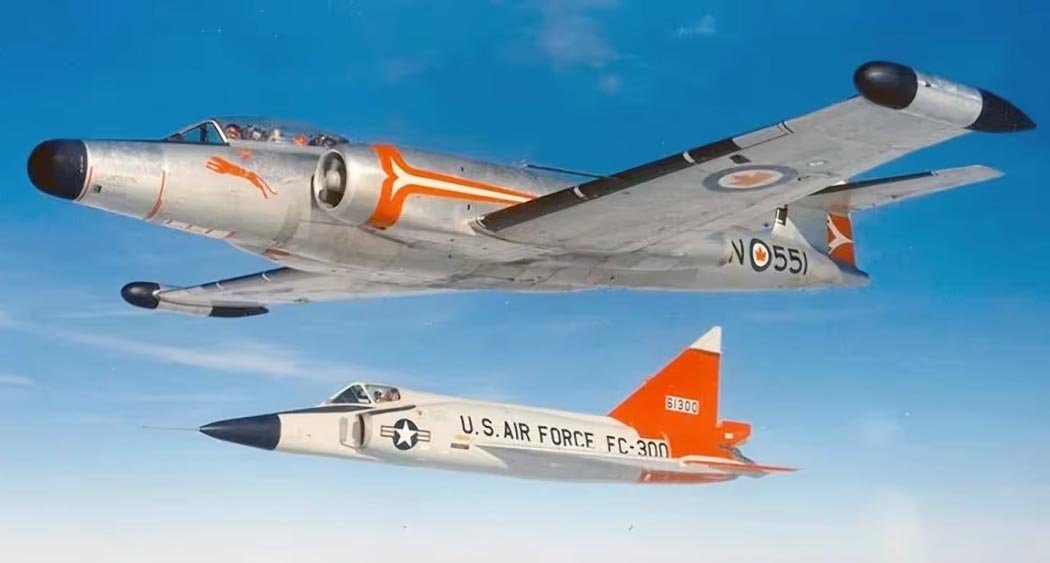
By the end of 1955, the complete equipping of Royal Canadian Air Force operational units with “Canucks” was finished. A year earlier, the CF-100 first appeared outside Canada. Almost simultaneously, demonstration flights took place in the USA and evaluation tests in England. The aircraft was presented at the Paris Air Show in 1954.
However, no sensation occurred. The “Canuck” was met with a rather cool reception by the global aviation community, as the era of supersonic aviation was already approaching, and the CF-100, despite all its merits, looked like an anachronism. But it was precisely during this interim period, when the aviation of the near future was emerging in design bureaus worldwide, while “relics” of the equally recent past were still in service, that the CF-100 took its rightful place.
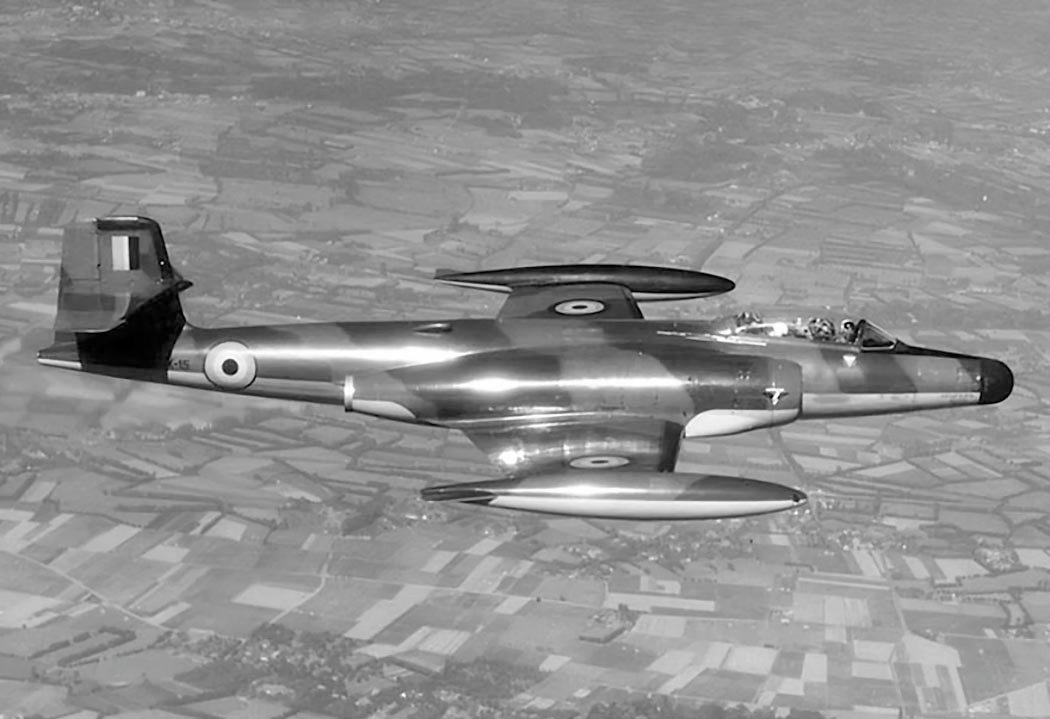
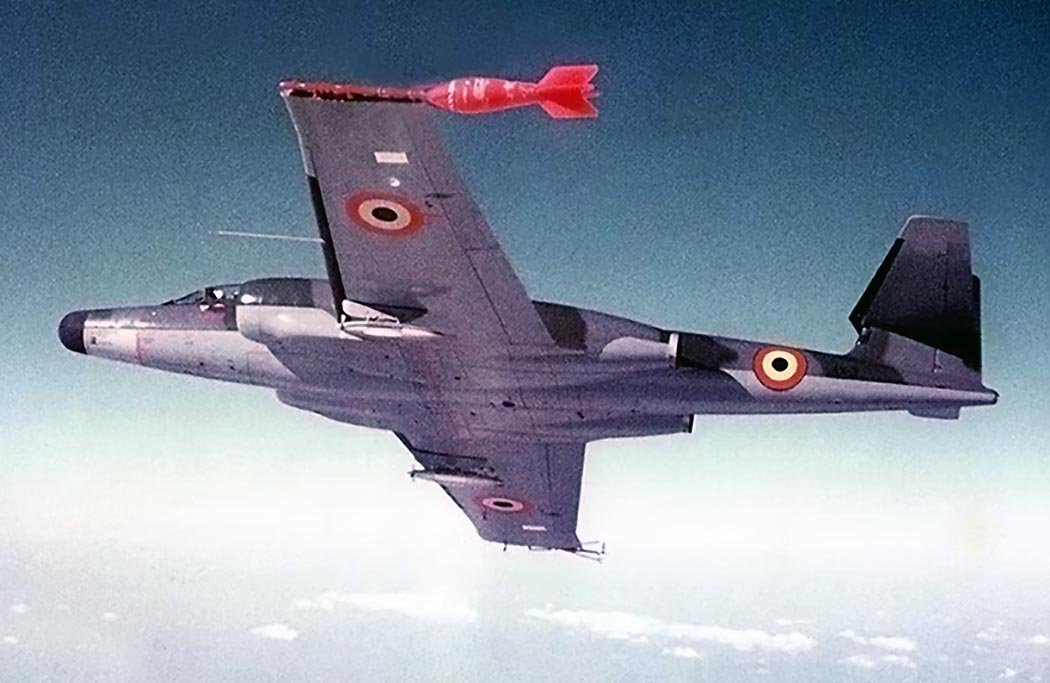
To enhance the combat capability of NATO air defenses in Western Europe, in 1956, the “Sabres” of four out of the twelve Canadian squadrons stationed there were replaced by “Canucks,” which significantly increased the capabilities of Western European air defense. The CF-100 was also exported; several of these aircraft served in Belgium.
The CF-100 Mk.4A modification, manufactured in October 1954, incorporated new electronics such as the APG-40 radar and MG-2 fire control system, along with new Orenda 9 engines. Additionally, 70mm unguided rockets were added to the armament. A later variant, the CF-100 Mk.4B, featured a greater wingspan and tailplane, optimized for its role as a high-altitude interceptor.
The CF-100 Mk.5 was developed to integrate AAM-N-3 Sparrow II air-to-air missiles, expanding its combat capabilities. Thanks to the installation of new electronic equipment to support more advanced air-to-air missile models, the CF-100 remained in active air force service until 1965, and continued performing secondary maintenance roles until mid-1981.
Technical Specifications
| Modification | CF-100 Mk.4B |
| Wingspan, m | 16.33 |
| Length, m | 16.50 |
| Height, m | 4.43 |
| Wing area, m2 | 50.16 |
| Normal takeoff weight | 15240 |
| Maximum takeoff weight | 19051 |
| Engine type | 2 Turbojet Avro Canada Orenda 11 (14) |
| Non-afterburning thrust, kN | 2 x 32.36 |
| With external tanks | 2654.9 (2 external tanks) |
| At 12000 m altitude | 1047 |
| At sea level | 891 |
| Maximum cruising speed, km/h | 760 |
| Maximum rate of climb, m/min | 2667 |
| Ferry range, km | 3215 |
| Combat radius, km | 1047 |
| Service ceiling, m | 16460 |
| Crew | 2 |
| Armament | Nine 12.7-mm Colt-Browning M3 machine guns. 58 x 70-mm FFAR unguided rockets in 2 x 29-tube launchers. |
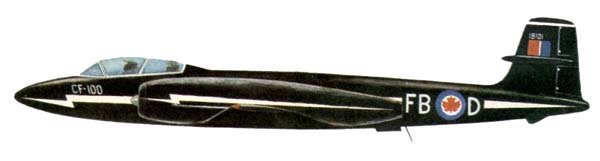
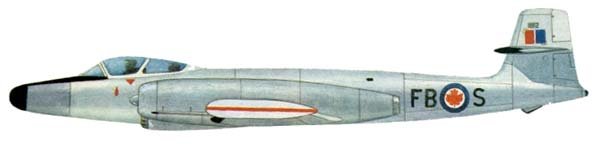
Image gallery of the CF-100 Canuck