Origins and Early Development
In the early 1950s, TWA pilot Tom Cassutt began designing a racing aircraft specifically for Formula One air competitions. The prototype, known as the Cassutt Special and christened “Jersey Skeeter” (N20N), successfully completed its maiden flight in 1954.
Design Features and Racing Triumphs
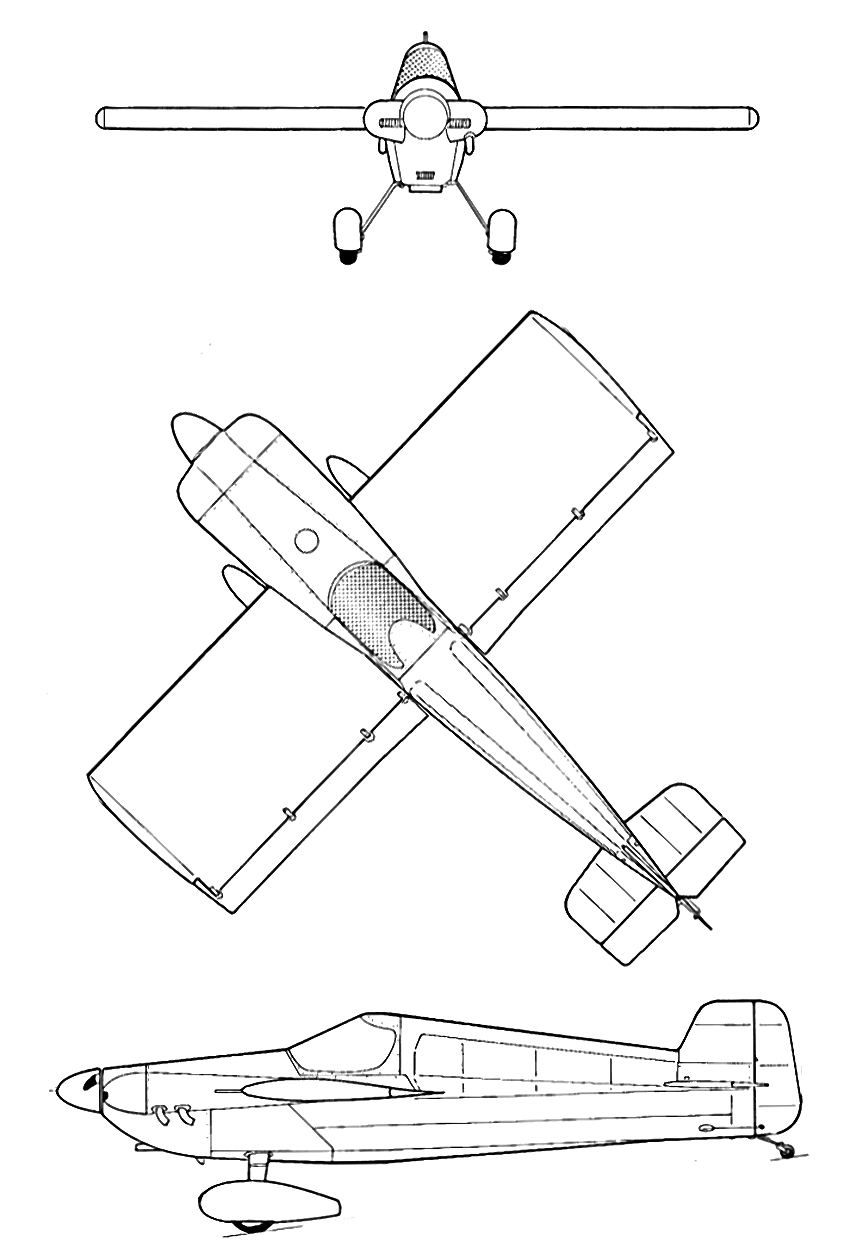
The Cassutt Special is characterized as a single-seat, cantilever mid-wing monoplane. It boasts a wingspan of 4.55 meters and is powered by an 85 hp Continental C-85-8F engine. In 1958, Tom Cassutt piloted his Special to victory in the prestigious Midget Air Races, a key event within the National Championship.
Modifications and Homebuilding Legacy
Over time, several modifications of the aircraft were introduced. These included the Cassutt Special II with a 4.57-meter wing (1957), the Cassutt Special IIM featuring a 4.2-meter wingspan (1957), and the Cassutt Special III, which sported extended wings measuring 5.54 meters.
Later variants like the Cassutt Special IIIM were developed with a 4.57-meter wing and a more powerful 100 hp Continental O-200 engine, alongside the Cassutt Special IIIM Sport (5.18-meter wing). Significantly, all these modifications were offered to purchasers as kits for self-assembly. To this day, the aircraft’s blueprints are still accessible for homebuilders, continuing its legacy in amateur aviation.
Technical Specifications
| Modification | Special IIIM |
| Wingspan, m | 4.5 7 |
| Aircraft length, m | 4.86 |
| Aircraft height, m | 1.22 |
| Wing area, m2 | 6.30 |
| Empty weight | 250 |
| Maximum takeoff weight | 431 |
| Engine type | 1 Piston engine Continental O-200 |
| Power, hp | 1 x 100 |
| Maximum speed, km/h | 402 |
| Cruise speed, km/h | 330 |
| Practical range, km | 725 |
| Rate of climb, m/min | 366 |
| Crew | 1 |
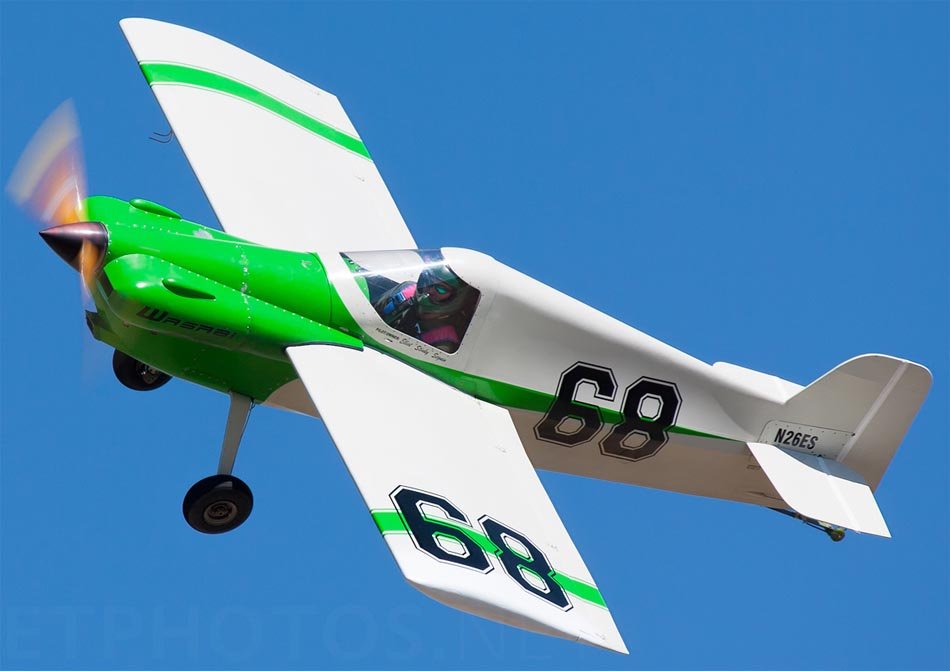
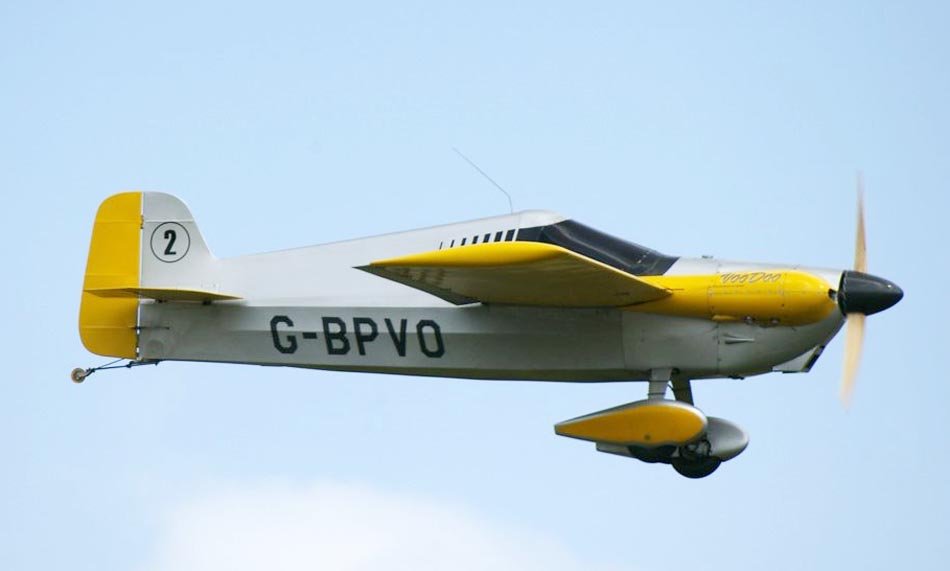
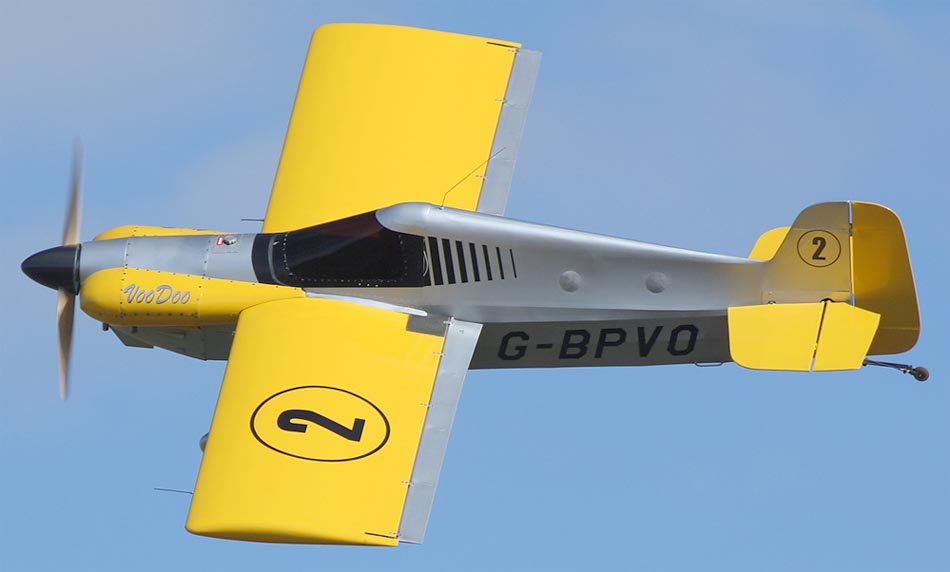
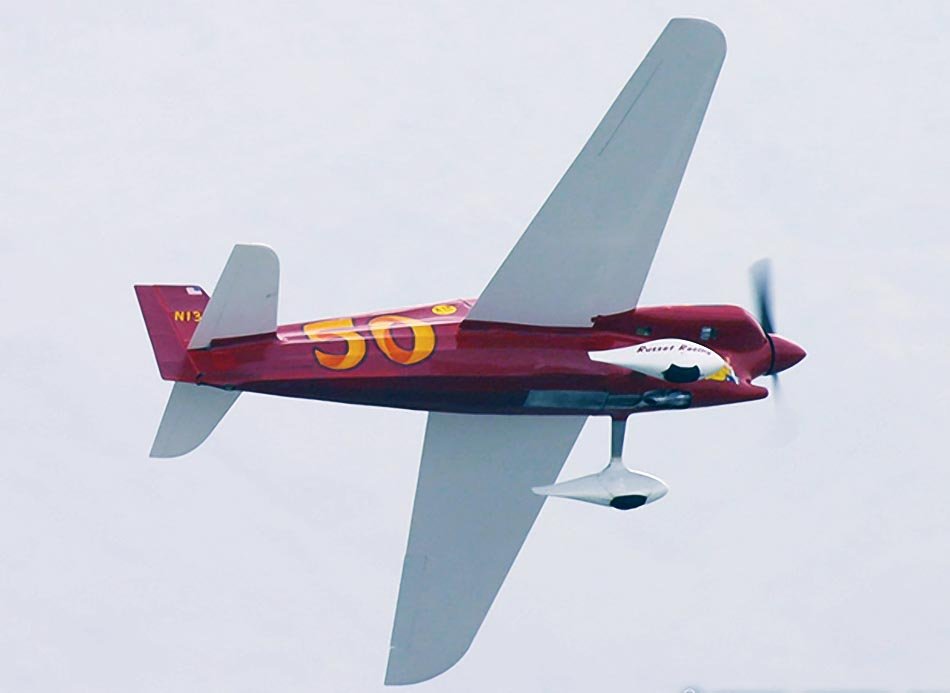
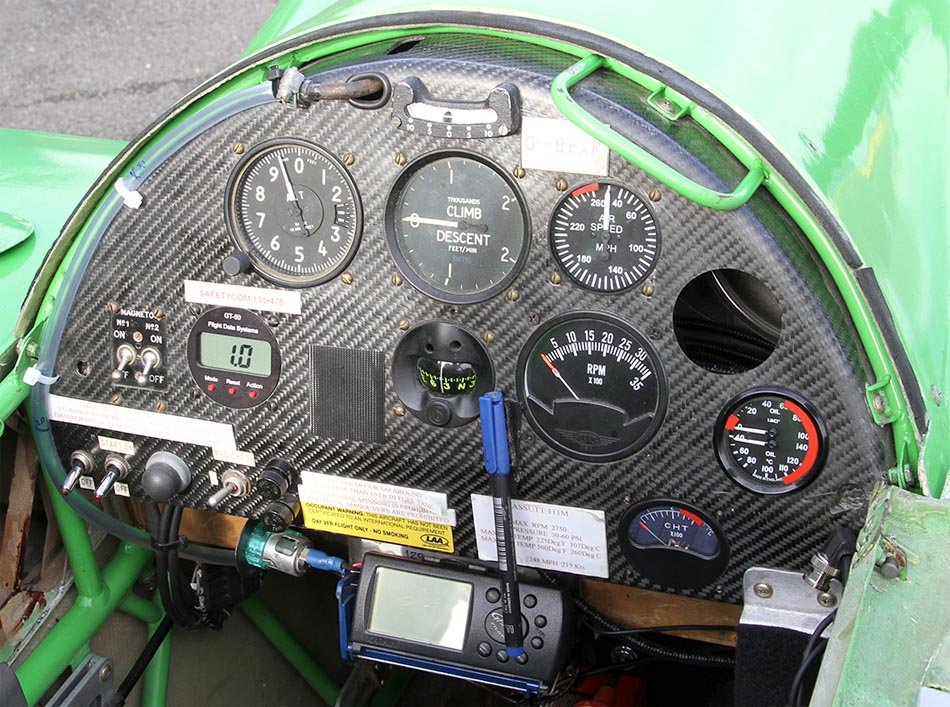
Image gallery of the Cassutt Special