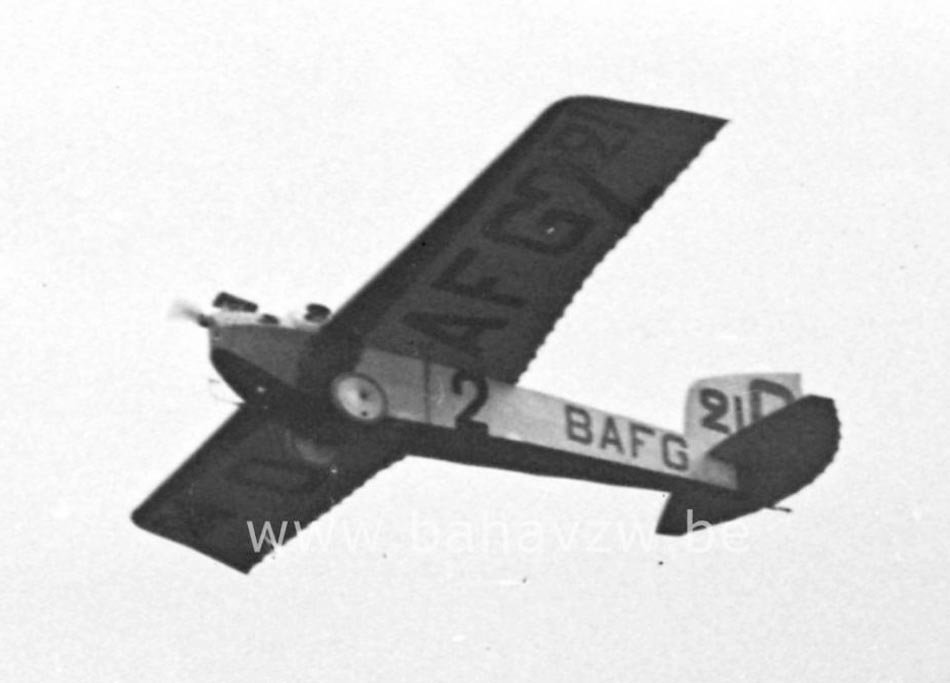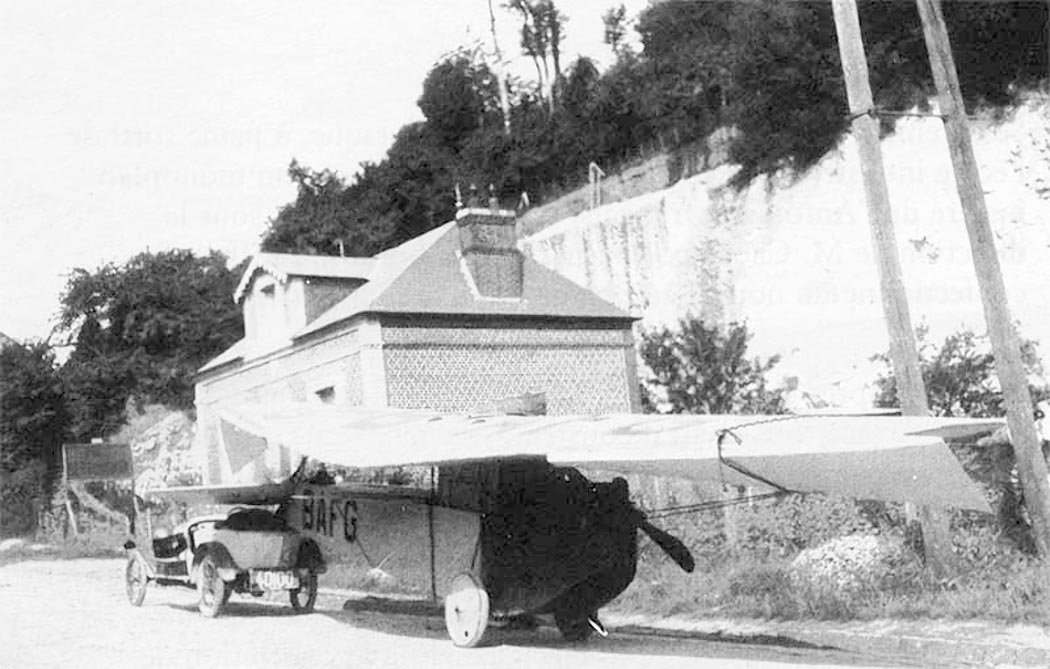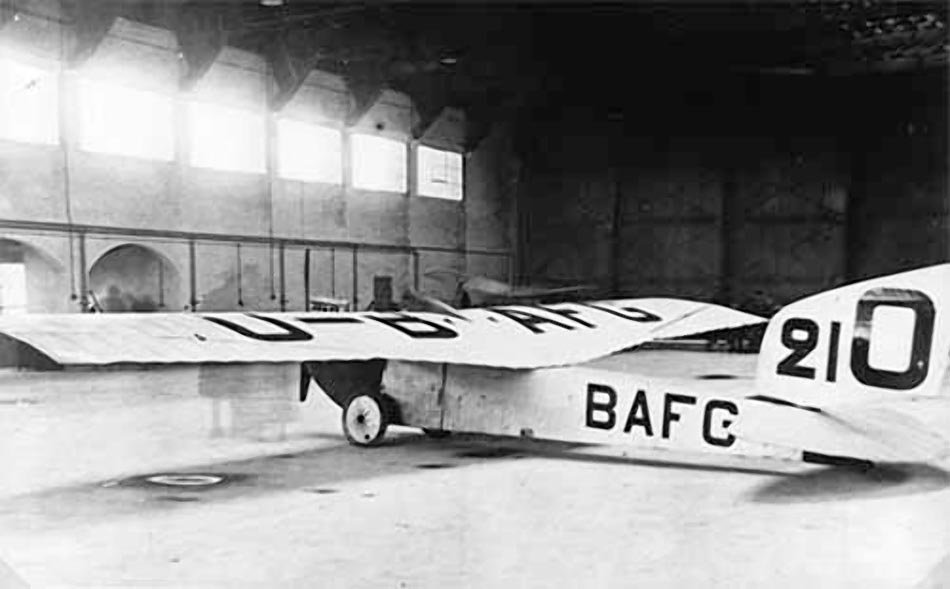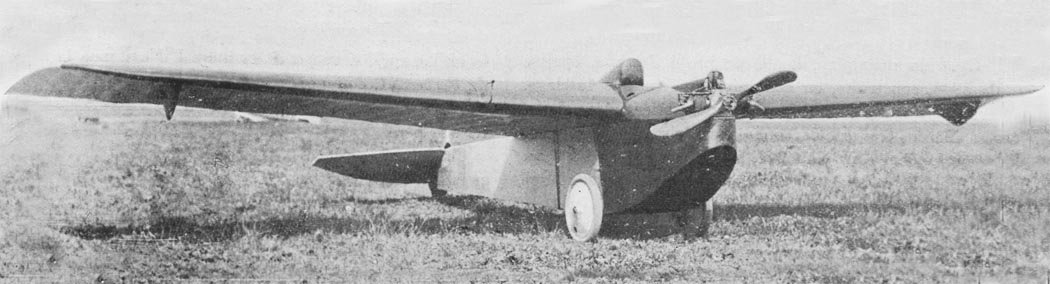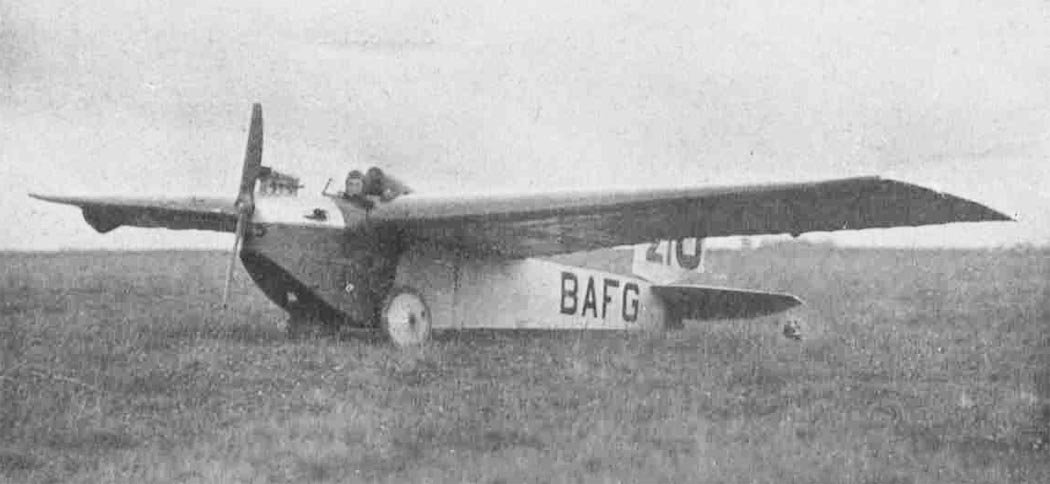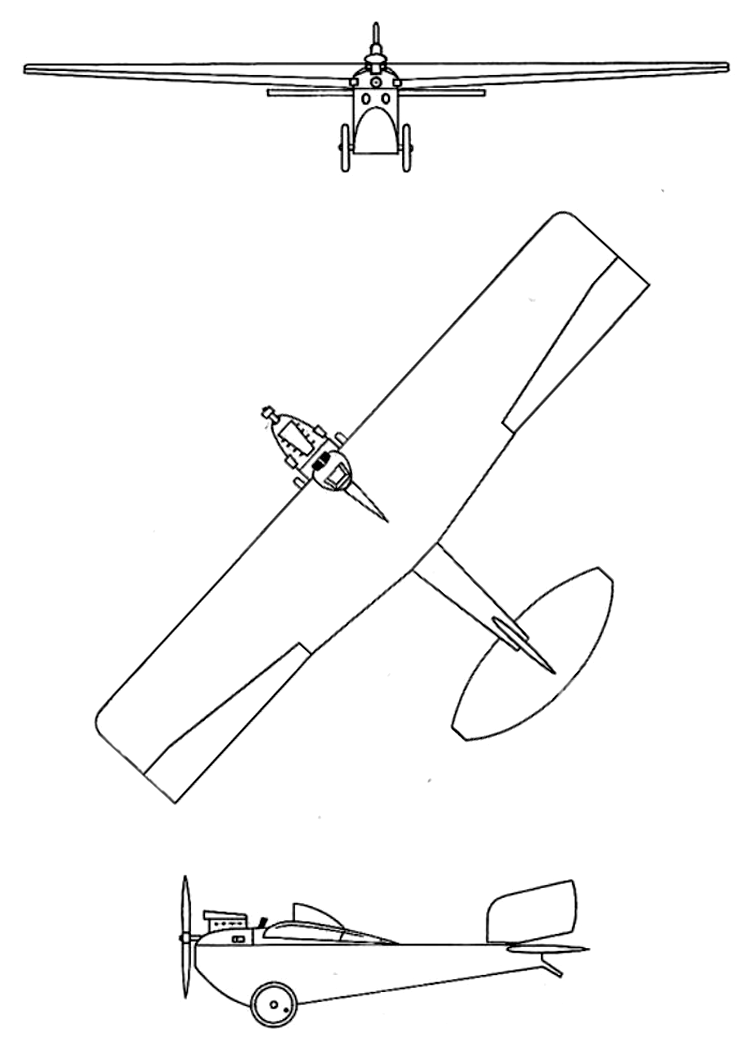
In the early 1920s, Belgian engineer Paul Poncelet undertook the development of a light, multipurpose aircraft project for the SABCA company (“Société Anonyme Belge de Constructions Aéronautiques”). His goal was to create an efficient and adaptable aircraft.
Design and Initial Trials
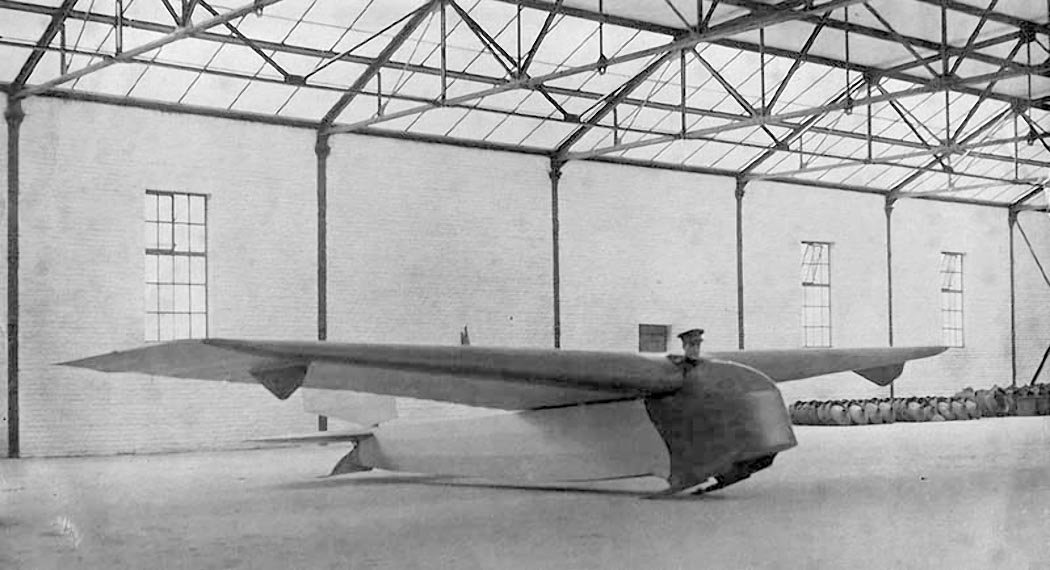
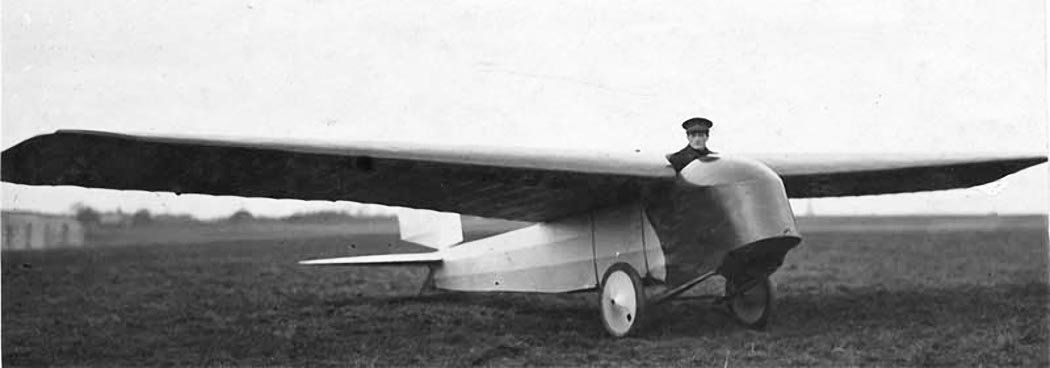
In 1922, construction began on a glider under the project named SABCA-Poncelet Castar, intended for refining the design of the future aircraft. Initially, the glider had no landing gear, but the design was later modified, and on February 10, 1923, the glider was tested in the air.
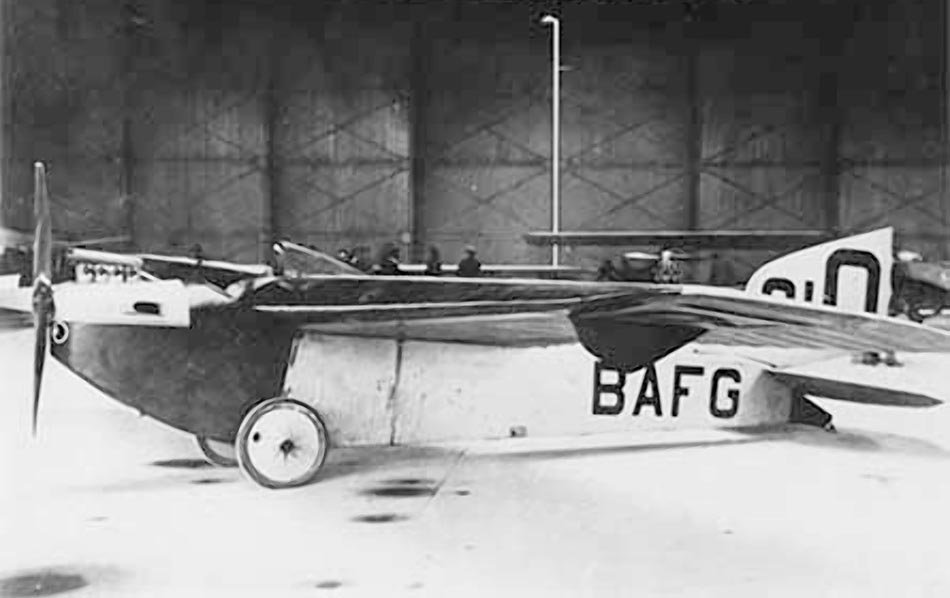
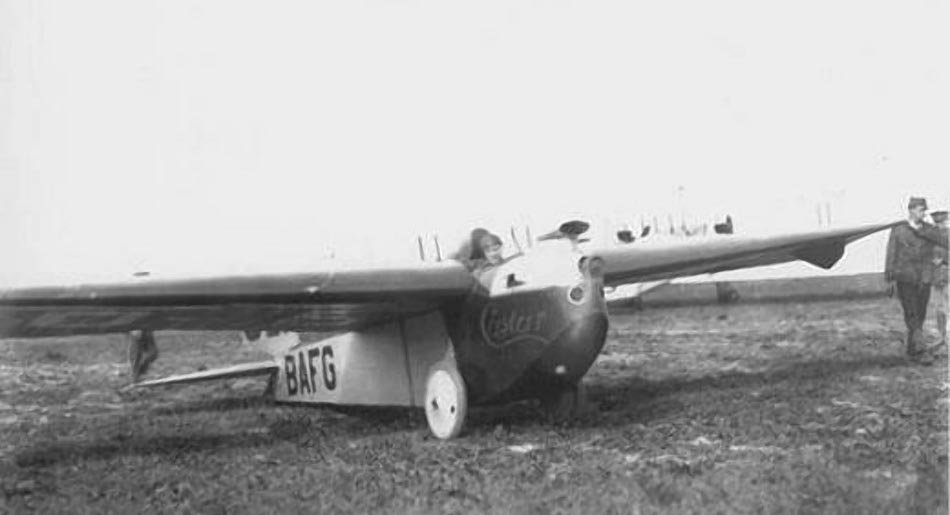
During its fifth test flight, the glider snagged a tree and was slightly damaged. Following repairs, a 7 hp Anzani engine was installed. Operating as an aircraft, the Castar received the registration number O-BAFG on September 18, 1923.
Competitions and Evaluation
For the prestigious Lympne competition held in the United Kingdom, the aeroplane was fitted with a more powerful four-cylinder Sergant engine, boasting 17 hp. Although the Castar did not win any prizes in the competition, it received excellent reviews.
Judges and spectators notably praised its flight characteristics and the outstanding quality of its construction, highlighting its potential despite not securing any awards.
The Tragic End
Sadly, in June 1925, the sole example of this innovative aircraft suffered a fatal crash. The incident resulted in the tragic death of its pilot, Victor Simonet, bringing an end to the Castar’s brief history.
Technical Specifications
| Modification | Castar |
| Wingspan, m | 11. 20 |
| Aircraft length, m | 6. 30 |
| Aircraft height, m | 1. 30 |
| Wing area, m2 | 20.00 |
| Empty weight | 160 |
| Maximum takeoff weight | 222 |
| Engine type | 1 Piston engine Sergant |
| Power, hp | 1 x 50 |
| Maximum speed, km/h | 35 |
| Cruising speed, km/h | 22 |
| Practical range, km | 300 |
| Rate of climb, m/min | 59 |
| Service ceiling, m | 1500 |
| Crew | 1 |
Image gallery of the Castar