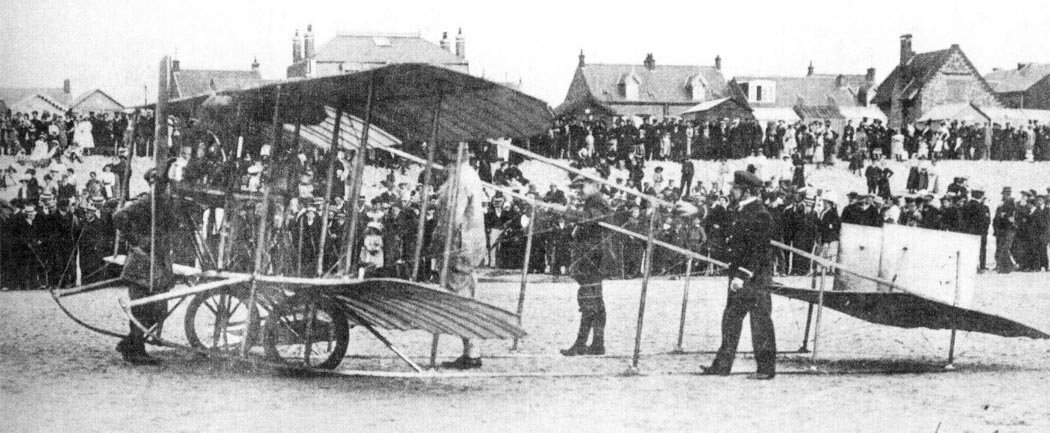
Brothers René and Gaston Caudron grew up on a farm, yet from childhood, they showed a keen interest in various technologies, including bicycles and motorcycles. Their fascination with aviation began in 1908 upon hearing about the pioneering flights of the Wright brothers.
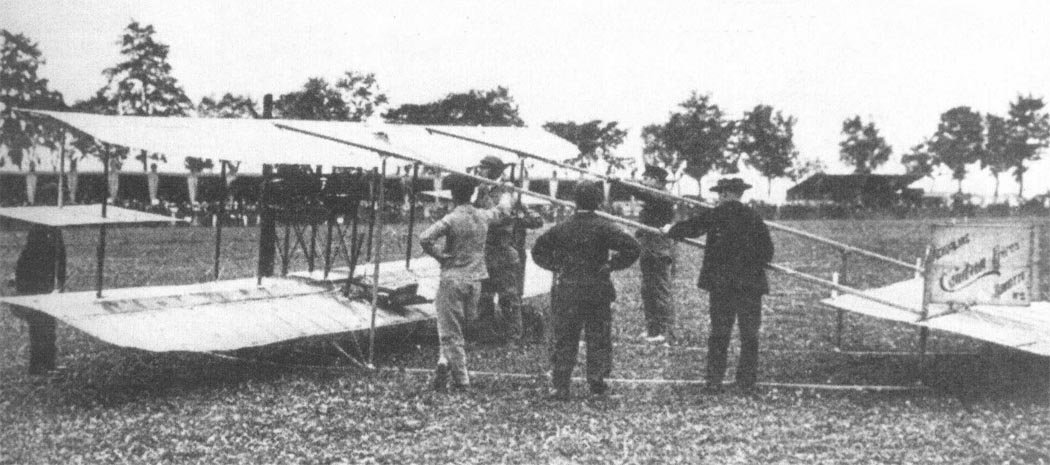
That same year, they embarked on building their first aircraft, a project that culminated in April of the following year. This initial design was conceived as a two-seater biplane, intended to be powered by two Farcot engines. However, the engines could not be procured, leading to the structure being tested as a glider.
The Birth of Caudron A
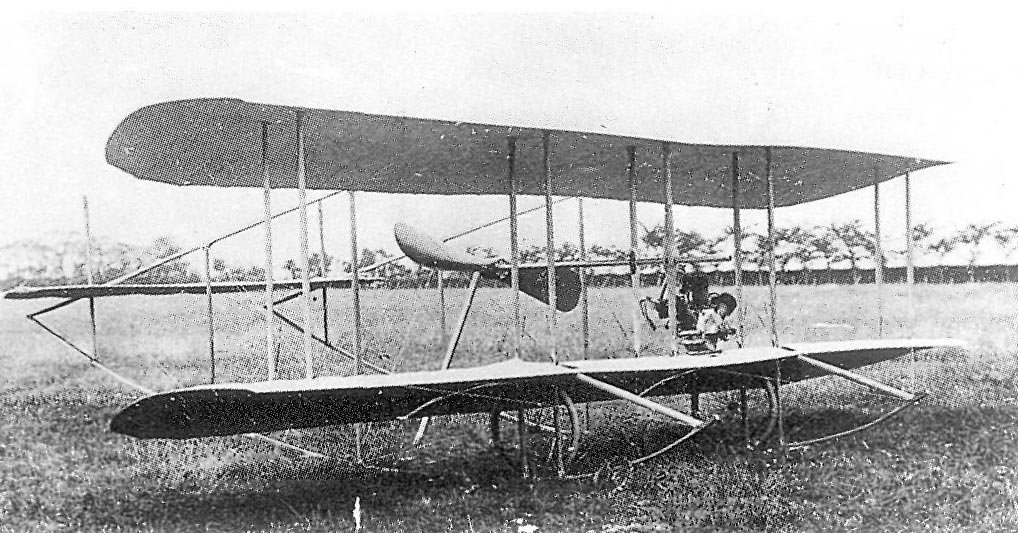
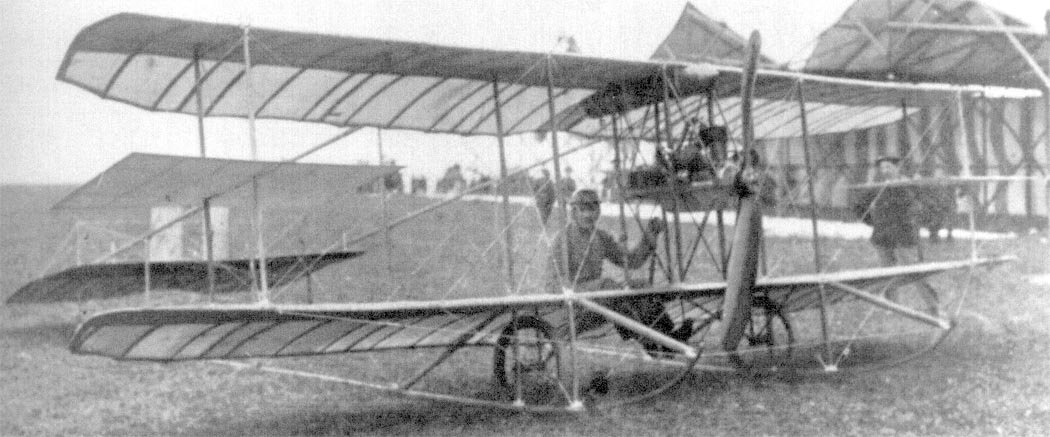
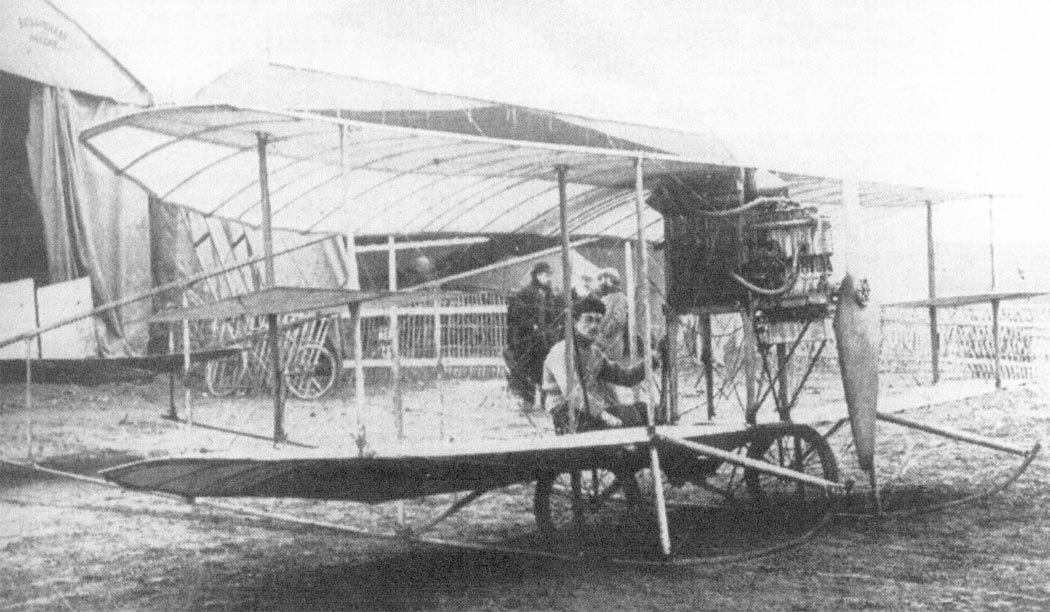
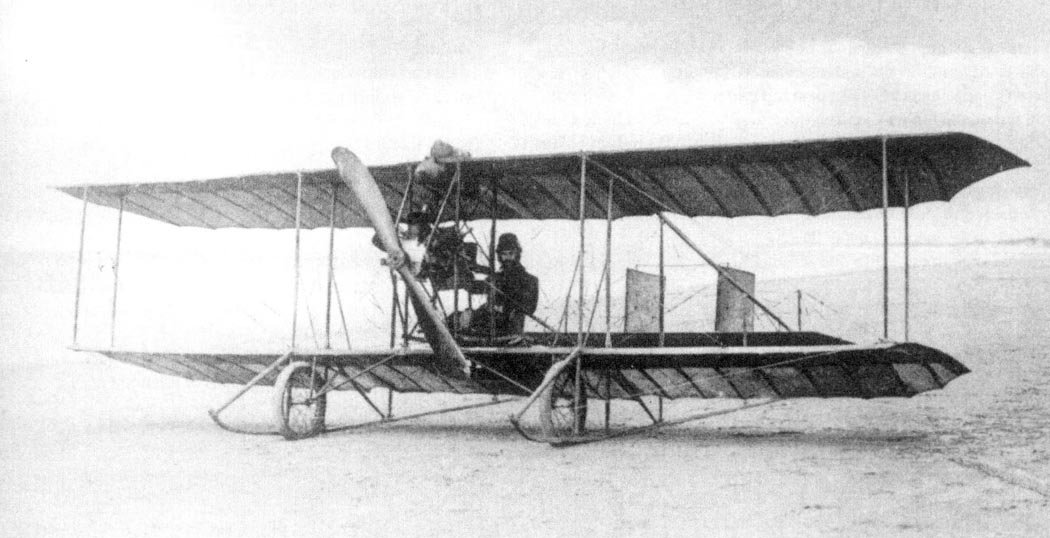
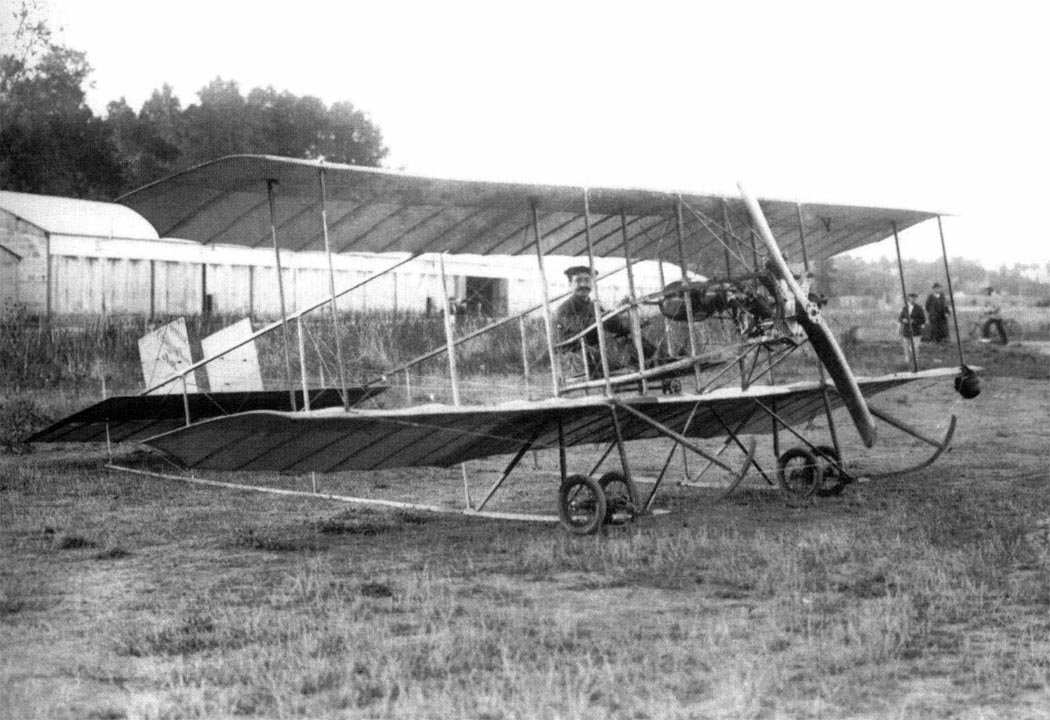
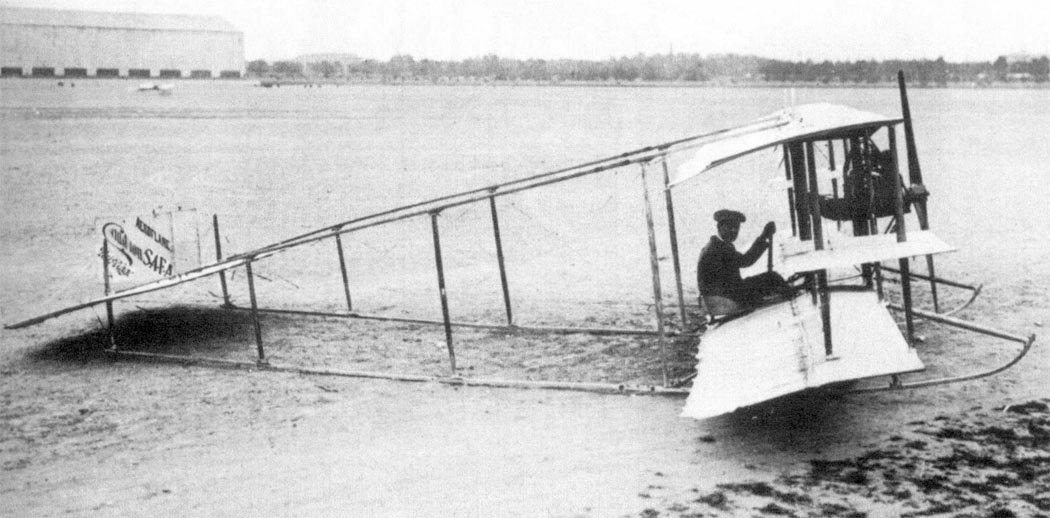
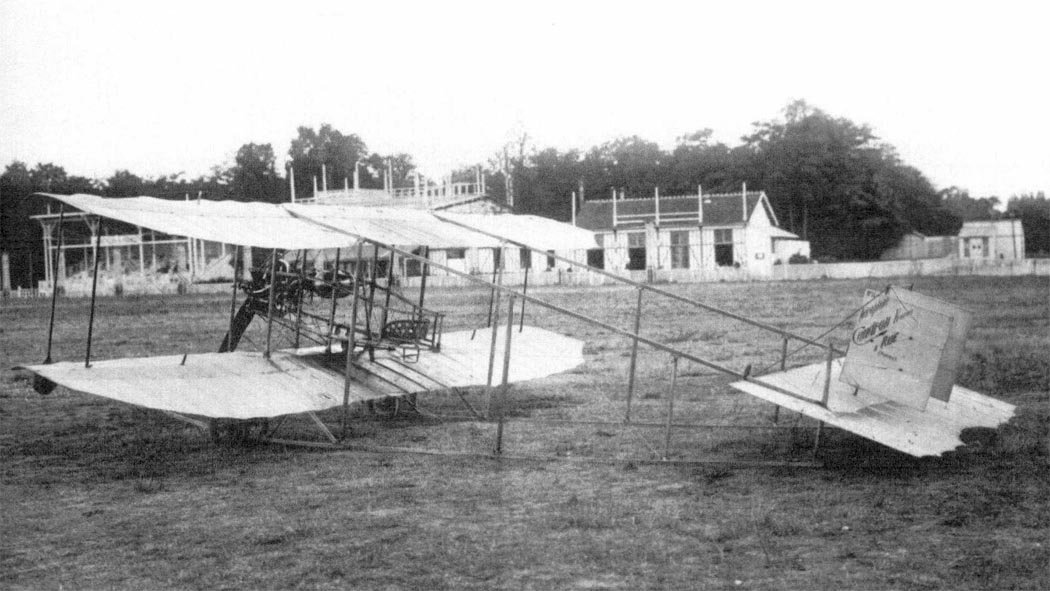
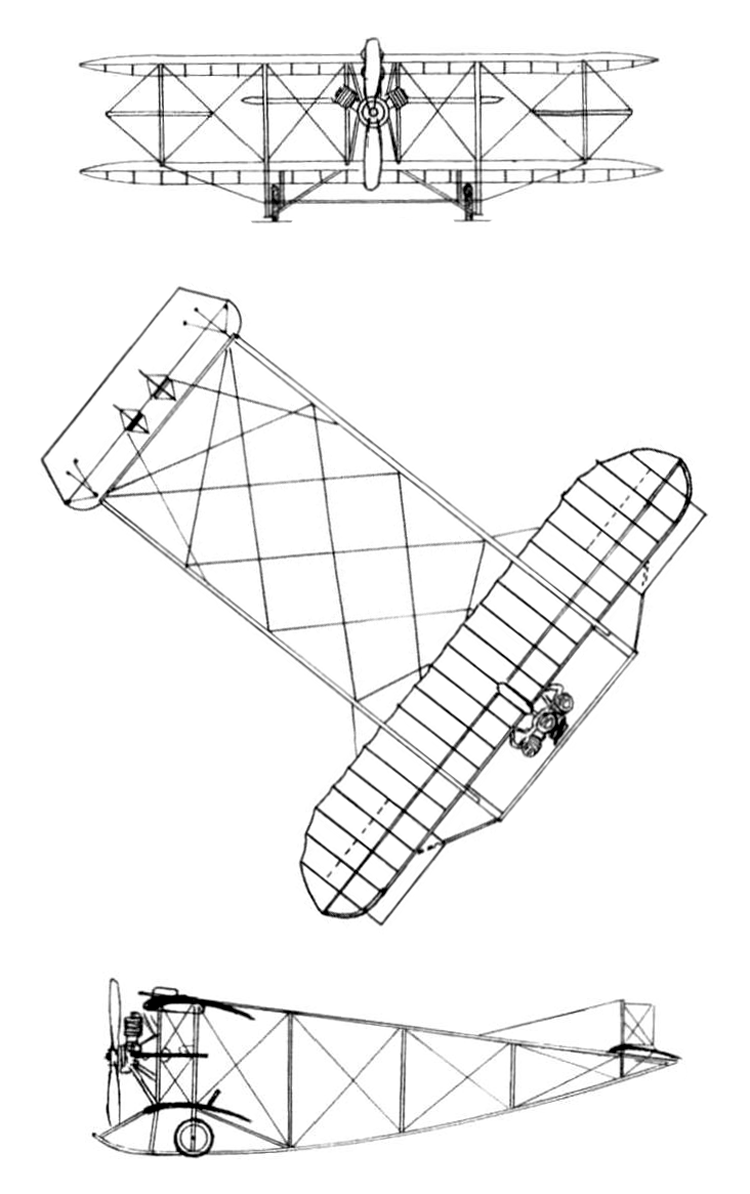
In 1910, the Caudron brothers joined the Société Anonyme Français d’Avaiation (S.A.F.A.), a pivotal moment that allowed them to finally construct and test their own powered aircraft. This machine, later designated the Caudron A, was a single-seat, two-bay biplane.
It was equipped with a 25 horsepower Anzani three-cylinder engine, marking their successful entry into powered flight. This initial success laid the groundwork for their future contributions to aviation.
Evolution and Variants
Between 1910 and 1911, several additional Caudron A aircraft were built, featuring minor modifications or alternative 28 horsepower Gregorie Gyp four-cylinder engines. This period saw continuous refinement of their foundational design.
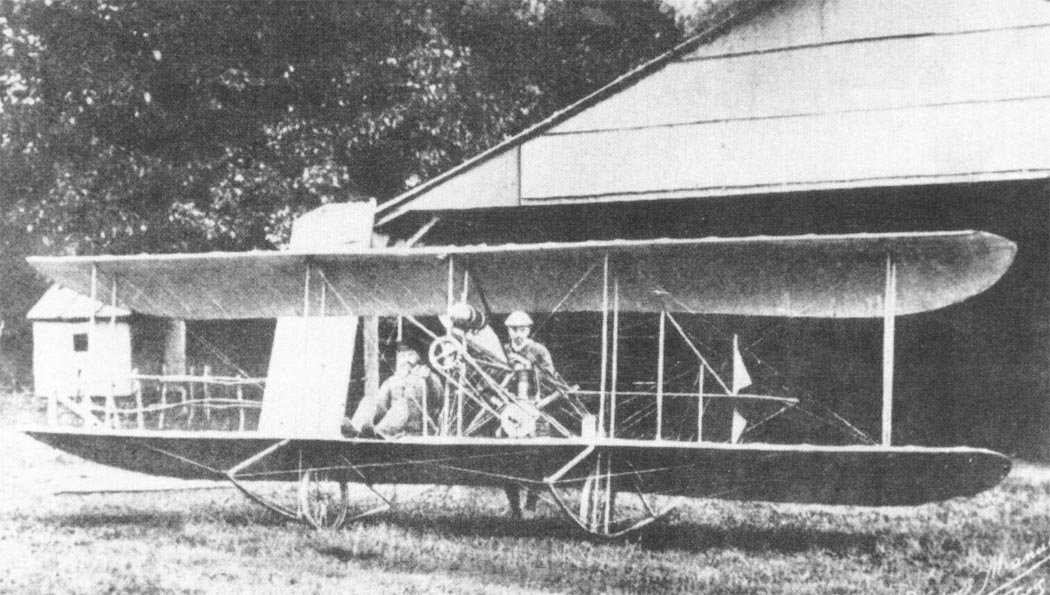
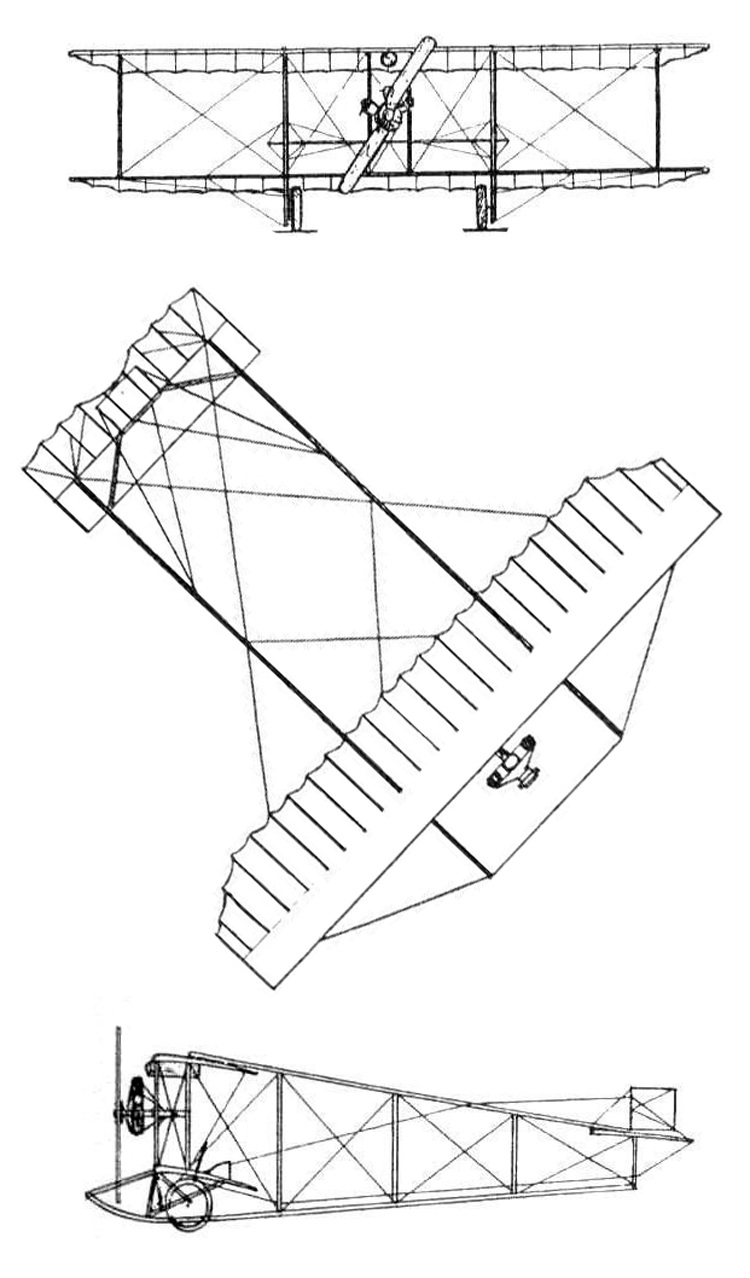
By 1911, a two-seater version, the Caudron A bis, was completed, powered by a more robust 50 horsepower Anzani five-cylinder engine. Later iterations of the aircraft were fitted with various Gnome engines, offering power outputs ranging from 50 to 100 horsepower, demonstrating the adaptability of the Caudron A design.
Technical Specifications
| Modification | Caudron A |
| Wingspan, m | 8.00 |
| Length, m | 8.00 |
| Height, m | 2.75 |
| Wing area, m2 | 22.00 |
| Empty weight | 205 |
| Engine type | 1 Piston engine Anzani |
| Power, hp | 1 x 25 |
| Maximum speed, km/h | 75 |
| Crew, crew | 1 |
Image gallery of the Caudron A