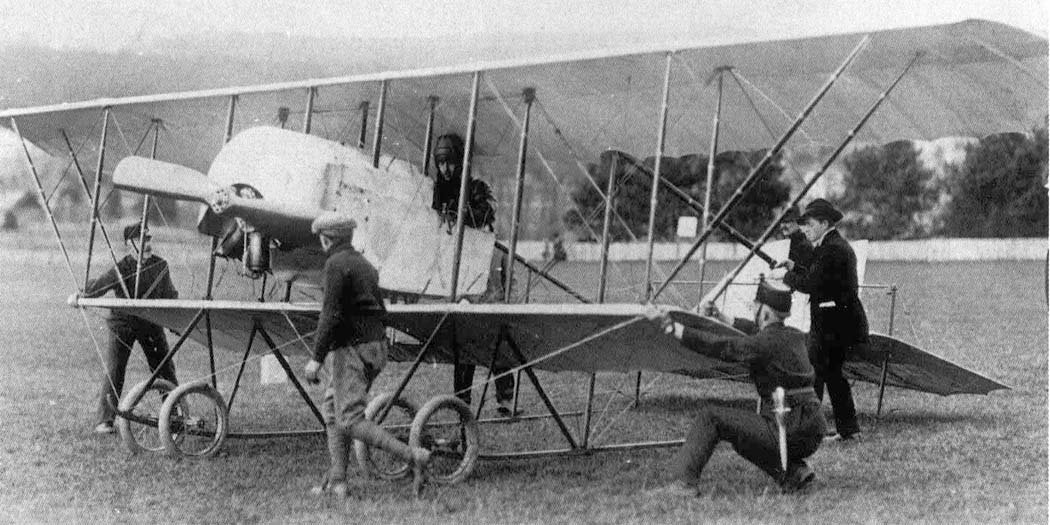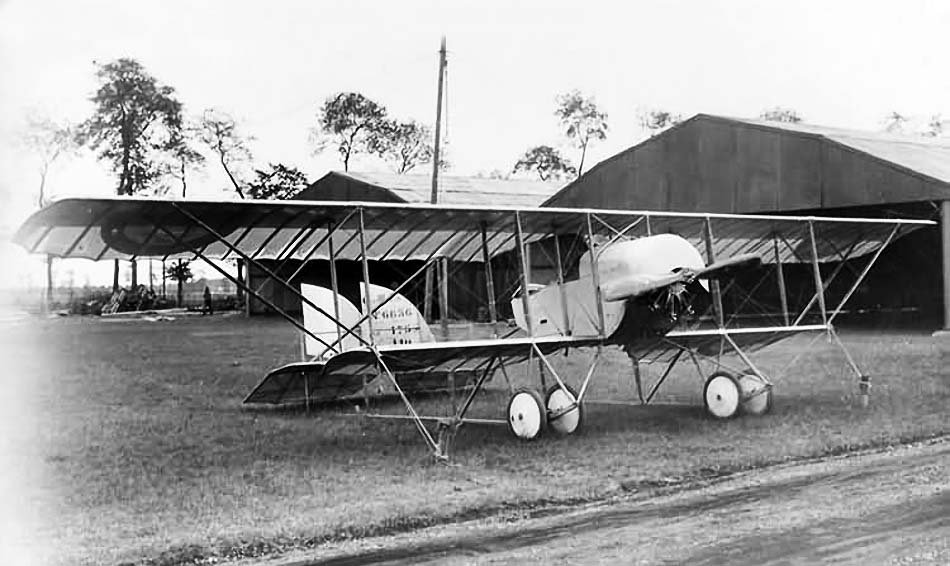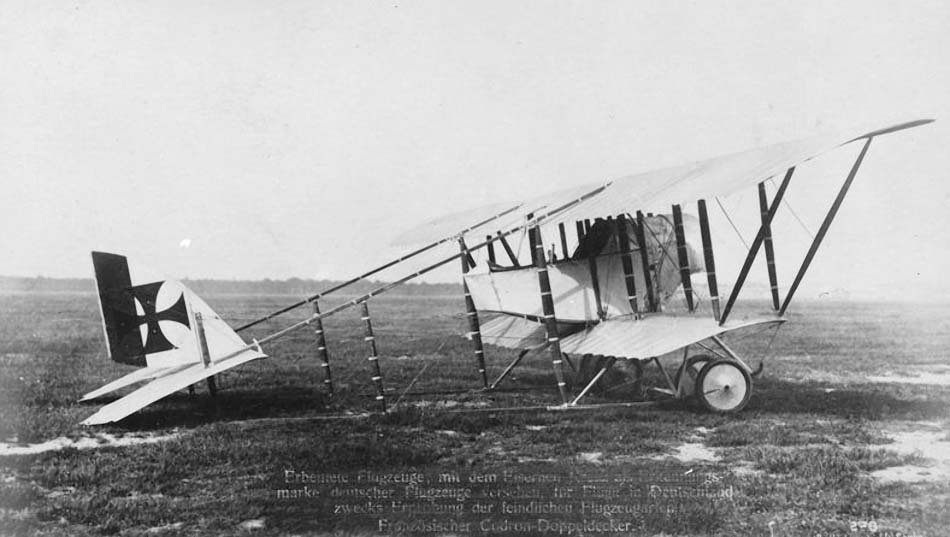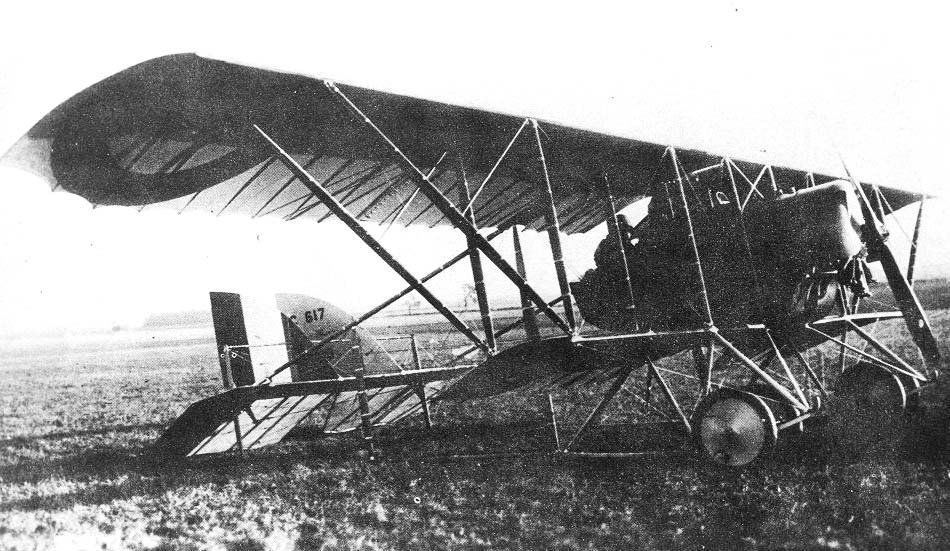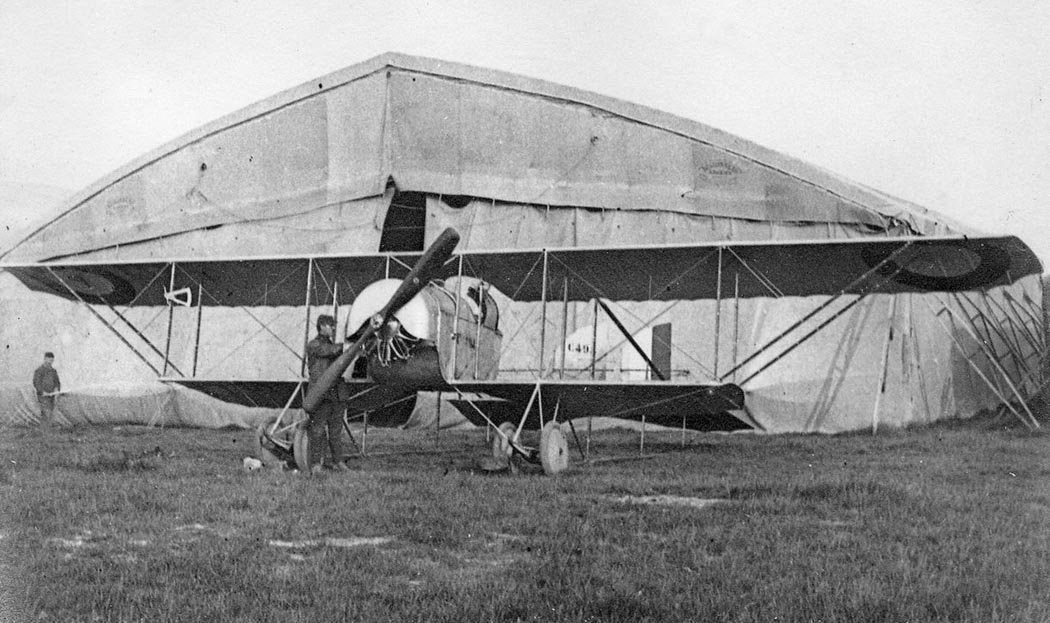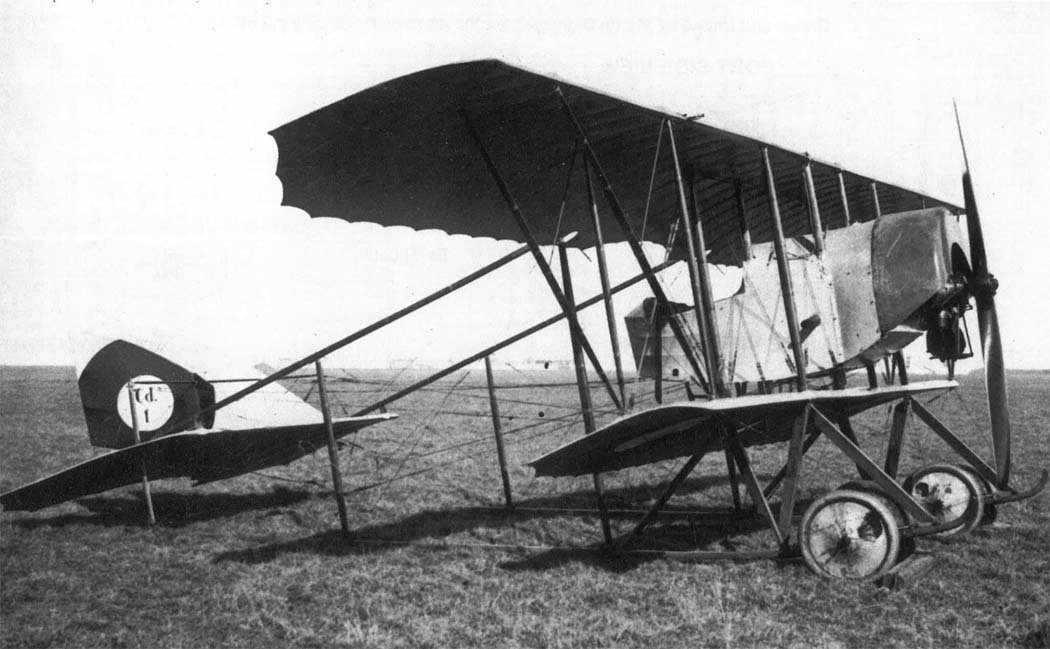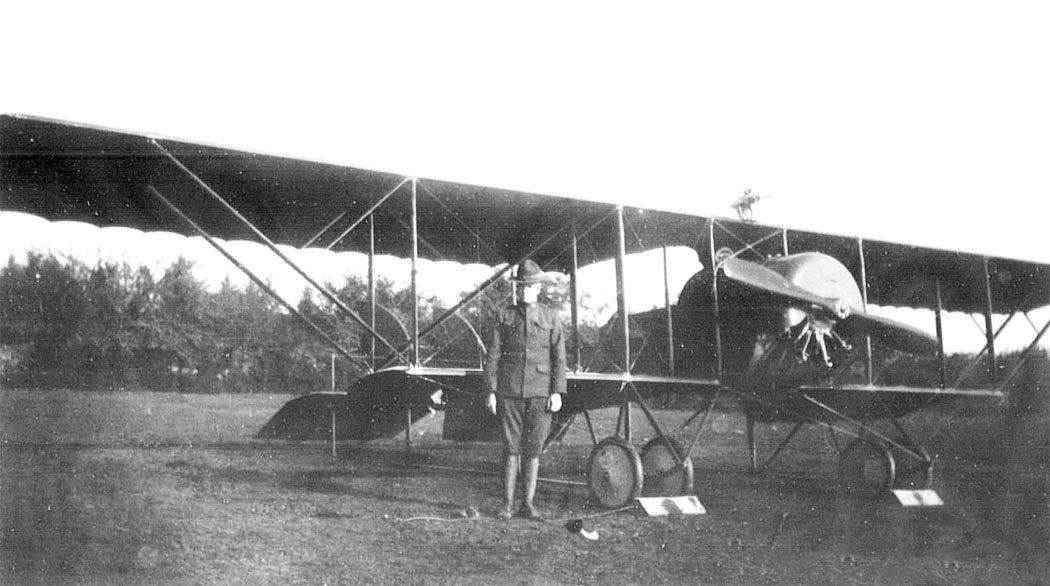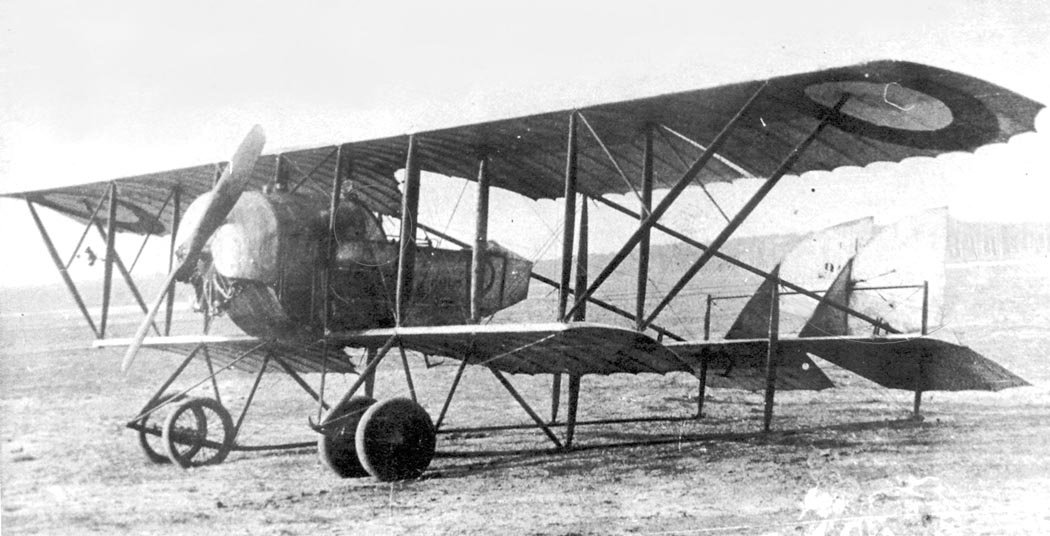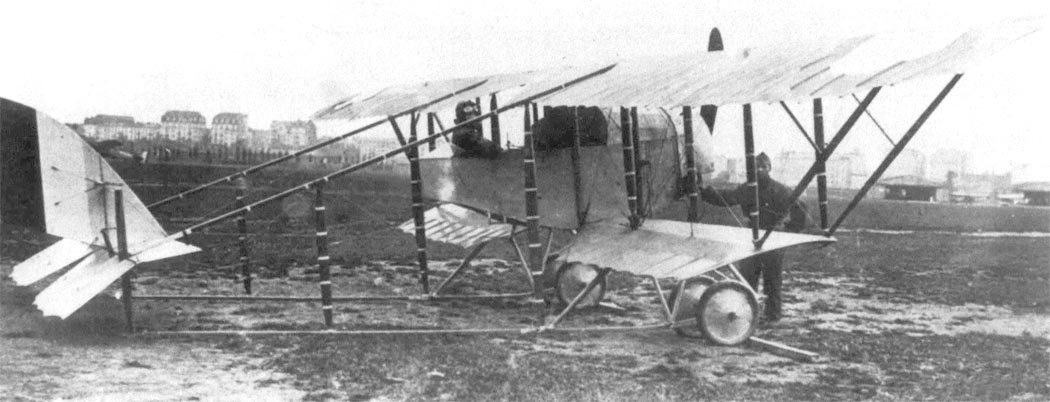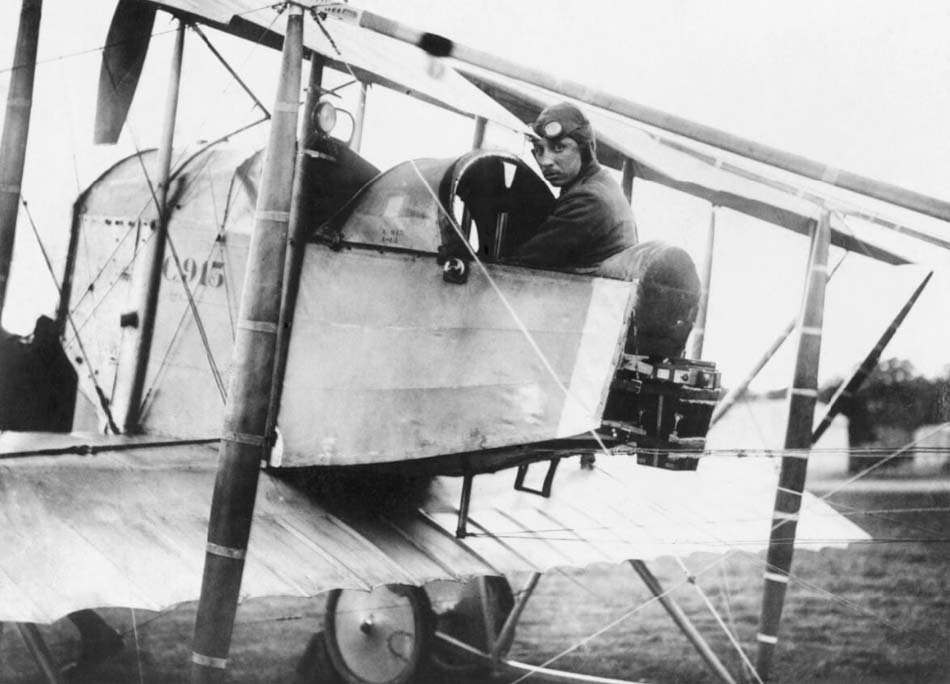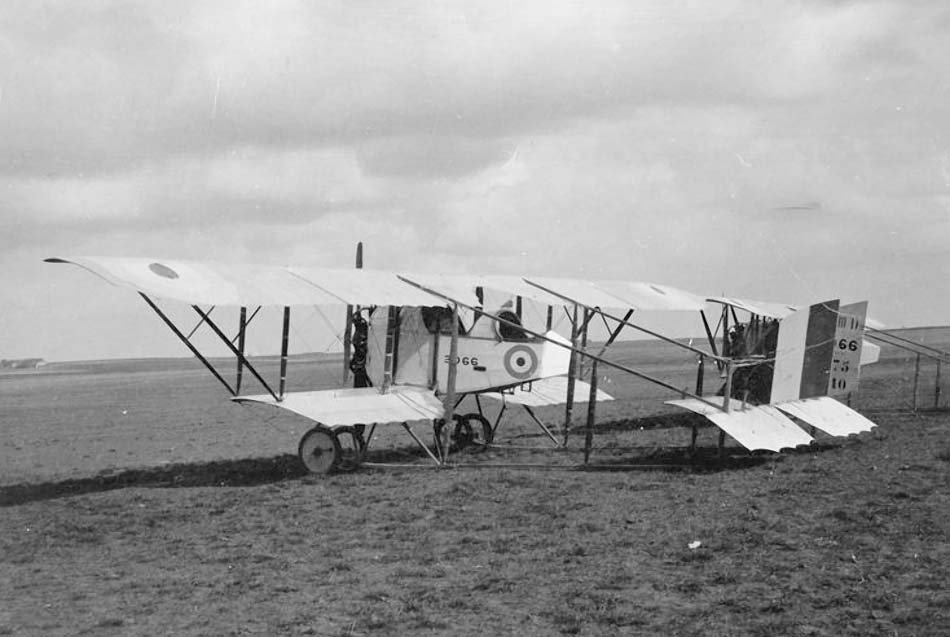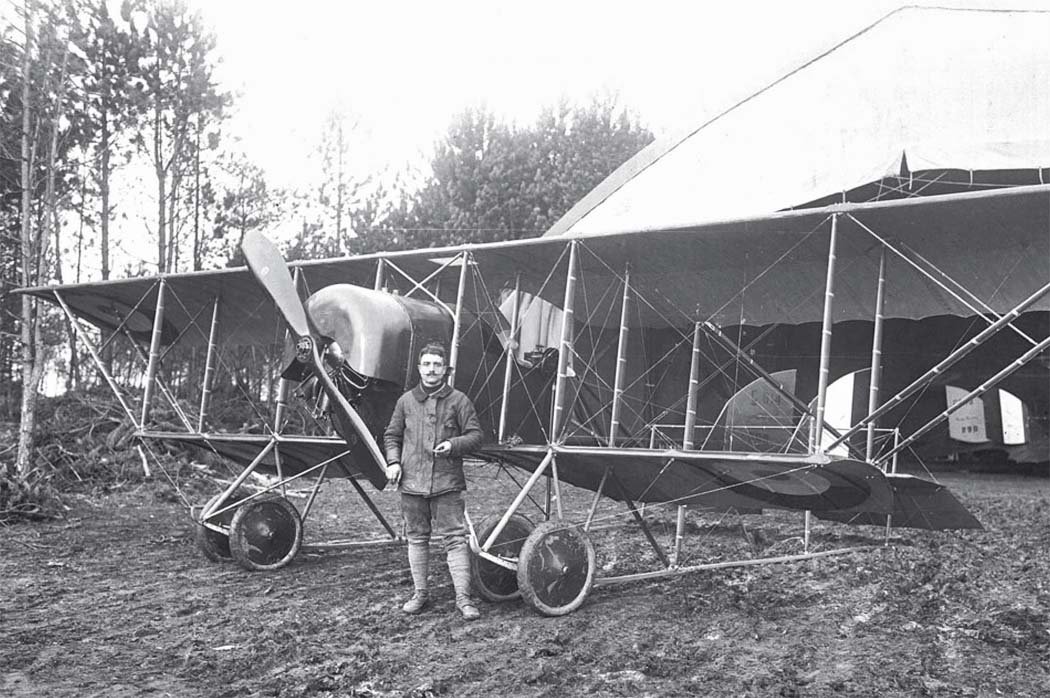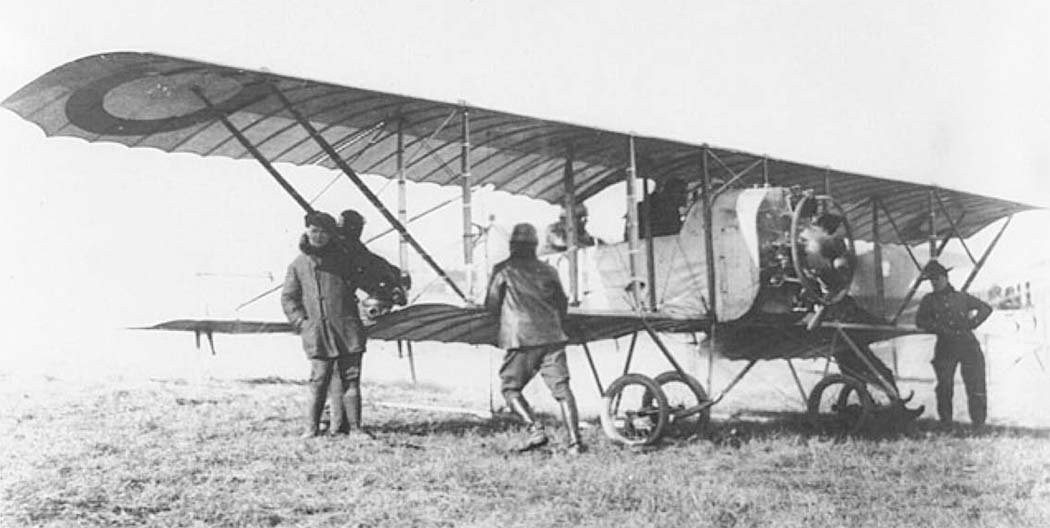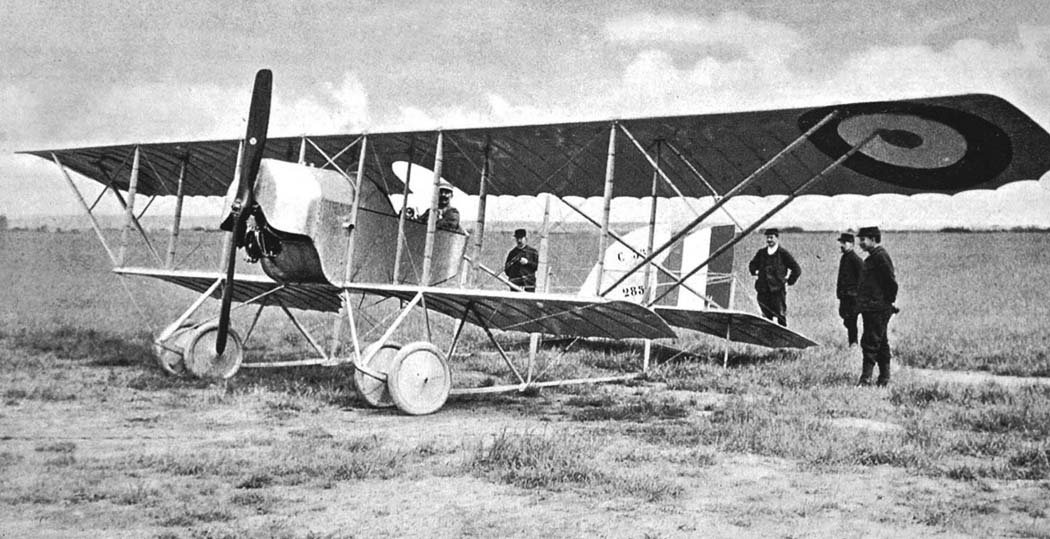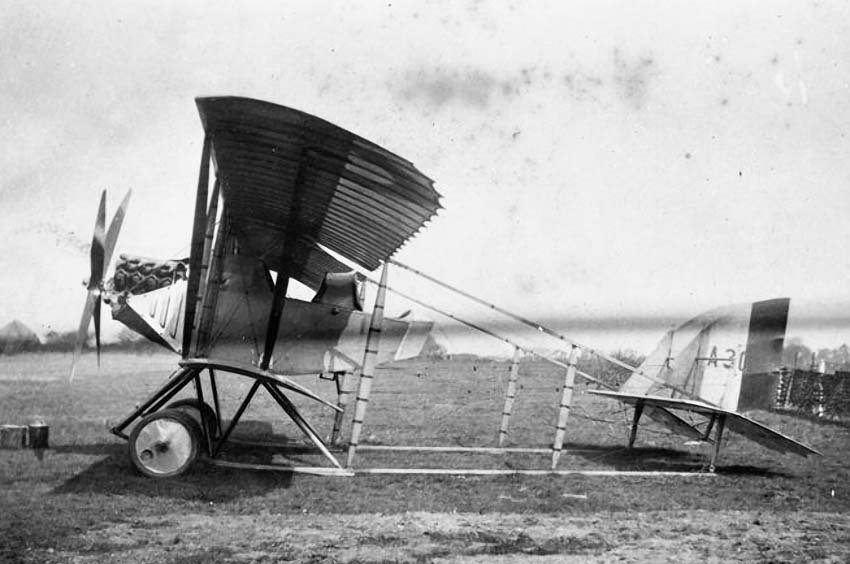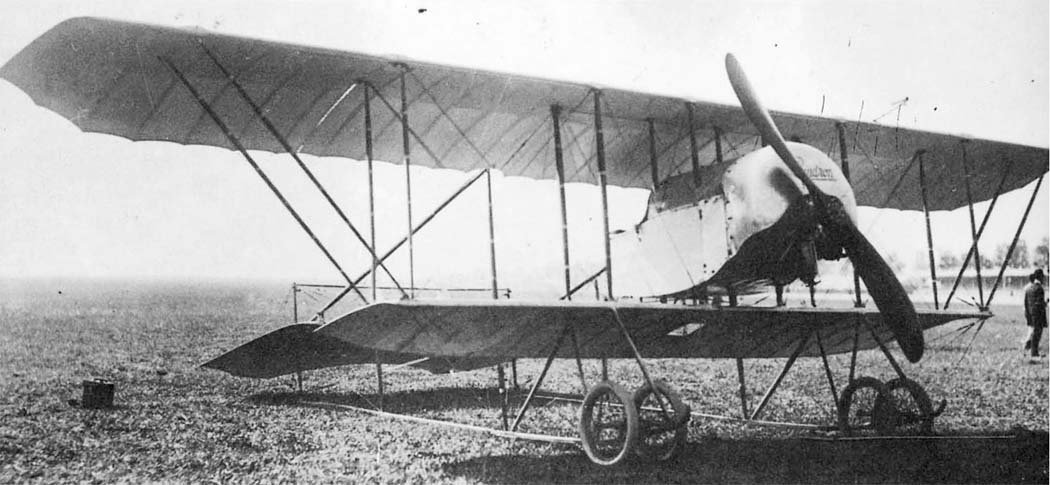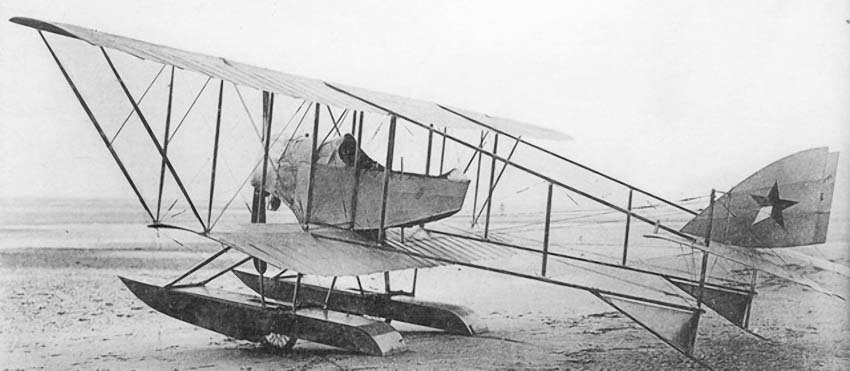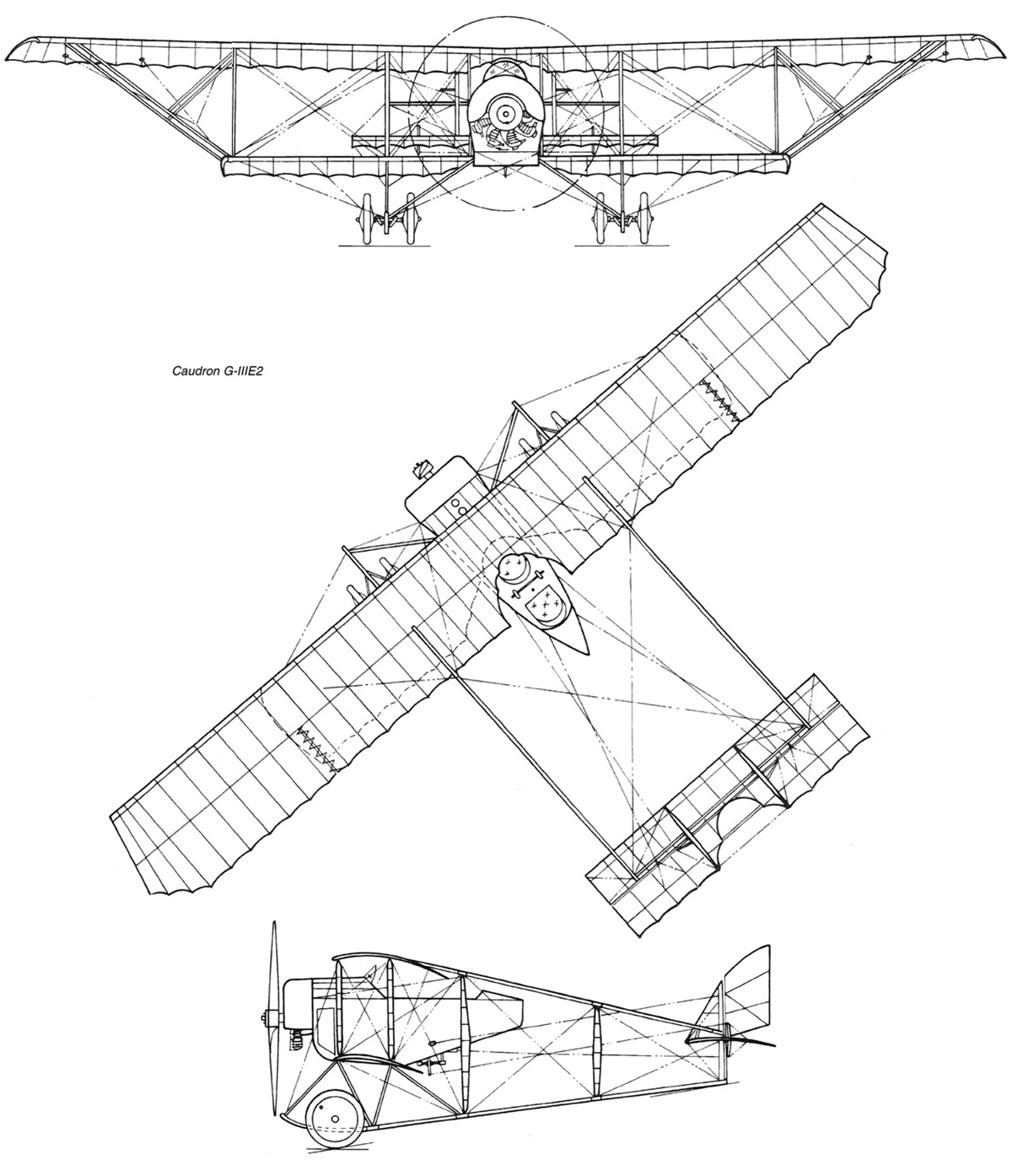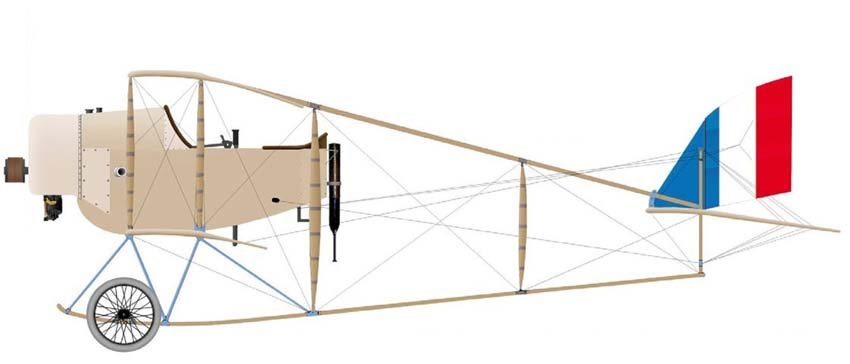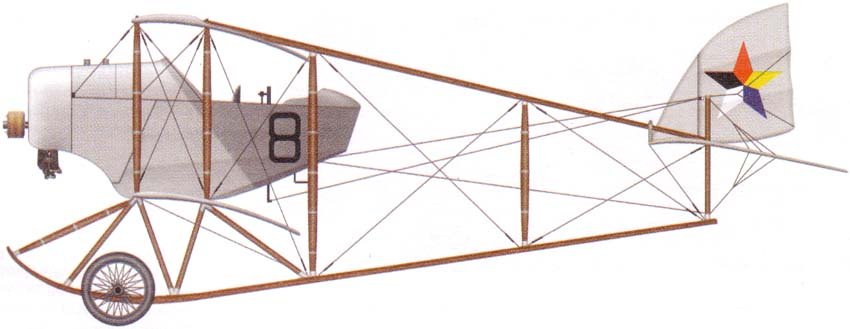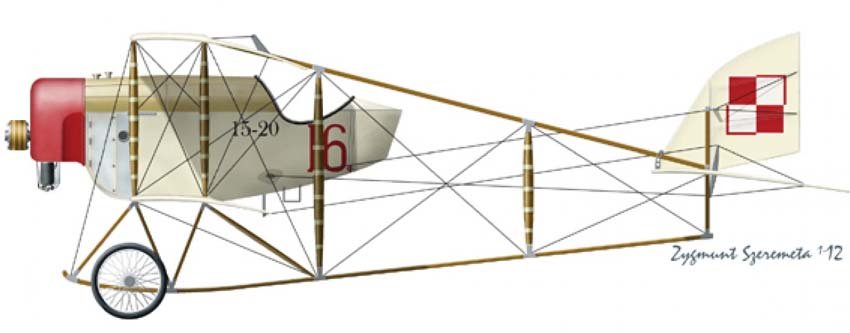
The Caudron G.III aircraft was built by brothers René and Gaston Caudron, taking to the air in May 1914. Lateral control was achieved through wing warping, a system later replaced by ailerons installed on the upper wing. The observer and pilot were seated in tandem in an open cockpit.
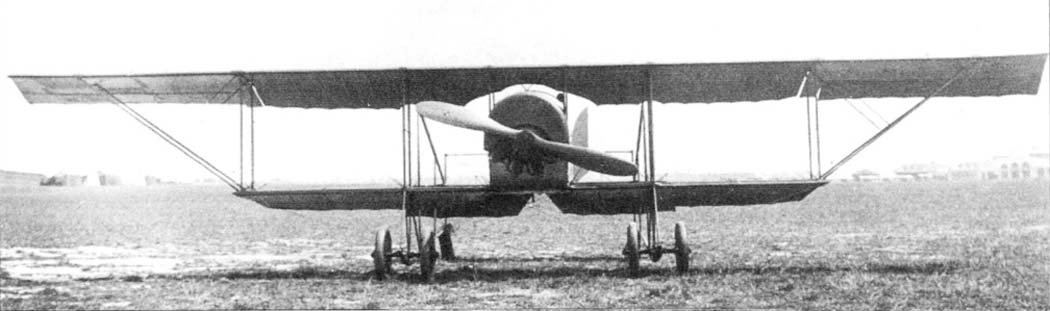
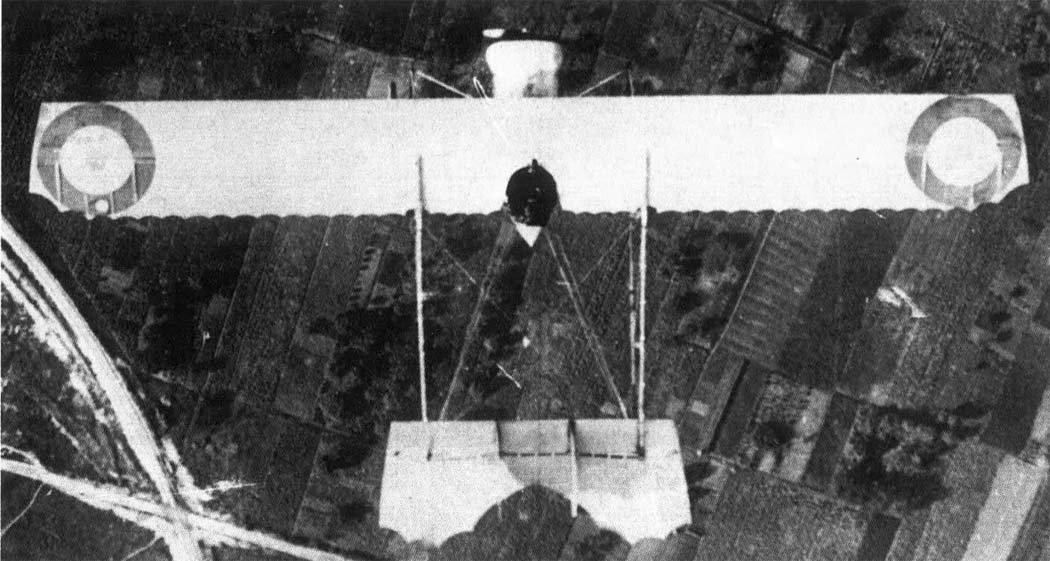
This cockpit was located in a shortened nose nacelle, which also housed an 80 hp Le Rhône rotary engine. Some aircraft were built with Gnome or Clerget engines of the same power. A twin-fin and rudder assembly was attached to four booms, the lower ones serving as tail skids. The main landing gear struts featured two wheels each, a wide track, and were attached to the lower rear boom. The G.3 was developed from its predecessor, the single-seat G.2, of which only a few examples were built, and which played a noticeable role in airshows in 1913 and early 1914.
Design and Early Service
When war broke out in August 1914, the G.3 was already in service with Squadron C.11 of the French military aviation, having been originally designed as a military aircraft. At the beginning of World War I, large quantities of G.3 aircraft were ordered and built at new Caudron facilities in Lyon and Issy-les-Moulineaux. Additionally, the aircraft was produced by other contractors hired by the Caudron brothers, who did not receive licensing fees for intellectual property use, reflecting their high patriotism.
Production developed rapidly, and the aircraft was widely used in the first two years of the war for reconnaissance and as an artillery spotter. It proved its strength and reliability; its qualities led the French Minister of War to state in 1914 that the aircraft should remain in front-line units “all century”. In reality, however, all but four machines of this type were re-purposed for training or dismantled. The aircraft was well-suited for its assigned tasks and, though unarmed, was popular among pilots.
World War I Operations
However, military operations escalated, enemy aircraft became more formidable, and the G.3 model’s low speed and vulnerability began to play a negative role. Consequently, in mid-1916, France withdrew it from active front-line units. A total of 2450 G.3 aircraft were produced in France during the war. The Italian Air Force widely used the G.3 as a reconnaissance aircraft until March 1917.
Aircraft built in England by British Caudron were traditionally used for reconnaissance and observation, although in the Royal Flying Corps, several machines were equipped with machine guns and light bombs for attacks on German troops and firing positions. 124 G.3 machines built in the UK went to the Royal Flying Corps, and 109 aircraft to the Royal Naval Air Service, where the aircraft was used as a trainer from the outset, but at the beginning of the war was also employed in numerous unsuccessful combat sorties against German airships. The Royal Flying Corps retired its last combat G.3 in August 1917.
The primary wartime variant of the G.3, based on French command recommendations, was most often used for artillery fire correction. The standard model for artillery observation, the Cau 3 A.2, was used by Allied forces (including Belgian units) on the Western Front, in Russia, and the Middle East. The Cau 3 D.2 was a dual-control training aircraft, while the Cau 3 E.2 was a standard trainer with a rotary engine. The number of G.3 trainers greatly increased due to the conversion of combat machines once they were recalled from front-line units.
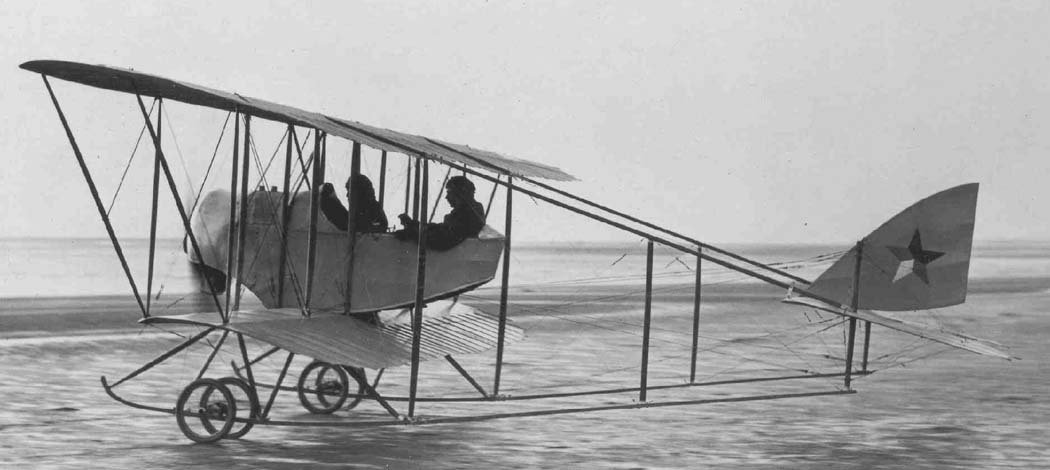
Many thousands of Allied pilots performed their first training flights in this aircraft, including pilots of the American Expeditionary Force in France, which received 192 French-built machines between 1917 and 1918. A special variant, the Cau 3 R.1, was used only by the French and Americans. The “R” in the model name denoted its purpose as a taxi trainer (rouleur). This single-seater aircraft could not take off, as large sections of its wing covering had been removed. It was used exclusively for ground training and could only be seen running across the training field under the control of novice pilots.
Post-War Achievements and Legacy
The final significant modification of the G.3 was the Cau 3.12 model, in which the 80 hp rotary engine power plant was replaced by a 100 hp Anzani radial engine. In the post-war period, the G.3 became known to the general public through several outstanding flights. In January 1919, military ace Jules Vedrines, to the astonishment and delight of the citizens, landed his G.3 on the roof of the famous Galeries Lafayette, on the banks of the Seine in the heart of Paris. In the same month, Madame de Laroche set a women’s altitude record of 3900 m.
All this happened before authorities tightened regulations and banned popular feats like flying under bridges. In September 1919, a G.3 piloted by Maicon also crossed this barrier, flying under a bridge over the Var River in Nice. On April 1, 1921, Adrienne Bolland, one of the first women pilots, made a truly daring flight in a G.3 across the Andes from Tamarindos (Argentina) to Santiago (Chile), reaching a maximum altitude of 4200 m. But France was most impressed by Swiss pilot François Durafour, who, on July 31, 1921, landed on the western slope of Mont Blanc and then successfully took off.
Since 1919, G.3 aircraft were sold to private owners, many of whom were former military pilots. Machines of this type were also used by flying clubs for pilot training and sightseeing flights. Today, a restored G.3 regularly stars at numerous airshows in France, and several original aircraft are preserved. One of them is exhibited at the Royal Air Force Museum in Hendon, UK.
Technical Specifications
| Modification | G.III |
| Wingspan, m | 13.40 |
| Length, m | 6.40 |
| Height, m | 2.50 |
| Wing area, m2 | 27.00 |
| Empty weight | 420 |
| Normal takeoff weight | 710 |
| Engine type | 1 Piston engine Le Rhone |
| Power, hp | 1 x 80 |
| Maximum speed, km/h | 108 |
| Cruising speed, km/h | 86 |
| Flight duration, h | 4.0 |
| Service ceiling, m | 4000 |
| Crew | 2 |
Image gallery of the Caudron G.III