The Genesis of the CBA-123 Vector
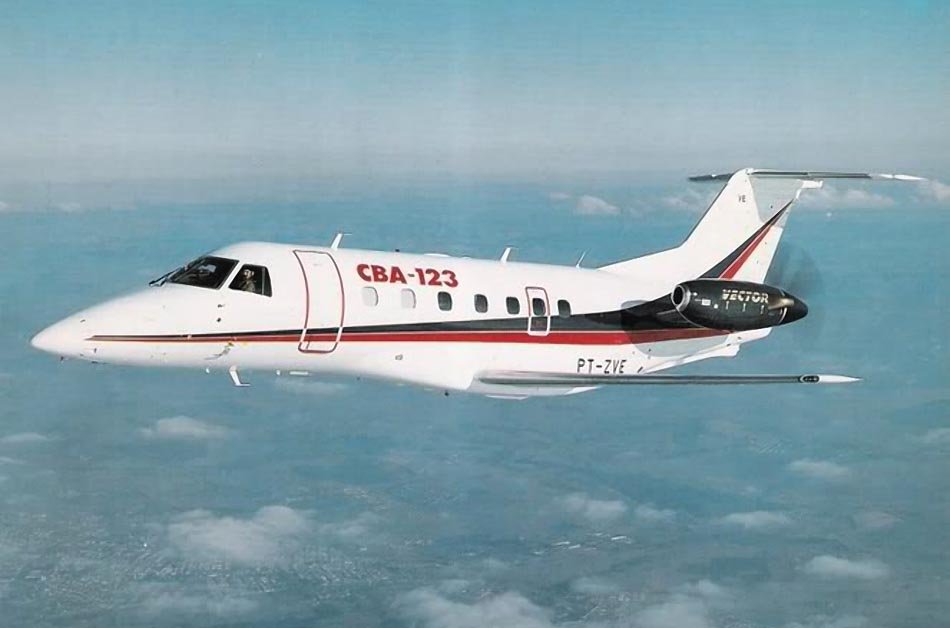
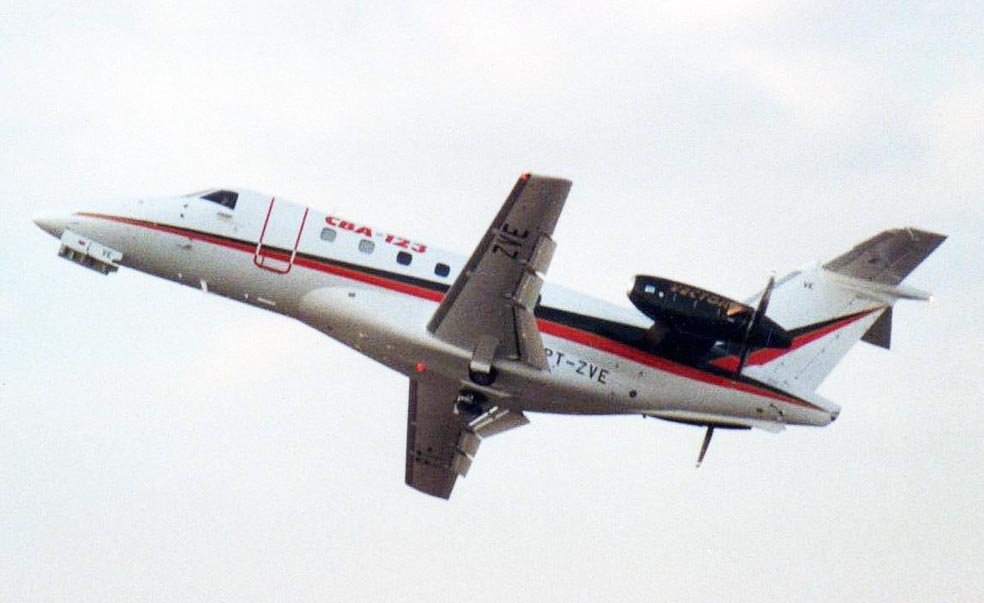
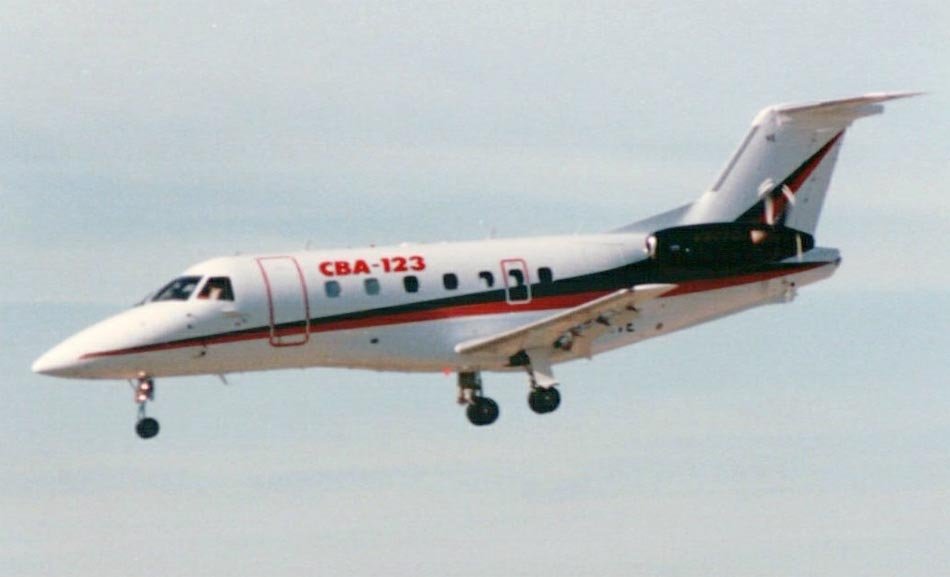
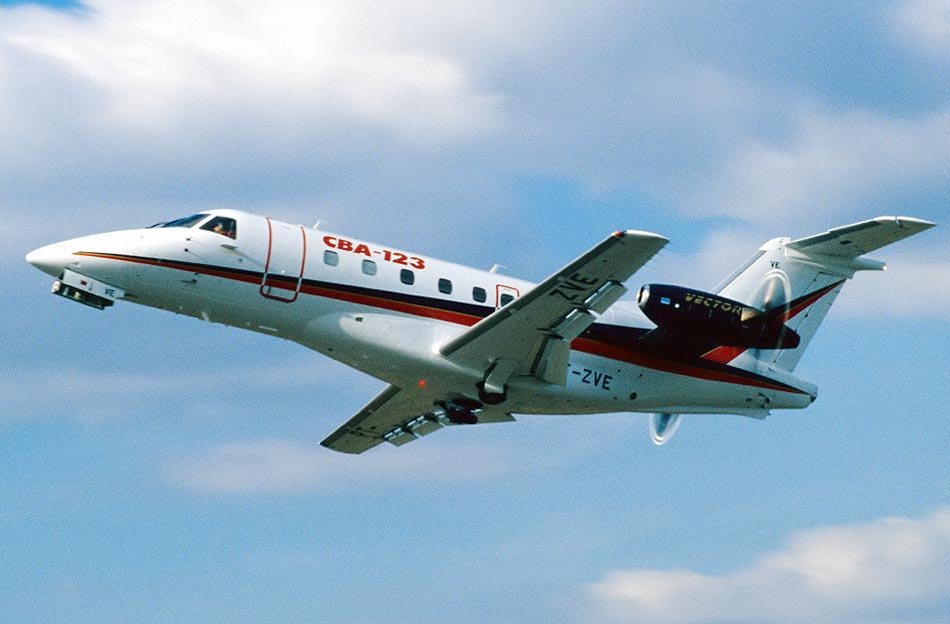
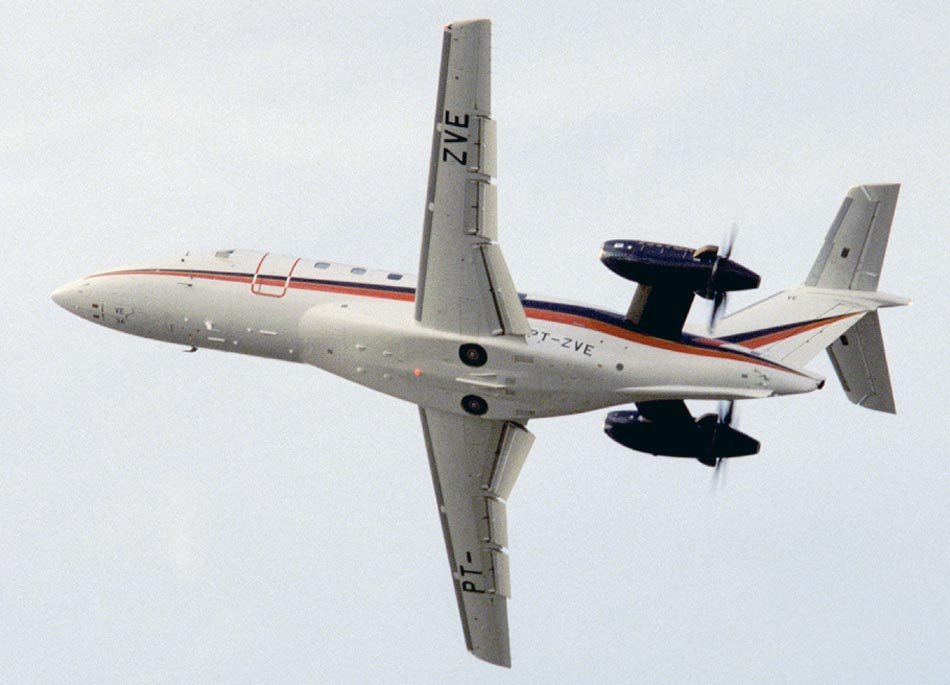
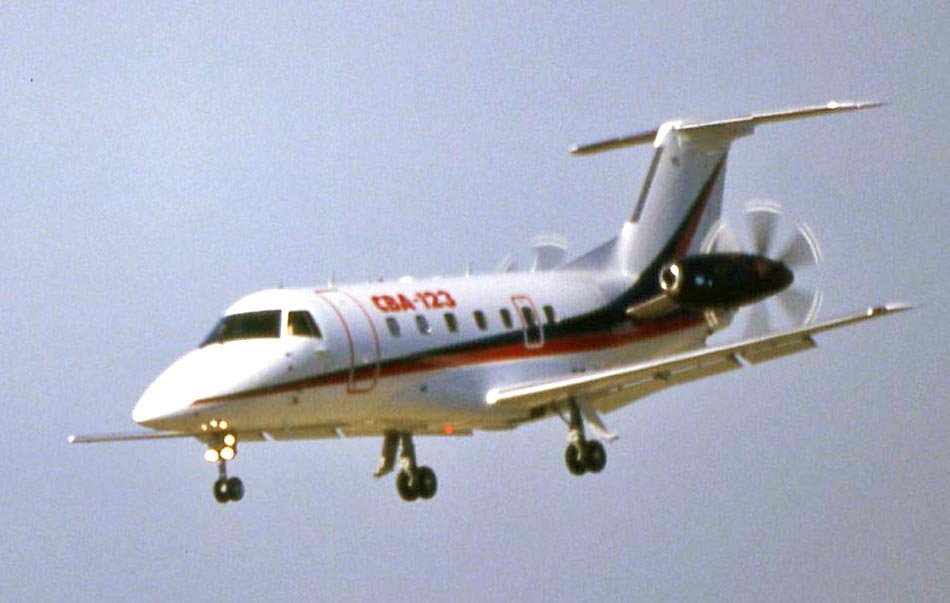
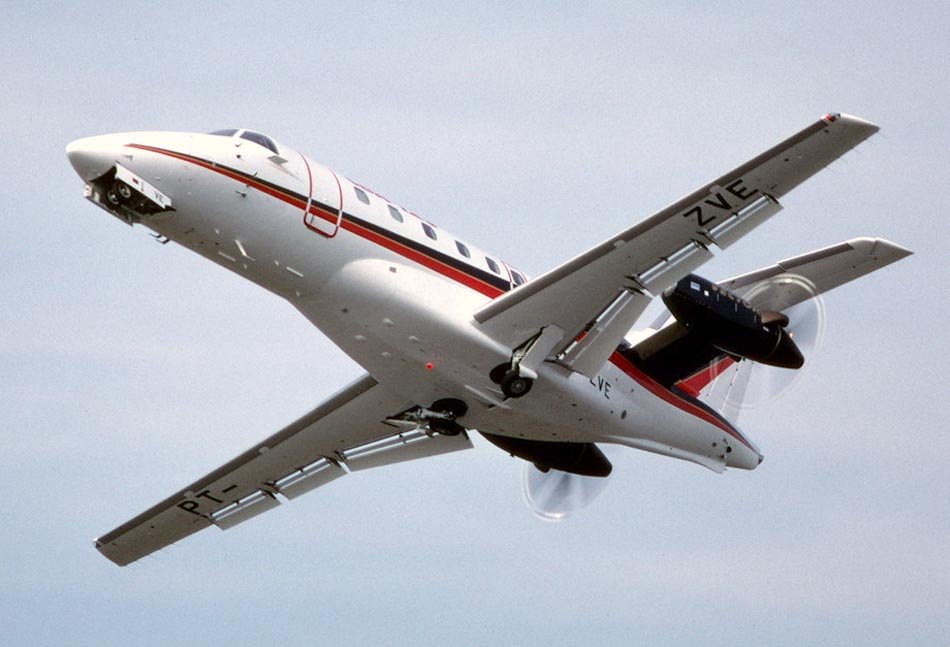
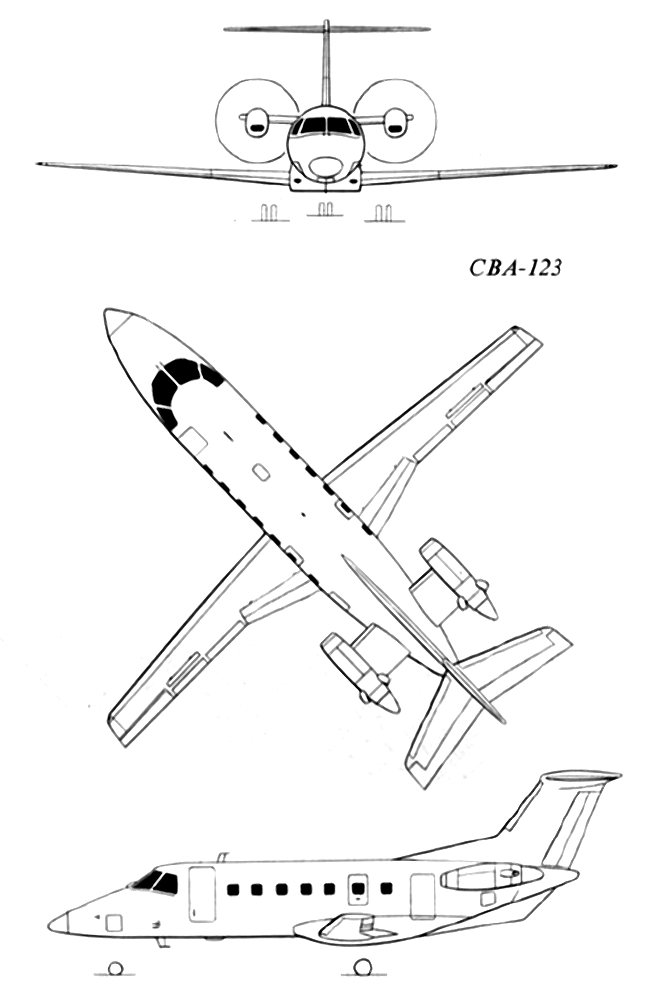
The story of the short-haul passenger aircraft CBA-123 Vector can be told in various ways. One could start with politics and the warming relations between Argentina and Brazil in the latter half of the 1980s, or with Embraer Corporation’s history and the need to replace the EMB 110 Bandeirante. It’s also possible to begin with aerodynamics and the widespread fascination with turboprops featuring pusher propellers located on pylons in the tail section of the fuselage, as seen in projects like the Antonov An-180, Myasishchev Duet, Yakovlev Yak-46, and several unrealized Boeing and McDonnell Douglas designs.
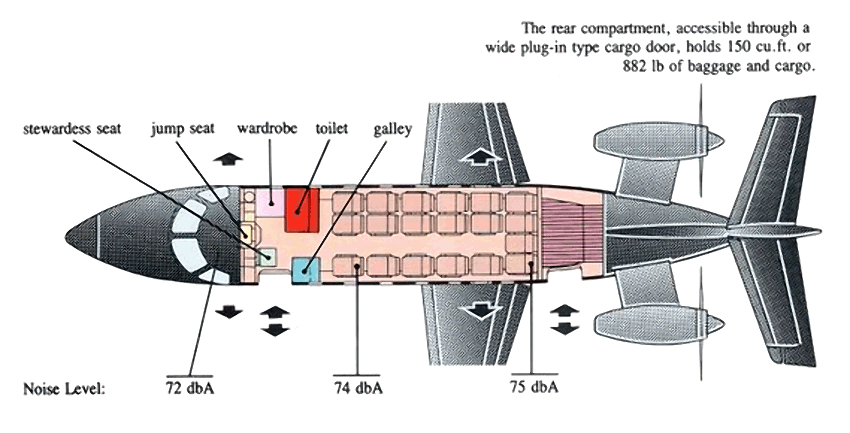
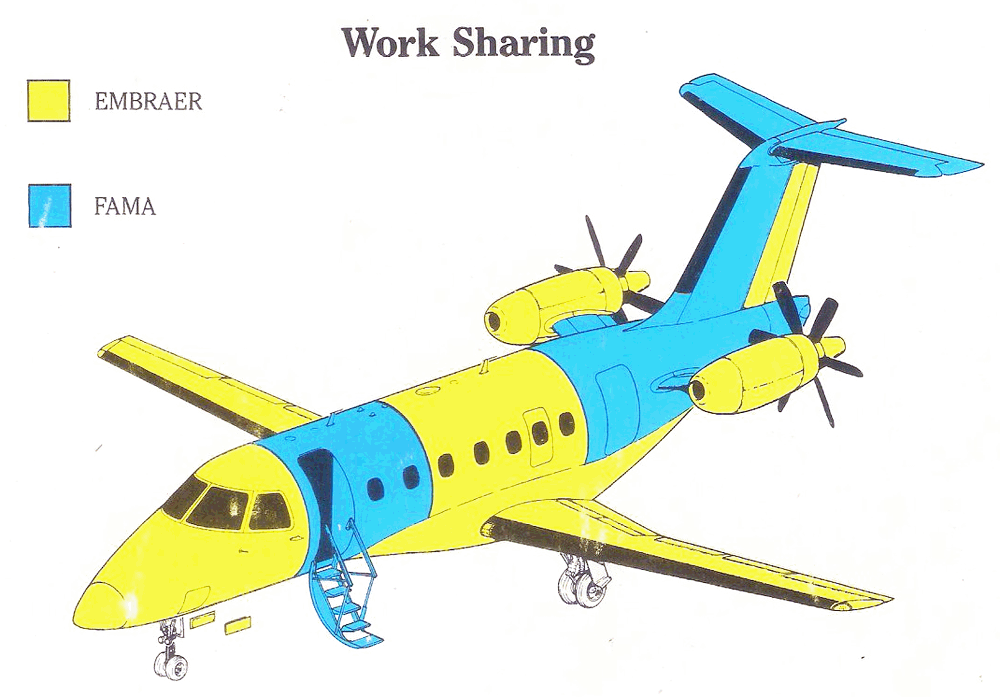
All these elements converged: Argentine-Brazilian friendship, the necessity for a new aircraft type, and an “aviation fashion” of the time. FMA (Fabrica Militar de Aviones) and Embraer began developing a 19-seat turboprop aircraft with an 1800 km range. It was named CBA 123, standing for Cooperación Brasil-Argentina, though internally Brazilians called it EMB-123 and Argentinians, IA 70. Financial costs and work were divided in a 2 to 1 ratio, with Argentina covering 33% and Brazil 67%.
Cutting-Edge Technology
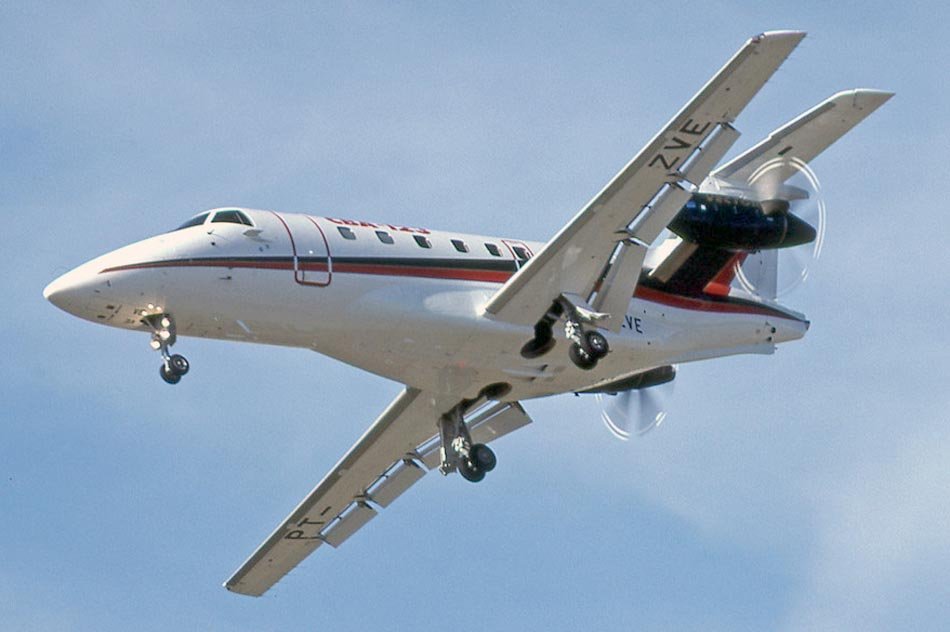
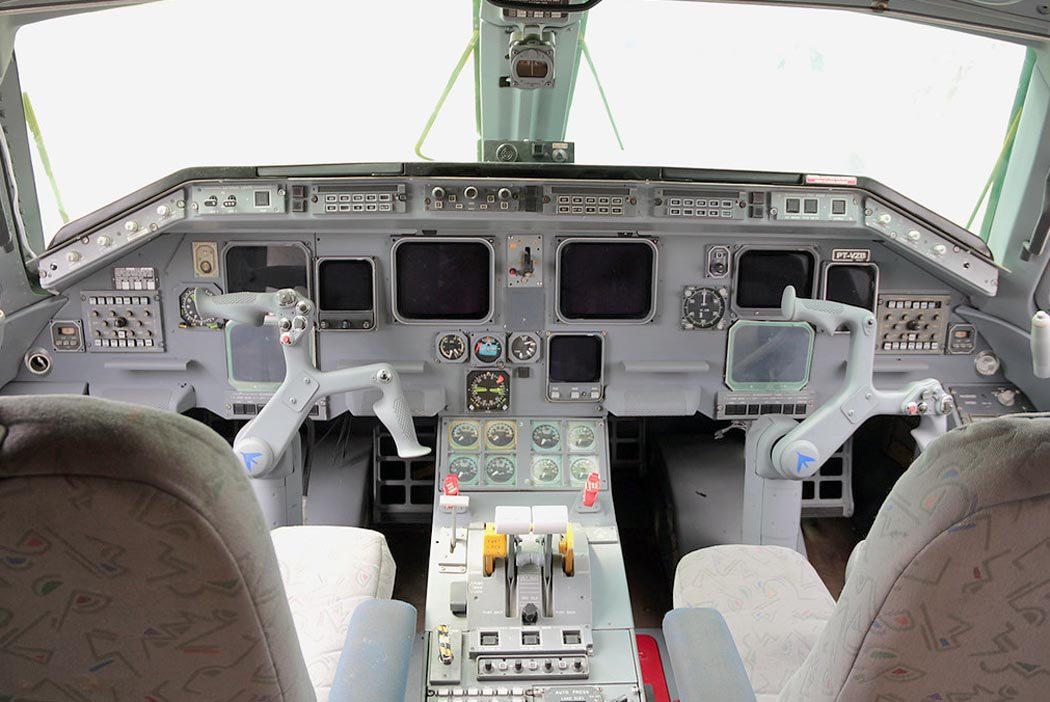
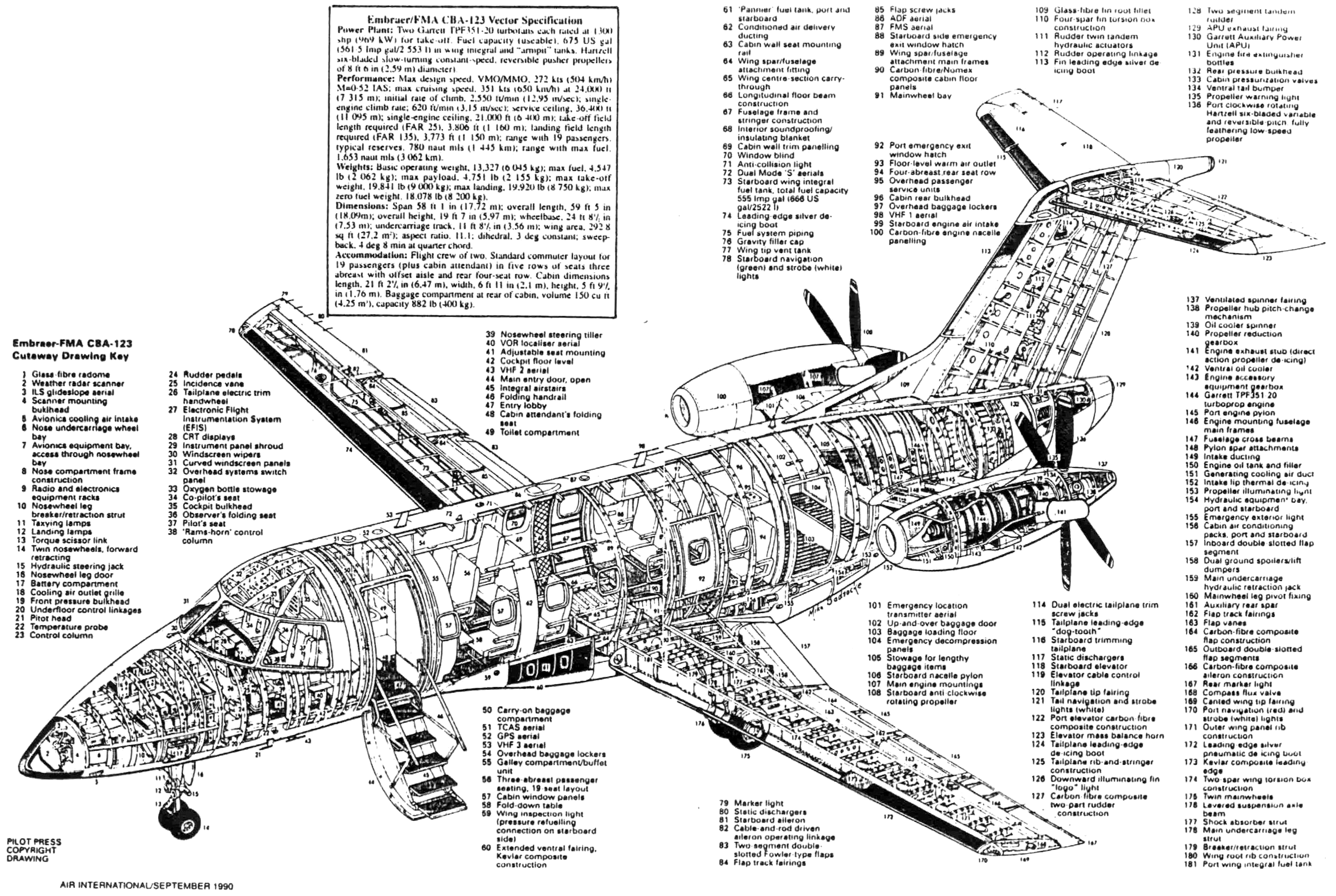
The aircraft incorporated the latest technical achievements, including cutting-edge avionics with terms like FADEC, EICAS, AHRS, and EFIS, which were revolutionary at the time but are now standard. It featured the promising Garrett TPF351 engine, based on the proven Garrett TPE331, driving six-blade Hartzell HC-E6A-5 counter-rotating propellers for complete aerodynamic symmetry. The aerodynamic design included supercritical airfoils (EA160316 at the root, EA 160313 at the tip), and it was slated for certification under US FAR-25 standards.
From Promise to Stagnation
The project’s beginning was promising and bright, as is typical for any new endeavor. Two prototypes were assembled (serial 801, registration PT-ZVE, and serial 802, PT-ZVB), with the first prototype flight taking place on July 18, 1990. On July 30, the aircraft was presented to the presidents of both countries, Carlos Menem and Fernando Collor de Mello.
However, an aircraft is not only about politics but also economics. The reliance on new technologies and the “Brazil/Argentina can do it!” demonstration did not quite pay off, as the price for a production unit hovered around 5 million dollars, considered too high for a 19-seat turboprop. Furthermore, politics intervened when the Brazilian president faced impeachment, leading to a political crisis and the exhaustion of the budget, estimated at $300 million. The assembly of the third prototype (c/n803 LV-X134) stalled at 80% and now collects dust in Hangar 36 without its tail or pylons, while the first two are preserved in museums (one in Rio de Janeiro and the other at the Embraer museum).
Technical Specifications
| Modification | CBA-123 |
| Wingspan, m | 18.09 |
| Aircraft length, m | 17.72 |
| Aircraft height, m | 5.97 |
| Wing area, m2 | 27.20 |
| Empty weight | 6230 |
| Maximum takeoff weight | 7711 |
| Engine type | 2 Turboprop Garrett TPF351-20A |
| Power, hp | 2 x 1219 |
| Maximum speed, km/h | 593 |
| Cruising speed, km/h | 569 |
| Practical range, km | 1852 |
| Rate of climb, m/min | 714 |
| Practical ceiling, m | 10670 |
| Crew, crew members | 2 |
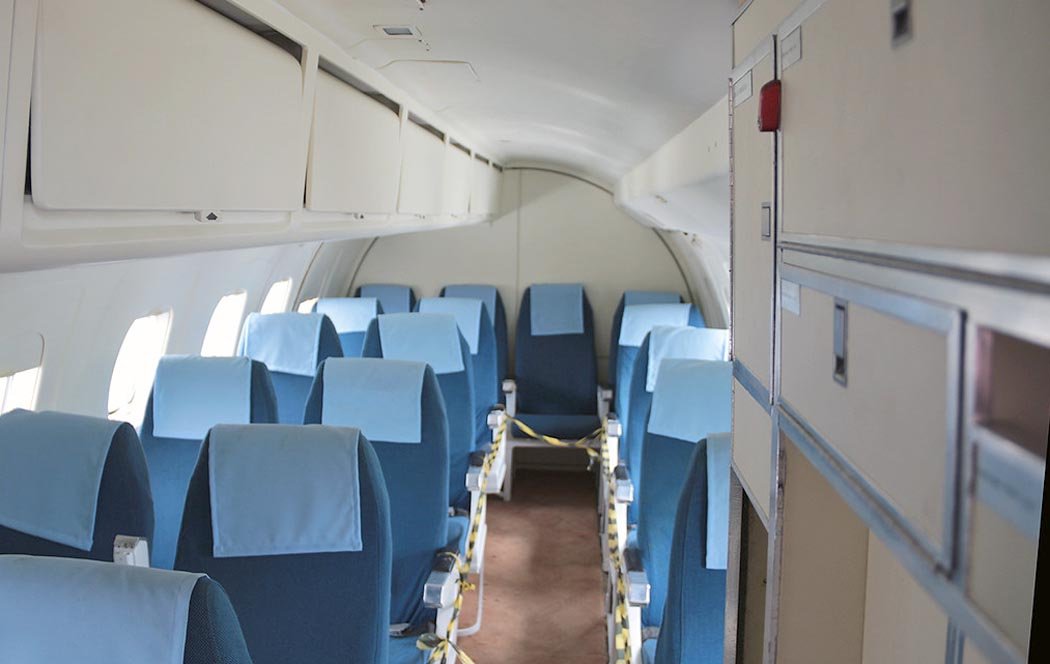
| Payload | 19 passengers |
Image gallery of the CBA-123 Vector