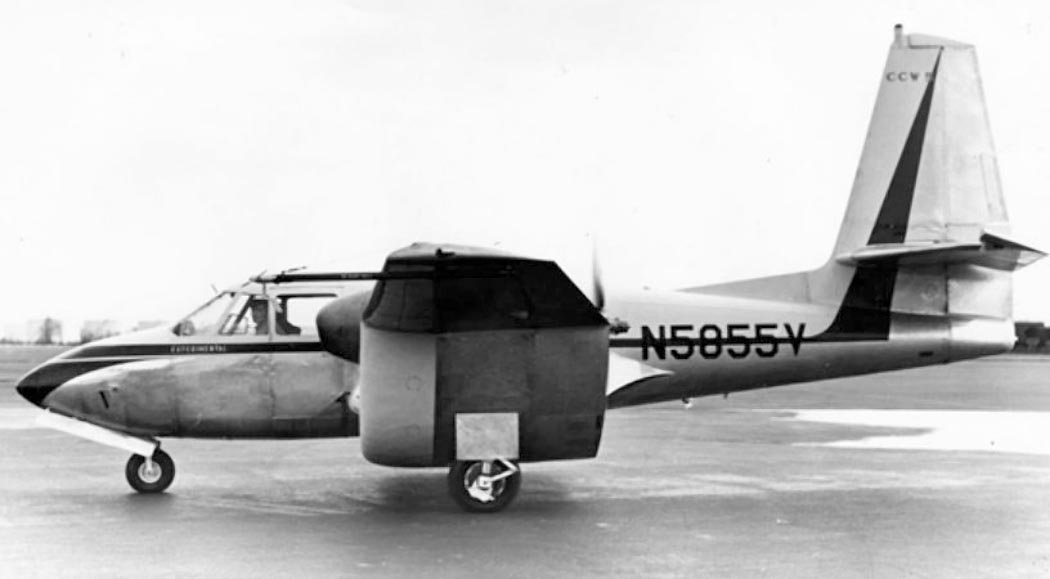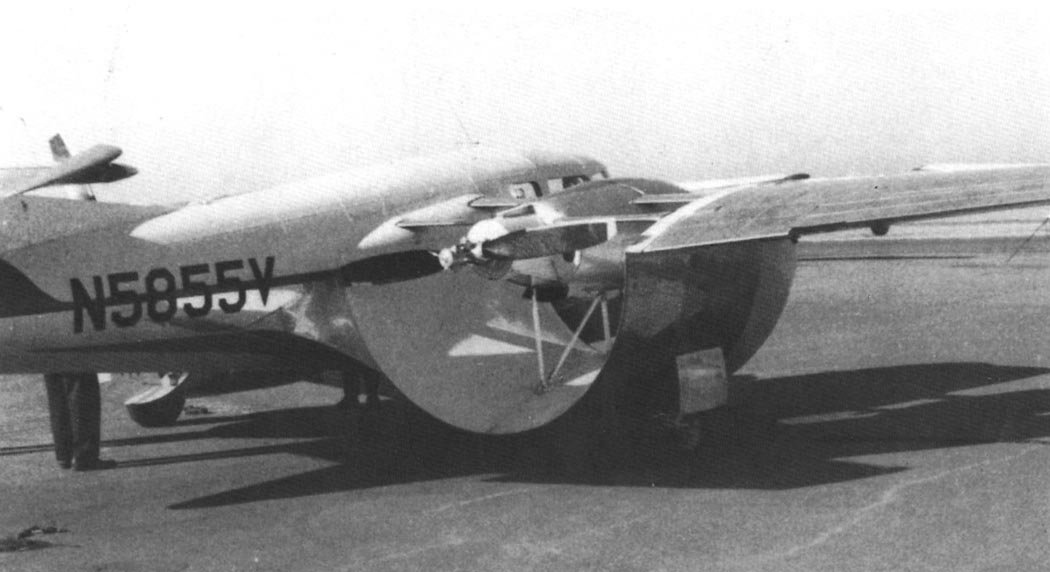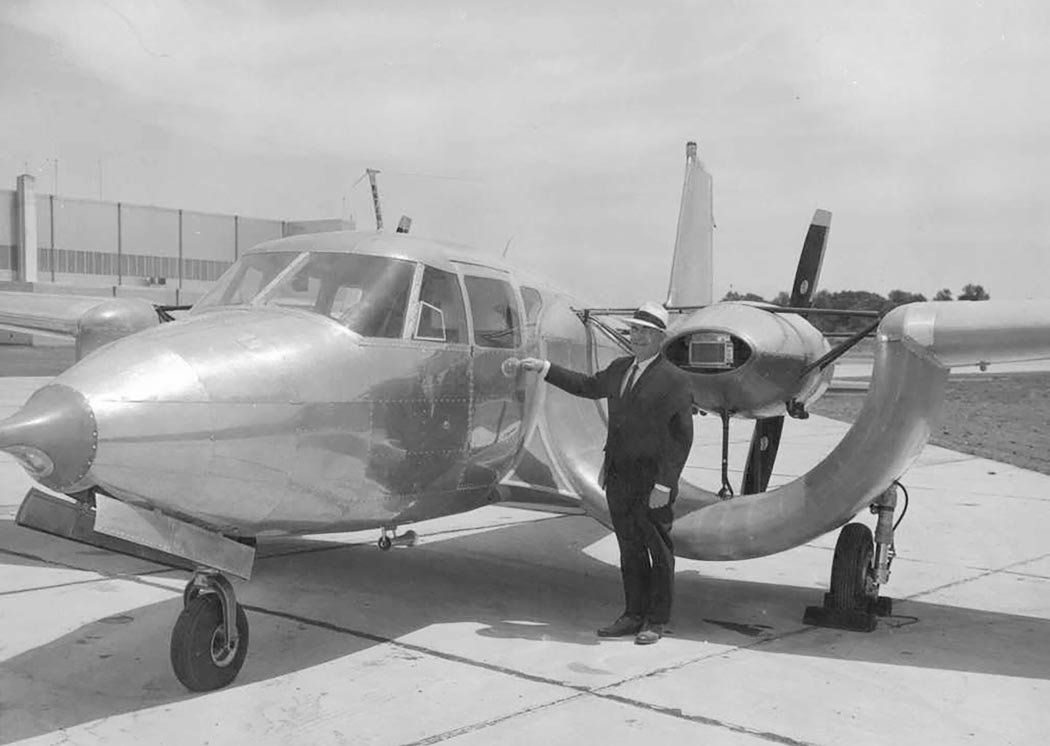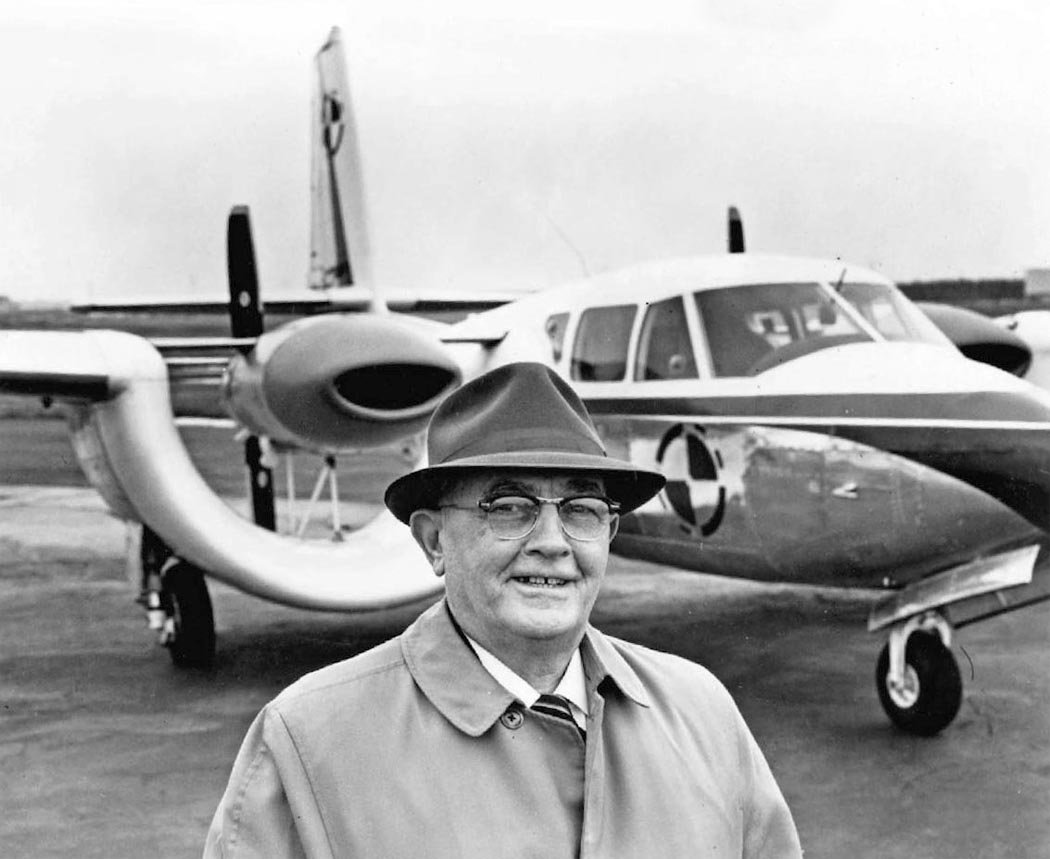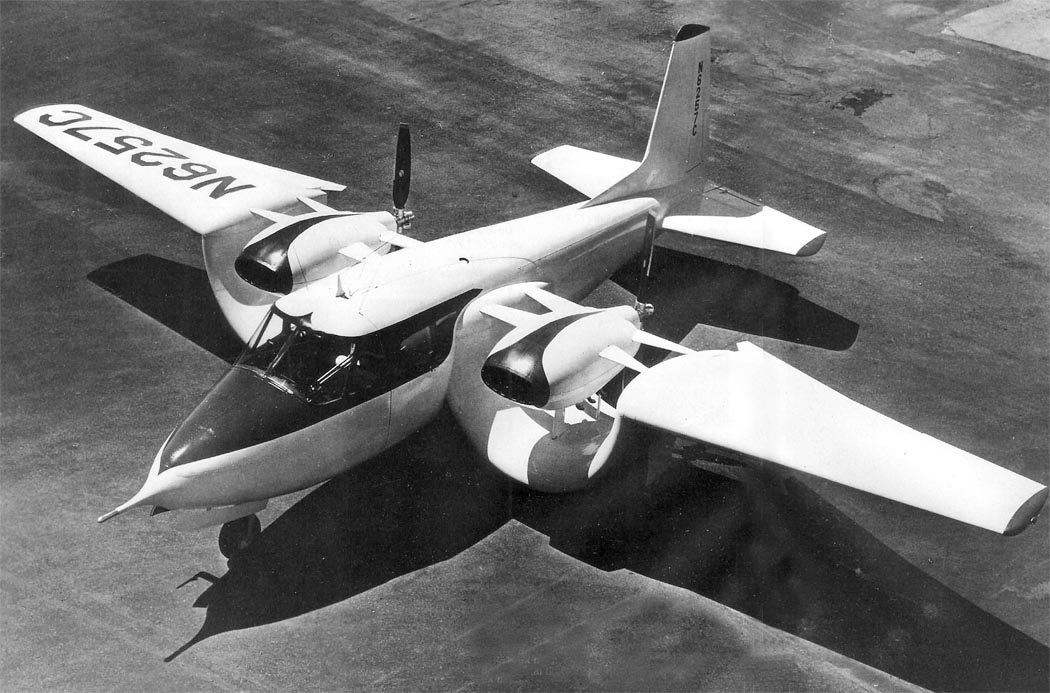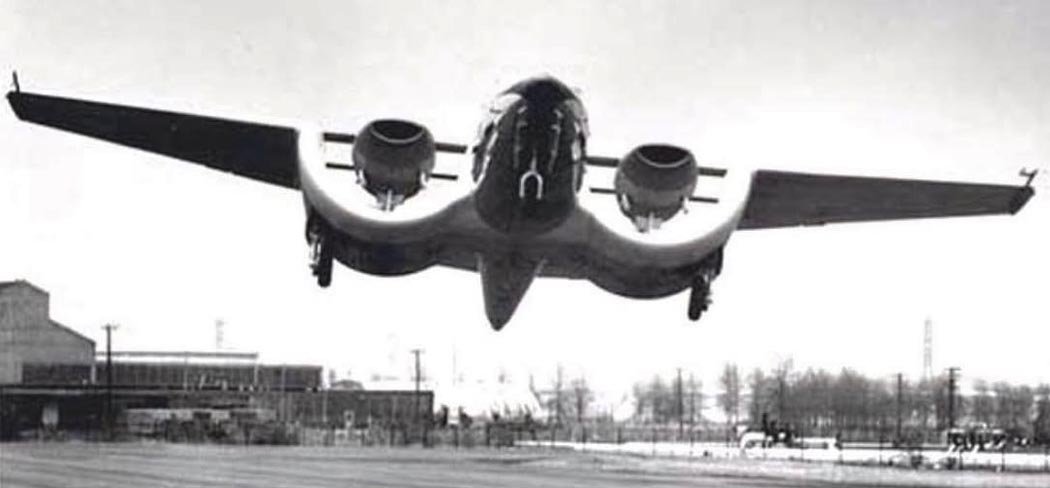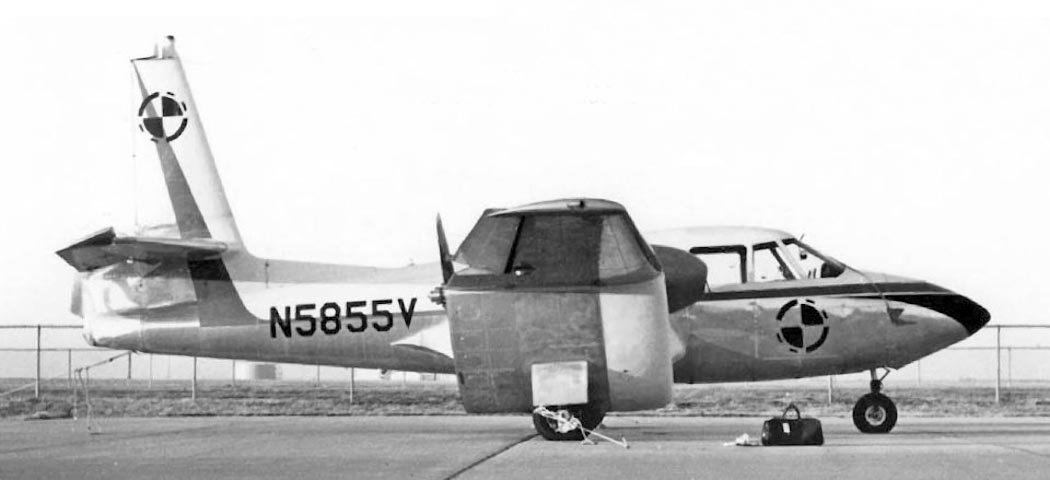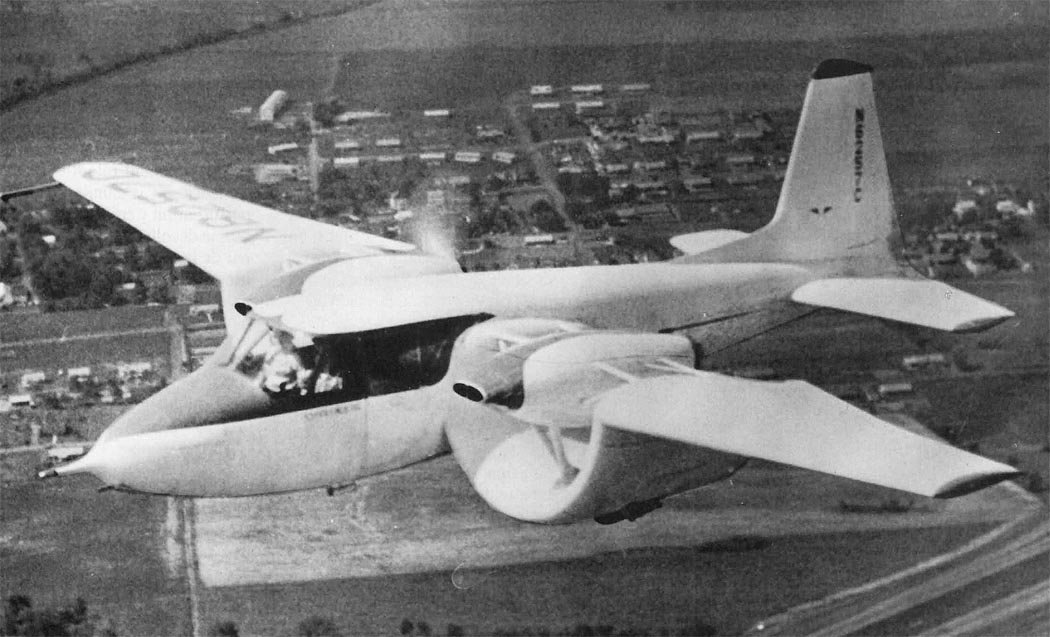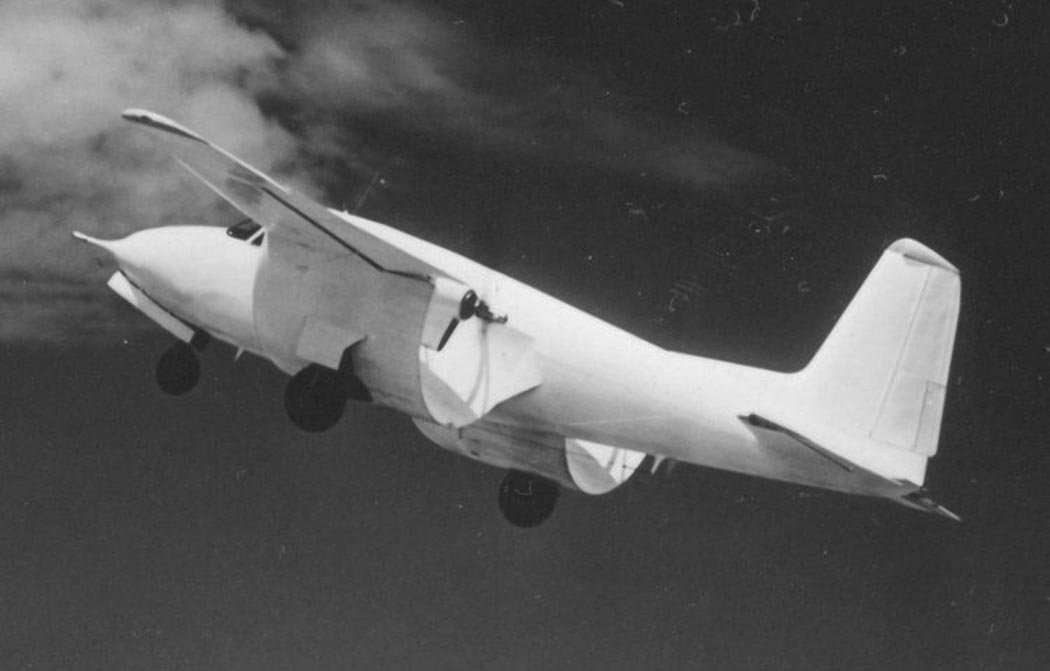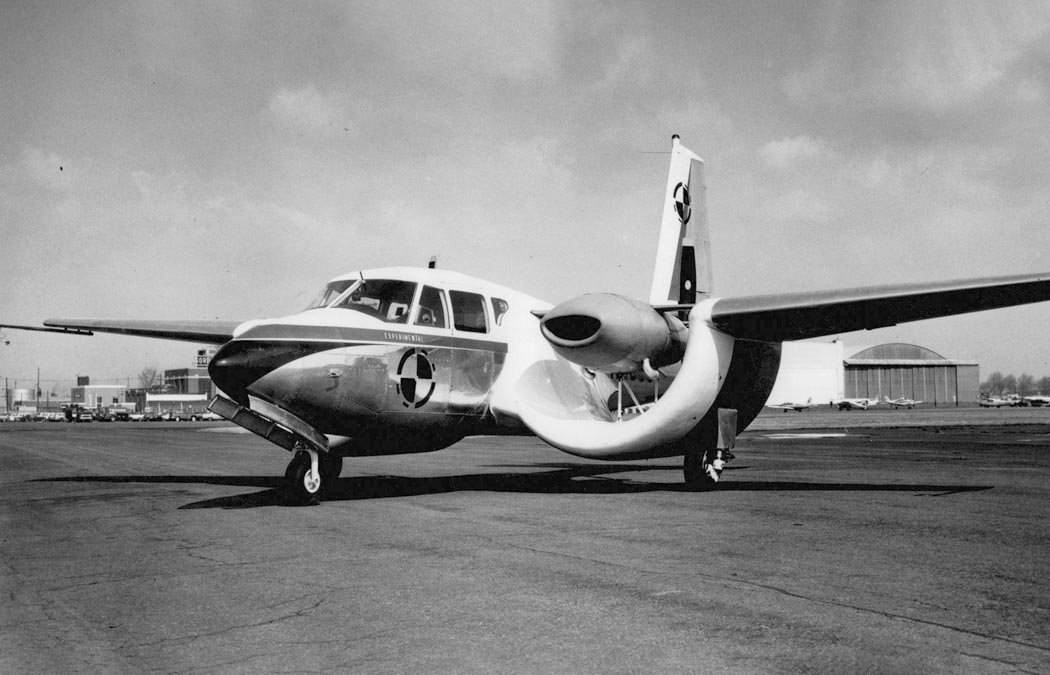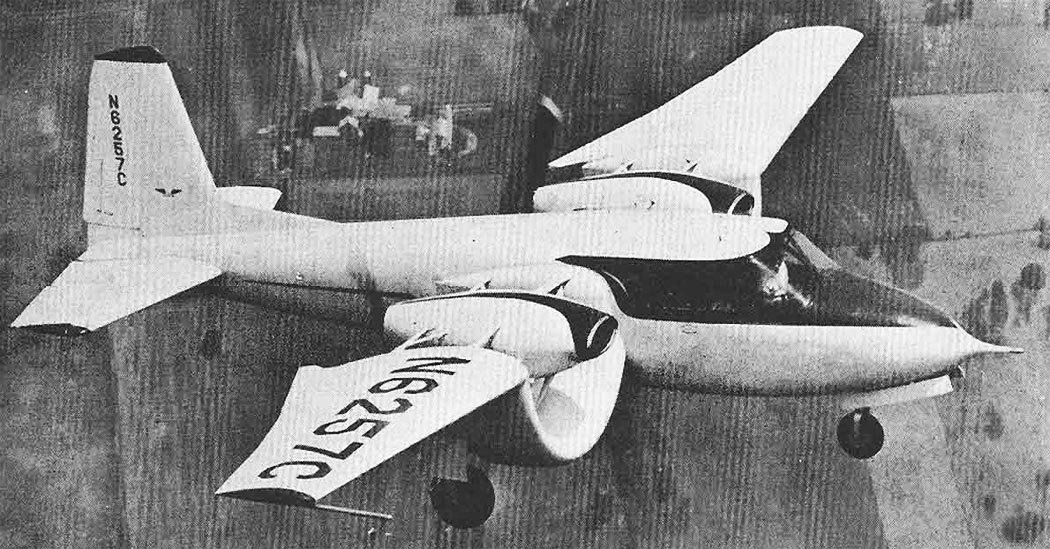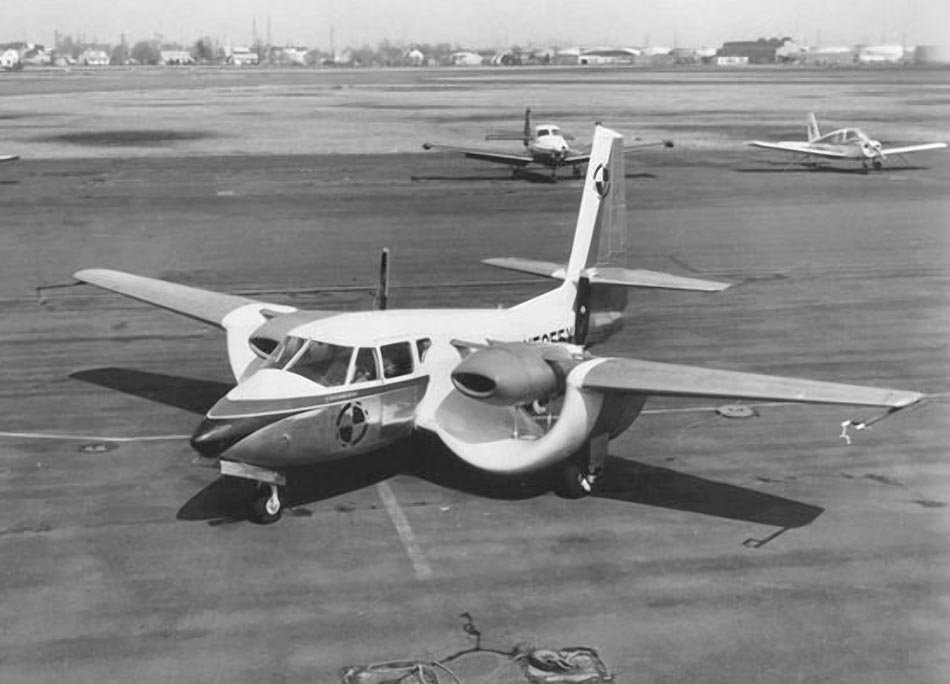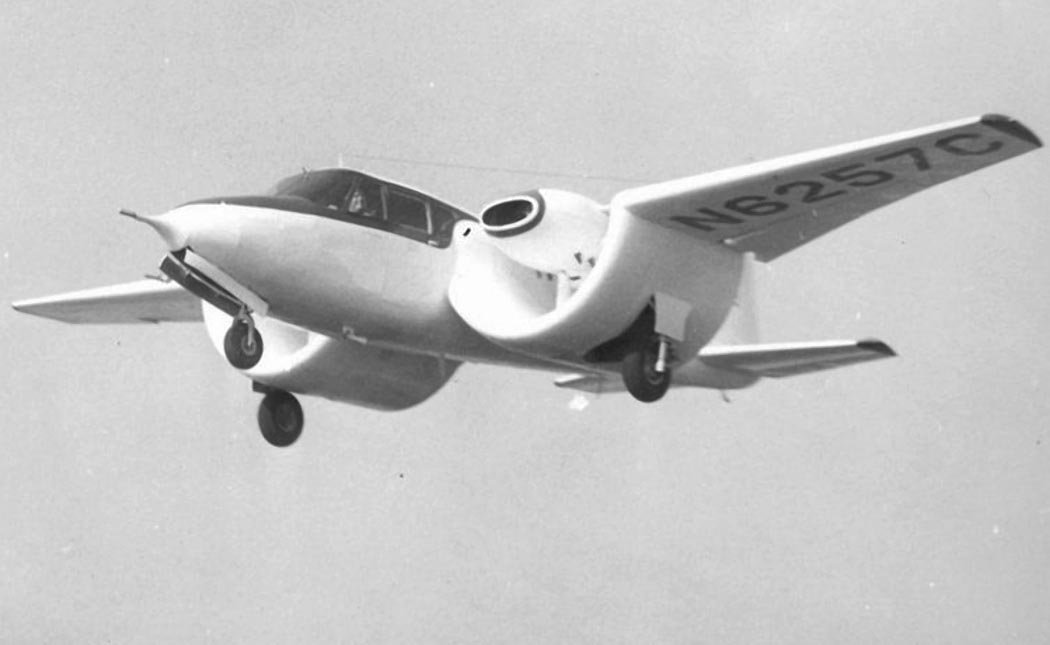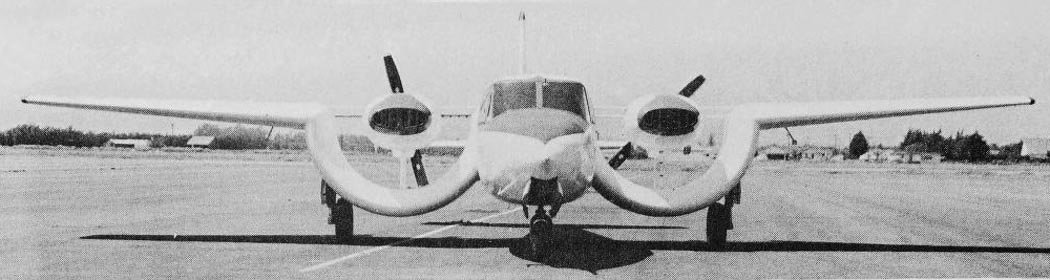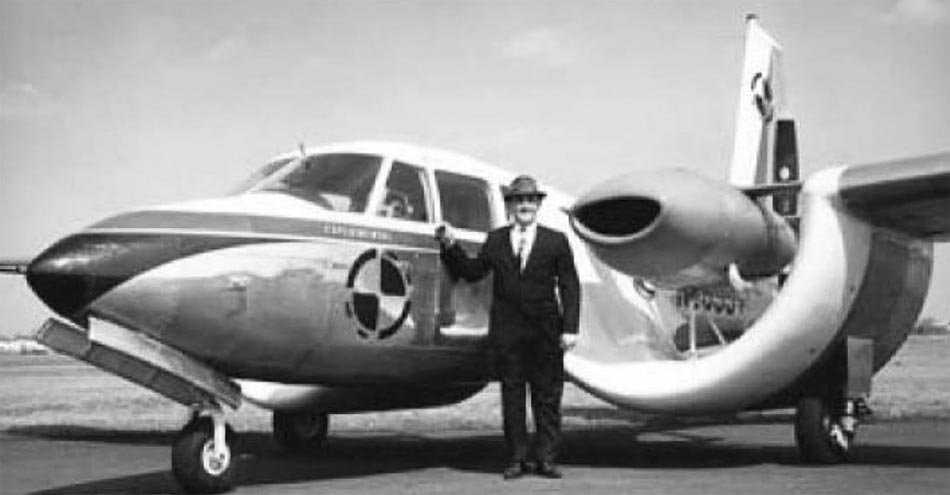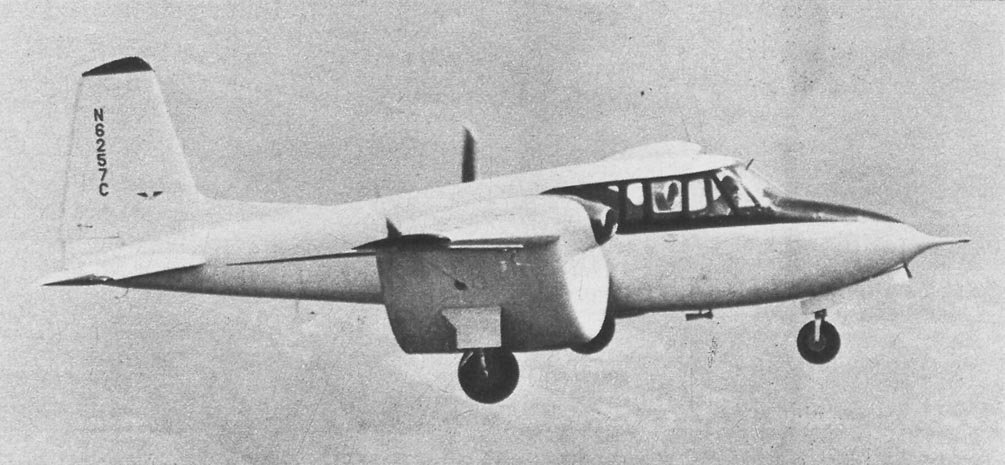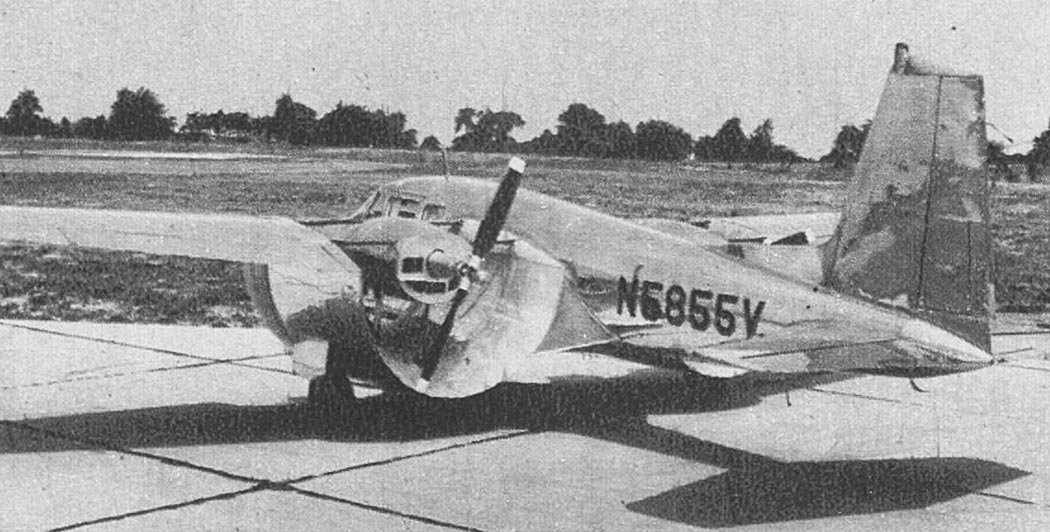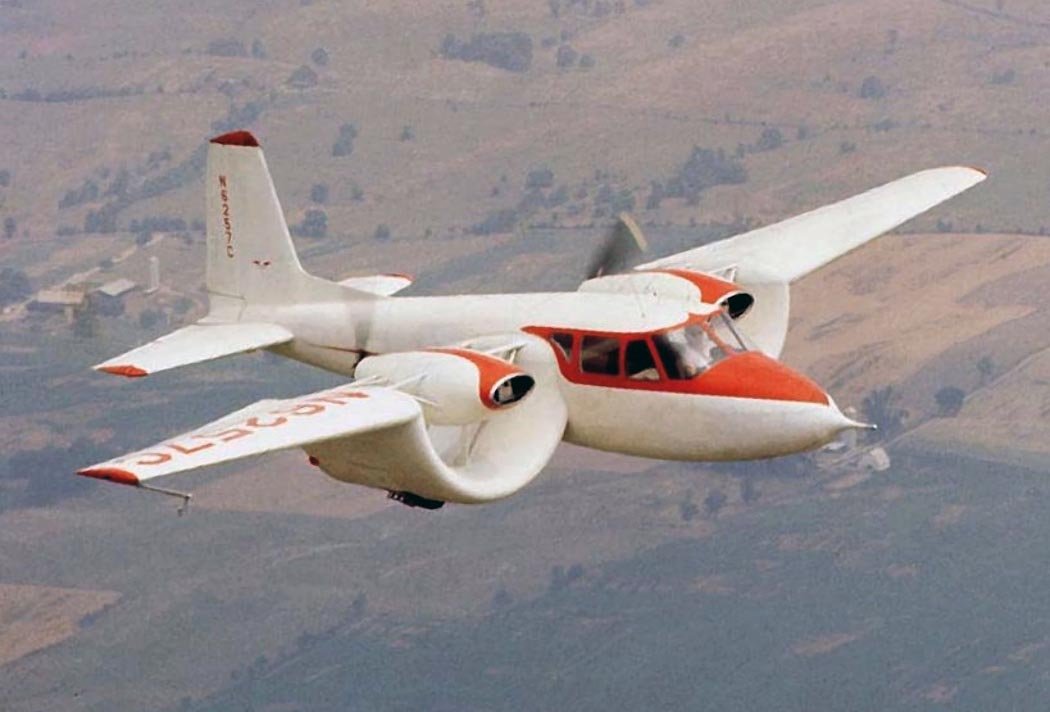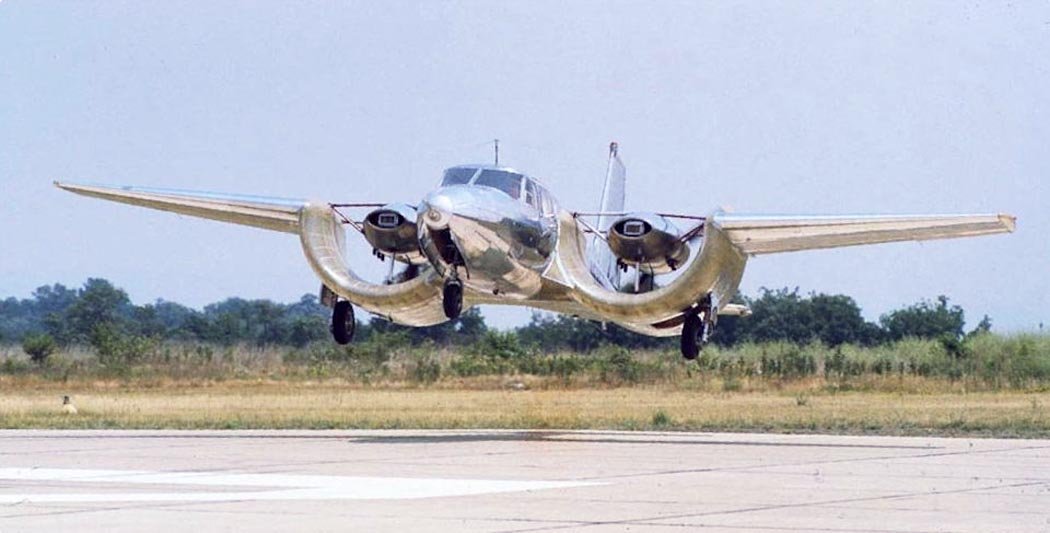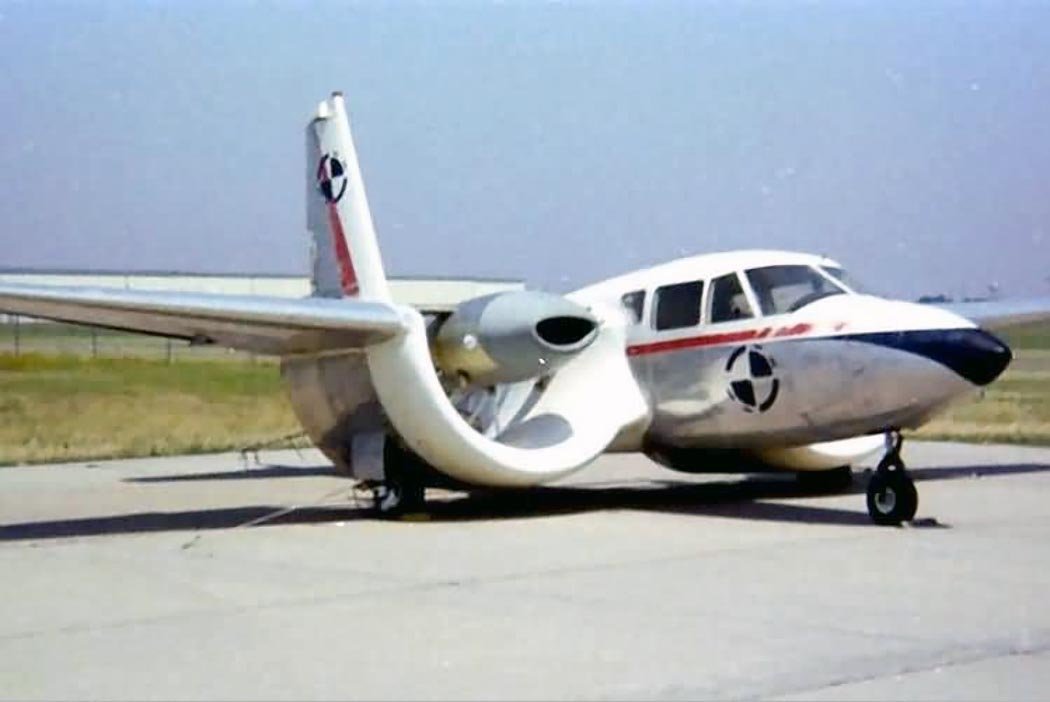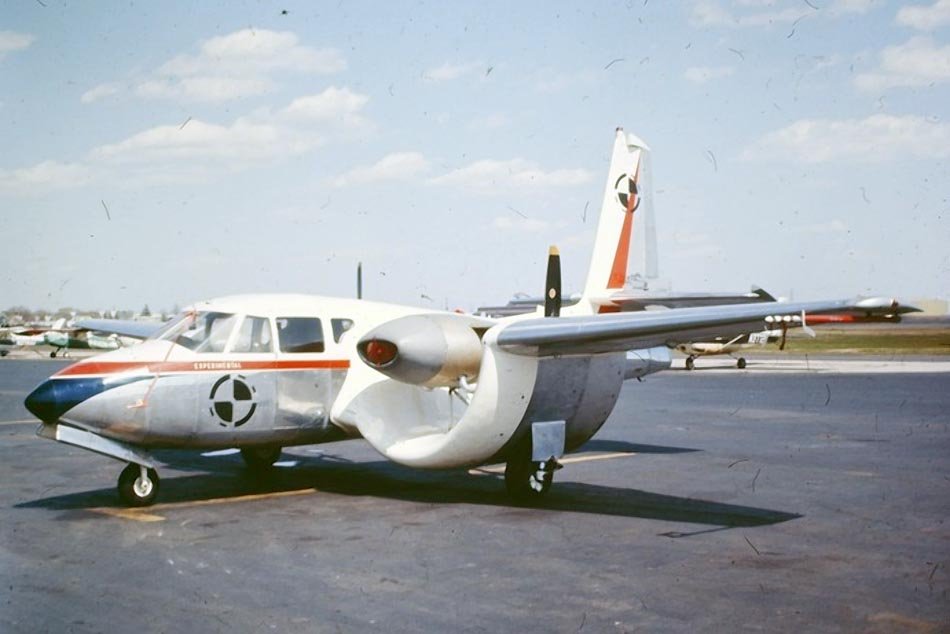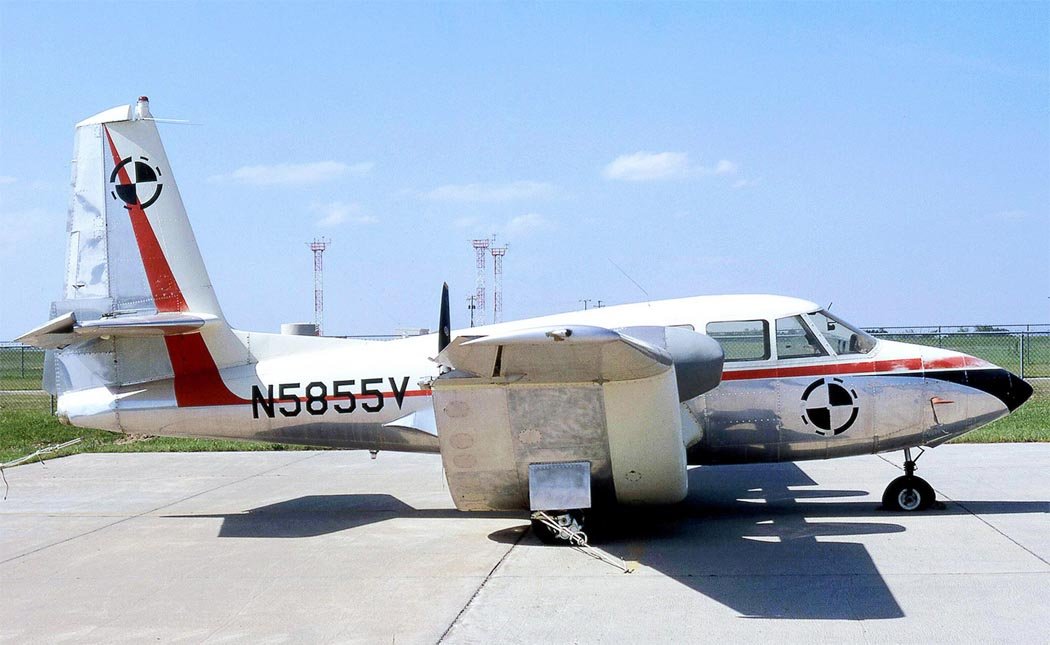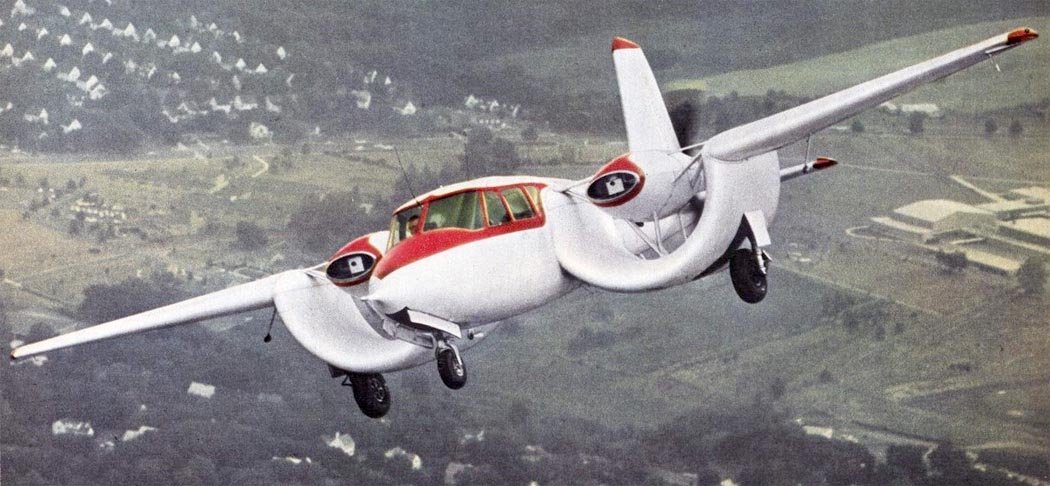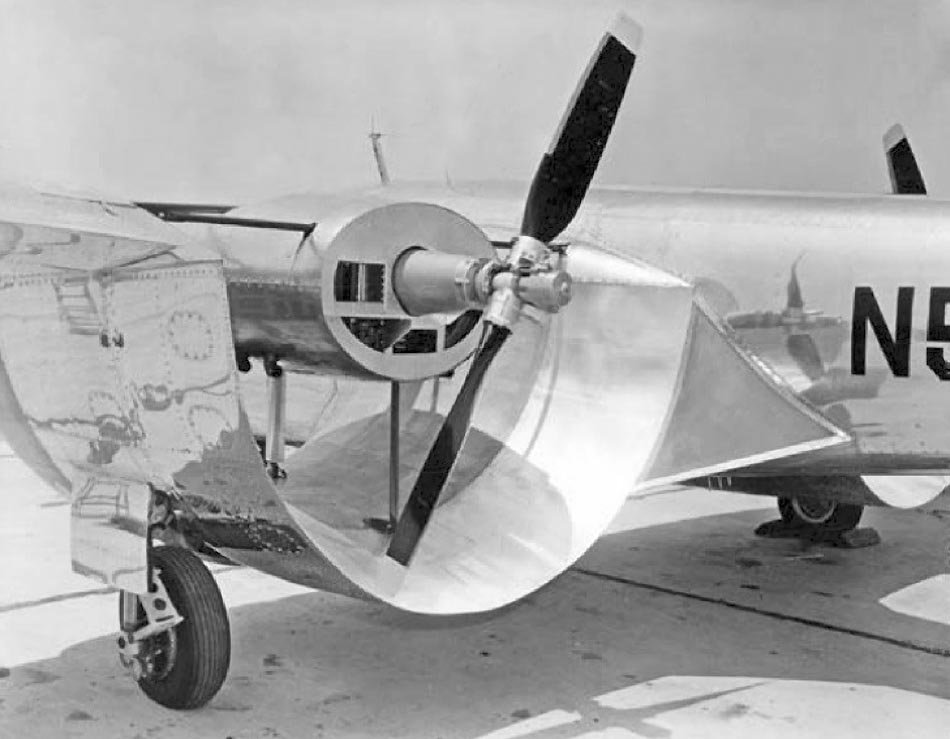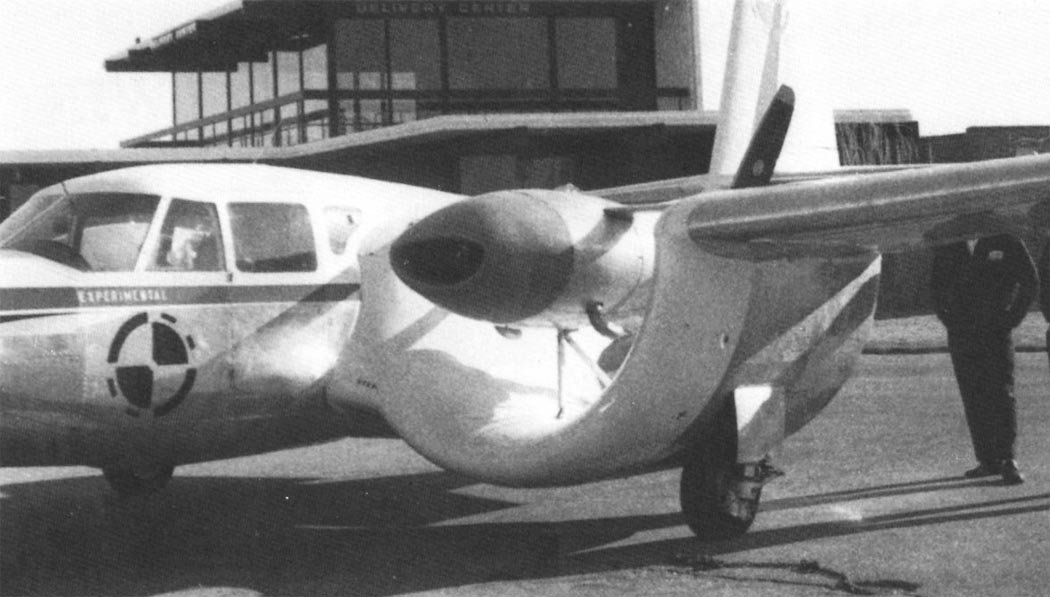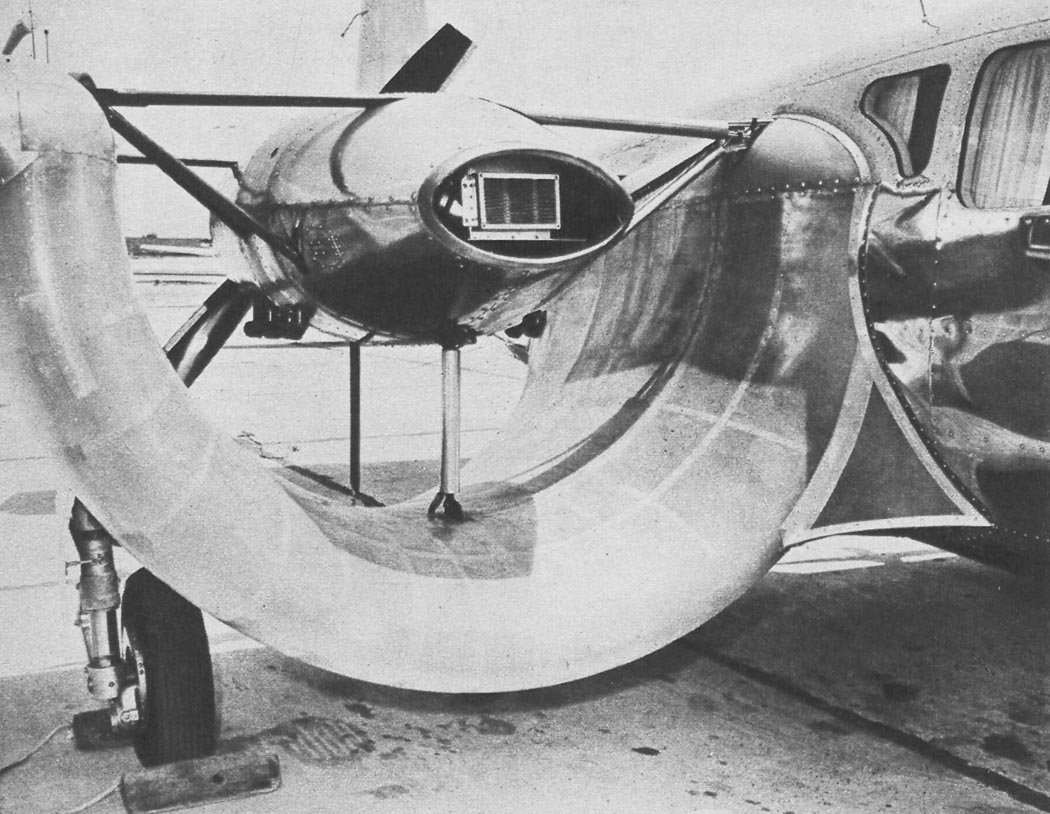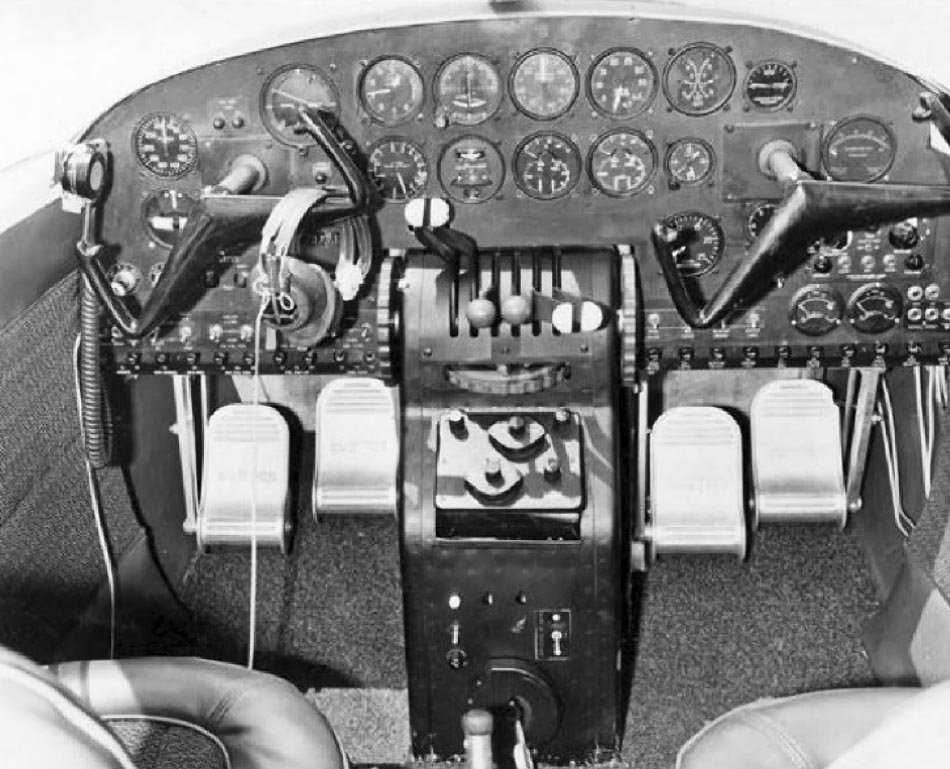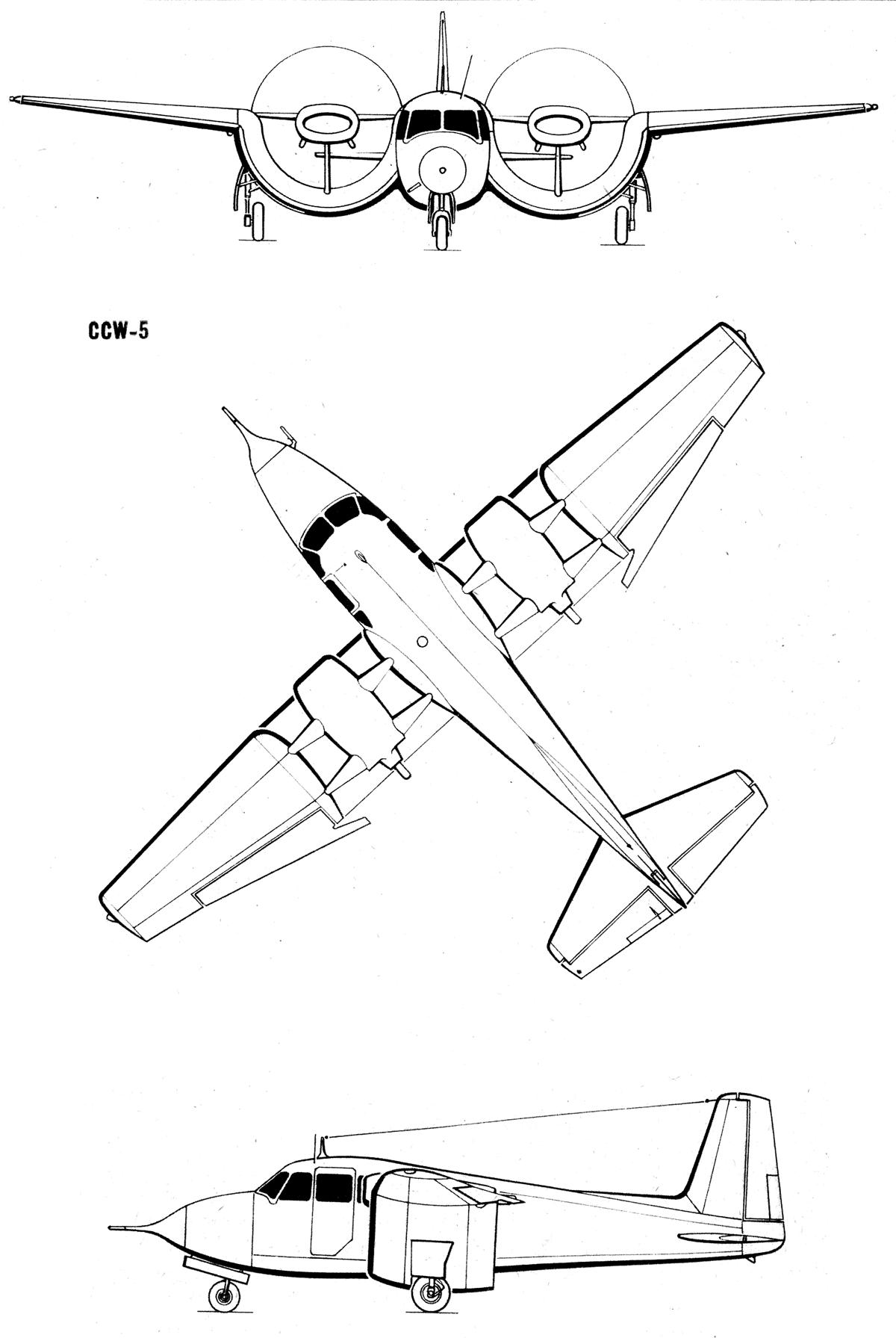
The CCW-5, the final model from the Custer Channel Wing family by American designer Willard R. Custer, made its maiden flight on July 13, 1953. This experimental aircraft was built using the fuselage and tail section of a Baumann Brigadier, a light twin-engine passenger plane powered by 225 hp Continental O-470 engines.
Innovative Design and Challenges
The effectiveness of lift generation in the semi-circular channel wings of this aircraft was significantly reduced. This was due to the incorporation of sizable traditional wing consoles, which alone could have provided flight for the aircraft even without the semi-annular sections.
Performance and Discontinuation
Despite this design choice, the CCW-5, with its combination of traditional and channel wings, demonstrated very impressive low-speed flight capabilities and exceptionally high maneuverability. A single ‘production’ model was released in 1964, but no further orders were received, leading to the discontinuation of all work on the project.
Technical Specifications
| Modification | CСW-5 |
| Wingspan, m | 12.55 |
| Length, m | 8.75 |
| Height, m | 3.30 |
| Empty weight | 1667 |
| Maximum takeoff weight | 2449 |
| Engine type | 2 Piston engines Continental O-470 |
| Power, hp | 2 x 225 |
| Maximum speed, km/h | 322 |
| Cruising speed, km/h | 290 |
| Practical range, km | 1850 |
| Service ceiling, m | 6705 |
| Crew, crew members | 1 |
| Payload | up to 4 passengers |
Image gallery of the CCW-5