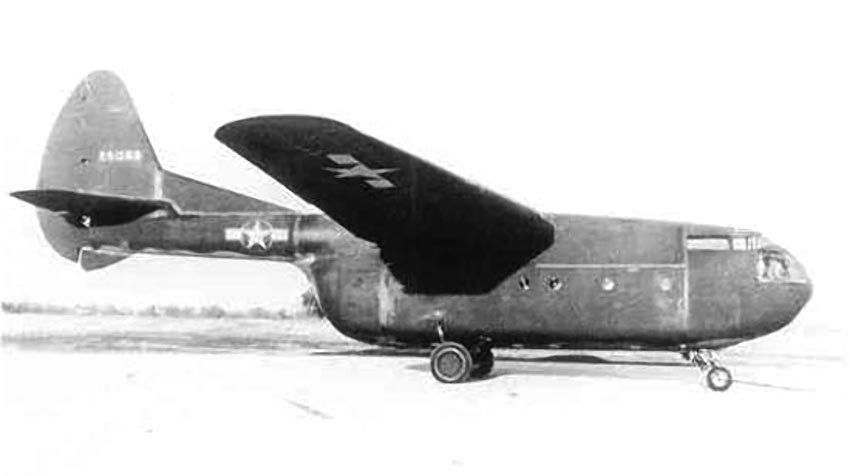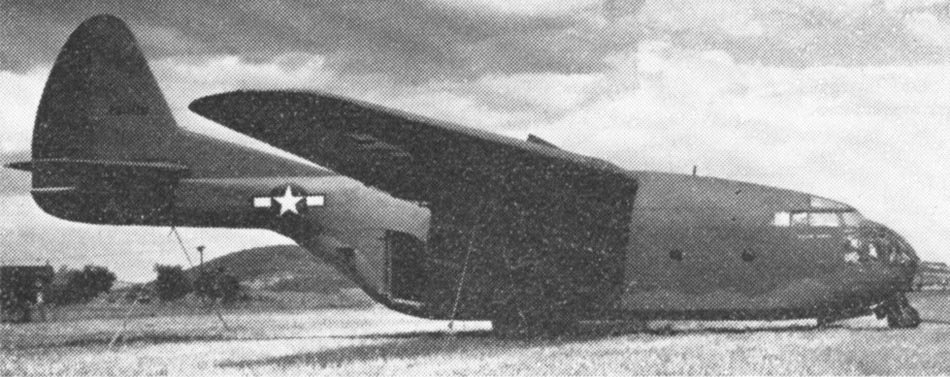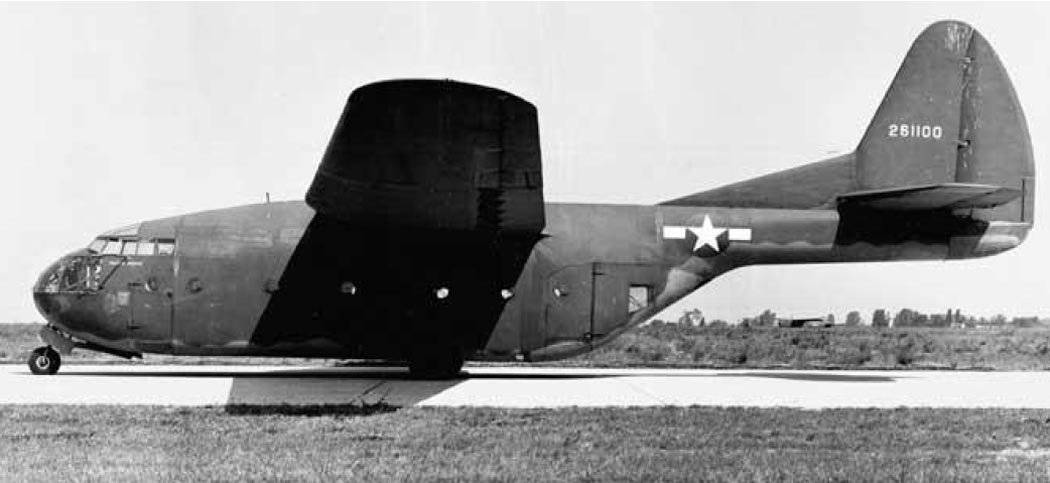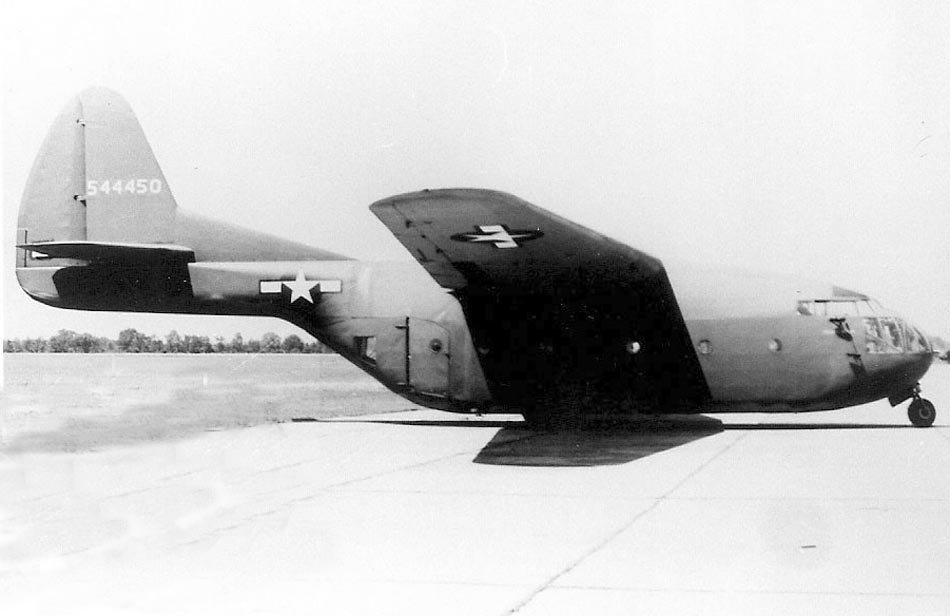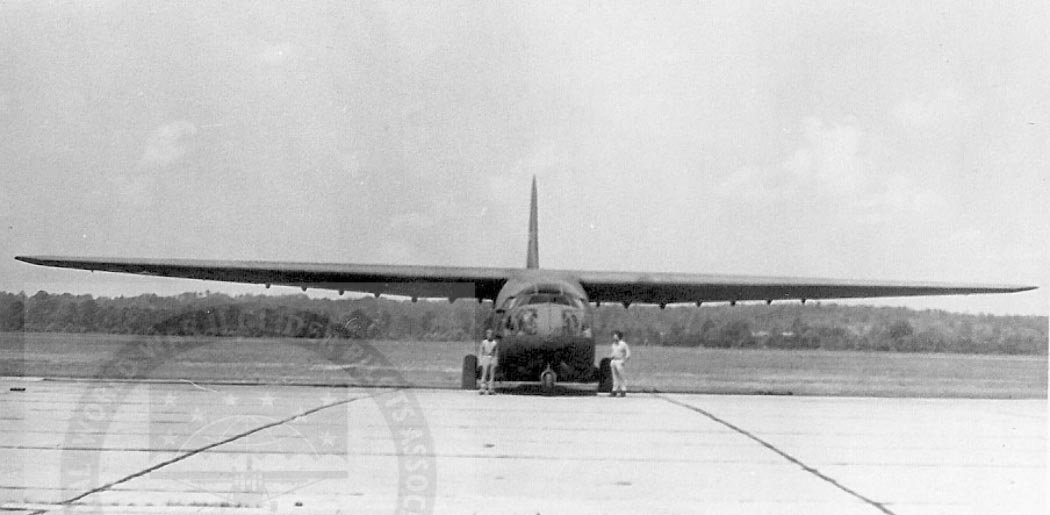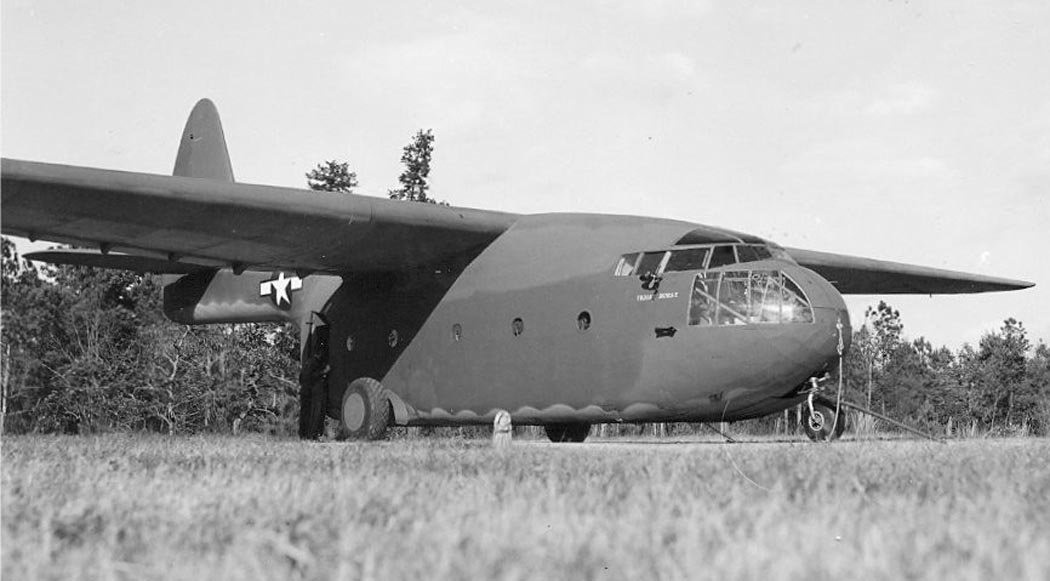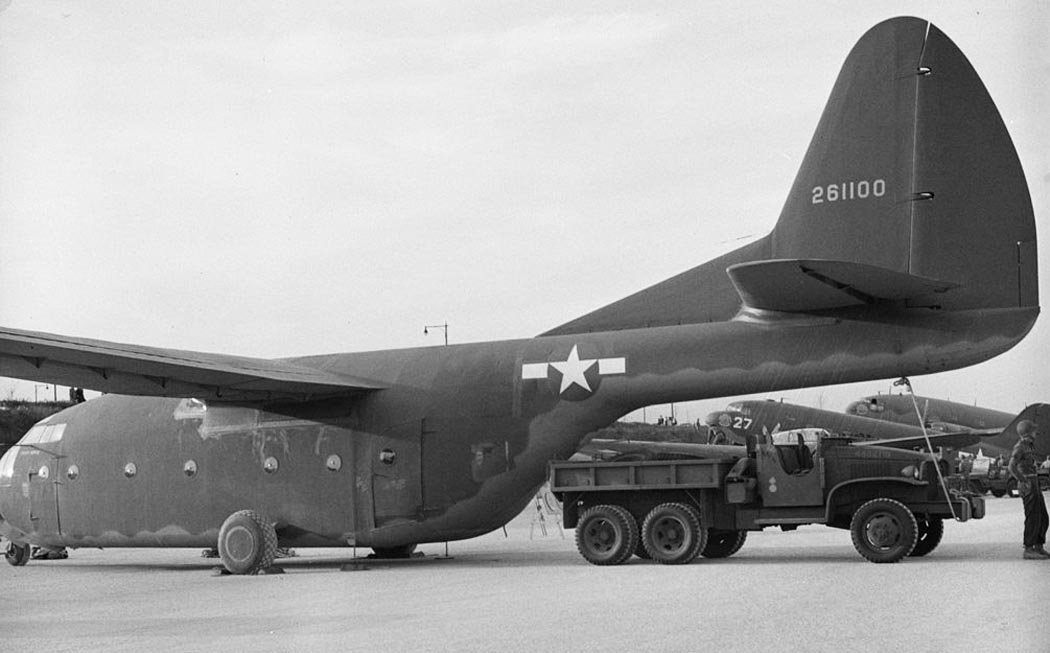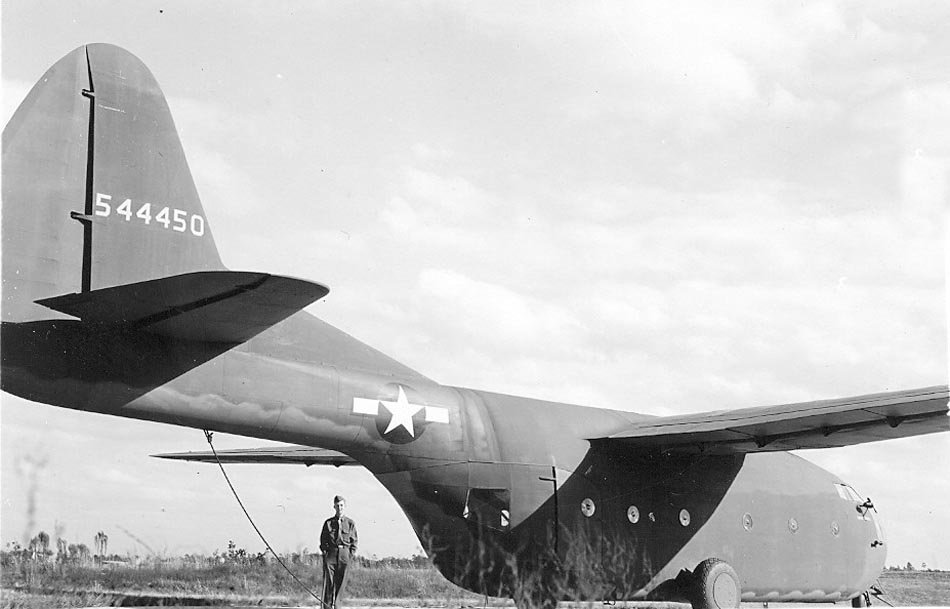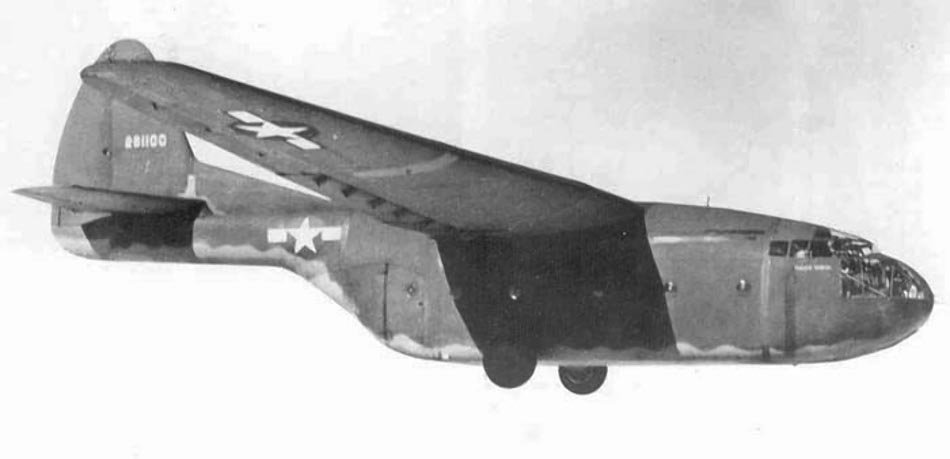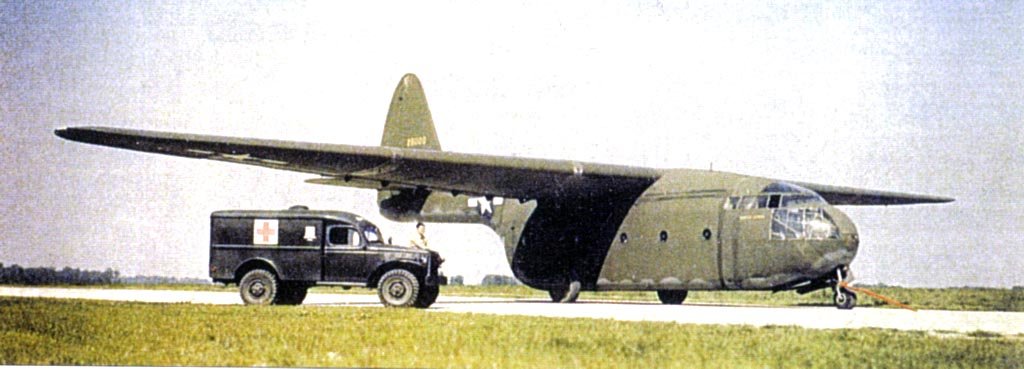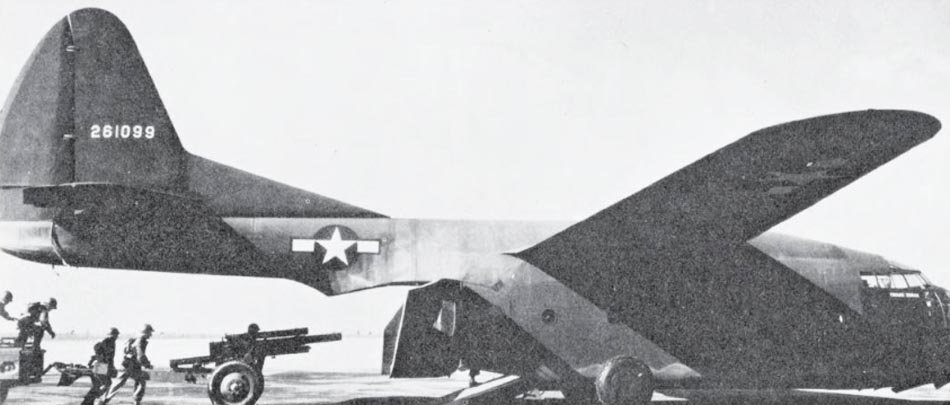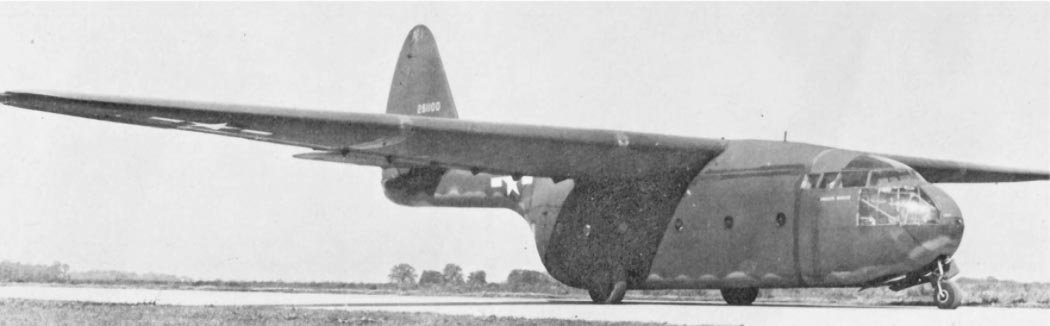
With the increasing volume of transported goods, the U.S. Air Force required a new transport glider with greater capacity and payload. The Laister-Kauffmann company undertook the development of such an aircraft. Its initial project, the XCG-10, was designed to transport 30 people.
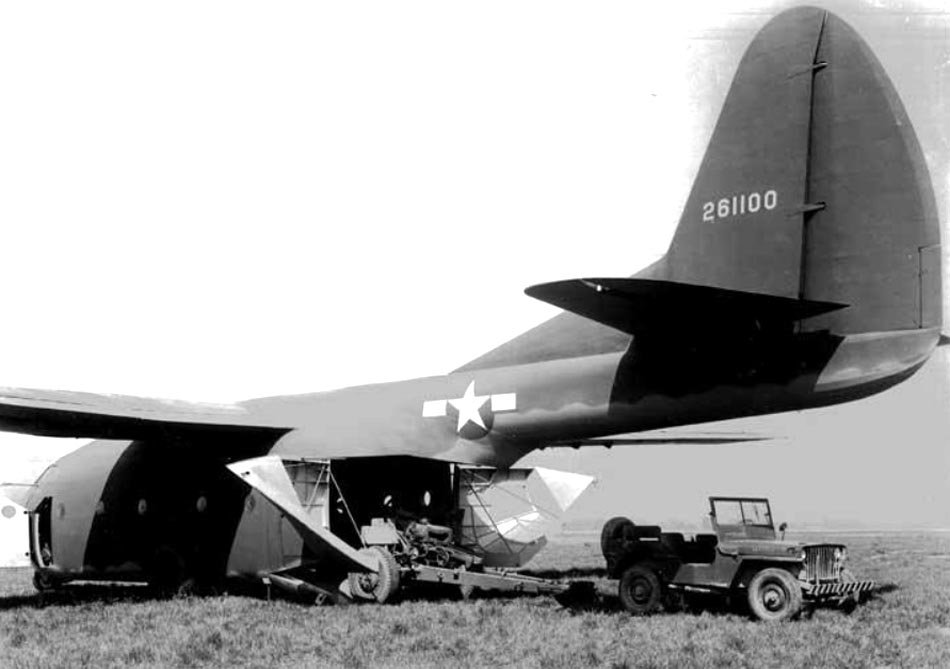
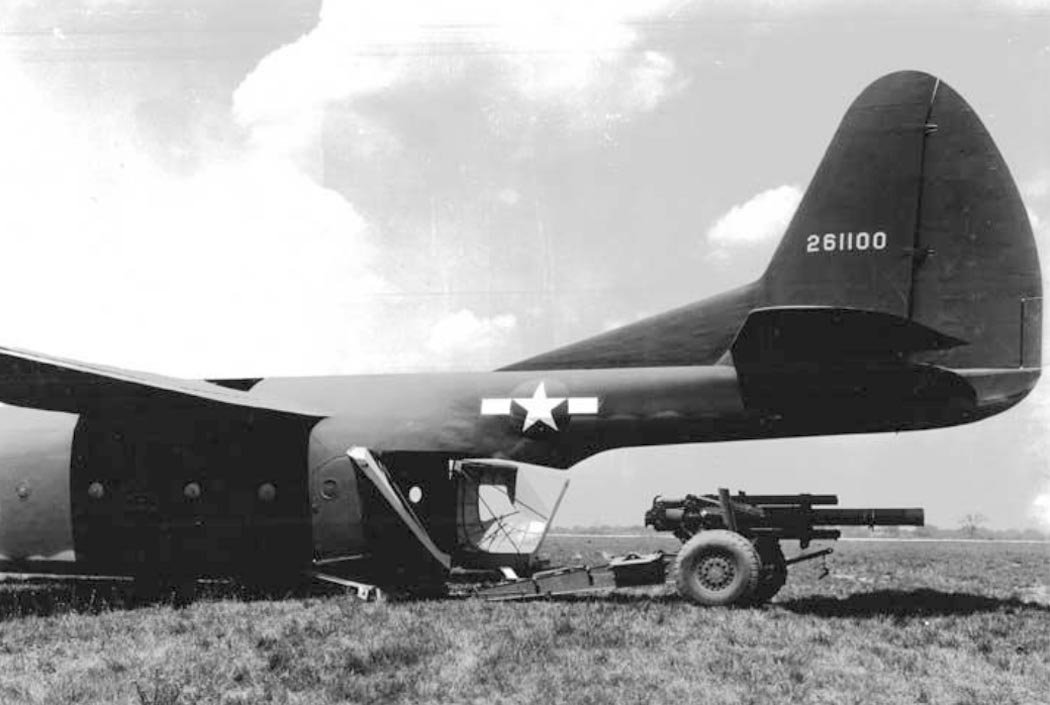
Soon, requirements changed, and the project was revised. In its new variant, the XCG-10A glider could carry 42 people, a 155mm howitzer, or a 2.5-ton truck. The cargo compartment measured 9150 x 2140 x 2590 mm, featuring large doors in the tail of the fuselage and separate side doors. C-46 and C-54 aircraft were intended to be used for towing the glider.
Development and Testing
The XCG-10A prototype was delivered for testing on April 30, 1944. Flight tests concluded with positive results, leading to the decision to begin serial production. Construction began on 10 pre-series gliders under the designation YCG-10, of which 6 were ultimately built. Before the end of the war, 1000 of these gliders were planned to be built for use against Japan.
Design Features
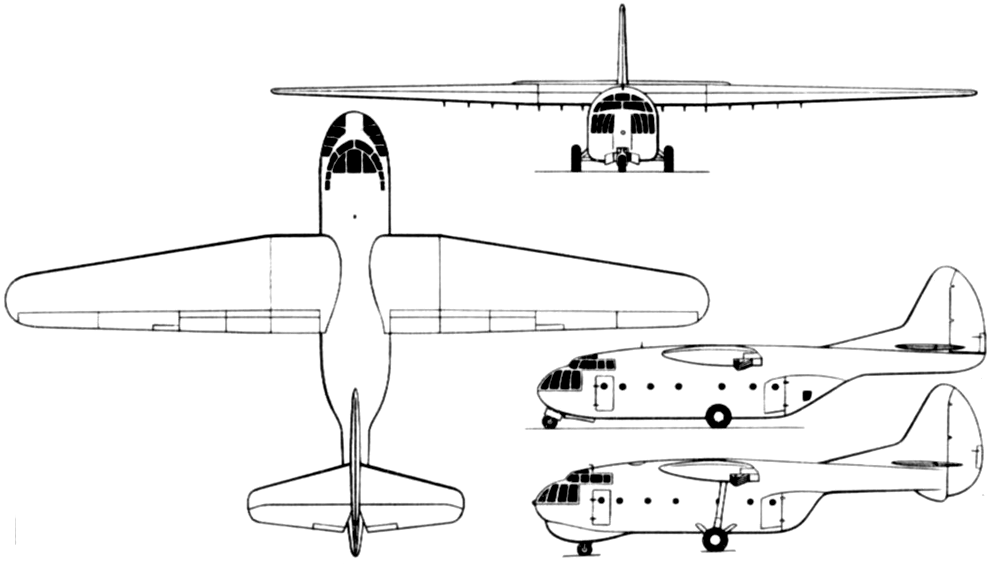
The glider’s structure was made of wood. The wing consisted of three parts, with the central section being rectangular. An electrically operated interceptor was located on the upper part of the wing. The crew cockpit was two-seater. Loading was carried out through side-opening doors and a ramp that lowered to the ground. The empennage was classic, and the landing gear was tricycle with a retractable nose wheel. No armament was installed.
Technical Specifications
| Modification | XCG-10A |
| Wingspan, m | 32. 00 |
| Length, m | 20.42 |
| Height, m | 8. 22 |
| Wing area, m2 | 108.79 |
| Empty weight | 5443 |
| Takeoff | 14515 |
| Maximum speed, km/h | 290 |
| Crew, crew | 2 |
Image gallery of the CG-10 Trojan Horse