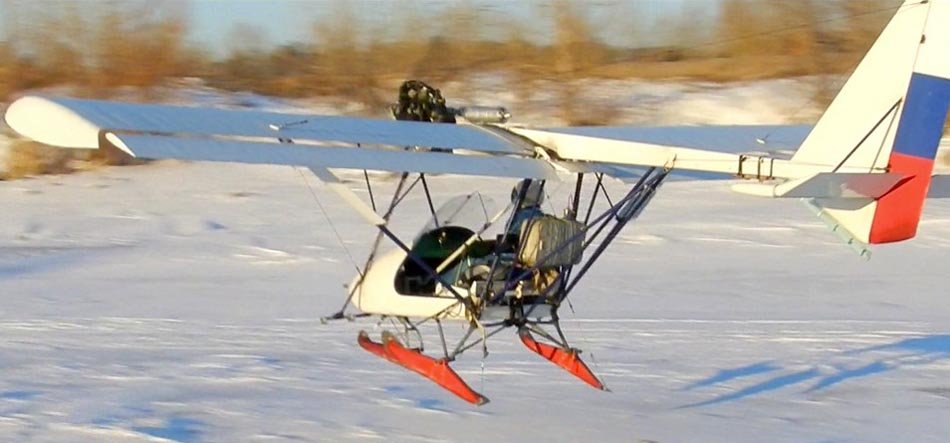
Design and Development of the Che-15
The Che-15 is a light two-seater aircraft designed by Boris Chernov. This prototype was manufactured and tested at the facilities of the Experimental Design Bureau of Light Aviation (OKB-LA). Its design focused on simplicity and adaptability for various aerial functions.
Key Features and Adaptability
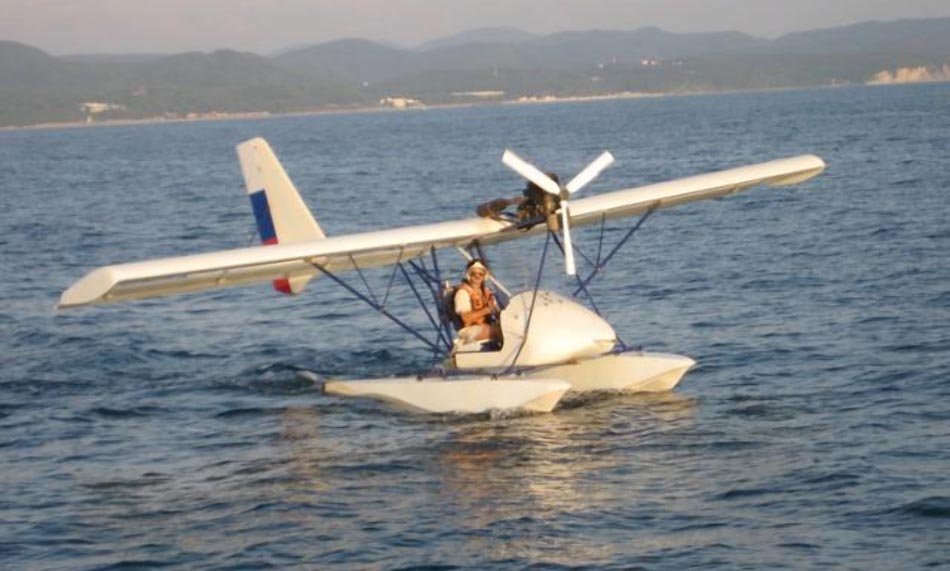
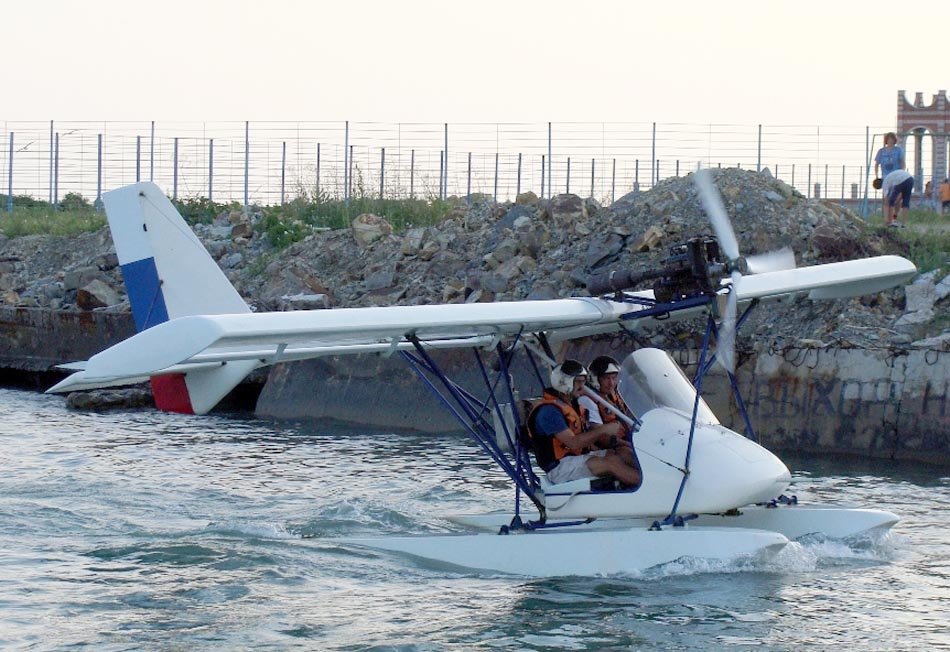
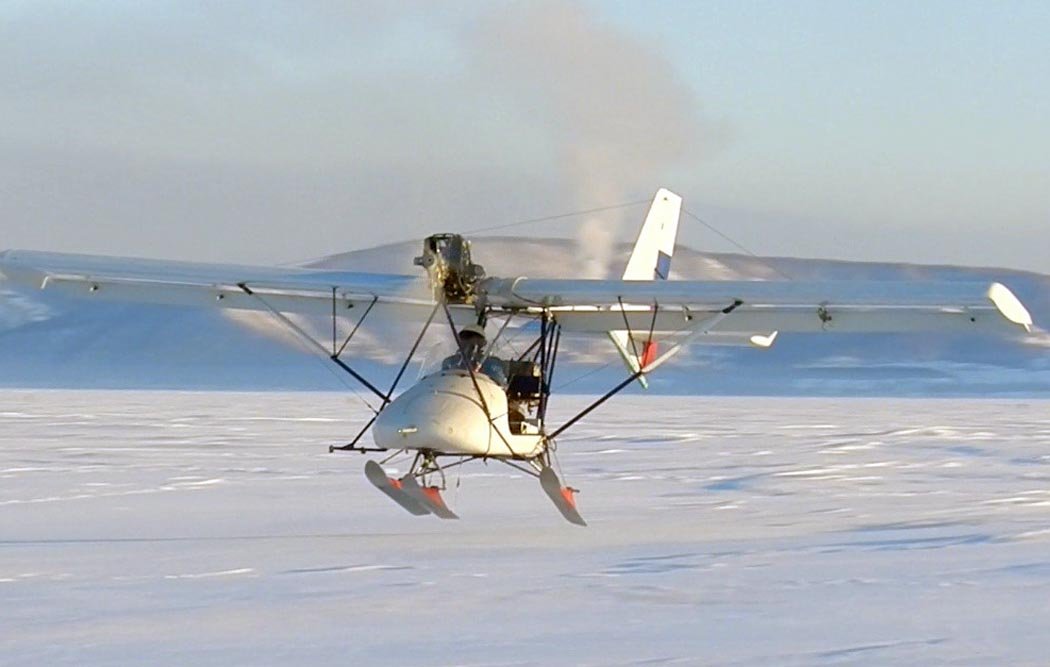
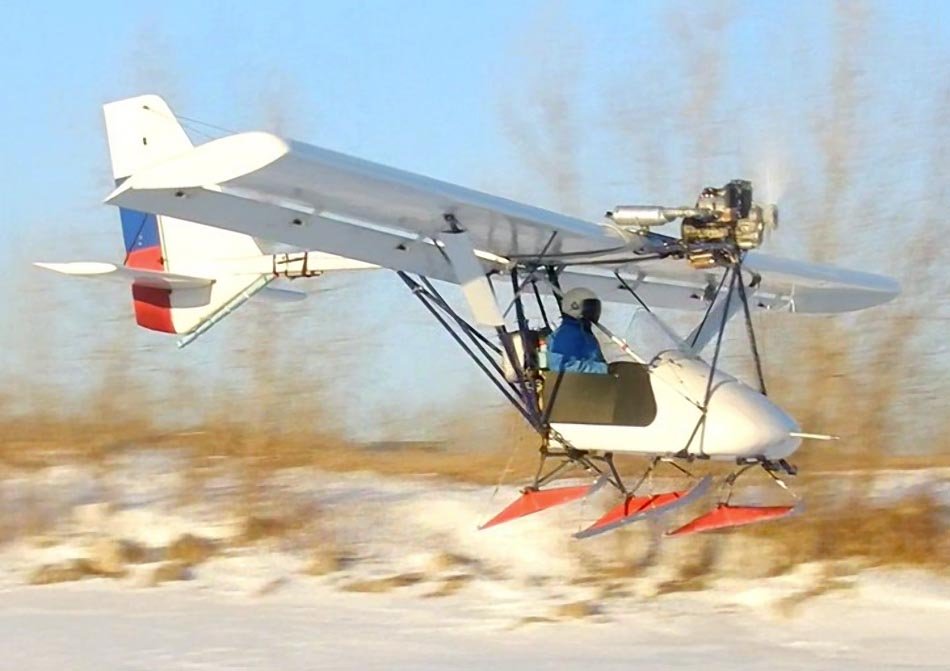
This versatile aircraft boasts a dual-control system and interchangeable landing gear, allowing for float, wheel, or ski configurations to suit any surface. Furthermore, its open cockpit and the ability to fold its wings for transport make it a practical and easy-to-handle option.
Versatile Applications
Thanks to its innovative features, the Che-15 serves as an ideal means of transport for training and practice flights. It is also perfectly suited for tourist and recreational activities, offering a unique and accessible flying experience.
Technical Specifications
| Modification | Che-15 |
| Wingspan, m | 9.08 |
| Aircraft length, m | 7.03 |
| Aircraft height, m | 2.05 |
| Wing area, m2 | 12.10 |
| Empty weight | 250 |
| Maximum takeoff weight | 480 |
| Engine type | 1 Piston engine Rotax 582-2V |
| Power, hp | 1 x 64 |
| Maximum speed, km/h | 120 |
| Cruising speed, km/h | 100 |
| Practical range, km | 250 |
| Max. operational overload | 4 |
| Crew | 1-2 |
| Payload | up to 2 passengers |
Image gallery of the Che-15