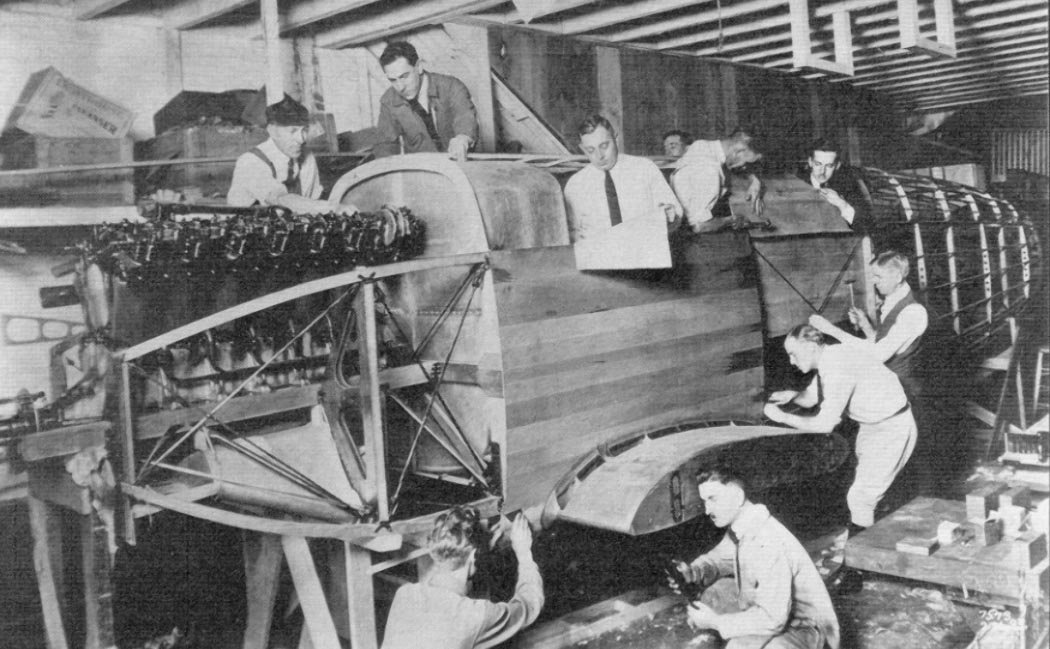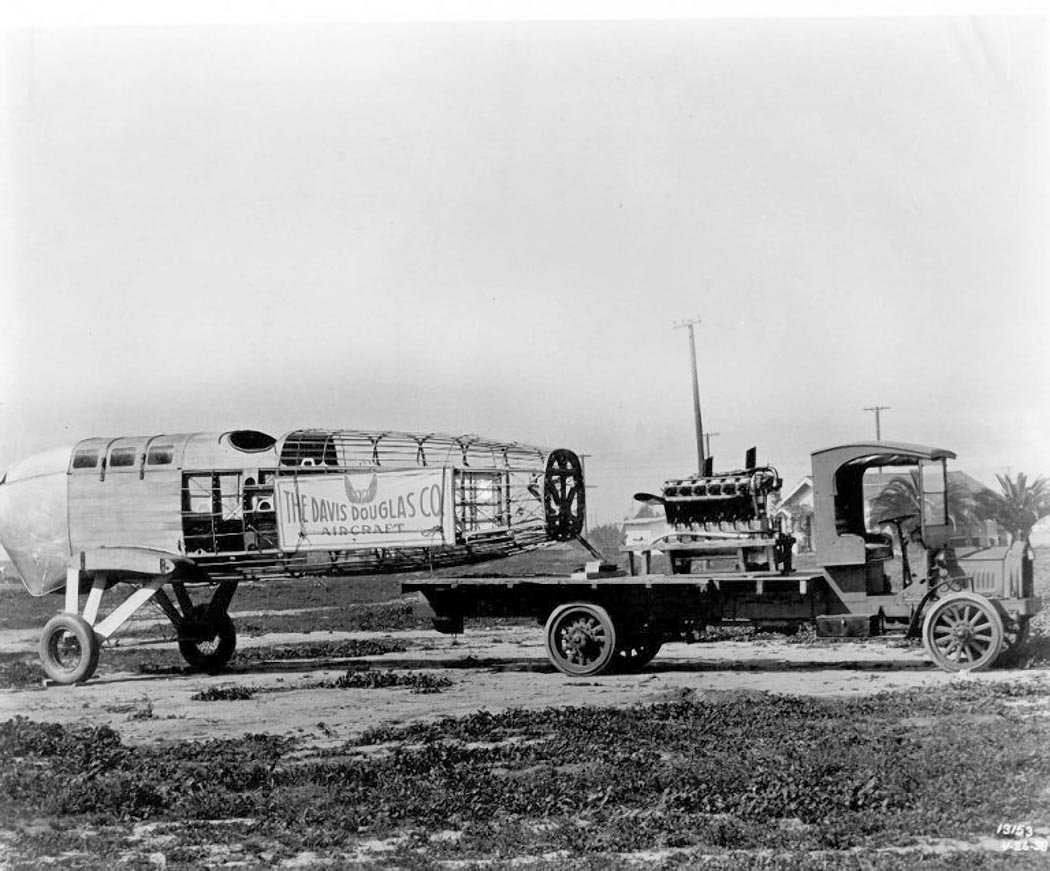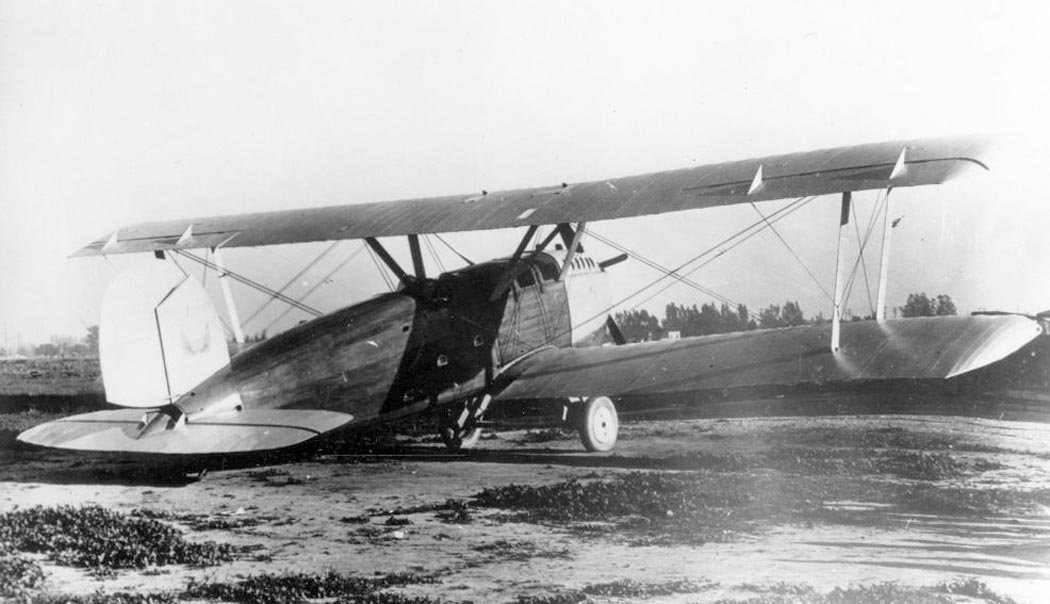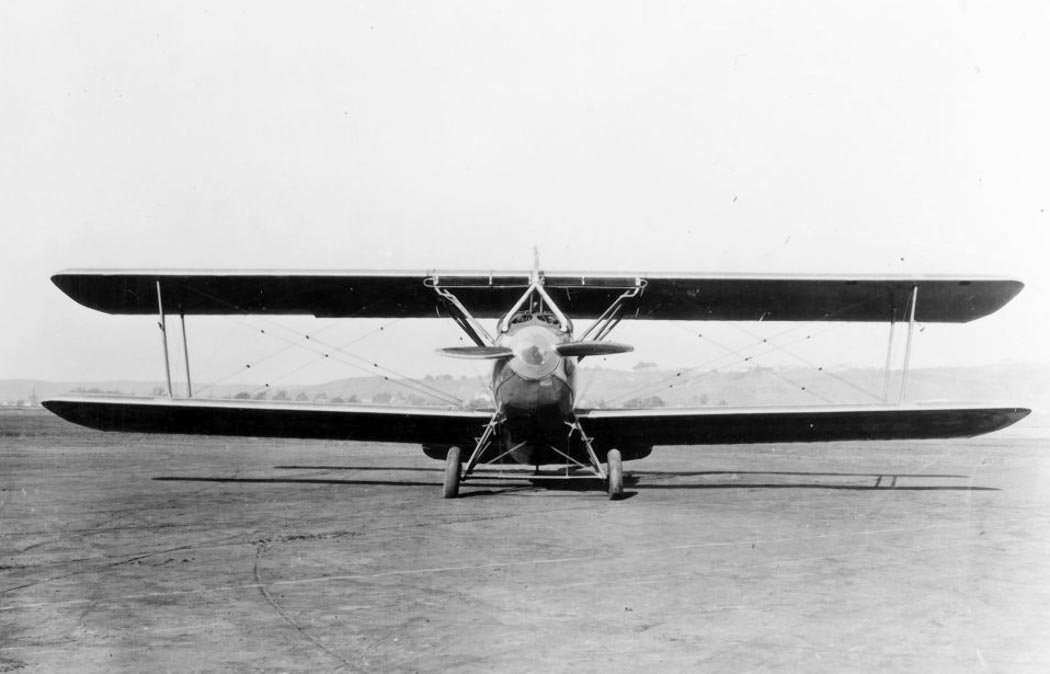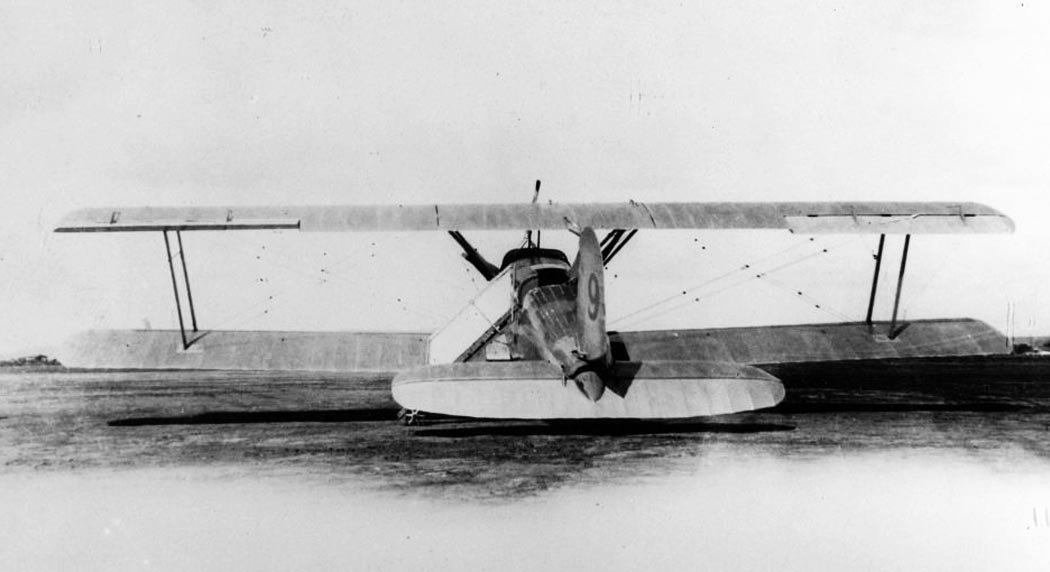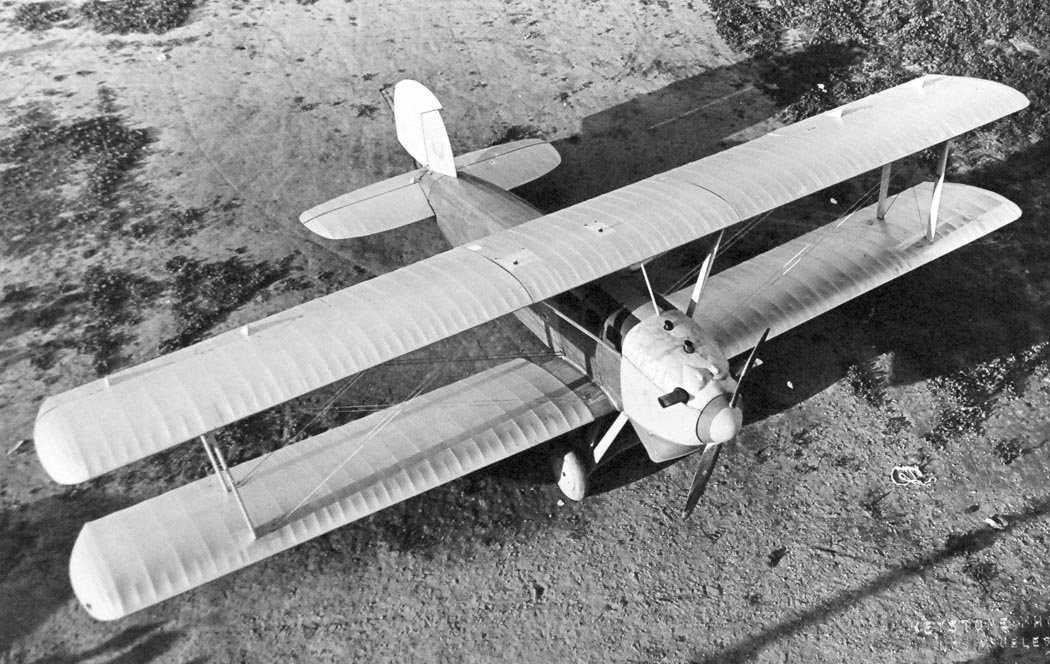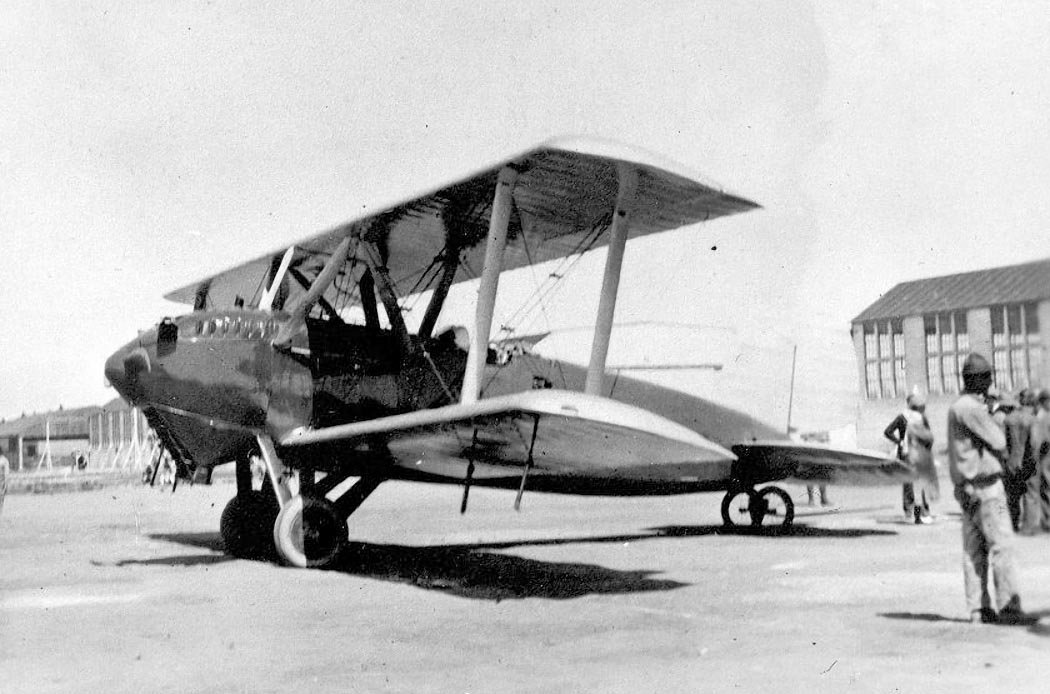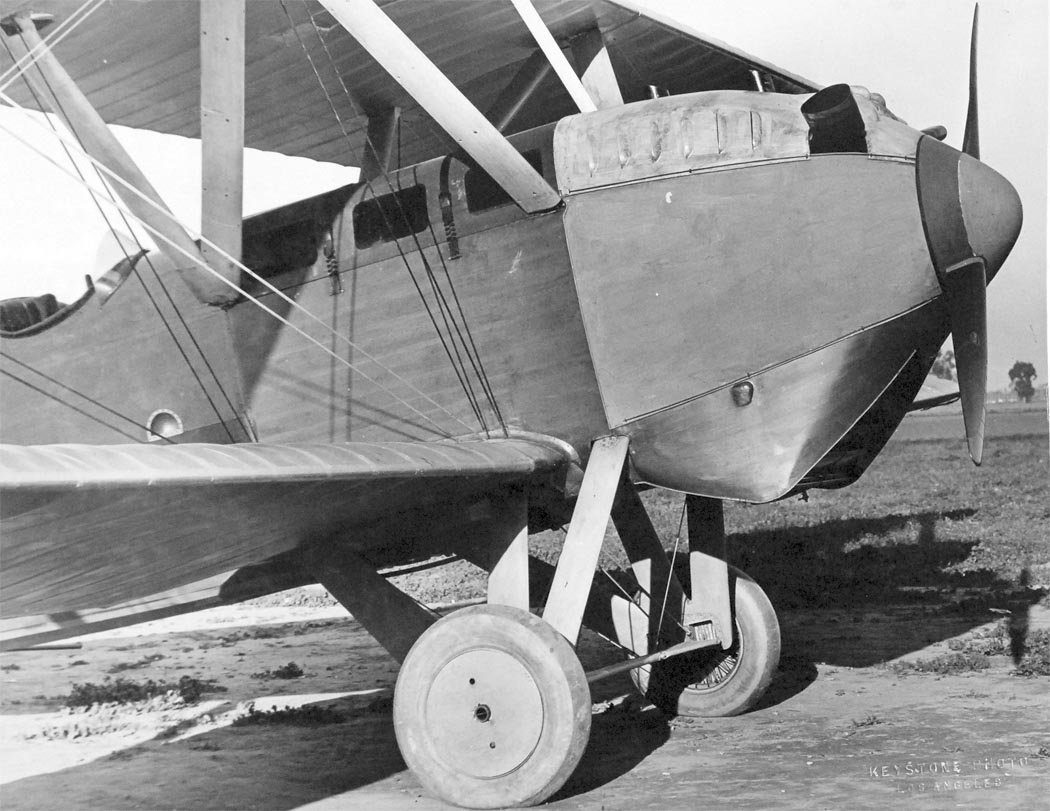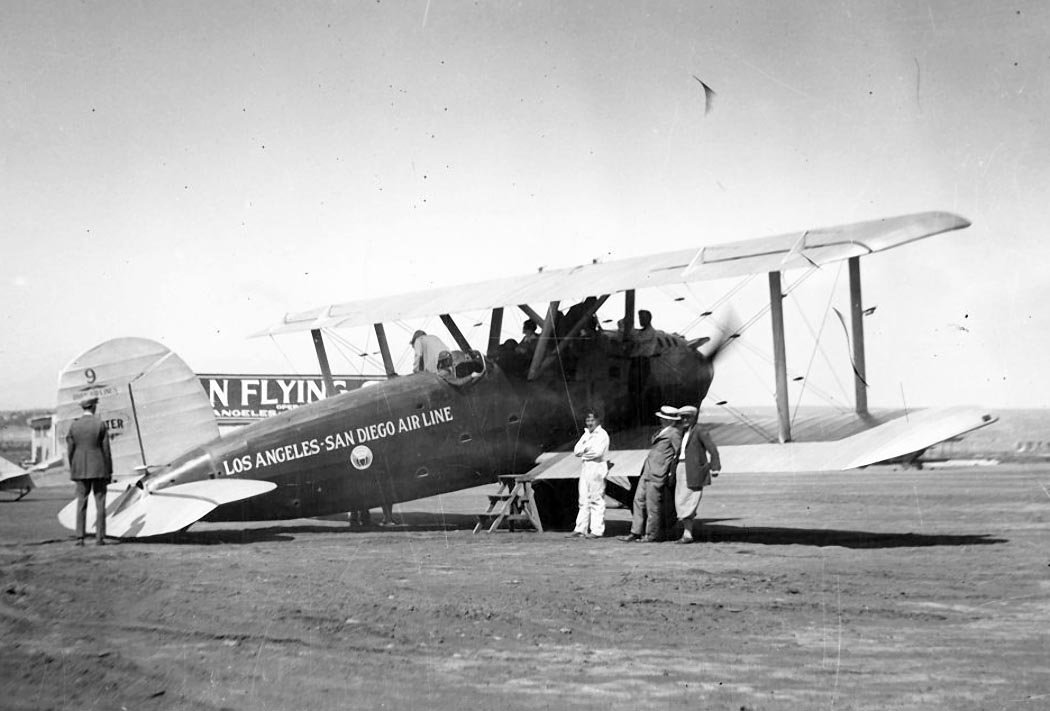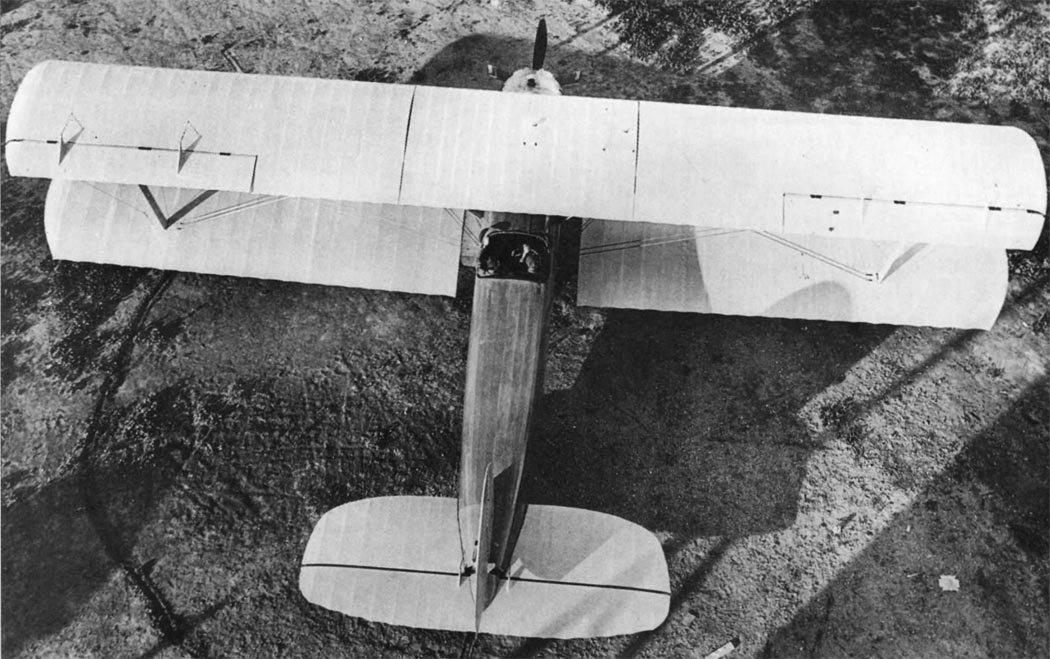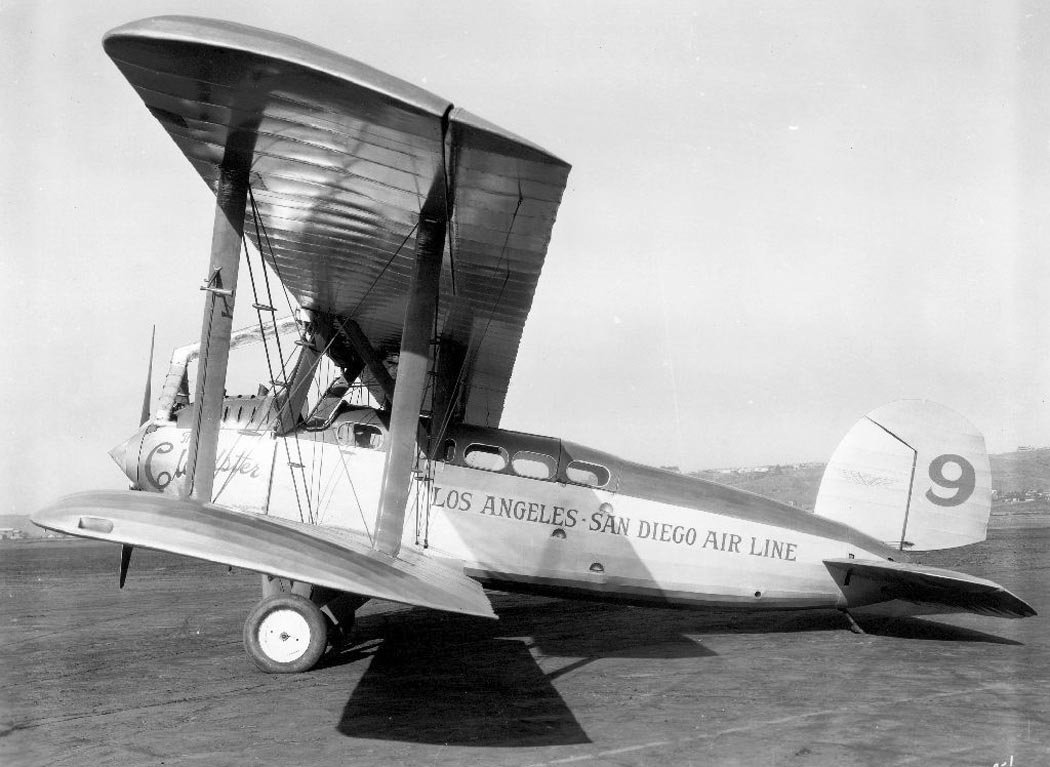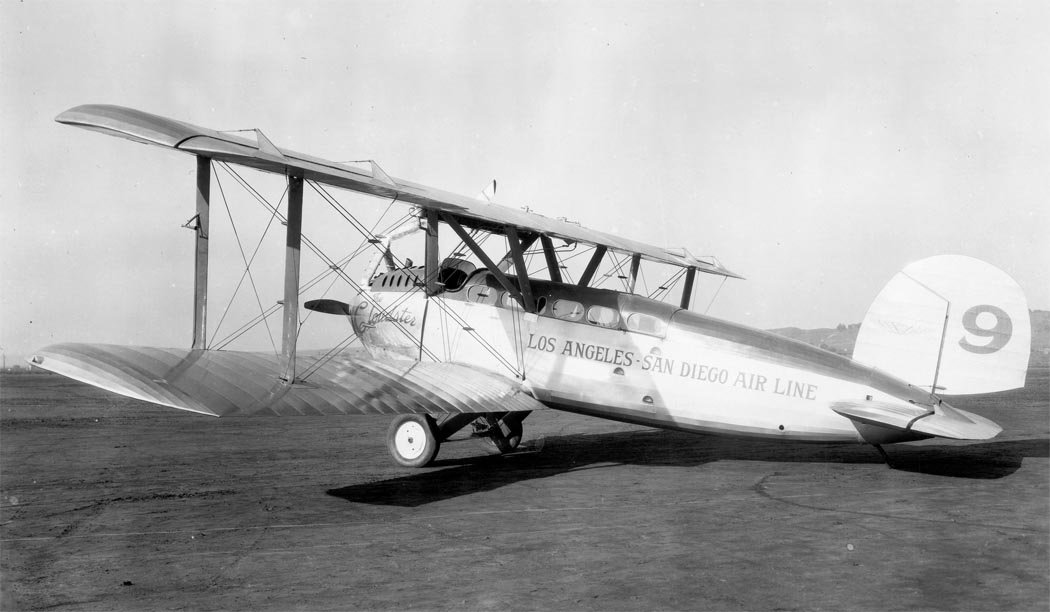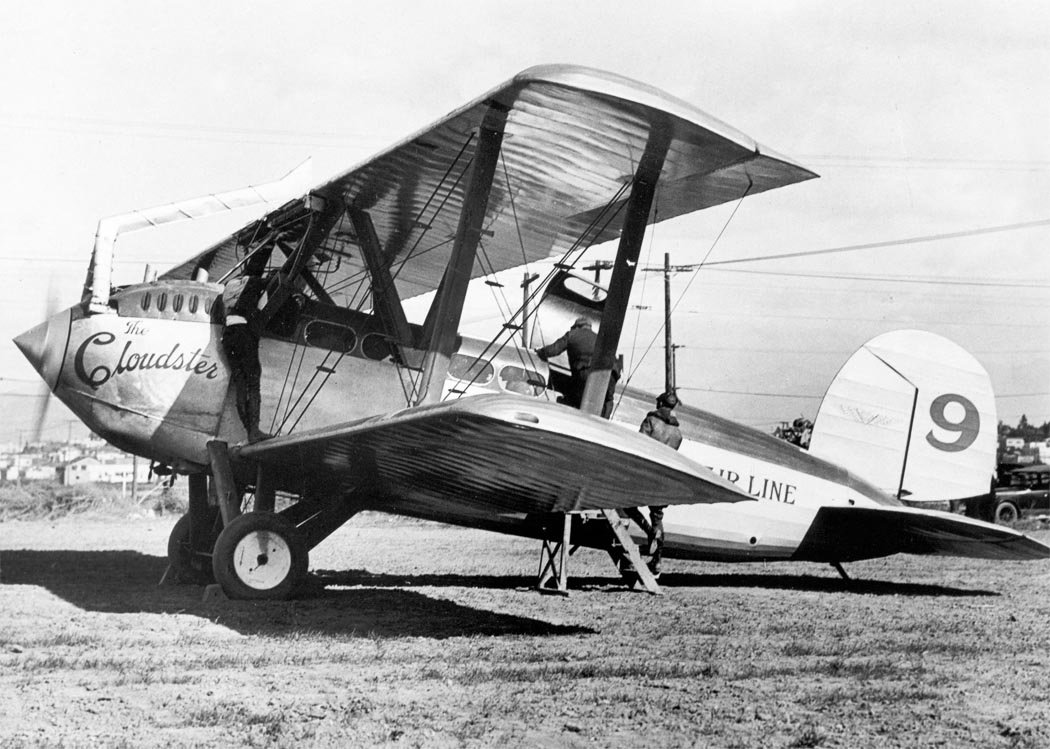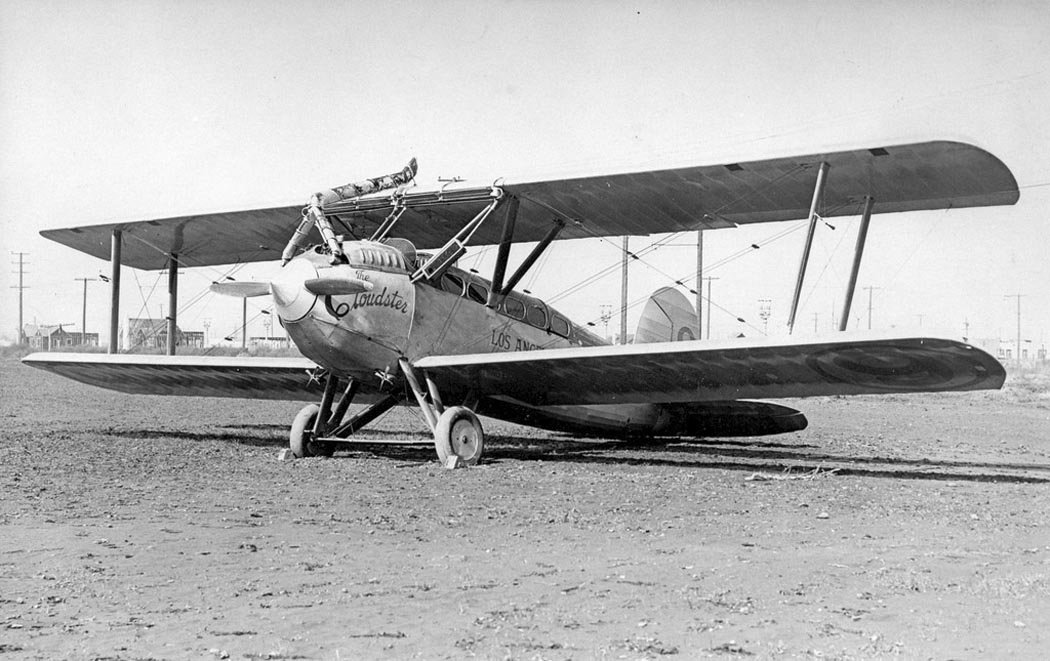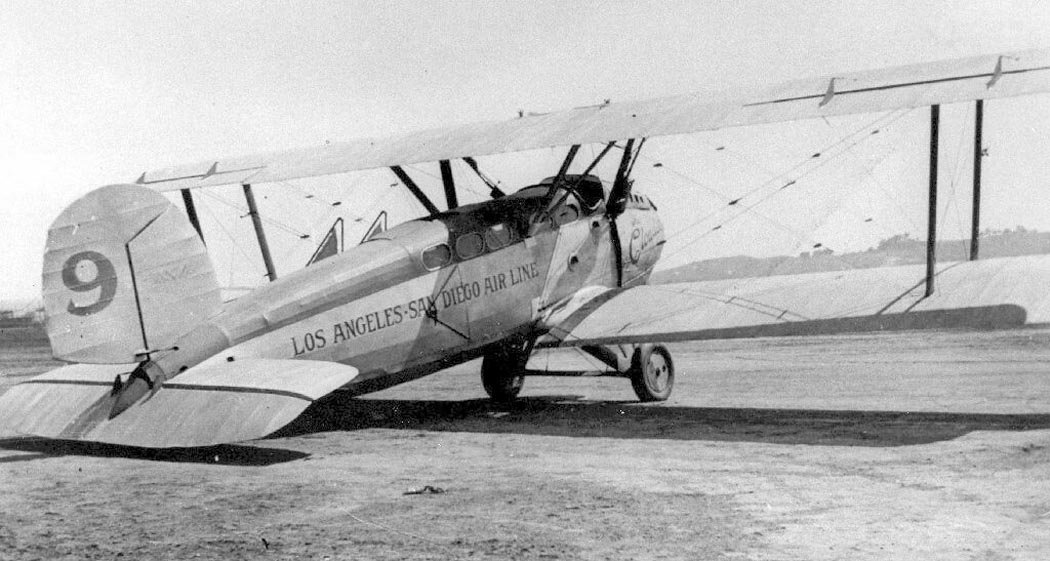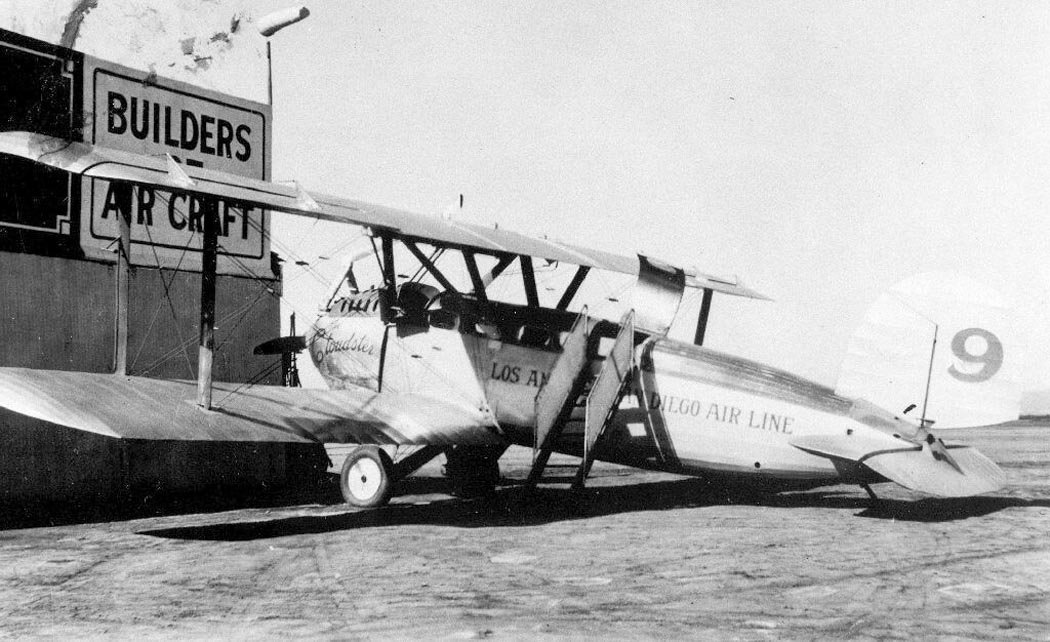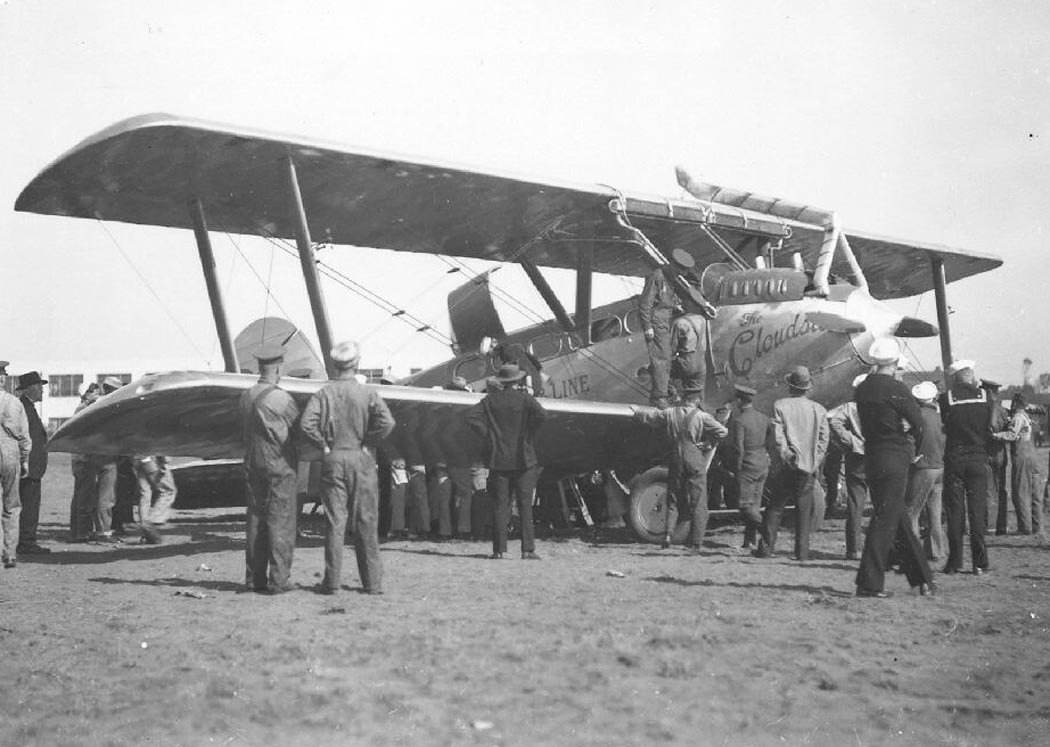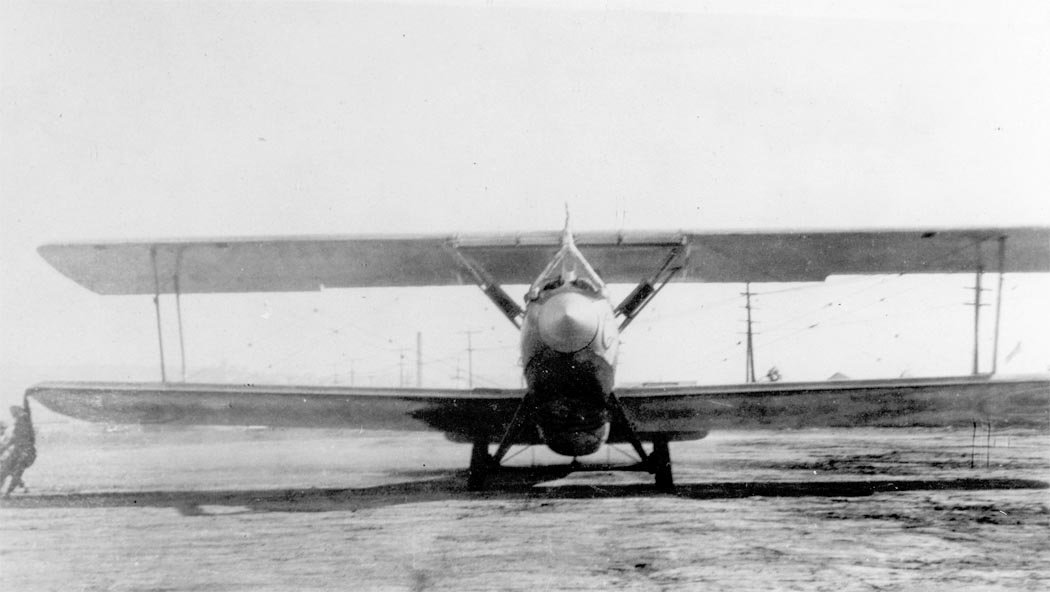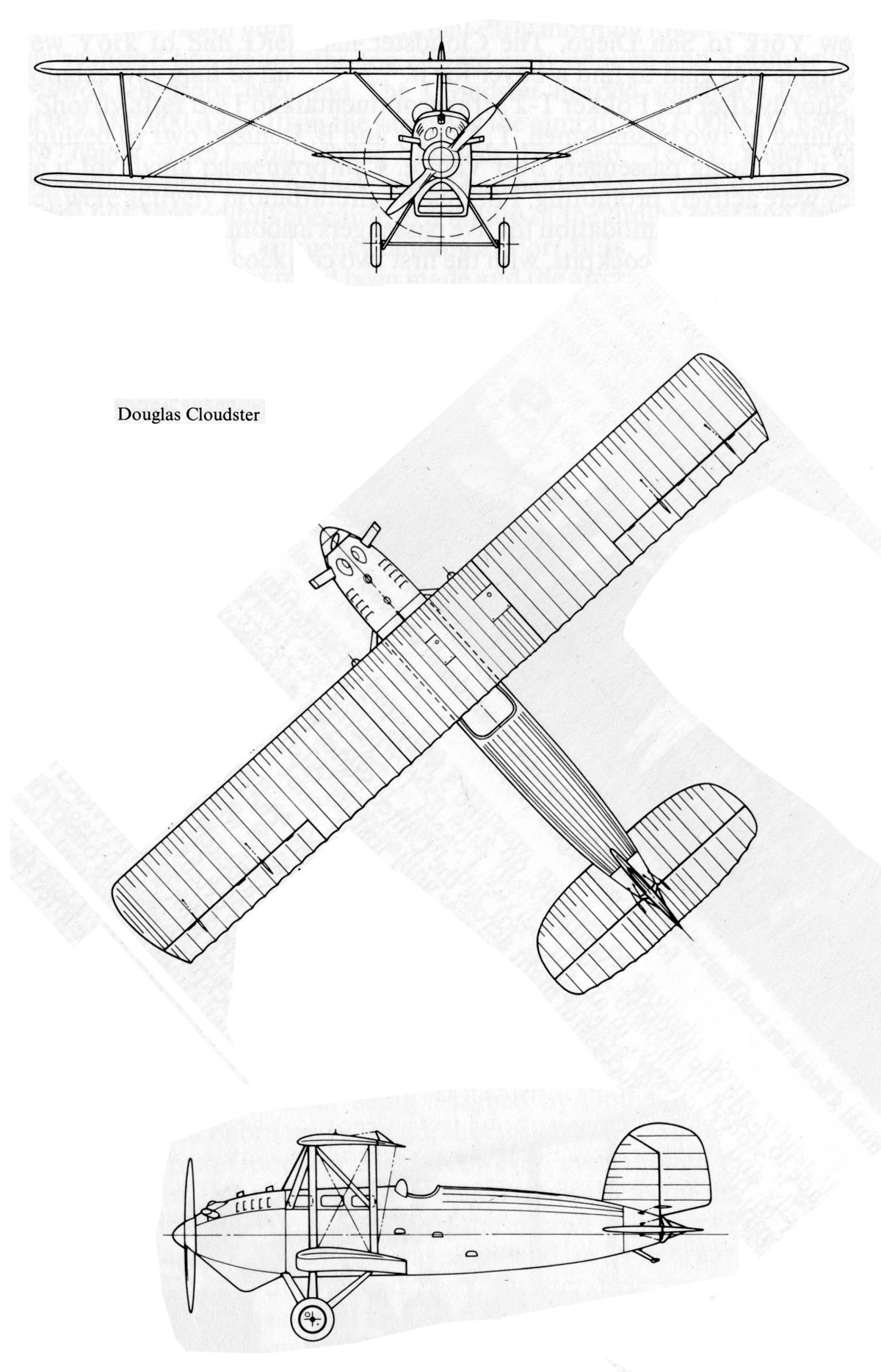
The Cloudster was the first aircraft designed and built by the “Davis-Douglas Company,” established in Los Angeles, California, in July 1920. In fact, the Cloudster itself was the impetus for the company’s creation. David R. Davis invested in the new firm, hoping Donald Douglas would create an aircraft capable of the first transcontinental flight, from coast to coast across the USA.
Design and Propulsion
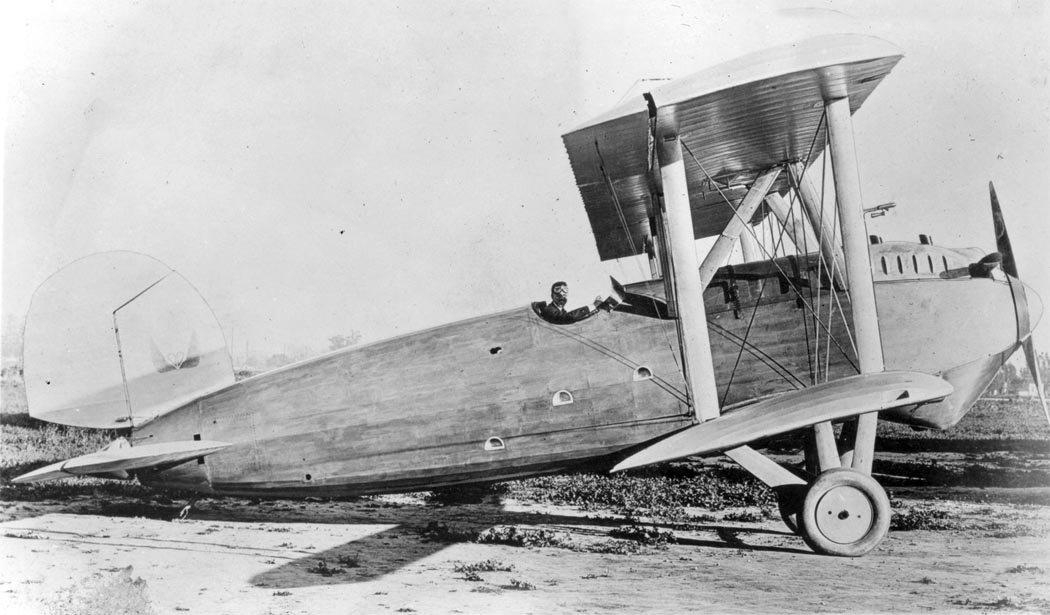
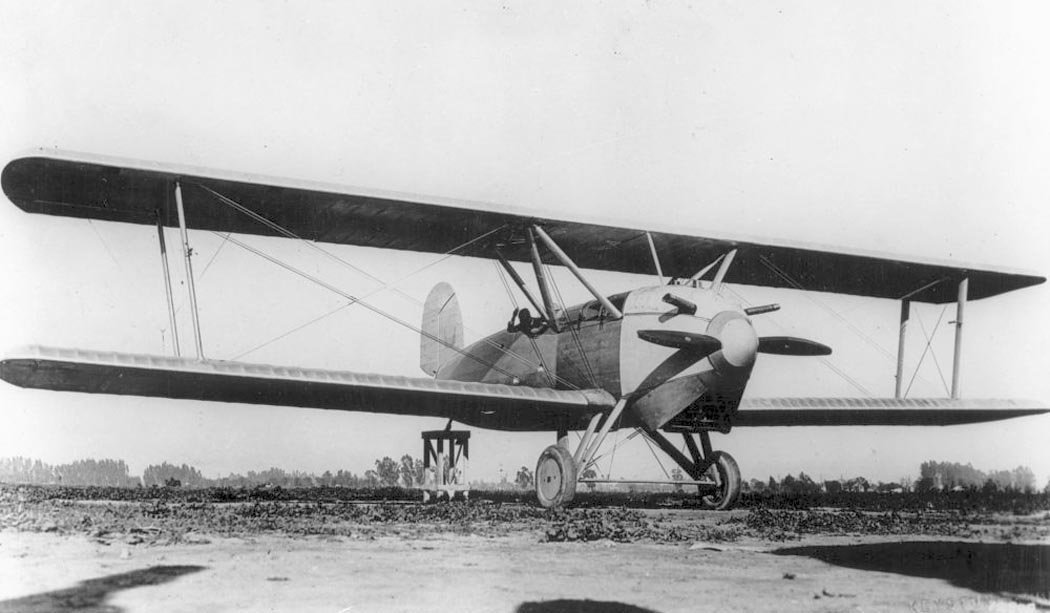
The machine was a single-strut biplane of all-wood construction. Its covering was canvas, with the exception of the nose section, and a Liberty engine was used as the powerplant, considered at the time one of the most powerful and reliable. Later, the Cloudster became the basis for the creation of the DT and World Cruiser aircraft.
Operational History and Fate
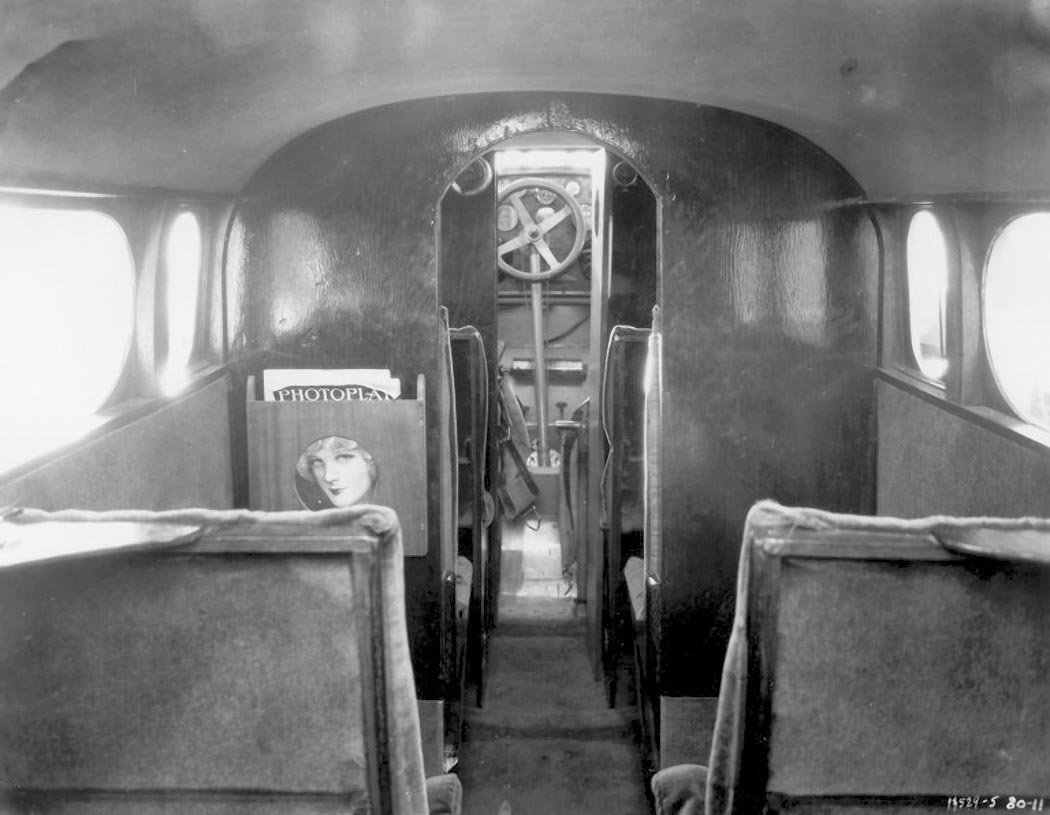
The Cloudster first flew on February 24, 1921. In June of the same year, an attempt was made to complete a record-breaking flight, which was unsuccessful due to engine failure. In 1923, the Cloudster was sold to Claude Ryan (Tubal Claude Ryan) for use as a passenger aircraft.
The aircraft changed hands several times and underwent a series of modifications until, in late 1926, it made a forced landing in shallow water near the Californian coast. The machine could not be retrieved before the tide came in, rendering it irreparable.
Technical Specifications
| Modification | Cloudster |
| Wingspan, m | 17.04 |
| Aircraft length, m | 11.20 |
| Aircraft height, m | 3.66 |
| Maximum takeoff weight | 4354 |
| Engine type | 1 Piston engine Liberty 12 |
| Power, hp | 1 x 400 |
| Maximum speed, km/h | 193 |
| Cruising speed, km/h | 137 |
| Practical range, km | 4506 |
| Practical ceiling, m | 5840 |
| Crew, crew | 2 |
Image gallery of the Cloudster