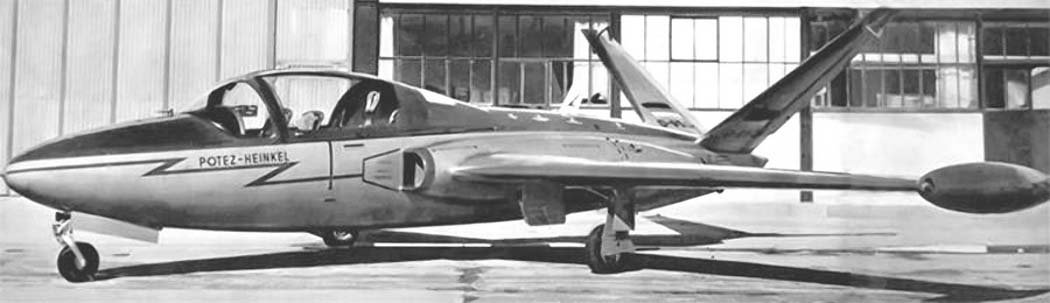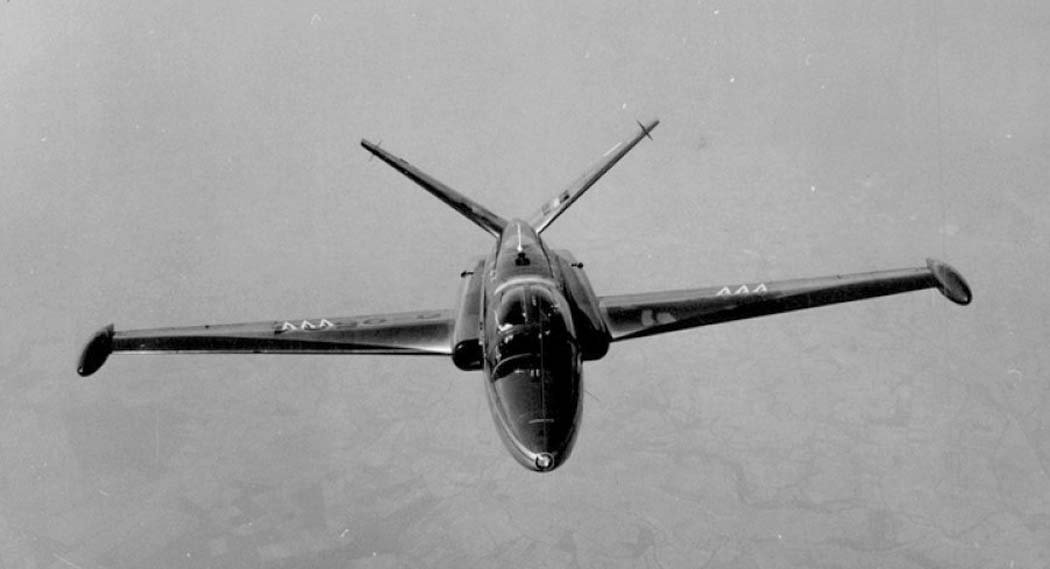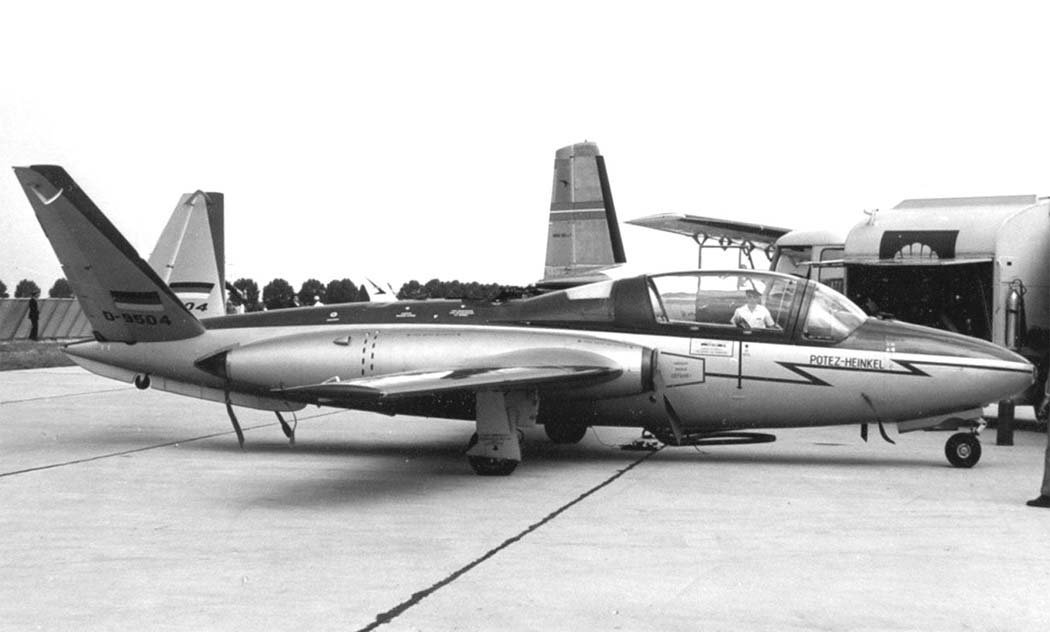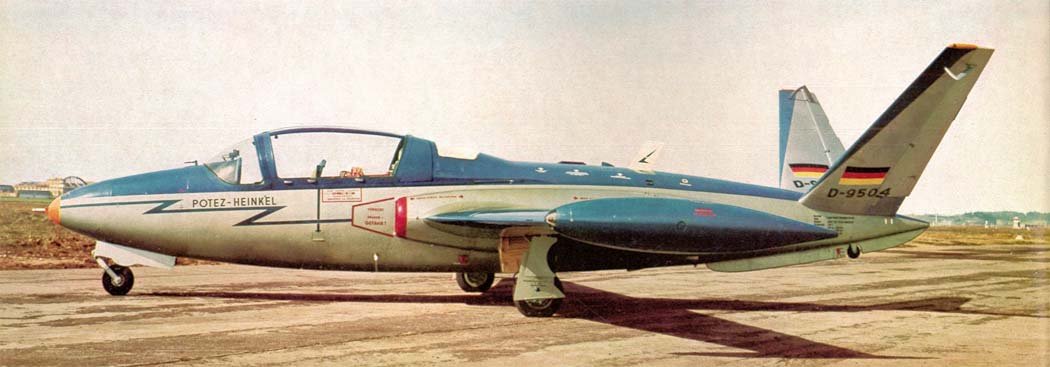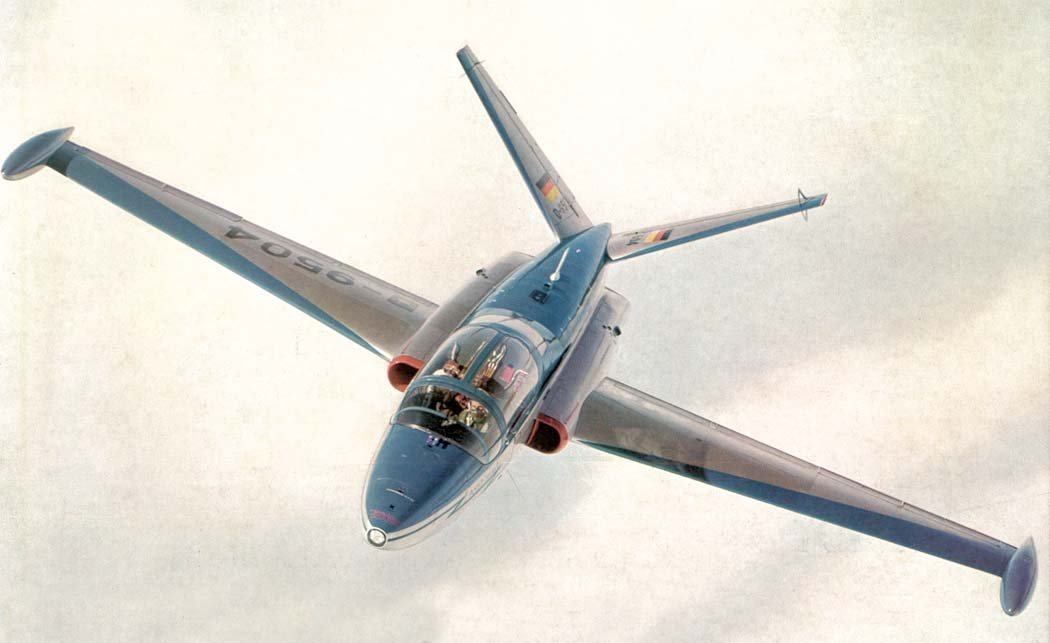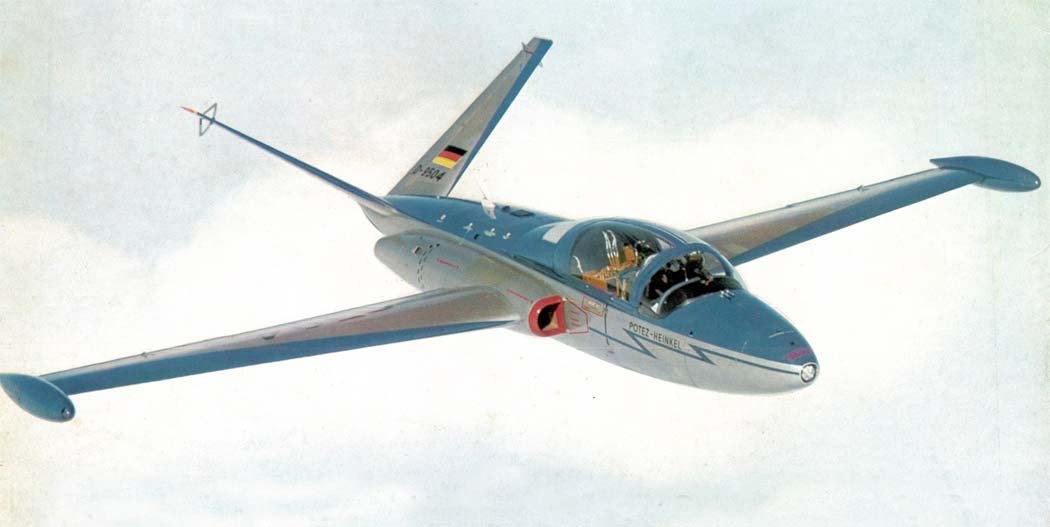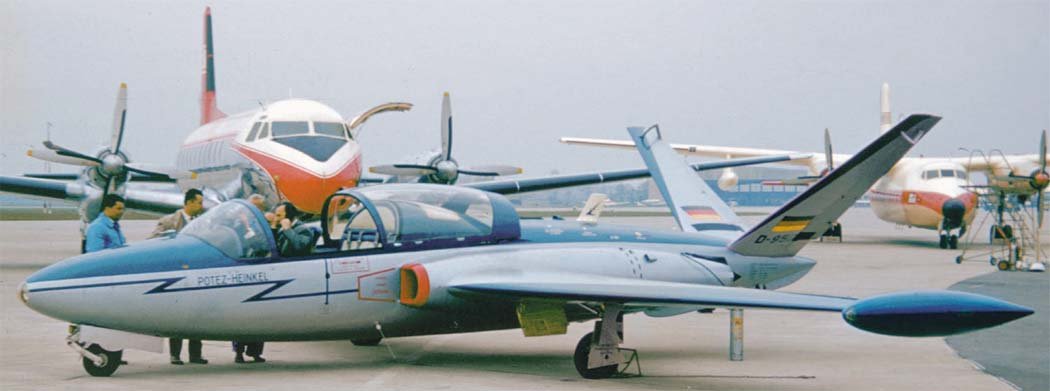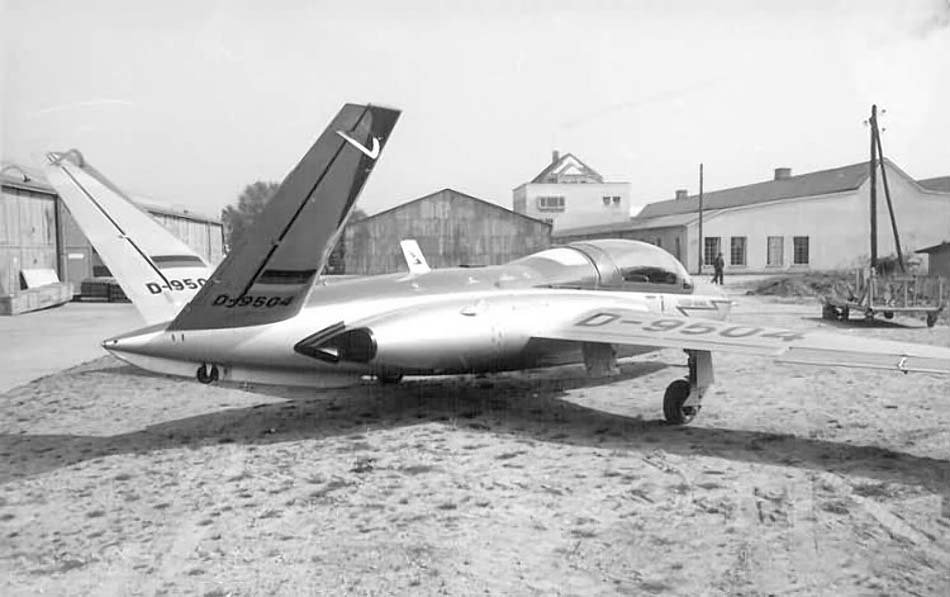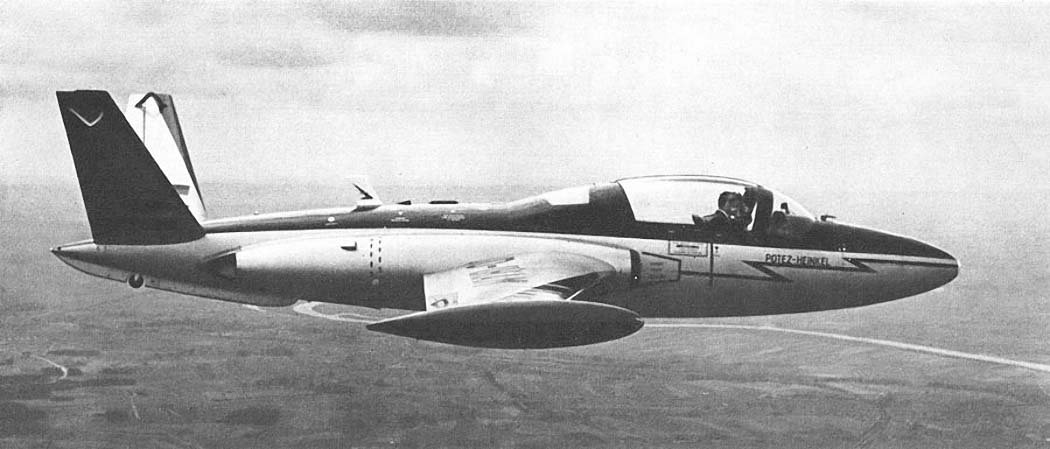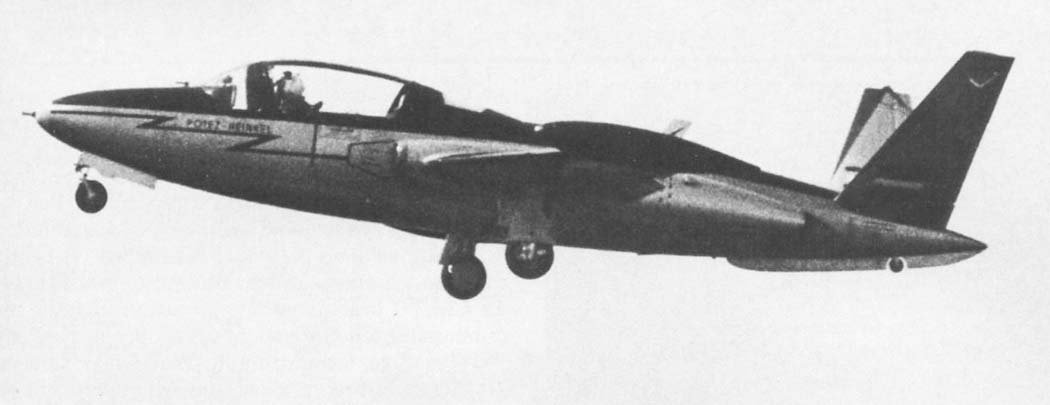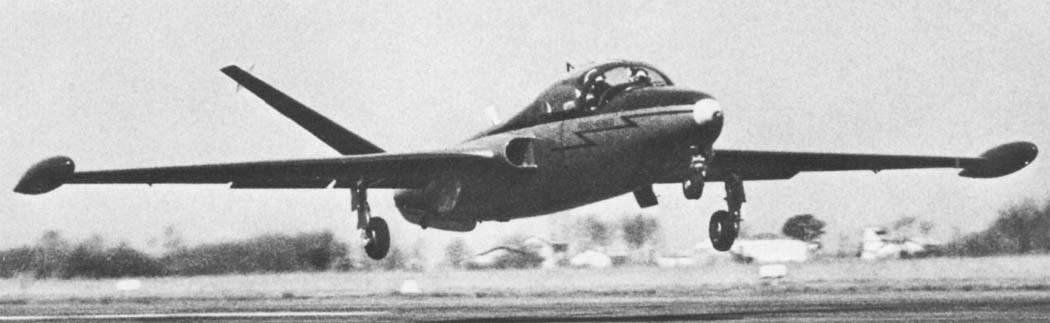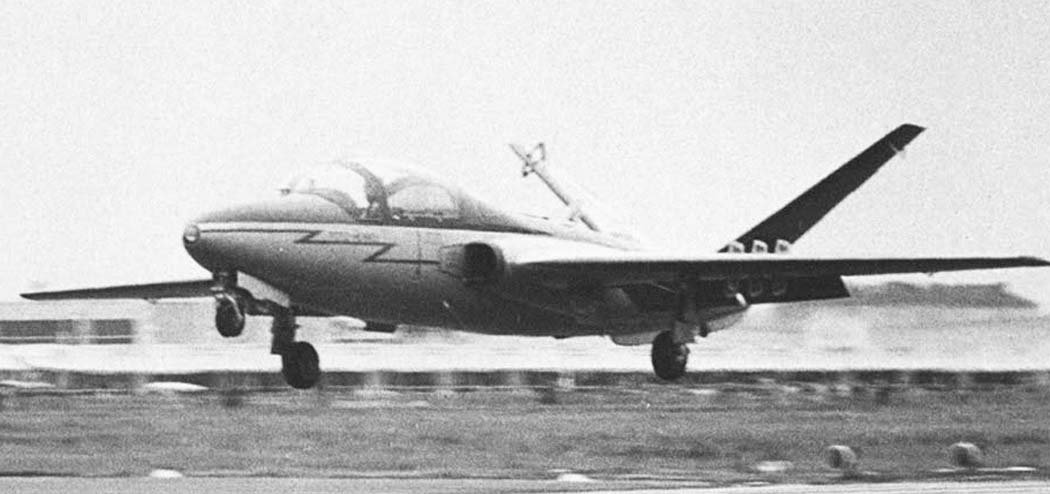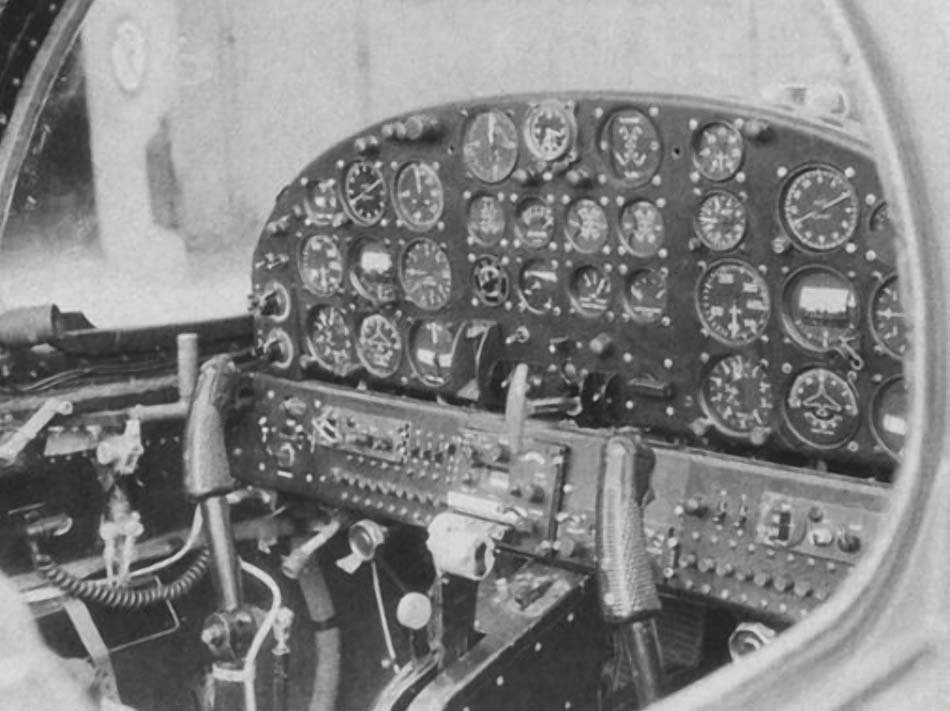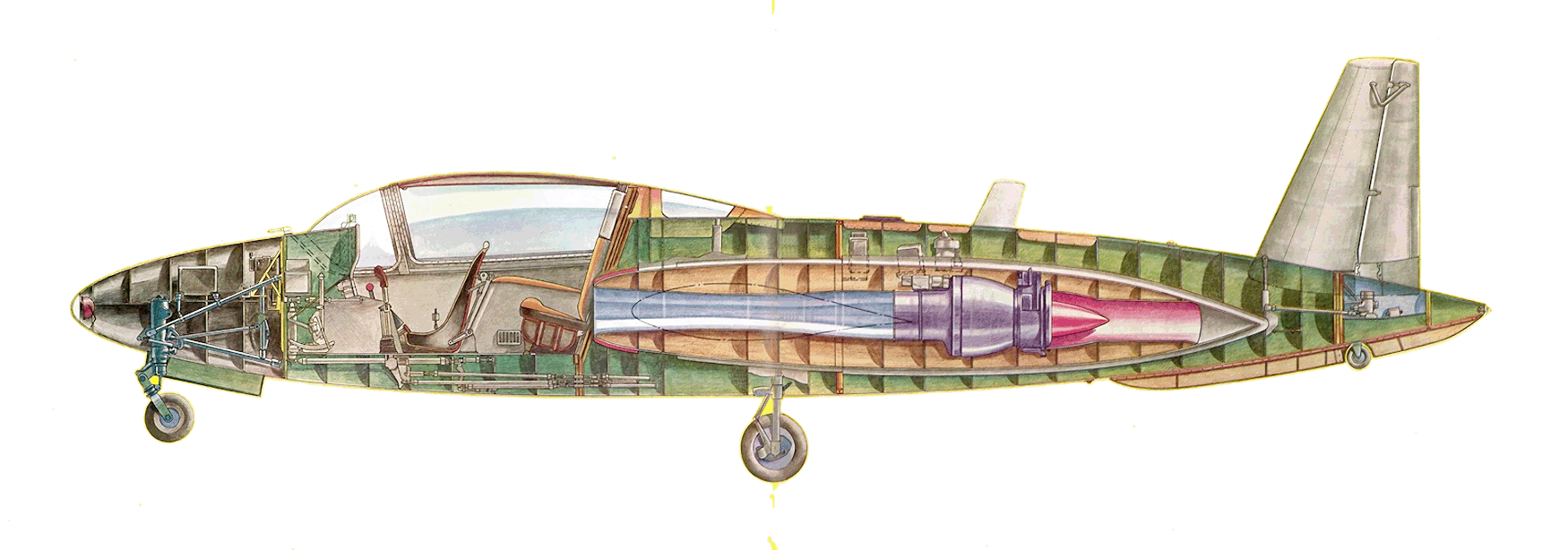
In the mid-1950s, West Germany considered the licensed production of the Fouga CM-170 Magister multi-purpose trainer and attack aircraft. It was assumed that the aircraft would be manufactured by Flugzeug-Sud-Union (F.U.S), a company formed after World War II by the merger of Messerschmitt and Heinkel.
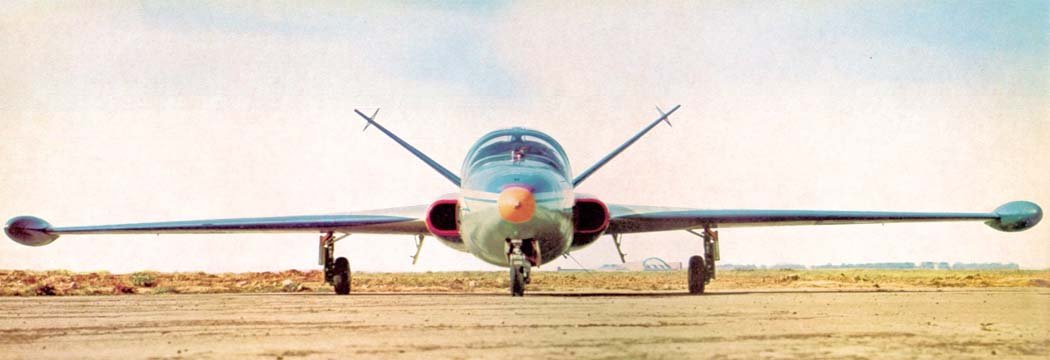
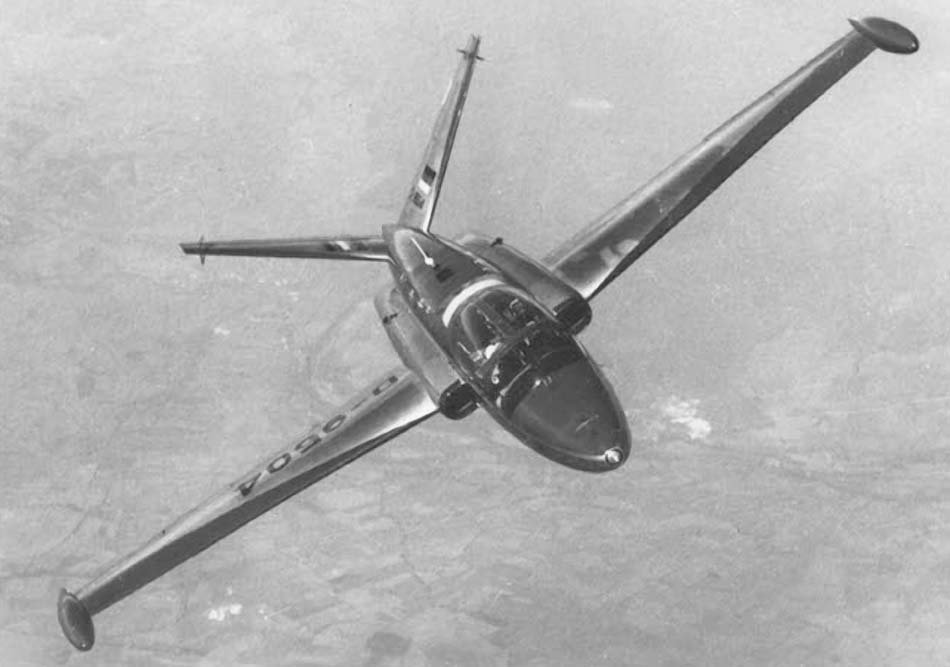
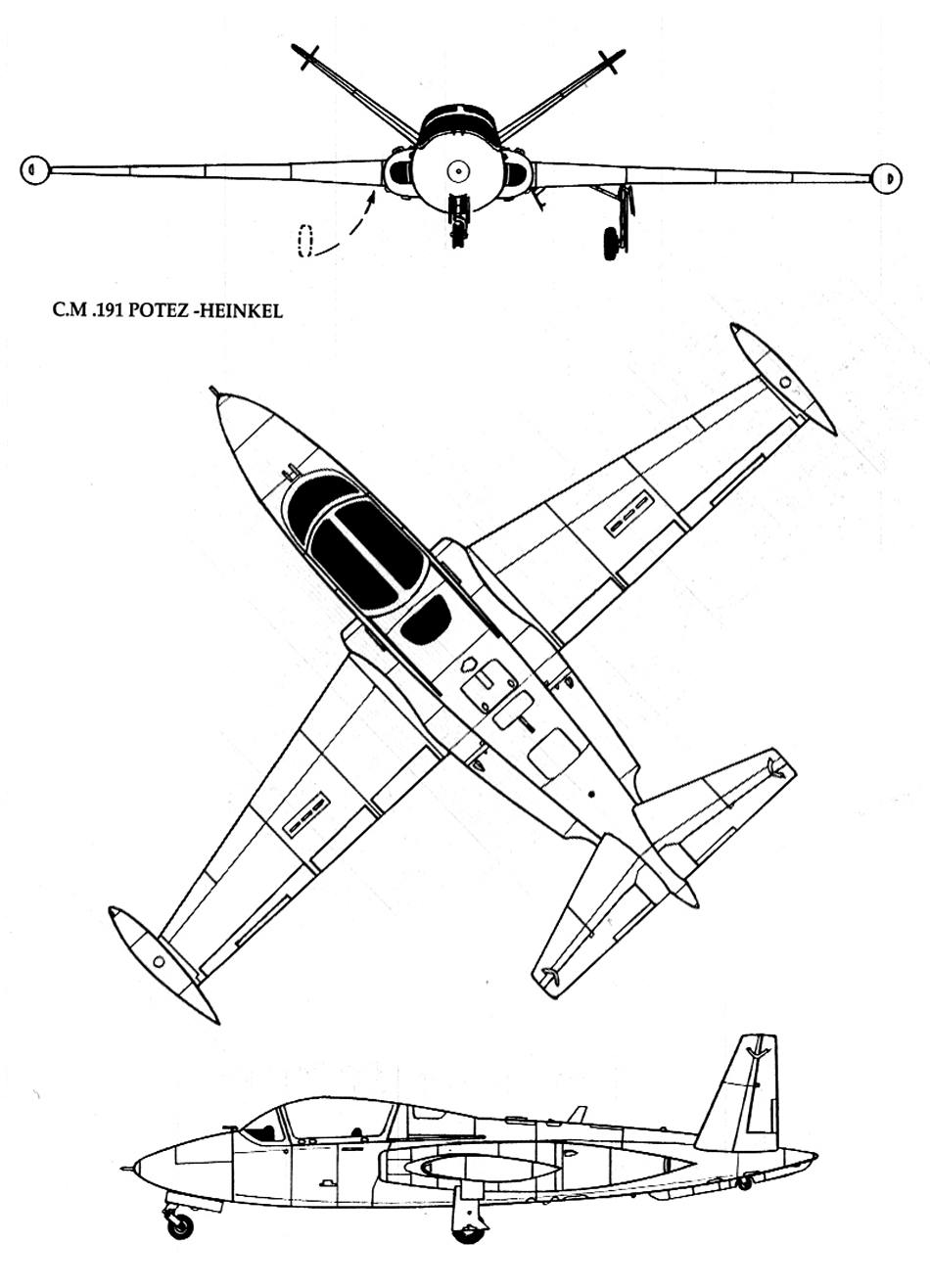
However, Ernst Heinkel did not want to be a mere subcontractor. His firm, E.Heinkel, approached the French company Potez-Air-Fouga with a proposal for joint development of an administrative jet aircraft based on the CM-170. This new aircraft differed from the original trainer by having a wider fuselage, capable of accommodating four people: a pilot and three passengers.
Origins and Franco-German Collaboration
The design team for the new aircraft, designated CM.191, included engineers from the Potez company and three German specialists. The CM.191 was built at a factory in Palatinat. In 1961, the aircraft was showcased at the Paris Air Show Le Bourget. The prototype’s first flight took place on March 19, 1962, and a second airframe was delivered shortly thereafter.
After 109 hours of testing conducted by pilots J. Grangette and P. Caneil, both aircraft were transferred to C.E.V. Istres. For several years, they served as liaison aircraft and were also used for testing special equipment. In the late 1970s, one aircraft was sold to the USA, while the second was handed over to the Technical Museum in Speyer.
A Landmark in Aviation History
The CM.191 went down in history as the first joint Franco-German project, and also as the first post-war German jet aircraft. Its development marked a significant step in European aviation cooperation and the resurgence of the German aerospace industry.
Technical Specifications
| Modification | CM.191 |
| Wingspan, m | 11.98 |
| Length, m | 9.94 |
| Height, m | 2.78 |
| Wing area, m2 | 18.43 |
| Empty weight | 2 274 |
| Maximum takeoff weight | 4075 |
| Engine type | 2 Turbojet Turbomeca Marbore VI |
| Unaugmented thrust, kgf | 2 x 480 |
| Maximum speed, km/h | 700 |
| Cruising speed, km/h | 620 |
| Practical range, km | 1420 |
| Practical ceiling, m | 10500 |
| Crew | 1 |
| Payload | up to 3 passengers |
Image gallery of the Potez-Heinkel CM.191