Introduction to the Whitehead Comet
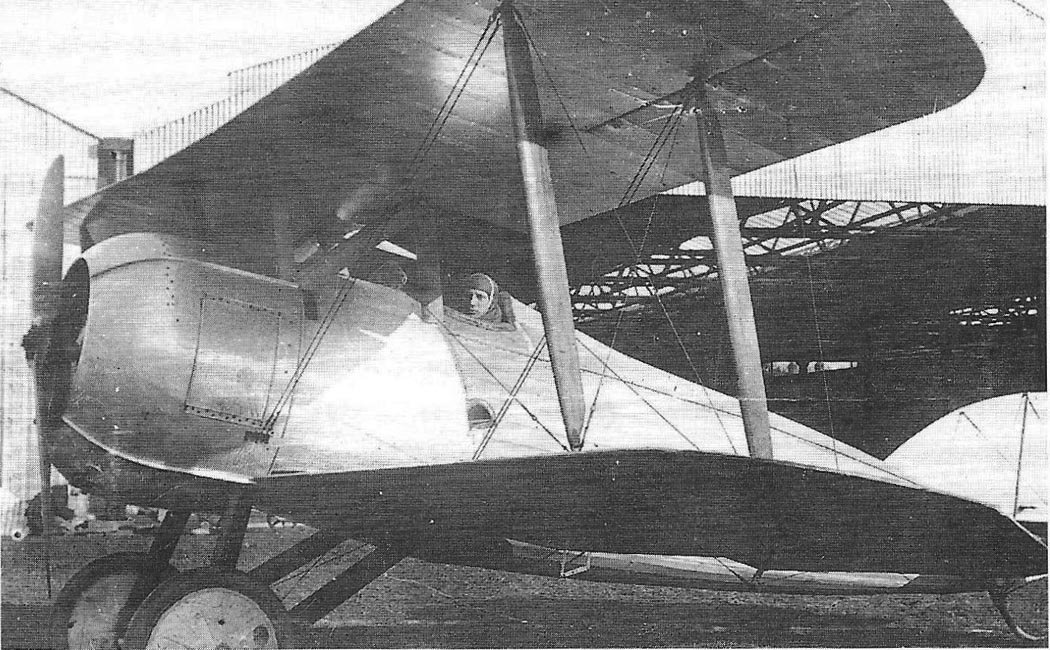
In late 1916, the British company Whitehead Aircraft Company, located in Richmond, Surrey, completed the construction of a prototype fighter aircraft. This new design bore a resemblance to the well-known Sopwith Camel, which was also produced at the company’s factory. The chief designer behind this ambitious project was Edwin Boyle.
Design and Specifications
The aircraft, known as the Whitehead Comet (or Whitehead Scout), was designed as a single-seat, single-strut biplane. It was powered by an 80 hp Le Rhone nine-cylinder radial engine, providing it with respectable performance for its time. While specific data on its armament has not been preserved, it is highly likely that it featured standard weaponry.
This likely included one or two forward-firing 7.7mm Vickers machine guns, a common configuration for fighter aircraft of the era. The emphasis was on a light and agile design, characteristic of scout planes intended for reconnaissance and interception roles.
A Brief History
The Whitehead Comet prototype underwent several test flights, demonstrating its capabilities and handling. However, despite these trials, the aircraft’s development concluded shortly thereafter. Its history ended without proceeding to mass production, making it a lesser-known footnote in the annals of early aviation.
Technical Specifications
| Modification | Comet |
| Engine type | 1 Piston engine Le Rhone |
| Power, hp | 1 x 80 |
| Crew, crew members | 1 |
| Armament: | only planned |
Image gallery of the Whitehead Comet