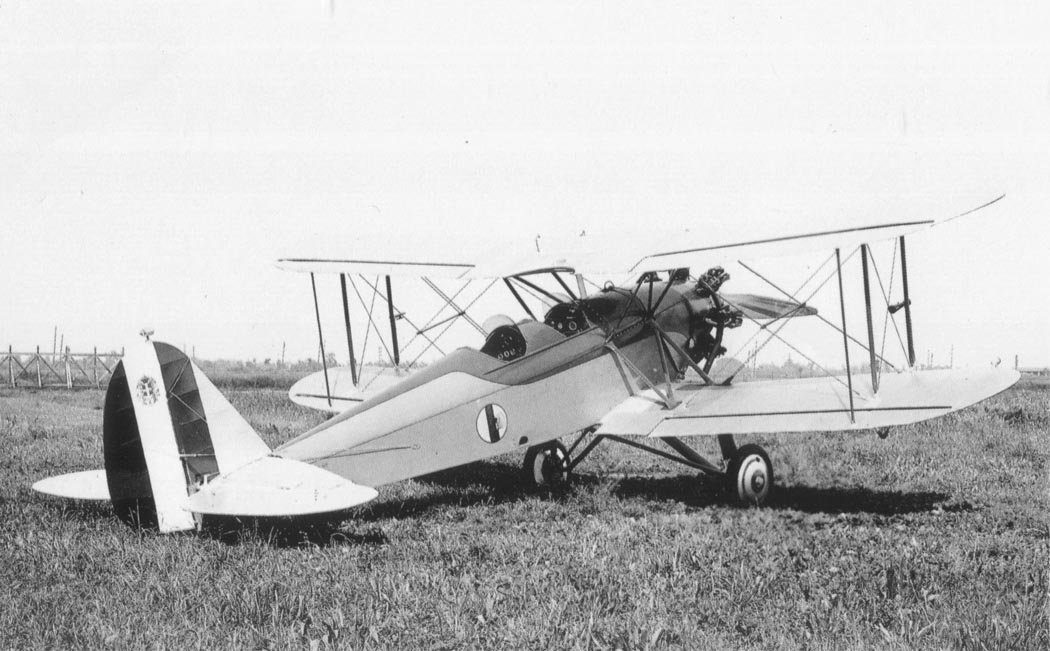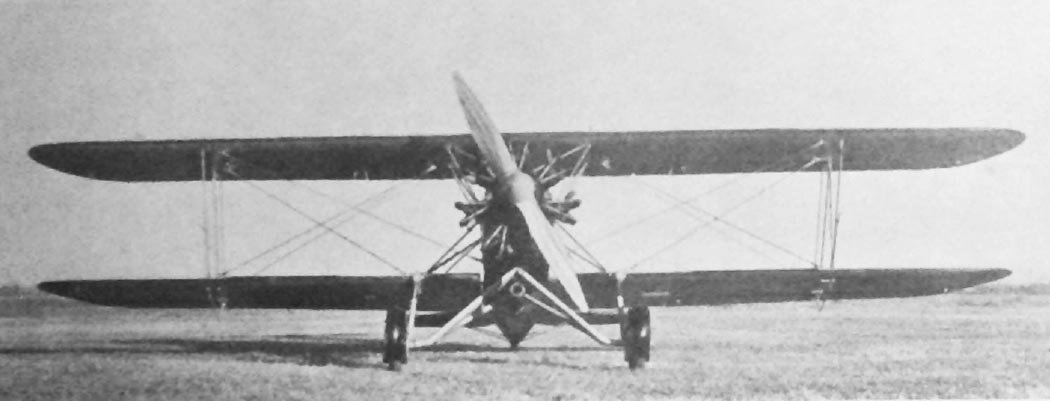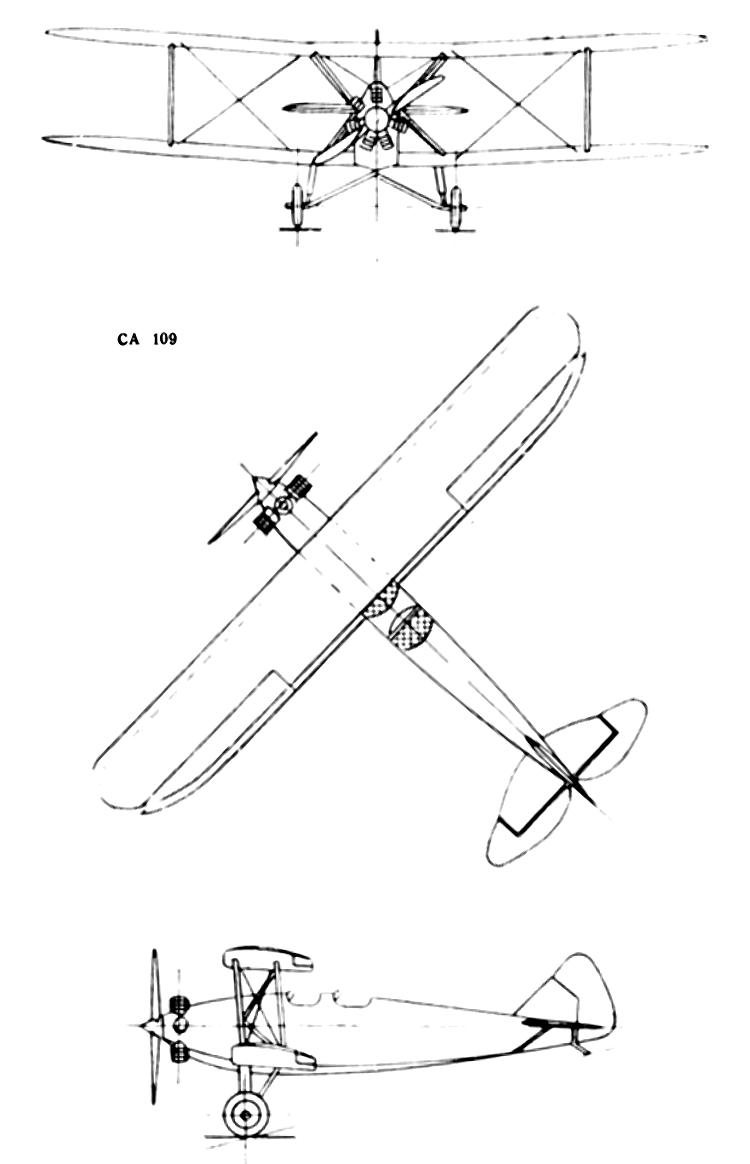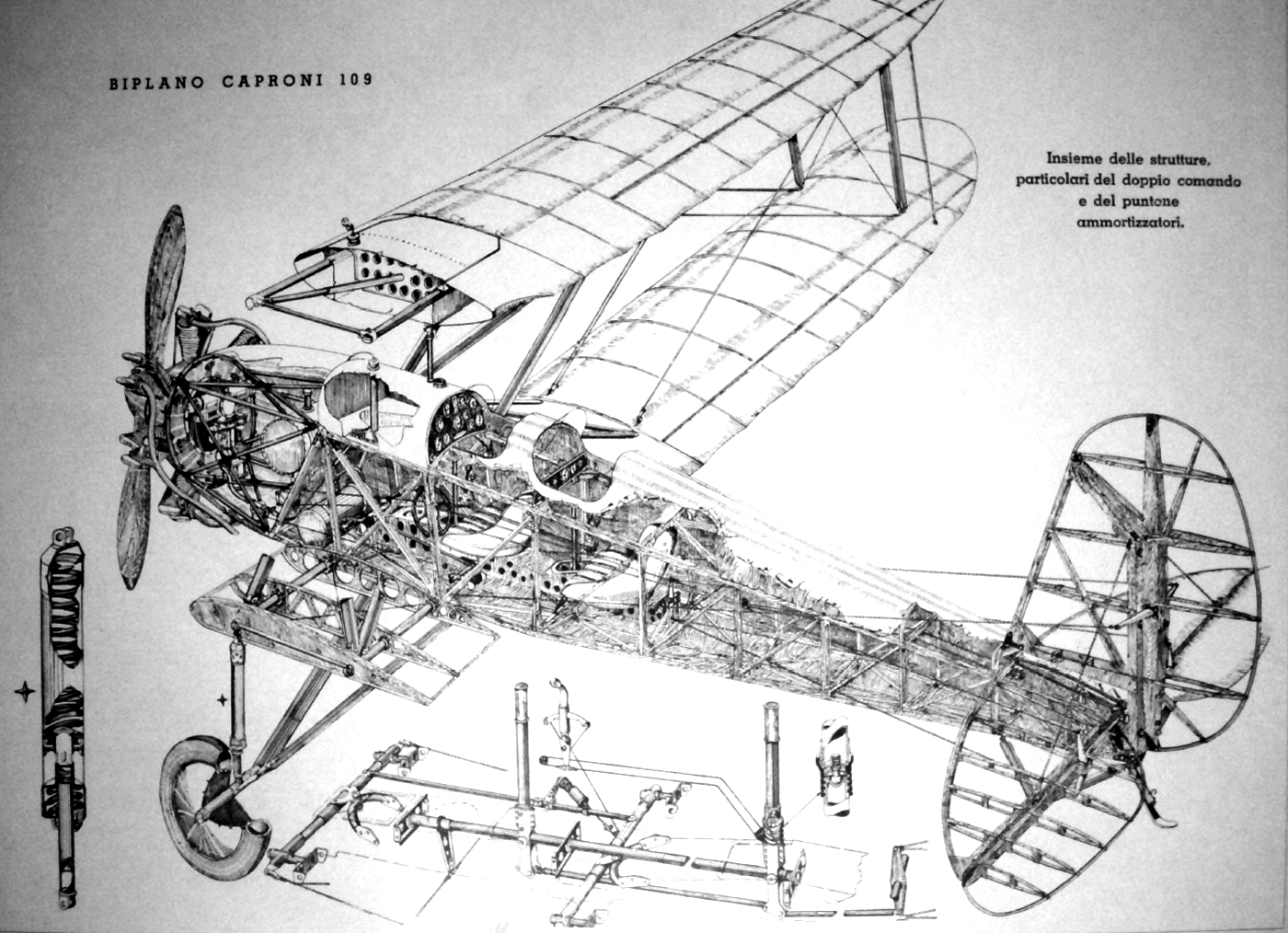
In 1930, the Caproni company introduced the new Caproni Ca.109 A.A. training aircraft. This machine was a variant of the Caproni Ca.100, specifically designed for performing advanced aerobatic maneuvers. It differed from its predecessor with wings of a smaller span and a more powerful powerplant.
Design and Specifications
The Ca.109 was configured as a two-seater, single-strut biplane. It was equipped with an Alfa Romeo Lynx radial engine, built under license from Armstrong Siddeley, delivering 200 horsepower. The aircraft also featured a two-bladed metal “Reed Caproni” propeller, enhancing its performance capabilities.
Production and Legacy
Throughout 1930, several examples of the aircraft were built, establishing its presence in the field of aerobatic training. The Ca.109 A.A. represented Caproni’s commitment to advancing aviation technology, offering a robust platform for pilots to master complex flying techniques.
Technical Specifications
| Modification | Ca.109 |
| Wingspan, m | 8.10 |
| Length, m | 7.57 |
| Height, m | 2.70 |
| Wing area, m2 | 19.56 |
| Empty weight | 650 |
| Normal takeoff weight | 900 |
| Engine type | 1 Piston engine Alfa Romeo Lynx |
| Power, hp | 1 x 200 |
| Maximum speed, km/h | 200 |
| Cruising speed, km/h | 175 |
| Service ceiling, m | 5500 |
| Crew, crew members | 2 |
Image gallery of the Caproni Ca.109 A.A.