Development and Innovative Design
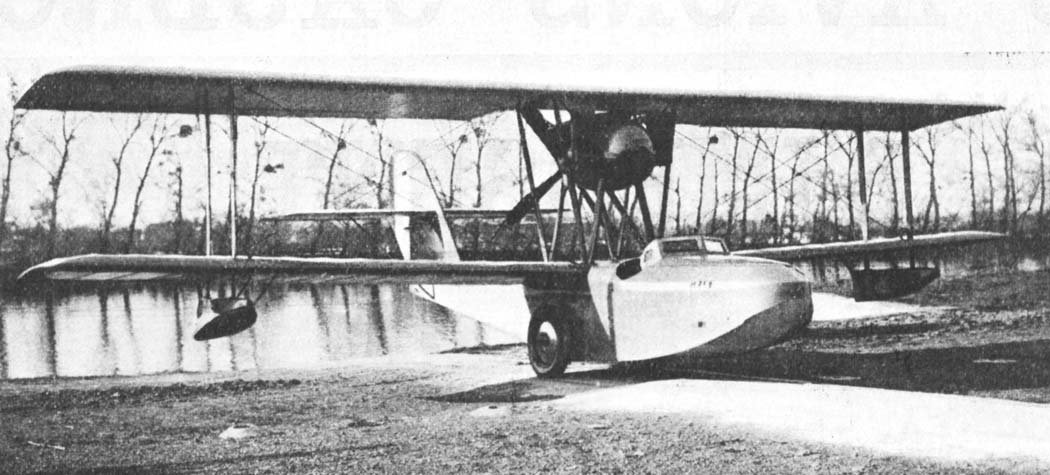
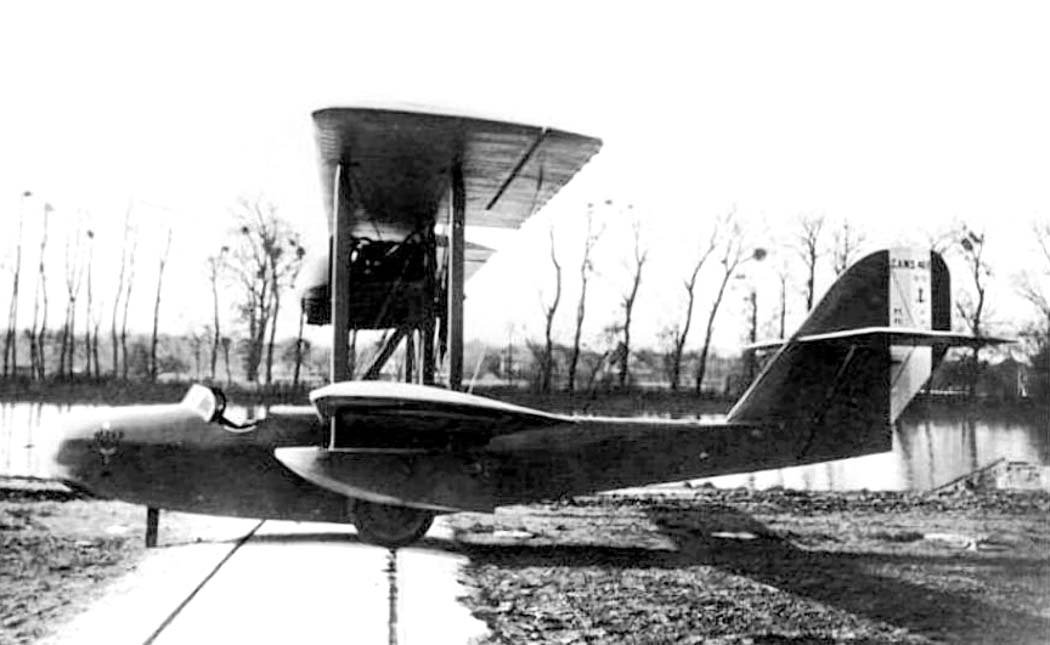
The two-seat CAMS 46 training flying boat was developed in 1926 by Chantiers Aeromaritimes de la Seine (CAMS). This model represented an evolution of the CAMS 30 flying boat, distinguished by significant improvements in its design. The CAMS 46ET, intended for basic flight training, featured slightly reduced dimensions and a more powerful V-type Hispano-Suiza 8Ab engine of 180 hp.
The CAMS 46E variant, designed for initial flight training, was equipped with a Hispano-Suiza 8Aa engine producing 150 hp (112 kW). Overall, the CAMS 46’s structure was aerodynamically cleaner than that of its predecessor, the CAMS 30. It incorporated a larger and more rounded fin and rudder, enhancing its aerial performance.
Features and Variants
Both models featured a common dual-control cockpit where the student and instructor sat side-by-side, facilitating instruction. The CAMS 46ET version was distinguished by being equipped with two radiators, strategically located on the sides of the engine nacelle, optimizing the aircraft’s cooling.
The CAMS 46 prototype made its first flight in 1927. Despite its characteristics not being the most outstanding on the market, the Fleet signed a contract for the acquisition of 30 units. These flying boats were intended for naval aviation flight schools and were supplied in two variants: the CAMS 46E for initial training and the CAMS 46ET for transitional training.
Operational History
However, the CAMS 46ETs were quickly replaced by the F.B.A. 17 HE2 models, which were considered more advanced and reliable. Despite this change, a squadron of these CAMS 46 flying boats remained in service for many years. Stationed at the Ortin training base, they continued to play a role in the training of naval pilots.
Technical Specifications
| Modification | CAMS 46ET |
| Wingspan, m | 12.00 |
| Length, m | 9.07 |
| Height, m | 2.97 |
| Wing area, m2 | 37.00 |
| Empty weight | 978 |
| Maximum takeoff weight | 1 350 |
| Engine type | 1 Piston engine Hispano-Suiza 8A b |
| Power, hp | 1 x 180 |
| Maximum speed, km/h | 160 |
| Cruising speed, km/h | 130 |
| Practical range, km | 400 |
| Crew, crew | 2 |
Image gallery of the CAMS 46