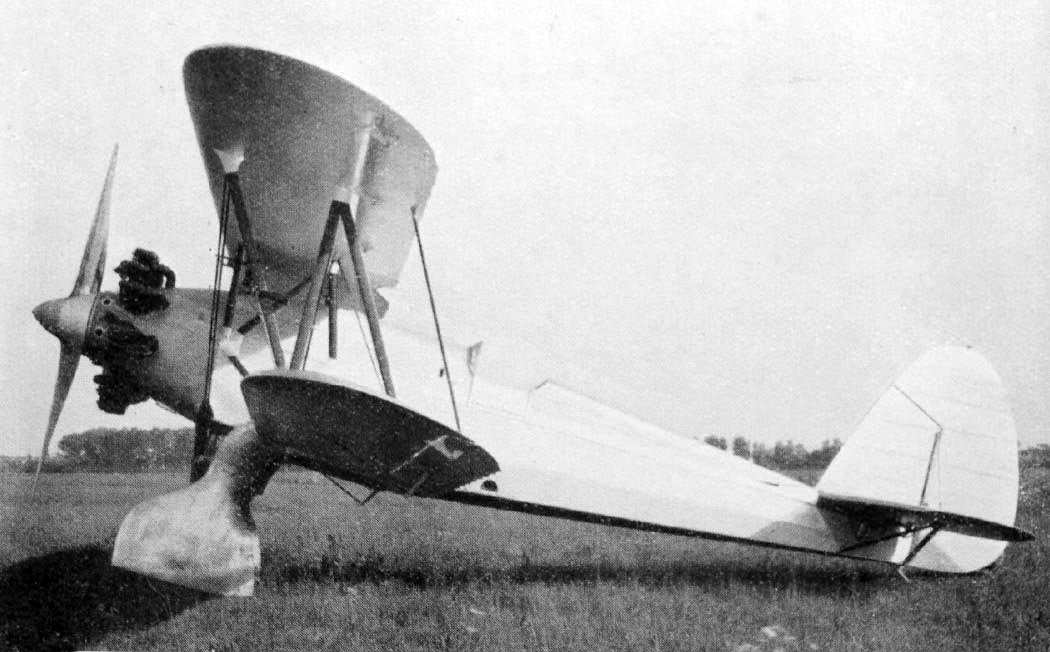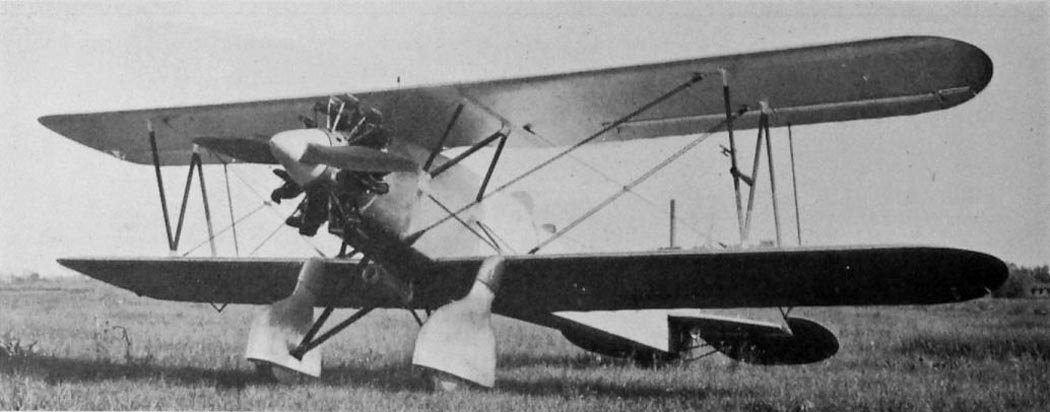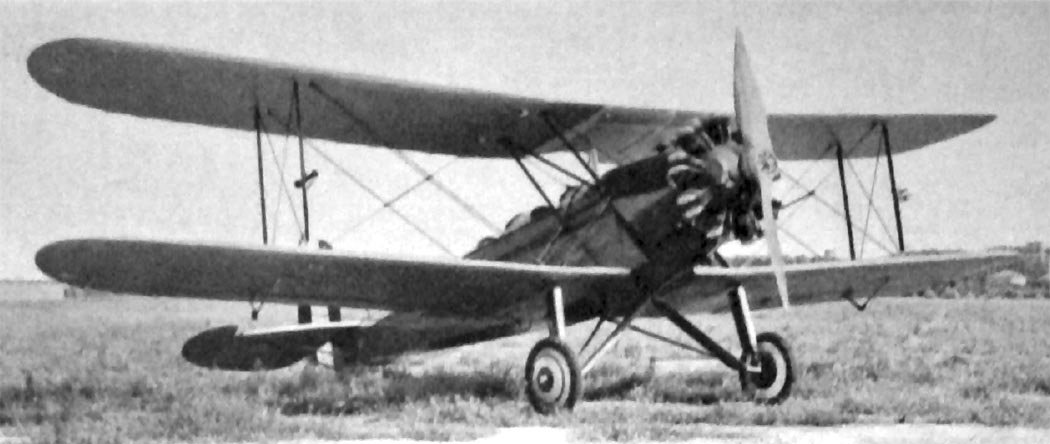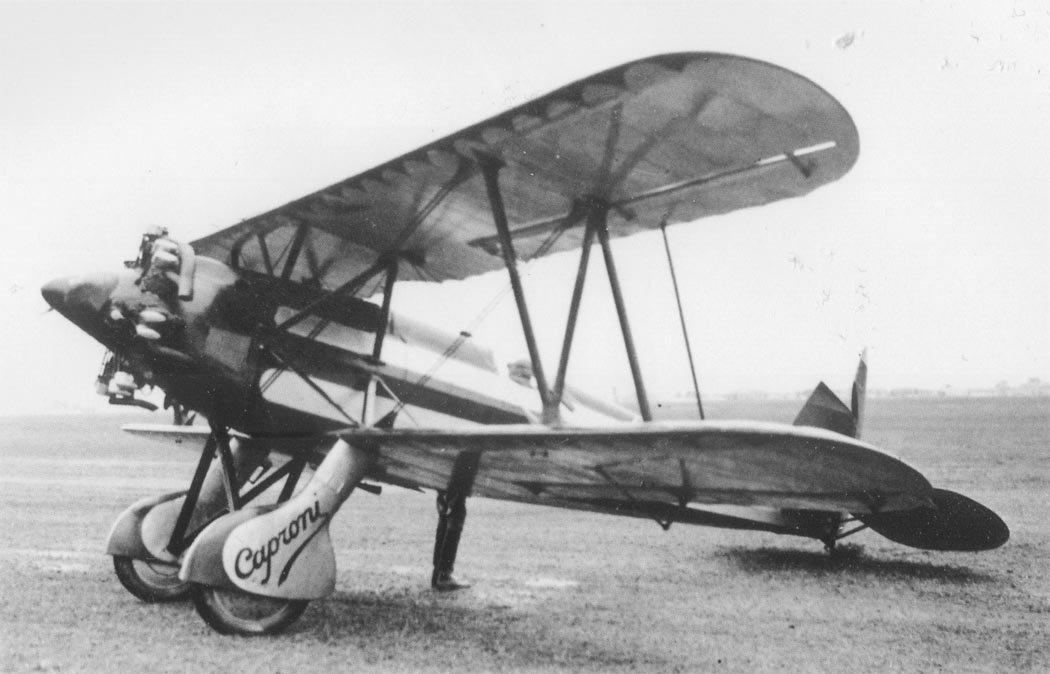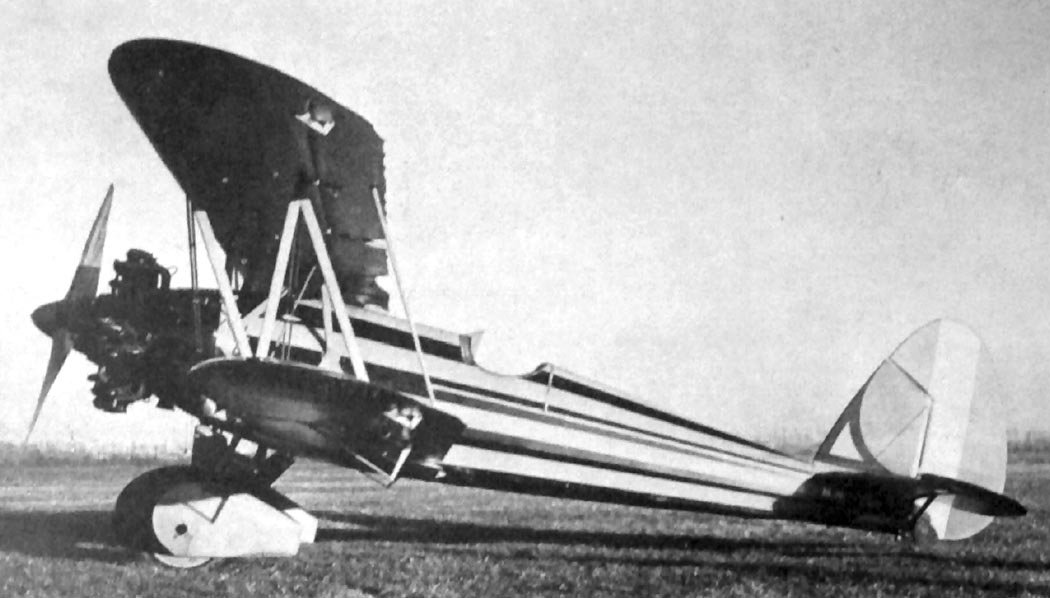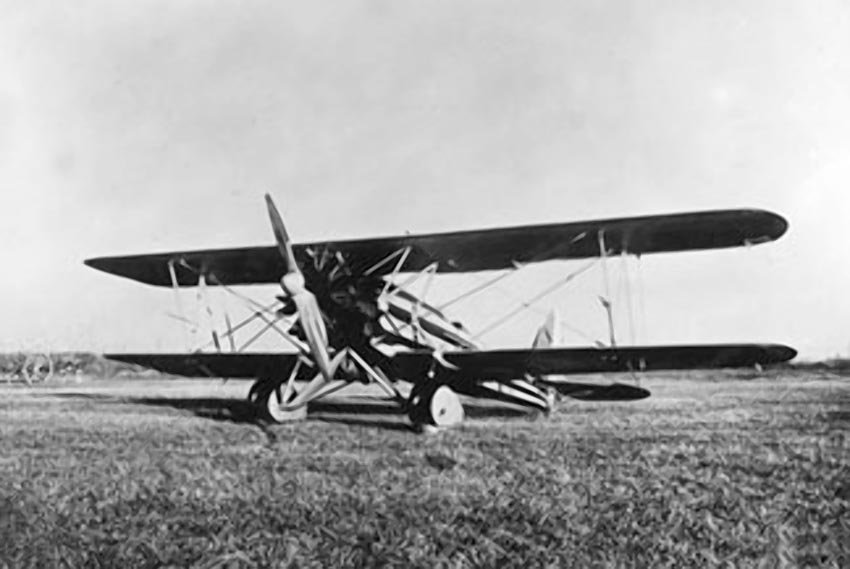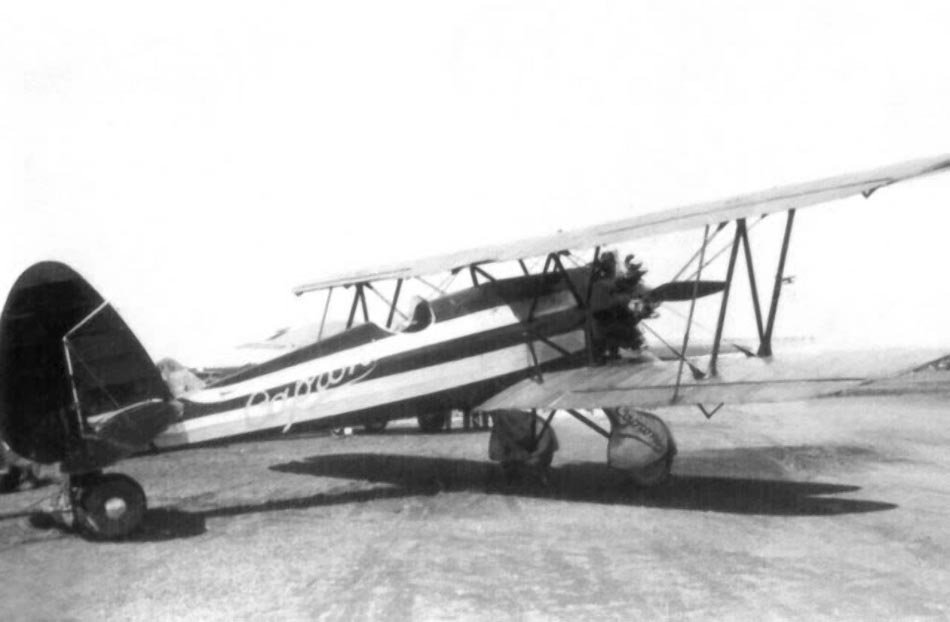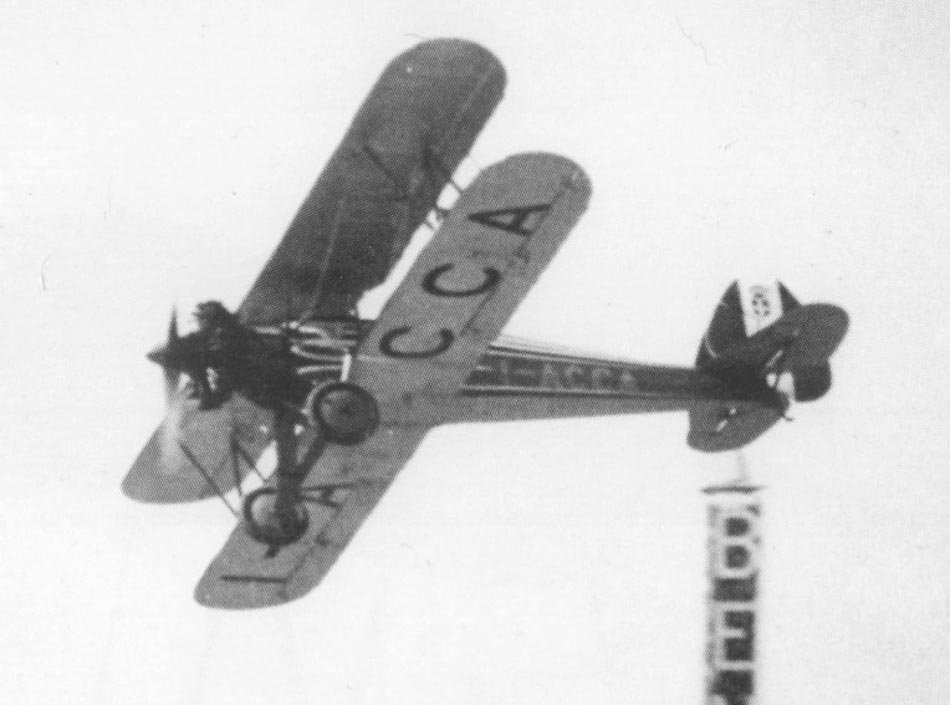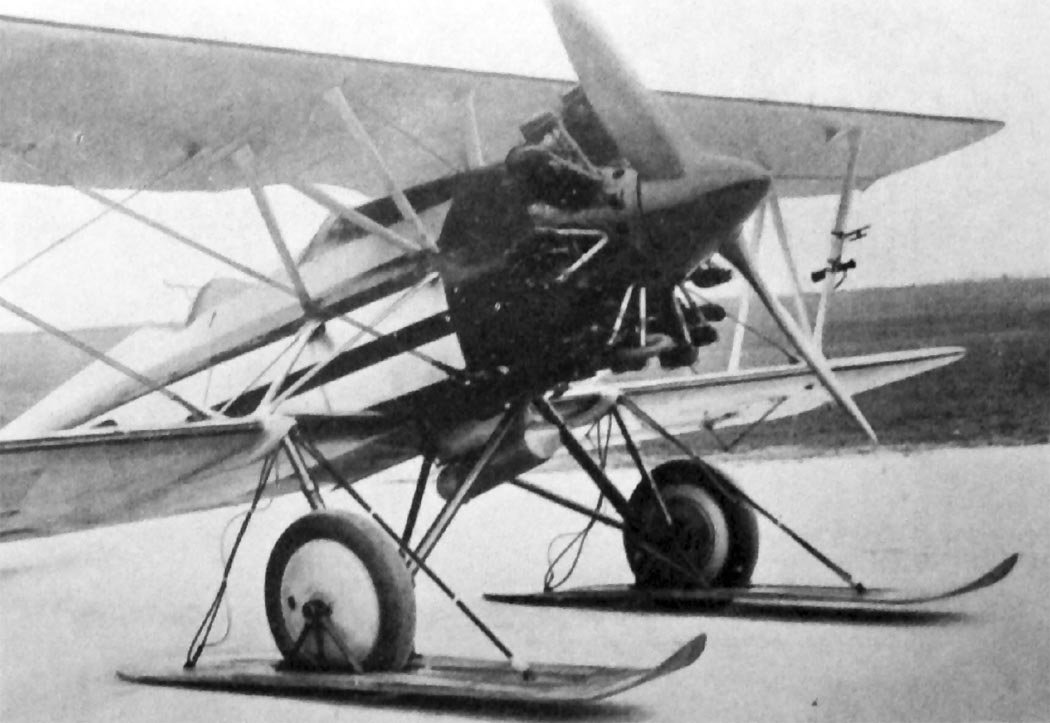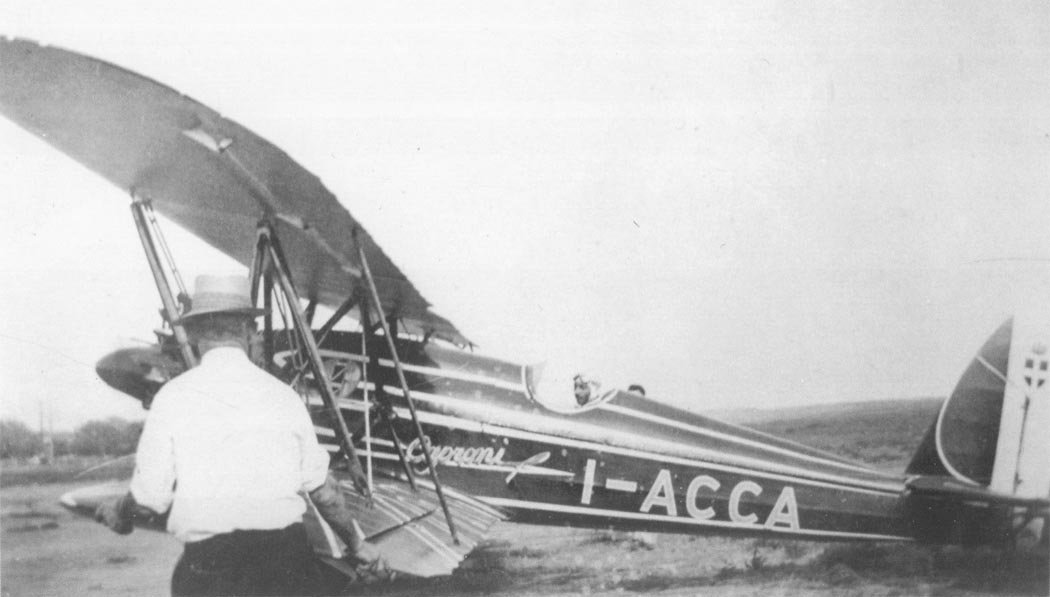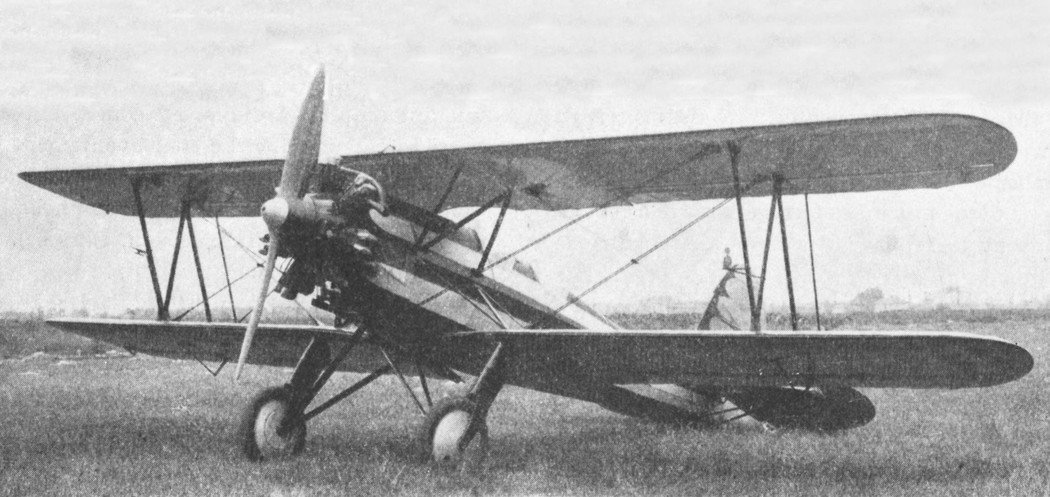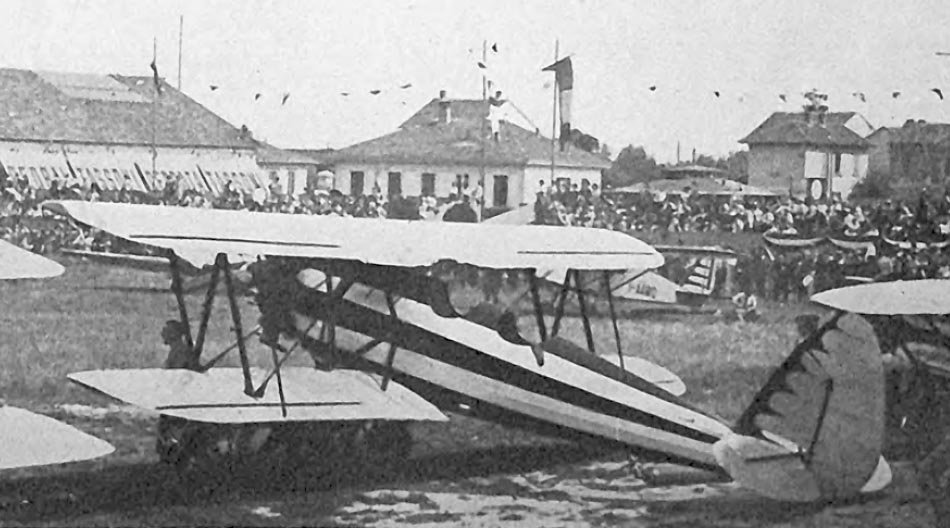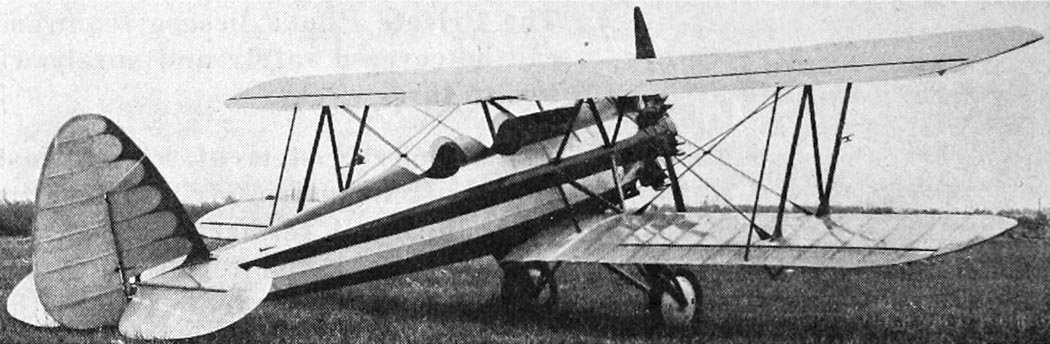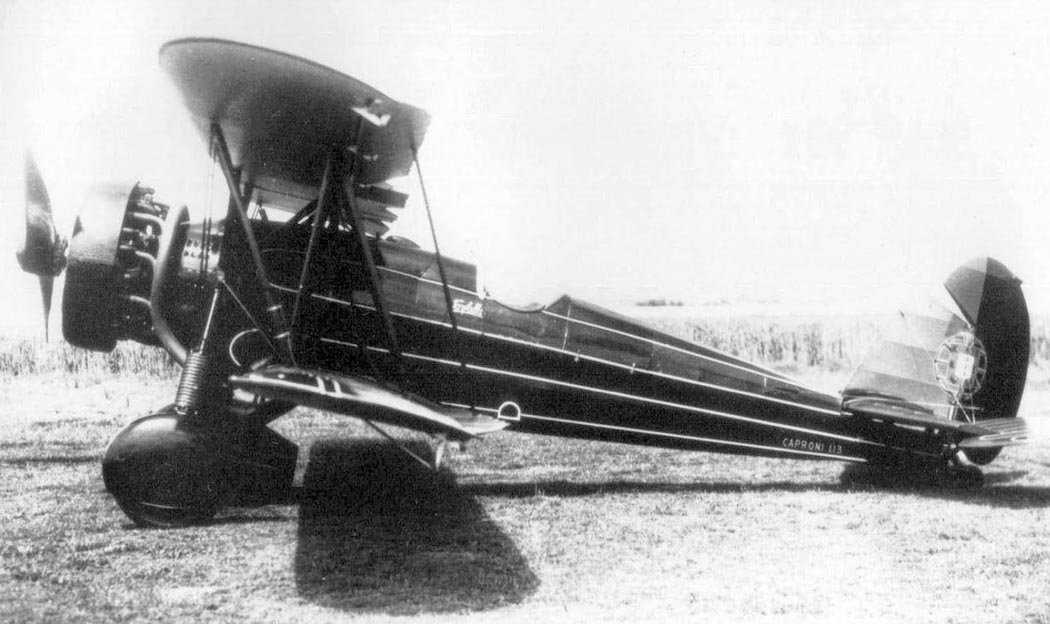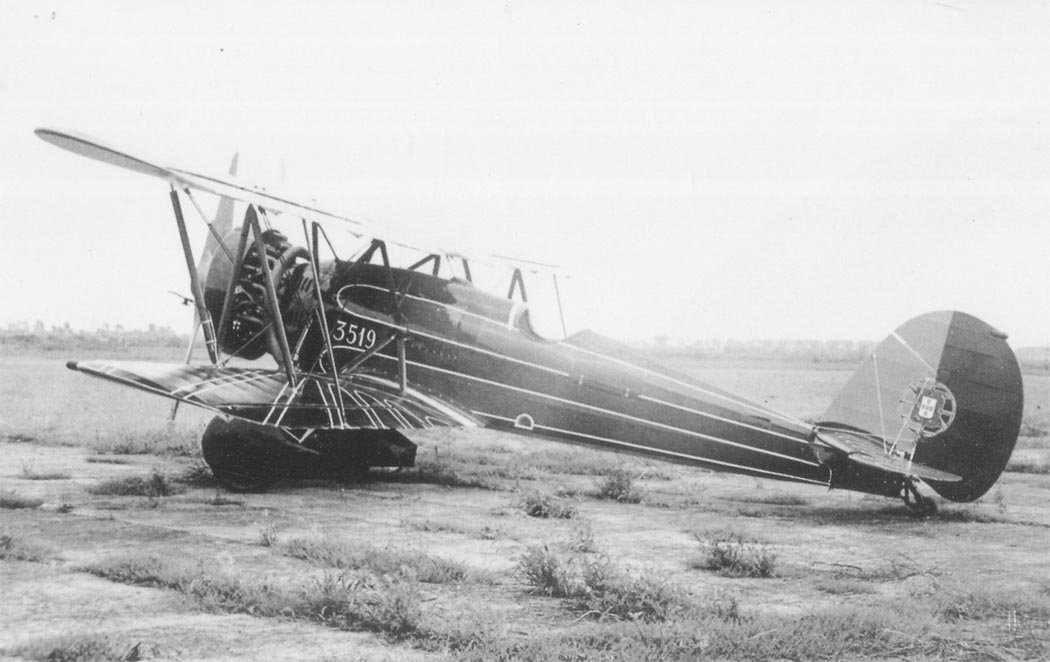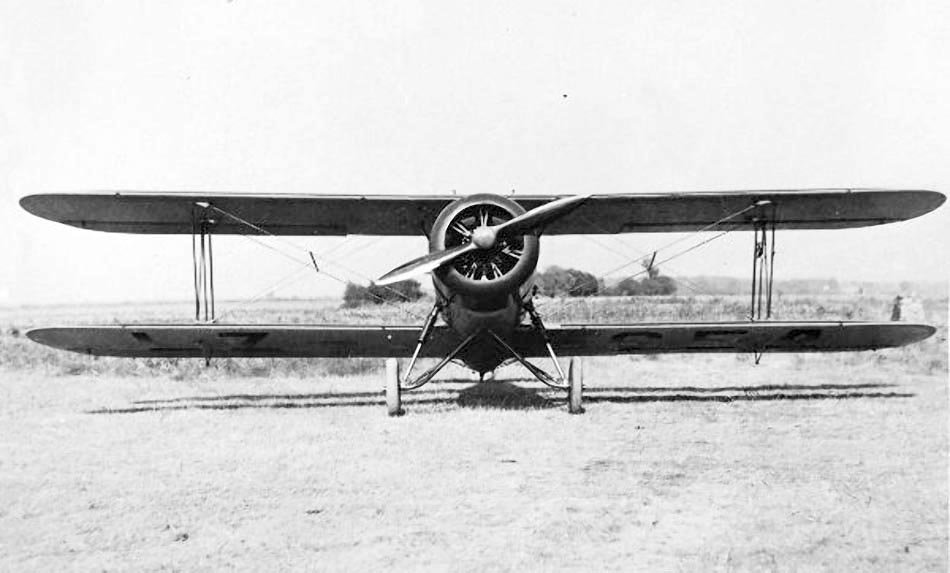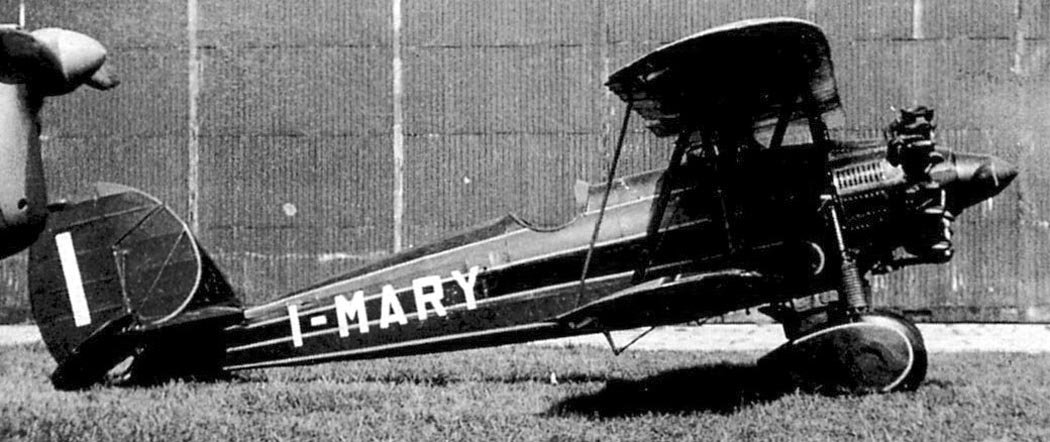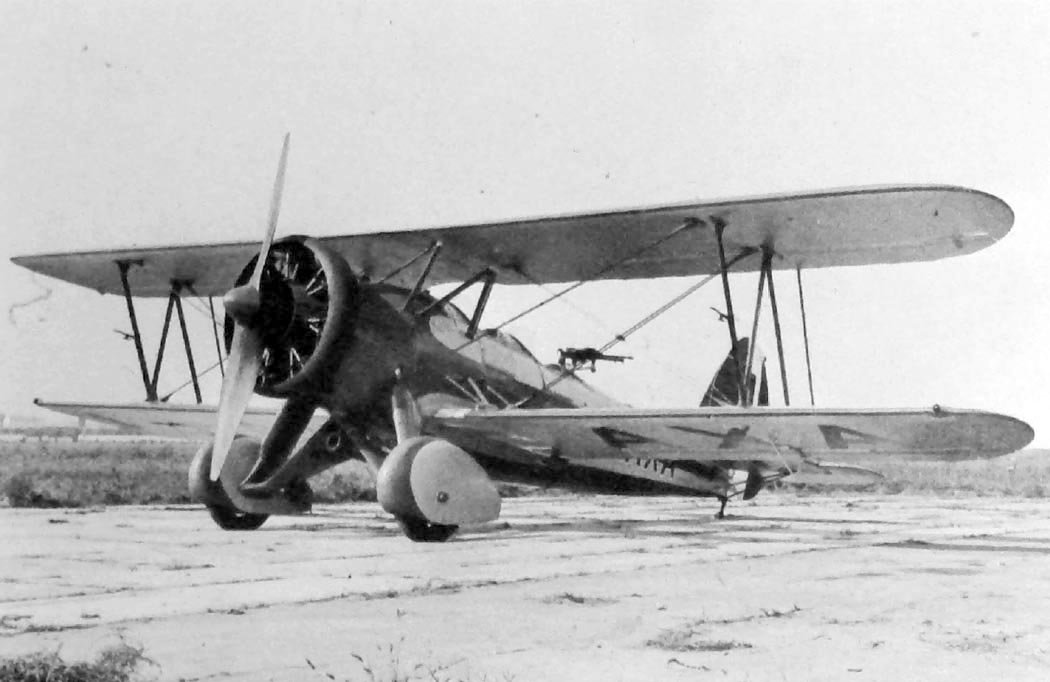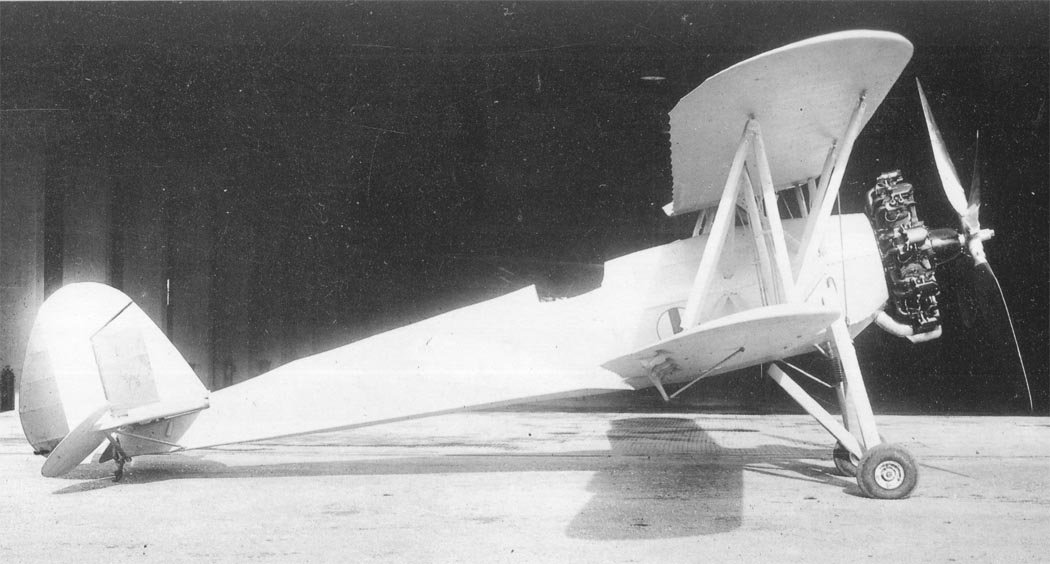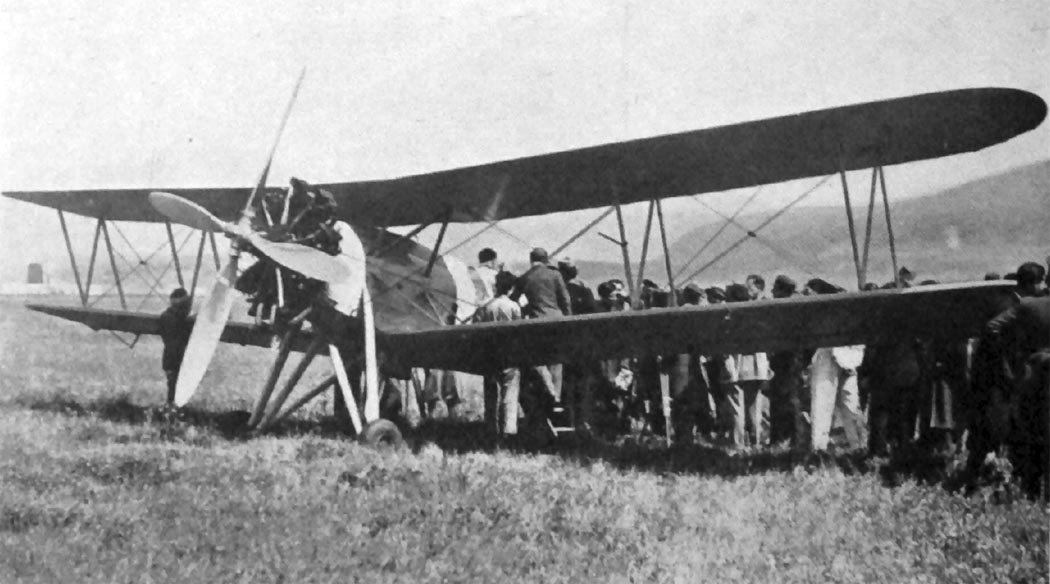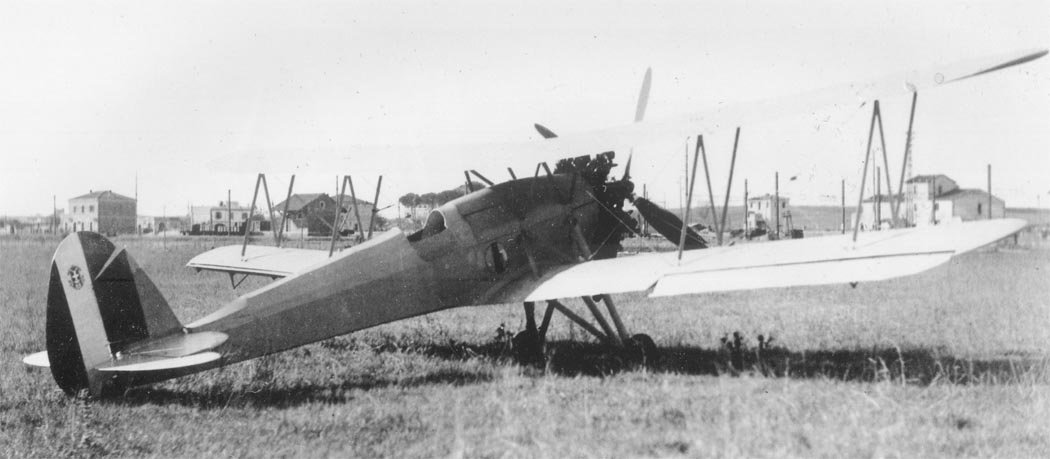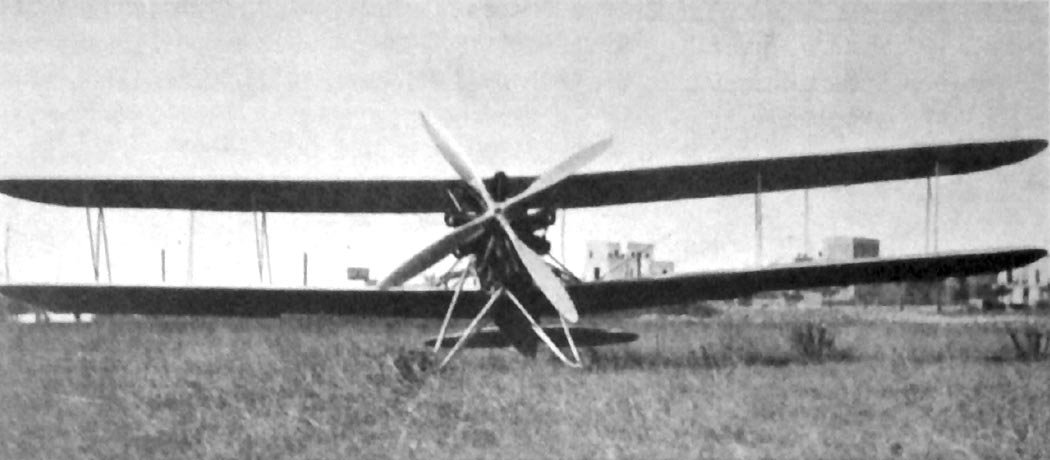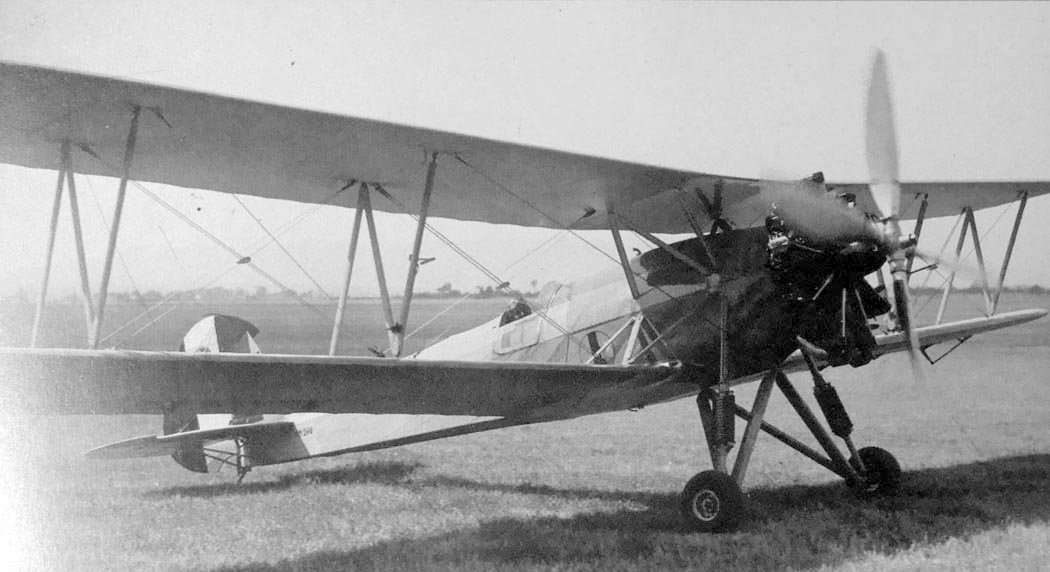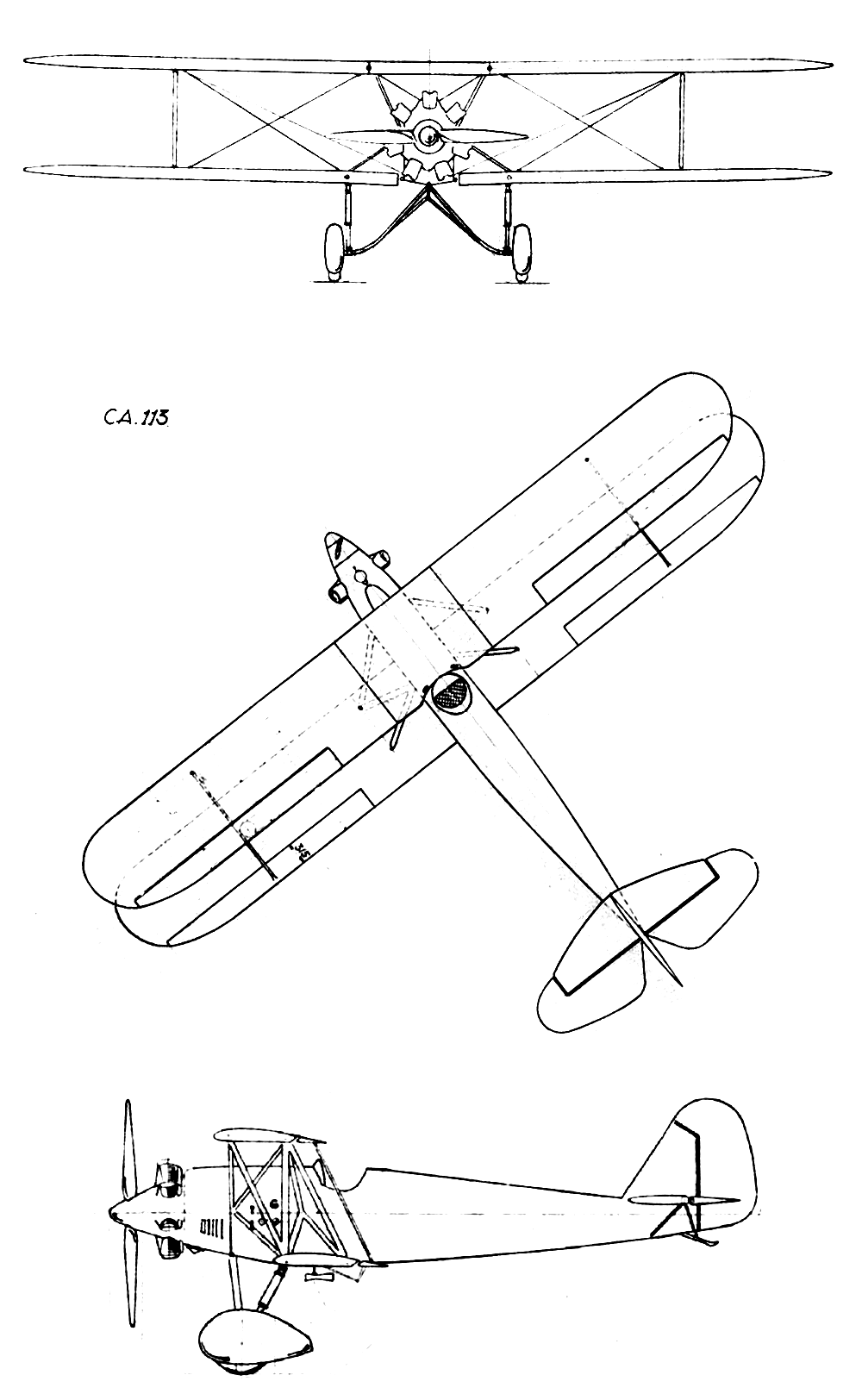
After the failure of the Ca.109 trainer biplane, Caproni’s engineers decided to take revenge by creating a training and combat aircraft based on it. While retaining the overall design, they installed a Walter “Castor” engine in the new trainer fighter and implemented a series of other improvements. Under the new designation Ca.113, the aircraft entered trials in 1931, receiving a favorable general opinion.
However, the shortage of German Walter engines forced the Italians to resort to installing a domestically designed engine – the Piaggio Stella VII C 35. A production order for the Ca.113 soon followed, with plans to use them as advanced flight training aircraft.
Production and Early Service
Relatively few Ca.113 aircraft were produced: three prototypes and 15 serial machines (MM.70041-55). Some of these survived until World War II and were used as liaison and courier aircraft. Due to their outdated design, many Ca.113s were transferred to secondary front sectors, and by June 1940, almost all were stationed in Northeast Africa, specifically in Ethiopia and Italian Somaliland, within reconnaissance squadrons.
By the end of April 1941, only four of these machines remained, soon losing their airworthiness and being left on airfields in disrepair. A few aircraft continued to fly in Libya, but the number of operational Ca.113s decreased each month, and by the time of Italy’s surrender, only a handful of these machines likely remained within the Regia Aeronautica.
International Operators and Record Achievements
In 1932, the Bulgarian Air Force approached the Italians with a request to sell a license for the serial production of this aircraft, which was naturally granted. The aircraft was serially produced until 1940 under the designation KB-2 “Chuchuliga” (with numerous design modifications, including the installation of a second cockpit and engine replacement) and remained in service until 1944.
The only foreign customer was the Peruvian Air Force. Latin Americans had long-standing contacts with Italian firms supplying relatively inexpensive and functional aircraft to South America. The Ca.113 attracted the Peruvians with its high aerobatic characteristics and robustness, which was important for operation in humid climates. A total of 30 machines were delivered, 21 of which remained in operation until their decommissioning in 1939.
The only modification of the aircraft was the record-setting Ca.113 AQ (Alta Quota). This aircraft received a 500 hp Alfa Romeo Pegasus SAQ engine and new wings. On April 11, 1934, pilot Renato Donati set a new world record, climbing to an altitude of 14,433 meters. On June 24, 1935, aviatrix Contessa Carina set a women’s record of 12,043 meters.
Technical Specifications
| Modification | Ca.113 |
| Wingspan, m | 10.50 |
| Length, m | 7.30 |
| Height, m | 2.70 |
| Wing area, m2 | 27.00 |
| Empty weight | 850 |
| Normal takeoff weight | 1100 |
| Maximum takeoff weight | 1350 |
| Engine type | 1 Piston engine Piaggio Stella VII C 35 |
| Power, hp | 1 х 370 |
| Maximum speed, km/h | 250 |
| Cruising speed, km/h | 210 |
| Practical range, km | 300 |
| Practical ceiling, m | 7315 |
| Crew, crew members | 2 |
Image gallery of the Ca.113