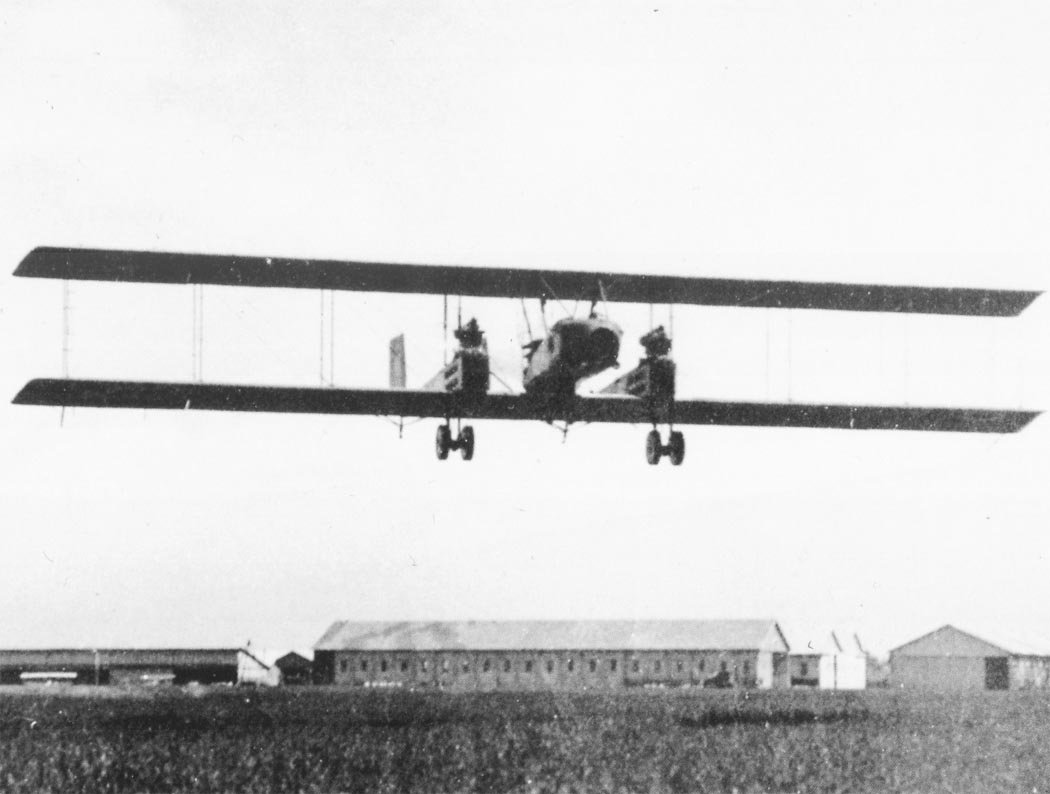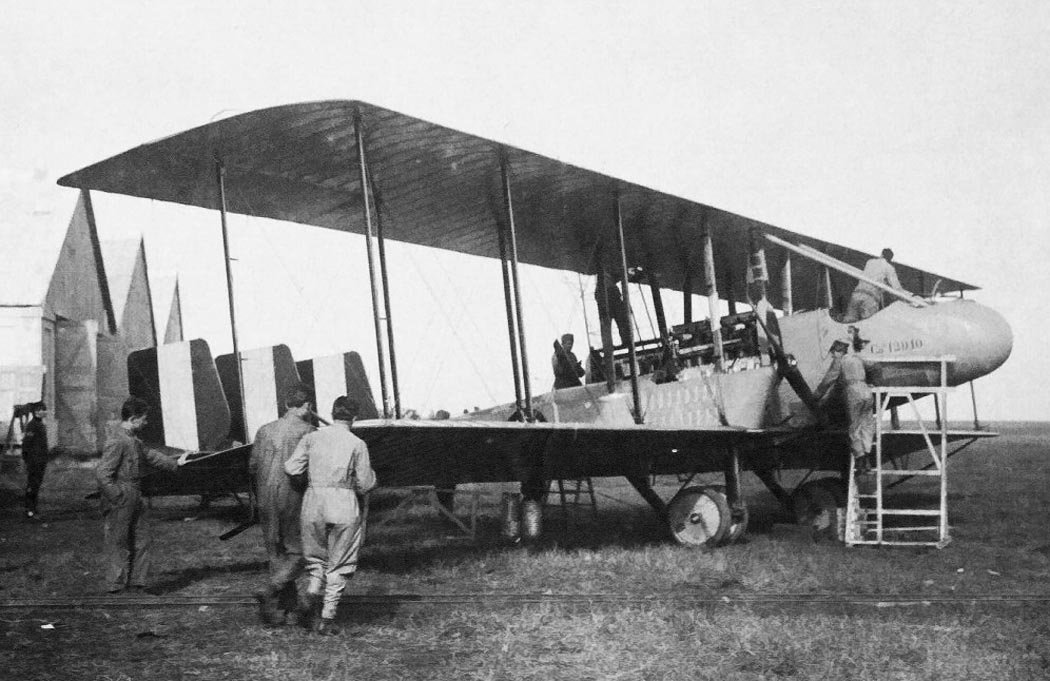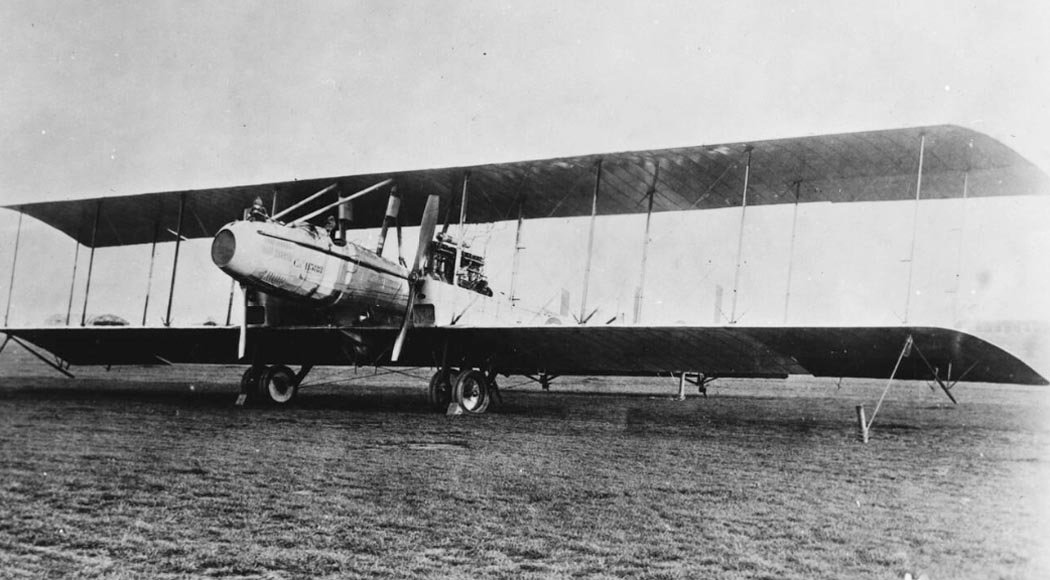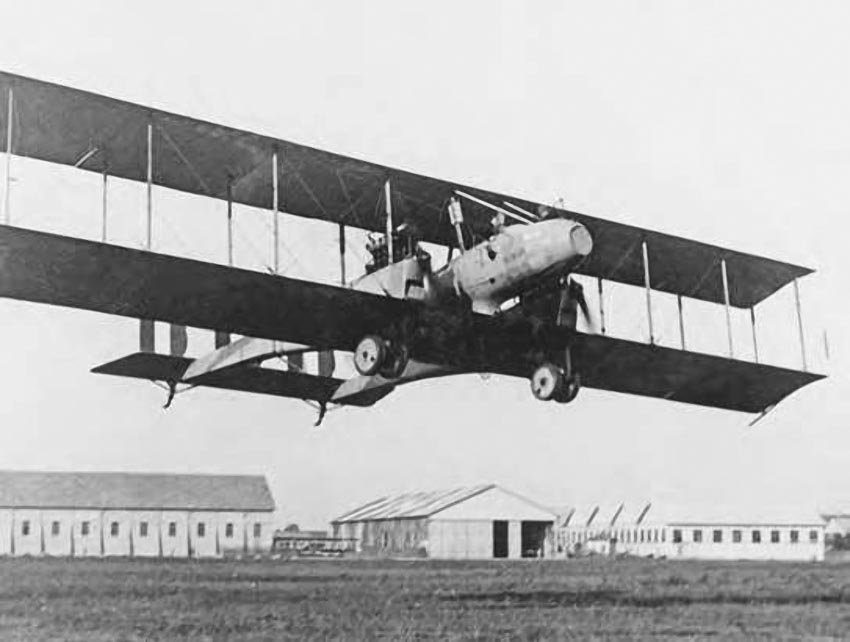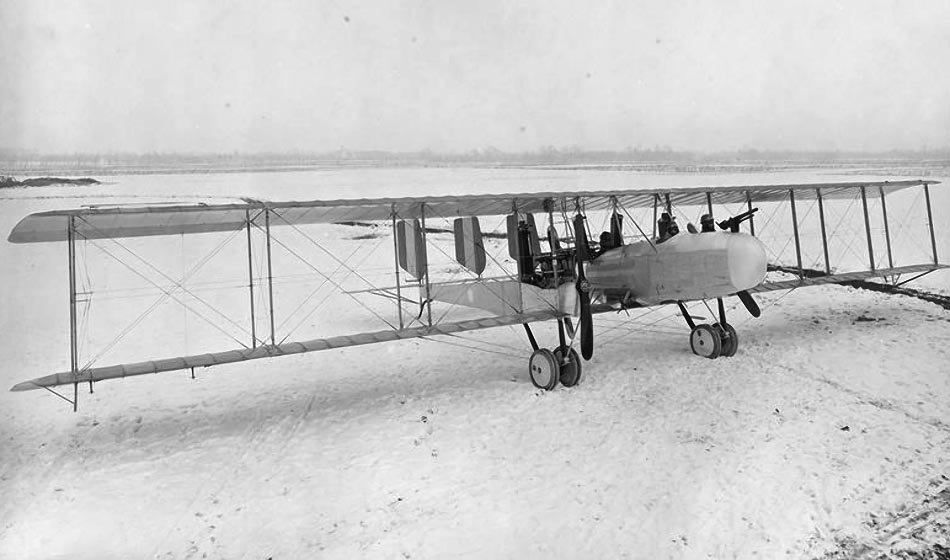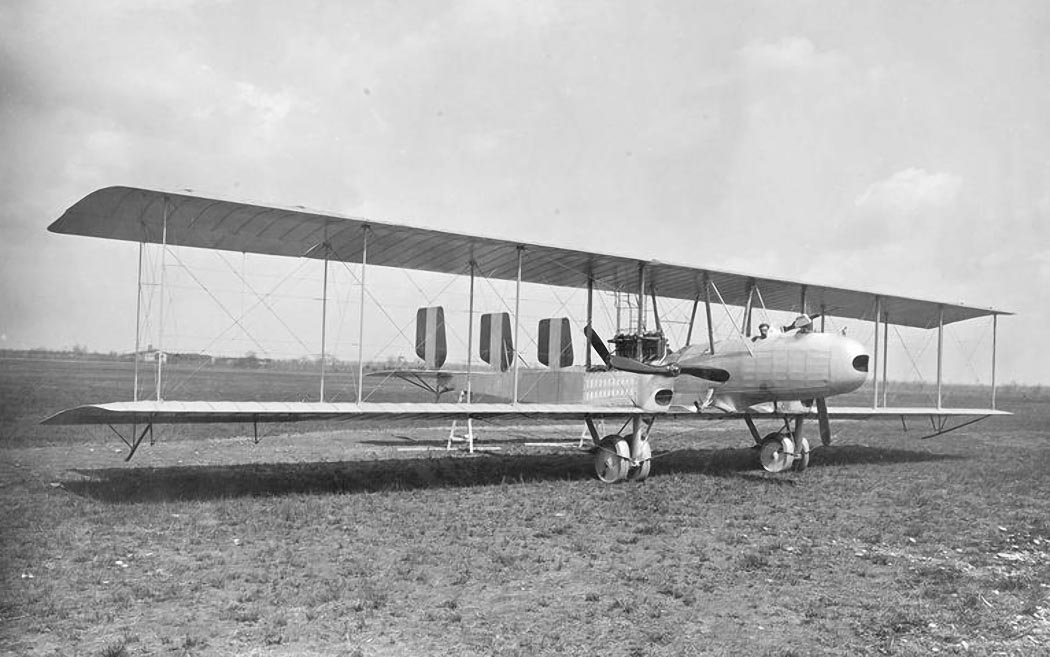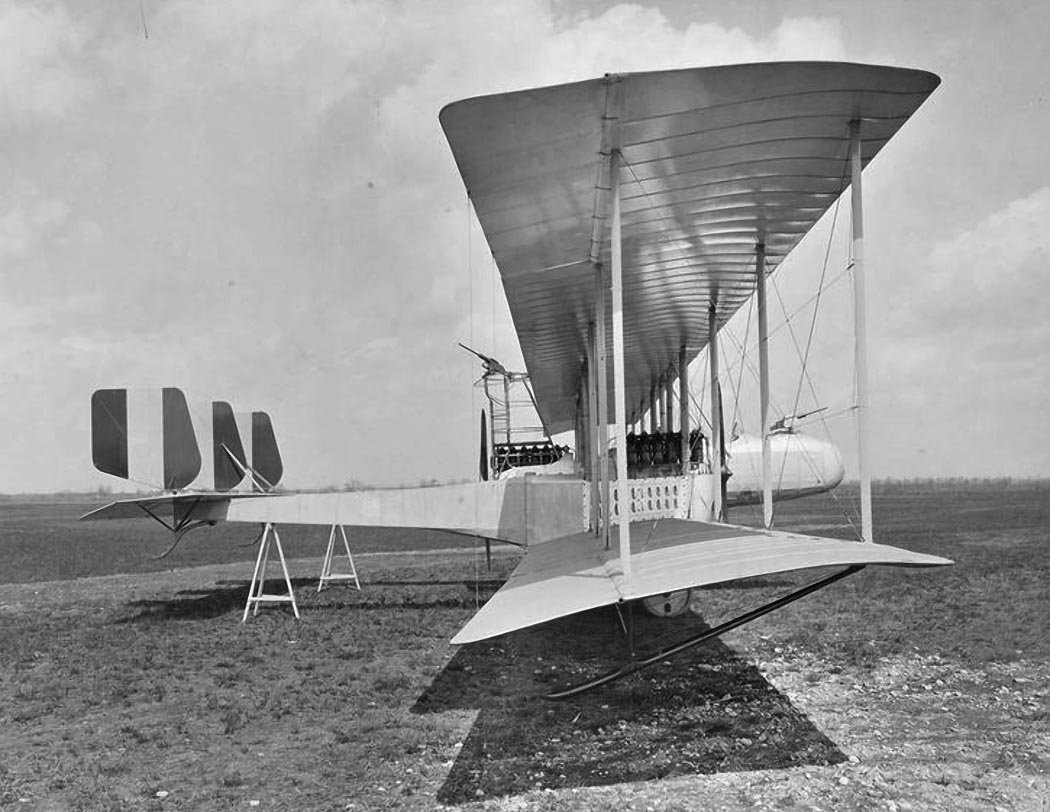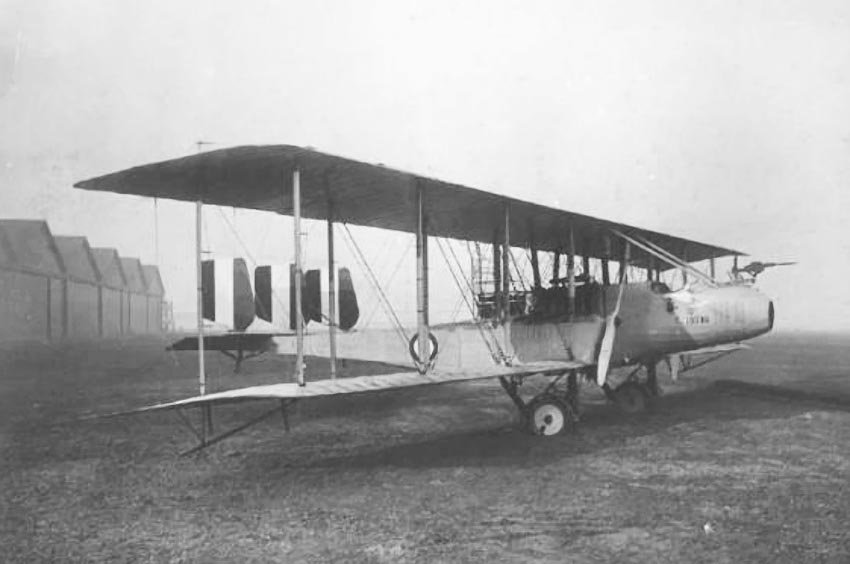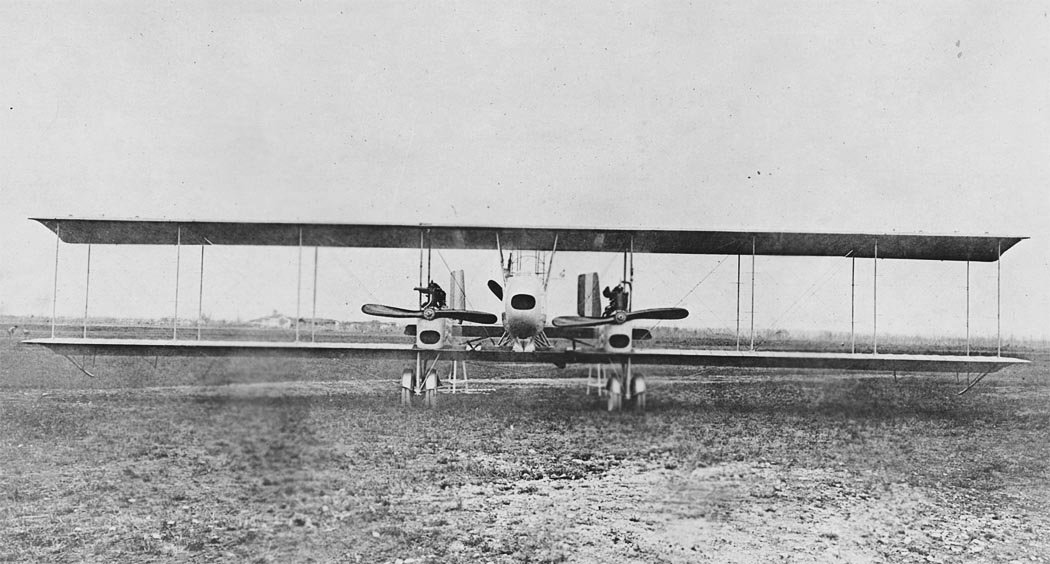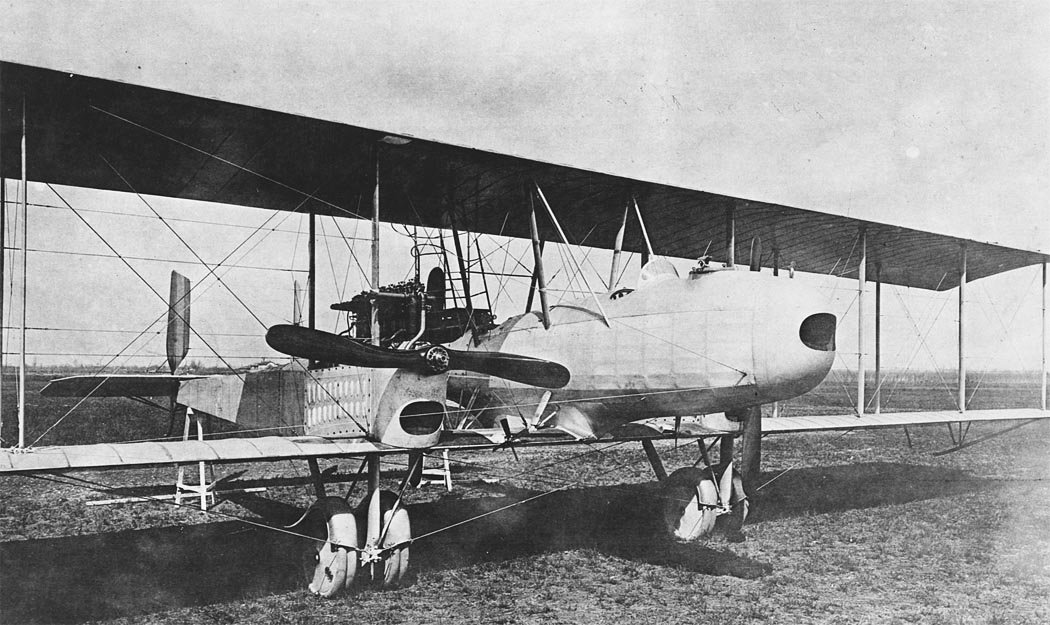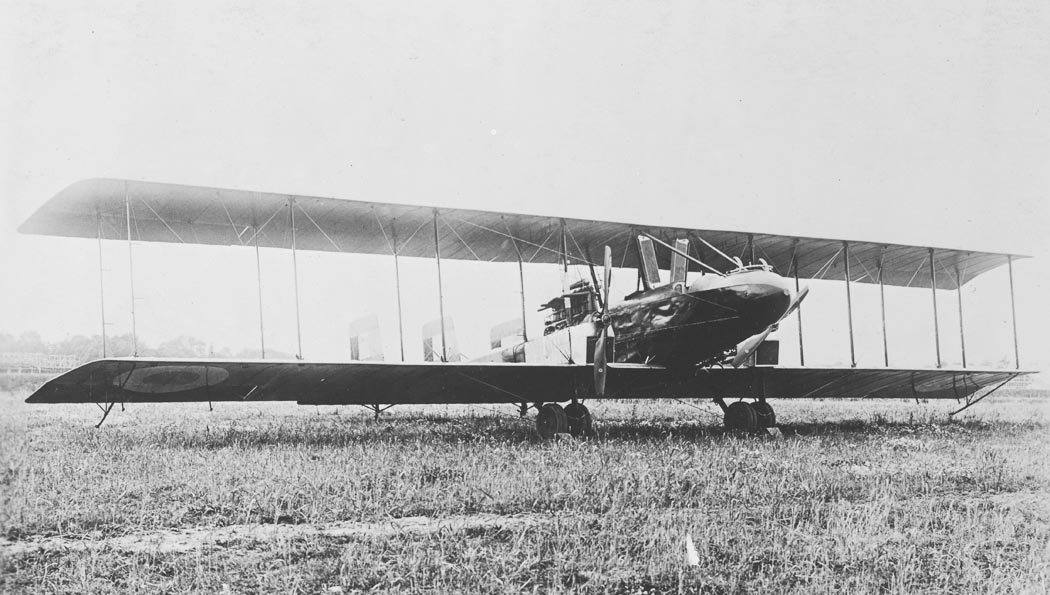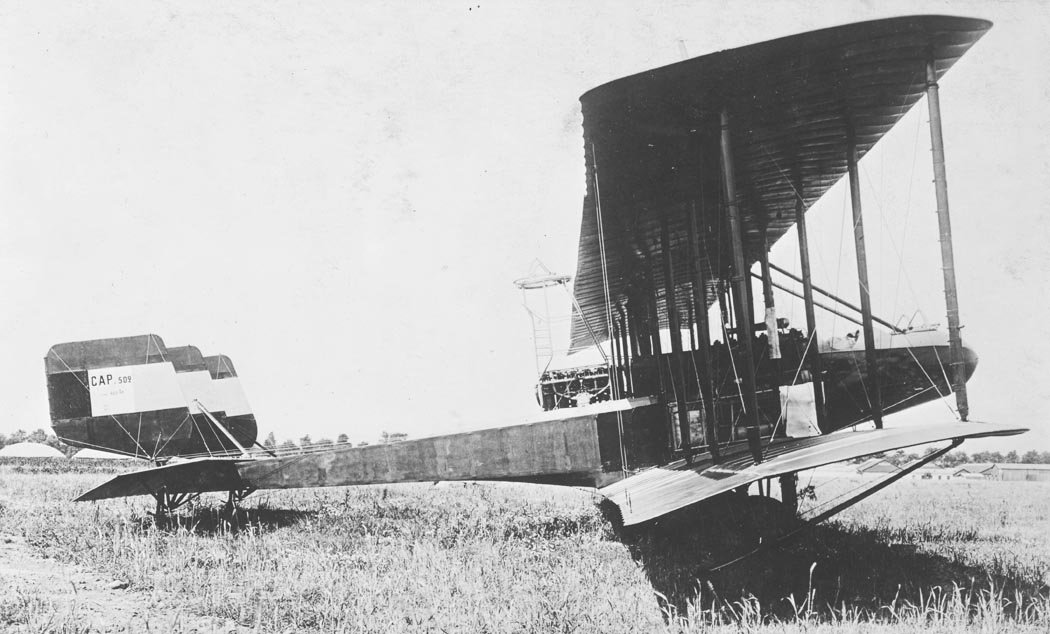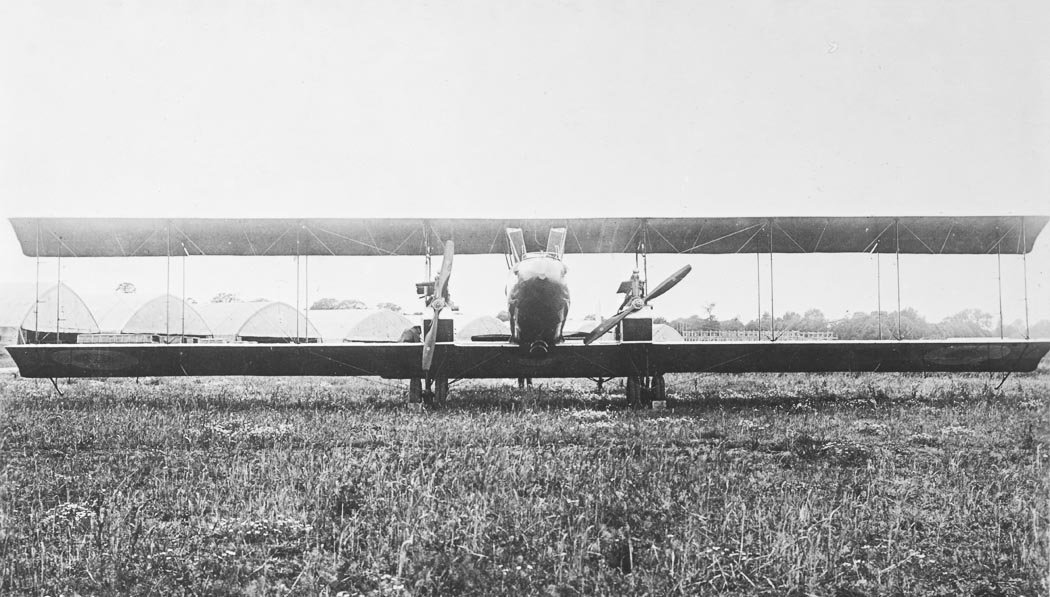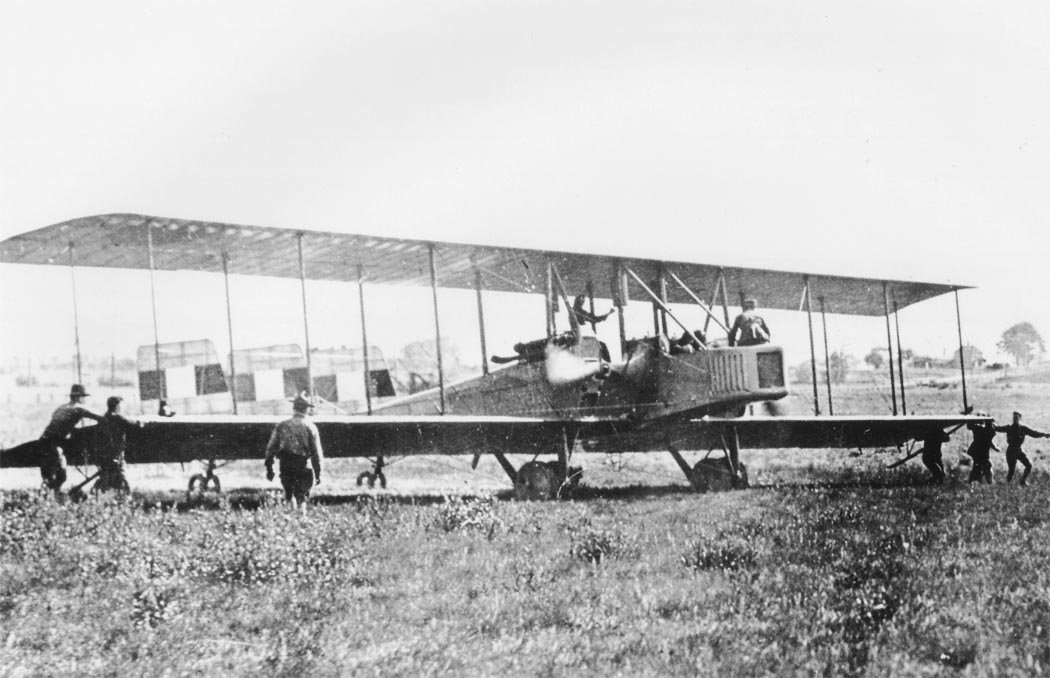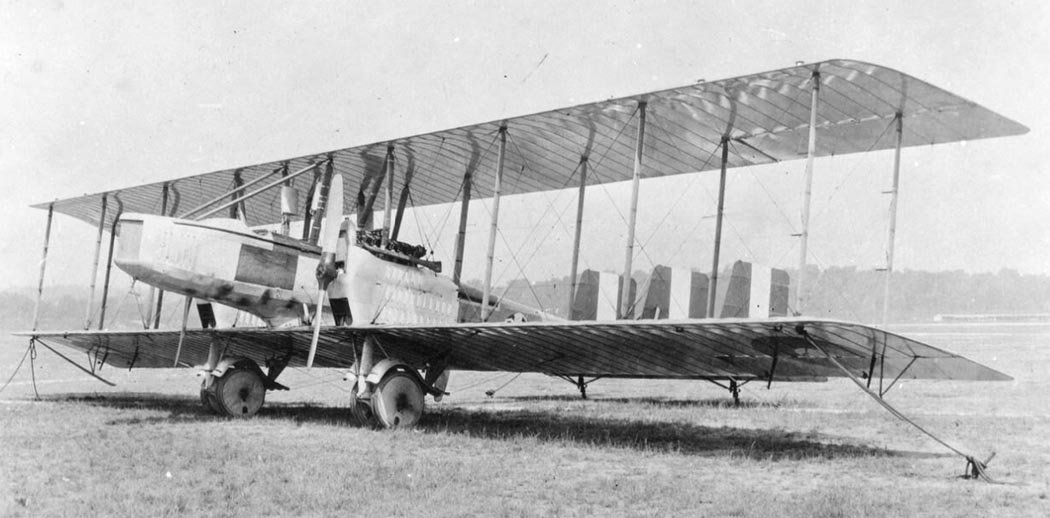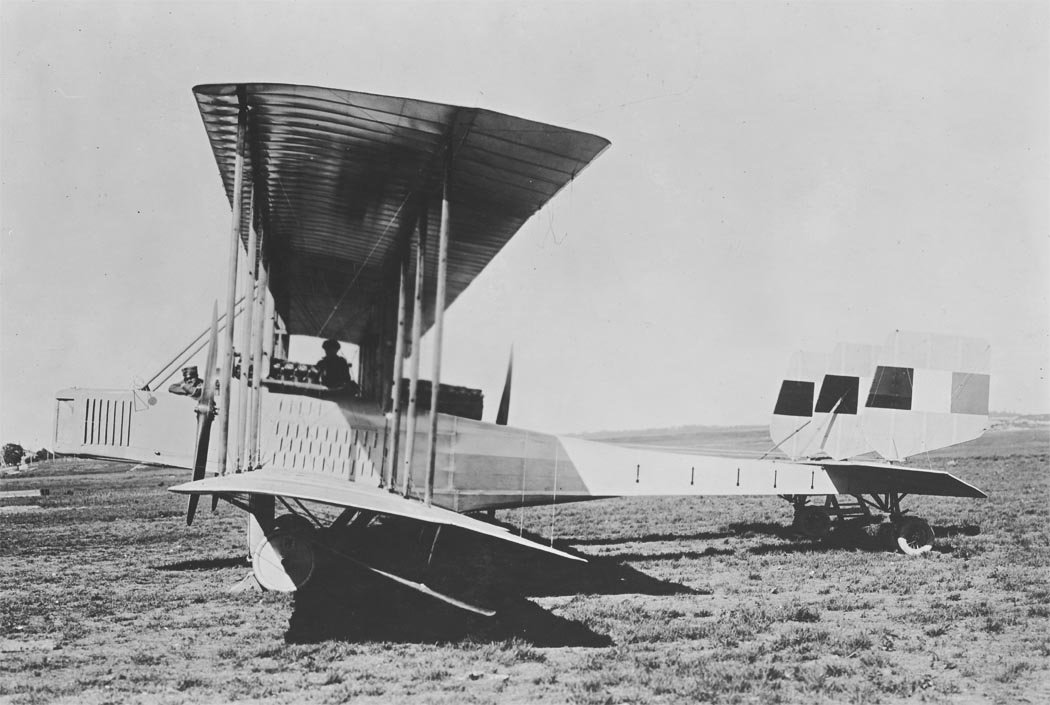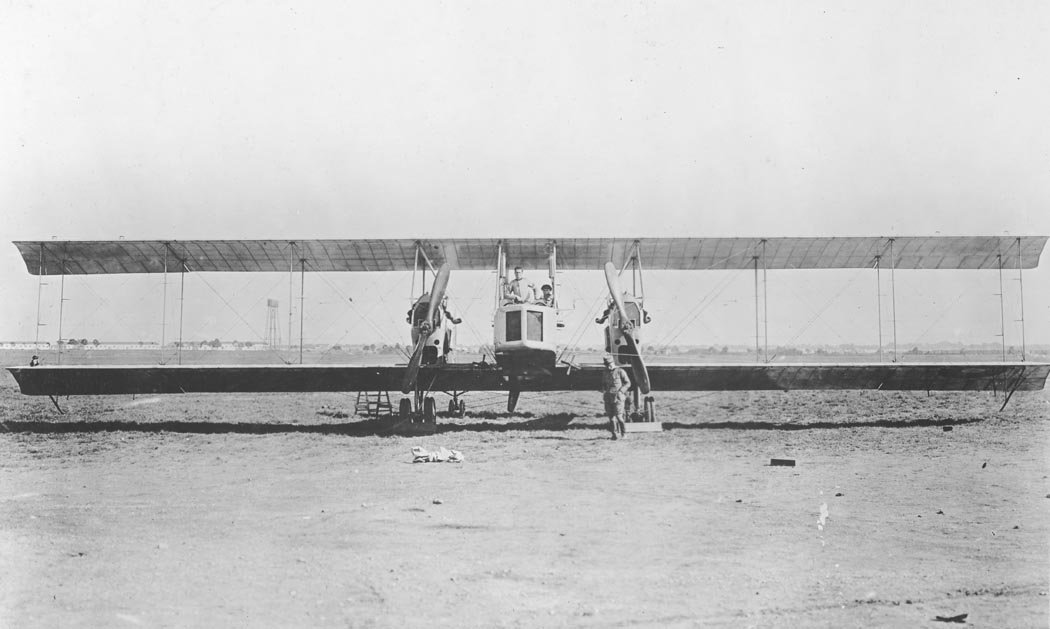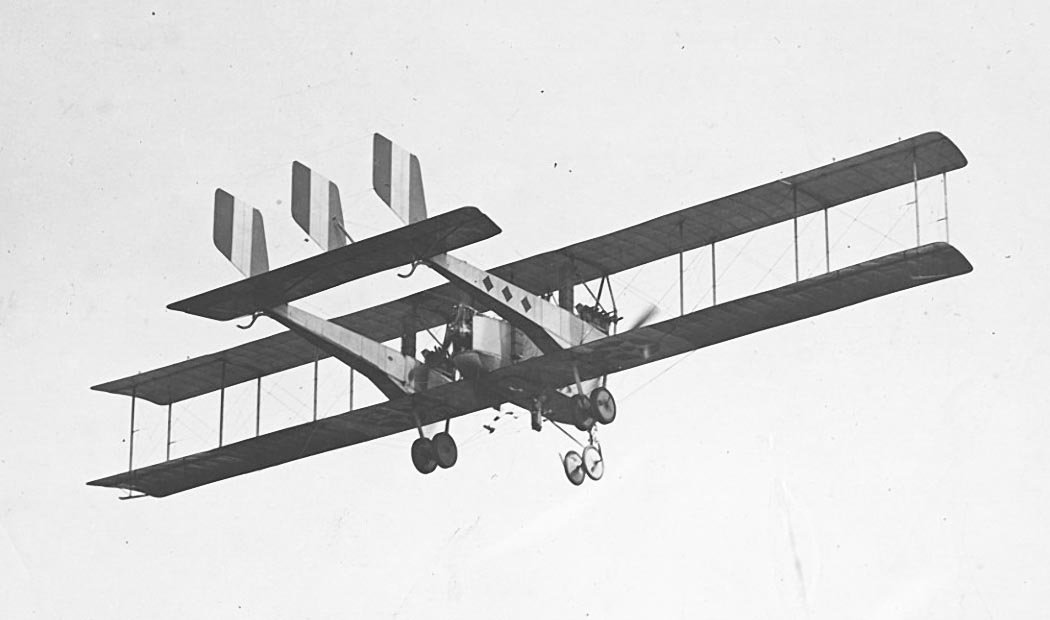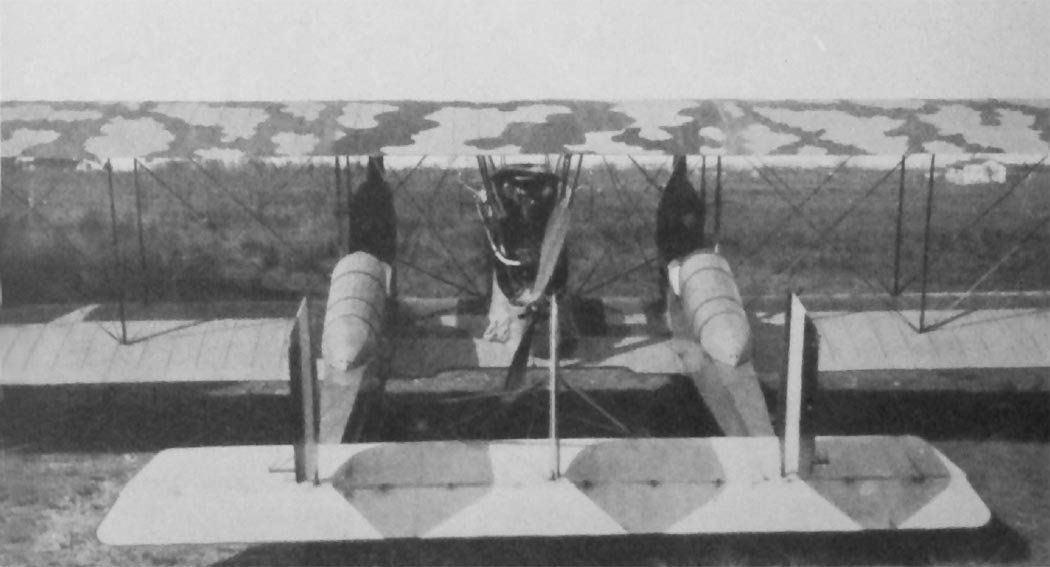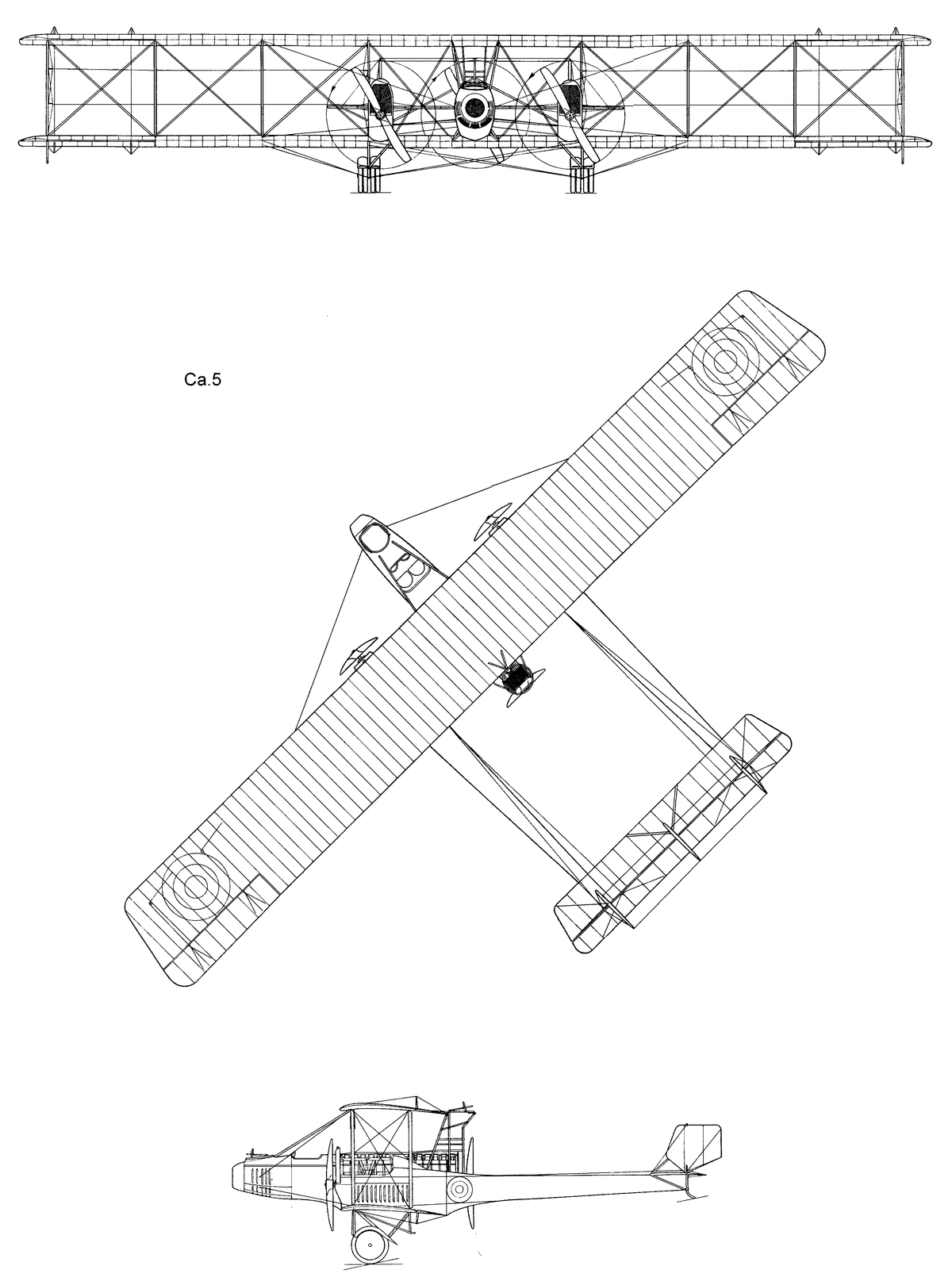
By 1917, the “Caproni” firm concluded that the performance of its Ca.3 biplane and Ca.4 triplane bombers was insufficient for successful penetration into enemy airspace, which was defended by modern fighters. This led to the development of a new biplane bomber.
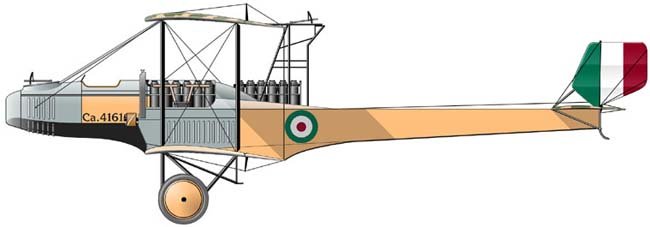
Designated by the manufacturer as Caproni 600 hp or 600/900 hp (Ca 44), it was known to the Italian military by the index Ca.5. It was built in two sub-modifications: Caproni 750 hp (or 600/750 hp, Ca 45) and Caproni 900/1200 hp (Ca 46). A total of 659 aircraft of these models were produced from 1918 to 1921.
Development and Design
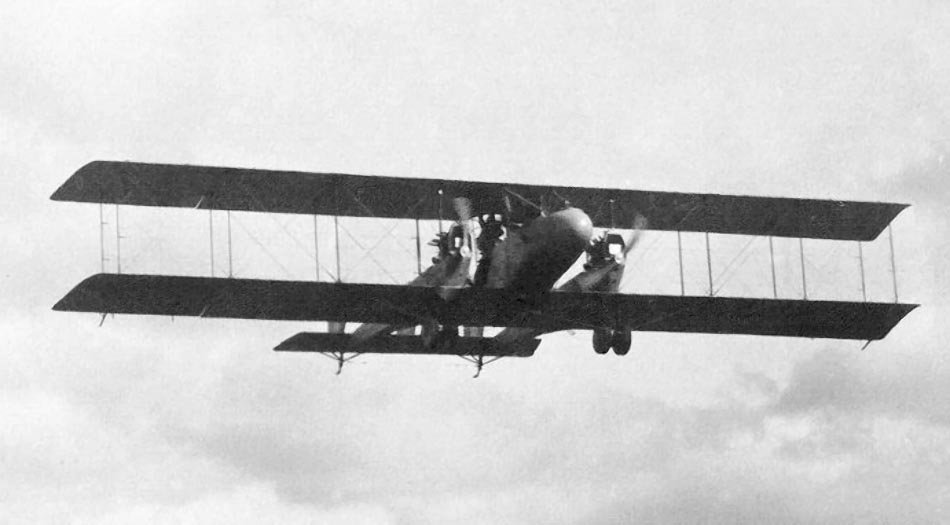
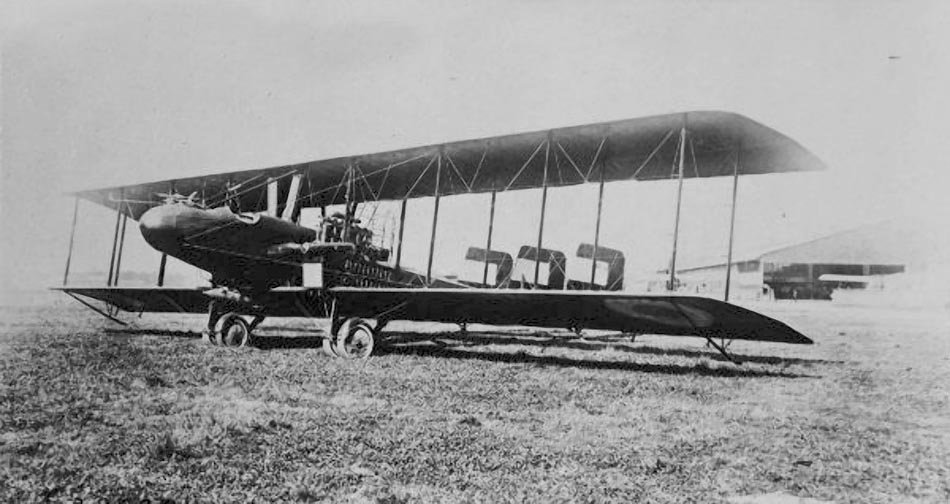
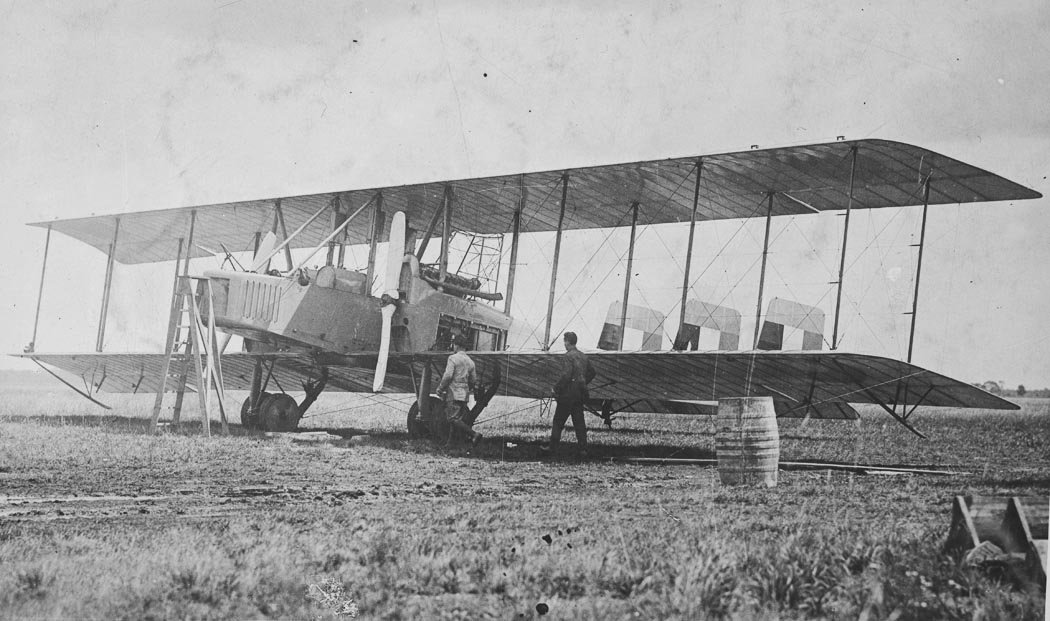
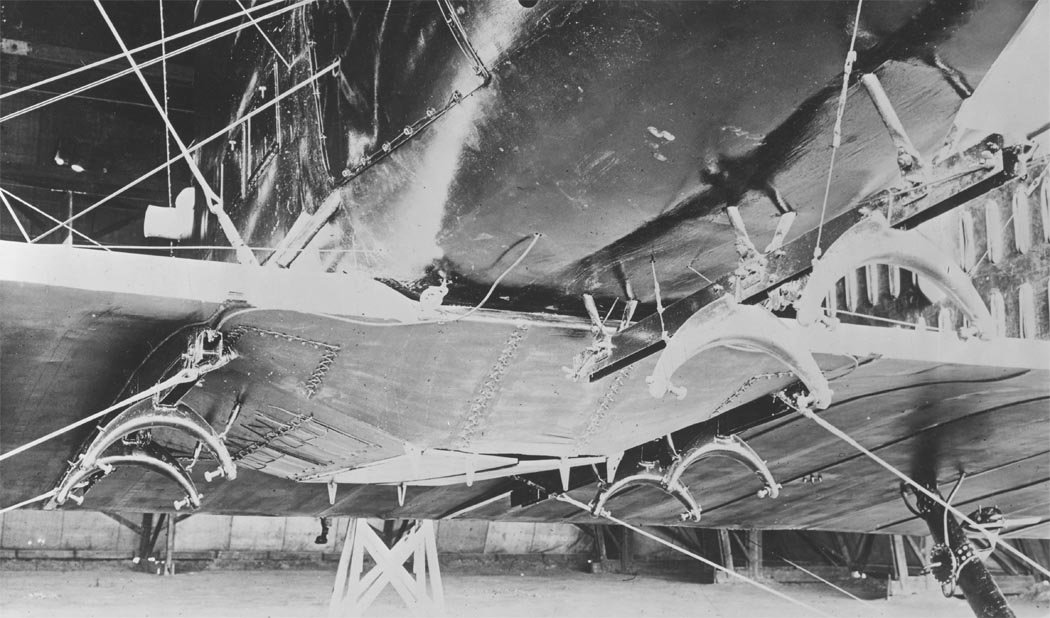
Conceptually, the Caproni 600 hp was a modified Caproni 450 hp (Ca 3), featuring an enhanced power plant, new wings, a more aerodynamic central nacelle, and a redesigned landing gear. The prototype Caproni 600 hp first flew in the second half of 1917.
It was initially powered by three 200 hp (149 kW) Fiat A.12 inline engines, later replaced by three improved 250 hp (186 kW) A.12 engines.
Production and Wartime Service
A massive order for 3900 aircraft was placed, later reduced to 3650, with one-third intended for service in France. However, significantly fewer were built due to the war’s end.
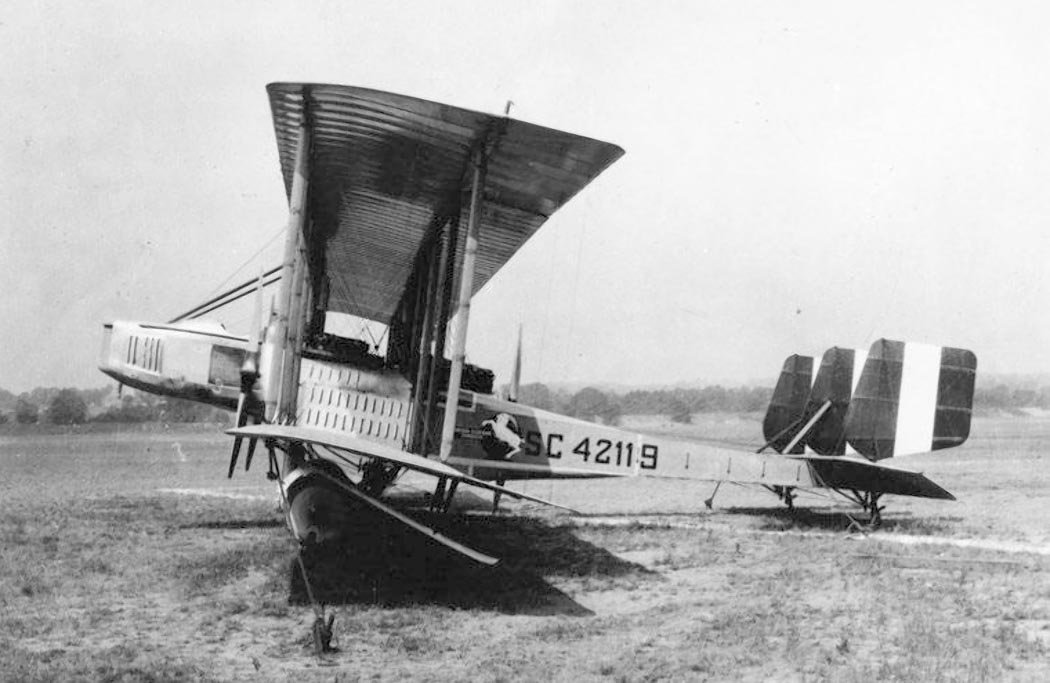
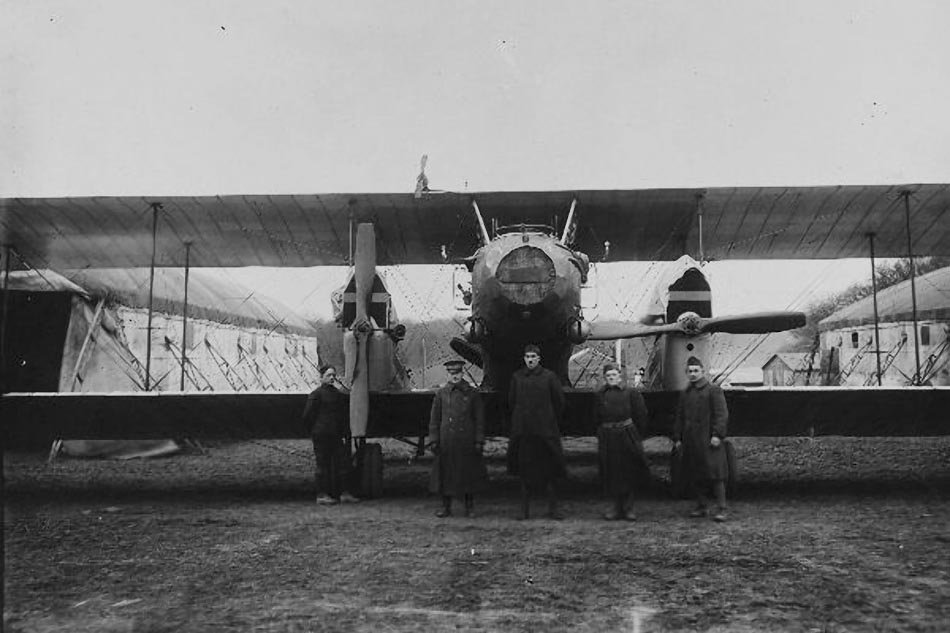
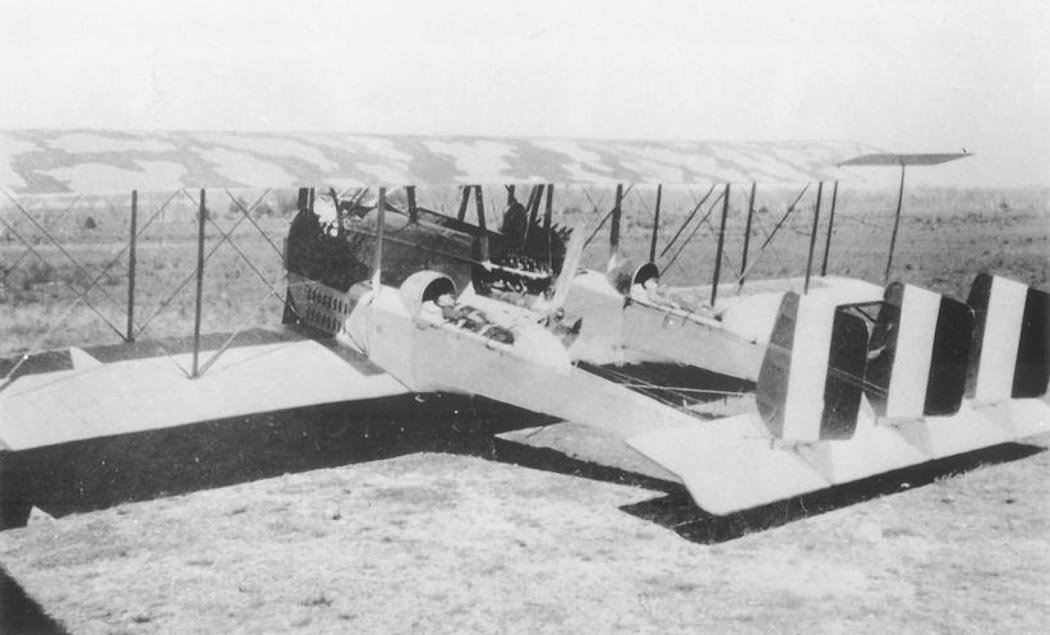
For the planned production of another 1500 aircraft for the USA, two French and two American firms were enlisted. Yet, the end of the war led to a radical reduction in all orders. In fact, no French aircraft were made, and only three American ones were produced (two Ca 44s by “Standard” and one Ca 46 by “Fisher”). Only Italian-made Ca.5s were used in combat by the French, Americans, and Italians.
The Ca 44 was equipped with three A.12 or A.12bis engines, delivering 250 or 300 hp (186 or 224 kW). This was the main production model in 1917.
The Ca 44 was later converted into the Ca 45 variant, chosen by France, featuring three 250 hp (186 kW) Isotta-Fraschini engines. The Ca 46, developed in 1918, offered reduced range but increased maximum bomb load thanks to a power plant of three 360 hp (269 kW) Liberty 12 V-type piston engines.
Post-War Conversions
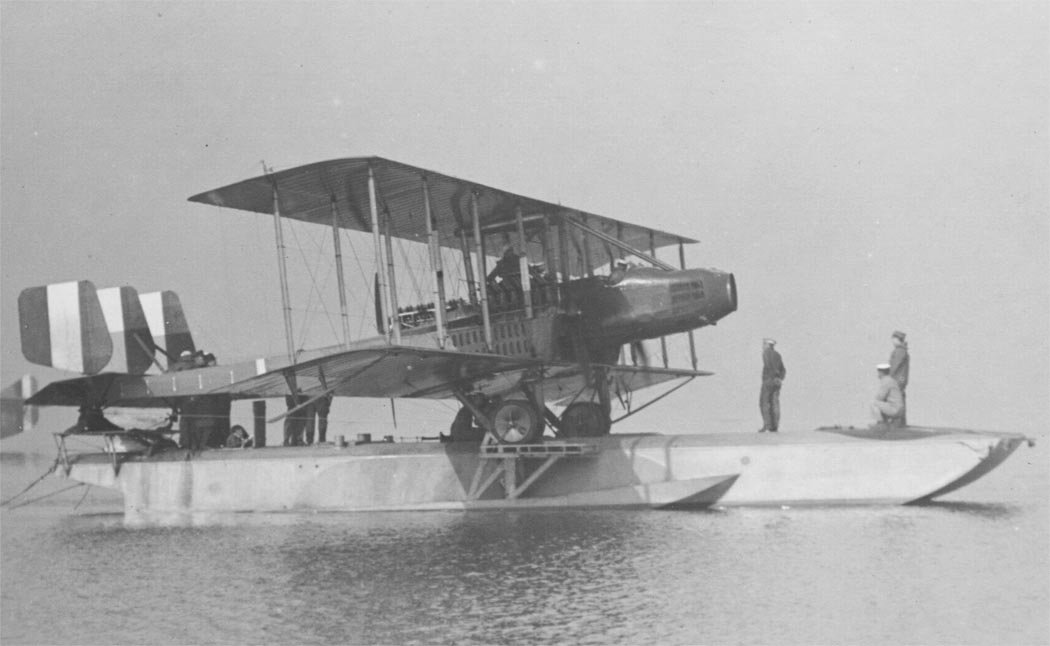
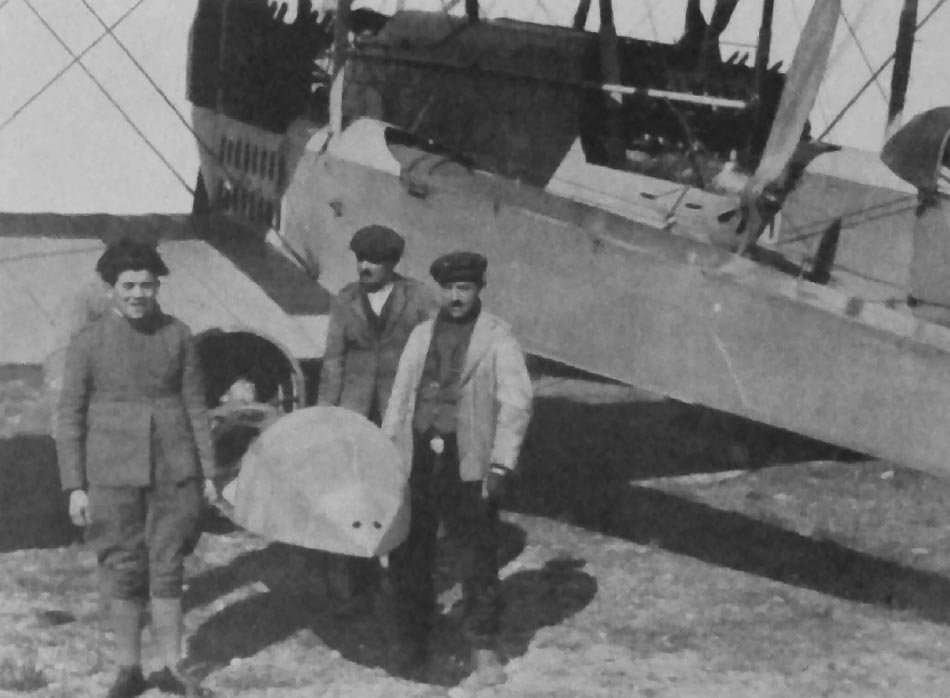
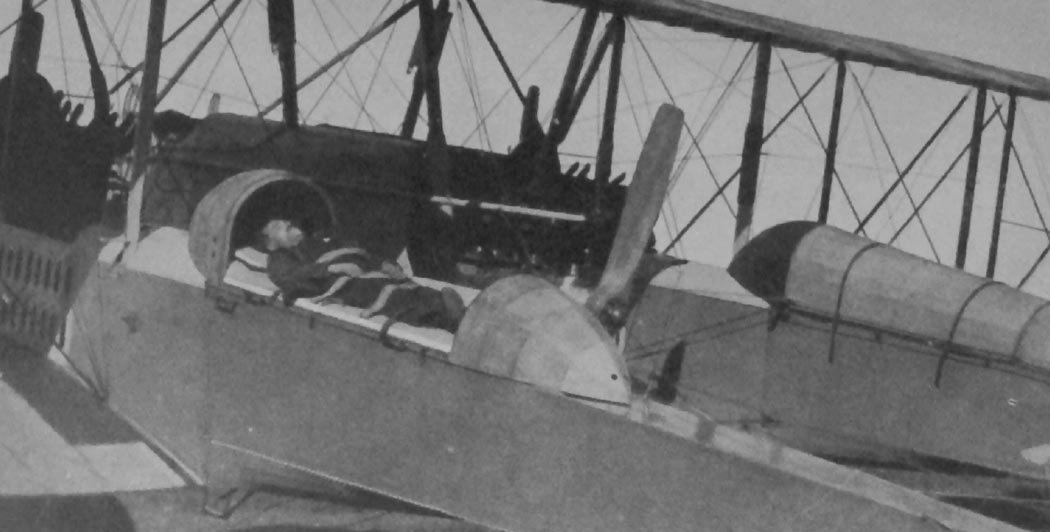
Several Ca 44 bombers were converted into Ca 50 ambulance aircraft, equipped with facilities for stretchers in streamlined containers under the fuselages. After the World War, several Ca 44 and Ca 45 aircraft were reconfigured into Ca 57 passenger planes (also known as Breda M-1) with cabins for eight passengers.
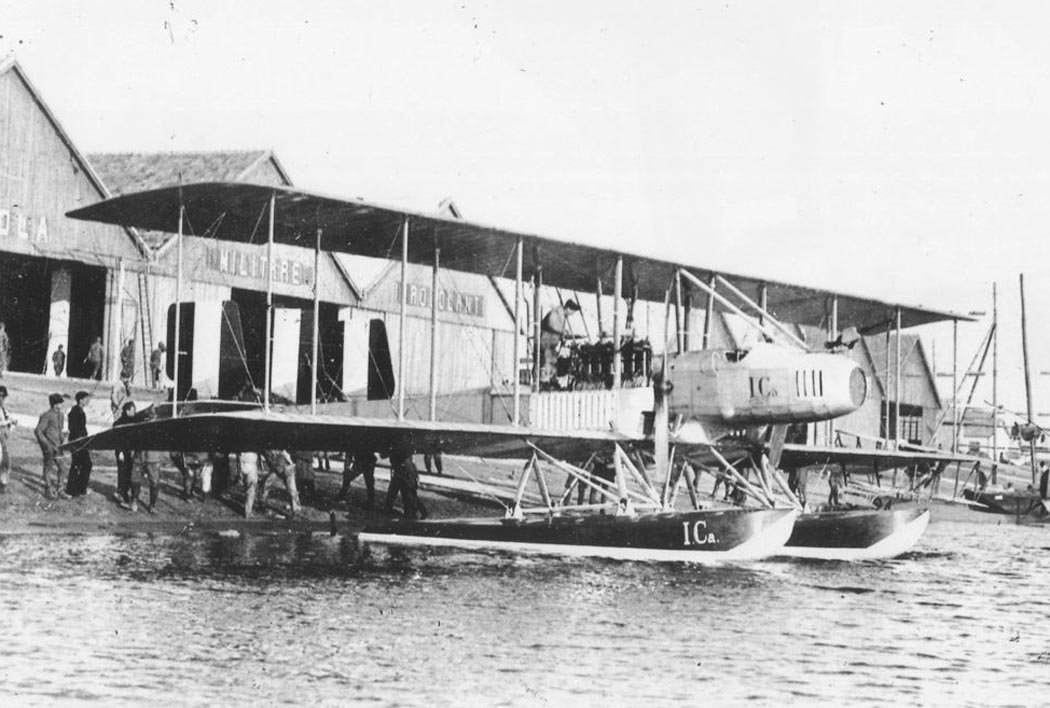
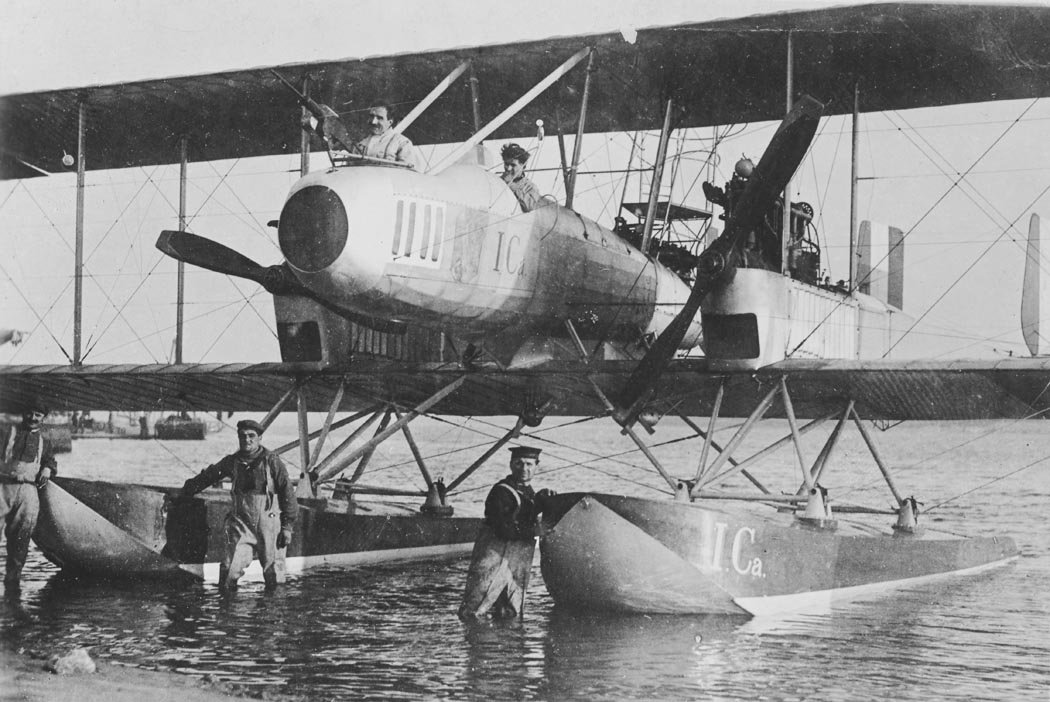
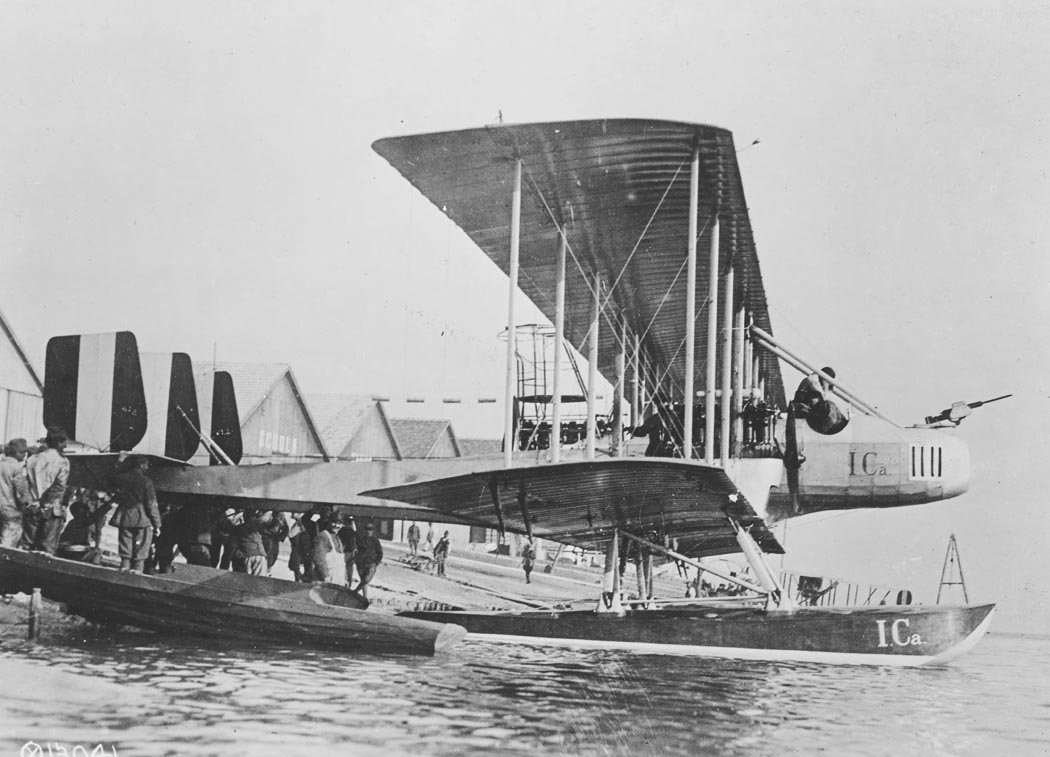
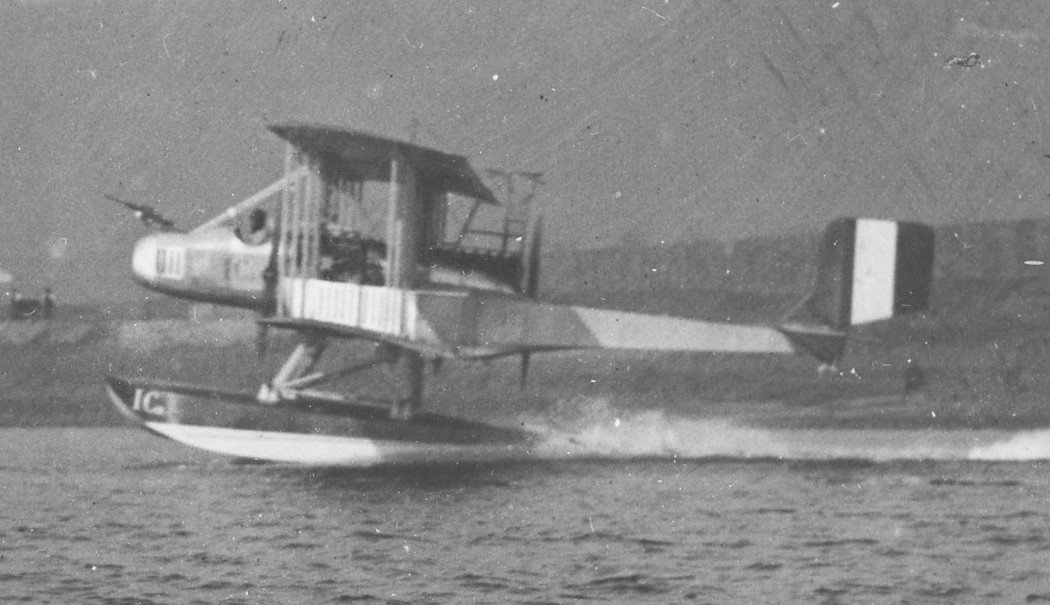
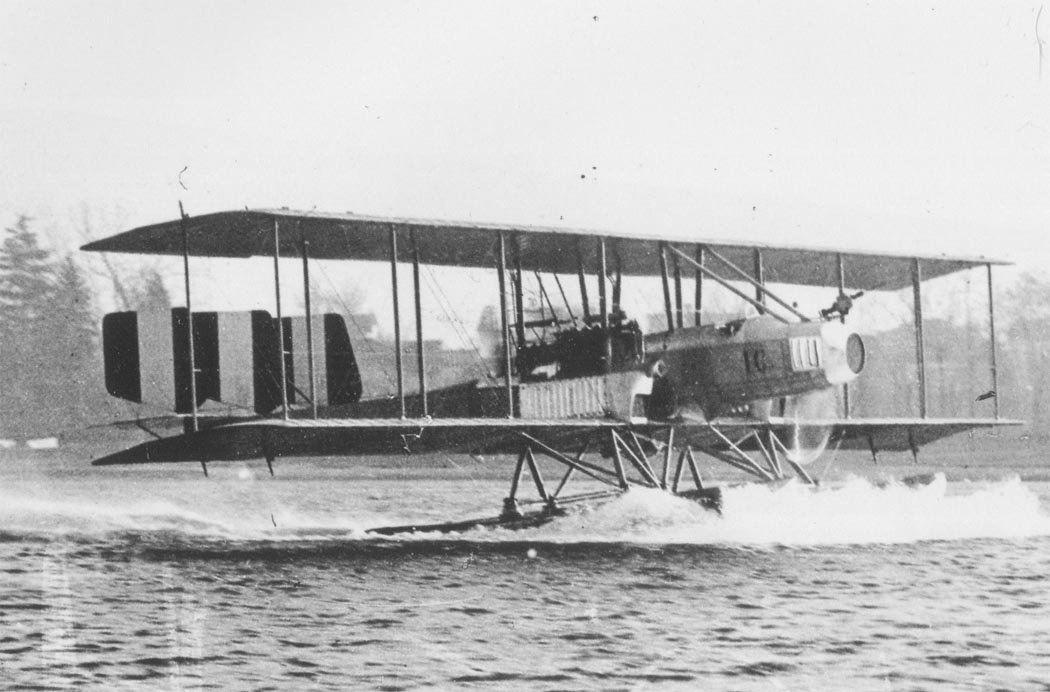
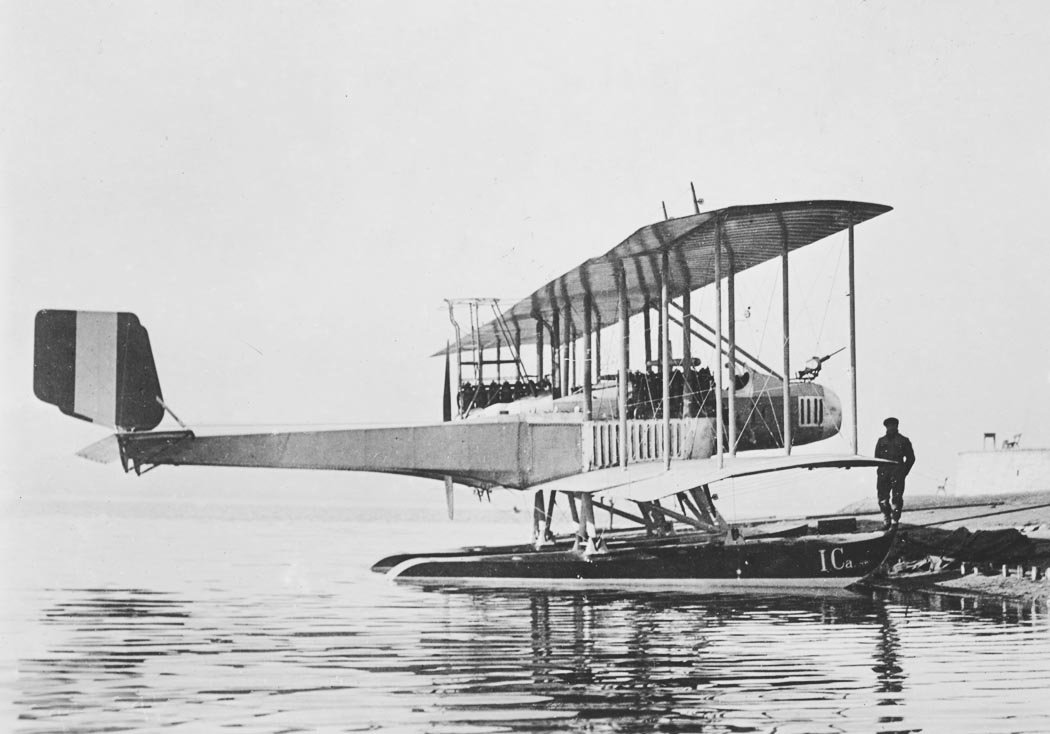
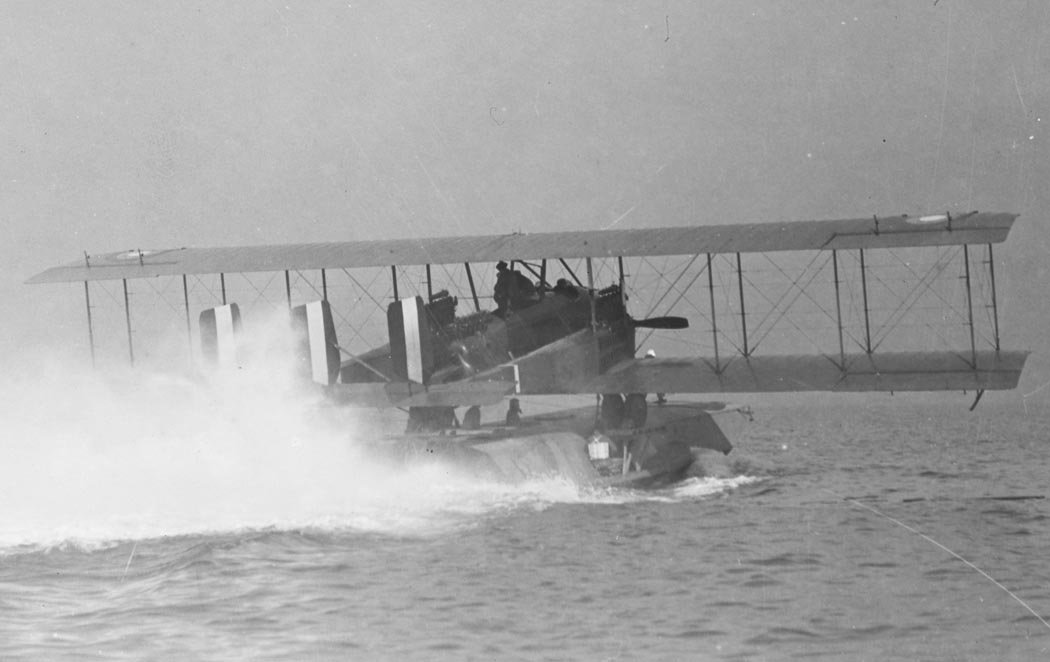
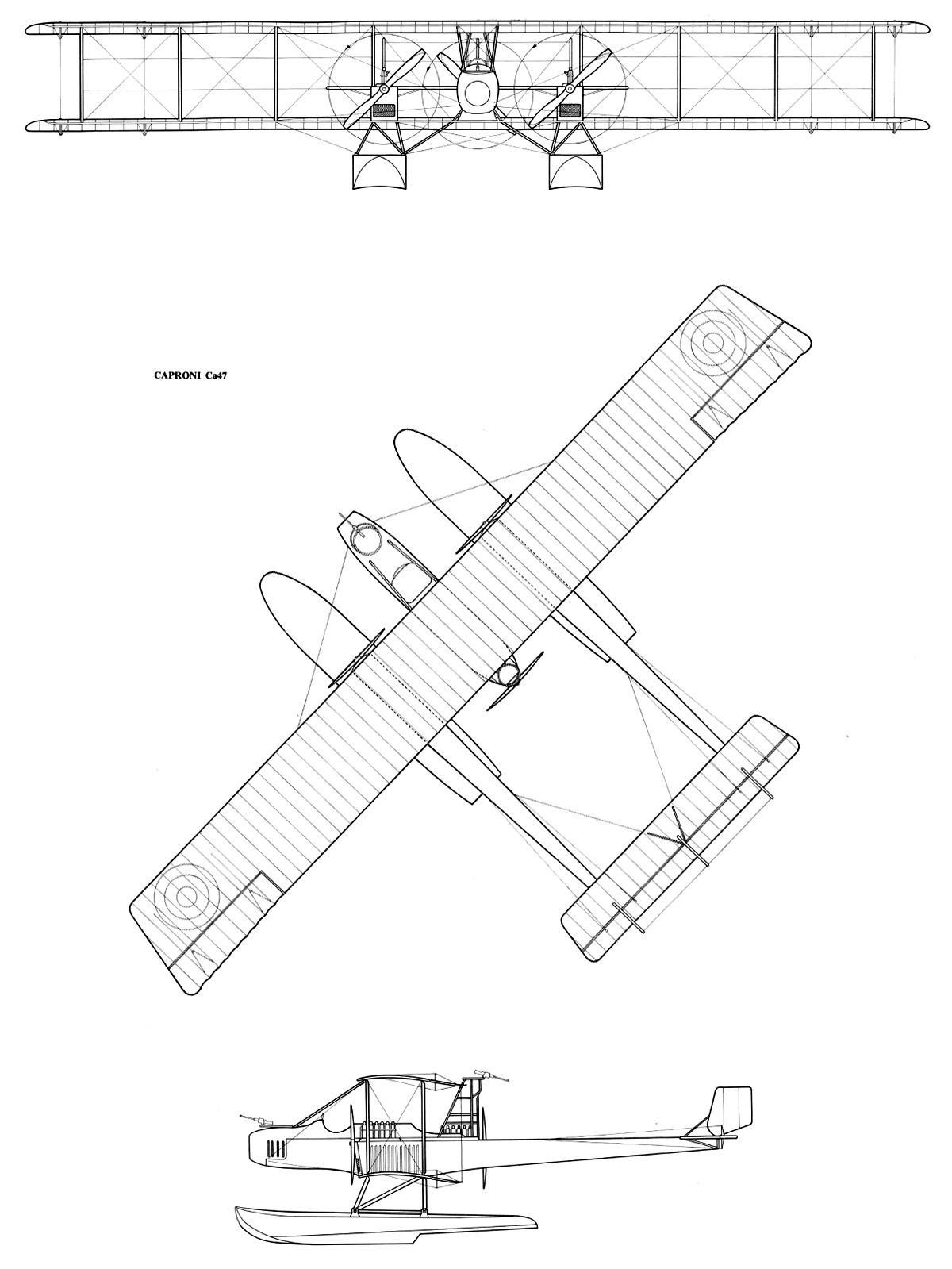
Another 10 Ca 44s were converted into I.Ca seaplanes, also known by the designation Ca 47.
Technical Specifications
| Modification | Ca.5 |
| Wingspan, m | 22.76 |
| Length, m | 10.80 |
| Height, m | 3.80 |
| Empty weight | 2450 |
| Normal takeoff weight | 3870 |
| Engine type | 3 Piston engine Fiat A.12 |
| Power, hp | 3 x 250 |
| Maximum speed, km/h | 146 |
| Cruising speed, km/h | 121 |
| Practical range, km | 650 |
| Maximum rate of climb, m/min | 114 |
| Practical ceiling, m | 4000 |
| Crew, crew members | 4 |
| Armament | four 6.5-mm Fiat Revelli machine guns, bomb load – up to 800 kg |
Image gallery of the Caproni Ca.5