Skip to content
archivoaereo.com

archivoaereo.com

  • Military Aviation
    • World War I
      • WWI Attack Aircraft
      • WWI Bombers
      • WWI Fighters
      • WWI Flying Boats
      • WWI Reconnaissance
    • World War II
      • WWII Attack Aircraft
      • WWII Bombers
      • WWII Fighters
      • WWII Flying Boats
      • WWII Military Transport
      • WWII Reconnaissance
    • Cold War
      • Cold War Fighters
    • Modern
      • Modern Fighters
      • Modern Maritime Patrol
      • Modern Military Transport
  • Civil & Commercial Aviation
    • Classic Airliners
    • Modern Airliners
    • Classic Regional Airliners
    • Modern Regional Airliners
    • Pioneer Light Aircraft
    • Classic Light Aircraft
    • Modern Light Aircraft
    • Agricultural Aircraft
    • Racing Aircraft
  • Helicopters
    • Cargo & Heavy Helicopters
    • Light & Observation Helicopters
    • Pioneer Helicopters
    • SAR Helicopters (Rescue)
    • Utility Helicopters
  • Technology
    • Weapons & Technology
    • Drones & UAVs
    • Experimental Aircraft
  • History
    • History & Battles
  • Toggle search form

CAMS 46

Posted on May 11, 2026 By

Table of Contents

Toggle
    • Development and Innovative Design
    • Features and Variants
    • Operational History
    • Technical Specifications
  • Image gallery of the CAMS 46

Development and Innovative Design

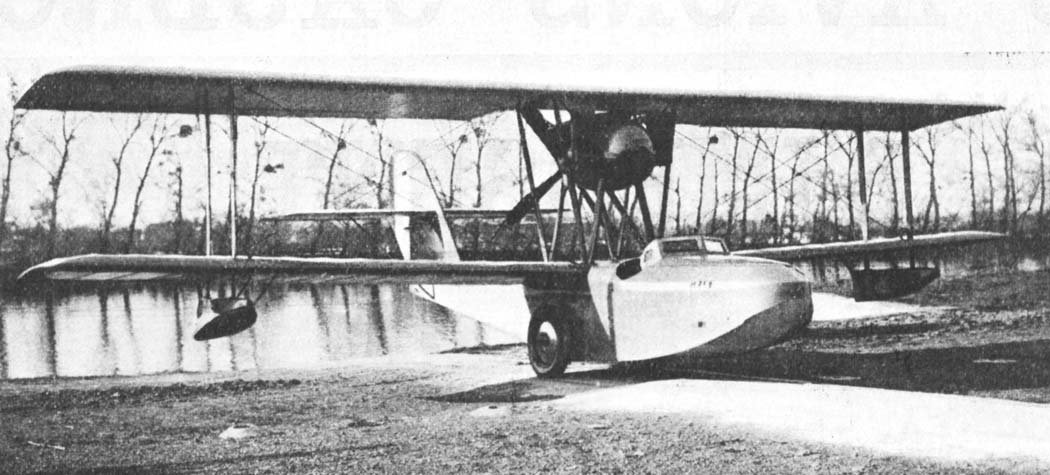
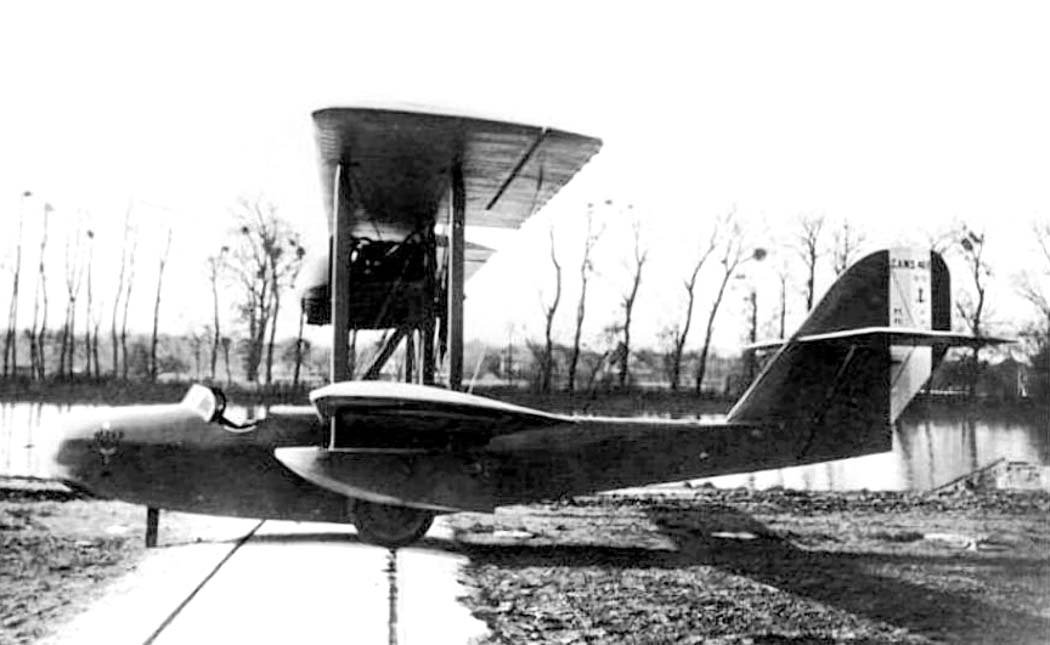
The two-seat CAMS 46 training flying boat was developed in 1926 by Chantiers Aeromaritimes de la Seine (CAMS). This model represented an evolution of the CAMS 30 flying boat, distinguished by significant improvements in its design. The CAMS 46ET, intended for basic flight training, featured slightly reduced dimensions and a more powerful V-type Hispano-Suiza 8Ab engine of 180 hp.

The CAMS 46E variant, designed for initial flight training, was equipped with a Hispano-Suiza 8Aa engine producing 150 hp (112 kW). Overall, the CAMS 46’s structure was aerodynamically cleaner than that of its predecessor, the CAMS 30. It incorporated a larger and more rounded fin and rudder, enhancing its aerial performance.

Features and Variants

Both models featured a common dual-control cockpit where the student and instructor sat side-by-side, facilitating instruction. The CAMS 46ET version was distinguished by being equipped with two radiators, strategically located on the sides of the engine nacelle, optimizing the aircraft’s cooling.

The CAMS 46 prototype made its first flight in 1927. Despite its characteristics not being the most outstanding on the market, the Fleet signed a contract for the acquisition of 30 units. These flying boats were intended for naval aviation flight schools and were supplied in two variants: the CAMS 46E for initial training and the CAMS 46ET for transitional training.

Operational History

However, the CAMS 46ETs were quickly replaced by the F.B.A. 17 HE2 models, which were considered more advanced and reliable. Despite this change, a squadron of these CAMS 46 flying boats remained in service for many years. Stationed at the Ortin training base, they continued to play a role in the training of naval pilots.

Technical Specifications

Modification CAMS 46ET
Wingspan, m 12.00
Length, m 9.07
Height, m 2.97
Wing area, m2 37.00
Empty weight 978
Maximum takeoff weight 1 350
Engine type 1 Piston engine Hispano-Suiza 8A b
Power, hp 1 x 180
Maximum speed, km/h 160
Cruising speed, km/h 130
Practical range, km 400
Crew, crew 2

Image gallery of the CAMS 46

How to cite this article:

APA: CAMS 46 (). CAMS 46. archivoaereo.com. https://archivoaereo.com/en/cams-46-3/
VANCOUVER: CAMS 46 [online]. archivoaereo.com; [cited 2026-05-16]. Available at: https://archivoaereo.com/en/cams-46-3/
Developed by Agatha Press
Spread the love
WWI Flying Boats Tags:Chantiers Aeromaritimes de la Seine (CAMS), France

Post navigation

Previous Post: Caproni Ca.60 Transaero
Next Post: Ca.4 (1911)
  • Español
  • Agricultural Aircraft
  • Attack Aircraft
  • Aviation Biographies
  • Cargo & Heavy Helicopters
  • Classic Airliners
  • Classic Light Aircraft
  • Classic Regional Airliners
  • Cold War Fighters
  • Drones & UAVs
  • Experimental Aircraft
  • History & Battles
  • Interwar Reconnaissance
  • Light & Observation Helicopters
  • Maritime Patrol
  • Military Trainer Aircraft
  • Military Transport
  • Modern Airliners
  • Modern Cargo Aircraft
  • Modern Fighters
  • Modern Light Aircraft
  • Modern Maritime Patrol
  • Modern Military Transport
  • Modern Regional Airliners
  • Other Aircraft
  • Pioneer Air Transport
  • Pioneer Helicopters
  • Pioneer Light Aircraft
  • Racing Aircraft
  • SAR Helicopters (Rescue)
  • Sin categoría
  • Utility Helicopters
  • Weapons & Technology
  • WWI Attack Aircraft
  • WWI Bombers
  • WWI Fighters
  • WWI Flying Boats
  • WWI Reconnaissance
  • WWII Attack Aircraft
  • WWII Bombers
  • WWII Fighters
  • WWII Flying Boats
  • WWII Military Transport
  • WWII Reconnaissance
CD.1 AérogyreCD.1 AérogyreAdmin
Air Combat in China: Japanese A5M Fighters and Soviet VolunteersAdmin
De Havilland Vampire in Chilean Air Force ServiceDe Havilland Vampire in Chilean Air Force ServiceAdmin

Legal

  • About ArchivoAereo
  • Terms and Conditions
  • Contact Us
  • Privacy Policy

Copyright © 2026 archivoaereo.com.

Powered by PressBook WordPress theme