Despite the prohibition on building military aircraft, German aviation firms continued to develop and produce planes for military needs. Tests for such aircraft were often conducted either under the guise of civilian planes or in neutral countries, most frequently Denmark and Sweden.
The Caspar C.27 Training Seaplane
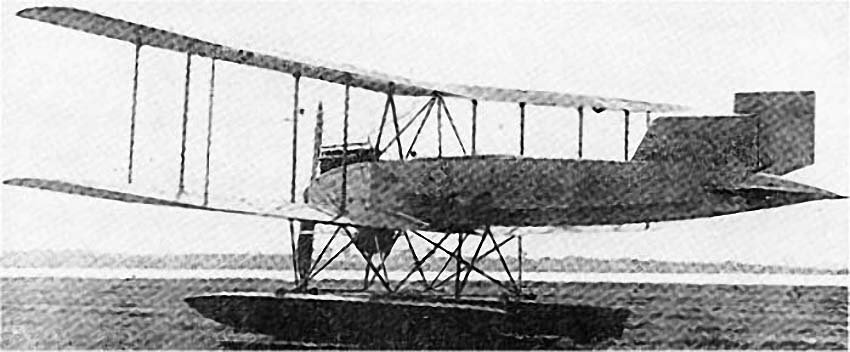
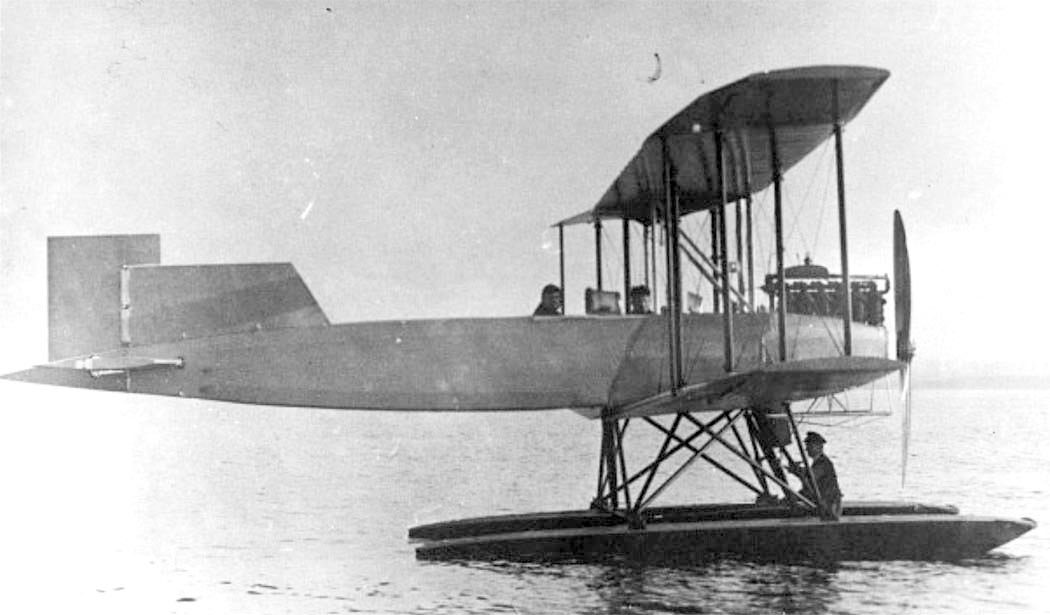
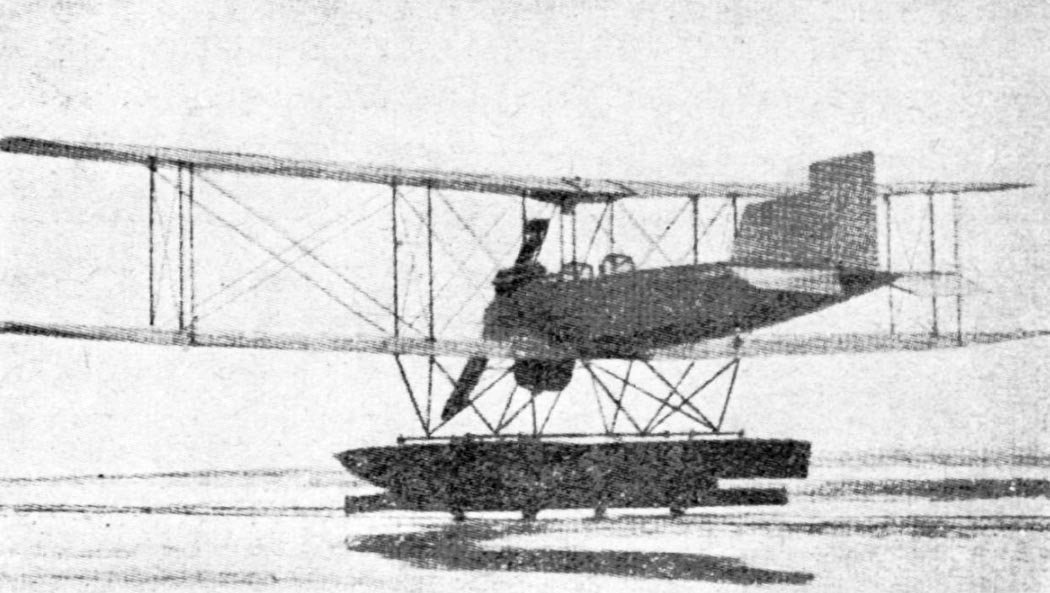
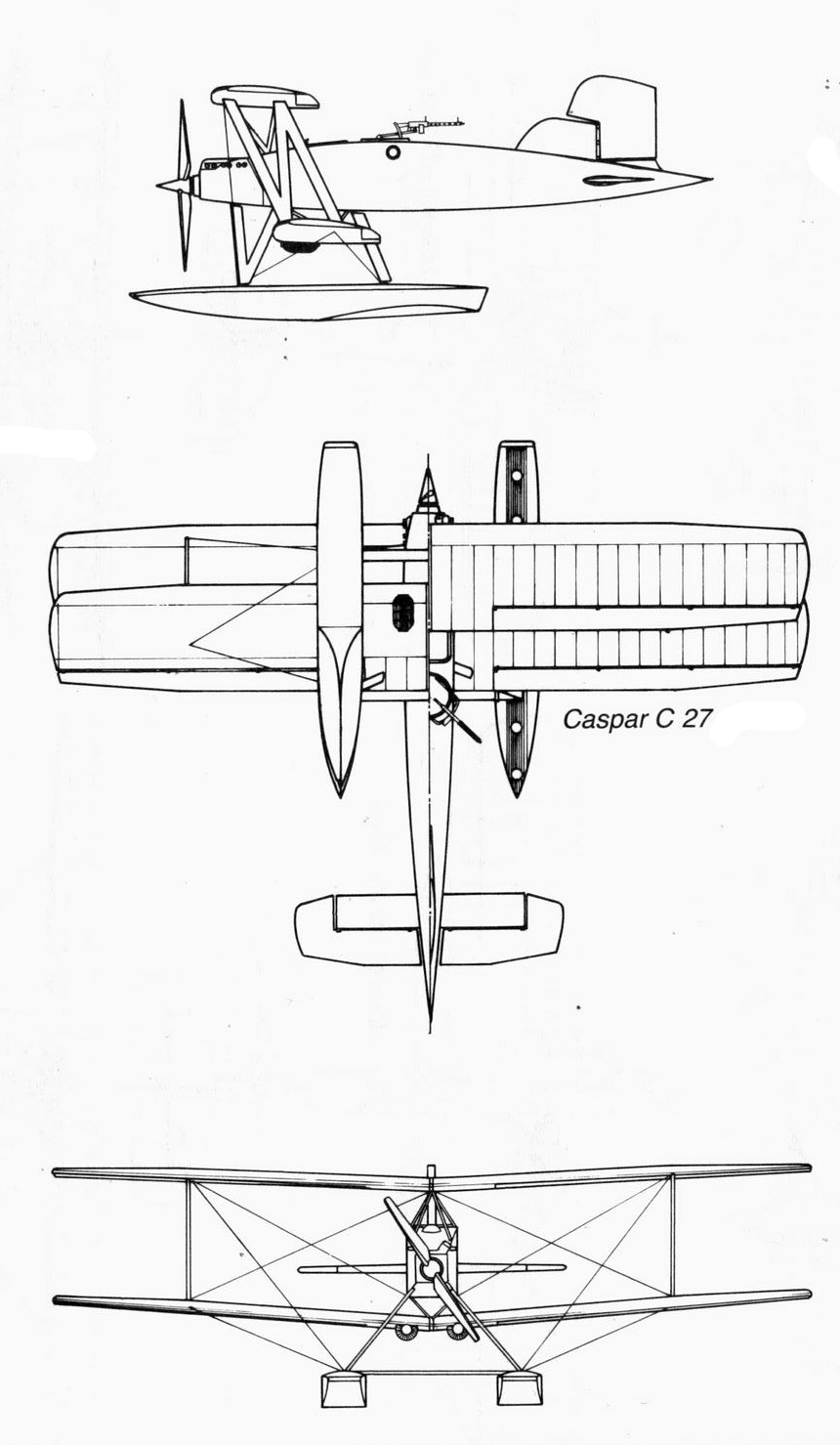
One such aircraft was the C.27 training seaplane, designed and built by Caspar Werke AG in 1926. It was a two-seater biplane, equipped with a 305 hp BMW IVa engine. This development showcased German ingenuity in circumventing post-war restrictions.
Production and Operational History
Two examples of the aircraft were built (Werk. N. 7001 and 7004). The first was shown at the Milan exhibition in 1927, and the following year it was sold to DVS GmbH (Deutsche Verkehrsfliegerschule), where it received the registration number D-1276.
In March 1928, the second example (registered D-1023) was also transferred to DVS. This aircraft was decommissioned in March 1932, concluding its quiet but significant role in Germany’s interwar aviation efforts.
Technical Specifications
| Modification | C.27 |
| Wingspan, m | 15.36 |
| Length, m | 10.25 |
| Height, m | 4.25 |
| Wing area, m2 | 48.60 |
| Empty weight | 1300 |
| Maximum takeoff weight | 1800 |
| Engine type | 1 Piston engine BMW IVa |
| Power, hp | 1 x 305 |
| Maximum speed, km/h | 175 |
| Cruising speed, km/h | 150 |
| Practical range, km | 400 |
| Rate of climb, m/min | 143 |
| Service ceiling, m | 4000 |
| Crew, crew members | 2 |
Image gallery of the Caspar C.27