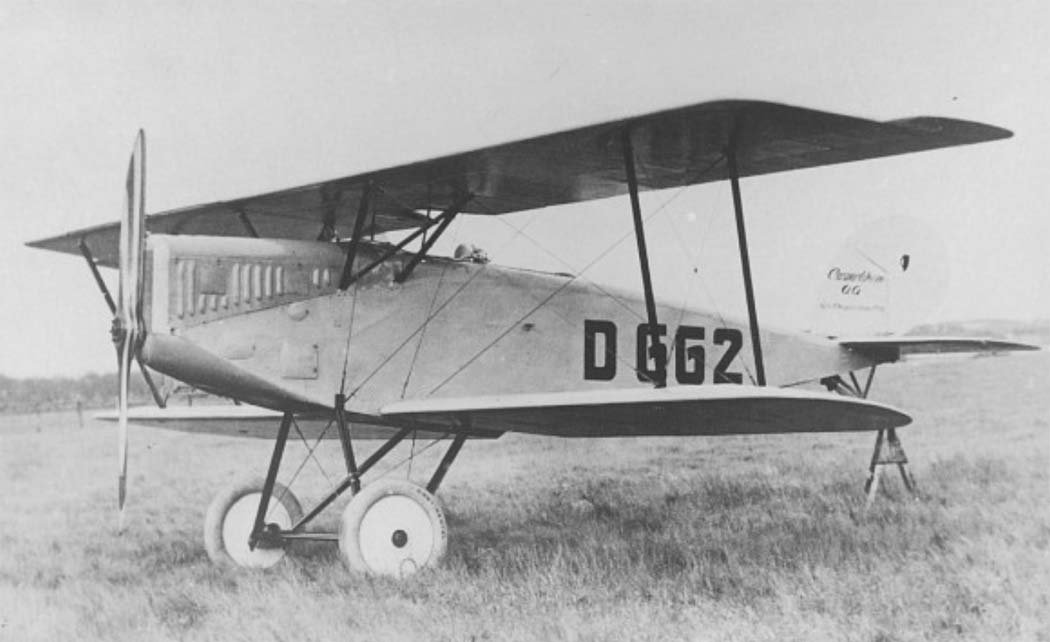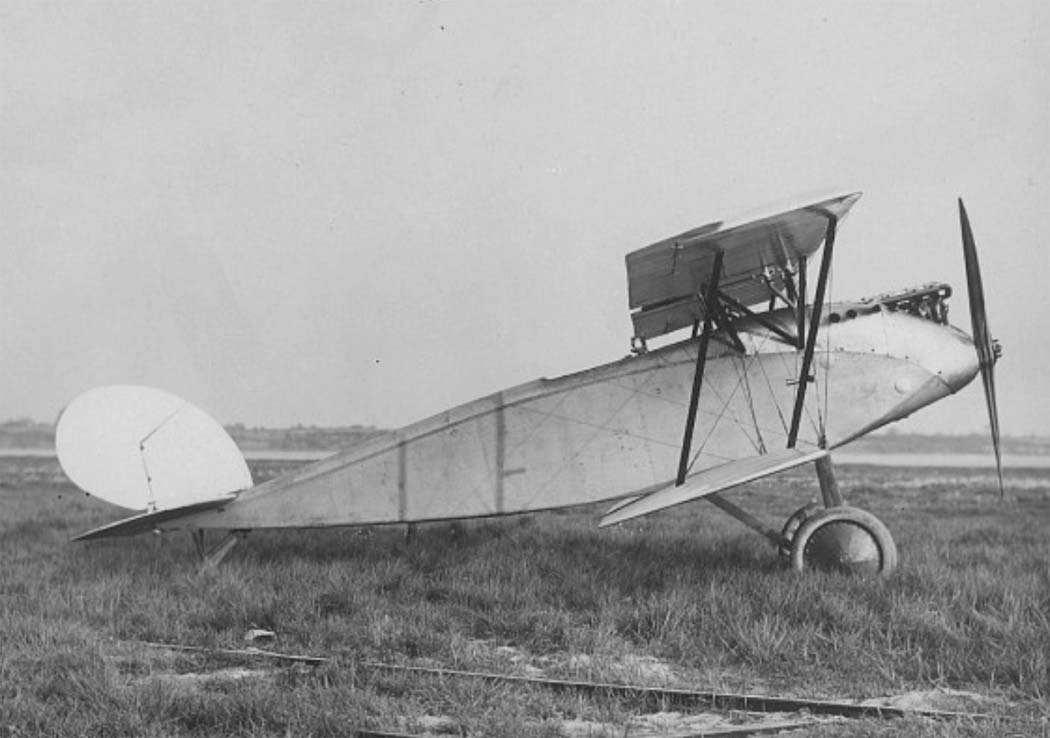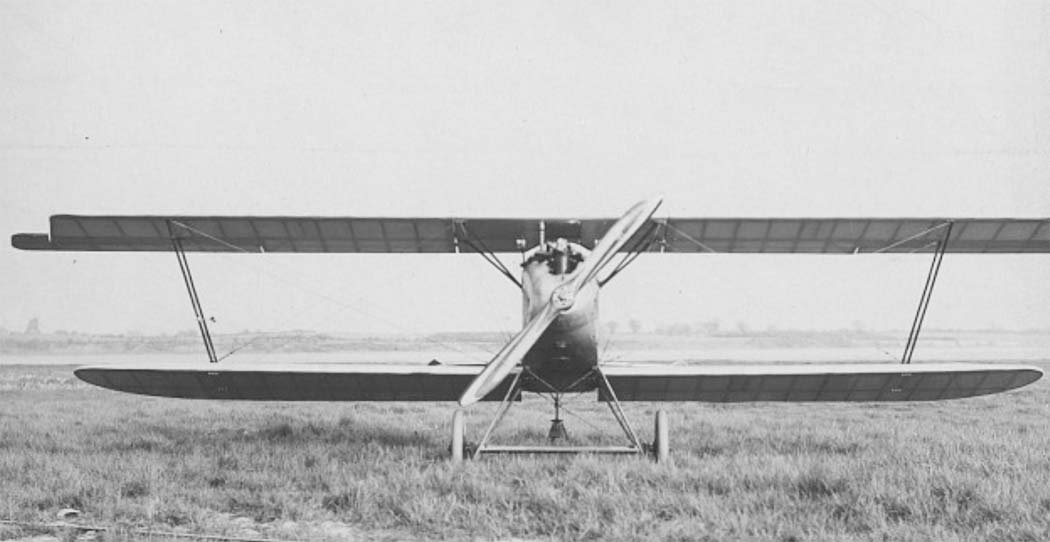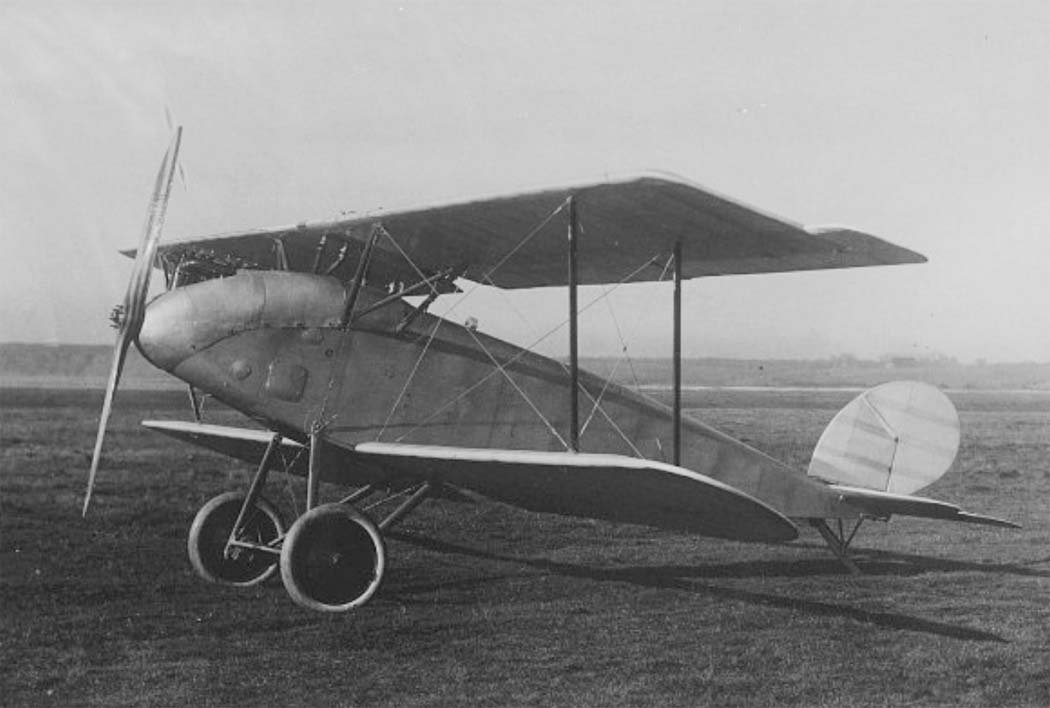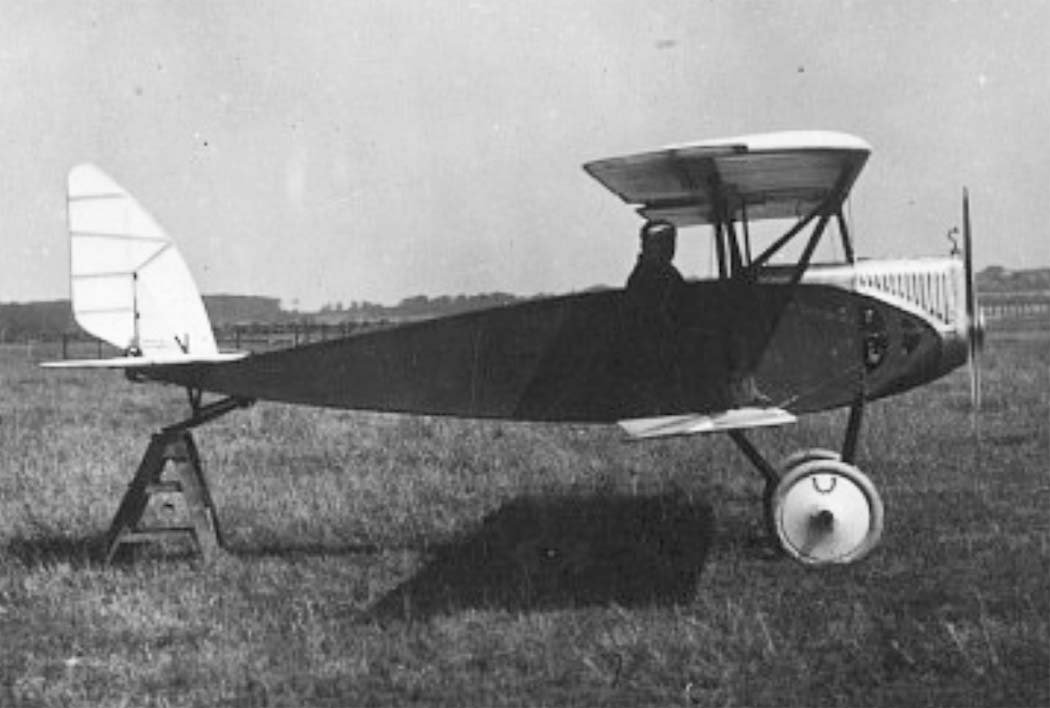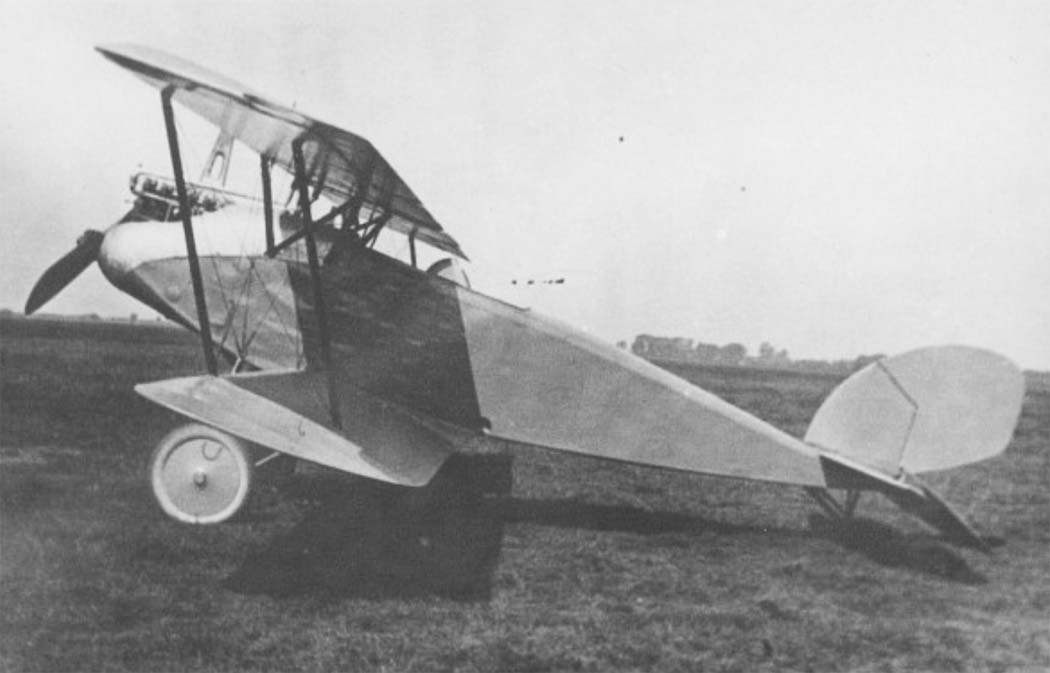
After chief designer Ernst Heinkel left Hanseatische Flugzeugwerke Karl Caspar AG, Karl Theiss took over the position of chief engineer. In 1923, he began designing and building the Caspar-Theiss (CT) series of light aircraft. All aircraft in this series were completed in the same year.
Development and Early Models
The first in the series was the light aircraft CT.1. The sole example of this aircraft (D-662) was a two-seat wooden biplane, equipped with a 100 hp Daimler D.I engine. In 1925, it participated in the Deutschen Rundflug competition.
Subsequently, three very similar CT.2 aircraft (D-673, D-683, D-976) were produced. The last of these was purchased in 1928 by Aero-Express in Leipzig and then resold to DVS. It was decommissioned the following year.
Specific Projects and Engines
To participate in the 1925 Deutschen Rundflug race, a single CT.3 (D-617) was built, featuring a Bolle & Fiedler engine. During testing, engine problems were identified, and the project was cancelled.
At the end of that year, two more aircraft were released: the CT.4 with a Daimler D.II engine and the CT.5 with a Daimler D.I. With these models, the series concluded.
Technical Specifications
| Modification | CT.2 |
| Wingspan, m | 11.50 |
| Length, m | 7.00 |
| Height, m | 2.35 |
| Empty weight | 625 |
| Normal takeoff weight | 860 |
| Engine type | 1 Piston engine Hirth HM 504A |
| Power, hp | 1 x 100 |
| Maximum speed, km/h | 150 |
| Cruising speed, km/h | 135 |
| Service ceiling, m | 4000 |
| Crew | 2 |
Image gallery of the Caspar-Theiss CT Series