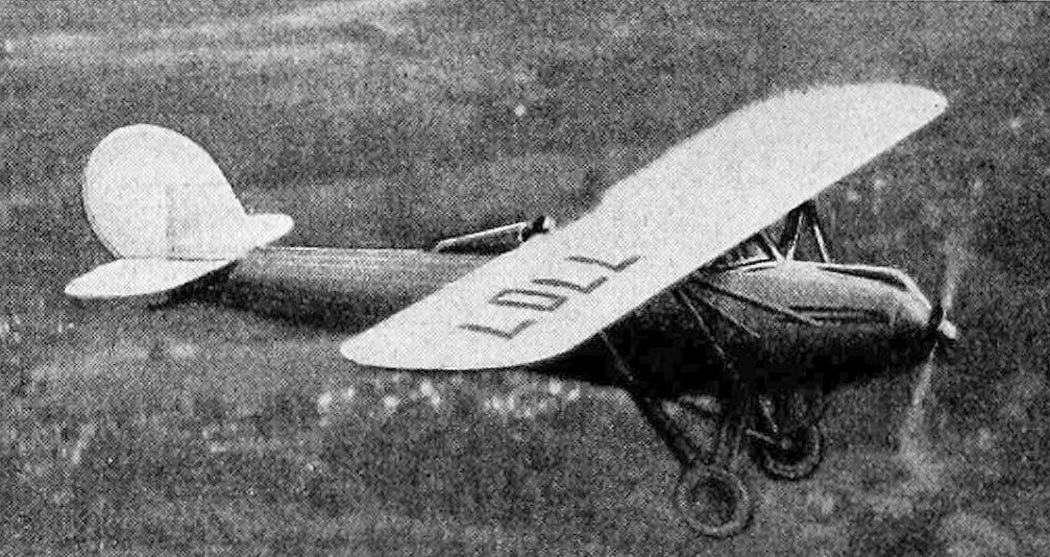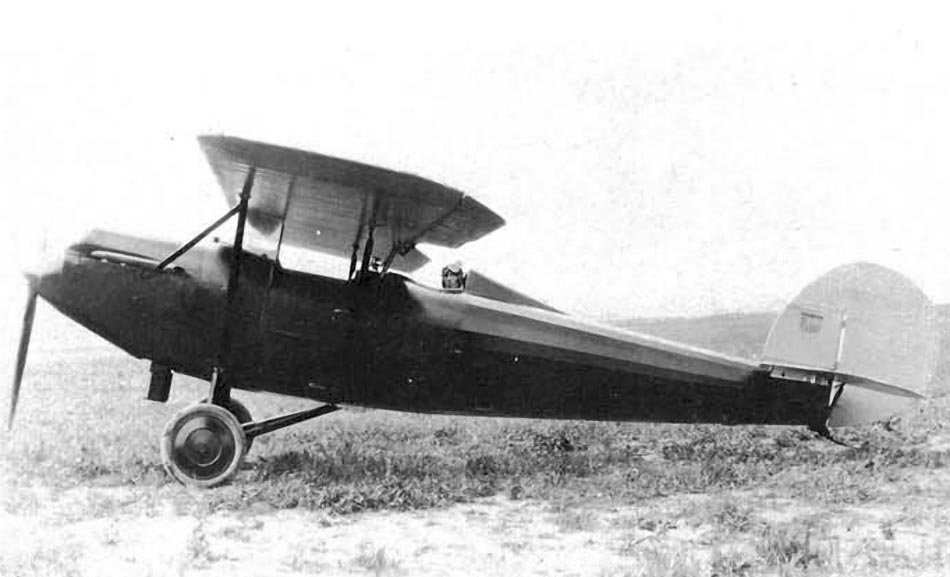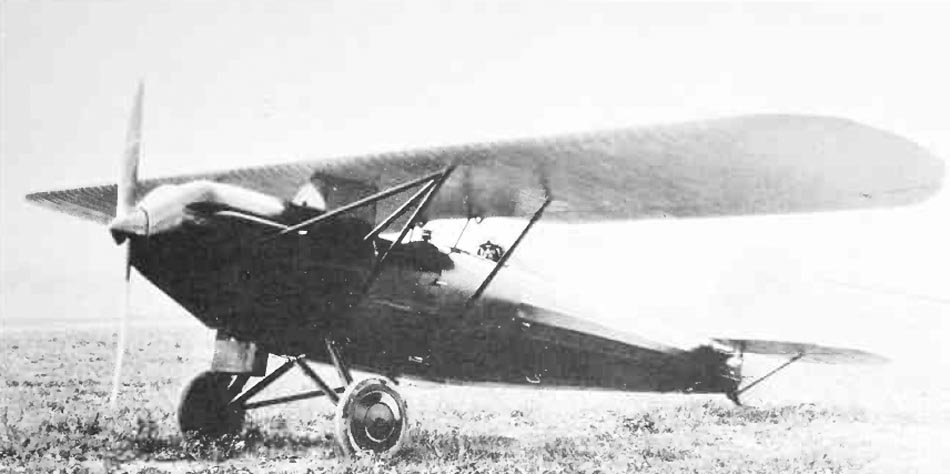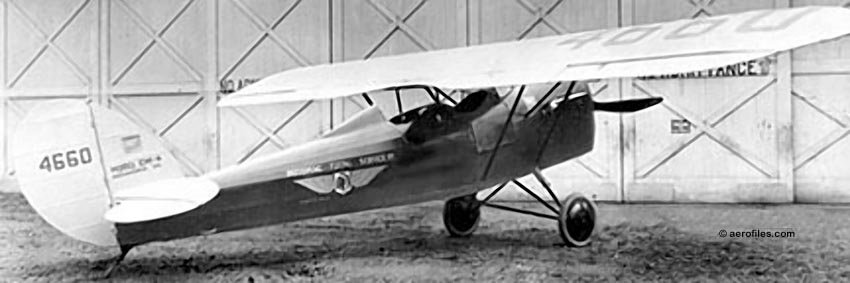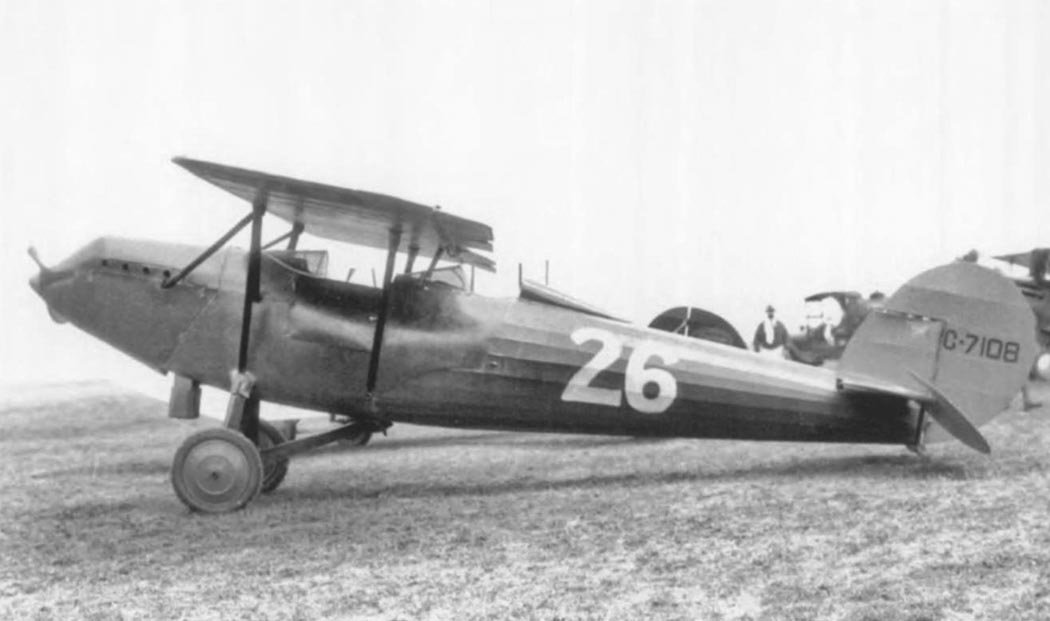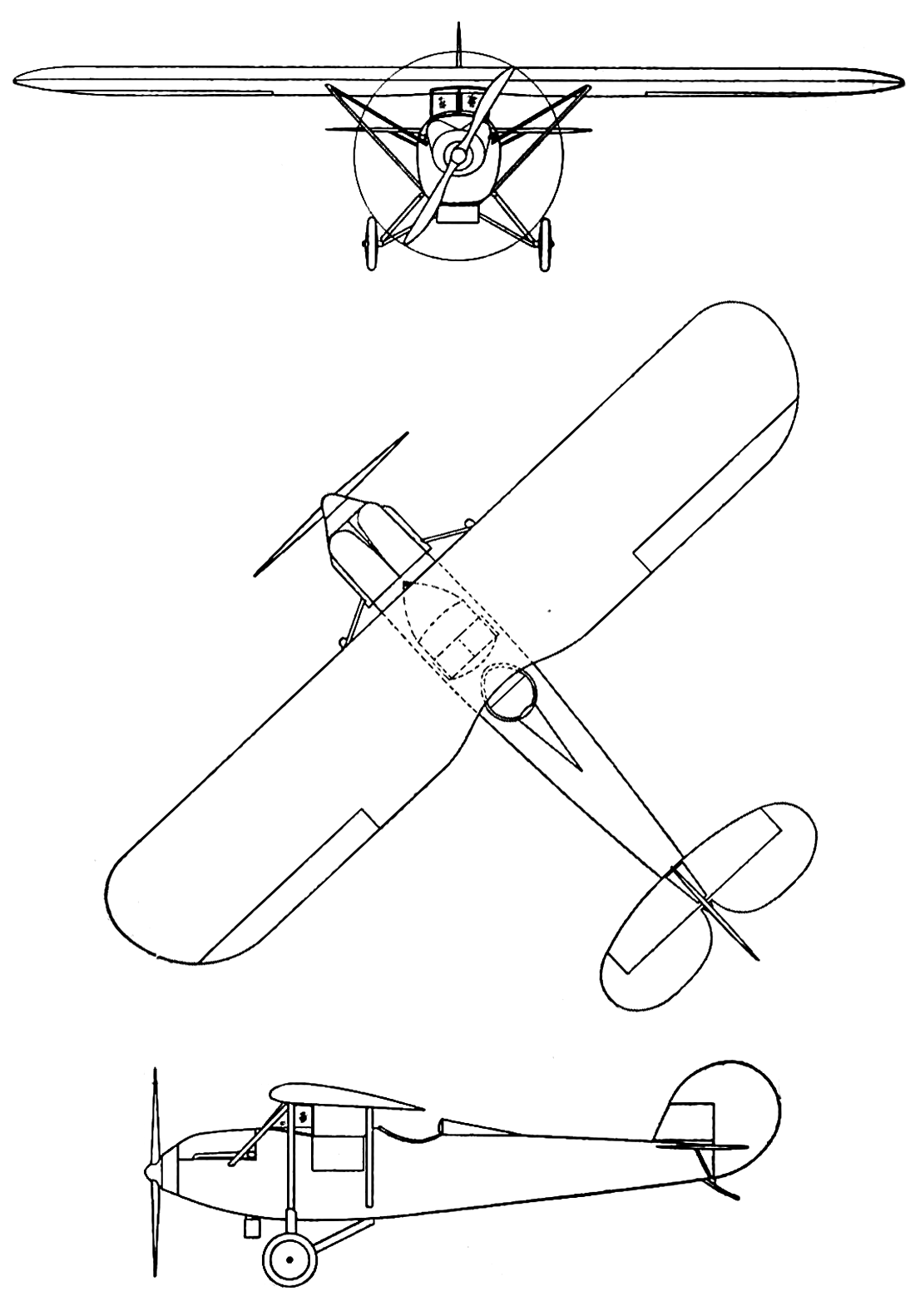
In 1928, Berliner Aircraft Co. built the light aircraft CM-3, equipped with an experimental 100 hp Curtiss OXX-2 engine. This machine served as the prototype for the more successful CM-4, developed by Henry Berliner.
Initial Development and Design
The CM-4, also built in 1928, was a three-seater, strut-braced high-wing monoplane of the “parasol” type. It was powered by a 90 hp Curtiss OX-5 engine.
This aircraft became the first “parasol” wing aircraft to receive an ATC (Air Transport Certificate), marking a significant milestone in civil aviation.
Variants and Production
A total of six such aircraft were built. In 1929, a single CM-4B was released, featuring a 110 hp Warner Scarab engine. Before the formation of Berliner-Joyce Aircraft Co. in 1929, experimental CM-5W models with a Wright J-5 engine and the CM-6 Dragon, equipped with a Warner Scarab, were also produced.
Technical Specifications
| Modification | CM -4 |
| Wingspan, m | 10.97 |
| Aircraft length, m | 7.87 |
| Aircraft height, m | 2.44 |
| Wing area, m2 | 20.35 |
| Empty weight | 635 |
| Maximum takeoff weight | 1043 |
| Engine type | 1 Piston engine Curtiss OX-5 |
| Power, hp | 1 x 90 |
| Maximum speed, km/h | 169 |
| Cruising speed, km/h | 145 |
| Practical range, km | 644 |
| Practical ceiling, m | 4877 |
| Crew | 3 |
Image gallery of the Berliner CM-4 Aircraft